
Photo credit: Tom Reichner/Shutterstock.com
As an avid outdoorsman who’s spent countless hours hiking and exploring trails, I can tell you there’s nothing quite like catching a glimpse of wildlife. Whether it’s a hawk soaring overhead or the subtle movement of a deer in the brush, those moments are unforgettable. But while seeing animals in their natural habitat is a thrill, it’s also important to know how to handle encounters safely.
When people think of dangerous wildlife, bears and mountain lions often come to mind. However, even animals like deer—usually thought of as gentle and skittish—can pose a serious risk in certain situations. Let’s look at how to stay safe if you come face-to-face with a deer on your next hike.
Why Deer Can Be Dangerous
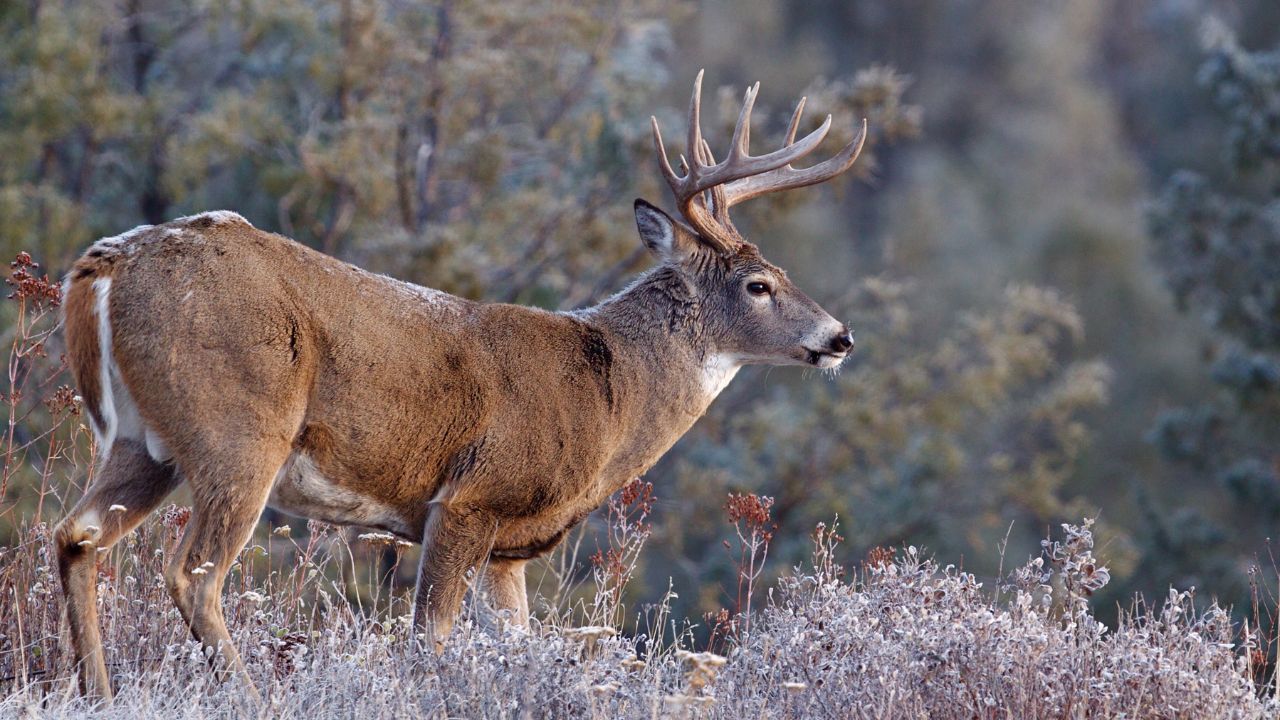
White-tailed deer are incredibly common across the U.S., which makes them the deer species most hikers are likely to encounter. In my years of hiking, I’ve crossed paths with them more times than I can count, and usually, they dart off the second they notice me. But there are times when deer don’t run.
Deer can become aggressive if they feel threatened, especially if a doe is protecting her fawns or a buck is in the middle of mating season (known as the rut). Bucks, in particular, are wired for battle during this time, and their antlers can be formidable weapons. Deer may also act aggressively if they’ve grown accustomed to humans feeding or handling them, which is unfortunately more common in areas with heavy foot traffic.
Knowing the potential for aggression is key, especially since virtually every hiking trail in the U.S. cuts through deer territory.
How to Handle an Aggressive Deer Encounter
Here’s something that might surprise you: deer are actually responsible for more animal-related deaths in the U.S. each year than any other species. Most of these deaths are due to car accidents, but it highlights the need to take them seriously, even on the trail. Bucks can charge with their antlers, and both bucks and does can kick or strike with their hooves.
If you encounter a deer on the trail, the best thing to do is give it plenty of space. From my experience, deer are usually more scared of you than you are of them. But if the animal doesn’t retreat or starts to show signs of aggression—like lowering its head, tucking its tail, or making direct eye contact—it’s time to act.
- Keep Your Distance
Stay calm and slowly back away. A wide berth will signal that you’re not a threat. If the deer has fawns nearby, give even more space. Trying to pet or feed a deer might seem harmless, but it’s one of the quickest ways to provoke an attack. - Make Noise
Sometimes, all it takes to deter a deer is noise. I always carry a safety whistle in my pack—something like the LuxoGear Survival Whistle works great. A few sharp blasts can usually send a curious or aggressive deer running. - Prepare to Defend Yourself
If the deer shows no sign of backing down and begins to charge, make yourself look as big as possible. Wave your arms and yell. If you have bear spray, use it. Otherwise, grab a large stick or your backpack to create a barrier between you and the animal. - If Knocked Down, Play Dead
In the rare event you’re knocked over, curl into a fetal position and protect your head and neck. Deer attacks are usually brief, and the animal will often leave once it no longer sees you as a threat.
Respecting Wildlife on the Trail
One of the best lessons I’ve learned as an outdoorsman is that respect for wildlife is crucial. Disrespecting animals—whether it’s feeding them or trying to snap a close-up photo—can lead to dangerous encounters for both you and the animal. Deer, like all wildlife, are best admired from a safe distance.
When I hit the trails, I always remind myself that I’m a guest in their home. With a little preparation and a lot of respect, we can enjoy these incredible creatures while staying safe. So next time you’re out hiking, keep your eyes peeled, your distance wide, and your whistle handy—just in case.


