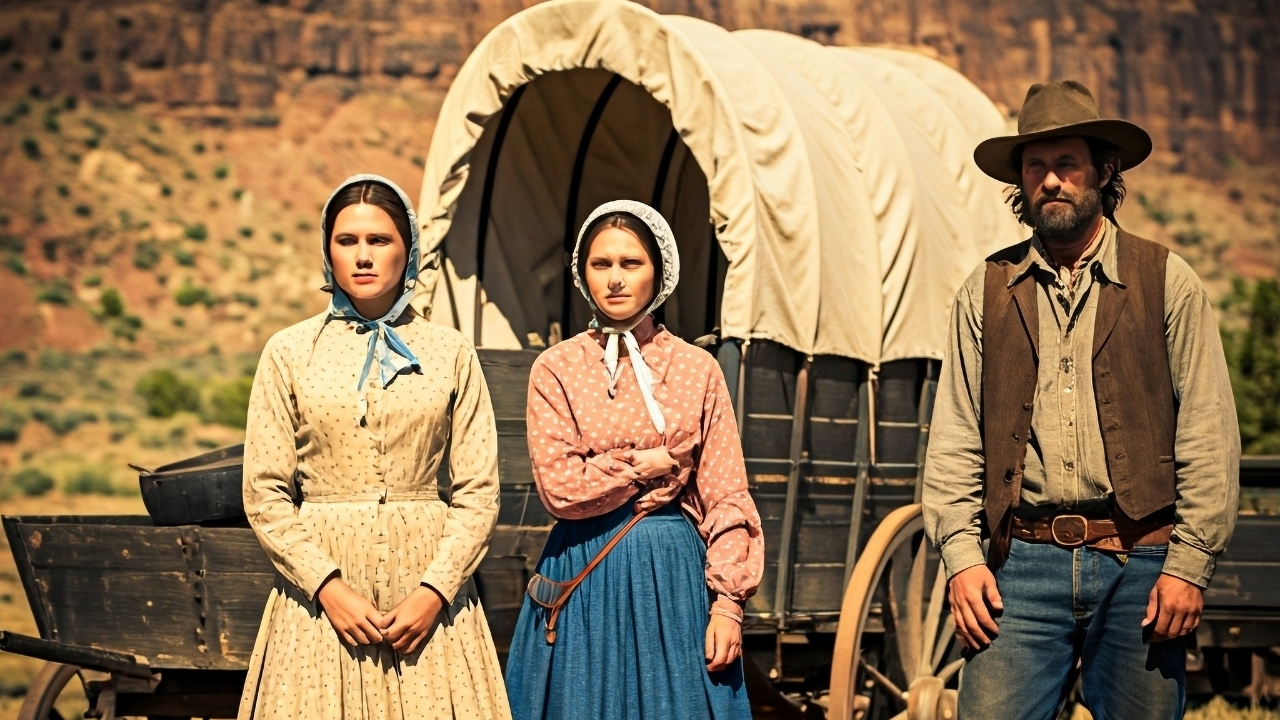
Photo credit: Shutterstock AI/Shutterstock.com
Pop culture loves frontier life because it’s visually clean: log cabins, wide-open spaces, tough people, simple morals, and a clear sense of independence. The real frontier was messier, more exhausting, and far more cooperative than the lone-hero story suggests. It was a life of constant maintenance and constant negotiation with the environment, and for many families it was less “adventure” and more “work that never ends.” People lived with persistent uncertainty: weather, crops, illness, injury, conflict, and distance from markets and medical help. The romance comes from the idea of freedom. The reality came with a high price in labor, comfort, and risk, and that price was paid every day, not just during dramatic moments.
Another thing pop culture glosses over is diversity of experience. “Frontier life” wasn’t one uniform lifestyle. It varied by region, climate, season, local relationships, the resources people had, and whether a household had trade skills or community ties. Some people were relatively stable, some were constantly on the edge, and many moved repeatedly because land, weather, debt, or conflict pushed them. The clean narrative of “go west and become self-sufficient” ignores how many people depended on trade networks, neighbors, and local knowledge to stay alive. It also ignores how hard it was for women and children, whose labor and risk were central but often erased in movie versions that focus on male hero arcs.
Daily life was more repetitive and labor-heavy than the story versions admit
Movies compress time, so you see the cabin get built and then it’s suddenly home. In reality, building a functional homestead required constant work: repairing roofs, clearing land, maintaining fences, chopping and hauling fuel, carrying water, keeping food preserved, caring for animals, and preparing for winter long before winter arrived. Even basic cleanliness was a project, because water had to be gathered and heated, clothing had to be mended constantly, and pests and rodents were always trying to move in. Pop culture shows a tidy cabin interior with a warm fire and a calm family. The real version often included smoke, cold drafts, damp clothing, and the kind of fatigue that makes everything feel heavier than it looks.
Food is another area where pop culture is soft. Meals weren’t always hearty and plentiful, and variety wasn’t guaranteed. People ate what they could grow, store, trade, or harvest, and lean seasons were real. Preservation failures could be devastating. When you remove modern logistics, food becomes a year-round discipline, and that discipline shaped the entire rhythm of life. The reality wasn’t constant starvation, but it also wasn’t constant abundance, and the emotional load of managing uncertainty is something movies rarely show because it’s not cinematic enough.
Community and trade mattered more than the lone-wolf myth allows
The loner homesteader image is powerful, but frontier survival often depended on cooperation. People exchanged labor, tools, knowledge, and security help because there were too many tasks and too many risks for isolated households to handle consistently. Barn-raisings, harvest help, shared hunting knowledge, and mutual aid during illness weren’t just nice traditions; they were practical survival strategies. Even trade mattered more than people think. Many households relied on nearby towns, trading posts, or traveling merchants for items they couldn’t easily produce, and they often sold or traded surplus goods to get staples like salt, cloth, metal tools, and other essentials.
Pop culture also tends to simplify conflict and danger into clear villain stories, but the more common “danger” was distance and delay. If someone was injured, help might be hours or days away, and that meant communities had to develop their own response habits. If a storm hit, neighbors checked on each other because one household’s crisis could become a community crisis. The frontier wasn’t only about independence. It was about interdependence in a setting where institutions were thin and nature didn’t care about your plans.
Health and medicine were harsher realities than movies usually show
Movies often treat illness as a plot point that resolves quickly, but disease and infection were constant threats. Minor injuries could become serious without effective treatment, and childbirth was far riskier than modern audiences intuit. Clean water wasn’t guaranteed, nutrition could swing, and harsh weather and hard labor wore people down. The mental toll matters too: isolation, grief, fear of loss, and chronic fatigue shaped people’s decision-making, and those pressures don’t fit neatly into the heroic frontier narrative. Pop culture likes the idea of tough people who simply endure. The reality was that endurance came with real cost, and many people didn’t make it, or they survived with scars that never show up in neat stories.
This doesn’t mean frontier people were helpless. They were resourceful, and they built skills that look impressive today. But those skills weren’t magic. They were developed because there was no alternative. When pop culture turns that into a fantasy of simple living, it hides the truth that “simple” often meant “hard,” and “freedom” often meant “responsibility you can’t outsource.” If you strip away modern convenience, you also strip away modern buffers, and the frontier demanded constant attention to those missing buffers.
The frontier was less romantic, more cooperative, and more demanding than the myth
Frontier life wasn’t a constant gunfight or a constant adventure, and it also wasn’t a peaceful cabin fantasy. It was labor, planning, repairs, food management, seasonal strategy, community reliance, and risk management with fewer safety nets. Pop culture shows dramatic moments and clean images because that sells. The real version was a grind punctuated by crises and small wins, and it required systems more than swagger. If you want the honest lesson, it’s that resilience is built through routine, cooperation, and practical skills—not through lone-wolf mythology and dramatic hero scenes.
Like The Avid Outdoorsman’s content? Subscribe to our newsletter so you never miss an article.
Here’s more from us: