Photo credit: Bailey Cloud/Pexels.com
Nobody likes talking about money in hunting because it sounds like whining. But if you’ve been at this long enough, you’ve watched the same pattern play out: license costs creep up, application fees stack, access gets carved up into smaller parcels, and the “cheap” lease your buddy had turns into a bidding war. Even when the license itself doesn’t explode, everything around it does—gas, ammo, optics, range time, processing, and especially land. Some states are trying to fund access and habitat by shifting more of the bill to nonresidents, which is its own debate, but it’s also a tell: pressure is real. Here are 15 states where residents are feeling the squeeze the hardest right now, usually because the cost of hunting isn’t just a tag anymore—it’s an entire lifestyle line item.
Texas

Texas is the definition of “the tag isn’t the expensive part.” Plenty of residents can still buy a license and hunt, but access is where your wallet gets emptied. Land prices staying high makes leases more valuable, and when land is expensive, owners squeeze every possible revenue stream out of it. Texas land pricing has remained elevated, with median per-acre pricing still climbing into mid-2024 depending on region, and that tends to ripple straight into lease expectations and “pay-to-play” setups. If you’re a resident without family land, you’re either driving farther for public, getting creative with small parcels, or paying more every season for the same kind of access you used to get with a handshake. A lot of guys aren’t quitting hunting—they’re just hunting less, traveling less, and picking one species or one weekend because the total tab keeps rising.
Georgia

Georgia’s a perfect example of “quiet priced out” because deer hunting is still popular, but lease culture keeps tightening. University of Georgia extension materials have cited average deer hunting lease values around the mid-teens per acre in recent years, with wide ranges depending on the tract and region. That adds up fast when a club lease jumps a few bucks per acre and suddenly every member’s dues bump up. What makes it worse is parcelization—more land chopped into smaller tracts means more owners, more “no hunting,” and more demand for the remaining huntable blocks. For a resident who doesn’t already have a lease, the barrier to entry can feel like joining a country club, not a weekend hobby.
Florida
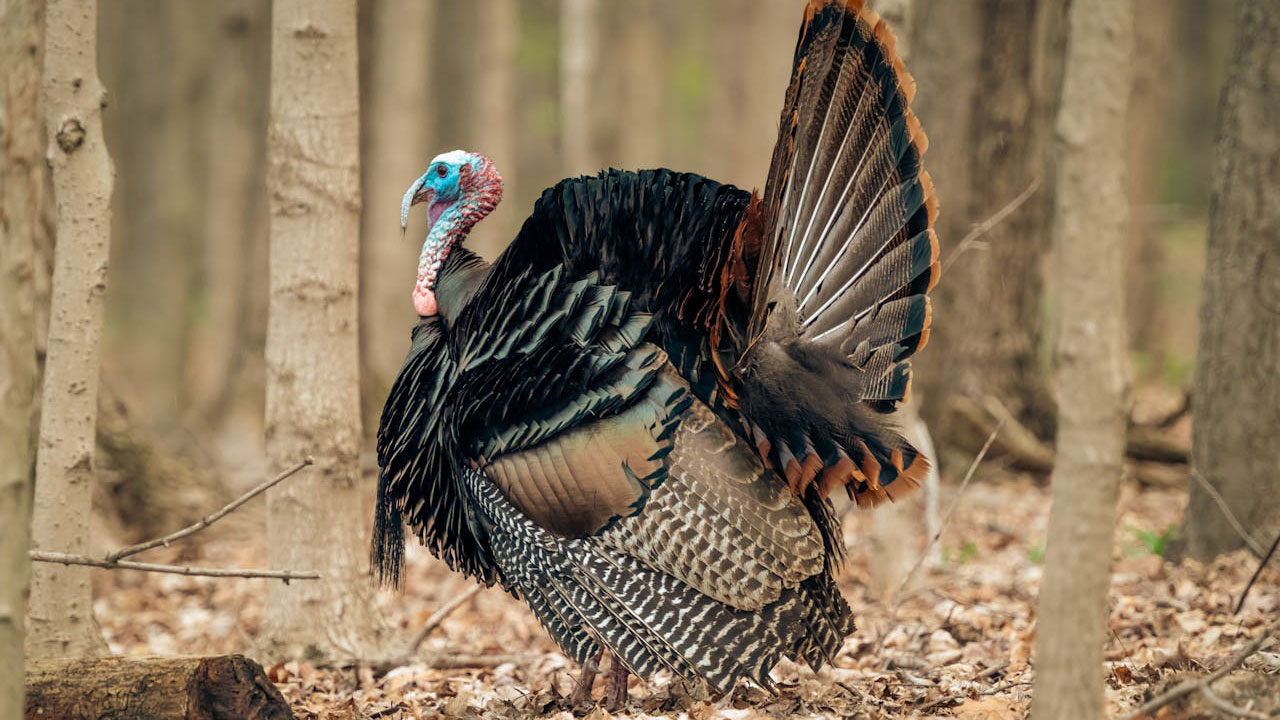
Florida residents get squeezed because the state’s growing like crazy, and development pressure pushes access into tighter pockets. That means more people competing for the same WMAs, more crowding, and more “I’ll just lease somewhere” thinking—except leasing is exactly where prices jump. Florida also has a lot of hunters who are trying to do it all: deer, hogs, turkey, and year-round scouting, which turns travel and time into a real cost. If you’re near fast-growing counties, you’ve probably watched places you used to hunt get posted, gated, or turned into “no discharge” zones. You can still hunt Florida as a resident, but doing it comfortably—without fighting crowds or paying for private access—gets harder every year.
North Carolina

North Carolina’s problem is the mix of strong hunting culture and a state that keeps filling up with new people. More people means more pressure, and pressure makes public land feel smaller than it is. Residents who used to rely on permission land are getting squeezed too, because those family farms turn into subdivisions or change hands, and the new owners don’t want hunters around. The result is that residents start looking at leases as the stable option, but those aren’t cheap and they rarely get cheaper once a property becomes “known.” The cost isn’t always a single huge fee—it’s the slow creep: farther drives, more scouting time, more fuel, and more days burned trying to avoid crowds.
Tennessee
Tennessee is still a state where residents can hunt without going broke, but the squeeze shows up in the “hidden costs.” The public land pressure climbs, the good private access gets harder to secure, and the guys who used to hunt close to home end up driving farther to get away from people. That’s real money and real time. And when states put more focus on better funding and better management (which is a good thing), it often comes with fee discussions and changes that add another layer of cost over time. Even if your license doesn’t jump overnight, the overall cost of being a consistent hunter—gear, range time, travel, processing—keeps creeping up, and Tennessee residents feel that same national pressure.
Colorado

Colorado is a classic “fees stack up” state, even for residents who know the system. Colorado Parks and Wildlife lists resident application processing fees and resident preference/weight point fees that add up quickly if you apply year after year, especially if you’re building points for better hunts. That’s before you even talk about fuel, time off work, and the reality that a lot of better opportunity hunts are limited and competitive. Residents aren’t “priced out” like they can’t buy a tag at all—many still can. They’re priced out in the sense that chasing top-end opportunity becomes a long, expensive game, and the annual cost of staying in that game keeps climbing.
Utah

Utah is a good example of a state trying to fund habitat and access protection through fee changes, including higher nonresident fees tied to land and winter range protection. Even though that particular change targets nonresidents, it’s still a signal of the broader pressure: land and habitat costs are high enough that agencies need more money to keep opportunity alive. Utah also has a competitive draw culture where serious hunters plan years ahead, and that planning comes with application habits, travel, and gear choices that add up. Residents who used to be able to hunt a simpler “local” season can still do it, but the path to consistent, quality opportunity feels more expensive than it used to.
Montana

Montana’s been ground zero for access and crowding debates, and one of the big tells is the push to raise nonresident base license fees to support hunter access. Again, that’s aimed at nonresidents, but the reason it matters to residents is what’s happening underneath: more pressure, more demand, and more money swirling around tags and access. Residents feel it when leases climb, when certain areas get hammered, and when “go hunt that drainage” turns into “good luck finding a place to park.” Montana is still a place residents can hunt, but the cost to keep your hunts feeling uncrowded and consistent often means longer drives, more scouting, and more time—costs that don’t show up on a receipt but still hit your life.
Michigan
Michigan is a state where the license cost conversation has gotten louder because lawmakers have pushed bills to raise DNR license fees and adjust how licenses are structured. That matters to residents because Michigan has a big base of everyday hunters—guys who hunt deer because it’s part of life, not because it’s a once-a-year trophy trip. When costs move, even by “not crazy” amounts, it hits a lot of people. Add in that access can be crowded in some public areas and fragmented around growth corridors, and residents start paying more in fuel and time to find quieter ground. Michigan will probably always be a hunter state, but it’s not immune to the “more expensive every season” reality.
Iowa
Iowa residents still have relatively affordable deer tags compared to nonresidents, but even small increases can matter when a state is dealing with inflation and funding needs. Iowa DNR reporting has discussed recommending a percentage increase in license fees to keep pace. The bigger squeeze for residents is access culture: Iowa’s limited public land and high-quality deer reputation fuels demand for private access, which can turn permission into a business arrangement in a hurry. Residents with family ground are fine. Residents without it feel the pinch—either you hunt pressured public, you travel, or you pay for access in a state where “good dirt” is already expensive.
Wisconsin
Wisconsin feels the squeeze in a different way: high participation plus uneven access experience. If you’re in a zone with plenty of public, you can still hunt, but crowding and pressure often push people into trying to secure private access. That’s when costs show up—leases, dues, and the “pay to keep it stable” mentality. Wisconsin also has a lot of hunters who do multiple seasons (deer, turkey, small game), and that turns a hobby into a year-round commitment with year-round expenses. Residents aren’t suddenly unable to buy a license; they’re just getting tired of paying more money to fight more people for the same quality days in the woods.
Pennsylvania

Pennsylvania’s a public-land state in many areas, which helps, but the squeeze shows up as crowding near population centers and the loss of simpler permission hunting. More posted land and more fragmented private blocks means more pressure pushed onto public. That changes how much time it takes to hunt effectively, and time is money when you’ve got a job and a family. A lot of PA residents respond by traveling farther, scouting more, and buying more gear to “solve” a pressure problem that really comes down to access and density. It’s not that PA is impossible—it’s that the old version of “grab a stand and go after work” gets harder to pull off in the same places it used to be easy.
Arizona
Arizona’s squeeze is partly about limited opportunity and partly about logistics. When the better hunts are draw-based and competitive, residents end up playing a long game—apps, points, scouting trips, travel across big country, and gear that’s built for heat, rocks, and distance. It’s easy for a new hunter to think “I have a tag, I’m good,” and then realize the real cost is boots, tires, gas, optics, and time off. If you want to hunt effectively in Arizona, you can do it, but it often demands a more expensive style of hunting than a typical “woods behind the house” state.
Idaho

Idaho is still a place residents can hunt without a second mortgage, but the pressure shows up in two ways: more people and more competition for certain types of access and opportunity. When more hunters show up in popular zones, residents end up traveling farther or hunting harder terrain to stay away from crowds. That creates real expenses—fuel, time, and often gear upgrades because you’re hunting steeper, rougher country. The other squeeze is the “system cost” for residents who start chasing better opportunity hunts: scouting trips and time become the biggest line items. Idaho isn’t the worst on this list, but it’s one of the states where residents say, “It didn’t used to feel this expensive to have a good season.”
Nevada

Nevada is a “limited opportunity” state for a lot of big game, and that means residents often spend years playing the draw game and building a plan around a tag that might take a while. That draws out the cost timeline: annual applications, annual scouting time, and a gear setup built for distance glassing and harsh terrain. When you finally draw, the hunt itself often involves long drives, remote logistics, and more time off than a simple weekend deer hunt back east. Residents can hunt Nevada, but “hunting it well” often carries a price tag that feels more like a Western trip hunt—even when you live there.
Like The Avid Outdoorsman’s content? Be sure to follow us.
Here’s more from us: