Photo credit: Alex Moliski/Unsplash.com
Public land can be one of the best things we’ve still got. It gives regular folks a place to hunt, fish, scout, camp, hike, and get outside without needing family acreage, a lease, or a big budget. That matters. A lot of good days start on ground that belongs to everybody. But that only keeps working if people act like they’ve got some sense. Public land doesn’t need perfection. It does need a little respect, a little awareness, and a basic understanding that sharing space with other people means you can’t behave like the whole place was set aside for your personal convenience.
The problem is there are always some folks out there making the rest of us look worse than we ought to. Not because they’re new, either. I can excuse a lot from somebody who’s learning and trying. What gets old is the kind of behavior that comes from selfishness, laziness, or pure lack of shame. It’s the stuff that leaves a bad taste in everyone’s mouth and gives anti-access types more ammunition than they deserve. These are the things people do on public land that really ought to embarrass them.
Leaving Trash Like the Woods Are Somebody Else’s Job
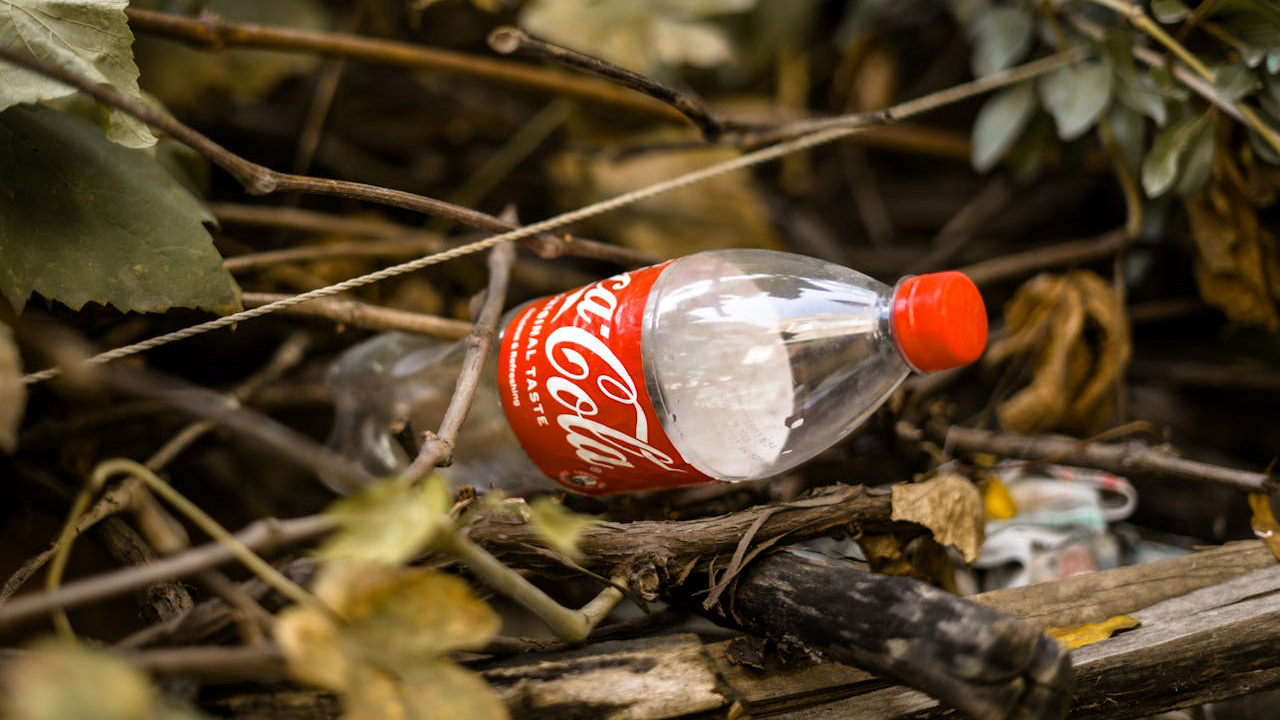
There’s no excuse for this one, and I don’t care how good the hunt was or how tired somebody got on the walk out. If a man can carry a drink in full, a bait package in unopened, or a food wrapper into the woods, he can carry it back out empty. Same goes for line, shell boxes, beer cans, hand-warmer wrappers, snack trash, zip ties, cigarette packs, and all the rest of the lazy little leftovers people somehow convince themselves don’t matter that much. They matter. They always matter.
What makes this worse is that public land trash never just sits there quietly. It blows around, gets into water, tangles wildlife, and turns a decent stretch of ground into something that looks neglected and disrespected. Then the next guy has to either hunt around it or pick it up because he still has enough pride left to care. Leaving trash behind on public land is one of the clearest signs a person enjoys the privilege of shared land without feeling any duty toward it. A grown man ought to be ashamed of that.
Parking Like Nobody Else Exists
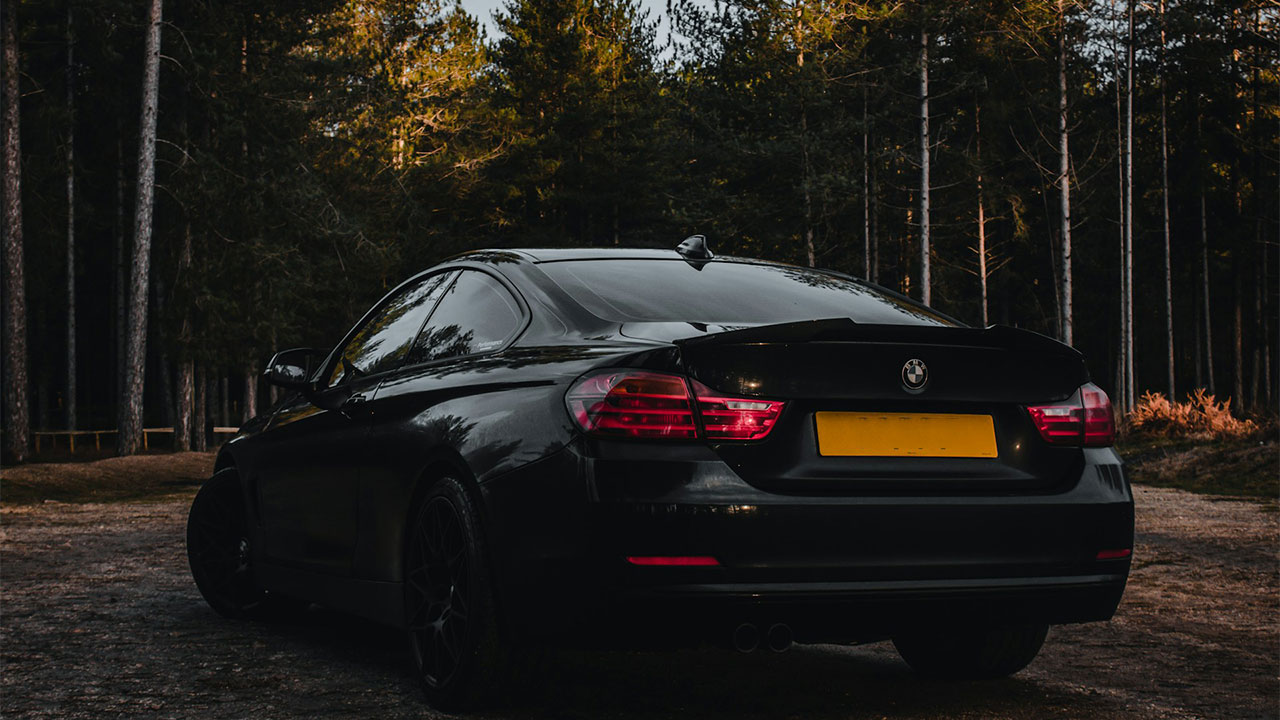
I’ve seen some truly stupid parking jobs on public ground. Trucks angled across two spots, trailers left like they were dropped from a helicopter, rigs blocking gates, vehicles crowding the only practical turnaround, and plenty of folks who somehow manage to take up the exact amount of room that says, “I don’t care what happens after I get here.” It doesn’t take a lot of effort to park with a little thought. But you’d never know that from some access points, especially in the dark when people are arriving half-awake and already acting territorial.
Bad parking does more than irritate people. It creates actual problems. It blocks access, limits safe movement, slows down launches and unloads, and starts the day with everybody already annoyed before a boot even hits the trail. Public land means other people are coming too. A man who parks like the place was waiting only on him is telling everybody else exactly what kind of person he is. None of it is flattering.
Blasting Through an Area Like Noise Doesn’t Count
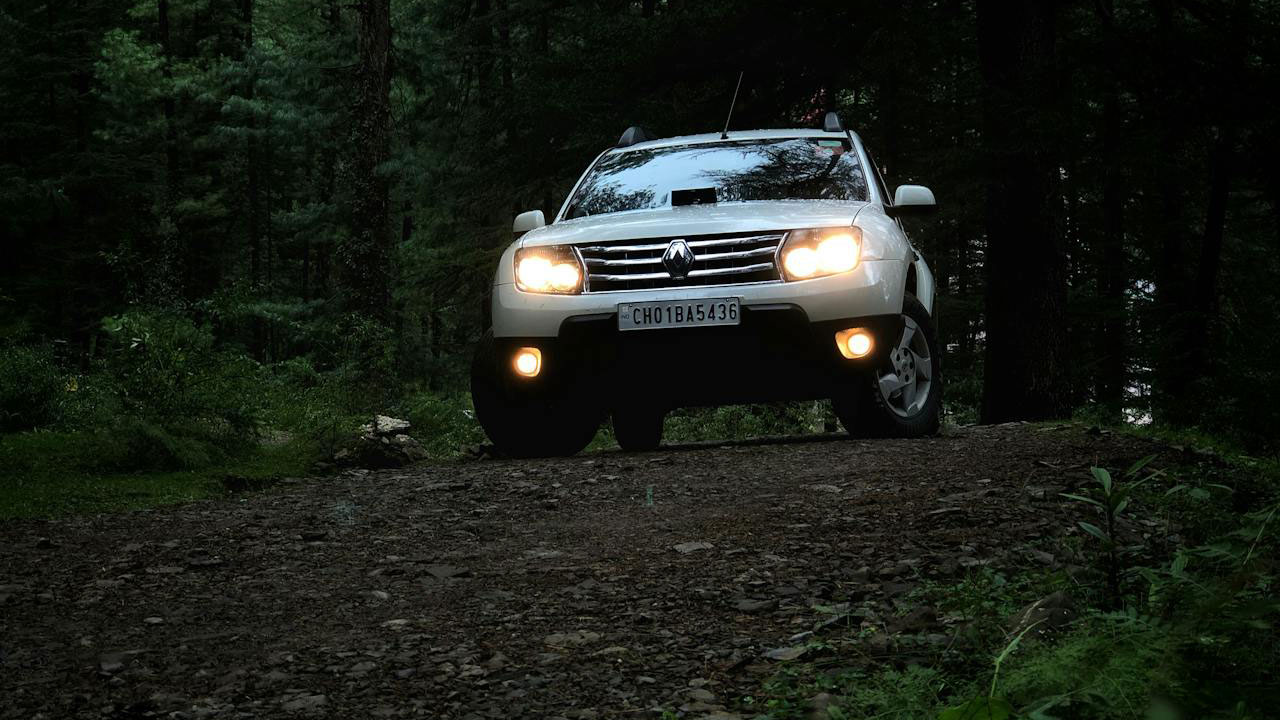
A lot of people love to talk about scent, camouflage, and gear, then stomp, slam, yell, rev, and clatter their way through public ground like none of that other stuff ever mattered in the first place. Tailgates slamming before daylight, loud talking at the parking area, ATV noise where it shouldn’t be, dogs barking without control, and enough extra racket to let half the county know they’ve arrived. Then they act confused when the woods feel dead or everybody else is glaring at them over a thermos lid.
Public land doesn’t owe anybody silence, but basic courtesy and common sense still ought to exist. Noise changes the whole experience for other users, and it absolutely changes how animals move in pressured areas. A man who can’t keep his volume under control on shared ground usually thinks of public land as a personal stage instead of a shared resource. That’s bad enough in camp. Out on access ground, it’s just embarrassing.
Walking In on Top of Other People Like They’re Invisible
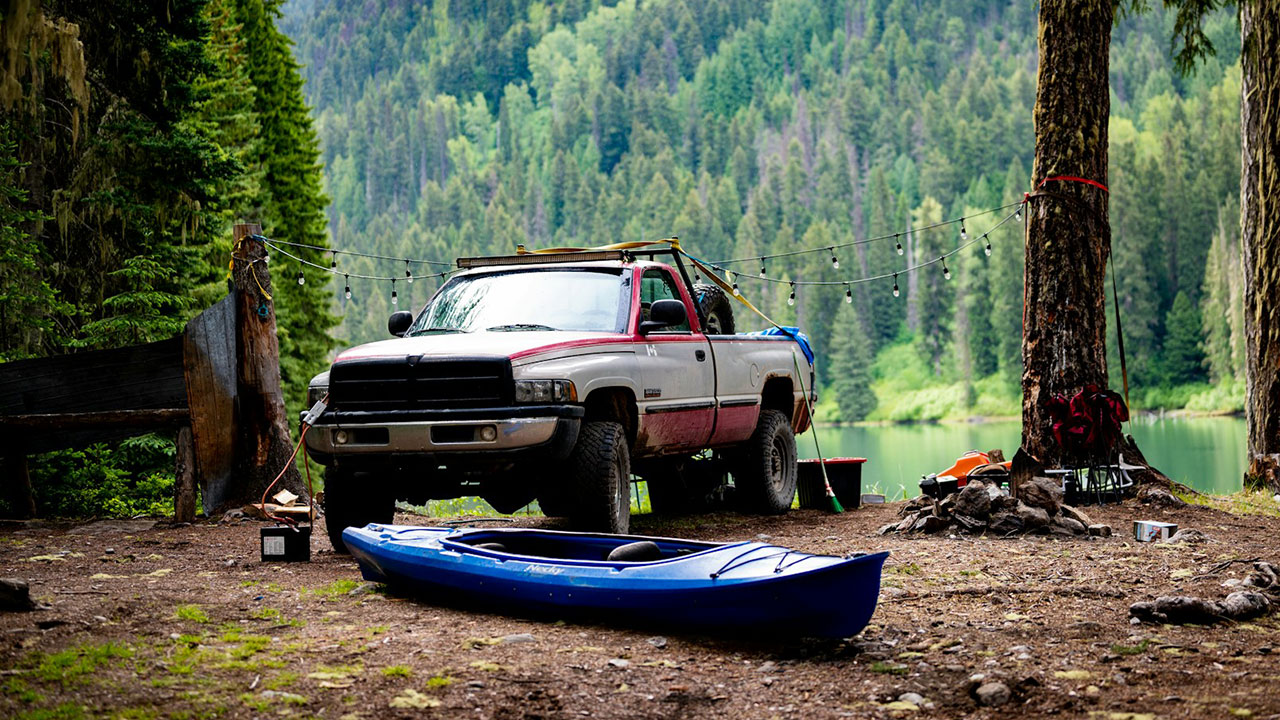
If another truck is already there, that should tell a person at least one thing: somebody else is using the area. That doesn’t mean the whole section is off-limits. It does mean you ought to move with some judgment. But every season there are folks who see another vehicle, then march right down the easiest route, crowd a setup, walk straight past where someone is clearly working an area, or slide in close enough to make it obvious they were hoping to benefit from somebody else’s effort without earning any of it.
That sort of crowding is one of the quickest ways to sour public-land culture. You don’t have to vanish off the map for every other user, but you do need a little spatial respect. If a man can’t read a parking lot, a trailhead, decoys, a blind, or obvious sign that someone is already in a pocket, he either lacks awareness or lacks manners. Neither one looks great on him.
Ignoring Rules and Acting Like They’re Optional Suggestions
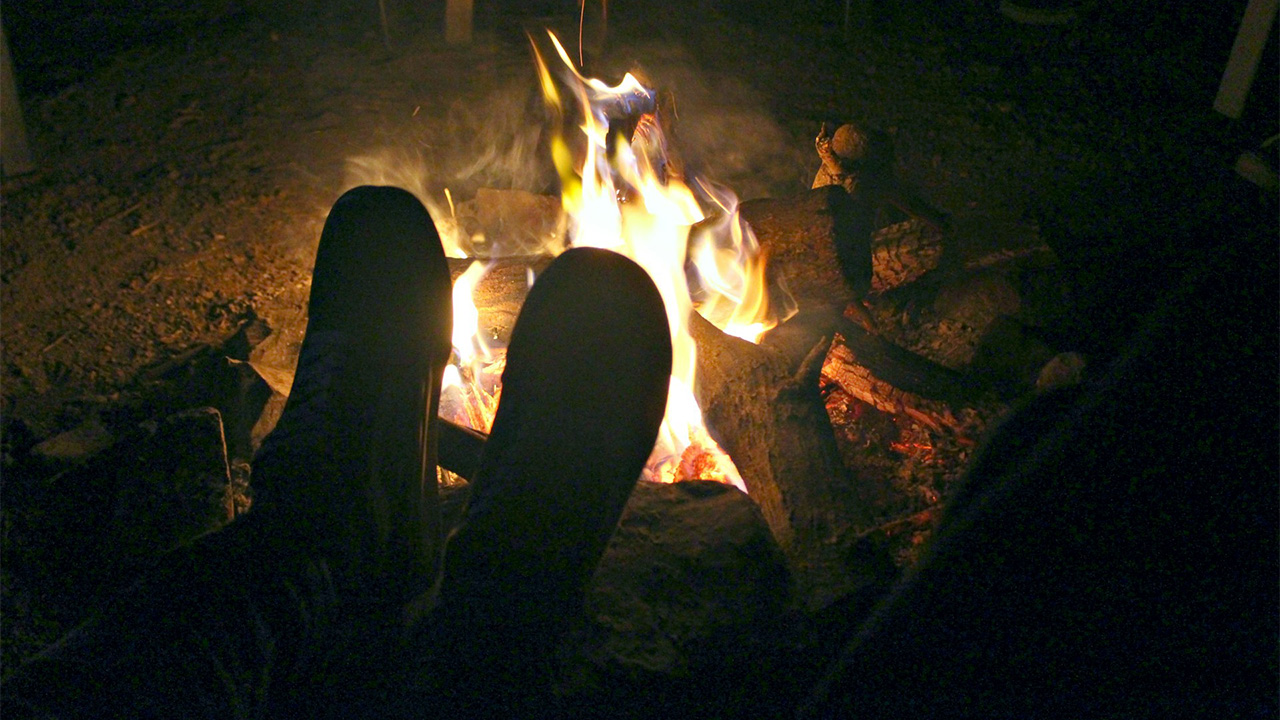
Bag limits, zone boundaries, weapon restrictions, access times, camping rules, vehicle rules, bait regulations, fire restrictions, seasonal closures—none of that is there for decoration. A lot of it exists because people already proved they couldn’t be trusted without structure. Yet every year you’ll still find men acting like the rules are for nervous people, not for them. They bend timing, creep into closed spots, drive where they’re not supposed to, leave fires too loose, or convince themselves their own personal interpretation of the law is good enough.
That kind of behavior doesn’t just risk a ticket. It hurts everyone else who uses the place. Access can get reduced, pressure gets redirected, and public trust in land users takes a hit every time somebody wants to play outlaw over something that usually wasn’t worth it to begin with. A man doesn’t have to love every rule. I sure don’t. But if he uses public land, then following the rules is part of the cost of doing business. Pretending otherwise just makes him look childish.
Acting Possessive Over Ground That Belongs to Everybody
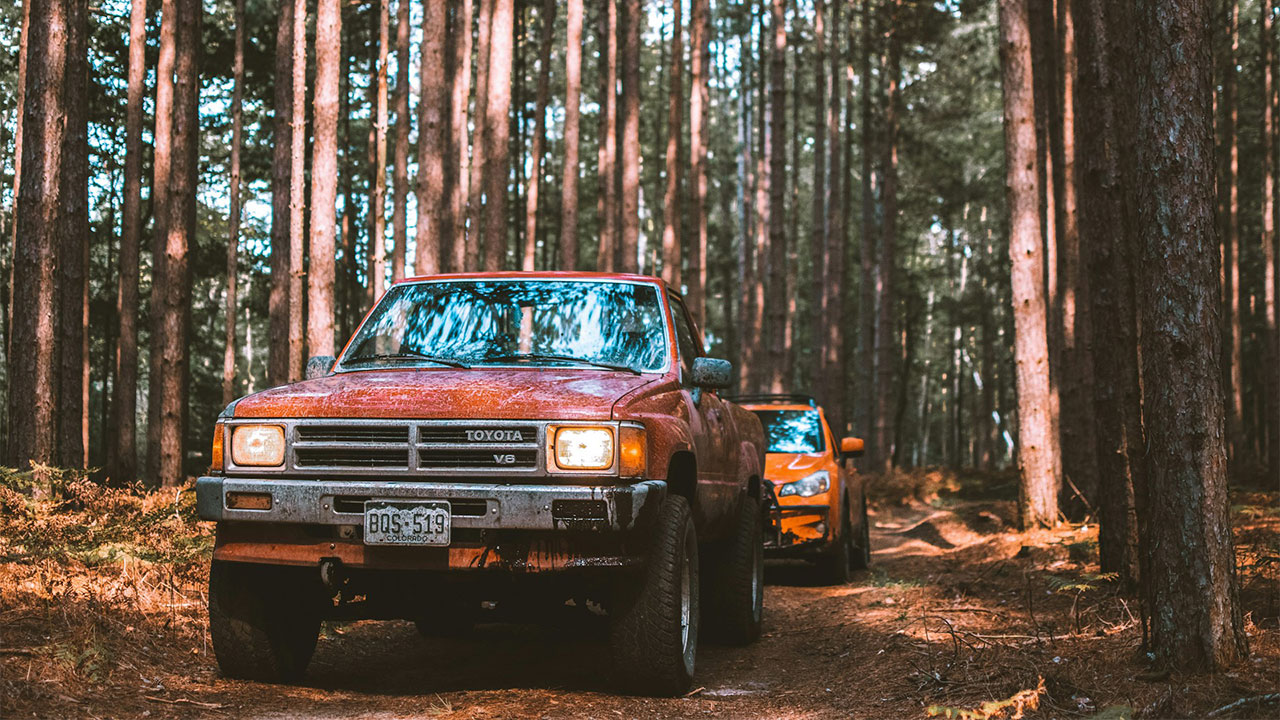
There’s always somebody who starts talking about “my spot” on public land like he inherited it from his granddad and recorded the deed at the county office. He’ll glare at other trucks, huff if someone parks at “his” access point, and carry himself like the rest of the world is trespassing just by showing up on legally shared ground. I understand getting attached to a place. Anybody who puts in real time scouting and learning an area is going to feel something toward it. That’s normal. But ownership and familiarity are not the same thing.
The moment a man starts acting like public land is private because he got there a few seasons earlier than somebody else, he’s crossed into clown territory. Shared ground comes with shared frustration sometimes. That’s the deal. You can adjust, move, outwork people, or get there earlier next time. What you can’t do is pretend the public owes you exclusivity. That kind of behavior makes a grown man look small fast.
Dumping Unwanted Gear, Furniture, or Camp Garbage
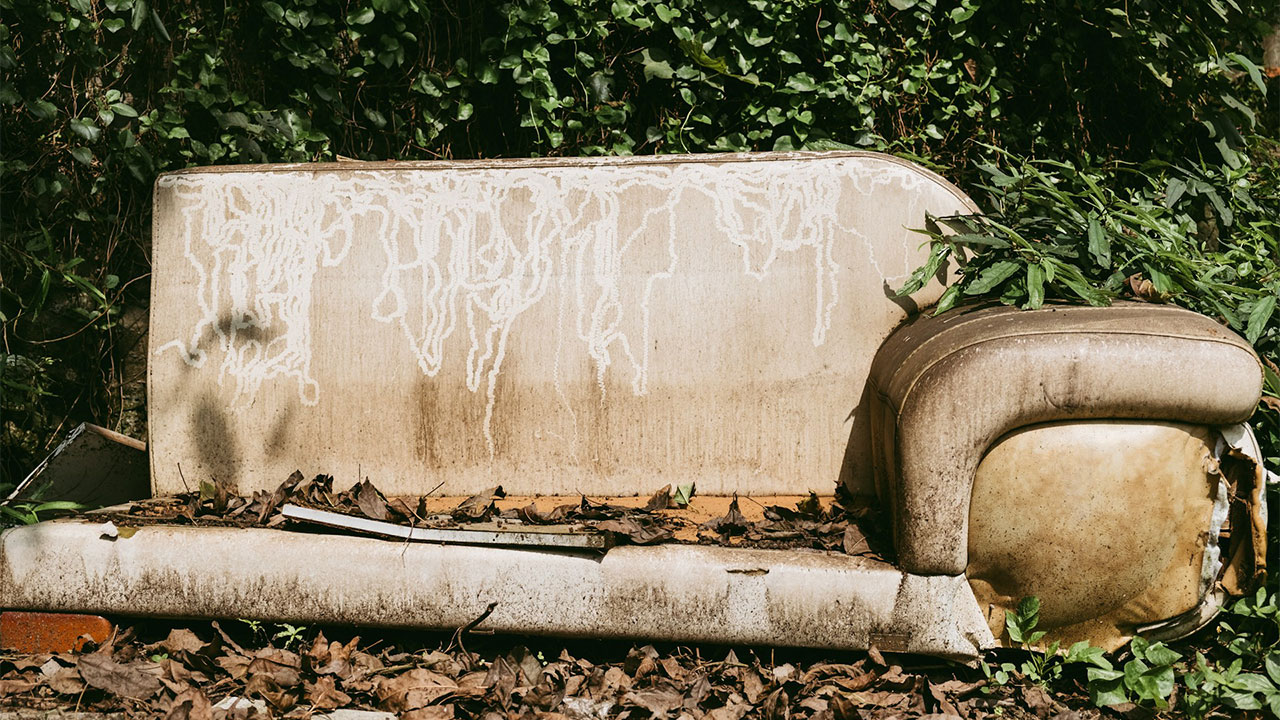
There’s a special kind of low character behind people who use public land as a dumping ground. Old chairs, broken tents, rotten pallets, torn decoy bags, busted coolers, abandoned stands, nasty mattresses, carpet scraps, old appliances on access roads—every bit of it tells the same story. Somebody wanted to get rid of a problem without paying the cost or making the effort to do it right, so they pushed that cost onto the land and everybody else who uses it.
That should embarrass a person more than almost anything else on this list. It’s not lazy in a harmless way. It’s a deliberate act of disrespect toward land most of us are lucky to have access to at all. The kind of man who dumps junk on public ground isn’t just messy. He’s announcing that he thinks the shared world exists to absorb his worst habits. That’s rotten behavior, plain and simple.
Driving Where They Should Be Walking

Some folks would drive into the middle of a pond if they thought they could get away with it. Closed roads, soft edges, berms, walk-in areas, trail barriers—none of it seems to register with people who think convenience is a higher authority than the actual signs in front of them. They want to get closer, haul less, and save themselves some effort, so they push farther with a truck, ATV, or side-by-side than the land, the rules, or basic courtesy ever intended.
The damage from that lasts a lot longer than the laziness that caused it. Ruts deepen, erosion gets worse, access points get torn up, and land managers respond the only way they can—by tightening rules for everybody. Then the same guys who caused the problem complain about losing access. A man ought to feel stupid driving where he knows he shouldn’t. Too many don’t, and it shows.
Being Sloppy With Fire on Shared Ground
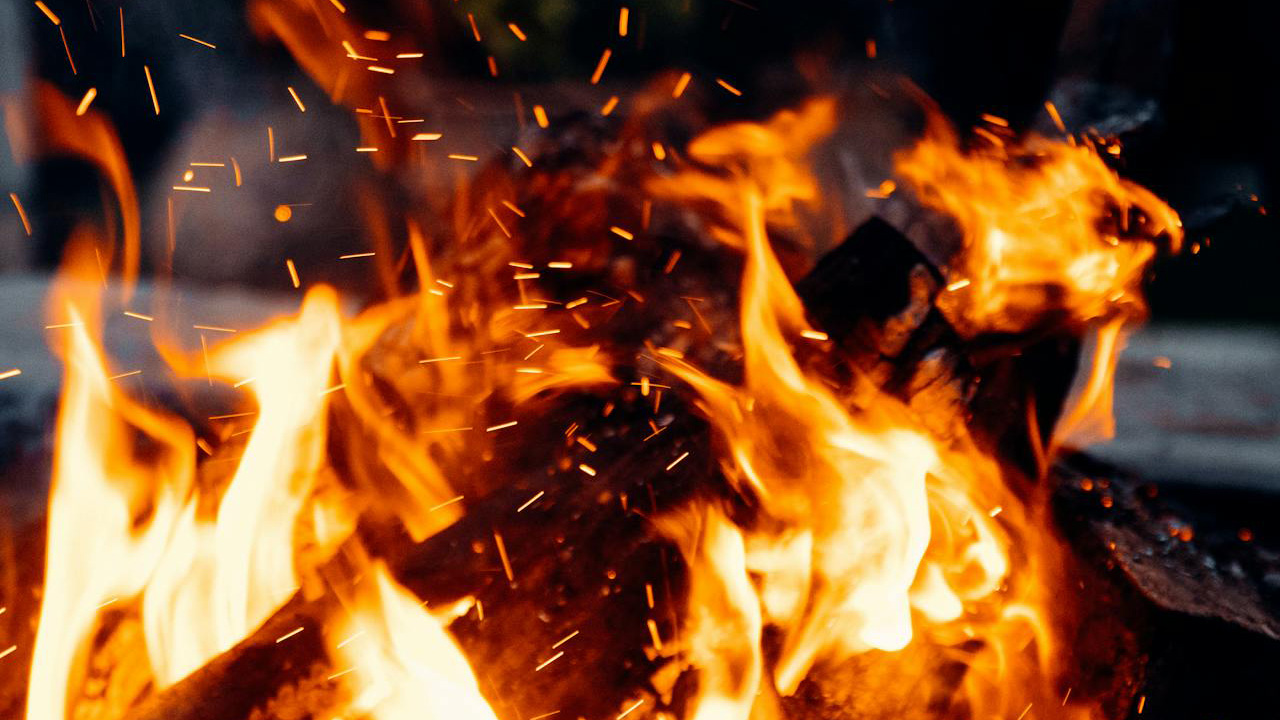
Few things make a person look less trustworthy than getting casual with fire on public land. Leaving a pit active without watching it, tossing cigarettes where they don’t belong, building fires during restrictions, failing to drown coals properly, or treating dry conditions like some exaggerated worry for weaker men—none of that is rugged. It’s reckless. Shared ground means shared risk, and fire is one of the quickest ways one idiot can wreck a whole lot of land that didn’t belong to him in the first place.
A careful man doesn’t need to be dramatic about it. He just needs to be disciplined. Build only what conditions allow, keep it controlled, and kill it all the way before leaving. That’s basic stewardship, not political correctness. A guy who can’t handle fire responsibly on public land is telling everybody else he values his own convenience over everyone’s access, habitat, and safety. That ought to humiliate him more than it usually seems to.
Cutting Across Private Boundaries Like Lines Don’t Matter
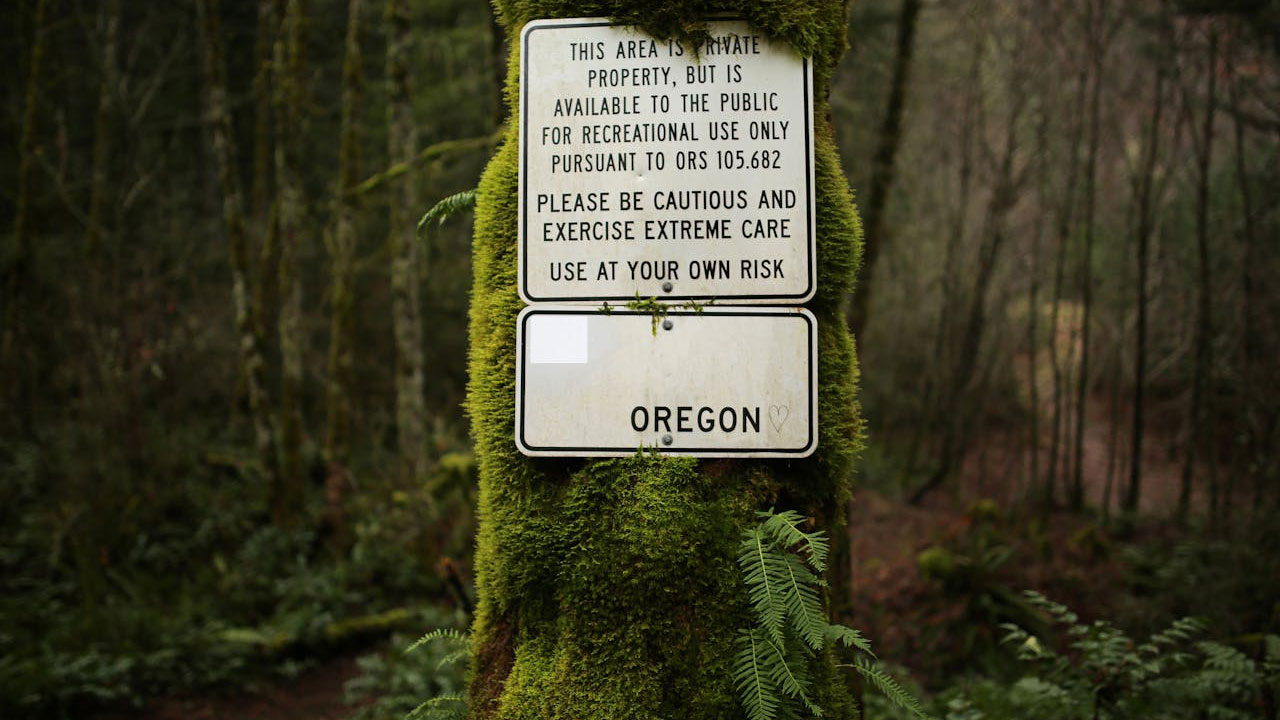
This one gets public-land users hated in a hurry. A man wants to reach a public parcel, or leave one faster, or shortcut around pressure, so he slips over a fence, crosses private ground “just a little,” or convinces himself the boundary is fuzzy enough to ignore. Then landowners get fed up, complaints start, and everybody who tries to do things the right way gets lumped in with the same nonsense. People act shocked when access issues get worse, but this is one of the big reasons why.
Boundary disrespect is especially bad because it takes so little effort to avoid. Check your maps. Know your corners. Use legal access. Walk the extra stretch if that’s what the land requires. A man who trespasses because he’s too lazy or entitled to do it right deserves every bit of embarrassment that comes with being caught acting like public access gives him a pass to ignore private property.
Leaving Fish, Carcasses, or Cleaning Waste in the Wrong Places
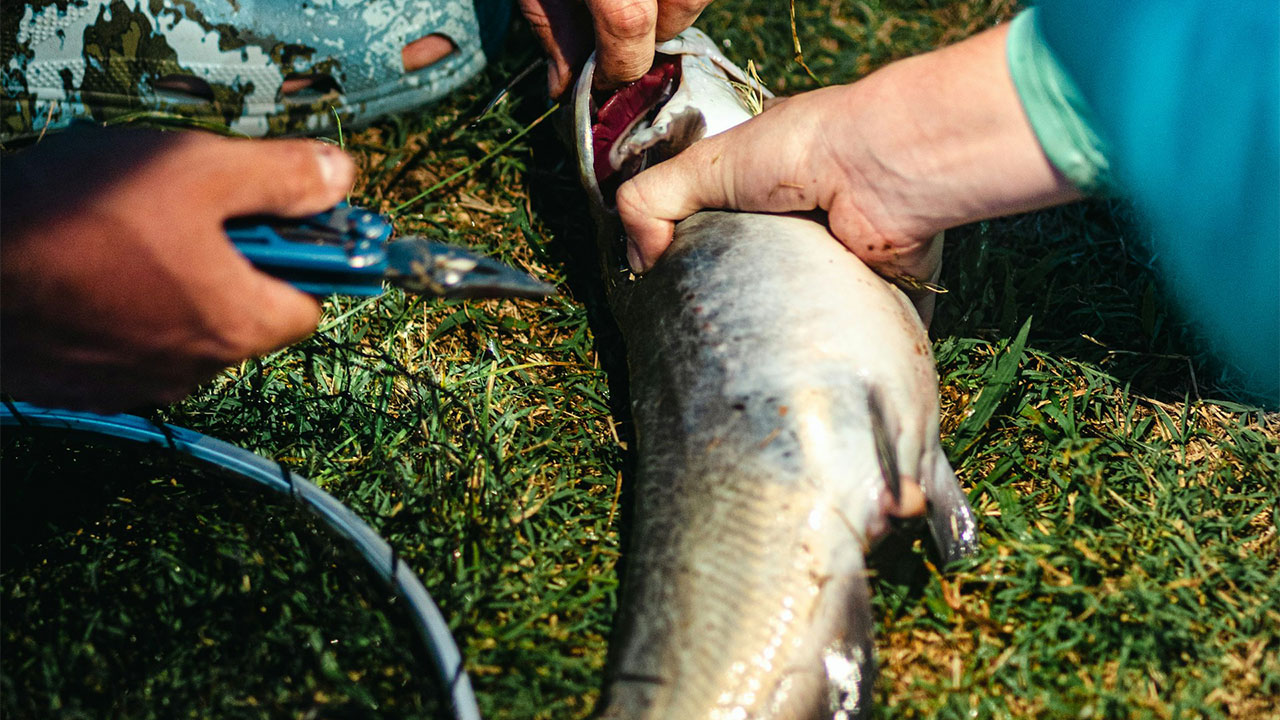
I’m not talking about legal, responsible field dressing handled where it belongs and in the way local rules allow. I’m talking about the sloppy nonsense—dumping remains at access points, near parking areas, in campsites, beside ramps, or anywhere people and wildlife are going to have to deal with the smell and mess later. Fish guts, carcass scraps, bait mess, and cleaning waste left where people gather or launch turns shared ground ugly fast.
It also sends a message that the person doing it thinks the experience ends at his own truck bumper. He got what he wanted, and everyone else can deal with the smell, scavengers, flies, and visual mess after he’s gone. That is low-grade behavior. Public land doesn’t need to be sterile, but it does need a little restraint and judgment. Leaving remains in stupid places makes a person look like he was raised with no idea how shared space works.
Treating Trails, Ramps, and Access Points Like a Living Room
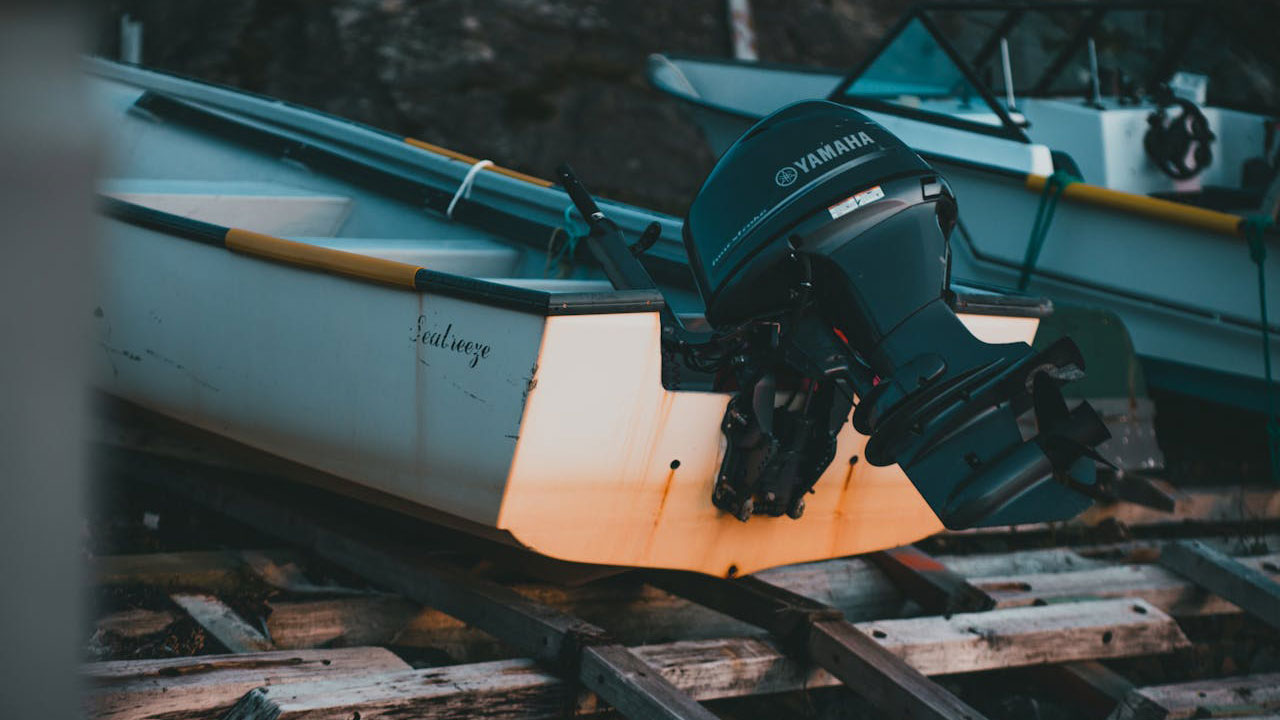
A boat ramp, gate area, trailhead, or check-in stretch is not the place to spread out like you’re hosting a reunion. Yet every season somebody manages to block the whole flow of a public spot with unpacked gear, a full tailgate breakfast, three lawn chairs, loose dogs, kids running across the lane, and enough casual sprawl to turn one launch or one walk-in point into everybody else’s bottleneck. They don’t mean to be rude, usually. They’re just so wrapped up in their own little orbit that they stop noticing the place is built for movement.
Public access works best when people handle their business and keep it moving. Prep off to the side. Load efficiently. Don’t hold the whole ramp hostage while you debate sunscreen, stringers, or who forgot the sandwiches. A person doesn’t need to move like a machine, but he does need to understand shared-use space is not his personal campsite. The ones who never figure that out end up being the reason simple access points feel like a test of patience.
Letting Dogs Run Wild With No Control
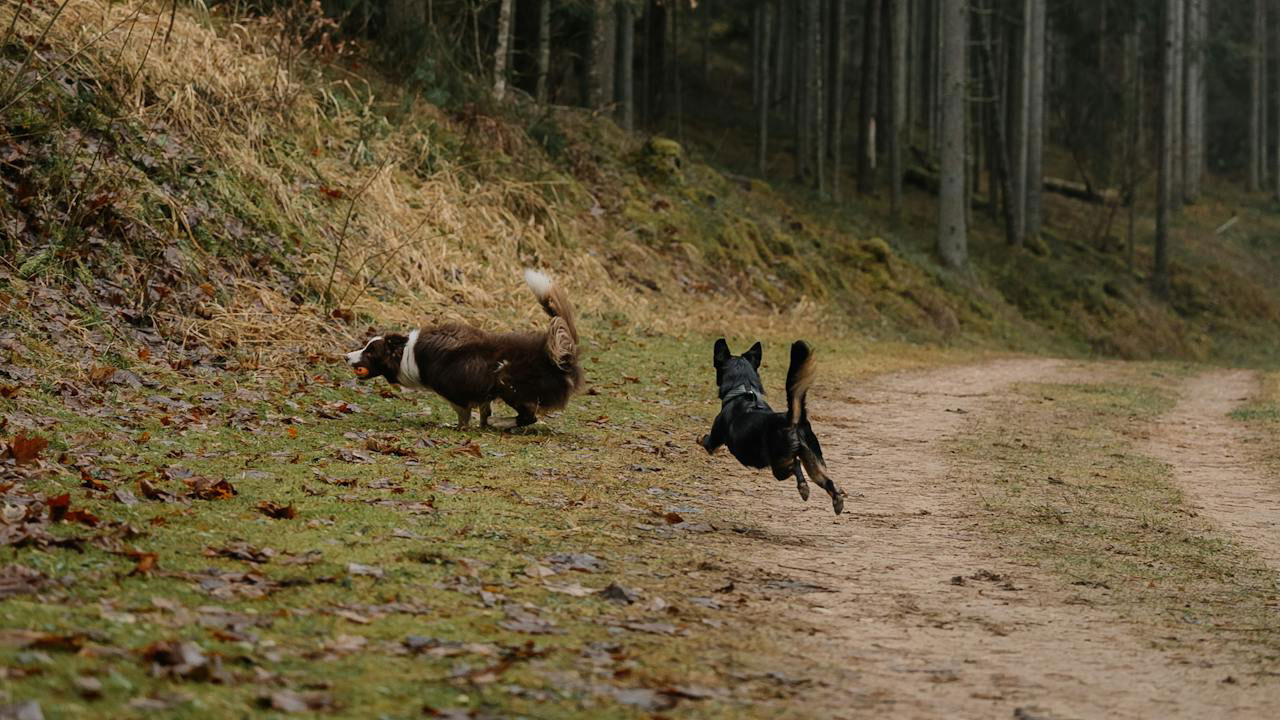
I like dogs. Most outdoorsmen do. A solid dog can make a day better in a hurry. But a dog without recall, boundaries, or any meaningful control can make public land miserable for everybody nearby. Running into other camps, crossing in front of setups, harassing wildlife, jumping on gear, tangling lines, barking nonstop, or charging strangers because the owner thinks “he’s friendly” is a magical phrase that solves everything—none of that is acceptable.
If a man can’t manage his dog on shared ground, then he needs to do less talking about how good that dog is and more work on basic control. Public land is not the place for one person’s loose standards to become everybody else’s problem. Letting a dog run wild while you shrug like the rest of the world should adjust around it is a real bad look. It shows a lack of discipline in both ends of the leash.
Broadcasting “Secret Spots” for Attention
This one’s gotten worse the more people chase validation online. A man finds a good pocket on public land, then can’t resist posting enough details, photos, landmarks, or obvious clues to drag a crowd right into it for the sake of showing off. Then he wants to complain when pressure explodes, parking fills up, and the quality of the place drops. Well, no kidding. Public land was already shared. It didn’t need help becoming overcrowded by somebody who wanted internet points.
There’s a difference between talking generally about public land and flat-out burning a place down with oversharing. Men who really respect a good area tend to guard details with a little more maturity than that. They understand some ground gets worse when too many people are handed a shortcut to it. A guy who exposes every good pocket he touches just so strangers can clap for him online ought to be embarrassed by how cheap that trade is.
Acting Like Courtesy Is for Weak People
This may be the root problem underneath a lot of the others. Some people move through public land with the idea that basic courtesy makes a man soft, or that respecting other users somehow means you’re giving up toughness. So they get louder, more territorial, more pushy, more careless, and more stubborn than the moment calls for because in their head that reads as strong. Really, it just reads as insecure. Strong men don’t need to prove themselves by making shared ground more miserable for everybody else.
Courtesy on public land means simple things: giving space when you can, communicating clearly, owning your mess, following rules, moving with awareness, and remembering that shared access only works if people act like they share it. The man who rejects all that and mistakes rudeness for backbone usually ends up being the one everybody remembers for the wrong reasons. And honestly, he should.
Like The Avid Outdoorsman’s content? Subscribe to our newsletter so you never miss an article.
Here’s more from us: