Photo credit: Nikola Stojadinovic/istock.com
This is one of those situations that can get hunters worked up fast, and I understand why. If you think somebody nearby is baiting illegally, it does not just feel like a rules issue. It feels like they are trying to game the whole area, shift deer movement, and gain an advantage that affects everybody around them. The mistake a lot of hunters make, though, is going from suspicion straight to accusation. That usually creates more heat than clarity, and if you are wrong, you have now made a mess with a neighbor, another hunter, or a landowner for no reason. Even if you are right, handling it poorly can still muddy the situation. The smart move is to slow down, pay attention to what you are actually seeing, and separate a real pattern from a gut reaction. A lot of things can look questionable in the woods if you catch them out of context. Feed on the ground, unusual deer concentration, fresh disturbance, or human scent in a spot that should be quiet can all mean something, but none of them means the same thing automatically. The best hunters do not ignore what feels off, but they also do not go charging in half-cocked and make themselves part of the problem.
The first thing you need to do is get honest about what you know versus what you think you know. There is a big difference between “deer are stacking into that corner more than usual” and “I found a bait pile that clearly does not belong there.” Same goes for feed, mineral, attractants, or unusual traffic near a stand location. If you are hunting pressured ground or working around neighboring properties, deer can shift for all kinds of reasons that have nothing to do with illegal baiting. Crops change, acorns fall, natural food turns on, and pressure moves animals into odd pockets all the time. That is why suspicion by itself is not enough. If you are going to treat it seriously, you need to start looking for consistency. Is there a specific place that keeps drawing movement in a way that does not fit the rest of the property? Are there signs of human activity tied to it? Are you noticing the same thing over and over, or did one odd sit just get under your skin? Those questions matter because hunters who skip them often end up chasing theories instead of dealing with facts.
Focus on what you can actually observe, not the story you are building in your head
A lot of guys get themselves spun up because they start filling in blanks too early. They see extra deer in one pocket, or they smell something sweet, or they notice a trail getting more traffic, and from there the mind takes off running. Maybe somebody is baiting. Maybe they are not. Until you have something more solid than a hunch, your job is not to solve the whole mystery. Your job is to pay closer attention. That means noticing what is different, where it is different, and whether the signs point to intentional activity or just a change in natural conditions. If something really is off, it usually keeps showing itself in ways that are harder to explain away the longer you watch it.
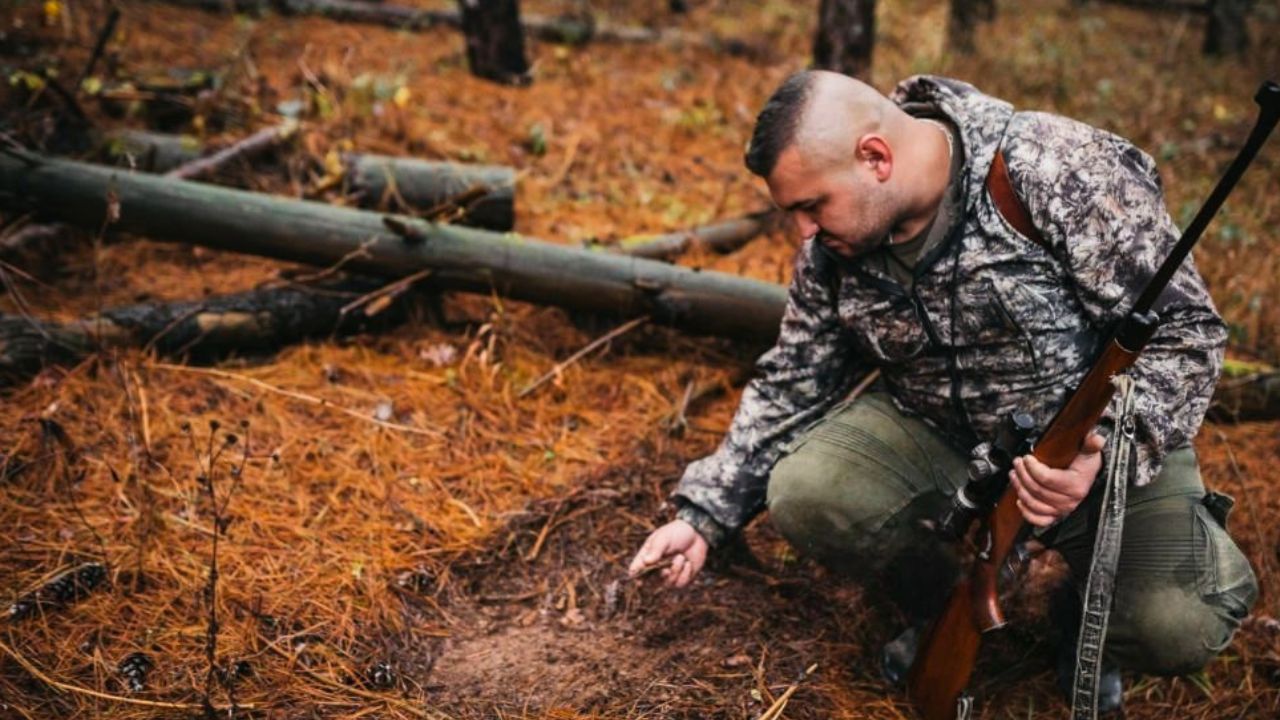
This is also where a lot of hunters make the mistake of walking right into the middle of the area and blowing out whatever they were trying to understand. Curiosity gets the best of them, and now they have trampled around, added scent, and stirred up the exact place they were worried about. If you think something illegal may be happening nearby, do not turn yourself into the loudest source of pressure in the neighborhood. Watch the edges. Pay attention to movement. Notice where access appears to be coming from. Let the pattern develop enough that you are reacting to something real and not just to your own irritation. That takes more patience than most people want to give, but patience is usually what keeps you from making a dumb call.
Do not confront somebody in the woods over suspicion alone
This is where things go sideways fast. A hunter starts feeling sure enough in his own head that he decides he is going to walk over and say something. Now you have an argument in the woods, around hunting gear, in a place where visibility, emotions, and judgment are already working against you. That is a terrible setup for trying to settle anything. And if you are wrong, you have just created a conflict over something you could not even prove to begin with. Even if you are right, a confrontation like that usually puts the other guy on the defensive immediately and does very little to clean up what is actually happening.
The better move is to keep yourself out of the showdown business unless the situation is so obvious and immediate that safety or some other direct concern is involved. If this is a real pattern and not just a suspicion, then it needs to be handled in a way that leaves you with clean footing. That means staying specific, staying calm, and not doing anything that turns you into the one who looks reckless. Hunters get into trouble all the time because they feel morally right and assume that gives them permission to handle things however they want. It does not. If something illegal is happening, the answer is not to create a second problem through bad judgment on your end.
Think in terms of pattern, location, and repeat behavior
The hunters who handle these situations best are the ones who start thinking like problem-solvers instead of like aggravated neighbors. They want to know where the suspected activity centers, how often it seems tied to movement, and whether there are signs of repeat use. Does the same area keep drawing deer unnaturally? Is there a trail, stand, blind, or access route that keeps lining up with the suspicion? Has the pattern held long enough that it no longer feels random? Those are the kinds of questions that make your thinking stronger and your next move cleaner.
That is also what keeps you from chasing every odd thing you notice in the woods. Not every pile on the ground means bait. Not every cluster of deer means someone is cheating. But when enough signs start stacking up in one place, and they keep doing it, then you are no longer reacting to one weird morning. You are reacting to a pattern. And patterns are easier to take seriously because they are harder to dismiss as misunderstanding, bad luck, or overthinking. The more clearly you can see the pattern, the less likely you are to do something emotional and the more likely you are to handle it in a way that actually leads somewhere.
Keep your side clean and let the next step be deliberate
At the end of the day, what you do when you think someone is baiting illegally nearby comes down to discipline. Pay attention. Be honest about what you know. Do not stomp into the middle of it. Do not start a woods argument over a guess. And do not let irritation talk you into acting sloppier than the person you think is in the wrong. If the suspicion keeps building into something more concrete, then the next step should come from a place of clarity, not anger. That is what gives you the strongest position and keeps the situation from getting messier than it already is.
A lot of hunters want a clean, satisfying answer the minute they start suspecting something shady. Most of the time, that is not how it works. Most of the time, the smart move is slower than people want and a whole lot less dramatic. But that slower move is usually the one that protects your hunt, protects your credibility, and gives the problem less room to turn into a circus. That matters more than the quick thrill of thinking you handled it like a tough guy in the moment.
Like The Avid Outdoorsman’s content? Subscribe to our newsletter so you never miss an article.
Here’s more from us: