Photo credit: patrice schoefolt/Pexels.com
You’re going for a topic that hits because it’s happening everywhere: coyotes have figured out that suburbs mean cover, rodents, fruit trees, outdoor pet food, and trash day. When people talk about coyotes “getting too comfortable,” what they’re seeing is habituation—animals learning they can work the edges of human space without consequences. That’s when you start spotting them at noon, watching a dog from the tree line, or trotting the fence like it’s a game trail.
Most backyard problems start with food—intentional or accidental—and end with the same fix: remove attractants, protect pets, and respond the first time a coyote lingers. Wildlife agencies keep repeating that message because it works when neighborhoods do it together, not halfway.
California

In a lot of California neighborhoods, coyotes live close because the groceries are easy—fallen fruit, unsecured trash, outdoor pet bowls, and the steady supply of rabbits and rats that thrive around people. When they get used to seeing you and your dog every day, they start acting like the yard belongs to them too.
You don’t fix that by ignoring it. You fix it by making your property feel like trouble: clean up fruit, lock down trash, keep pets tight, and haze a coyote that hangs around. The goal is to rebuild space and push them back into normal coyote behavior before the whole block becomes their nightly route.
Colorado

Colorado has plenty of coyotes in open country, but the real friction happens where greenbelts, creek bottoms, and trail systems run right through subdivisions. Coyotes use those corridors like highways, and when people leave food out or let small pets roam, the animals learn that neighborhoods pay off.
Colorado Parks and Wildlife leans hard on prevention for a reason. If you keep feeding opportunities off the menu and respond aggressively when a coyote closes distance, you stop the pattern early. Wait too long and you end up dealing with a habituated animal that treats a backyard like cover and a patio like a snack bar.
Illinois

Illinois is a textbook example of coyotes living right on top of people and staying mostly unseen—until they aren’t. Around Chicago and the collar counties, coyotes work parks, golf courses, rail lines, and creek edges, and they learn fast where the handouts come from.
If you want fewer surprise encounters, you have to remove the easy wins. Feed pets indoors, secure garbage, and don’t let small dogs out at dusk without you standing there with them. When a coyote lingers or follows, make it uncomfortable and make sure your neighbors do the same. Consistency is what keeps “curious” from turning into “problem.”
Massachusetts

Massachusetts treats coyotes as a permanent part of the landscape, including suburbs where people still act surprised to see one on a morning walk. The state’s guidance focuses on the same truth: coyotes that find food near homes lose caution, and that’s when you start seeing daylight sightings and pets getting targeted.
Your best move is to tighten the whole property up—trash lids, compost, bird feed cleanup, and pet routines. Then you back it up with immediate pushback when a coyote shows interest. If you let a coyote stand and stare without consequences, you’re teaching it that people are background noise.
New York
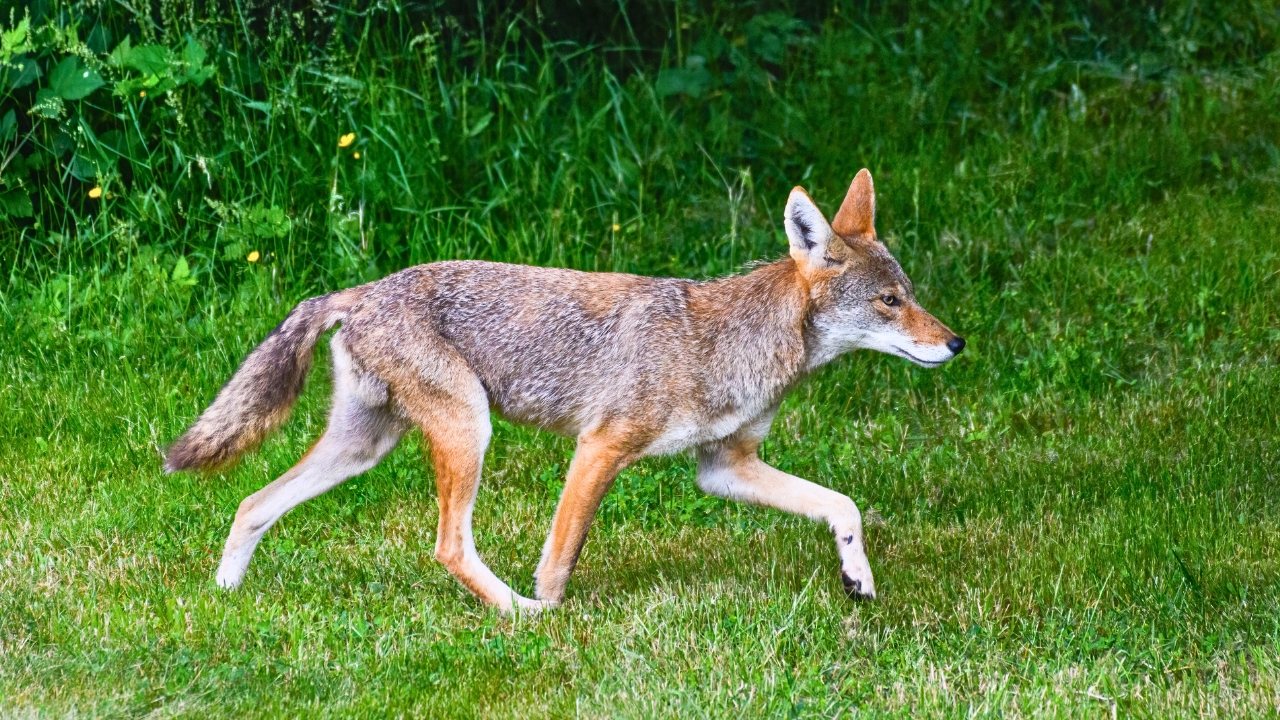
New York has coyotes from end to end, and the state keeps putting out reminders because conflicts spike when coyotes start testing how close they can get to people and pets. In suburbs and even city edges, the pattern is familiar: food sources draw them in, and calm reactions teach them they can stay.
You don’t need to be reckless—you need to be assertive. Keep pets close, secure anything edible outside, and if a coyote hangs around, make noise and make yourself look bigger until it leaves. The point is to prevent that slow slide into habituation where a coyote starts using your fence line like a daily patrol route.
New Jersey

New Jersey’s mix of dense neighborhoods and broken-up woods is prime coyote country. Small patches of cover, drainage corridors, and park systems let coyotes move without being seen, and they learn the rhythm of dog walkers, school drop-offs, and trash nights like they’re reading a calendar.
If you want them less comfortable near homes, you have to remove the payoffs and stop the “watching” behavior early. Keep cats inside, supervise small dogs, clean up bird seed mess, and don’t leave food outside for anything. The coyote you ignore today is the one that shows up tomorrow with less hesitation and more confidence.
Pennsylvania

Pennsylvania has enough timber, farms, and edge habitat to support coyotes everywhere, and suburban pockets aren’t exempt. When coyotes start showing up near homes, it’s often because the neighborhood is offering shelter and food—trash, compost, rodents, and unattended pets.
Treat it like a community problem, not a one-yard problem. Secure attractants, keep pets in your control, and don’t let coyotes linger without pushback. If you trap or handle wildlife, take rabies risk seriously and avoid close contact—bites and scratches are where things go sideways fast.
Virginia

Virginia sits right in the path of the coyote’s long eastward expansion, and now they’re established across the state in both rural and developed areas. They use woodlots, river bottoms, and even the edges of subdivisions as travel lanes, and they do it quietly until food or pets make it worth being noticed.
Your job is to keep your yard from becoming a repeat stop. Don’t feed wildlife, don’t leave pet food outside, and tighten up trash and compost. If you see a coyote hanging around, respond immediately and consistently so it learns that yards come with pressure, not comfort. That early lesson is what prevents the steady creep closer.
North Carolina

North Carolina has coyotes statewide, and the mix of farmland, pine edges, and fast-growing suburbs gives them everything they want. They can den in thick cover, hunt field edges, and work neighborhoods at night where rabbits and rodents are common and trash can be sloppy.
You keep problems down by shutting off the incentives. Bring pet food in, keep grills and trash clean, and don’t let small pets wander. When you spot a coyote that isn’t moving along, you make it move—loud voice, big posture, and steady pressure until it leaves. Coyotes that learn to give ground stay safer to live around.
Georgia

Georgia’s coyotes thrive on edge habitat—creek bottoms behind subdivisions, overgrown lots, and the brushy gaps between neighborhoods and timber. That’s why people see them on a back fence one week and in the driveway the next. They’re using cover, watching patterns, and taking advantage of easy meals.
You’re not powerless here, but you have to be consistent. Lock down anything edible, keep pets controlled, and don’t allow lingering. A coyote that stands and watches is collecting information, and that’s the behavior you shut down early. When the neighborhood does that together, coyotes stay wary and keep their distance.
Florida

Florida’s wildlife agency is blunt: coyotes are established across the state and they’ve learned how to live in heavily populated areas. That means neighborhoods, golf course edges, and canal banks are all on the table, especially where pets or garbage make an easy target.
The fix is boring but effective—secure attractants, protect pets, and don’t rely on relocation fantasies. If coyotes keep finding food in the same place, others fill in behind them. Make the neighborhood harder to live in and you reduce the repeat visits. Then back it up with hazing when a coyote lingers so it learns to avoid people again.
Texas

Texas coyotes are as common as fence posts, and suburban sprawl has given them even more edges to work—retention ponds, greenbelts, powerline cuts, and brushy creek bottoms behind houses. They’re opportunists, and neighborhoods provide rodents, fruit, and pets that aren’t watched closely.
If you want fewer close encounters, you run your yard like you live next to predators—because you do. Keep pet food inside, secure trash, supervise small pets, and keep cats indoors. When coyotes start showing up in daylight or hanging around, the response can’t be passive. Pressure and consistency are what keep them cautious.
Arizona

Arizona neighborhoods often back right up to desert and wash systems that coyotes use like highways. When drought tightens natural food and water, they push closer to irrigation, pet bowls, and shaded yards. You end up with coyotes cruising patios and cutting through neighborhoods like it’s normal.
You keep that from becoming routine by removing the reasons they stop. No outdoor feeding, no unsecured trash, no leaving small pets out unattended, especially at dawn and dusk. If a coyote approaches or lingers, you respond immediately and aggressively so it learns that people aren’t something to ignore. That lesson matters more here because travel corridors are already built in.
Washington

Washington’s west-side suburbs have greenbelts, wooded ravines, and park networks that connect neighborhoods in long, hidden lines. Coyotes use them constantly, and when people get casual with trash, compost, and outdoor feeding, coyotes get calmer around homes and more willing to show themselves.
The play is to make your yard a dead end. Clean up attractants, fence smart where you can, and keep pets under control. Then haze the moment a coyote hangs around. Coyotes that keep their caution will slip through and move on. Coyotes that learn comfort will linger, watch, and start treating pets like part of the food chain.
Oregon
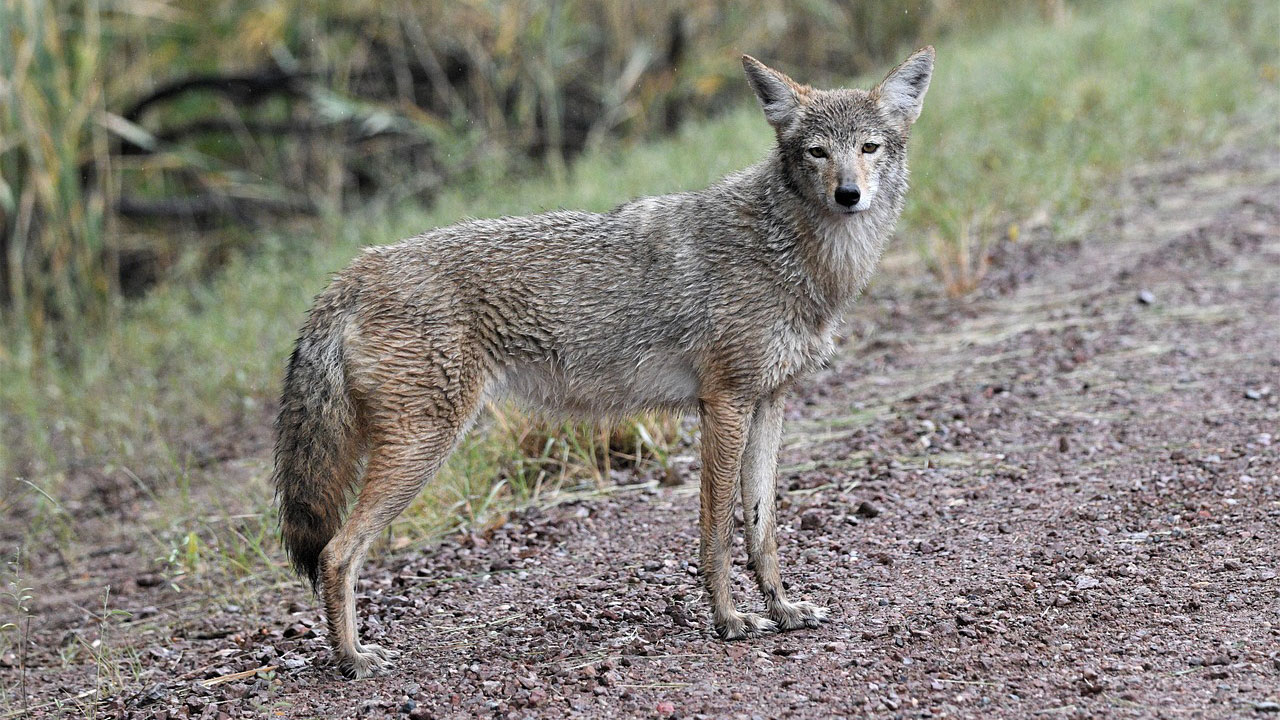
Oregon has the same setup—dense cover near homes, lots of prey, and plenty of places for coyotes to move unseen until they’re standing in the yard. Add in backyard chickens, compost piles, fallen fruit, and outdoor pet food, and you’ve built a buffet with cover on both sides.
You keep coyotes less comfortable by tightening routines and making every close approach unpleasant. Don’t let a coyote loiter. Don’t allow it to “watch” without consequences. Secure food sources, protect pets, and respond consistently so coyotes learn that neighborhoods are high-pressure spaces. That’s how you keep sightings rare and conflicts rarer.
Like The Avid Outdoorsman’s content? Subscribe to our newsletter so you never miss an article.
Here’s more from us: