Photo credit: JamesDeMers/Pixabay.com
Alligators aren’t spreading because they’re aggressive. They’re spreading because habitat protection worked, warm weather lasts longer, and people keep building closer to water. As wetlands recovered and hunting pressure stayed tightly regulated, alligator populations rebounded hard across the Southeast—and now they’re showing up in places that used to feel “too developed” or “too far north” for regular encounters. What used to be a rare sighting is now something wildlife agencies plan for, law enforcement trains for, and homeowners are warned about. In the states below, alligator encounters aren’t freak events anymore. They’re part of normal life near water, especially during warm months when gators move, feed, and establish territory.
Florida

Florida is the baseline for modern alligator encounters. With an estimated population well over a million, alligators occupy nearly every freshwater system in the state, including ponds inside housing developments, golf courses, retention basins, canals, and roadside ditches. What’s changed isn’t just the number of gators—it’s how normalized their presence has become. Encounters now routinely involve joggers near ponds, kids fishing neighborhood lakes, pets walking too close to the water’s edge, and homeowners finding gators under decks or in swimming areas. Florida’s development pattern guarantees overlap, and wildlife officials treat gator calls as routine service work, not emergencies. In much of the state, the assumption is no longer “are there alligators here?” but “how many.”
Georgia

Georgia has seen alligator encounters become increasingly common, especially in southern and coastal regions. Gators are now regularly found in ponds, drainage systems, and tidal rivers that run close to neighborhoods and public parks. What’s notable is how far inland sightings have become normal during warmer years, particularly in agricultural and suburban areas tied to river systems. Wildlife agencies now issue frequent reminders that any body of water south of the fall line could hold an alligator. Encounters often involve pets, fishing access points, and people unfamiliar with gator behavior assuming smaller animals aren’t dangerous. In Georgia, the presence of alligators is no longer limited to remote swamps—it’s a routine part of living near water.
South Carolina

South Carolina has experienced a steady increase in alligator encounters, especially in coastal counties and rapidly growing suburban areas. Housing developments built around retention ponds and tidal creeks have created perfect habitat directly adjacent to daily human activity. Gators are now commonly spotted near walking paths, playgrounds, and golf courses. What makes encounters more frequent is that many residents move in without prior experience around alligators and underestimate their range and behavior. State wildlife officials routinely respond to nuisance calls involving gators sunning near homes or crossing roads. In South Carolina, seeing an alligator near residential water is no longer surprising—it’s expected.
North Carolina

North Carolina represents the northern edge of routine alligator encounters, and that line has been creeping steadily upward. Coastal counties and southeastern river systems now see regular sightings, with gators showing up in canals, ponds, and tidal creeks close to homes. Warmer average temperatures have extended the active season, making encounters more likely across more months of the year. Many incidents involve recreational fishing areas and residential developments near water. While populations aren’t as dense as farther south, the shift is cultural as much as biological—residents are being told to assume gators are present rather than surprised when one appears.
Alabama

Alabama has seen alligator encounters increase across much of the southern half of the state. River systems, reservoirs, and coastal marshes support healthy populations, and gators are now regularly spotted in places where people fish, boat, and live. Residential development along waterways has increased overlap, leading to more nuisance calls and relocations. What’s changed is frequency—sightings that used to make local news now barely register. Wildlife officials emphasize education over alarm because encounters have become predictable. In Alabama, alligators are no longer something people associate only with deep swamps; they’re part of everyday life near water.
Mississippi

Mississippi’s alligator population has expanded steadily, especially in river basins, backwaters, and agricultural areas with irrigation systems. Gators now appear in farm ponds, drainage canals, and suburban water features with increasing regularity. Encounters often happen during fishing, land maintenance, and recreational boating. What makes Mississippi notable is how normalized gators have become outside traditional wetland areas. Wildlife agencies treat sightings as routine and emphasize coexistence rather than removal unless safety is directly threatened. For many residents, alligators are no longer a novelty—they’re a known presence during warm months.
Louisiana
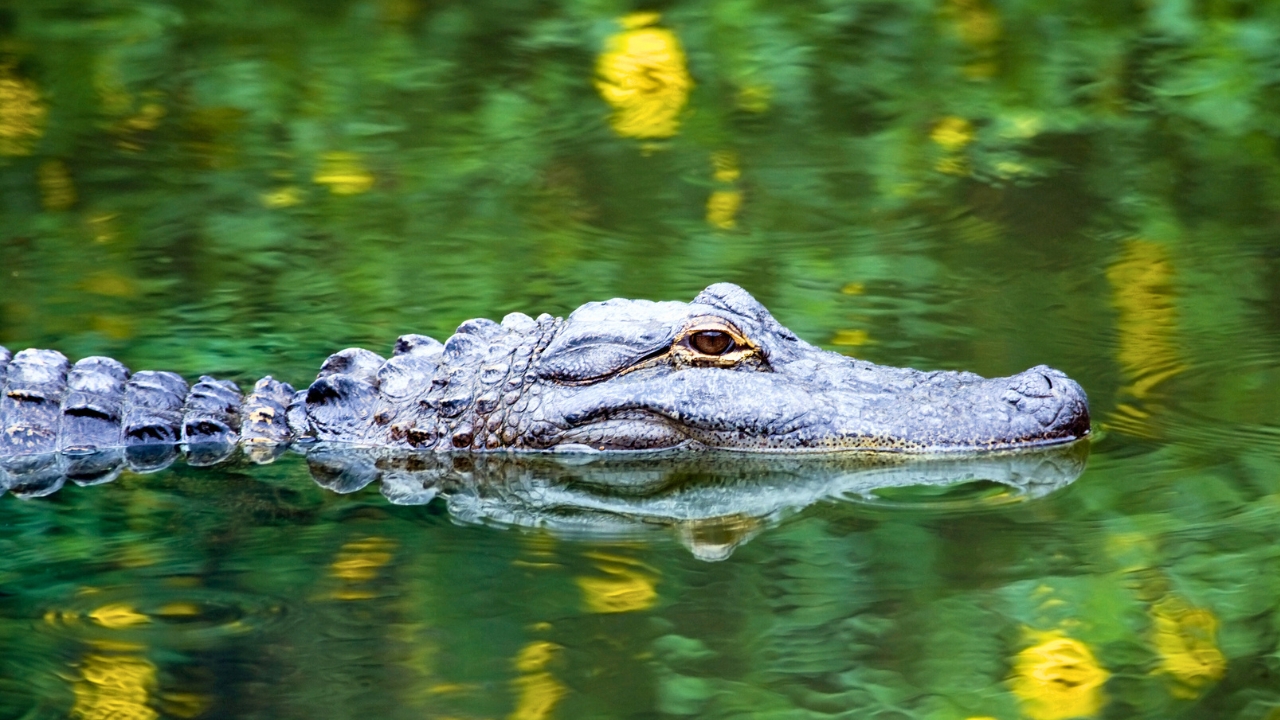
Louisiana has long been alligator country, but encounters are becoming more visible and more urban. Gators are now regularly seen in city-adjacent canals, suburban drainage systems, and managed wetlands near populated areas. Flood control infrastructure unintentionally provides excellent habitat, bringing gators into close contact with people. What’s changed is how frequently gators are encountered in places tied to daily routines rather than hunting or fishing trips. Wildlife officials manage thousands of nuisance calls annually, and residents are trained to assume gators are present near any freshwater. In Louisiana, alligator encounters are fully normalized.
Texas

In Texas, alligator encounters have expanded beyond traditional coastal and eastern strongholds. Reservoirs, rivers, and suburban ponds now regularly host gators, especially in the eastern half of the state. Rapid development near water has increased overlap, leading to sightings near trails, parks, and neighborhoods. Texas Parks and Wildlife now fields routine reports of gators crossing roads, occupying drainage areas, or appearing near homes. What stands out is how often encounters involve people unfamiliar with alligator behavior, leading to risky assumptions. In much of Texas, gators are now treated as a standard wildlife presence rather than an anomaly.
Arkansas

Arkansas has seen alligator encounters become more common as populations stabilize and expand in the southern part of the state. River systems, oxbows, and managed wetlands support growing numbers, and gators are now occasionally spotted near residential areas and recreational waters. Encounters often involve anglers and landowners rather than deep-wilderness situations. While Arkansas doesn’t match coastal states in density, the increase is noticeable enough that wildlife agencies emphasize public awareness. In southern Arkansas, seeing an alligator near water is no longer unusual—it’s part of the landscape.
Oklahoma

Oklahoma sits at the fringe of alligator range, but encounters have become more normal in southeastern parts of the state. River systems connected to southern watersheds allow gators to move north during warm periods. Sightings near reservoirs and waterways have increased, often catching residents off guard. While populations remain limited, the shift matters because it represents a real range edge where people didn’t previously expect alligators at all. Wildlife agencies now treat sightings seriously but not as freak events. In southeastern Oklahoma, alligators are becoming a recognized part of the ecosystem.
Tennessee

Tennessee sees occasional but increasingly documented alligator encounters, particularly in western regions connected to Mississippi River systems. Most sightings involve lone animals dispersing into suitable habitat during warm seasons. While permanent populations are unlikely, the normalization comes from frequency—sightings now happen often enough that agencies have established protocols. These encounters tend to attract attention, but they no longer surprise wildlife professionals. Tennessee illustrates how alligator presence is pushing into areas that historically sat outside the expected range.
Kentucky
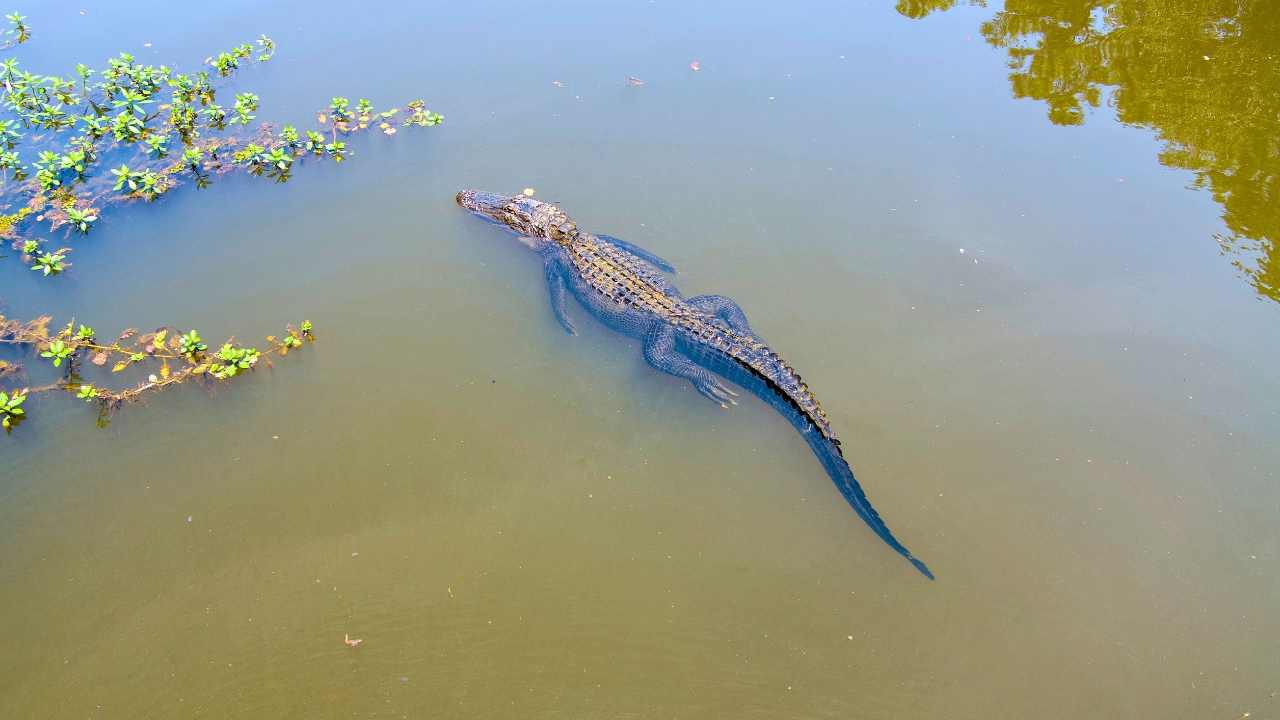
Kentucky experiences rare but notable alligator encounters, usually involving released or wandering animals tied to connected waterways. While not native habitat for stable populations, sightings have become more common than in past decades. These encounters often happen in reservoirs or river-adjacent areas during warm months. Wildlife officials now handle such reports with established response plans. Kentucky’s inclusion highlights how alligator encounters are expanding geographically, even where long-term populations aren’t expected.
Missouri

Missouri sees occasional alligator encounters tied to river systems and illegal releases, and while populations aren’t established, sightings occur often enough to be documented and managed. Encounters usually involve individual animals rather than breeding groups, but they reflect broader regional movement patterns. Wildlife agencies emphasize reporting and public caution near water when sightings occur. Missouri represents how alligator encounters are no longer confined strictly to deep southern states.
Virginia

Virginia occasionally reports alligator encounters, typically involving escaped or released animals, but the frequency has increased enough to warrant public education. These sightings usually occur near waterways and managed wetlands. While not a native-range state for wild populations, Virginia’s experiences reflect how warmer conditions and human movement contribute to expanded encounters. Wildlife agencies respond quickly, but sightings are no longer treated as impossible events.
Maryland

Maryland rounds out the list as another state where alligator encounters, while rare, are becoming more documented. Most involve released animals found in ponds or waterways. What’s changed is awareness—agencies now expect occasional reports and have response systems in place. Maryland highlights how the definition of “normal” doesn’t require breeding populations; it requires repeated, predictable encounters that agencies and residents are prepared for.
Like The Avid Outdoorsman’s content? Subscribe to our newsletter so you never miss an article.
Here’s more from us: