Photo credit: Veronika_Andrews/Pixabay.com
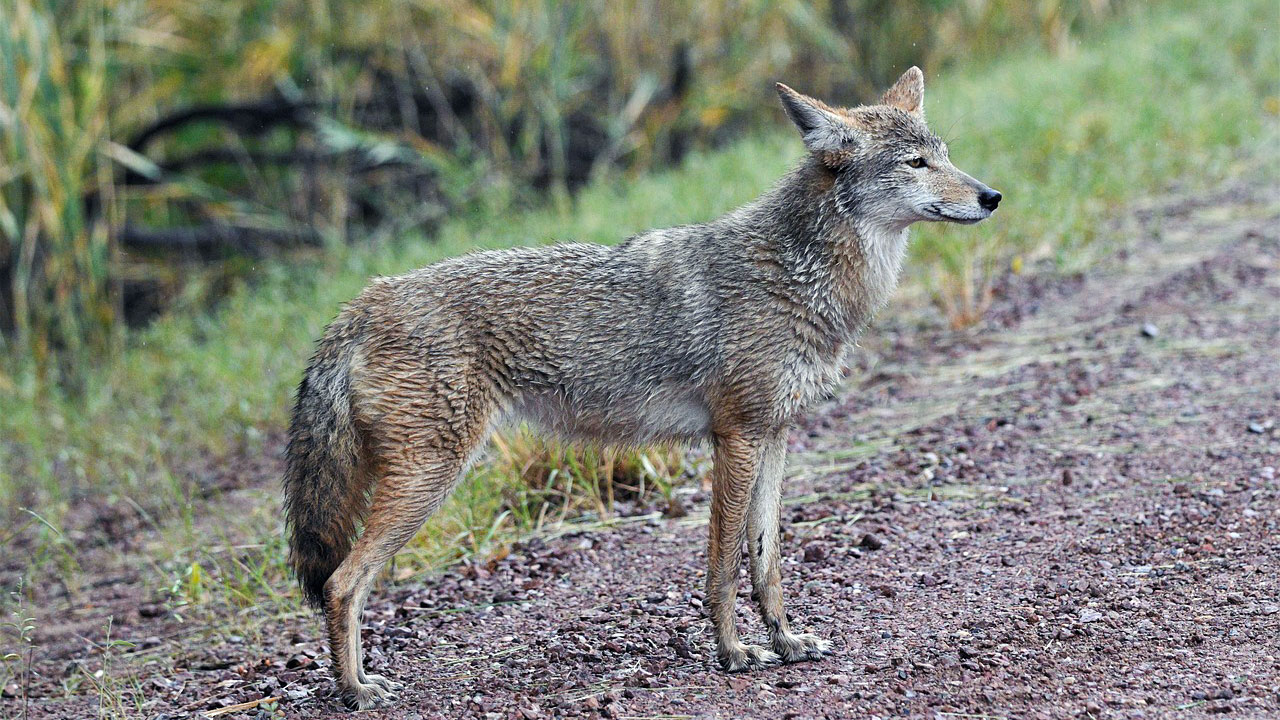
Midday coyotes aren’t a myth—they’re just a different chess match. In a lot of places, coyotes can be active any time of day, even though they’re often most active around dawn and dusk. When it’s late morning to mid-afternoon, you’re usually dealing with one of three situations: (1) cold weather where they move to conserve energy, (2) winter breeding/territory behavior, or (3) pressured coyotes that stop doing the obvious stuff at first light and start slipping in quiet. That’s when they “stalk” a call—using cover, ditch lines, creek bottoms, and the downwind arc to check you without committing.
These states show that midday behavior more consistently because they’ve got some combination of high coyote numbers, big open-to-edge habitat, and hunting pressure that trains coyotes to approach like thieves.
Texas
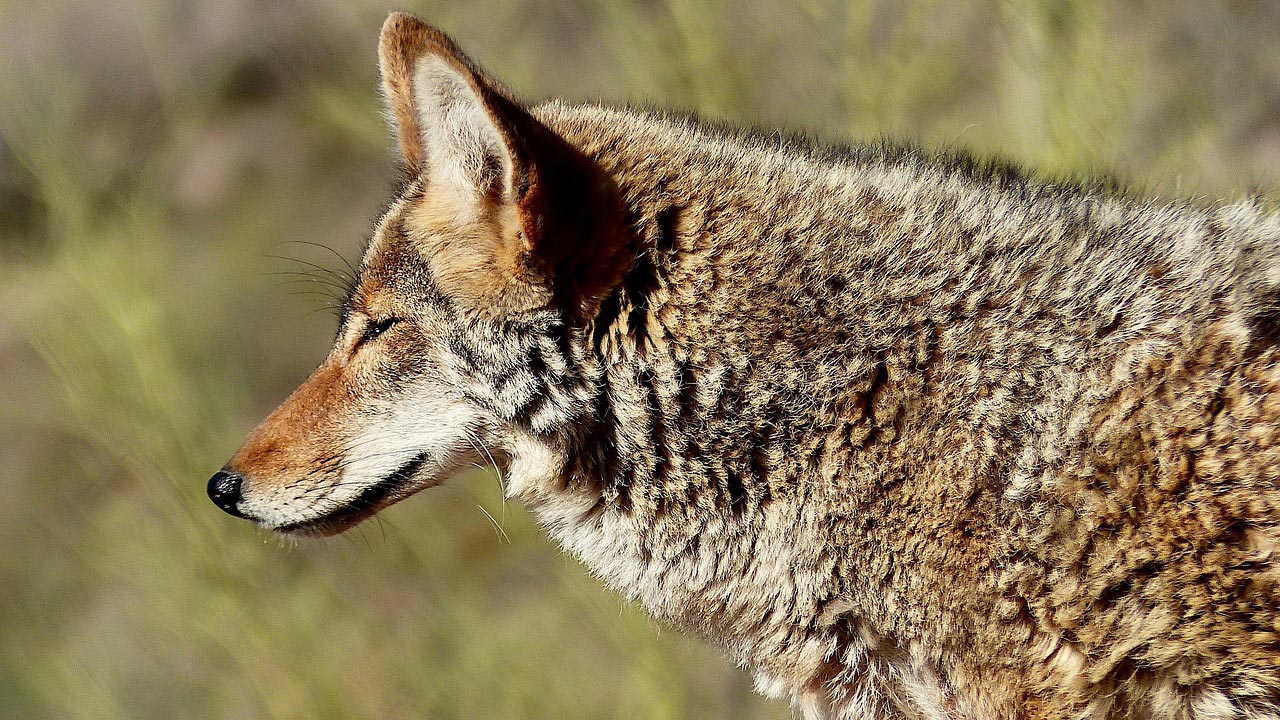
Texas coyotes are built for midday calling because they hunt at all hours and are commonly seen early morning and before sunset—but daytime movement is still normal. The habitat is also perfect for stalking: pasture edges, brush lines, creek bottoms, and ditch systems that let a coyote slide in without crossing open ground. In Texas, “stalking” often looks like a coyote appearing at 150 yards and then vanishing into a grass swale while it circles downwind. If you call midday here, expect them to use micro-cover and show up quiet—especially where they’ve been shot at before.
Oklahoma
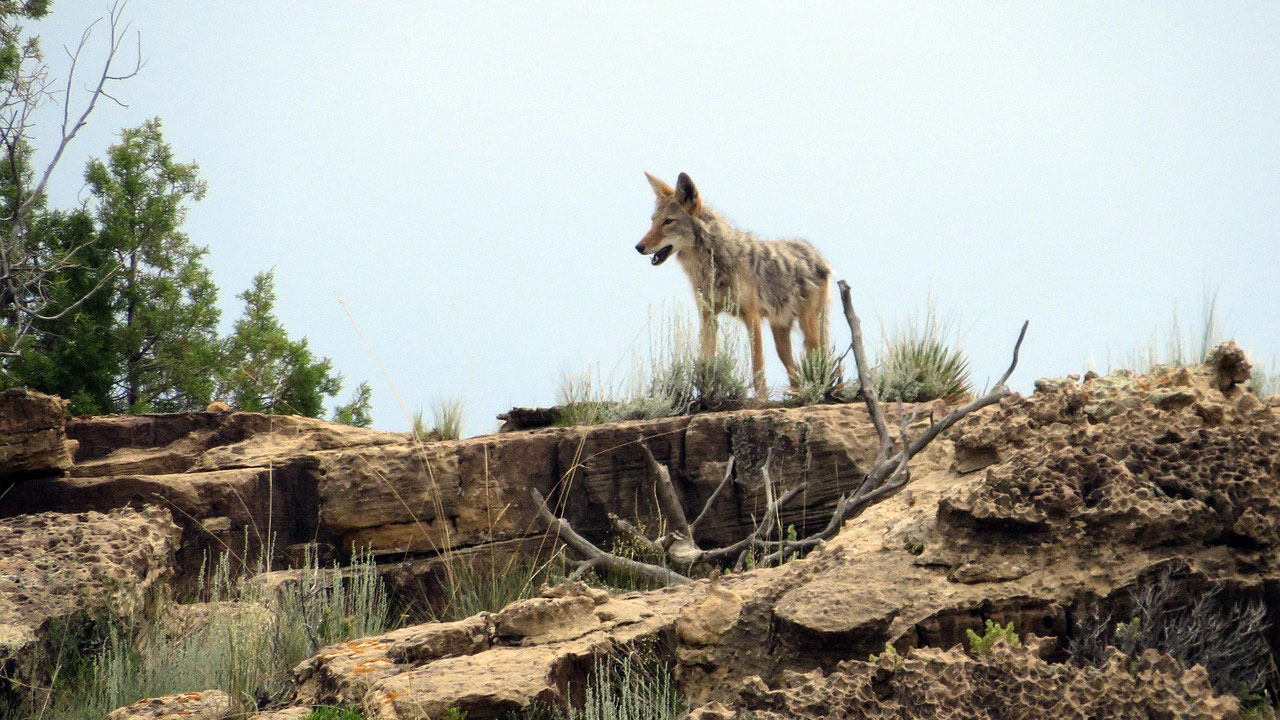
Oklahoma is loaded with the kind of broken habitat that creates midday stalkers: brushy draws, CRP edges, creek corridors, and ag fields that funnel movement. When a coyote can move from cover pocket to cover pocket, it doesn’t have to rush a call. Midday coyotes here often pop out to look, then fade back into cover and reappear downwind. If you’re set up wrong, you’ll never know they were there—until you find fresh tracks where they circled you.
Kansas
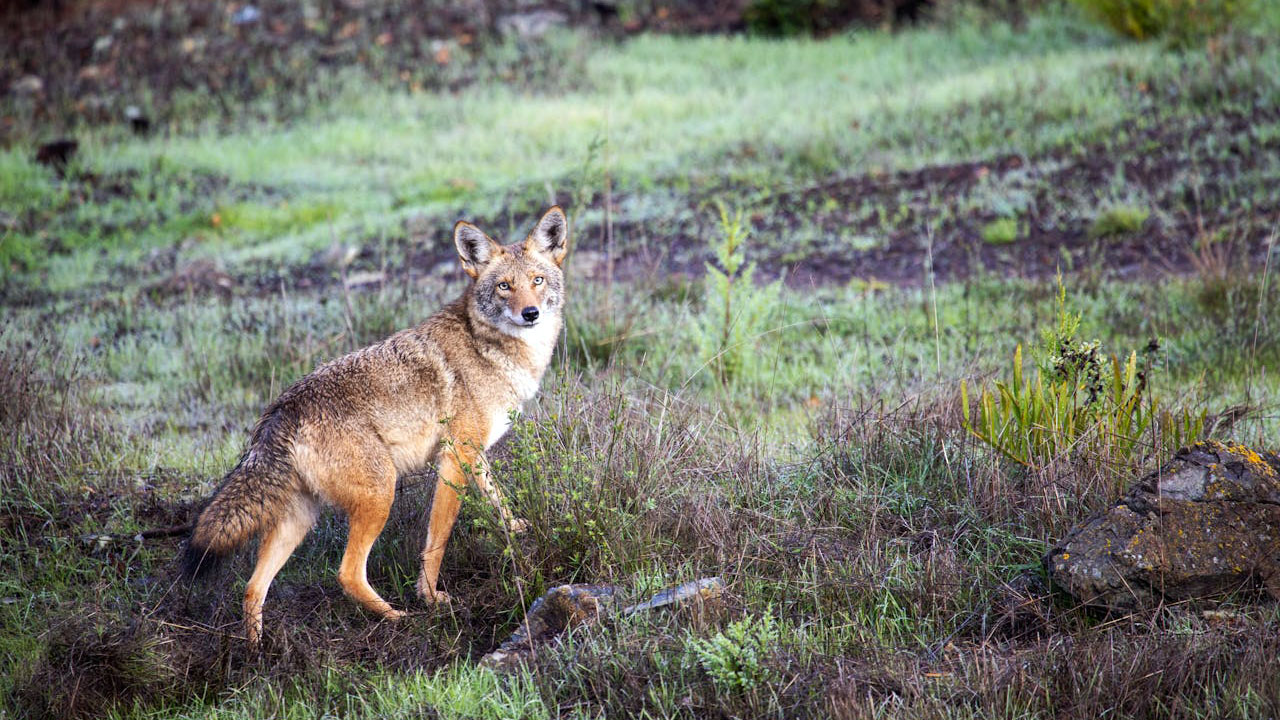
Kansas has huge open areas, but the key is the edges: terraces, shelterbelts, creek lines, and grassed waterways. Midday calling can be strong in winter because coyotes can be active during the day, especially when conditions favor it. In Kansas, the “stalk” is usually a slow, careful approach along a low spot—just enough cover to keep them hidden until they hit the downwind cone. It’s one of the best states to learn how little cover a coyote needs to ghost you.
Nebraska
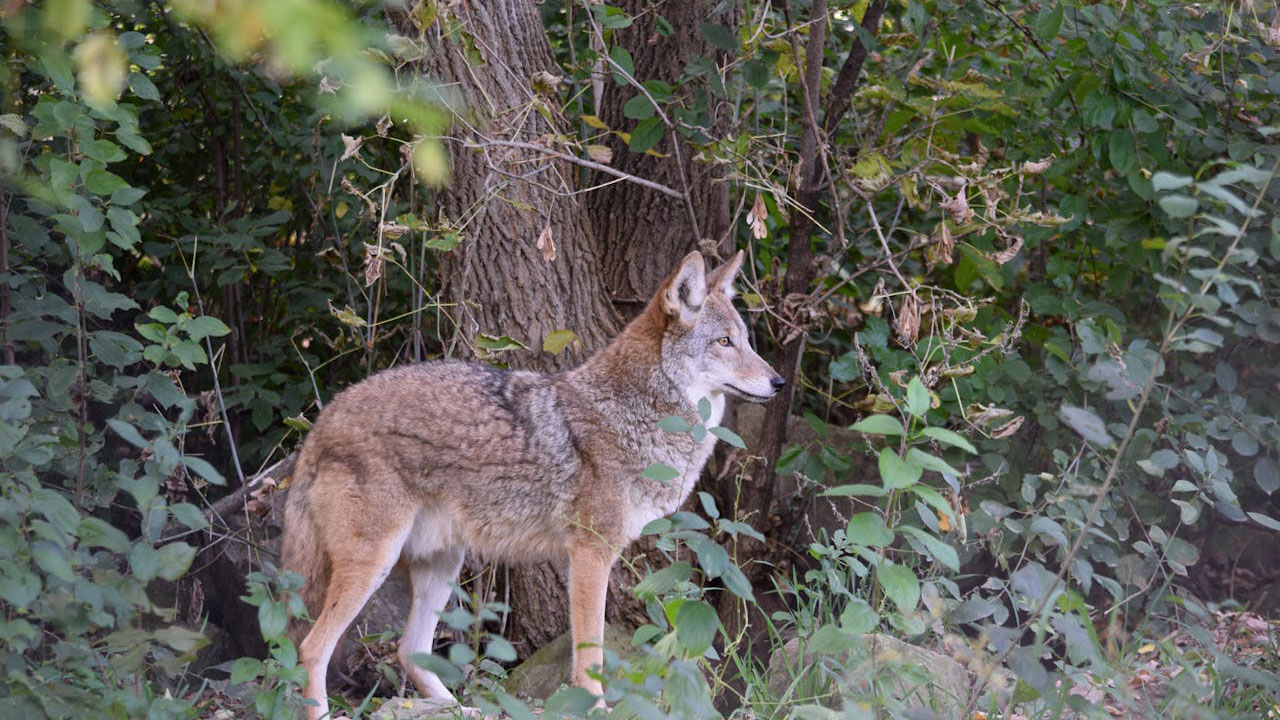
Nebraska’s mix of river systems, crop ground, and big grass creates classic midday travel lanes. Coyotes use creek bottoms and shelterbelts like highways, and midday calling often produces the “peek-and-pause” approach—eyes first, body second. If you hunt Nebraska in winter, you’ll see why midday works: coyotes can be active any time, and daylight movement increases when they’re comfortable and food pressure is up.
Colorado

Colorado Parks & Wildlife straight up says coyotes can be seen throughout the day (though they’re especially active at dawn and dusk). That matters because a lot of Colorado country is built for stalking: open parks with timber fingers, gulches, and brushy draws that let a coyote side-hill and check your wind. Midday here often produces coyotes that don’t commit fast—they swing wide, test scent, and only show themselves when they’re confident.
New Mexico

New Mexico’s wide-open country makes coyotes visible, but it also gives them endless ways to approach unseen: arroyos, mesquite, and rolling terrain. Midday stalkers here often show up on the downwind rim of a draw, just watching. If you don’t manage your wind and your silhouette, they’ll never cross that last open 60 yards. New Mexico also has a lot of public land pressure in places, which trains coyotes to “check” sounds instead of charging them.
Arizona

Arizona Game & Fish notes coyotes are often observed at night or around sunrise, and it’s not uncommon to see them in neighborhoods/parks, which lines up with their flexibility and comfort around human edges. In the desert, stalking behavior is almost guaranteed because the cover is sparse—coyotes have to use washes, cactus lines, and terrain folds. Midday calling in Arizona often turns into a wind game: you’ll see them in a wash, they’ll disappear, and they’ll try to pop out in your downwind lane.
Wyoming

Wyoming has massive open basins where coyotes can see forever, which makes the “stalk” more obvious. They’ll sit on a knob and watch, then use a cutbank or swale to close distance. Midday coyotes here often act like they’ve got a plan—because in pressured country, they do. If you call from the same obvious hill everyone calls from, they’ll circle you like they’re reading a script.
Montana

Montana coyotes have a mix of prairie openness and broken coulees/river breaks—perfect stalking terrain. Midday calling can be good when coyotes are active in colder periods and pressure has them avoiding obvious dawn setups. In Montana, the stalk often looks like a coyote using a coulee as a tunnel, then easing out to check scent. If you don’t have eyes on your downwind, you’ll think “nothing responded” when the truth is you got worked.
Idaho

Idaho is classic for midday stalkers because you’ve got canyons, sage benches, and timber edges all stacked together. A coyote can approach under cover for 300 yards, then appear in a tiny opening for five seconds and vanish again. Midday calling shines here in winter and in areas with steady pressure, because coyotes stop being “run-in” animals and start being “glass-and-ghost” animals.
Nevada

Nevada’s desert basins and mountain foothills create the same stalking pattern as Arizona: coyotes use washes and terrain folds, then check the downwind side hard before committing. Midday also works well in open country because the sun can actually help you glass them first—if you’re patient. Nevada coyotes often come in cautious, stop at distance, and try to make you reveal yourself with movement.
Utah
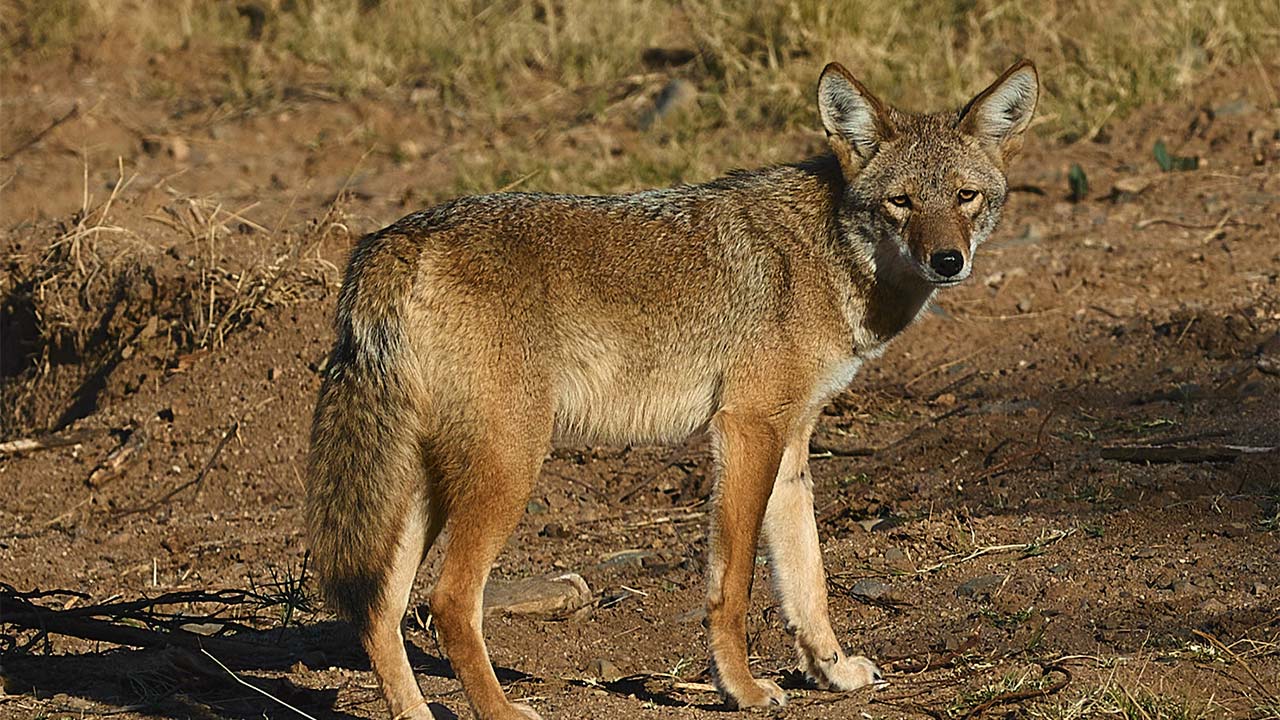
Utah has a lot of terrain features that make coyotes comfortable moving in daylight—benches, draws, and broken country that hides approach routes. Colorado’s guidance applies broadly in the region: coyotes can be active day or night, but especially dawn/dusk. In Utah, midday stalkers love to come in from below you or behind a cut, then appear on the downwind side just long enough to decide if the setup smells wrong.
North Dakota
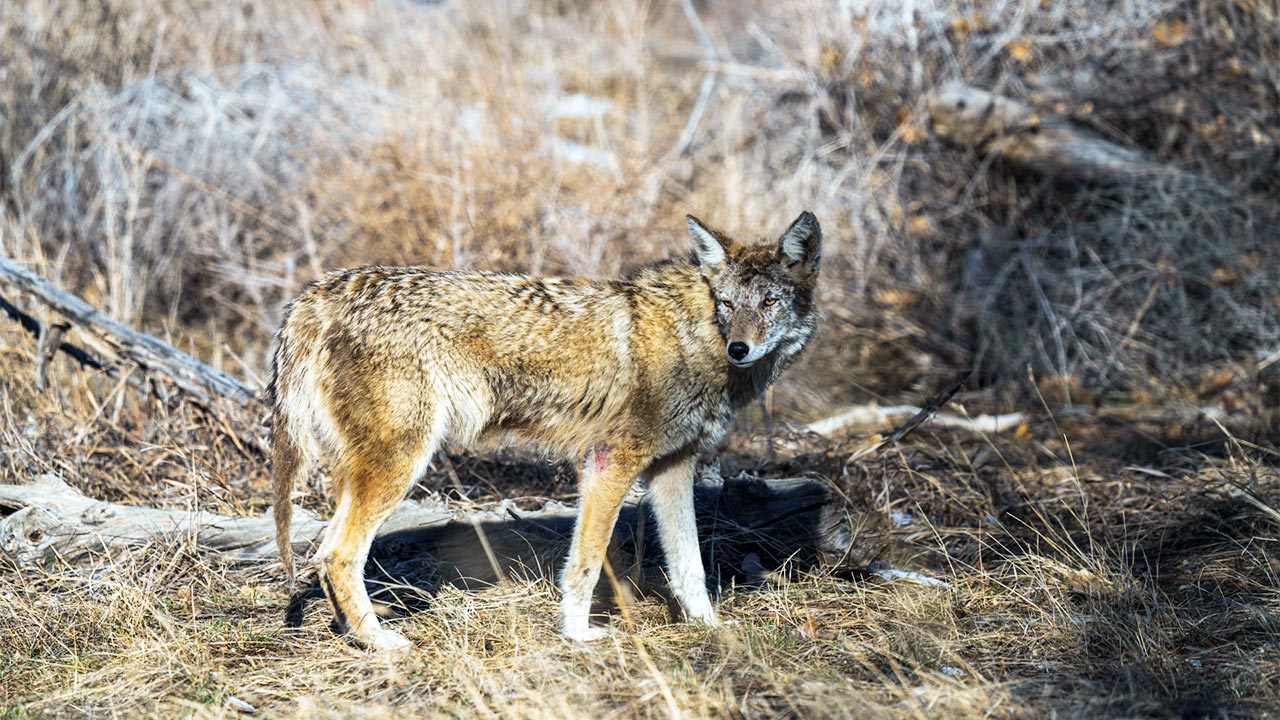
North Dakota’s open country makes coyotes look “easy” until you call them. Midday stalking is common because they’ll use the smallest terrain dip, a snow drift, or a cattail edge to sneak in. In cold stretches, daytime activity is more common, and that’s when a midday set can surprise you. The biggest ND lesson: watch your backtrail and your downwind, because coyotes love approaching along the same line you walked in on.
South Dakota

South Dakota is similar—big visibility, but tons of subtle cover: shelterbelts, creek lines, and rolling prairie. A lot of midday coyotes here will “hang up” and glass the sound source before committing. If you overcall or move, you lose them. If you stay still and let curiosity build, you’ll sometimes watch them stalk in slow and steady like a cat.
California

California coyotes are extremely good at using human-shaped habitat—orchards, canals, levees, brushy flood control, and suburban greenbelts. Midday stalking is common where they’ve learned people patterns and avoid obvious movement windows. Cities and counties in California even publish guidance emphasizing dawn/dusk peaks but acknowledging day activity in greenbelts and edges, which matches what hunters see in the field. In CA, the “stalk” is often a silent check from cover, especially anywhere coyotes have been pressured.
Like The Avid Outdoorsman’s content? Subscribe to our newsletter so you never miss an article.
Here’s more from us: