Photo credit: Robert So/Pexels.com
Elk country still fires people up like almost nothing else, but plenty of hunters have figured out the hard part is no longer just drawing a tag. In a lot of states, it is both. Demand keeps rising, nonresident odds keep tightening, season structures keep getting picked over by experienced hunters, and in some places herd pressure, wolves, drought, winter loss, fire, access limits, and changing tag formulas have made the actual hunt rougher even after a tag lands in your pocket. Colorado still sells over-the-counter opportunity in some cases, but even there the state has overhauled license rules and many quality units are brutally competitive. In states like Utah, Arizona, Nevada, Wyoming, and New Mexico, the draw has been tough for years, and the “finally got a tag” story still does not guarantee a forgiving hunt once boots hit the ground.
Utah
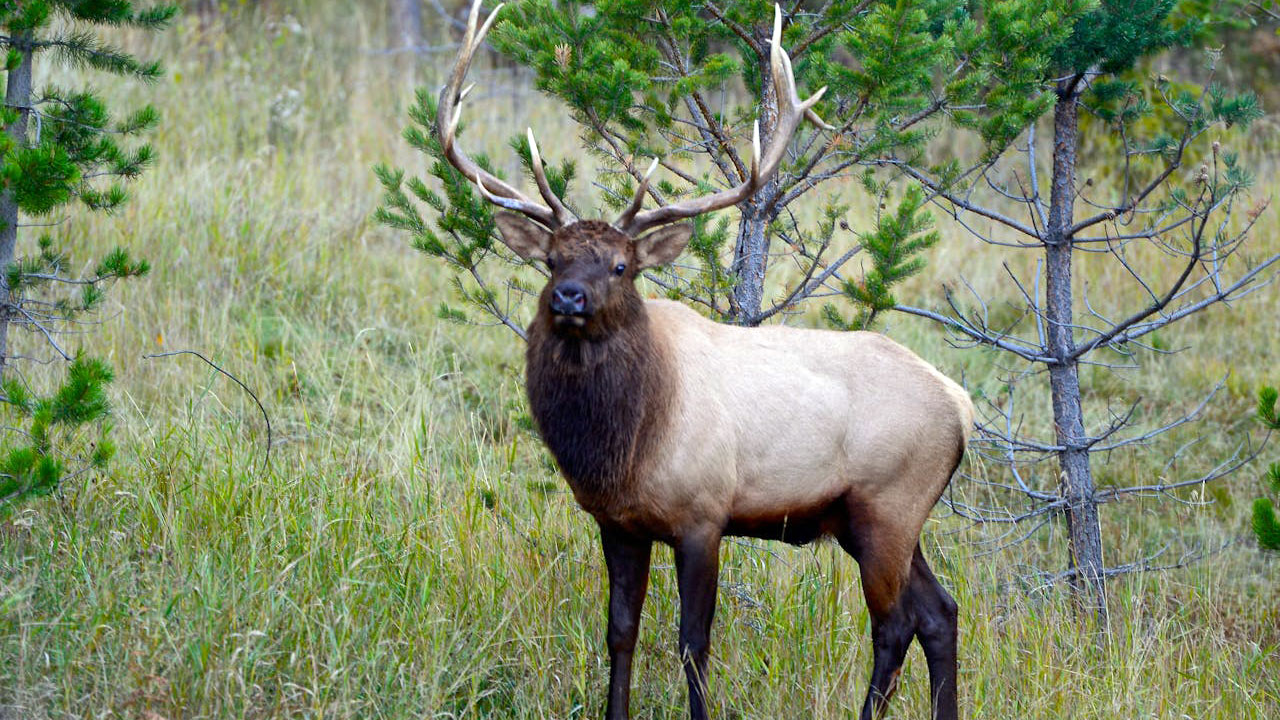
Utah belongs high on this list because it has become one of those states where the draw itself can feel like a career-long project. Utah Division of Wildlife Resources publishes draw odds because demand is so intense, especially for premium limited-entry elk units, and the state continues to run a bonus-point system where top-end tags can take a very long time to approach. That part is hard enough. The second part is that Utah hunters are often chasing mature bulls in carefully managed units where expectations are high, pressure is focused, and everybody knows why the tag matters.
That makes the actual hunt harder than outsiders sometimes realize. A hunter can spend years building points, finally draw, and then show up in a unit where the bulls are there but the country is steep, the competition is skilled, and the pressure to capitalize on one rare tag changes the whole feel of the hunt. Utah’s elk reputation is real, but that is exactly why both the drawing and the closing get harder. The state has made elk tags valuable, and valuable tags rarely come with easy outcomes.
Arizona
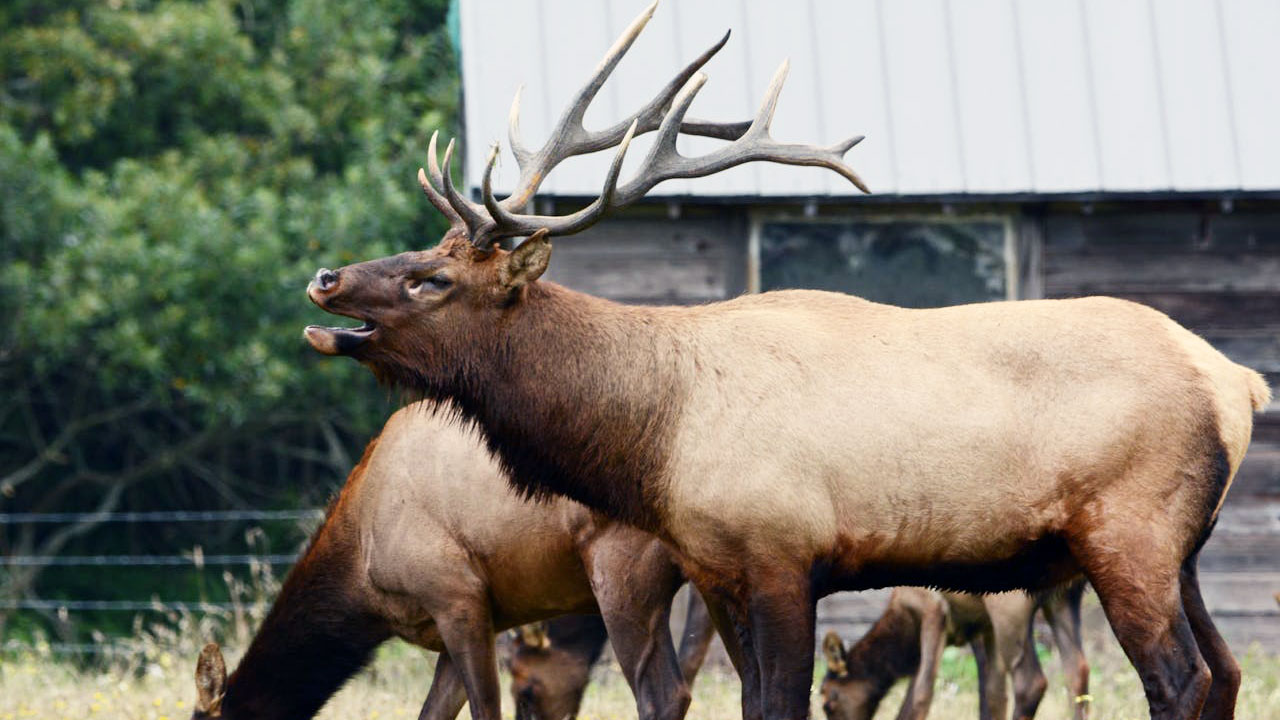
Arizona is a classic case of a state where the draw is hard because the quality is real. Arizona Game and Fish posts hunt draw information and bonus-point structures every year, and the state’s elk permits are among the most coveted in the country. That is not a secret. People chase them because Arizona can still produce excellent bulls. The trouble is that the same reputation that makes Arizona special also makes the system brutally competitive, especially for nonresidents trying to break into top-tier units.
And even after the draw, the hunt is not soft. Arizona elk hunting often means big country, pressured optics games, weather swings, and units where the tag-holder knows there may not be another chance soon. On better rifle hunts especially, the mental pressure can be as real as the physical work. A rare tag in a famous unit sounds glamorous until you realize everybody expects that hunter to punch above his weight immediately. Arizona makes you earn it twice.
Nevada
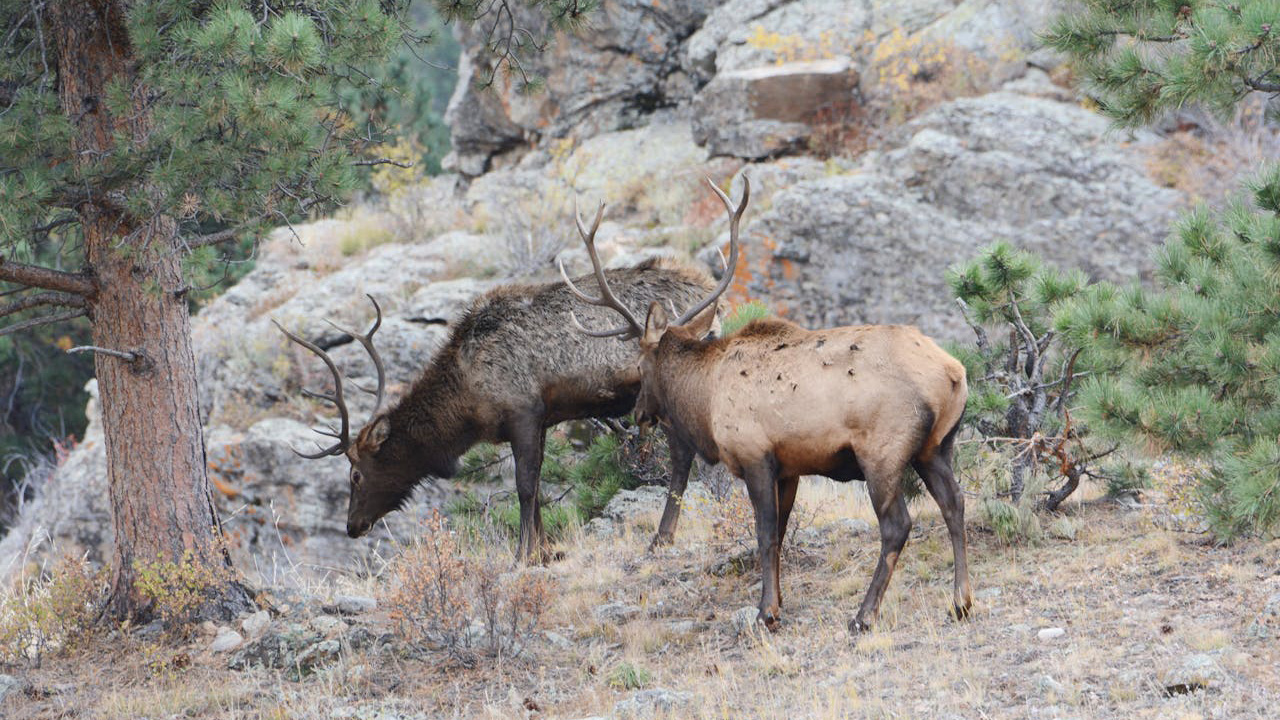
Nevada has long been a state where drawing elk is difficult enough to discourage casual applicants, and NDOW’s draw materials make clear that elk opportunity runs through a tightly limited tag system. This is not a volume state. It is a scarcity state. That scarcity is what makes the tags feel valuable, but it is also what makes the odds rough and the pressure on tag-holders high.
The actual hunt is no layup either. Nevada elk country can be dry, open, and physically demanding, and hunters often deal with animals using huge pieces of country in ways that make quick decisions matter. When a state gives out limited elk tags and ties them to high expectations, “hard to draw” often becomes “hard to convert” almost automatically. Nevada is a prime example of that. A tag there means opportunity, but it also means pressure, distance, and a whole lot of country between you and the bull you thought looked easy through glass.
Wyoming
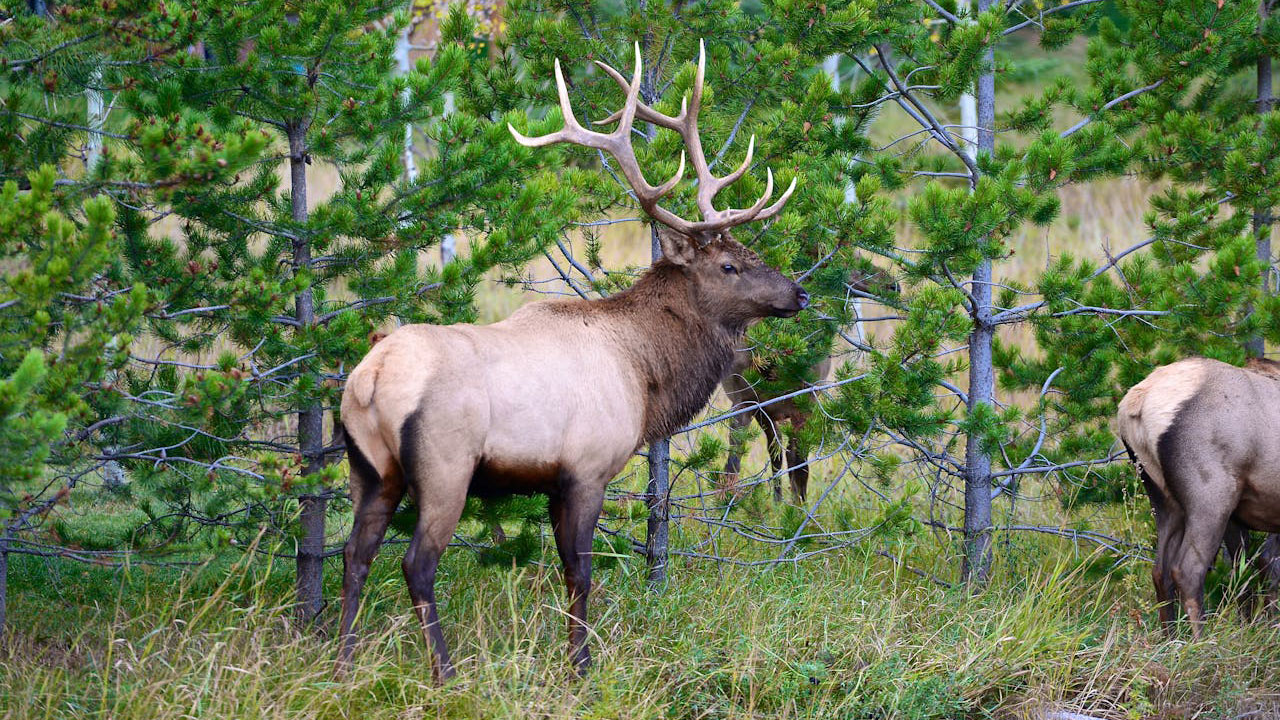
Wyoming still gives hunters an elk dream to chase, but the dream has gotten more complicated. Wyoming Game and Fish publishes elk draw odds annually, and those odds show just how point-heavy and competitive many regular and special-tag hunts have become. Nonresident demand stays intense, and the state has repeatedly adjusted fee and license structures over time in ways that keep hunters paying close attention to strategy.
Then there is the hunt itself. Wyoming’s own 2025 hunt forecast said prolonged drought and wildfire effects were still shaping conditions in parts of the state. That matters because elk hunting gets harder when range conditions shift, herds move differently, and access or habitat quality is not what a hunter expected from old stories or old maps. Add in wolves in certain parts of the state, tough public-land competition in better units, and big-country physical demands, and Wyoming becomes another place where a hard-won tag still does not hand you an easy outcome.
New Mexico

New Mexico is rough in a different way because it does not even lean on a normal preference- or bonus-point grind for public draw tags. The state’s big-game system is famously random compared with point-building states, which means every year can feel hopeful and hopeless at the same time. New Mexico Department of Game and Fish lays out the draw process clearly, and that unpredictability is exactly what keeps hunters throwing their names in.
But a random draw does not make the hunt easy after the fact. New Mexico elk tags are still limited, demand is still huge, and many hunts play out in country where drought, early dry-down, and water-focused elk movement matter a lot. When you finally hit on a New Mexico tag, you may be chasing elk in terrain that punishes bad planning fast. So while the draw pain looks different than in Utah or Arizona, the total package still fits this list perfectly: hard to land, and still plenty hard to finish.
Colorado
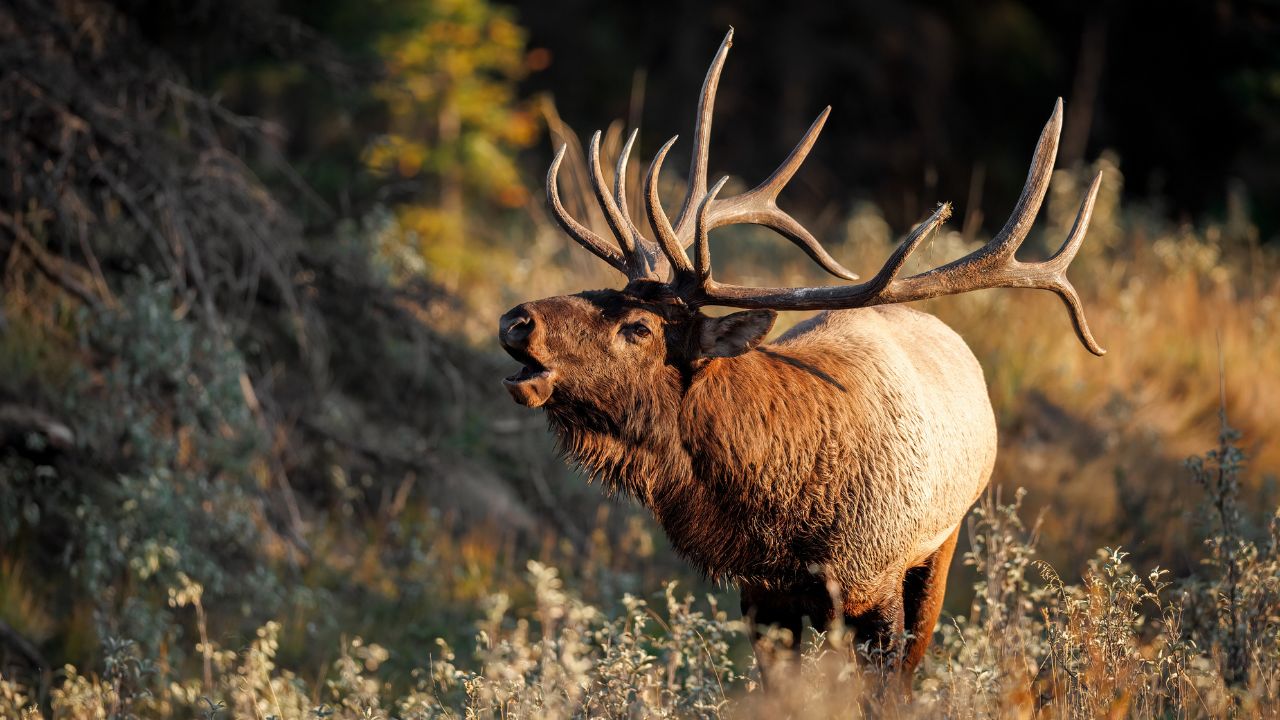
Colorado is still the state a lot of hunters think of first because it has historically offered more elk opportunity than most places. But that does not mean it is getting easier. Colorado Parks and Wildlife made major changes for the 2025 season, including ending over-the-counter archery elk tags for nonresidents and moving several hunt structures into a more limited-draw framework. That alone tells you the pressure problem had gotten serious enough to force change.
The hunting side has gotten harder too. CPW said persistent drought and a severe 2025 wildfire season damaged critical mule deer and elk winter range on the Western Slope. Colorado still has lots of elk, but “lots of elk” is not the same as “easy elk hunting,” especially in a state packed with resident and nonresident pressure, sprawling public ground, changing season structures, and plenty of educated animals. Colorado remains the opportunity state, but even there the best days of casually assuming you can show up and figure it out are fading.
Montana

Montana fits because it carries both draw difficulty and hunt difficulty in a way that frustrates people from every angle. Montana Fish, Wildlife & Parks runs a draw and preference system for nonresident combinations and limited permits, and demand for better elk permits remains intense. Hunters who picture Montana as simple public-land freedom usually find out fast that good tags and good access are two different subjects.
Even after drawing, success can be harder than expected because Montana’s elk often spend time on inaccessible or lightly pressured private ground, while public-land animals in some areas get hunted hard and move accordingly. Add wolf impacts in parts of the state, big rugged country, and the growing challenge of getting away from pressure on popular blocks of public, and Montana becomes a very clear “harder than it looks” elk state. The license might come through. The bull still may not.
Idaho
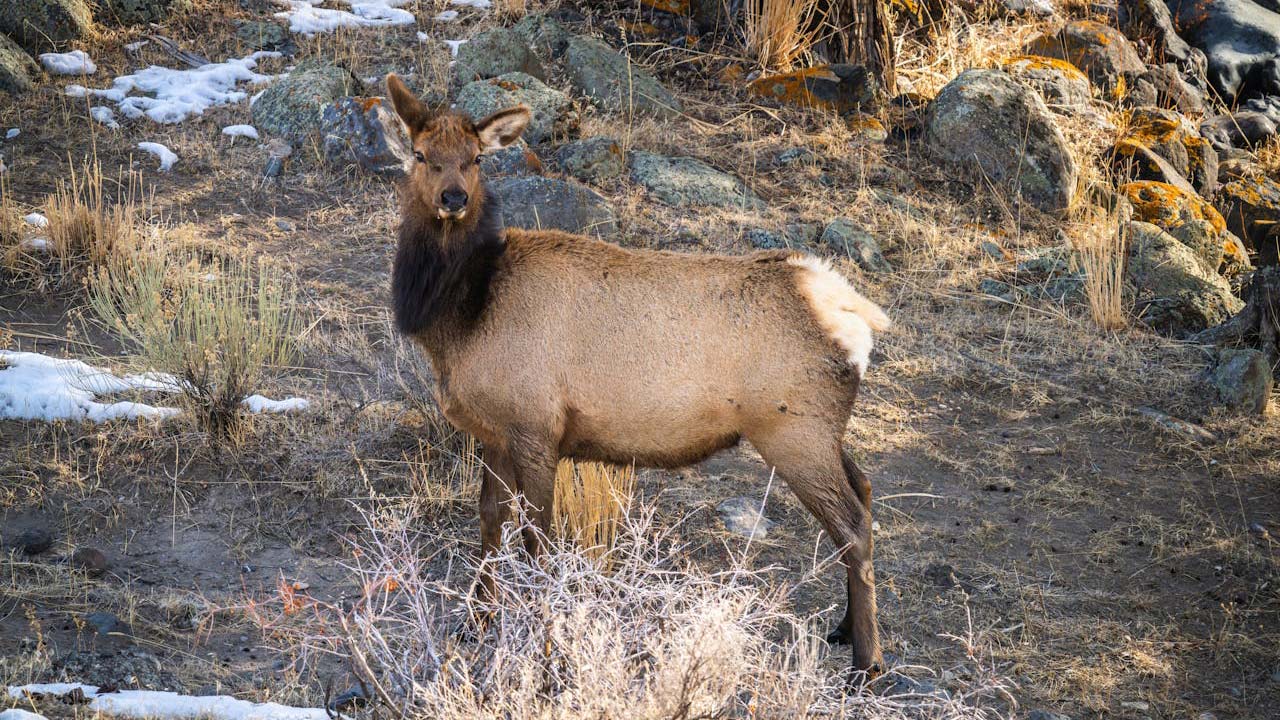
Idaho is a little different because not every elk opportunity is about points and long-term strategy, but that does not make it easy. Idaho Fish and Game has continued using capped tags, zone management, and controlled hunts that create intense competition depending on weapon, zone, and timing. In practical terms, hunters have to be quick, informed, and realistic. The easy assumption that Idaho equals easy elk access just does not hold up anymore in many of the better or more manageable opportunities.
The actual hunting can be rough too, and Idaho’s own 2025 outlook highlighted dry conditions affecting forage in some areas. On top of that, wolves remain part of the elk conversation in several regions, and Idaho country can be some of the steepest, thickest, most punishing ground on this whole list. A hunter can technically get a tag more easily than in some premium states and still come home feeling like the state beat him soundly. That still counts.
Oregon

Oregon belongs here because it often gets overlooked until hunters start studying actual odds and terrain. ODFW’s controlled-hunt system makes clear that many elk opportunities, especially for better seasons and better units, are limited and competitive. Like several western states, Oregon can look more accessible on paper than it feels once a hunter starts sorting through the details.
And then there is the hunt itself. Large chunks of Oregon elk country are steep, brushy, and physically punishing, and dry years can tighten usable habitat quickly. The state’s mule deer planning and broader habitat discussions keep moisture and habitat capability front and center, which matters for elk too in many regions. So Oregon earns its place not because every tag is impossible, but because better hunts are competitive and the state’s elk country has a habit of making hunters work harder than they expected.
Washington
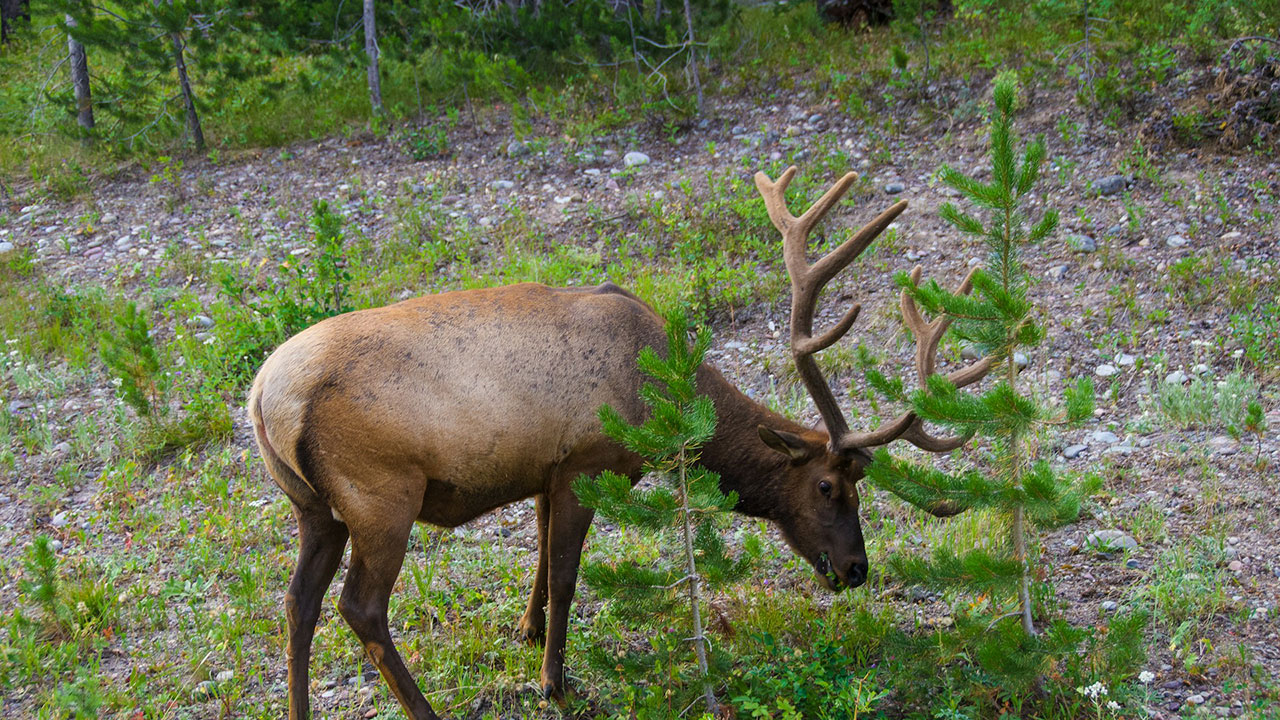
Washington is not the first state every elk hunter dreams about, but that can make people underestimate how hard it has gotten in the places that matter. WDFW publishes special-permit information because some of the better elk opportunities run through controlled access and limited permits. That means there is already a draw barrier on parts of the state’s best hunting.
The hunting itself can get rough because Washington elk do not all live in the postcard version of western hunting. Some herds use thick, wet country where visibility is poor and elk vanish fast. Other hunts play out in drier landscapes where forage and water conditions matter a lot. WDFW district outlooks have also pointed to years of hot and dry summers in some areas, which can change how animals spread out. So Washington belongs on this list because it can be harder than expected on both ends: getting the right hunt and then making it work.
California
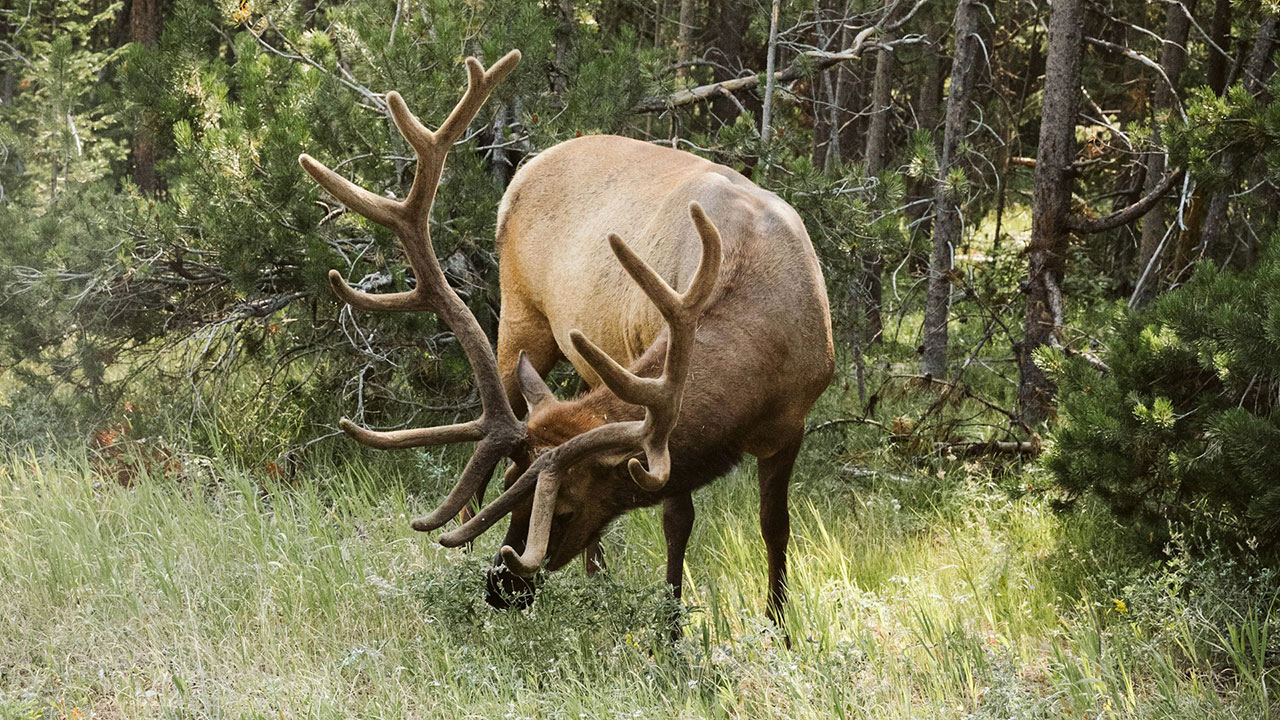
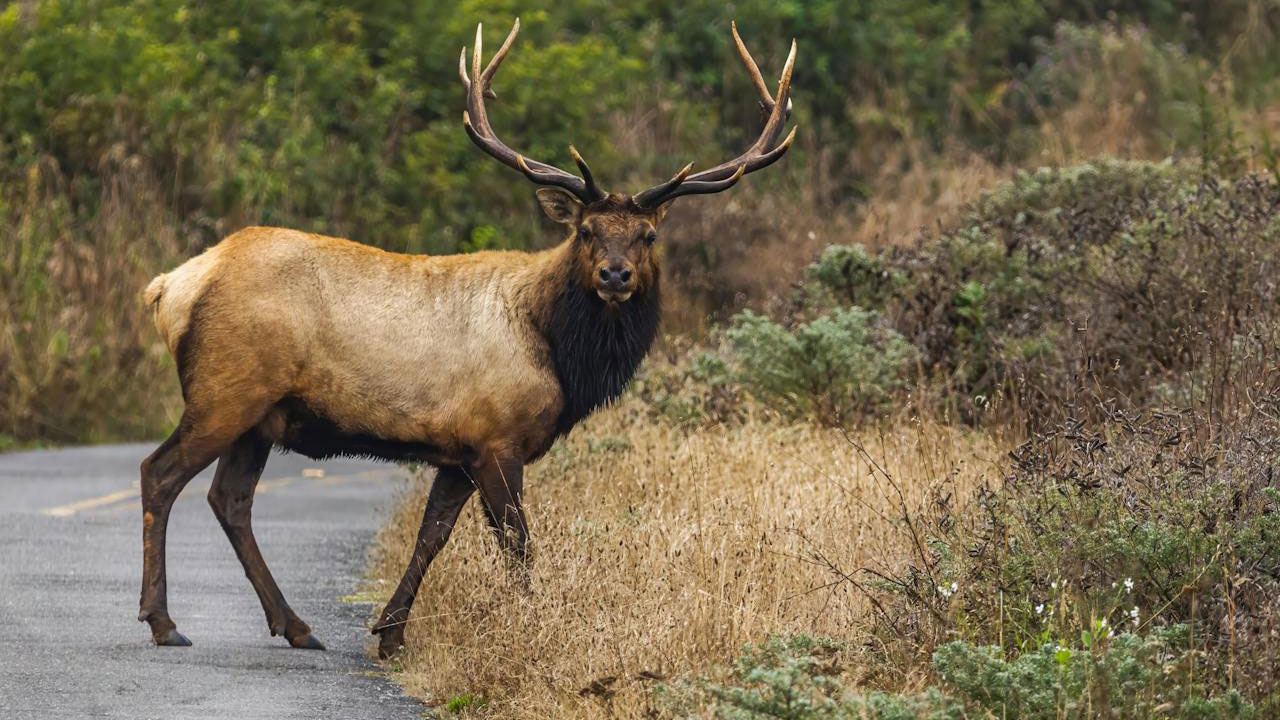
California surprises people because it is not talked about like the big elk states, but that actually helps prove the point. Tule elk, Roosevelt elk, and Rocky Mountain elk opportunities are limited, highly managed, and often very difficult to draw through California Department of Fish and Wildlife’s tag system. You are not casually deciding to go elk hunting in California and expecting a smooth path.
And when a rare tag does happen, it often comes with the kind of pressure premium-tag hunters know well. There may be limited time, specific unit constraints, and a lot riding on a permit that took forever to land. California’s broader drought and wildfire picture also keeps affecting habitat conditions statewide, which does not make any hoofed-animal hunt easier. California may not be an elk-volume state, but for difficulty from application to execution, it earns a seat at the table.
South Dakota

South Dakota is one of those states where elk opportunity exists, but it stays tightly limited enough that drawing can be a challenge and expectations stay high. The state’s Game, Fish and Parks system makes clear that elk licenses are limited and closely managed. This is not a casual backup elk destination.
The hunt can also be tougher than people expect because limited-tag systems usually mean everyone knows the value of the license, and the animals often live in terrain or land-ownership patterns that can complicate access. South Dakota may not carry the same national mystique as Arizona or Utah, but hunters chasing one of its elk tags are still dealing with the same basic truth: small supply, serious demand, and no guarantee the hunt itself will be forgiving once the tag shows up.
Kentucky

Kentucky’s elk program has become famous enough that the draw is a real event. Kentucky Fish and Wildlife runs its elk hunt through a lottery system, and the state openly markets its elk herd and hunting opportunity because people want in. That demand is exactly what makes the draw hard.
Then hunters discover the second half. Kentucky elk country is rugged Appalachian ground, and even guided hunters can find out quickly that seeing elk and killing elk are different problems. Access, reclaimed mine terrain, visibility, pressure, and short windows all stack up. Kentucky is a great example of an eastern elk state where excitement can make the opportunity look easier than it really is. The draw is a long shot, and the hunt still asks for real work.
Pennsylvania

Pennsylvania’s elk hunt is one of the clearest “dream tag” examples in the country. The Pennsylvania Game Commission’s elk license program is lottery-based and intensely competitive because the state only issues a small number of tags relative to demand. That alone makes it harder to draw than many casual observers realize.
And once again, the rare-tag problem shows up. A Pennsylvania elk license carries huge emotional weight because most hunters know it may be their only shot. The state’s elk range is not enormous, public attention is high, and expectations are heavy. That can make the actual hunt feel tighter than people imagine when they only think about the romance of an eastern bull. Hard draw, high pressure, limited margin. That is enough to land Pennsylvania on this list.
Nebraska
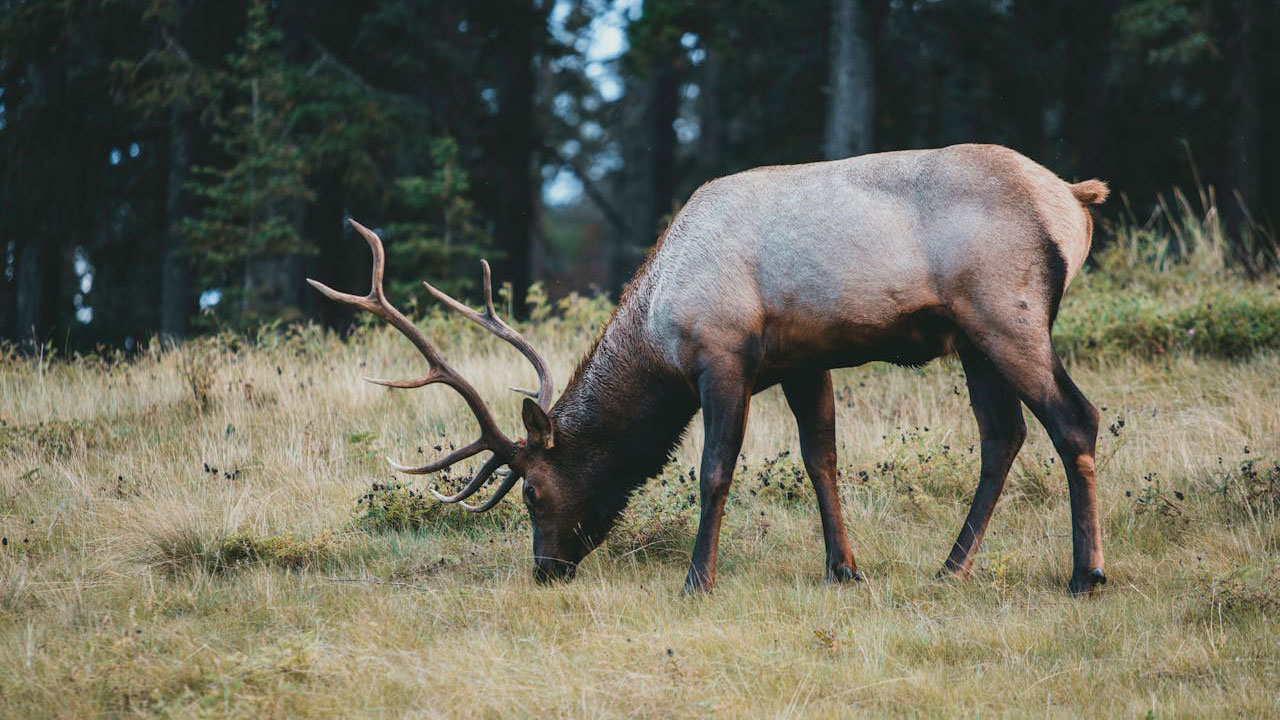
Nebraska is another limited-opportunity state where the elk tag is scarce enough to matter. Nebraska Game and Parks issues elk permits in a tightly managed way, which means hunters are already dealing with low supply before the hunt even starts.
The hunting side is no gimmie either. Nebraska elk are not spread across endless public mountains the way people picture western elk. Land ownership, localized elk distribution, and the simple fact that the permit is rare all make the actual hunt feel tighter and more pressured. Like several states in this back half of the list, Nebraska proves you do not need massive elk numbers to be a hard-draw, hard-hunt state. Sometimes scarcity itself creates both problems.
Like The Avid Outdoorsman’s content? Subscribe to our newsletter so you never miss an article.
Here’s more from us: