

Image Credit: Penny Richard/ Shutterstock.
Redfish are one of those fish that’ll test your gear and your patience—but when you find the right spot, it’s worth every second. The big ones don’t play around. They’ll scream line off your reel, pull like a freight train, and leave you smiling like a fool.
If you’re looking to land a drag-peeling bruiser, these are the places you need to be casting. Salt flats, inlets, and marshes across the South hold fish that’ll make your arms sore in the best way possible.
Venice, Louisiana

If you’re serious about landing a trophy red, Venice needs to be on your radar. The Mississippi River dumps a load of nutrients into the Gulf here, and the reds show up in force. The marshes, bays, and shallow flats around the river mouth are packed with bait, which keeps big reds hunting.
Anglers here don’t mess around with light tackle. You’re likely to hook something that’ll take you for a ride. Sight casting is solid, and live mullet or crab will get crushed. It’s not always pretty out there, but it’s productive.
Mosquito Lagoon, Florida
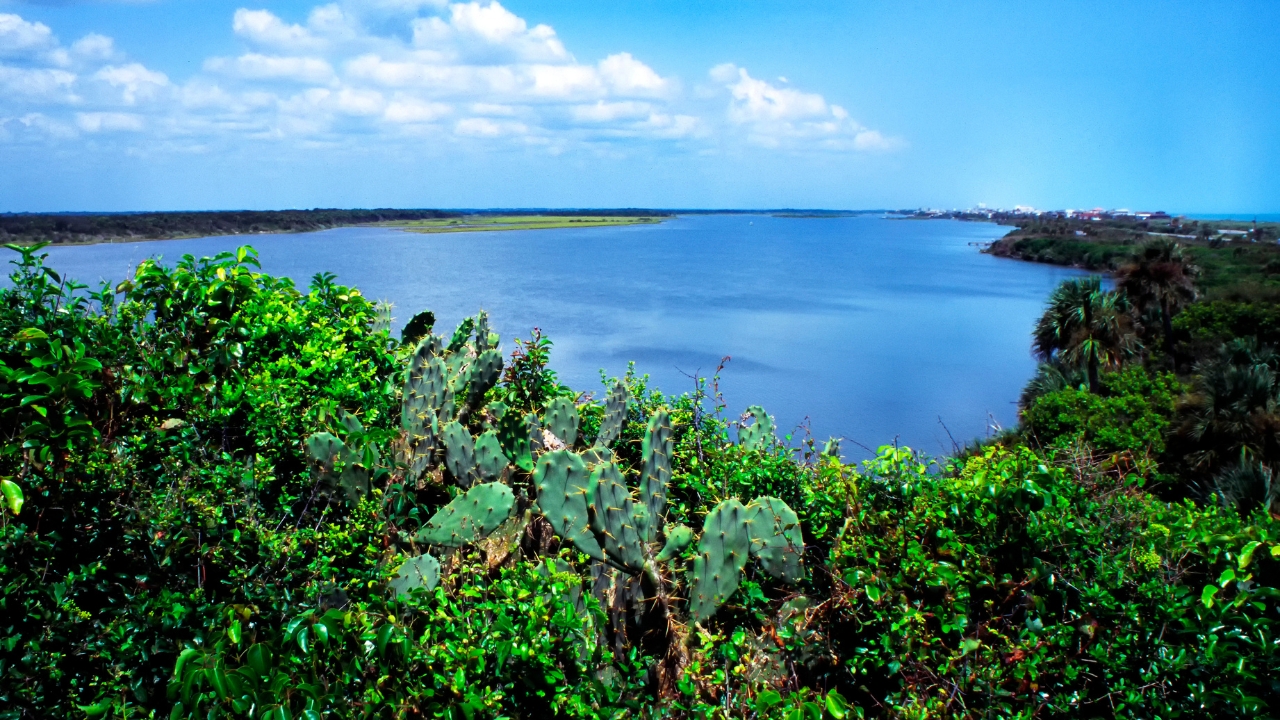
Mosquito Lagoon has a reputation for a reason—it’s loaded with redfish year-round. What makes this spot stand out is the number of bull reds you can catch in shallow water. These fish cruise the flats in singles or small groups, and they aren’t shy about smashing a well-placed bait or fly.
You’ll want to go early before boat traffic picks up. Push-poling or using a quiet trolling motor will get you closer without spooking them. Bring your patience and polarized glasses—this is a sight fishing hotspot.
Port Aransas, Texas

The channels and flats around Port Aransas are prime real estate for redfish. You’ve got access to the Lydia Ann Channel, East Flats, and Lighthouse Lakes—each loaded with opportunity. Slot reds are common, but there’s a real shot at pulling a 40-incher out of here.
High tides push them up into the grass, and low tides pull them out into deeper guts. Live shrimp works great, but cut mullet and paddle tails will get eaten too. This area doesn’t get as much attention as it should, which means less competition.
Charleston, South Carolina

Charleston’s marsh systems are like a maze, and redfish thrive in them. Flood tides in late summer and fall give you a shot at tailing reds on the grass flats, which is about as good as it gets for sight casting. These fish can get massive, especially around oyster beds and creek mouths.
You’ll want to fish the tides and keep it quiet—this isn’t a spot-and-cast kind of place. Weedless plastics and crabs on circle hooks get the job done when you find the right pocket of water.
St. Bernard Parish, Louisiana
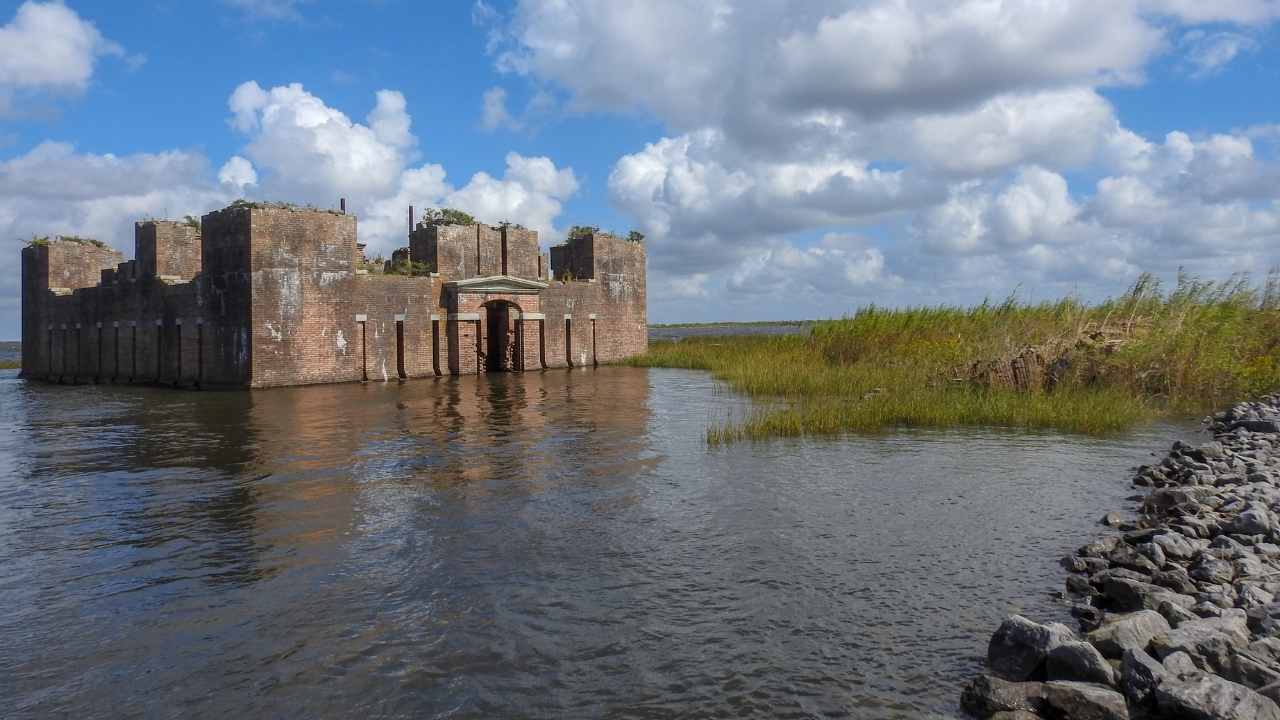
Just outside New Orleans, St. Bernard offers easy access to the Biloxi Marsh, which is stacked with redfish. It’s remote enough to escape pressure but close enough to reach without a long haul. These reds eat aggressively, especially in the fall when bait is moving out of the marsh.
The marsh drains and outer edges are money. Kayaks, flat-bottom boats, and even wading can work here. Bring a popping cork and a gulp shrimp or a spoon, and you’ll be hooked up before long.
Mobile Bay, Alabama
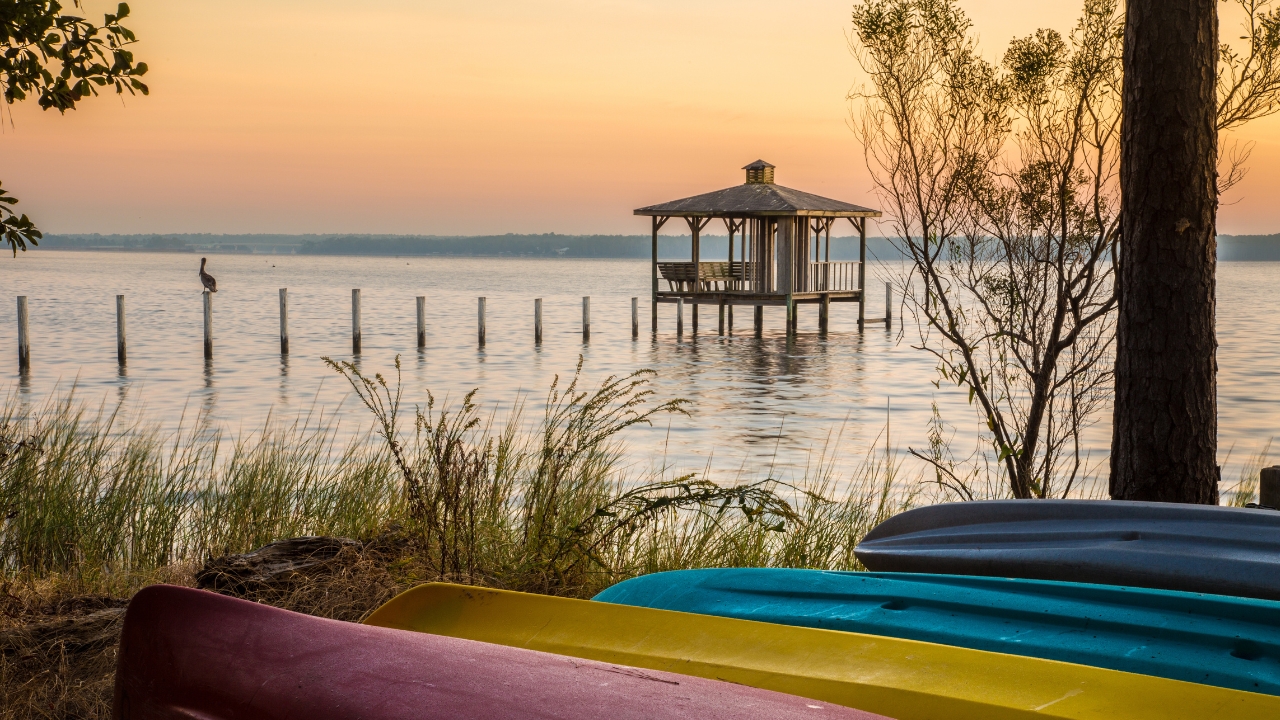
Mobile Bay is an underrated redfish fishery. The southern end of the bay and the mouth of the Dog River are known for producing some real tanks. This place shines in the late summer and fall when water temps drop a little and the bait piles up.
Fish the jetties, docks, and grass edges. Bull reds will cruise through, especially on a moving tide. It’s also a solid place to fish during cold fronts since the bay offers protection from wind and big waves.
Jacksonville, Florida

The Intracoastal Waterway and nearby marshes in Jacksonville are full of redfish, and some of them get downright big. The best part? You can target them year-round. Flood tides in the summer offer great sight fishing, while the fall mullet run draws in the bruisers.
Creek mouths, oyster bars, and grass lines are where the action happens. Use live finger mullet or shrimp and keep your drag set right—these fish will test it fast.
Savannah, Georgia

Savannah’s marshes might not get the press like Florida or Louisiana, but they’ve got plenty of big reds. The maze of creeks and cuts holds fish throughout the year, with fall being prime time when they group up to feed before winter.
This is a great spot for kayaking or wade fishing. Look for bait pushing and cast to the edges of oyster beds or small points. A gold spoon or soft plastic paddle tail will get eaten quick.
Rockport, Texas

Redfish are part of daily life in Rockport. You’ve got a network of back lakes, shorelines, and flats where reds feed heavy, especially during low-light hours. The fish here don’t mind shallow water, and sight casting is possible more often than not.
Use weedless rigs and fan-cast across potholes in the grass. Reds here will crush a topwater in the morning or a gulp shrimp later in the day. Don’t overlook the deeper edges during heat waves—bulls love to cruise those drop-offs.
Apalachicola Bay, Florida

This spot in the Florida Panhandle is a hidden gem for redfish. The marshes and barrier islands around the bay offer a mix of structure and bait that big reds love. You’ll find them holding near oyster beds, creek mouths, and along the grass lines.
It’s a quieter area, which makes it ideal for kayak anglers. The water’s clear enough for sight fishing when the wind cooperates. Bring gold spoons, soft plastics, and maybe even a topwater for early morning runs.
*This article was developed with AI-powered tools and has been carefully reviewed by our editors.


