
Image Credit: MR.Surat Matcha/ Shutterstock.
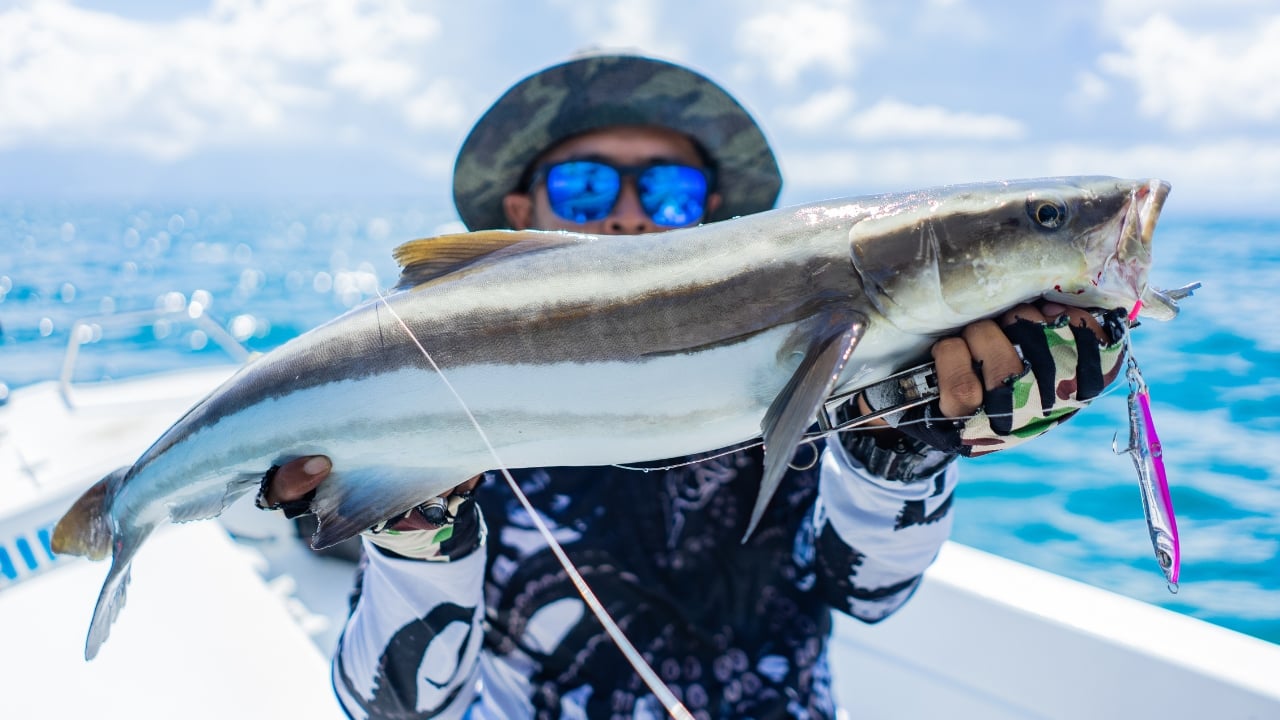
Cobia aren’t like your average inshore catch. These fish hit hard, fight dirty, and show up when and where they feel like it. If you want a real shot at putting one in the boat, you’ve got to fish the right waters—and be ready when the moment comes.
I’ve fished a lot of coastlines, and not all of them are worth your time when it comes to cobia. The spots on this list consistently produce. You’ll still need to put in the work, but these are the places where serious anglers go when they’re tired of getting skunked.
Destin, Florida

Destin isn’t called “The World’s Luckiest Fishing Village” for nothing. Come spring, cobia start cruising the beaches here, often within sight of shore. Sight-fishing from towers is common, and it’s one of the few places you can hook into a 50-pounder just off the sandbars.
March through May is prime time. Bring heavy spinning gear and keep a live eel or big jig ready. The clear Gulf waters give you a shot at spotting them before they even know you’re there. If you’ve never fished a cobia run in Destin, you’re missing out.
Chesapeake Bay, Virginia

The Chesapeake Bay holds some serious cobia, and the fishery’s only gotten better in recent years. From June through early September, cobia stack up along channel edges, buoys, and shoals. Anchoring and chumming is a go-to tactic here—and it works.
You’ll want stout gear and patience. The fish show up in waves, but when they do, it gets chaotic fast. Some anglers also cast bucktails at cruising fish near buoys. If you’re fishing Virginia in the summer, you’ve got a legit shot at a personal best.
Port Canaveral, Florida

Port Canaveral gives you options—beach cruising, wreck hopping, or even following manta rays. That last one’s key, because cobia often trail right behind those big wings. Spot the ray, cast your bait or jig in front, and hang on.
Winter through early spring is when things heat up here. You’ll want polarized lenses and a high vantage point if you’re serious about spotting fish. It’s a unique style of fishing that rewards preparation and fast hands. The action can go from zero to full-throttle in seconds.
Gulf Shores, Alabama

Gulf Shores doesn’t always get the same hype as Florida spots, but make no mistake—cobia pass through here every spring. Locals watch the weather and time their outings for calm days when the fish cruise in sight of the beach.
Most anglers here sight-fish from towers on center consoles, tossing eels, jigs, or live bait ahead of the moving fish. It’s all about quick reaction. You may only get one shot, so it better count. The fish here aren’t shy about eating, but they don’t hang around.
Outer Banks, North Carolina

The Outer Banks are known for variety, but cobia fishing here can be straight-up wild during the summer months. June is usually peak season, with fish cruising nearshore and around bait balls. Sight casting and trolling both produce.
Look for cleaner water near inlets and shoals, especially after a few calm days. A lot of folks run towers here, but even from a standard center console you’ve got a solid shot. When the bait shows up in big numbers, the cobia aren’t far behind.
Tampa Bay, Florida

Tampa Bay gives you a longer cobia season thanks to its warm waters. You’ll find cobia hanging around markers, bridges, power plant outflows, and deep flats year-round, but it really picks up from late winter through spring.
This is one of those places where having a good network matters. Local guides know where the fish stage up, and they move a lot. It’s more of a target-and-cast game than a chum-and-wait scenario. Keep a rod ready, because the hit usually happens when you’re least expecting it.
Pensacola, Florida

Pensacola has one of the best spring runs in the Gulf. When the water hits that sweet spot around 68 degrees, the cobia start moving west to east. It’s mostly a sight-fishing game, and boat towers give you a major edge.
The key here is covering water. You might not see a fish for hours, then suddenly get three shots in a row. Keep jigs, live eels, and hard baits ready. And don’t forget to scan around rays and turtles—cobia love tagging along.
Savannah, Georgia

Cobia fishing in Georgia is often overlooked, but the nearshore reefs and buoys around Savannah can hold solid numbers from May through July. These fish tend to stay deeper, so vertical jigging and live bait near structure is your best bet.
This is more of a run-and-gun game—hit the spots that hold bait, check your electronics, and drop something tempting. It’s not as visual as some other fisheries, but the payoff can be big. There’s less pressure here, and the fish aren’t as spooky.
Cape Lookout, North Carolina

Cape Lookout sees solid cobia action every summer. The waters around the shoals and inlets draw in bait, which means the cobia won’t be far behind. Most anglers here sight-fish on calm days or drift live bait near known structure.
Late May through early July is the window. A lot of fish get caught along the beaches, especially when conditions line up just right. If you’re looking for a trip where you can combine cobia with other inshore action, this area’s worth the drive.
Mississippi Sound, Mississippi

Mississippi doesn’t always top the cobia lists, but the fish are there—especially near the barrier islands and wrecks off the coast. You’ll want a boat that can run out to those deeper areas, but once you’re there, the action can be steady.
The fish here don’t get the same pressure as other Gulf spots. Live bait is the name of the game—pinfish, mullet, or eels all work. Watch for slicks and surface movement. It’s not glamorous fishing, but it’s real productive when you put in the time.
*This article was developed with AI-powered tools and has been carefully reviewed by our editors.


