Photo credit: Savage Arms
Every hunter’s been there—you buy a rifle thinking it’ll handle everything, only to learn fast that it comes up short when the shot really counts. It’s not always about recoil or noise; sometimes the cartridge, the build, or the overall confidence just doesn’t match the hunt. The rifle feels fine on paper, but in the field, you start wishing for something that hits harder, reaches farther, or anchors game faster. These are the rifles that look the part but make you second-guess your choice once the adrenaline fades. They’re not bad rifles, but they remind you that there’s a reason experienced hunters don’t pack light when the game gets serious. Some guns simply make you realize—on day two—you should’ve brought something bigger.
Ruger American in .243 Winchester

The Ruger American is a dependable budget rifle, but in .243 Win, it’s easy to feel undergunned once the first big buck or coyote gets away. While accurate and soft-shooting, the .243 can leave you chasing blood trails if your shot placement isn’t perfect. It’s a great rifle for beginners, but for tougher hunts, it starts to feel small.
By the second day, you start wishing you had more bullet weight and impact energy—something like a .308 or 6.5 Creedmoor. The Ruger American holds its own for varmints and light deer work, but when the wind picks up or the targets get bigger, that little .243 makes you want to reach for something with a bit more punch.
Savage Axis in .223 Remington

The Savage Axis in .223 is a fun, affordable rifle that shoots flat and groups tight—but it’s not much of a confidence builder once you move past varmints. It’s light, accurate, and easy to carry, but those 55-grain pills don’t inspire faith when a hog or mule deer steps out.
Sure, shot placement matters, but in the real world, you don’t always get perfect angles or distances. That’s when the Axis starts feeling outmatched. Hunters love it for practice and small game, but if you’re chasing anything larger than a coyote, the second day in the field usually confirms what you already suspect—it’s time for a bigger bore.
Mossberg Patriot in 6.5 Creedmoor

The Mossberg Patriot is a capable rifle, but in 6.5 Creedmoor, it walks a fine line between versatile and underpowered. On the range, it’s a sweetheart. In the field, especially on elk or heavy-bodied deer, that “light recoil” can turn into light performance.
The Creedmoor shines for precision shooting, but its real-world hunting results depend heavily on bullet choice and shot placement. The Patriot’s lightweight build adds recoil snap and doesn’t always tame that follow-up wobble. It’s not a bad rifle, but after a long stalk or a less-than-perfect hit, you’ll be thinking a .30-caliber option would’ve ended things faster and cleaner.
Remington 700 SPS in .270 Winchester

The .270 Winchester has earned its place in history, but paired with the lightweight 700 SPS, it can leave you wanting more authority. The cartridge flies fast, but light bullets and long shots don’t always mix well in the wind. You’ll drop deer all day, but elk-sized game can make it feel stretched thin.
By day two, most hunters realize that while the .270 offers range, it lacks the sheer impact of the .30-06 or 7mm Mag when things don’t line up perfectly. The 700 SPS itself is solid, but the setup feels better suited for whitetails in open fields than for anything that might fight back or run deep into timber.
Winchester XPR in .243 WSSM

The Winchester XPR in .243 WSSM promised speed and performance, but that short magnum hype wears off quick. The recoil isn’t bad, but neither are the results—until you start pushing it beyond ideal ranges. The cartridge’s energy drops fast, and the ammo’s nearly impossible to find these days.
For light deer and predators, it’s fine, but as soon as you line up on something bigger, you realize why few hunters ever stayed loyal to the WSSM line. By the second day of a serious hunt, the XPR feels like it’s holding you back more than helping. A bigger, more traditional round simply does the job better.
Tikka T3x Lite in 7mm-08

The Tikka T3x Lite is one of the smoothest rifles out there, but in 7mm-08, it straddles that line between mild and middling. It’s an excellent cartridge for controlled situations, but if you’re pushing shots past 300 yards or dealing with thick-skinned game, it starts to feel light.
The rifle’s lightweight design adds recoil without giving you the stopping power you’d expect from a “7mm.” By the second day, most hunters start craving something that hits with more authority—especially if the first shot didn’t end things clean. The 7mm-08 is accurate and forgiving, but it’s not the round that gives you full confidence in big-country hunts.
Browning X-Bolt Micro Midas in .22-250

The X-Bolt Micro Midas in .22-250 is a slick-handling varmint rifle, but it’s never been a big-game gun, and anyone who tries to make it one learns that lesson fast. It’s a laser on coyotes and groundhogs, but even medium game makes it look small.
The cartridge’s speed is impressive, but light bullets lose energy quickly. The rifle’s build makes it comfortable and smooth to shoot, which only highlights its limited punch even more. After a day or two chasing deer or hogs, you’ll find yourself dreaming of a rifle with real weight behind it—something that leaves no doubt after the trigger breaks.
Marlin 336 in .35 Remington
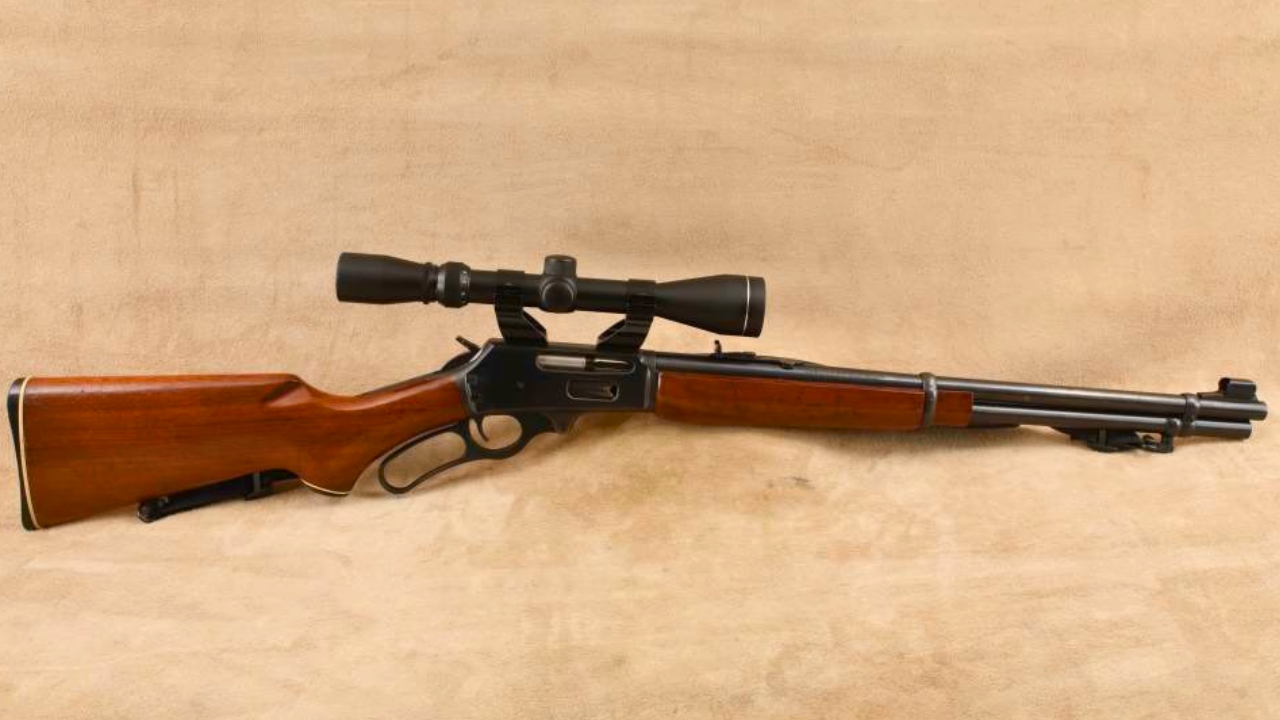
The Marlin 336 in .35 Remington is pure nostalgia, but nostalgia doesn’t always fill the freezer. Inside 100 yards, it’s a hammer. Beyond that, bullet drop and energy loss turn it into guesswork. For thick woods and close encounters, it’s dependable. For open-country hunts, it leaves you wishing for more range.
By the second day in the field, you start to feel boxed in by its limitations. That old-school lever action feel is satisfying, but when a buck hangs up across a clearing, the 336’s reach starts to look short. It’s still a classic, but it’s one that reminds you power and distance don’t always come from history.
Ruger Mini-30 in 7.62×39
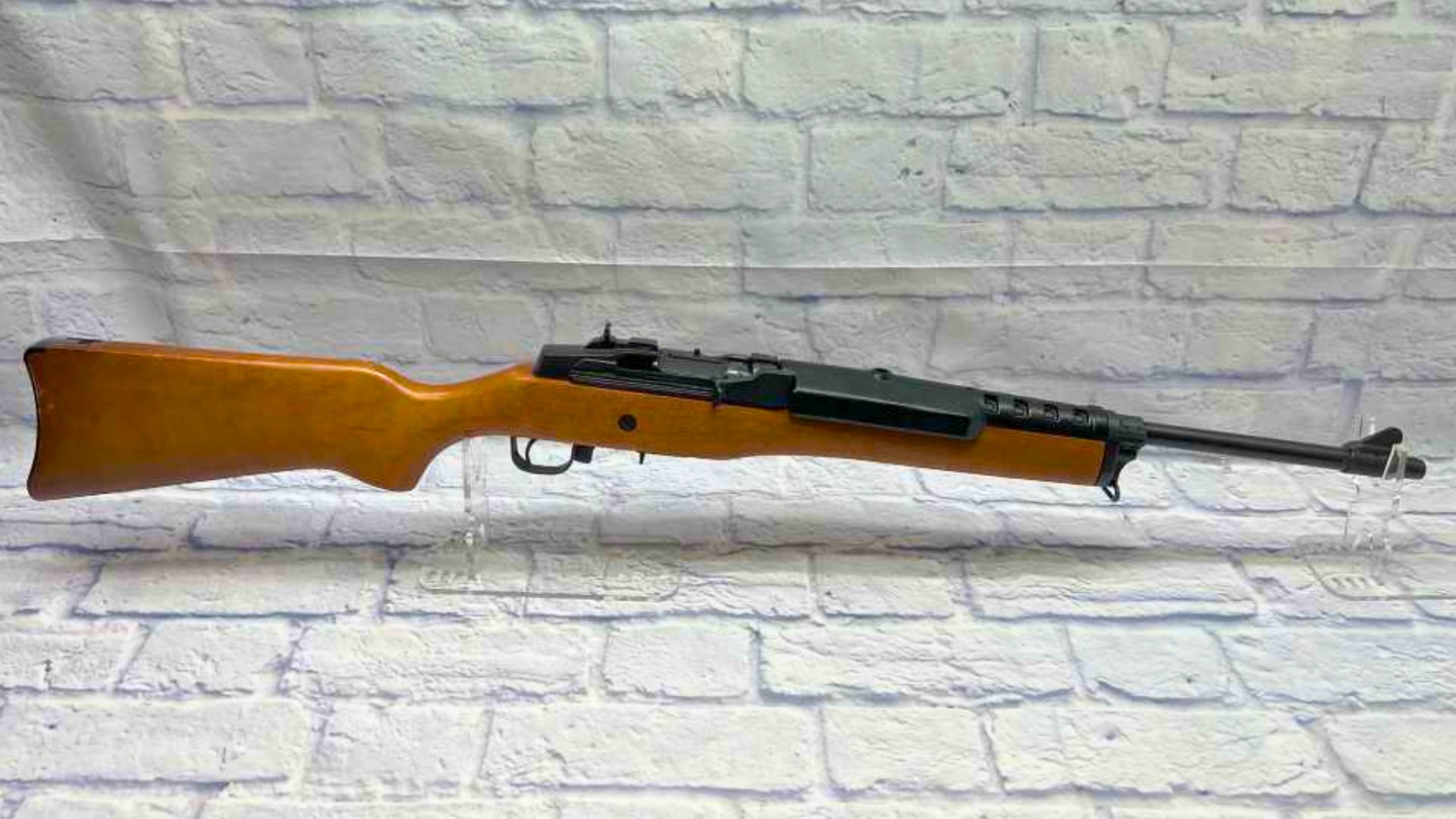
The Ruger Mini-30 looks like a handy little ranch rifle—and it is—but it’s not made for serious big-game work. The 7.62×39 round performs well inside 100 yards, but it lacks the velocity and energy to drop larger game cleanly at distance. Accuracy varies rifle to rifle, and that inconsistency can shake your confidence.
On paper, it looks like a great crossover gun, but in practice, it’s a reminder that military cartridges and hunting rifles don’t always mesh. By the second day, you’ll probably wish you’d brought something built for real reach and power—because the Mini-30’s limits show up fast once you start stretching shots.
Henry Single Shot in .350 Legend
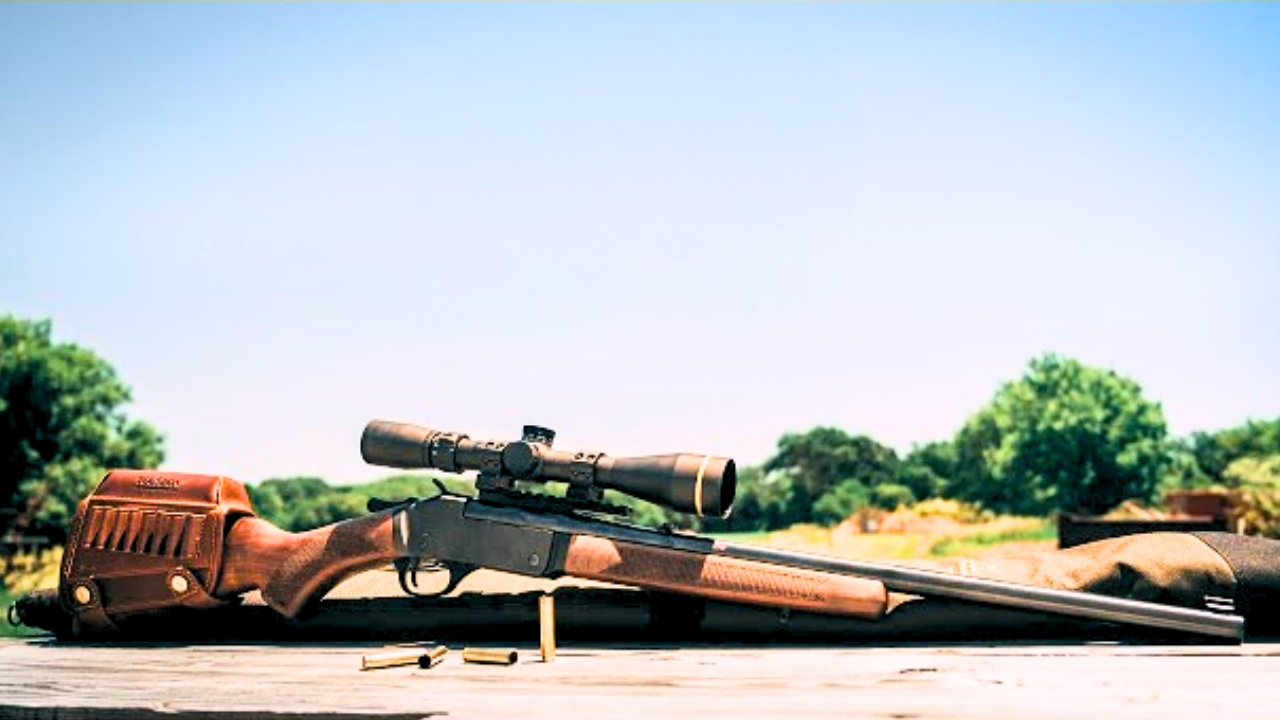
The Henry Single Shot in .350 Legend is a good concept that sounds better than it performs. It’s light, rugged, and legal in straight-wall states, but it’s not a rifle that leaves you feeling confident past 150 yards. Accuracy’s fine, but its energy drops off faster than expected.
By the second day, most hunters start second-guessing their choice when blood trails get thin. The .350 Legend fills a niche for legal reasons, not ballistic superiority. The Henry’s build quality is great, but it can’t make up for what the cartridge lacks in power and consistency.
Remington 783 in 6.5 PRC
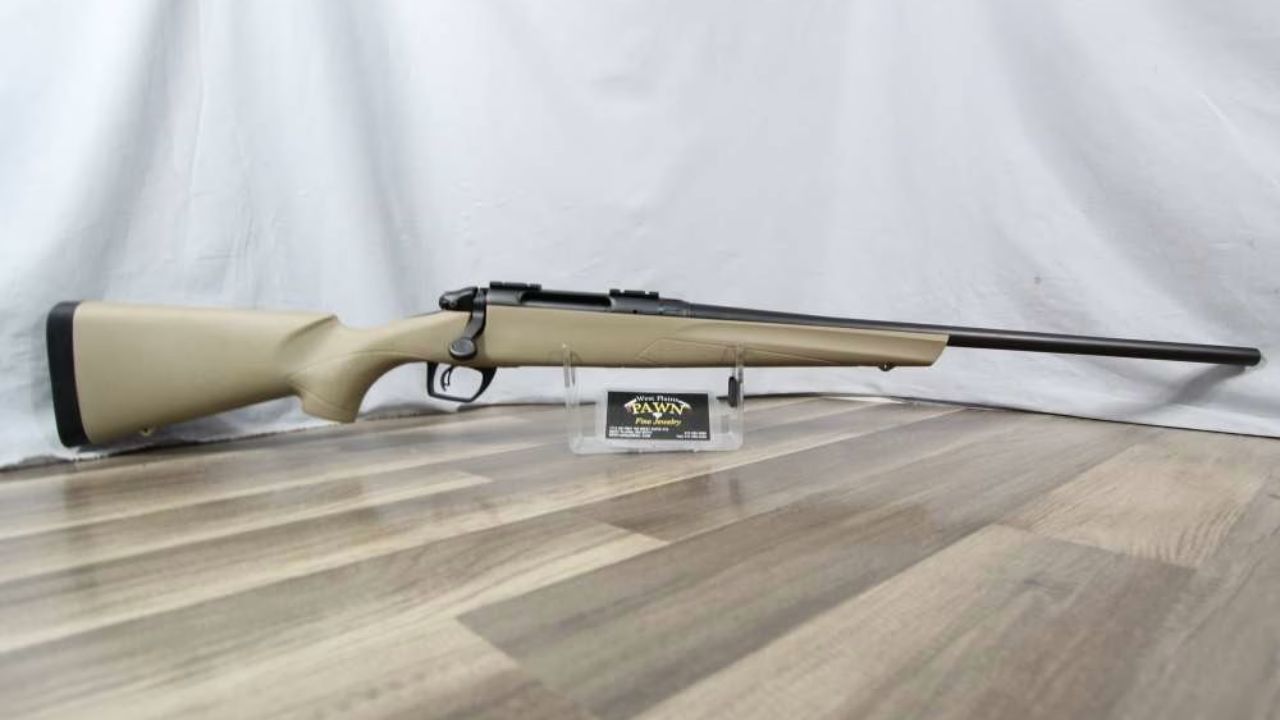
The 6.5 PRC sounds like a do-it-all round, and in theory, it is—but the Remington 783’s budget build can’t fully harness its potential. The recoil feels sharper than expected, and lighter barrels heat fast, throwing off groups. You’ll get decent accuracy early, but consistency fades when the shots count.
After a few days, you’ll wish for a heavier rifle that can manage recoil better and deliver repeat precision. The 783 works fine for casual hunts, but it’s not a rifle that builds long-term trust when big game is on the line. It’s another setup that leaves you wondering how much better your hunt might’ve gone with a sturdier platform.
Winchester XPR Hunter in .308 Winchester
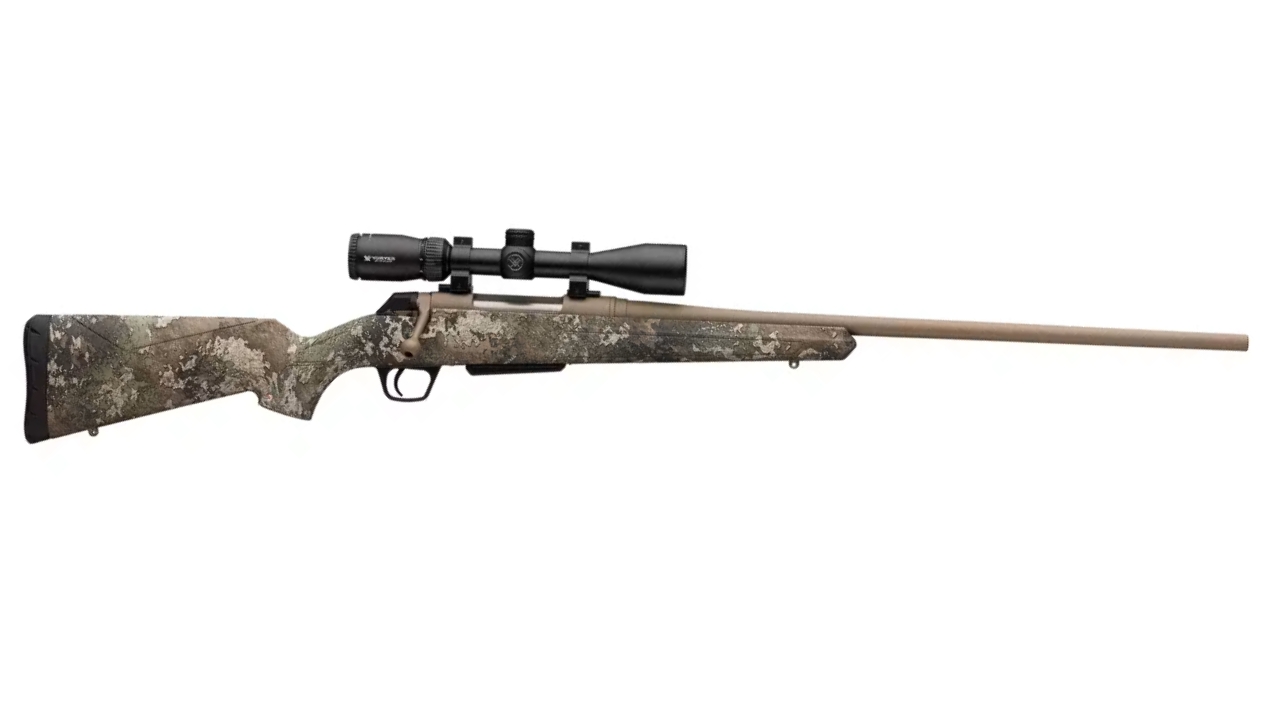
The .308 is a classic, but in the lightweight XPR Hunter, it feels snappy and unrefined. The recoil impulse and stock geometry make quick follow-up shots harder than they should be, especially from field positions. Accuracy is fine, but it’s not the rifle that inspires long-range confidence.
By the second day, most shooters realize the .308 deserves a better home—a rifle with real weight and balance. The XPR’s practicality works for short hunts, but if you’re walking ridge to ridge, it feels out of step. It’s the kind of gun that reminds you a cartridge’s potential can only shine in the right build.
CZ 600 Trail in .223 Remington

The CZ 600 Trail is compact, accurate, and fun—but “fun” fades when a shot on big game doesn’t go as planned. In .223, it’s meant for predators and varmints, and it handles that job well. But when it’s pressed into bigger roles, its limitations are obvious.
You’ll love its weight and control for quick shots, but the caliber lacks the authority to anchor larger animals at distance. By day two, you start craving a rifle that hits with more margin for error. It’s a great tool for the right job—but it’s not the one you want when the stakes are high and your target doesn’t fall right away.
Ruger American Ranch in .300 Blackout

The Ruger American Ranch in .300 Blackout was built for short-range utility, not long-range hunting. It’s quiet, compact, and accurate with the right load, but the cartridge drops energy faster than most hunters realize. Subsonic rounds hit soft, and even supersonics start feeling thin past 150 yards.
By the second day, especially after a marginal hit or missed opportunity, you’ll feel the limits of that round. It’s great for hogs in tight brush or defense in close quarters, but it’s not a rifle that brings lasting field confidence. The Ranch rifle’s reliability can’t make up for what the Blackout lacks in range and reach.
Savage 110 Apex Hunter XP in .25-06 Remington

The .25-06 is a flat shooter, but when wind and distance start to stretch, it loses authority on heavier game. The Savage 110 Apex Hunter XP makes it easy to love at first—it’s accurate, well-priced, and easy to carry—but the cartridge can leave you second-guessing shot choices.
By day two, you realize it’s more varmint and pronghorn territory than elk country. The rifle holds its own in mild conditions, but as soon as things get unpredictable, you’ll wish for more bullet weight and energy. It’s a fine rifle for light game, but not the one you’ll grab when the tags start getting serious.
Like The Avid Outdoorsman’s content? Be sure to follow us.
Here’s more from us:
The worst deer rifles money can buy
Sidearms That Belong in the Safe — Not Your Belt
*This article was developed with AI-powered tools and has been carefully reviewed by our editors.