Photo credit: Maine Outdoor Enthusiast/YouTube
Some guns spend years sitting in the used case while buyers act like they are above them. They are too plain, too old, too common, too heavy, too weird, or just not fashionable enough for the crowd chasing whatever looks smarter in the moment. That attitude usually lasts right up until the market changes. Then the same people who used to walk past them start talking about “legacy,” “collector interest,” and “how nobody saw this coming.”
What usually happened is much simpler than that. They were never too good for those guns. They just misread them. These are the guns people acted too good for until the prices got out of hand.
Smith & Wesson 5906
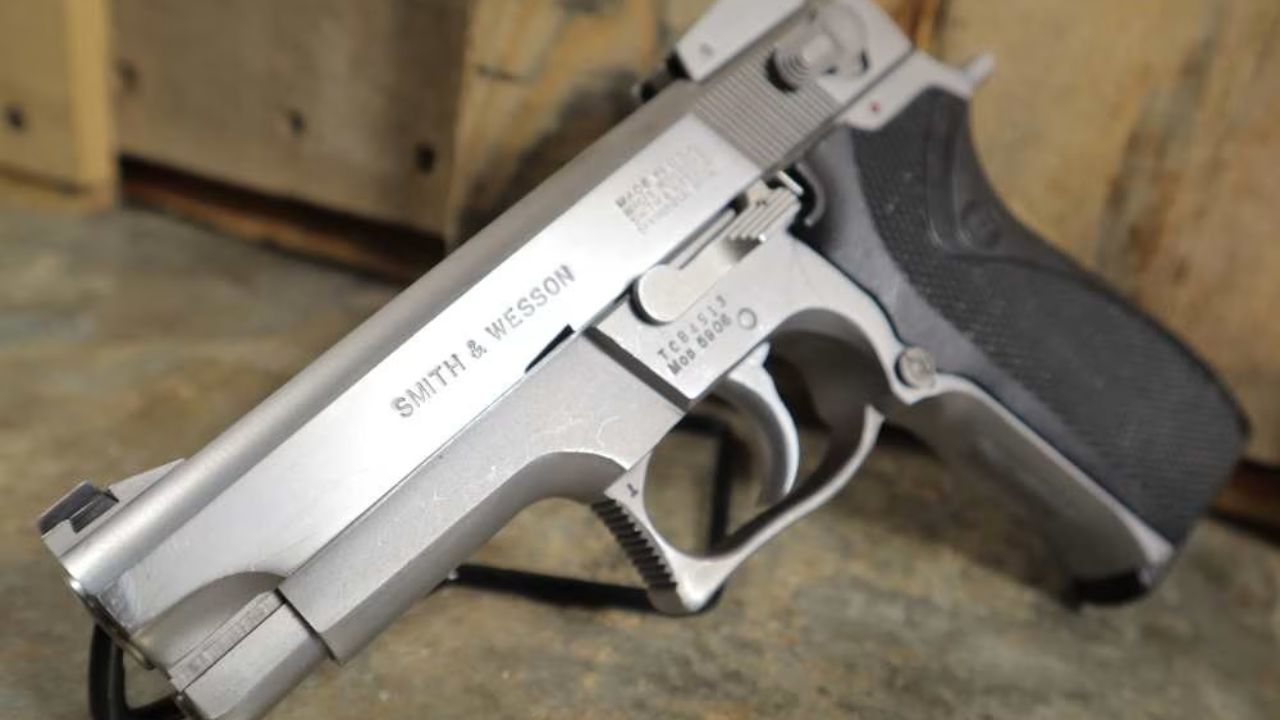
The Smith & Wesson 5906 used to be exactly the kind of pistol a lot of buyers looked down on. It was heavy, stainless, police-trade-in common, and nowhere near as exciting as the newer pistols getting all the attention. People respected it in a sleepy way, but plenty still acted like they had moved beyond that sort of gun. It felt too practical to be cool and too common to be urgent.
Then buyers started realizing old all-metal service pistols were not going to stay cheap forever. Suddenly the 5906 stopped looking like old-duty-gun baggage and started looking like a serious handgun from an era when duty pistols felt built to survive abuse. That shift made a lot of old snobbery look pretty silly in hindsight.
Ruger P89
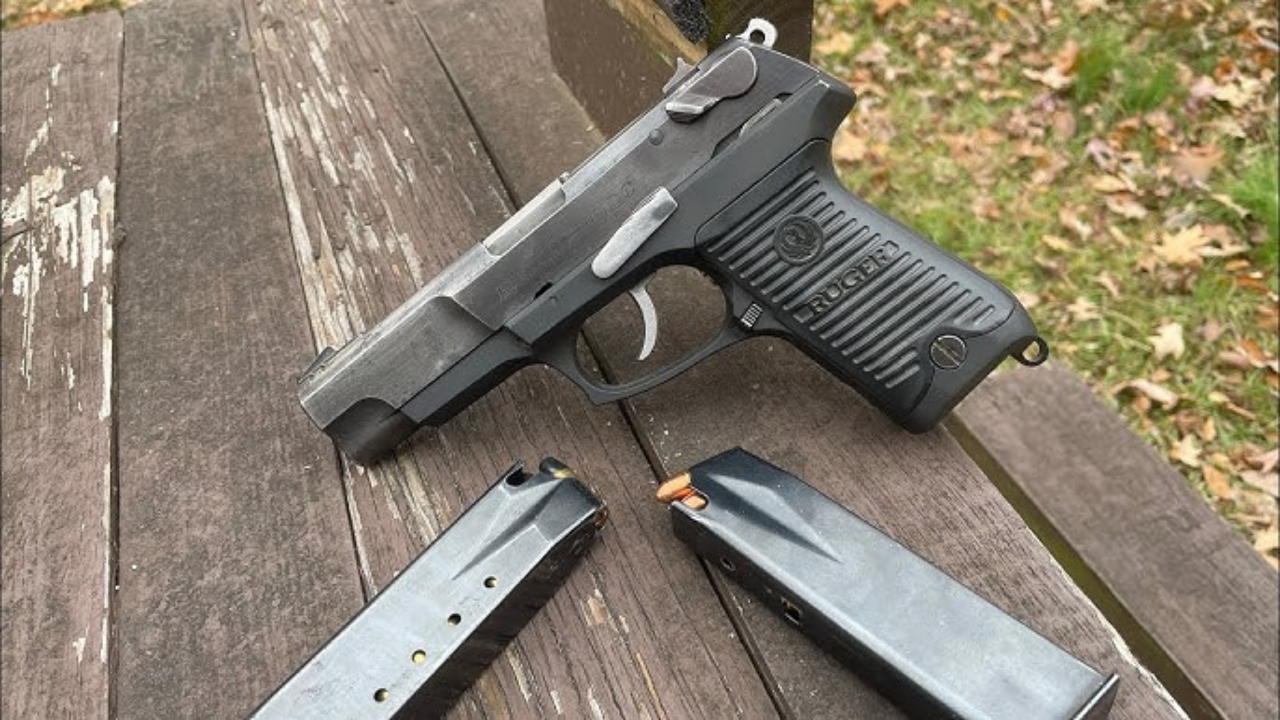
The Ruger P89 lived for years in the zone where people admitted it worked while still talking like they were above owning one. It was bulky, awkward-looking, and never going to win a beauty contest against sleeker pistols. That made it easy for buyers to dismiss as a low-tier option for people without better taste. They would nod at its reliability and then keep walking toward something with more polish or more status behind it.
Then prices on older service pistols started climbing, and the P89 suddenly looked a lot less like a punchline. Buyers remembered it was durable, honest, and far more dependable than some of the prettier guns they had been chasing instead. It did not magically become better. The market just forced people to admit they had spent years sneering at a gun that made a lot of practical sense.
Winchester 94 Angle Eject

For a long time, the Winchester 94 Angle Eject was the kind of lever gun traditionalists loved to talk down. It was not the “right” version to the purist crowd, and that was enough to keep some buyers acting like they had standards too high for it. They wanted older top-eject rifles, more romance, more vintage credibility. So the Angle Eject models sat there wearing the reputation of being the lesser choice.
That tone changed fast once lever-gun prices started climbing across the board. Suddenly the rifles people once treated like compromise Winchesters started getting appreciated for what they actually were: handy, useful, real Winchesters that made a lot more sense than their critics wanted to admit. Once the prices got serious, all that condescending talk got a lot quieter.
Remington 742 Woodsmaster
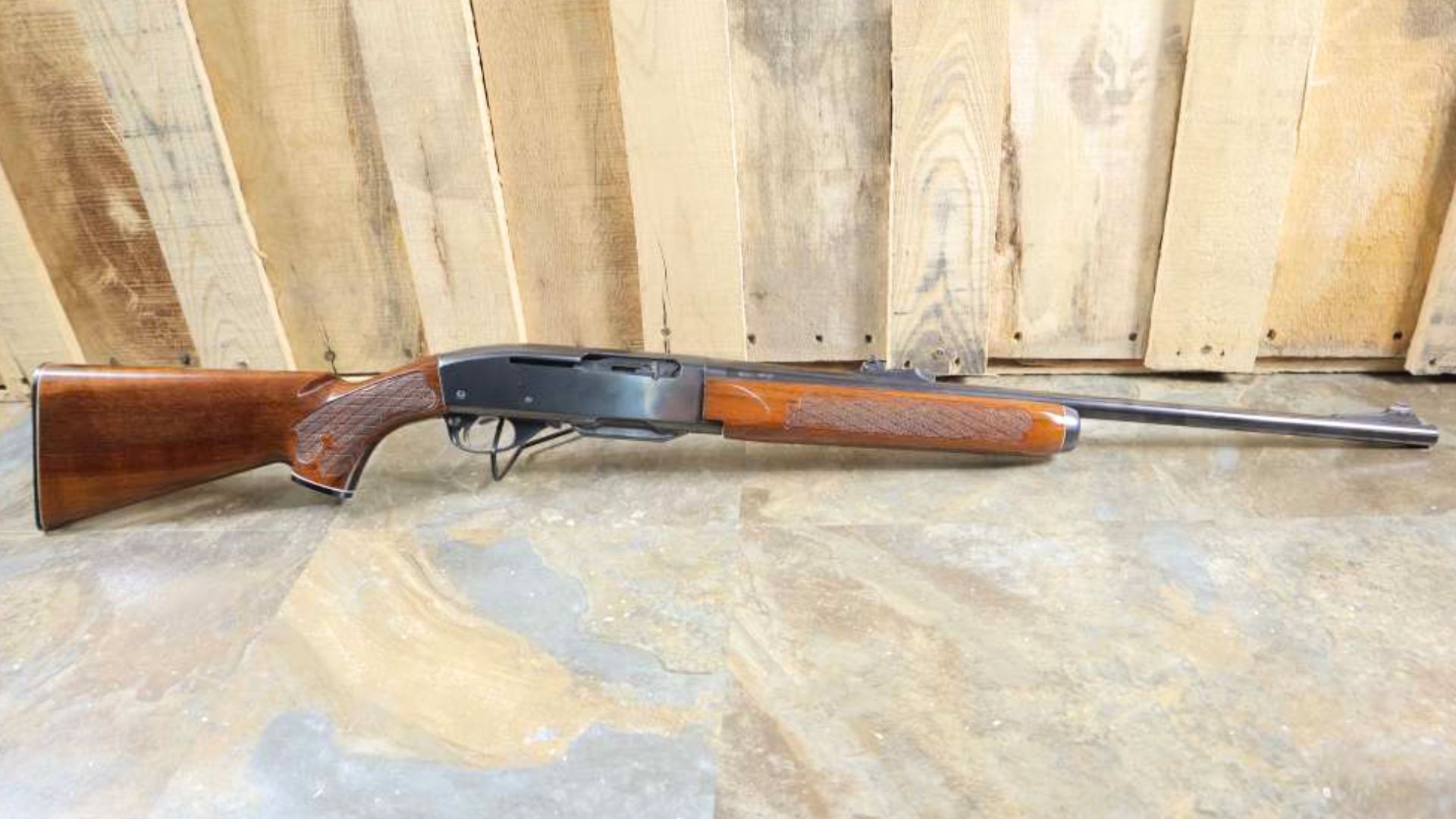
The Remington 742 Woodsmaster spent years getting treated like the sort of rifle knowledgeable buyers were too sophisticated to bother with. It had a loyal hunting following, sure, but it also carried enough criticism and enough old-guy deer-camp baggage that many buyers acted like owning one was beneath them. They wanted cleaner reputations, different actions, or something that sounded smarter at the gun counter.
Then the old semi-auto hunting rifles started becoming harder to replace, especially clean examples that still had strong wood and decent overall condition. The 742 did not become perfect overnight, but buyers suddenly started seeing charm and nostalgia where they used to see something beneath their standards. That is usually how these shifts happen. Pride holds until the asking prices force honesty.
Browning BDA .380

The Browning BDA .380 was one of those pistols many buyers quietly admired while publicly acting like it was too soft, too elegant, or too unimportant to matter. It was a .380, after all, and that alone was enough for some people to treat it like a nice little extra rather than a serious handgun worth buying when it was still easy to afford. They liked it, but not enough to admit they should probably own one.
Then the market leaned hard into older metal-frame pistols with style and pedigree, and the BDA suddenly looked a lot smarter. The same people who once brushed it off as a classy side piece started talking themselves into why they “needed” one. Funny how fast taste sharpens up once the cheap examples disappear.
Ruger Old Vaquero
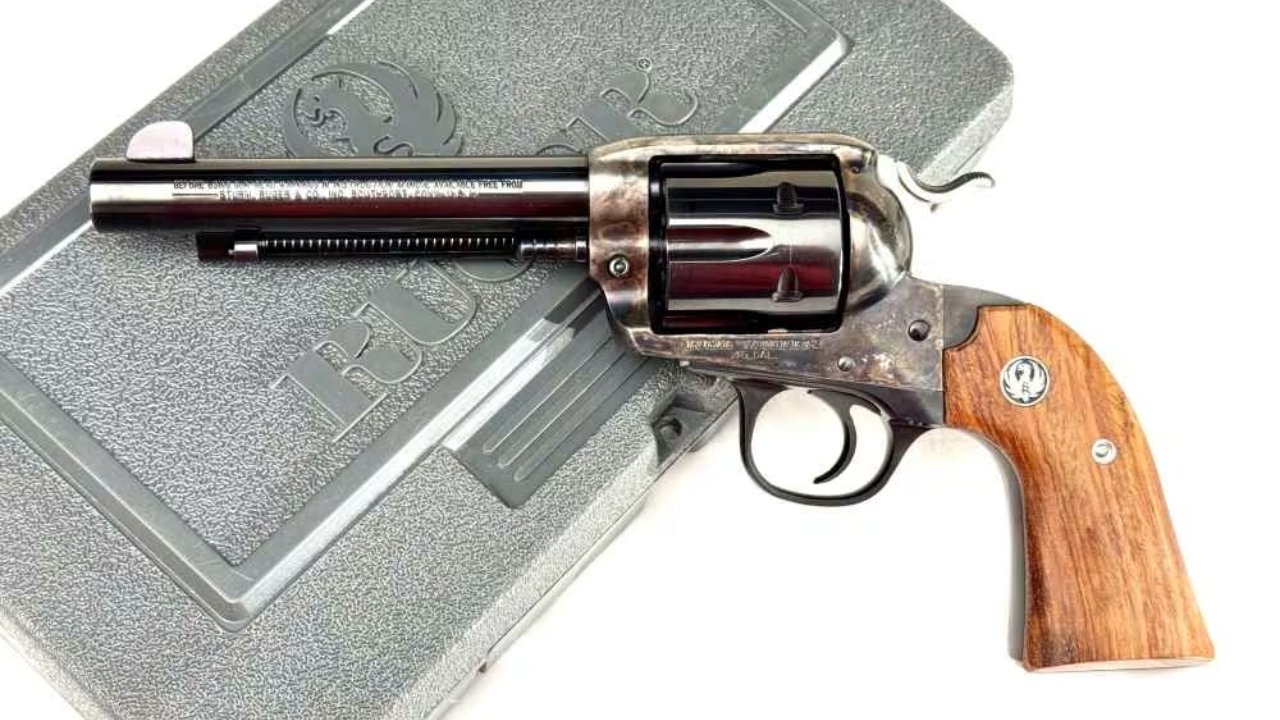
The Ruger Old Vaquero spent years being treated like the revolver for people who had not quite made it to the Colts they really wanted. Plenty of buyers liked them, but there was also a crowd that acted too refined for an older Ruger single-action when there were more romantic names and more collector-approved stories to chase. The Old Vaquero was respected, but often with a kind of backhanded tone.
Then the market changed, buyers started preferring the older frame size, and prices followed. Suddenly the same revolver some people had treated like the less glamorous path into cowboy guns became exactly the version they wanted. That is usually how regret works in this hobby. People spend years acting like they have elevated tastes, then discover the thing they looked down on was the smart buy all along.
Beretta 84 Cheetah

The Beretta 84 Cheetah sat in that dangerous space where a lot of buyers appreciated it privately while acting publicly like they had moved on from guns like that. It was a .380, it was stylish, and it came from a world of steel and polish that a lot of buyers had started pretending was too quaint for their modern tastes. They saw it as a nice little pistol, but not one worth rushing toward.
Then older compact metal guns started getting harder to touch without paying real money, and the Cheetah suddenly looked a lot less optional. Buyers remembered the handling, the fit, and the fact that not every handgun needs to be a skinny polymer rectangle to make sense. Once prices rose, the old attitude of being too good for a Beretta 84 started sounding more like a confession than a flex.
Marlin 1894 in .44 Magnum

The Marlin 1894 in .44 Magnum had a long stretch where buyers treated it like a fun side gun rather than something worth moving on quickly. That made it easy to talk down. If you were chasing more serious rifles, more tactical rifles, or more collectible lever guns, the little pistol-caliber Marlin could feel like something beneath your priorities. Plenty of people liked them while still acting like they were not important enough to buy right then.
Then pistol-caliber lever guns got hot, older Marlins got hotter, and the shrugging stopped. Suddenly the rifle people treated like a novelty was bringing enough money to make them wish they had taken it seriously. A lot of buyers found out too late that fun, handy rifles do not stay affordable forever just because snobs ignored them for a few years.
Smith & Wesson Model 64

The Smith & Wesson Model 64 spent years being overshadowed by prettier revolvers and more glamorous names. It was stainless, plain, and tied closely enough to police use that some buyers acted like it lacked charm. They wanted blued steel, pinned barrels, or some more romantic version of the revolver story. The Model 64 looked too practical to impress people who thought their tastes were above mere practicality.
Then clean K-frames started climbing, and buyers were forced to take a second look. What they found was a durable, balanced, deeply usable revolver that had been right in front of them the whole time. It did not suddenly become great. It had always been great. The only thing that changed was how expensive it got to keep pretending otherwise.
Winchester 100

The Winchester 100 was one of those rifles many buyers liked just enough to dismiss. It was not as beloved as the classic lever guns, not as simple as the bolt guns, and not as trendy as whatever new semi-auto concept was getting attention at the time. That made it easy for people to act like they were too discerning to bother with one. It seemed like the sort of rifle you could always get around to later if the mood ever struck.
Then the supply of worthwhile rifles thinned out and the market started treating old semi-auto hunting rifles with more respect. The Winchester 100 suddenly looked like a much smarter piece than the crowd had admitted while they were busy feeling superior. It is amazing how quickly “I’m not really into those” can turn into “I wish I had bought one when they were everywhere.”
Colt Mustang

The Colt Mustang was another pistol a lot of buyers treated like it was beneath them while it was still relatively attainable. It was small, it was a .380, and that was enough for some people to file it under charming but nonessential. They liked the Colt name and the compact metal feel, but not enough to stop acting like more “serious” pistols were the only ones worth prioritizing.
Then the market started valuing older carry pistols with actual personality, and the Mustang stopped being easy to shrug off. Buyers who once treated it like a cute side note in Colt history suddenly wanted one badly enough to pay real money. That change of heart usually says more about past arrogance than present wisdom.
Savage 99E

The Savage 99E got plenty of backhanded appreciation for years. People liked the 99 platform, but many acted like the plainer E models were below their attention unless one fell into their lap cheap enough. They wanted the more romantic versions, the more collectible versions, or the versions that sounded better when talked about at a gun show table. The 99E was often treated like the rifle for people who could not hold out for the one they really wanted.
Then the whole Savage 99 market heated up, and buyers started realizing the plainer guns still carried the handling, identity, and real-world usefulness that made the platform special in the first place. By then, the prices had already started doing the teaching. A lot of people discovered too late that being too good for the 99E was an expensive attitude to maintain.
Ithaca Model 37 riot and defense variants
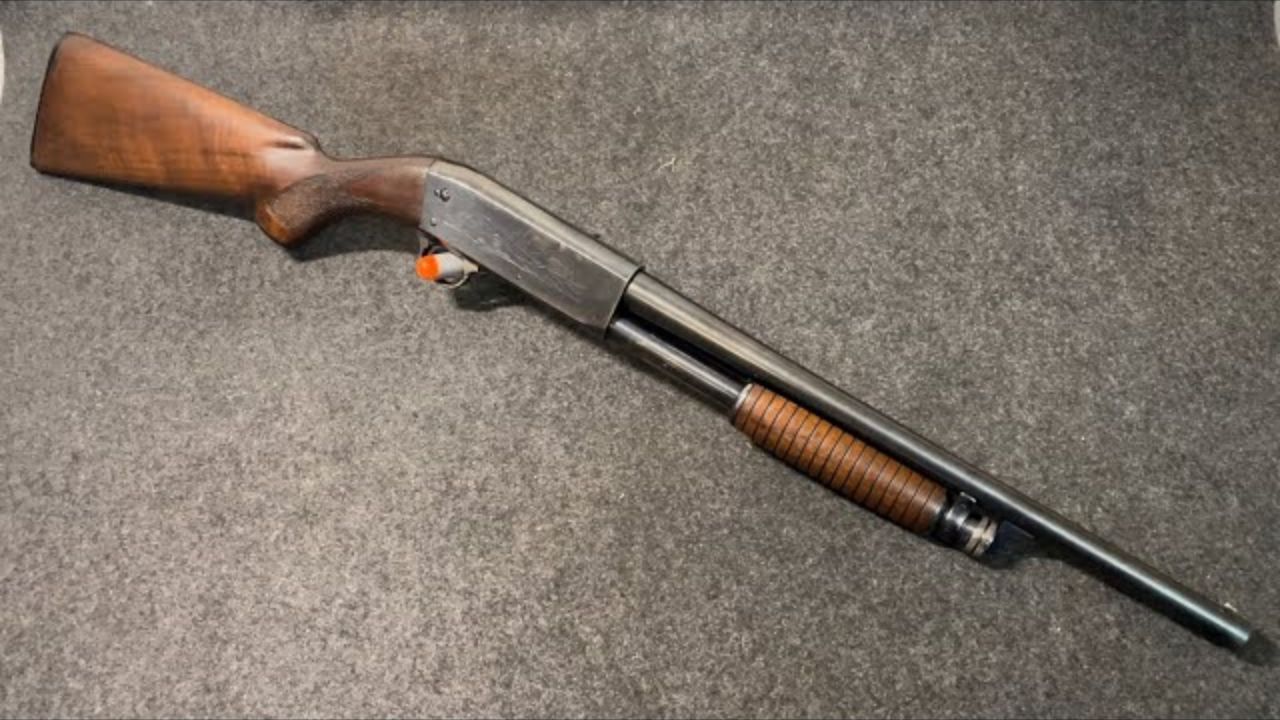
The Ithaca Model 37, especially the shorter riot and defense-style guns, spent years being treated like the alternative pump for buyers who either could not find or could not afford the more talked-about names they wanted first. That gave some people an excuse to act like they were above it. They respected the design in theory, but still carried themselves like the Ithaca was a second-tier solution rather than a serious shotgun worth buying while it was still sitting there.
Then buyers started paying more attention to older fighting shotguns with real character, and the Model 37 moved fast from underappreciated to expensive. Suddenly the same people who had acted too good for it were explaining why it had always been an underrated classic. Funny how a rising price tag can make old snobbery sound like poor judgment.
Browning Buck Mark older slab-side variants

For a long time, older Buck Marks were the sort of rimfire pistols many buyers liked without ever treating seriously. The serious money went elsewhere. The serious attention went elsewhere. Plenty of people acted like they were too seasoned to get excited about an older Buck Mark when there were flashier .22 pistols, more collectible pistols, or trendier range toys getting more attention.
Then good older rimfires started feeling less disposable and more worth owning well. Buyers came back around to the Buck Mark and realized it had been a very smart gun to buy all along. By then, the easy prices were no longer there to reward the late insight. That is often how these stories end: the gun stays what it always was, and the buyer pays extra for finally noticing.
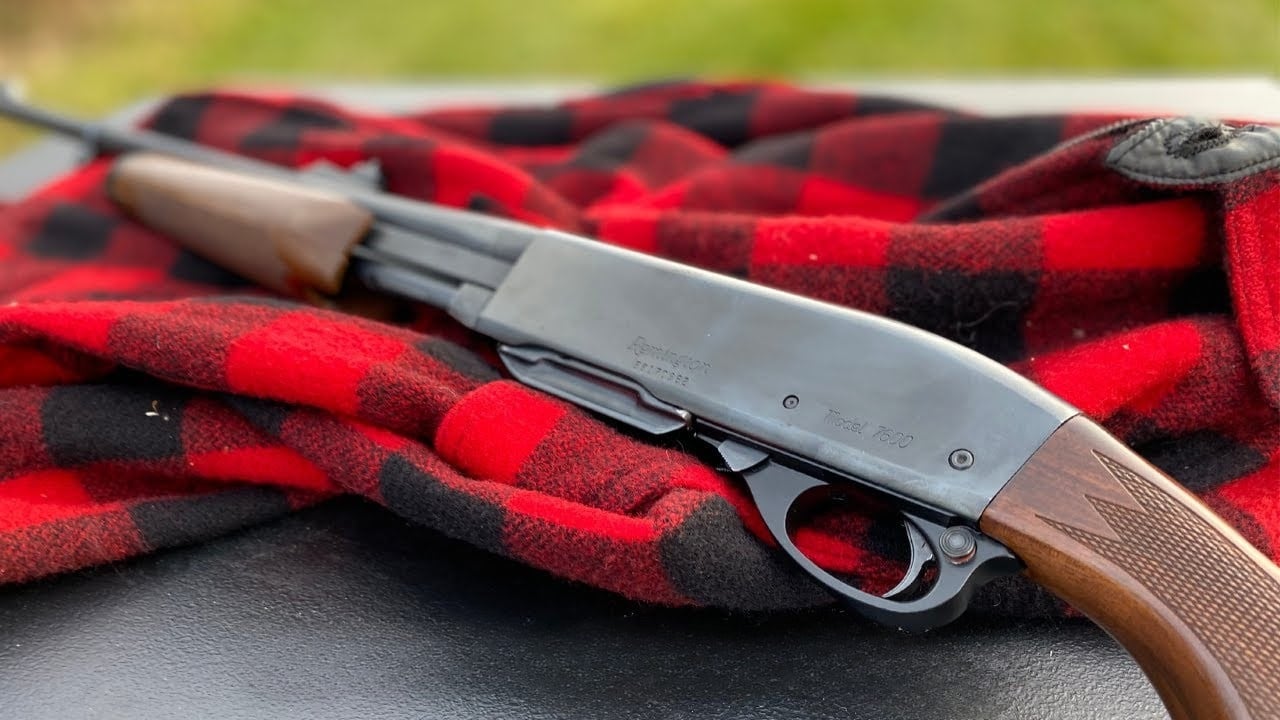
Remington 7600

The Remington 7600 spent years getting looked down on by buyers who acted like pump rifles were beneath their taste. If they were serious hunters, they wanted a bolt gun. If they were serious gun people, they wanted something with more style or prestige. That attitude left the 7600 in a very familiar role: respected by the people who actually used them hard, brushed off by the people who wanted to sound more sophisticated than practical.
Then enough seasons passed, enough hunters kept killing deer with them, and enough buyers started realizing how handy they really were. Prices followed. It turns out acting too good for a rifle that works beautifully in real woods does not age all that well once the market decides it is finally worth respecting.
Like The Avid Outdoorsman’s content? Subscribe to our newsletter so you never miss an article.
Here’s more from us: