Image Credit: Gun&ShotTV/YouTube.
Carry pistols are marketed around capacity, but the jump from a flush-fit magazine to a full-capacity or extended option often introduces quirks you only discover on the range. When you cram as many rounds as possible into a compact frame, you change how the gun feeds, recoils, and even how it rides on your belt, and those tradeoffs can matter more than the extra cartridges you gain. Understanding why those high round counts sometimes create problems helps you choose a setup that actually works when you need it.
Capacity promises versus concealed-carry reality
On paper, a higher round count looks like a pure upgrade, especially when you compare a slim single-stack pistol to a double-stack micro-compact that holds nearly twice as much ammunition in a similar footprint. In practice, you feel the difference every time you holster the gun, sit in a car seat, or try to draw cleanly under a cover garment. A full-capacity magazine adds length and weight that can print through clothing, dig into your ribs, or slow your draw stroke, which undercuts the whole point of carrying a small pistol in the first place.
There is also a psychological trap in chasing capacity for its own sake. You might convince yourself that a few extra rounds will compensate for limited training or poor fundamentals, even though real defensive shootings are usually decided by placement and speed rather than by who has the largest magazine. When you prioritize a comfortable, reliable carry gun over a spec sheet, you are more likely to practice with it regularly, which matters far more than squeezing in one or two additional cartridges.
How magazines actually work inside your pistol
To understand why full-capacity magazines can misbehave, you need a clear picture of what is happening inside that metal or polymer tube every time you fire. A magazine is not just a box; it is a coordinated system of a spring, follower, feed lips, and baseplate that has to present each round at the correct angle and height as the slide cycles. When you load cartridges one at a time, you are compressing the spring and stacking them in a column that must move smoothly upward without tilting or binding as the follower rides in its track.
If you overload that system or push it to the edge of its design envelope, you increase the risk of friction, nose-dives, and inconsistent feeding. Guidance on how to load a magazine correctly emphasizes inserting cartridges one at a time and avoiding overfilling beyond the intended capacity, because that extra pressure can cause malfunctions or even damage components. In a compact carry gun, where tolerances are tight and slide velocity is high, any small disruption in how the magazine presents rounds can quickly turn into a stoppage.
Spring tension, compression, and the “fully stuffed” problem
One of the most common complaints with full-capacity magazines in small pistols is how brutally stiff they feel when you try to top them off. That stiffness is not just an annoyance for your thumbs; it is a sign that the spring is near the limit of its compression, which can make it harder for the follower to keep up with the slide as it cycles. When the spring is fully stacked, even slight roughness inside the tube or minor debris can slow its movement, and that delay shows up as failures to feed or lock back on empty.
Discussions of whether you can leave magazines loaded, such as the debate framed around Do Loaded Magazines Wear Out Magazine Springs, highlight that you are compressing the spring hardest when you insist on a full load on board. While modern springs are designed to tolerate long-term compression, running them at maximum tension all the time can magnify any design or manufacturing flaws, especially in short, high-capacity magazines where there is little room for error.
Why more rounds can mean less reliability in small guns
Compact and subcompact pistols already operate on a narrow mechanical margin, with short slides, light recoil springs, and abbreviated grip frames. When you increase capacity in that environment, you often end up with a taller magazine that changes how the gun balances and how the cartridges feed under recoil. The result can be a pistol that feels top heavy, snaps more sharply in your hand, and is more sensitive to grip inconsistencies, all of which can translate into stoppages if your support hand or wrist position is less than perfect.
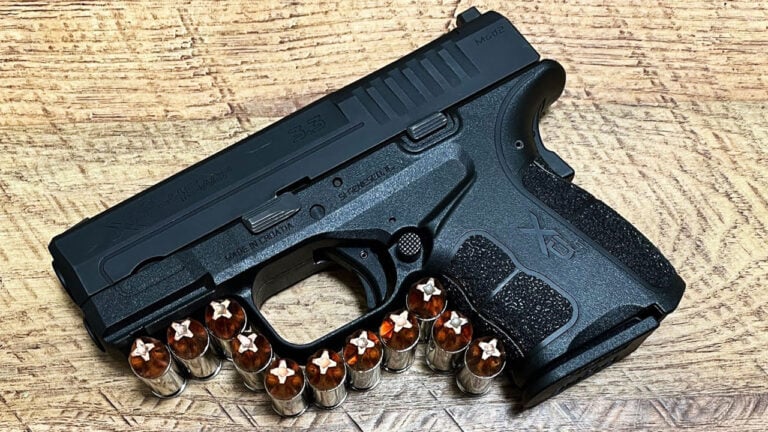
Real-world shooters notice these tradeoffs when they compare flush-fit magazines to extended or full-capacity options. In one Feb discussion about how much magazine capacity actually matters, a carrier who had used a G43 with Sig hollow points described discovering at the range that the rounds were catching on the edge of the mag, a problem that only surfaced once the magazine was fully loaded and under maximum tension. That kind of experience is common: the gun may run flawlessly with a few rounds in the magazine, then start to choke when you insist on filling every available slot.
Ergonomics, concealment, and the draw stroke
Even if your full-capacity magazine feeds perfectly, it can still cause problems by changing how the gun fits your body and your holster. A longer grip frame or baseplate is easier to grab under stress, but it also prints more under light clothing and can jab into your side when you sit or bend. That discomfort encourages you to adjust the holster, shift the gun, or even leave it at home, which is a far bigger liability than carrying a slightly smaller magazine that disappears under your shirt.
The extra weight of a fully loaded, high-capacity magazine also affects how the pistol moves during the draw. A heavier butt can drag against the holster or your belt, slowing your presentation and making it harder to achieve a consistent firing grip on the first try. Over time, you may find yourself unconsciously compensating with awkward body mechanics, which can lead to fumbled draws or muzzle sweeps that would not occur with a lighter, more compact setup.
What militaries know about magazine size and reliability
Armed forces around the world have experimented with larger magazines and drum designs, yet most standard-issue rifles still ship with moderate-capacity magazines for a reason. When you scale up capacity, you add weight, complexity, and more opportunities for dirt and damage to interfere with feeding, all of which are magnified in harsh field conditions. In a combat environment, a soldier needs magazines that are easy to carry, quick to change, and reliable when caked in mud or sand, not just ones that hold the most rounds on paper.
That logic shows up in an ELI5 thread where the Comments Section highlights that Loaded magazines get heavy and that Reliability suffers when you chase more ammo in a single unit. The same physics apply to your concealed-carry pistol: a slightly smaller, more robust magazine that you can swap quickly is often a better choice than a single oversized one that is finicky and tiring to carry. When professional users prioritize reliability and manageability over sheer capacity, it is a signal that civilian carriers should weigh those factors carefully as well.
Legal debates versus practical performance
Public arguments about “high-capacity” magazines tend to focus on policy and crime statistics, but those debates often gloss over how magazines actually function in the hands of trained users. Legal discussions point out that a magazine is not just a box, it is a critical component that affects how a firearm operates, and that reality matters whether you are talking about a service rifle or a compact handgun. When lawmakers draw lines at specific round counts, they are often reacting to worst-case scenarios rather than to the mechanical and human factors that determine whether a magazine is safe and effective for everyday carry.
One legal-policy analysis notes that a Magazine Is Not Just a Box and that, unlike mass murderers who usually plan around reloads, typical defenders are skilled and physically capable enough to manage standard-capacity changes without losing effectiveness. For you as a carrier, that means the practical downside of choosing a slightly smaller, more reliable magazine is minimal, while the upside in terms of reduced malfunctions and better handling can be significant.
Training, reloads, and realistic defensive needs
When you look at civilian defensive gun uses, the number of rounds fired is usually far lower than the maximum capacity of modern micro-compacts. That does not mean capacity is irrelevant, but it does suggest that your time is better spent practicing fast, clean draws and accurate first shots than obsessing over whether you have two or three extra cartridges in the gun. A reliable reload, executed under pressure, is a more controllable variable than hoping a marginal full-capacity magazine will behave perfectly when it is crammed to the top.
Carriers who train regularly often discover that they shoot better and move more confidently with a slightly shorter grip and a magazine that is easy to insert and seat under stress. Instead of relying on a single oversized magazine, they carry a spare that matches the gun’s natural balance and practice emergency reloads until they are automatic. That approach aligns with how professionals think about gear: capacity matters, but it is only one part of a broader system that includes your skills, your environment, and your willingness to put in consistent work.
Choosing the right magazine setup for your carry gun
If you want to avoid the problems that full-capacity magazines can cause, start by testing different configurations with the specific ammunition you intend to carry. Load your magazines to various levels, including completely full, and run them through structured drills that include slide-lock reloads, one-handed shooting, and shooting from awkward positions. Pay attention to any pattern of failures that appears only when the magazine is topped off, such as rounds catching on the feed ramp or the slide failing to lock back, and be honest about whether those issues are acceptable in a defensive tool.
It can be helpful to treat your magazines as consumable components rather than permanent fixtures. Mark each one, track any malfunctions, and retire or repair units that show recurring problems, especially if they only appear when the magazine is fully loaded. By prioritizing smooth feeding, comfortable concealment, and consistent handling over the maximum possible round count, you give yourself a carry setup that is more likely to work when everything else is going wrong, which is the only metric that really matters.
Like The Avid Outdoorsman’s content? Be sure to follow us.
Here’s more from us: