Photo credit: Staccato 2011
A handgun can be popular for all kinds of reasons that have very little to do with daily carry. It may shoot well at the range, look great in photos, have a strong brand name, or come with a reputation that makes buyers feel safe choosing it. None of that automatically means it fits real concealed-carry life. Carry guns have to deal with heat, sweat, long hours in a holster, awkward sitting angles, rushed draws, and the simple fact that most people will only keep carrying what they can actually live with.
That is where some very popular pistols start falling short. They may be excellent handguns in general, but the size, weight, controls, recoil behavior, or overall carry practicality never quite line up with what people really need day after day. A gun can be good and still be the wrong answer for real carry. That is usually the problem with the pistols on this list. They are easy to like in the abstract, but harder to justify once daily carry becomes the test.
Beretta 92FS

The Beretta 92FS never quite fits real carry needs for most people because it is simply a lot of pistol to hide and manage every day. It is long in the slide, broad through the grip, and heavy enough that the owner usually has to build clothing and holster choices around the gun instead of the other way around. That is not always realistic for ordinary concealed carry.
It also carries a manual of arms and overall footprint that make much more sense in a duty or home-defense role than under a cover garment. The pistol still shoots beautifully, but real carry is not only about how well a gun shoots. It is about whether you will actually want it on you through the full day, and the 92FS often loses ground there.
Desert Eagle Mark XIX

The Desert Eagle Mark XIX never quite fits real carry needs because it was never meaningfully built for that job in the first place. Its size, weight, bulk, and recoil in larger chamberings make it completely mismatched to what concealed carry actually asks from a handgun. It is popular because it is memorable, not because it is practical.
That distinction matters. A carry gun has to disappear well enough, ride comfortably enough, and remain realistic enough that a person will actually keep it on them. The Desert Eagle does none of those things well. It remains easy to admire, but carry practicality is not part of the story.
Colt Python 6-inch

The Colt Python 6-inch never quite fits real carry needs because a long-barreled premium revolver is solving a very different problem than concealed carry. It is a beautiful, highly shootable revolver, but the barrel length, weight, and overall size push it well outside what most people can realistically conceal or tolerate all day.
It also makes little sense as a daily-carry answer once you factor in draw speed, holster bulk, and the reality of sitting, driving, and moving with a large-frame revolver. The Python remains a superb range and field revolver. It just never becomes a natural answer to modern carry life for most owners.
SIG Sauer P226 XFive
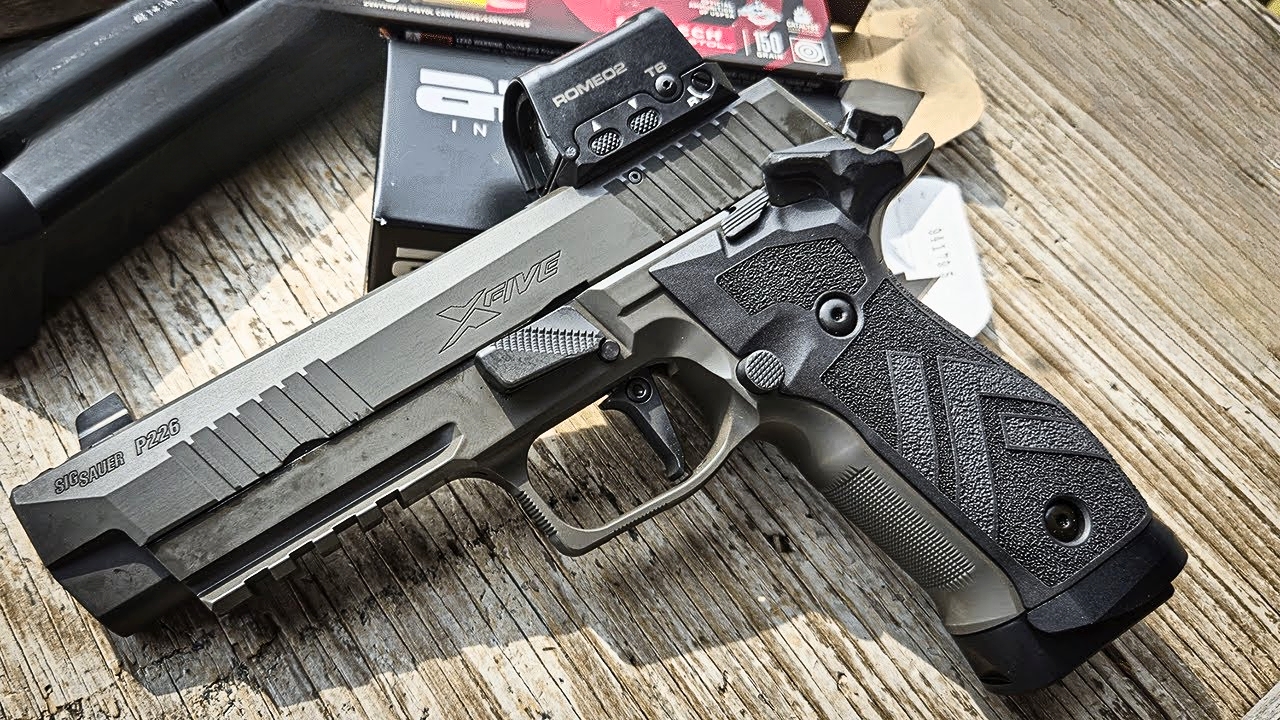
The SIG Sauer P226 XFive never quite fits real carry needs because it leans so heavily into performance that concealment becomes a distant secondary concern. It is an excellent shooter, but it is also large, heavy, and far more at home in range use or match-style work than inside-the-waistband daily carry.
That mismatch becomes obvious quickly. A pistol built around shootability this heavily often asks for too much belt space, too much wardrobe adjustment, and too much tolerance from the owner. It is popular because it is impressive. It is not popular because it quietly solves daily carry well.
Smith & Wesson Model 629 4-inch

The Smith & Wesson Model 629 4-inch never quite fits real carry needs because a large-frame .44 Magnum revolver is built for authority and field use, not discreet daily carry. Even at a shorter barrel length, it remains bulky, heavy, and hard to hide in any way that feels normal outside very specific clothing choices.
It also asks the owner to accept recoil, weight, and capacity compromises that are very hard to justify in a defensive carry role. As a trail gun or hunting sidearm, it can make real sense. As an everyday carry pistol, it is usually a romantic idea more than a practical one.
FNX-45 Tactical

The FNX-45 Tactical never quite fits real carry needs because it stacks several carry problems together in one handgun. It is large in every direction, tall with the optic-ready setup, thick through the frame, and heavy enough loaded that most owners quickly realize they are carrying more pistol than their routine actually supports.
That makes it a great example of a gun that is highly capable without being well suited to daily concealment. The suppressor-height sights, threaded barrel, and overall tactical layout all point toward a role other than quiet, comfortable, realistic concealed carry. Popularity and practicality are not the same thing here.
Walther Q5 Match Steel Frame

The Walther Q5 Match Steel Frame never quite fits real carry needs because it is a competition-minded pistol in a world where some buyers keep trying to force competition-minded pistols into carry roles. The gun shoots extremely well, but the weight, size, and overall configuration make it a poor fit for the ordinary demands of concealed carry.
That usually becomes clear after a few days, not a few minutes. The same qualities that make it shine on the range start feeling excessive on the belt. A carry gun can be a great shooter, but if it feels like a burden by lunchtime, it has already started failing the real test.
CZ Shadow 2

The CZ Shadow 2 never quite fits real carry needs because it was built to dominate a very different kind of shooting. It is heavy, large, and optimized for control and speed on the range, not for all-day concealment under ordinary clothing. That gives it enormous strengths in one world and obvious weaknesses in the other.
A lot of people are drawn to it because it shoots so well. That part is true. The problem is that daily carry asks for tradeoffs the Shadow 2 was never trying to make. It is one of the clearest examples of a popular handgun that wins admiration easily but never quite lines up with what real carry demands.
Glock 34

The Glock 34 never quite fits real carry needs because its long slide and competition-leaning proportions make it more gun than most people actually need for concealment. It is still a Glock, still reliable, and still very shootable, but the added length works against it when sitting, bending, and trying to conceal it cleanly in ordinary life.
It is a great pistol for the range, classes, and duty-style roles where the longer slide makes sense. It is simply not where the Glock lineup feels smartest for typical concealed carry. The popularity of the model does not change that mismatch.
Springfield Armory XD-M Elite

The Springfield Armory XD-M Elite 5.25 never quite fits real carry needs because it is built around range and match-style advantages that become liabilities in concealment. The longer slide, larger footprint, and generally bulky feel all work against comfortable, low-effort daily carry.
That matters because people often confuse “good defensive pistol” with “good carry pistol.” The XD-M Elite 5.25 can absolutely shoot and serve well in many contexts. It just never becomes a clean answer to what most concealed carriers actually need to strap on day after day.
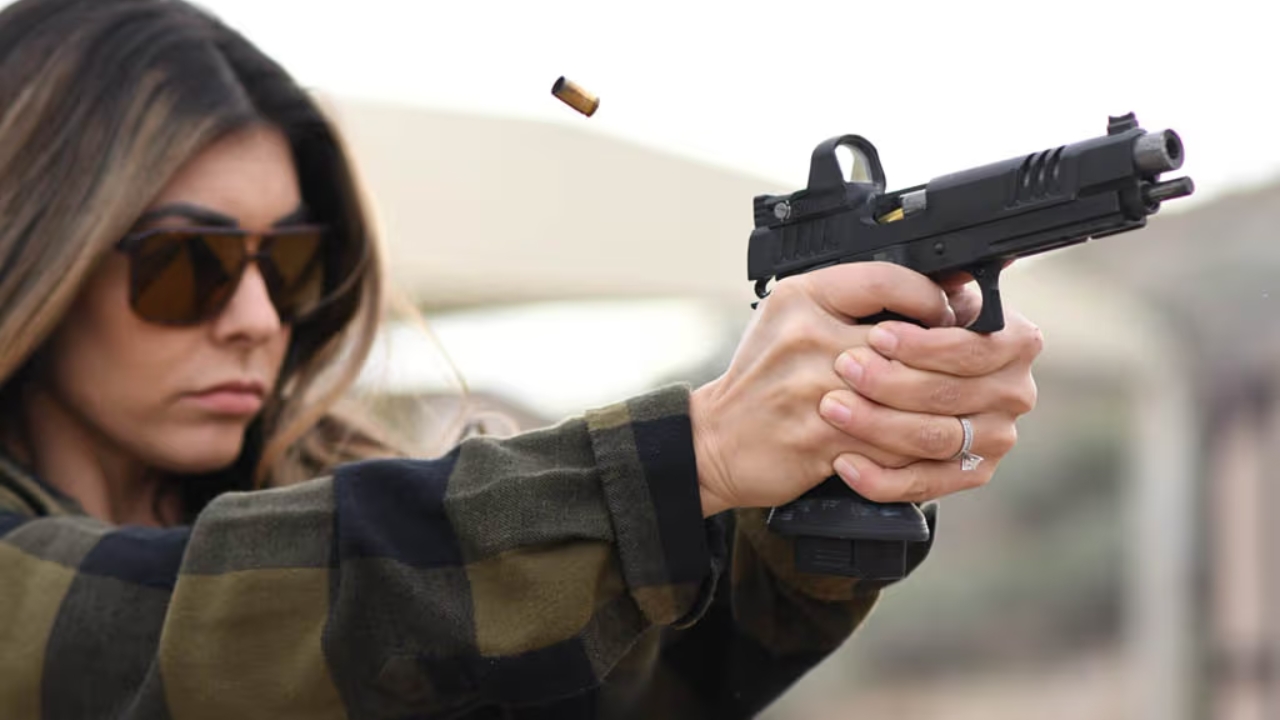
Staccato XL
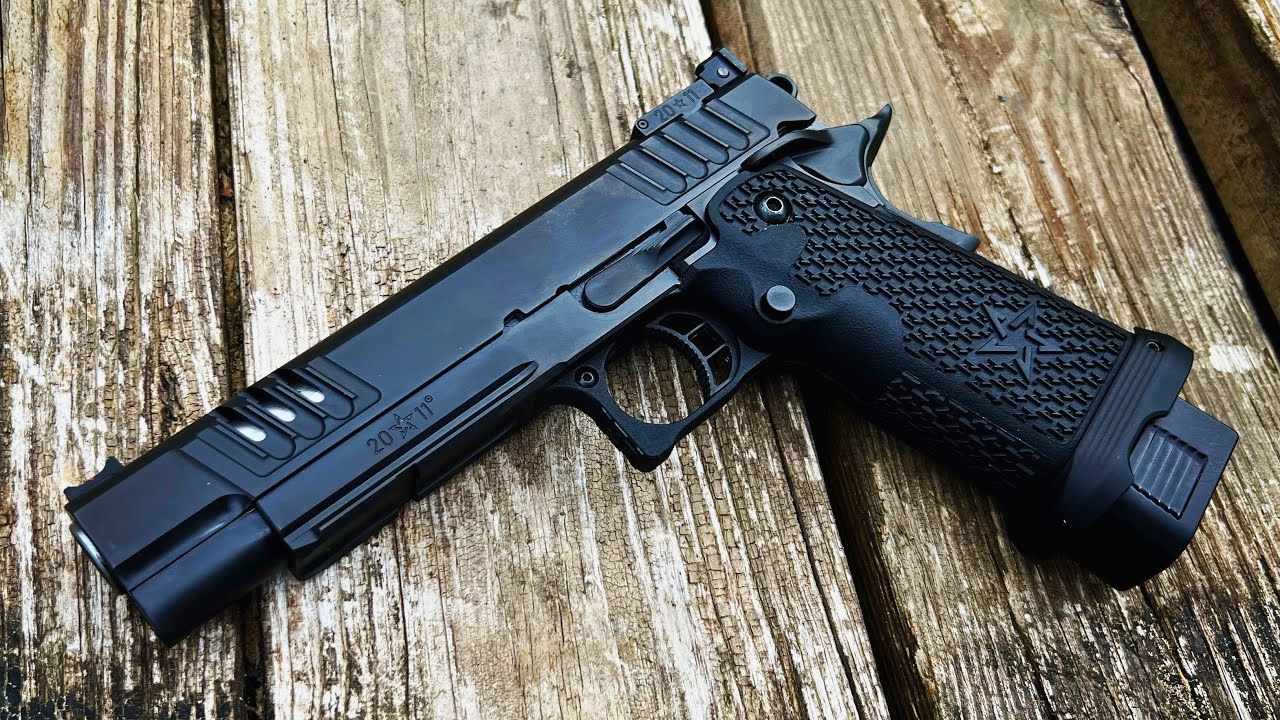
The Staccato XL never quite fits real carry needs because its size and purpose are too far removed from realistic daily concealment. It is excellent at the things it was clearly meant to do, but hiding a long, premium, performance-focused 2011 comfortably and consistently is a much harder proposition than many buyers want to admit.
It is also the kind of pistol people buy because they love what it represents. That is understandable. But real carry does not care what the gun represents. It cares about comfort, concealment, and whether the owner will keep carrying it every day. The XL usually runs out of room there.
Beretta 80X Cheetah

The Beretta 80X Cheetah never quite fits real carry needs for some owners because it lands in an awkward space between compact defensive pistol and nostalgic all-metal shooter. It is attractive, well made, and enjoyable, but thicker and heavier than many people expect for a .380 carry gun in a market full of lighter and flatter options.
That makes it harder to justify as a pure carry choice unless the owner specifically wants exactly what it offers. It is not that the pistol is poor. It is that real carry often rewards simpler, lighter, and more efficient answers than a stylish metal .380 can provide.
Kimber Rapide Scorpius

The Kimber Rapide Scorpius never quite fits real carry needs because it is the kind of handgun people buy for style, feel, and performance appeal more than for quiet, practical concealment. It is striking to look at and built around a premium 1911 identity, but real carry usually rewards lower-profile, lower-maintenance, less attention-grabbing choices.
The more visual personality a pistol has, the more likely it is that some of its appeal comes from outside the actual carry role. With the Rapide Scorpius, that gap tends to show up quickly. It is a very easy gun to admire and a much harder one to justify as the smartest everyday carry solution.
HK Mark 23

The HK Mark 23 never quite fits real carry needs because it may be one of the clearest examples of a handgun famous for being serious while being almost completely mismatched to daily concealment. It is huge, heavy, overbuilt for a very specific mission, and far removed from what ordinary carry actually asks of a pistol.
Its reputation makes people curious, but curiosity is not the same as practicality. The Mark 23 remains fascinating and highly respected. It just belongs to a world of use that has almost nothing to do with realistic concealed carry for ordinary people.
Magnum Research BFR
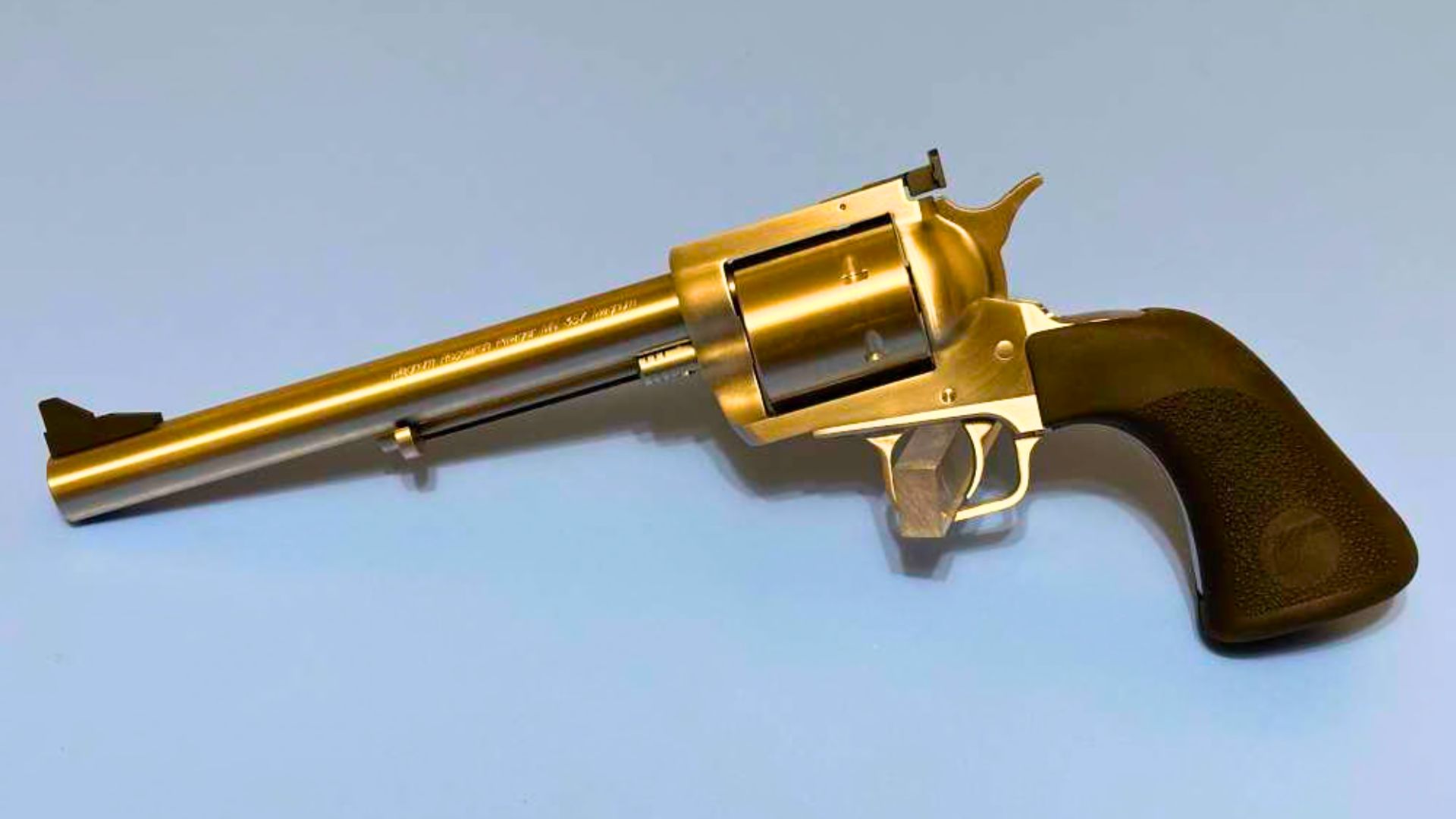
The Magnum Research BFR never quite fits real carry needs because it is a giant single-action revolver built around power and spectacle, not concealed practicality. Even people who love big revolvers usually understand that daily carry is a completely different conversation. The BFR is on the wrong end of that conversation in almost every measurable way.
That does not take anything away from what it is. It simply makes clear that popularity among enthusiasts and usefulness in actual carry are two separate things. The BFR is memorable. It is powerful. It is absolutely not a sensible answer to what most people mean by a carry handgun.
Auto-Ordnance 1911A1 GI
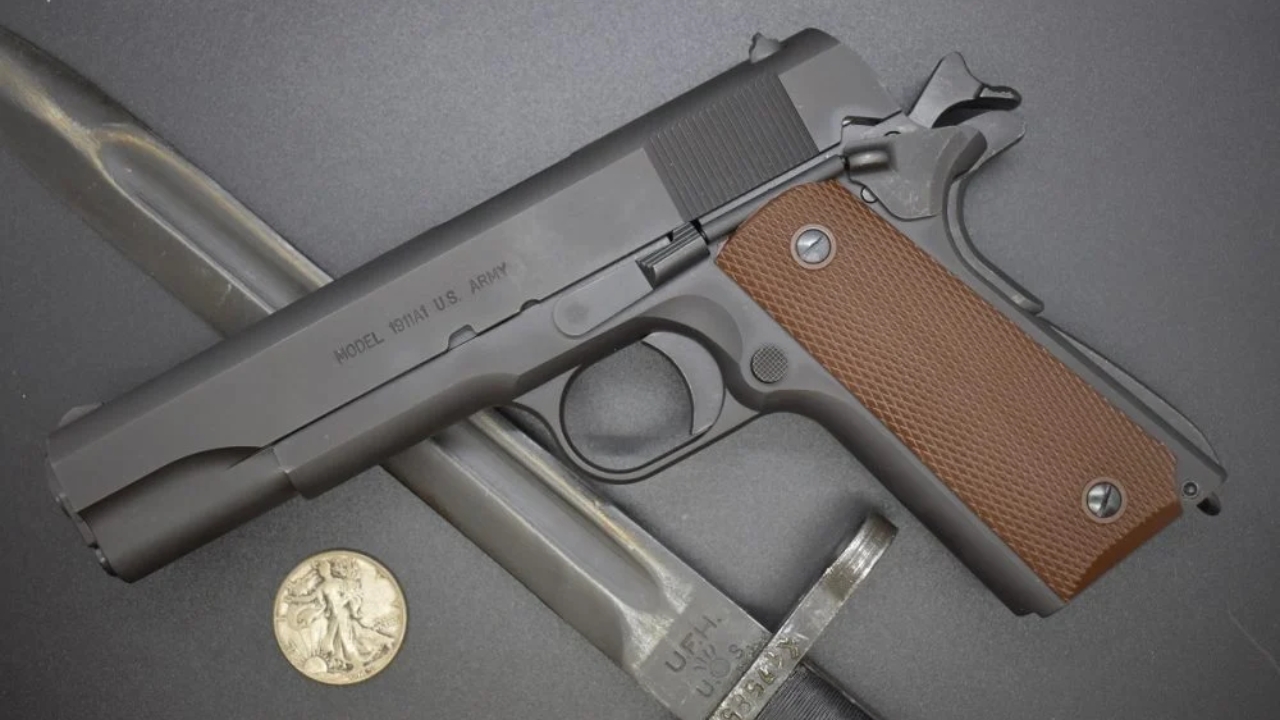
The Auto-Ordnance 1911A1 GI never quite fits real carry needs because the appeal of a classic GI-style 1911 often has more to do with image and nostalgia than with what modern concealed carry actually requires. The small sights, old-style controls, and general configuration can look charming to the buyer at first and then start feeling like compromises once the gun is carried and trained with seriously.
That is the problem with a lot of popular retro handguns. They are popular because they represent something people like. Real carry needs are less sentimental. They usually ask for more visibility, more efficiency, and less romance. The GI-style Auto-Ordnance may still be interesting, but it often is not the most realistic tool for modern daily concealment.
Like The Avid Outdoorsman’s content? Subscribe to our newsletter so you never miss an article.
Here’s more from us: