Image Credit: Hickock45/YouTube.
The .357 Magnum has been around for nearly 90 years, and it’s still holding its own in a world full of polymer-framed pistols and high-capacity magazines. That alone says something. A lot of rounds have come and gone, but the .357 has stuck around because it flat-out works. Whether it’s for self-defense, hunting, or just putting holes in paper, this cartridge has proven itself over and over again.
I’ve spent plenty of time debating handgun calibers, both at the range and around the campfire. Everyone has their preference, and plenty of people will argue that 9mm is all you need or that bigger is always better with .44 Magnum or 10mm. But here’s the thing—the .357 Magnum sits right in the sweet spot. It’s powerful enough to handle business, but still controllable. You can run it in a revolver, lever gun, or even some semi-autos. It has range, stopping power, and versatility that few other handgun rounds can match.
A lot has changed since the .357 first hit the scene in the 1930s, but it still does everything it was designed to do—and then some. If you’re wondering why it still holds its own after all these years, you’re in the right place.
Easy-to-Find Ammo

Finding .357 Magnum ammo isn’t a problem. It’s been one of the most popular handgun cartridges for nearly 90 years, and you’ll see it on the shelves of just about any store that sells ammo. There’s a huge variety of loads, from light-recoiling target rounds to heavy-duty hunting loads designed for maximum stopping power.
And if supply runs low—like during the 2008–2014 ammo shortage—anyone with a .357 Magnum revolver still has an ace up their sleeve. It can fire .38 Special rounds, which are even more common. That’s a level of versatility most calibers don’t offer.
Handloading Potential

One of the best things about the .357 Magnum is how well it responds to handloading. If you reload your own ammo, you can fine-tune the performance to fit your exact needs—whether that’s reduced recoil loads for training, hard-hitting rounds for hunting, or something in between.
Brass is easy to find, and there’s a huge selection of bullets and powders to experiment with. Some handloaders even push .357 into light .357 Maximum territory (for revolvers that can handle it). With careful tuning, you can squeeze even more accuracy and power out of this cartridge.
Perfect for Rifles and Carbines

The .357 Magnum isn’t just for handguns. It’s a powerhouse in a lever-action rifle or carbine, where the longer barrel boosts velocity and energy. That same round that’s solid in a revolver becomes even more effective when fired from a rifle.
A .357 Magnum rifle is an excellent option for hunting deer or hogs at 100 yards or less. It also makes a great home-defense gun—quick-handling, low recoil, and serious stopping power. And the best part? A rifle and a revolver chambered in .357 can share the same ammo, making them an unbeatable pairing in the field.
Serious Power

Modern .357 Magnum loads might be a little milder than the originals, but they still hit hard. A 125-grain round pushing 1,400+ fps delivers serious impact, easily outpacing standard-pressure .38 Special, 9mm, and .45 ACP loads. With energy in the 500 ft-lbs range, it hits harder than most defensive handgun rounds, making it a solid choice for self-defense and hunting.
That power translates to real-world effectiveness. The .357 Magnum has a long track record of stopping threats quickly, whether it’s a person, a hog, or a black bear. It’s not as excessive as a .44 Magnum, but it’s more than enough for anyone who needs a reliable, hard-hitting handgun round.
Manageable Recoil

For the power it delivers, the .357 Magnum is surprisingly controllable—if you’re using the right gun. A full-size, all-steel revolver soaks up a lot of the recoil, making it easier to shoot fast and accurate. That’s why it was the go-to law enforcement round for decades.
Now, if someone tries running full-power .357 loads through a lightweight snub-nose, that’s a different story. Those guns are downright punishing to shoot. But that’s where versatility comes in—anyone can load .38 Special for practice or for times when less recoil makes more sense.
Accuracy You Can Count On

One thing that keeps the .357 Magnum relevant after all these years is how accurate it is. A well-tuned revolver shooting quality ammo can reach out past 100 yards with accuracy most semi-autos can’t match.
The flat trajectory and high velocity make a difference, especially for hunting or longer-range shooting. Even at defensive distances, it’s easier to land precise shots under pressure when the bullet gets there faster and flies truer.
Deep Penetration

Penetration is where the .357 Magnum stands out. This round was designed to punch through barriers, and it still does that better than most handgun cartridges. It’s why it was the preferred duty round for police officers who had to deal with vehicles and other obstacles.
That kind of penetration is great for hunting or self-defense against larger threats, but it can be too much in certain situations. The key is load selection—a heavy 158-grain bullet is perfect for big game, while a 125-grain hollow point is better for personal defense.
Revolver Options Everywhere

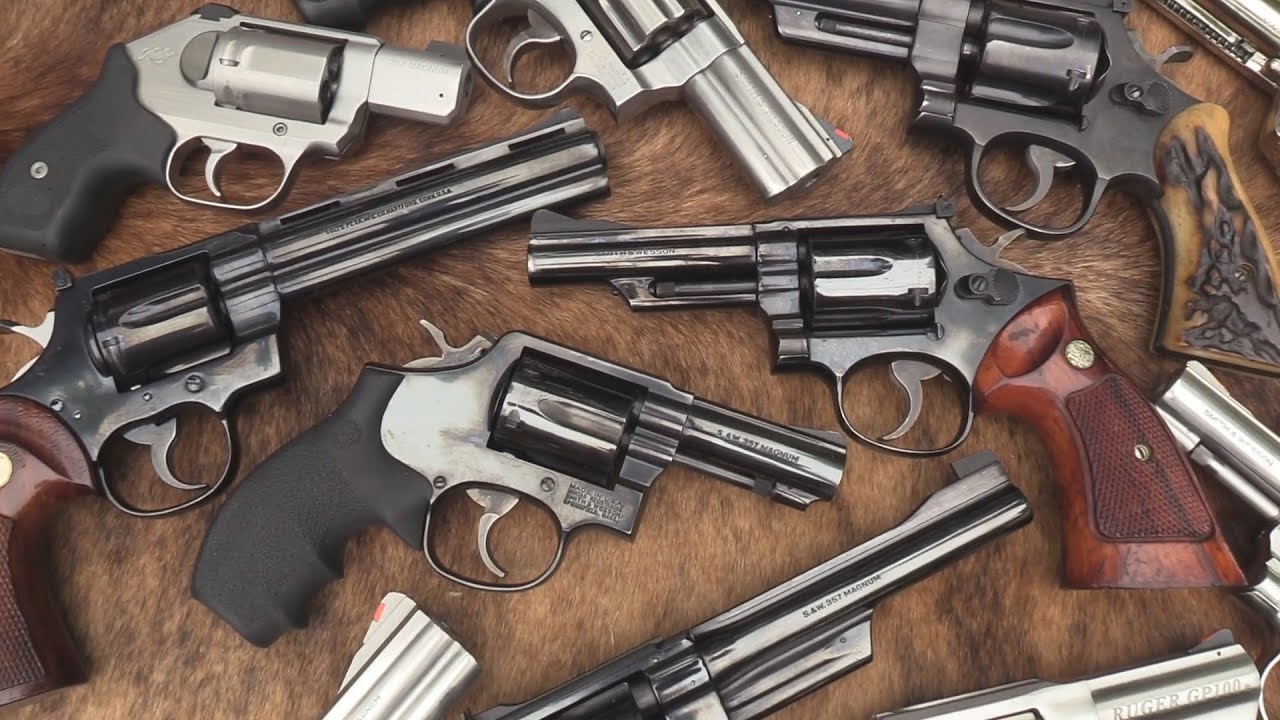
Anyone looking for a .357 Magnum revolver won’t have a hard time finding one. Just about every major manufacturer makes a .357, and there’s something for every purpose. Snub-noses for concealed carry, full-size models for duty or home defense, and long-barreled hunting revolvers built to reach out and drop game.
And the best part? Used .357 revolvers are everywhere. Unlike some niche calibers, the .357 Magnum has been around for nearly 90 years, which means there’s a ton of solid, secondhand options out there. If someone is looking for a reliable, powerful handgun, the .357 Magnum is always a smart bet.
Proven Track Record

Few handgun rounds have the real-world reputation of the .357 Magnum. It was the standard law enforcement sidearm for decades, earning a reputation for stopping threats fast. Early research on handgun stopping power put the .357 at the top, with one-shot stops above 90%.
It’s still trusted by hunters, law enforcement, and armed citizens today. Bullet technology has improved across the board, but the .357 Magnum still holds its own. Anyone carrying a .357 knows they have a round that’s been proven effective in life-or-death situations for nearly a century.
Shoots Both .357 Magnum and .38 Special
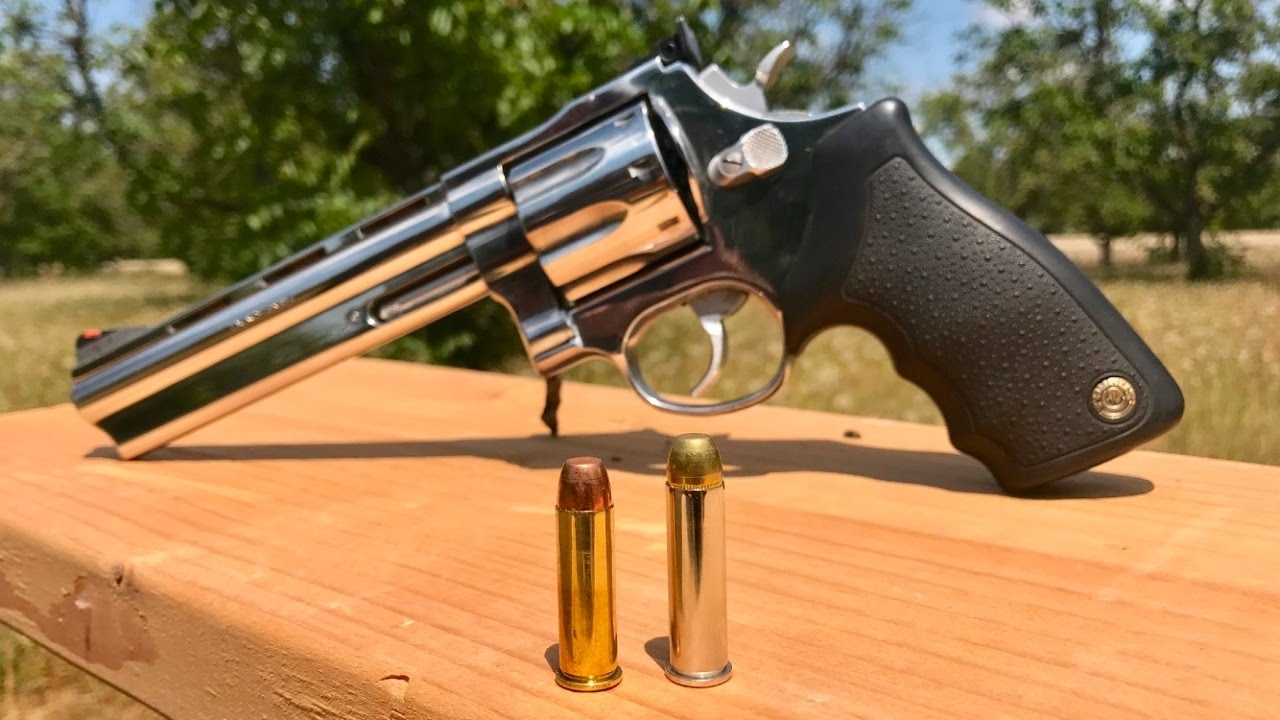
The .357 Magnum was built off the .38 Special, which means any gun chambered in .357 can fire both. That’s a game-changer for anyone who wants more flexibility. .38 Special is cheaper, has less recoil, and is great for practice or home defense. When more power is needed, just switch back to full-power magnum loads.
This also means a .357 revolver can stay useful even when ammo supplies get tight. If there’s no .357 Magnum to be found, there’s a good chance .38 Special is still available. That kind of redundancy is worth a lot.
Suppressor Use

Most people don’t think of the .357 Magnum as a suppressor-friendly round, but it actually has some solid potential—if you pick the right load. Standard factory loads are supersonic, which means you’ll still get a crack from the bullet breaking the sound barrier. But if you reload or find heavy, subsonic factory loads, the .357 can run well suppressed.
Lever guns and suppressed revolvers (like those with gas-seal designs) see the most benefit. It’s not the first choice for a quiet setup, but if you like experimenting with different builds, the .357 has some interesting suppressed options.
*This article was created with the assistance of AI.