Photo credit: Savage Arms
We may earn revenue from products featured on this page through affiliate links.
Barrel length is the quiet factor that keeps wrecking people’s expectations. Guys will argue calibers all day—6.5 vs .308, 9mm vs .45—then they’ll run the same ammo through two different barrel lengths and act shocked when the results change. Here’s the truth: barrel length changes velocity, and velocity is the steering wheel for everything that matters—expansion, penetration, recoil feel, flash, and even how far a bullet stays stable and effective. Caliber matters, sure, but barrel length often changes the “real-world version” of that caliber more than people realize, especially when you go short.
Velocity is the whole game, and barrel length is one of the biggest drivers
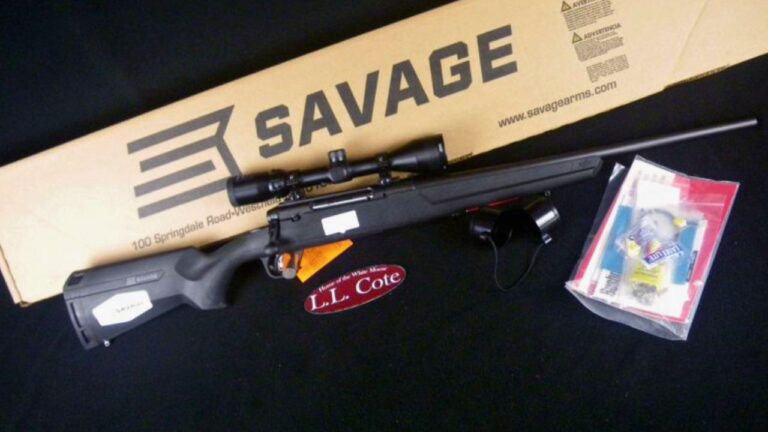
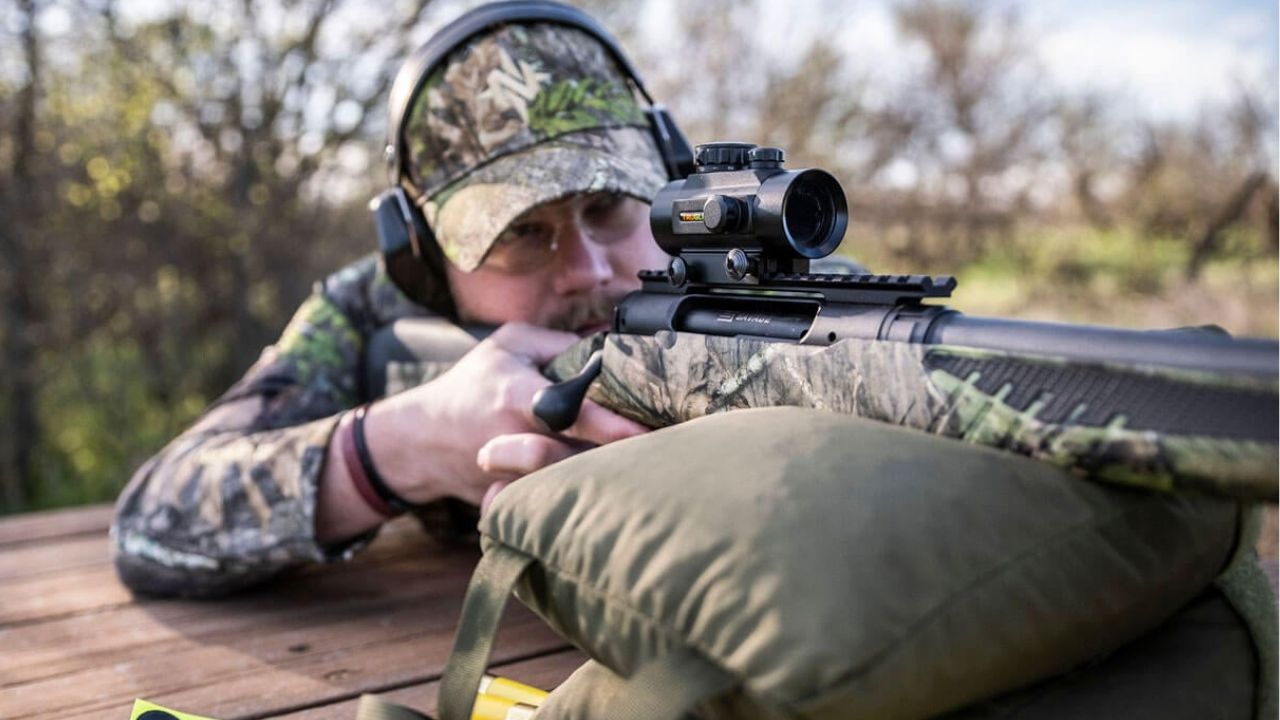
When you change barrel length, you change how long the powder has to burn and push, and that changes muzzle velocity. Higher velocity generally means flatter trajectory and less drop, but it also affects wind drift, terminal performance, and where certain bullets expand reliably. Rifle shooters see this clearly when they compare “standard” barrels to shorter ones. A Guns & Ammo test on barrel length vs. velocity showed meaningful swings depending on barrel length, with losses becoming more pronounced as you cut into shorter lengths, and the whole point was that the “fps per inch” isn’t a single magic number—it varies by load and cartridge. American Hunter puts a commonly accepted rule of thumb at about 25 fps per inch in many rifle contexts, while acknowledging the “does it matter” question depends on your goals. That spread is why barrel length often matters more than caliber debates: you can take a cartridge that “should” do X on paper, then lose enough velocity in a short barrel that it behaves like a different cartridge in the field.
Short barrels can change bullet expansion and penetration even when the caliber stays the same
This is where hunters get burned. Bullet design usually has an impact-velocity window where it expands reliably. If you cut barrel length and drop velocity, you can end up below that window at the ranges you actually shoot, especially with some tougher bullets or heavier-for-caliber designs. The result is not always “failure,” but it can be a different wound channel than you expected, less expansion at distance, or more “pencil through” behavior when you wanted a bigger wound cavity. On the flip side, running a longer barrel can raise velocity enough that a thin-jacket bullet becomes more violent at close range, which can cause excessive fragmentation on shoulder hits. That’s why you’ll see two guys shooting the “same caliber” and having wildly different results—their barrel length, velocity, and impact speed are changing what the bullet does after it hits. Berger and other bullet makers often talk about velocity-per-inch expectations in a broad 20–30 fps range for rifles as a reference point, but the real point is that velocity changes are real and they directly move the bullet’s behavior.
Handguns are an even bigger example because barrel length swings can be drastic
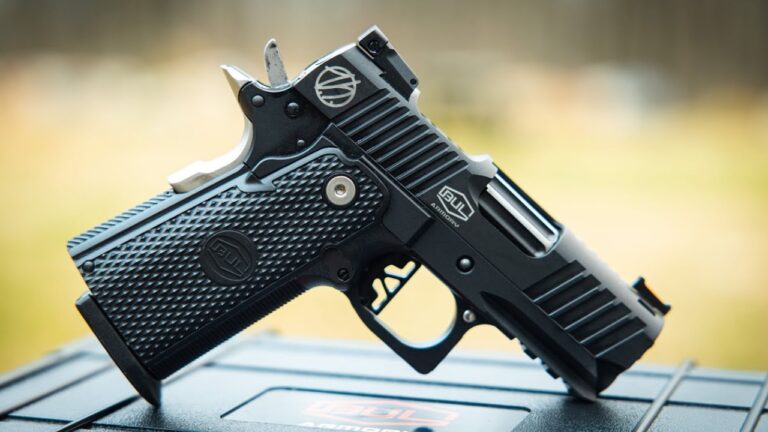
If you want a loud, obvious demonstration, look at pistols. A lot of defensive ammo is tested in longer barrels than what people actually carry, and compact pistols can lose enough velocity to change expansion and flash characteristics. Shooting Sports USA tested different barrel lengths in the same pistol family and noted the rule-of-thumb that one inch can change velocity by around 50 fps, while emphasizing it’s just a general guide. Shooting Illustrated’s “barrel length vs. velocity” work comparing short barrels to longer platforms showed that moving from very short handgun barrels toward longer barrels produces significant velocity increases and works out to substantial per-inch changes in many cases. That’s why “my 9mm load is great” is incomplete unless you add “out of what barrel length.” A load that expands great out of a duty-size pistol might be less consistent out of a micro-compact, and a load that feels snappy and flashy in a short barrel can calm down noticeably in a longer one, even though the caliber didn’t change at all.
Barrel length also changes recoil feel, blast, and how easy your gun is to shoot well
Velocity changes don’t just affect the target; they affect the shooter. Short barrels often produce more blast, louder concussion, and more flash because powder is still burning as it exits. That can make follow-up shots slower and make low-light shooting harder, especially indoors. Longer barrels often feel “softer” not because physics got kinder, but because the pressure curve and burn are playing out more completely before the bullet exits, and the gun’s weight and balance may change too. On rifles, shorter barrels can be handier in the woods but can feel sharper with a brake or suppressor setup and can shift the balance point in ways that make steady holds harder for some shooters. None of that shows up in caliber arguments, but it shows up instantly when you’re trying to make a clean shot from an awkward position with cold hands. This is why experienced hunters and carriers care about barrel length as a practical shooting factor, not just as a ballistic number.
The only way to stop guessing is to chrono your actual setup
If you want to make barrel length decisions intelligently, stop relying on published box velocities. Those numbers are usually from test barrels, and your gun is not a test barrel. The clean, real-world move is to chronograph the ammo you actually shoot out of the barrel length you actually carry or hunt with, then build your zero and expectations around that. A quality, dead-simple tool for this is the Garmin Xero C1 Pro Chronograph, which Bass Pro sells and rates for 100–5,000 fps and easy data capture. Once you know your true velocity, you can make smarter calls about whether your hunting bullet is still in its expansion window at your distances, whether your defensive ammo is performing like it should out of a short barrel, and whether your “short barrel penalty” is actually meaningful for your use. Guessing leads to internet arguments. Chrono data leads to correct decisions.
Barrel length affects effective range in a practical way, not a theoretical way
People hear “25 fps per inch” and shrug like it’s nothing. The problem is that “nothing” adds up. Lose 100–200 fps and you’ve changed drop, drift, and impact velocity enough to matter at distance, especially if you’re hunting open country, shooting across wind, or relying on a bullet that’s tougher and needs speed to open. American Hunter points out the common acceptance that velocity changes with barrel length and that whether it matters depends on your goals. That’s exactly right. If you hunt whitetails at 80 yards in timber, losing some velocity might not change your life. If you hunt mule deer at 300 in wind, it can. If you carry a micro-compact and want reliable expansion, it can. Barrel length doesn’t just change “speed.” It changes what your ammo can reliably do at the far end of your real shooting envelope.
A practical way to choose barrel length without overthinking it
If you’re hunting mostly inside 200, pick a barrel length that carries well and shoots comfortably, then choose a bullet that behaves correctly at your actual impact speeds. If you’re pushing distance, understand you’re buying velocity with barrel length, and that velocity buys you trajectory and expansion margin. If you’re carrying for defense, match your ammo to your barrel length—especially if you’re carrying a short gun—and verify performance through function testing and at least some velocity awareness. And if you want to turn your real velocity into real dope instead of guesses, a ballistic tool like the Kestrel 5700 Elite Weather Meter with Applied Ballistics, sold at Bass Pro, is built specifically to take real conditions and real velocity and turn them into hits you can trust. The bottom line is simple: caliber debates are easy because they’re loud. Barrel length is harder because it forces you to face reality—your gun, your ammo, your distances, your skill. But if you want ammo to perform the way you think it performs, barrel length is one of the first things you have to get honest about.
Like The Avid Outdoorsman’s content? Subscribe to our newsletter so you never miss an article.
Here’s more from us: