Photo credit: Peter Kai/Shutterstock.com
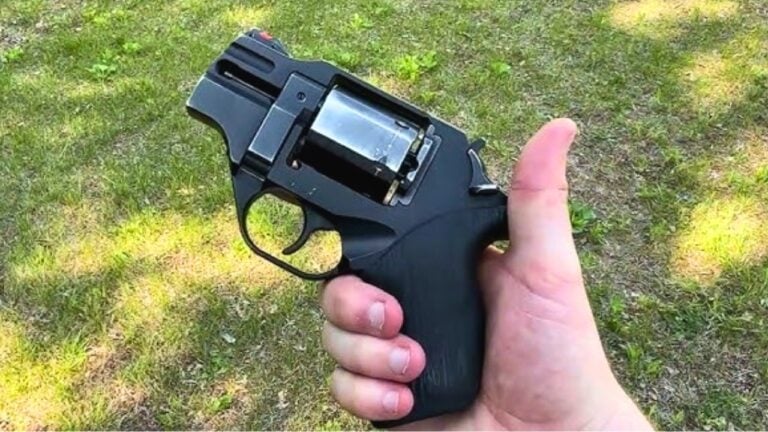
Revolvers get sold as “simple” because the manual of arms looks easy on paper. No magazines. No slide. No safeties. Load it, close it, pull the trigger. That story is comforting, especially to people who don’t want to think about gear. The problem is that the simplicity argument usually stops at surface-level operation and ignores what actually matters when you’re trying to run the gun under pressure. Revolvers are simple to understand, not simple to master—and that difference catches a lot of people off guard. What people really mean when they say revolvers are simple is that they’re mechanically straightforward to fire. What they don’t say is that revolvers demand more from the shooter in areas most people don’t train enough: trigger control, grip consistency, reloads, and problem-solving when things don’t go perfectly. Once you move past casual range use, the “simplicity” label starts to crack.
The trigger is simple—until you have to run it fast
A double-action revolver trigger is consistent, but it’s also long and heavy. That consistency doesn’t make it easy. It makes it honest. Running that trigger quickly without disturbing the sights takes real discipline. There’s no short reset to ride and no light break to lean on. Every press is a full press. That’s simple in concept and demanding in execution. This is where the simplicity argument falls apart for a lot of shooters. They expect the revolver to be forgiving because it’s “old school.” Instead, it punishes sloppy technique harder than many semi-autos. The gun isn’t complicated, but the skill required to use it well is higher than people expect, especially when speed matters.
Reloads are mechanically simple and practically hard
Opening a cylinder and dropping rounds in sounds straightforward. Doing it under stress, with shaking hands, limited time, and imperfect angles is another story. Revolver reloads are slower by nature, and they’re less forgiving of mistakes. Short-stroking the ejector, missing chambers, or fumbling cartridges eats time fast.
People who lean on the simplicity argument often downplay reloads entirely, saying things like “five shots is enough.” That’s not a plan—that’s a hope. If you’re going to carry a revolver seriously, you need a reload method and you need to practice it. Speed strips, speedloaders, whatever you choose—it all takes work. Simple doesn’t mean effortless.
Mechanical reliability doesn’t eliminate shooter-induced problems
Revolvers are mechanically reliable, but that doesn’t mean they’re immune to problems. High primers, debris under the extractor star, timing issues, or a bent ejector rod can lock a revolver up completely. When that happens, you’re not tap-rack-fixing anything. You’re dealing with a problem that often takes tools or time.
Semi-auto shooters rarely think about this because most malfunctions they see are shooter-fixable. Revolver problems are rarer, but they’re often more final in the moment. The simplicity argument glosses over that tradeoff. Revolvers are reliable, but when they do fail, they tend to fail harder.
Shooting well matters more than operating simply
The biggest flaw in the simplicity argument is that it focuses on operation instead of performance. Operating a revolver is easy. Shooting it well—accurate, fast, repeatable hits—is not. The small grips, heavy trigger, and limited sighting systems common on carry revolvers make precision more demanding, not less.
A simple gun that you don’t shoot well isn’t better than a more complex gun you can run confidently. Simplicity only helps if it supports performance. Once people realize that, the revolver stops being a “beginner’s gun” and starts being a specialist’s tool.
Why experienced shooters respect revolvers—and still see the limits
Experienced shooters often respect revolvers because they understand what it takes to run them well. They don’t romanticize them. They recognize the strengths—reliability, consistency, concealment—and they acknowledge the costs—capacity, reload speed, and effort. That’s a more honest conversation than “revolvers are simple.”
The revolver simplicity argument goes too far when it pretends fewer controls equals easier outcomes. It doesn’t. Outcomes depend on skill, not just design. Revolvers strip away excuses and force shooters to confront their fundamentals. For some people, that’s appealing. For others, it’s frustrating.
Like The Avid Outdoorsman’s content? Subscribe to our newsletter so you never miss an article.
Here’s more from us: