Photo credit: Savage Arms
Cold weather messes with ballistics, and some calibers feel it more than others. Powder burns slower, pressures drop, and velocity can take a noticeable hit. That all adds up to more drop, less energy on target, and sometimes unreliable cycling. In freezing temps, you need a cartridge that keeps its numbers close to what you expect. These are the ones that tend to disappoint when the mercury drops, forcing you to make bigger adjustments or accept that your rifle won’t shoot the same as it did in mild weather.
.22 Long Rifle
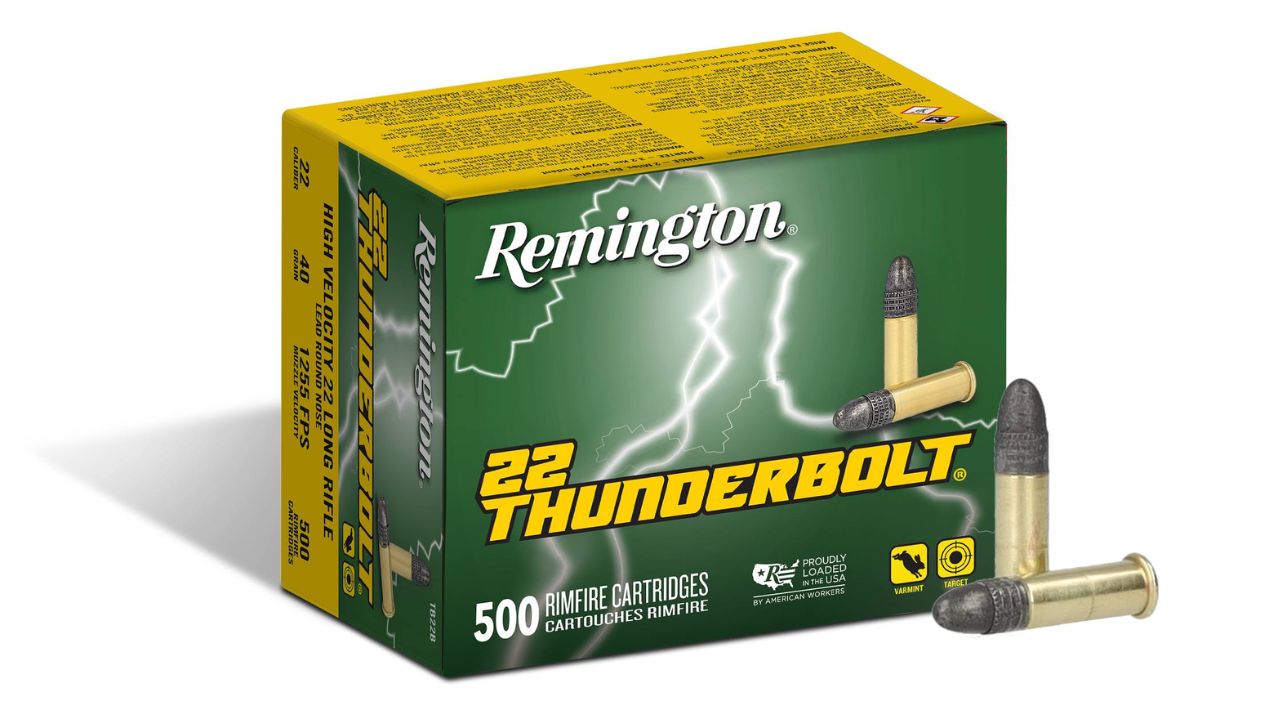
The .22 LR is sensitive to temperature swings, especially with bulk or subsonic loads. Cold slows powder burn, which drops velocity and changes point of impact. You might not notice it plinking at 25 yards, but stretch it out or hunt small game, and the difference becomes clear.
Rimfire ignition itself can be less reliable in extreme cold. If you’re carrying a .22 in freezing weather, stick to high-quality ammo and test it in the same temps you’ll be shooting in to avoid surprises.
.300 Blackout Subsonic

Subsonic .300 Blackout loads are already slow-moving, so losing even more velocity in the cold hurts performance. Energy drops fast, and trajectory gets even more pronounced. In a hunting scenario, that can mean the difference between a clean hit and a miss.
Supersonic loads handle cold better, but if you run suppressed and prefer subsonic for noise control, you’ll need to know exactly how it shifts in the cold. A good dope chart for winter conditions is almost mandatory.
.35 Remington

The .35 Remington is a classic deer cartridge, but its lower pressure and slower velocity make it more susceptible to temperature-related drops in performance. It’s not uncommon to see noticeable changes in point of impact when hunting late-season in subfreezing temps.
In dense woods at close range, you might not care. But if you’re pushing the distance a bit, you’ll need to know how much that slower burn is affecting your shot. Cold weather testing before season pays off here.
.45-70 Government (Low-Pressure Loads)

Modern high-pressure .45-70 loads hold up fine, but the lower-pressure stuff—especially the traditional 405-grain factory loads—can feel sluggish in the cold. Velocity loss combined with that big, heavy bullet can mean more drop than you expect past 100 yards.
If you’re chasing late-season elk or bear and using low-pressure ammo, understand that you may need to hold higher than you’re used to. Switching to a hotter load or a different powder blend designed for temperature stability can make a big difference.
6.5 Grendel

The 6.5 Grendel’s small case capacity means it’s more affected by cold weather powder slowdown. In an AR platform, it can even cause short-stroking if the rifle’s already on the edge of cycling reliability.
Accuracy-wise, cold temps can shift your zero enough to matter for predator hunting or long shots. If you run a Grendel in the winter, make sure you test your hunting load in the actual conditions you’ll be using it in.
7.62x39mm (Steel-Cased Ammo)

Brass-cased 7.62×39 performs better, but the popular steel-cased stuff can really suffer in the cold. Some loads use powder that loses a lot of velocity in freezing temps, and ignition can be inconsistent with certain primers.
That’s why AKs and SKSs sometimes feel “off” in the dead of winter compared to warmer months. If you’re relying on this caliber for hunting or defense in cold climates, it’s worth finding a load known to handle temperature swings better.
.257 Weatherby Magnum

The .257 Weatherby Magnum is a flat-shooting speedster in normal conditions, but it’s also highly sensitive to temperature because of its high velocity and specific powder blends. Cold air robs it of some of its blistering speed, which can noticeably change drop at longer ranges.
If you’re using it for late-season pronghorn or deer, you’ll want to verify your zero and check drop tables specific to winter conditions. It’s still fast—but not as fast as you’re used to.
.22-250 Remington (Light Loads)

The .22-250’s light varmint loads can lose a surprising amount of velocity in the cold, which changes point of impact. For coyote hunters, that can mean a miss at ranges where you’d normally be dead-on.
Heavier bullet loads tend to handle the cold better, but the lighter ones many use for varmints are more vulnerable. Chronographing your winter ammo is a smart move before you trust your dope out in the field.
.300 Winchester Short Magnum

The .300 WSM is a capable hunting round, but certain loads can see a noticeable drop in velocity in extreme cold. When paired with long-range hunting setups, that drop can mean missing high or low if you don’t account for it.
It’s not that the cartridge stops working—it’s that it’s so often used for precision shots at distance that even a small change in ballistics can throw you off. Cold-weather range time is key for this one.
6mm Creedmoor

The 6mm Creedmoor is known for precision, but its small case and efficient burn make it sensitive to temperature swings. In competition or predator hunting, that means you can’t just use your summer data and expect the same hits.
The good news is, there are temperature-stable powders available for reloaders. If you’re shooting factory ammo, stick with brands that specifically advertise cold-weather performance if you plan to run it in winter.
*This article was developed with AI-powered tools and has been carefully reviewed by our editors.