Photo credit: Dmitri T/Shutterstock.com
Some guns are fun until you actually try to shoot them like you mean it—multiple mags, a little speed, a little dirt, and ammo that isn’t hand-picked. Then the “range day” turns into clearing malfunctions, chasing weird ejection, and hearing someone say, “It just needs to be broken in.”
Here are 15 guns that are notorious for turning casual range time into a malfunction clinic—usually because of design sensitivity, cheap mags, picky ammo, or people expecting too much from a finicky platform.
Walther P22
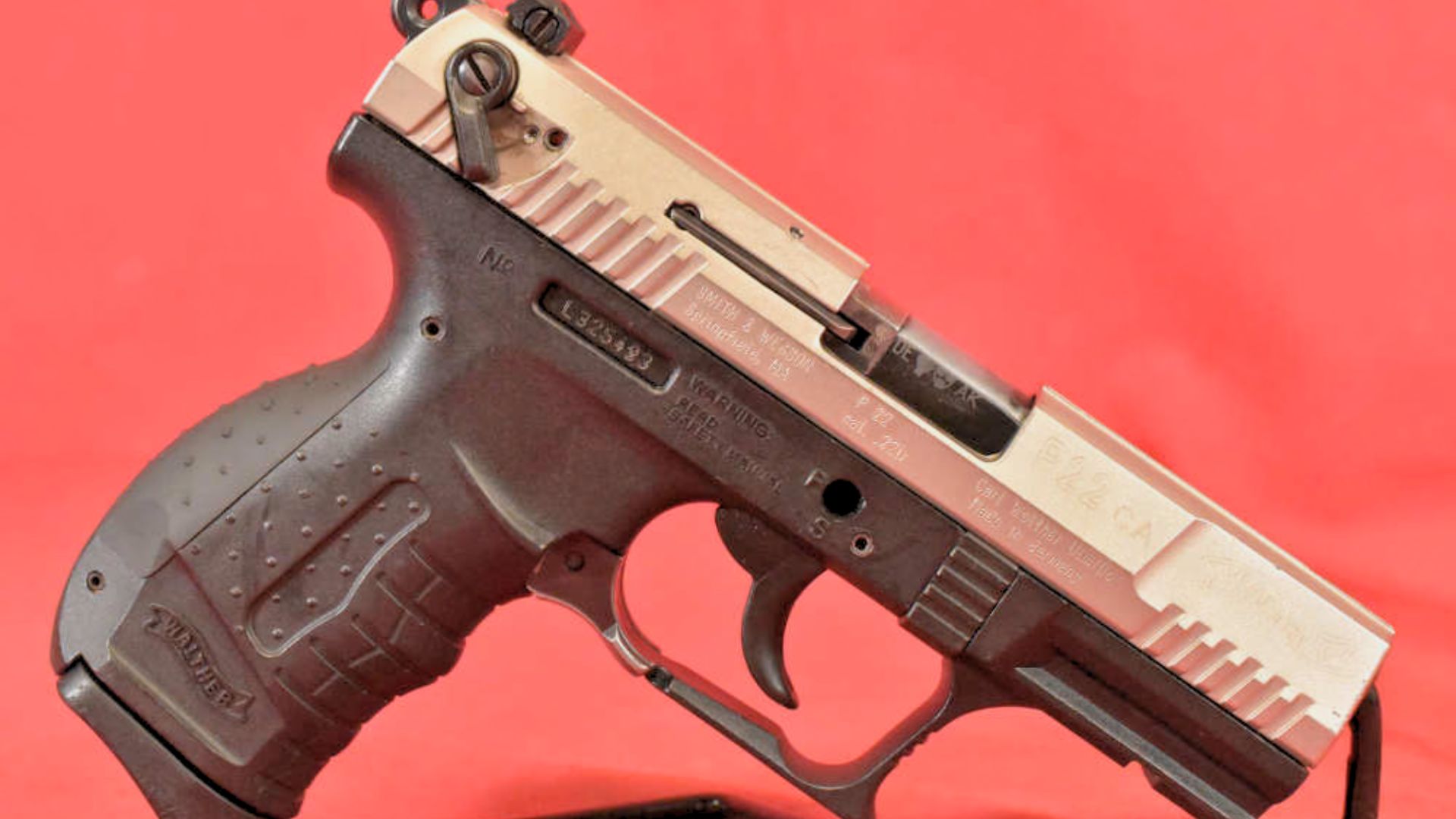
The P22 is a classic “looks cool, shoots okay…until it doesn’t.” A lot of P22 headaches come down to ammo sensitivity and the reality of rimfire reliability. Bulk .22 is dirty and inconsistent, and a small .22 pistol with a lightweight slide doesn’t have a lot of margin when things get grimy. You’ll see failures to feed, failures to extract, and random stovepipes that feel like the gun is messing with you.
The frustrating part is that a P22 can run fine for a while, then start acting up as soon as it gets dirty. If you own one, pick ammo it likes, keep it clean, and don’t expect it to run like a centerfire pistol. When people treat it like a “trainer that should just run,” that’s when the jam session starts.
SIG Mosquito

The Mosquito has been starting arguments for years because some people swear theirs is fine and others can’t get through a magazine without drama. A lot of that comes down to ammo choice, maintenance, and expectations. Rimfire pistols can be picky, but the Mosquito has a reputation for being picky even by rimfire standards when you start feeding it bulk ammo and running it dirty.
If you want a relaxing range day, a finicky .22 is the wrong tool. The Mosquito can be made to run better, but it often requires the owner to care more than the owner wants to. When a gun requires that much babysitting for basic function, it’s easy for a casual range session to turn into nonstop clearing drills.
1911s with cheap magazines
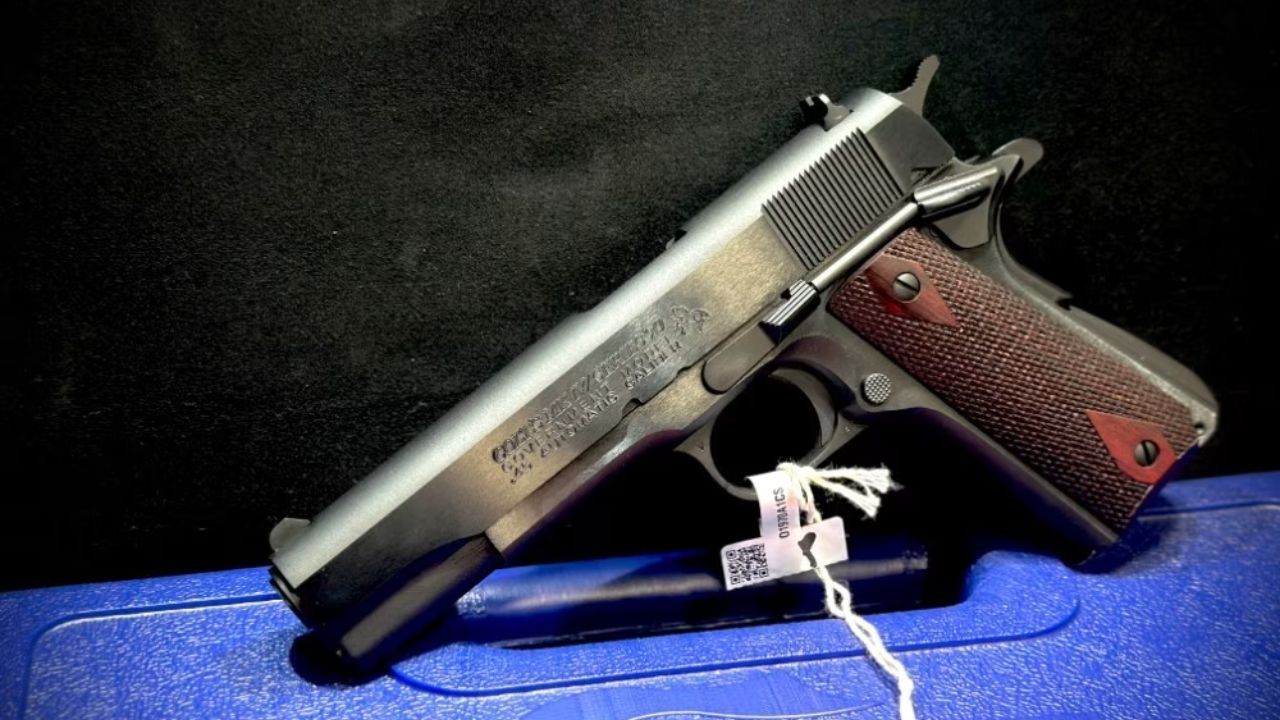
A 1911 can be reliable, but a 1911 with bargain-bin mags is usually a malfunction machine. People will buy a decent 1911, then feed it the cheapest magazines they can find, and act shocked when it nose-dives rounds, fails to lock back, or starts doing weird half-feeds. The magazine is a massive part of 1911 reliability, and the platform punishes people who ignore that.
This is where a “simple range day” dies. You spend more time diagnosing than shooting. If you want a 1911 to run, buy proven magazines, keep the gun lubed, and don’t mix random ammo shapes expecting it to eat everything. The jam session is often self-inflicted, but it’s still real.
Compact/Officer-size 1911s (any brand)

Short 1911s look great on paper: carry-friendly, classic trigger, familiar controls. In practice, they can be less forgiving than full-size guns because everything is happening faster and with less margin. When a short 1911 is running well, it’s great. When it isn’t, you get the full package—feed issues, extraction issues, and the lovely experience of chasing springs and magazines like it’s your second job.
For a casual range day, a short 1911 can be the worst kind of drama because it’ll run “just good enough” to keep you hopeful, then ruin a string out of nowhere. If you’re buying one, accept that the platform may ask more from you: better mags, better maintenance, and more testing with your specific ammo.
Budget AR-15s paired with bargain magazines
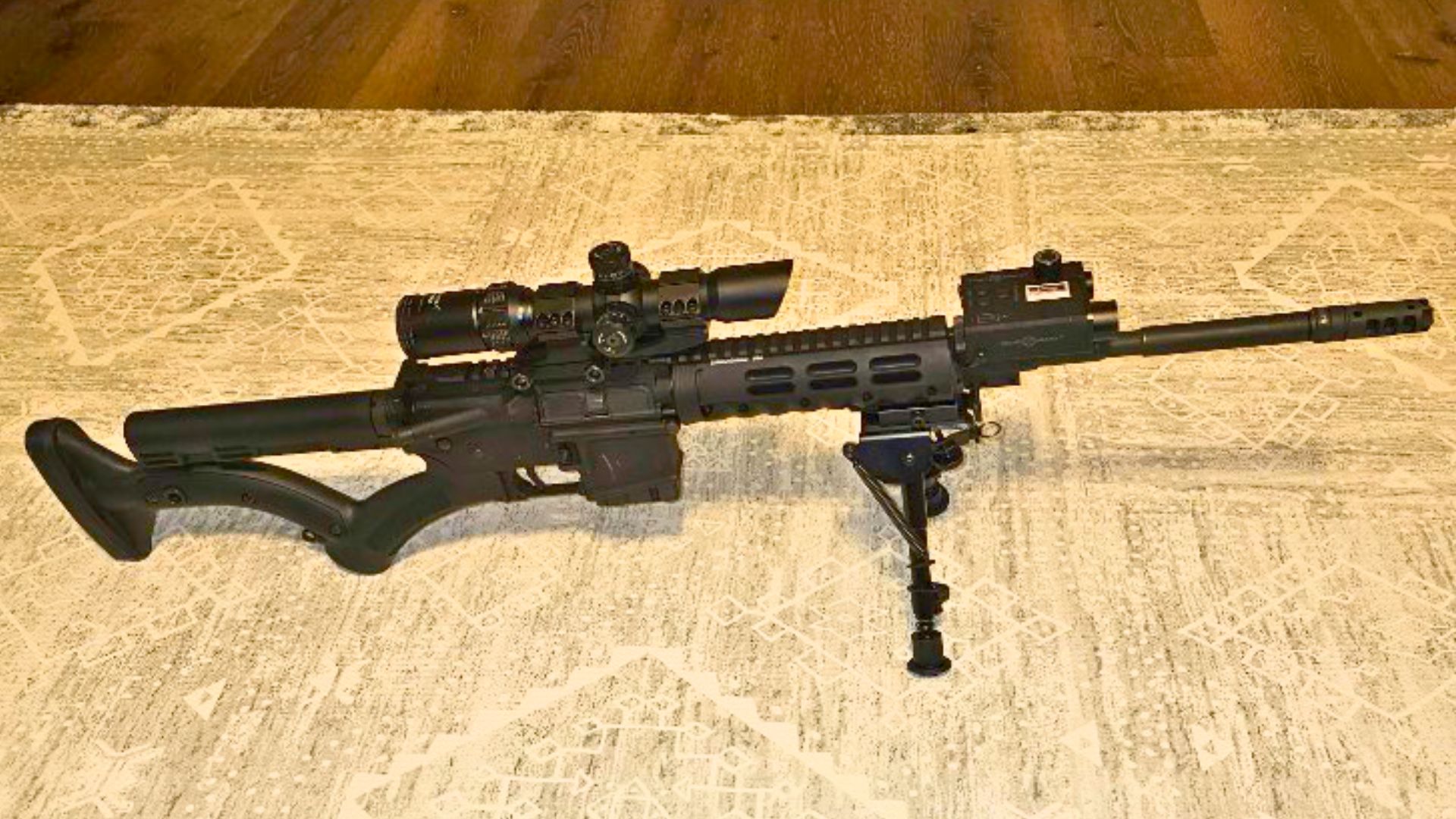
A budget AR can run fine. The range-day jam session usually shows up when a budget AR meets bargain magazines and weak ammo. Then you get misfeeds, bolt-over-base issues, failures to lock back, and the classic “it runs great with these mags” conversation. People blame the rifle first because it’s easiest, but bad mags will make even good rifles look broken.
If you want a simple day, bring proven mags and decent ammo. The AR platform is incredibly reliable when you don’t sabotage it. A lot of “my AR is jamming nonstop” stories are really “my mags are trash and my gun is dry.” Fix the input and the output usually fixes itself.
AR-15s run dry and hot for long strings
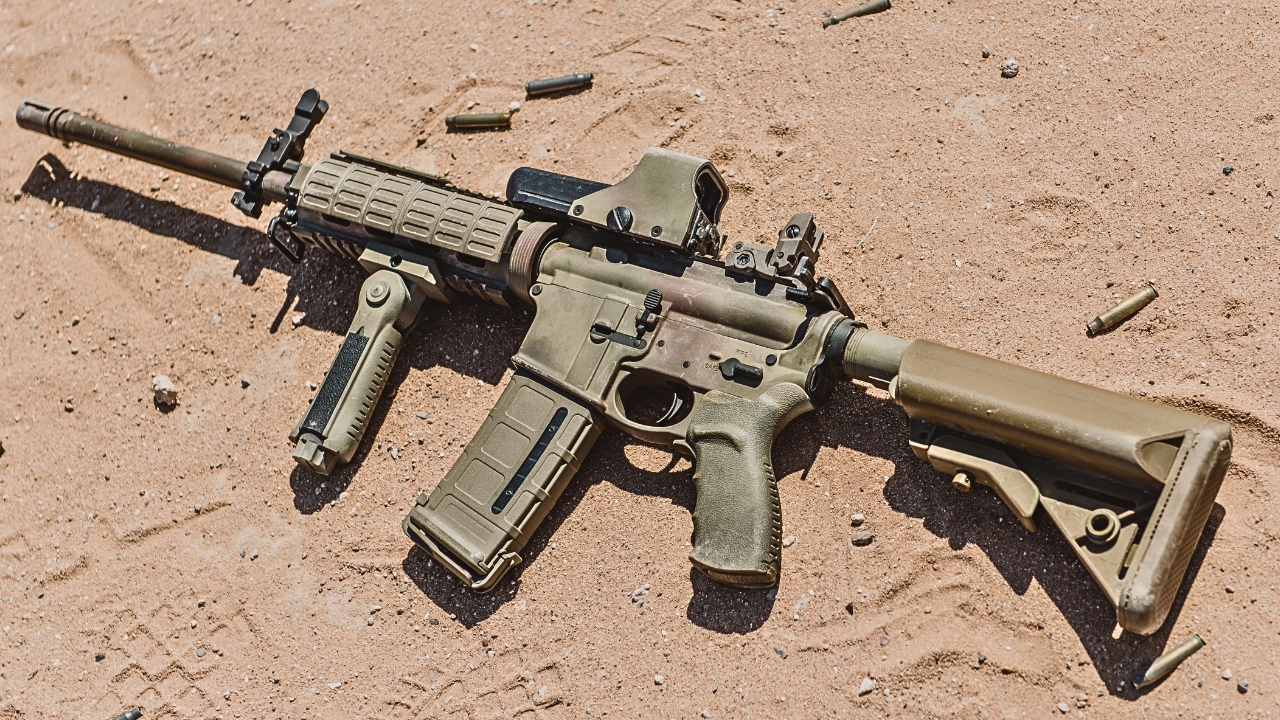
This is less about brand and more about how people treat the gun. An AR that’s dry, hot, and dirty is going to start acting sluggish—especially if you’re shooting cheap ammo. That’s when you see short-stroking, weak ejection, and failures that come and go depending on heat. It’s frustrating because it doesn’t feel consistent enough to diagnose easily.
If your “simple range day” turns into a jam session halfway through, look at lubrication and heat management. A little oil on the bolt carrier group goes a long way. The AR is not a magic machine that runs forever dry. Guys who say it is usually aren’t shooting enough volume to find the edge.
.22 semi-auto rifles with cheap magazines
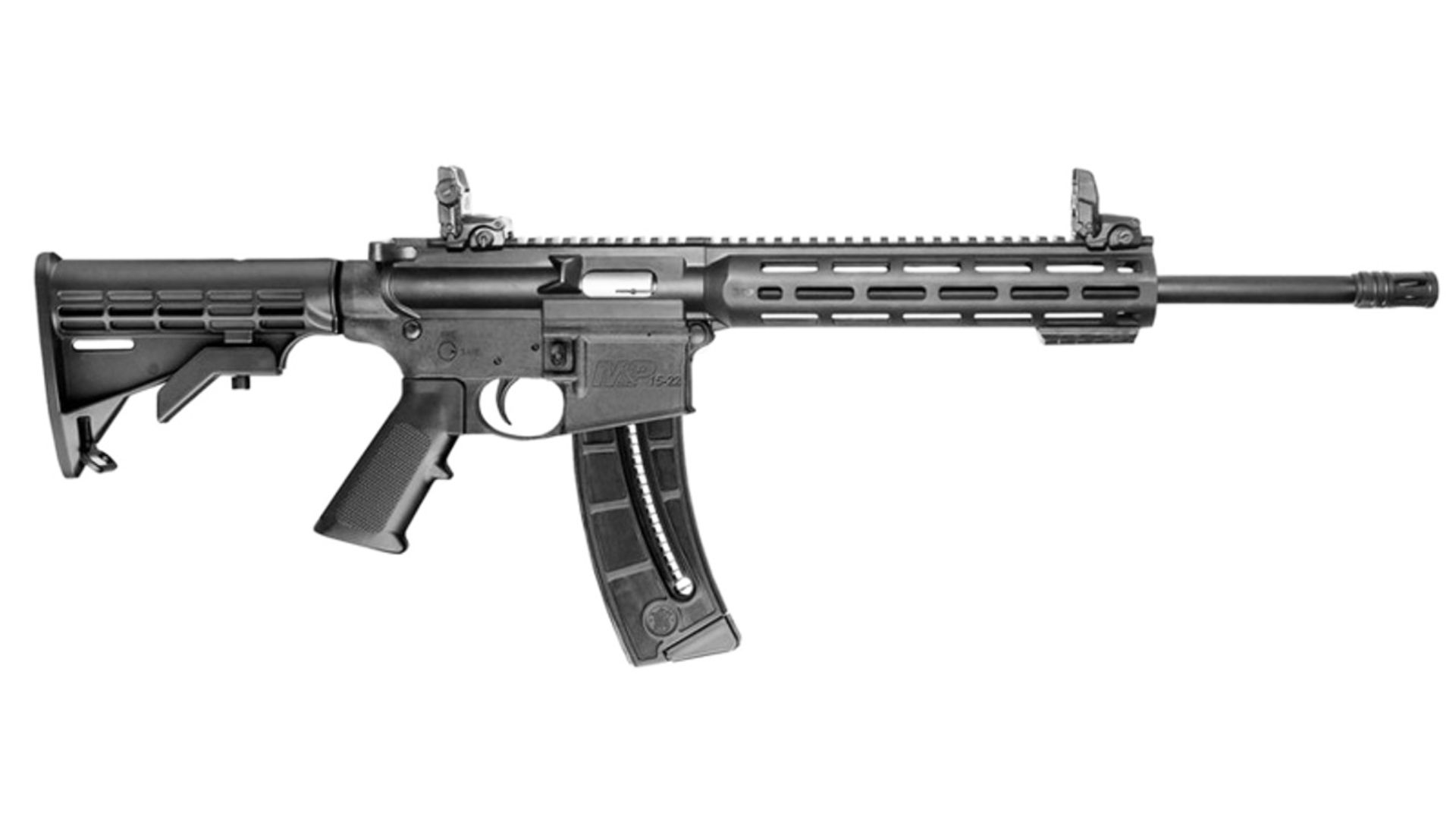
Rimfire rifles can be incredibly dependable—until you start stacking cheap mags and inconsistent ammo. Then you get the same headache cycle: first mag runs okay, second mag starts choking, third mag is a disaster. People usually blame the rifle, but rimfire magazines are often the problem. A little grime, a little lip wear, a little spring weakness, and the whole system becomes unreliable.
If you want a clean range day, bring your best mags and mark any that cause issues. Don’t keep mixing them and hoping the problem goes away. Rimfire is already less consistent than centerfire. You don’t need to add questionable mags on top of that.
Shotguns that require “perfect” technique to run
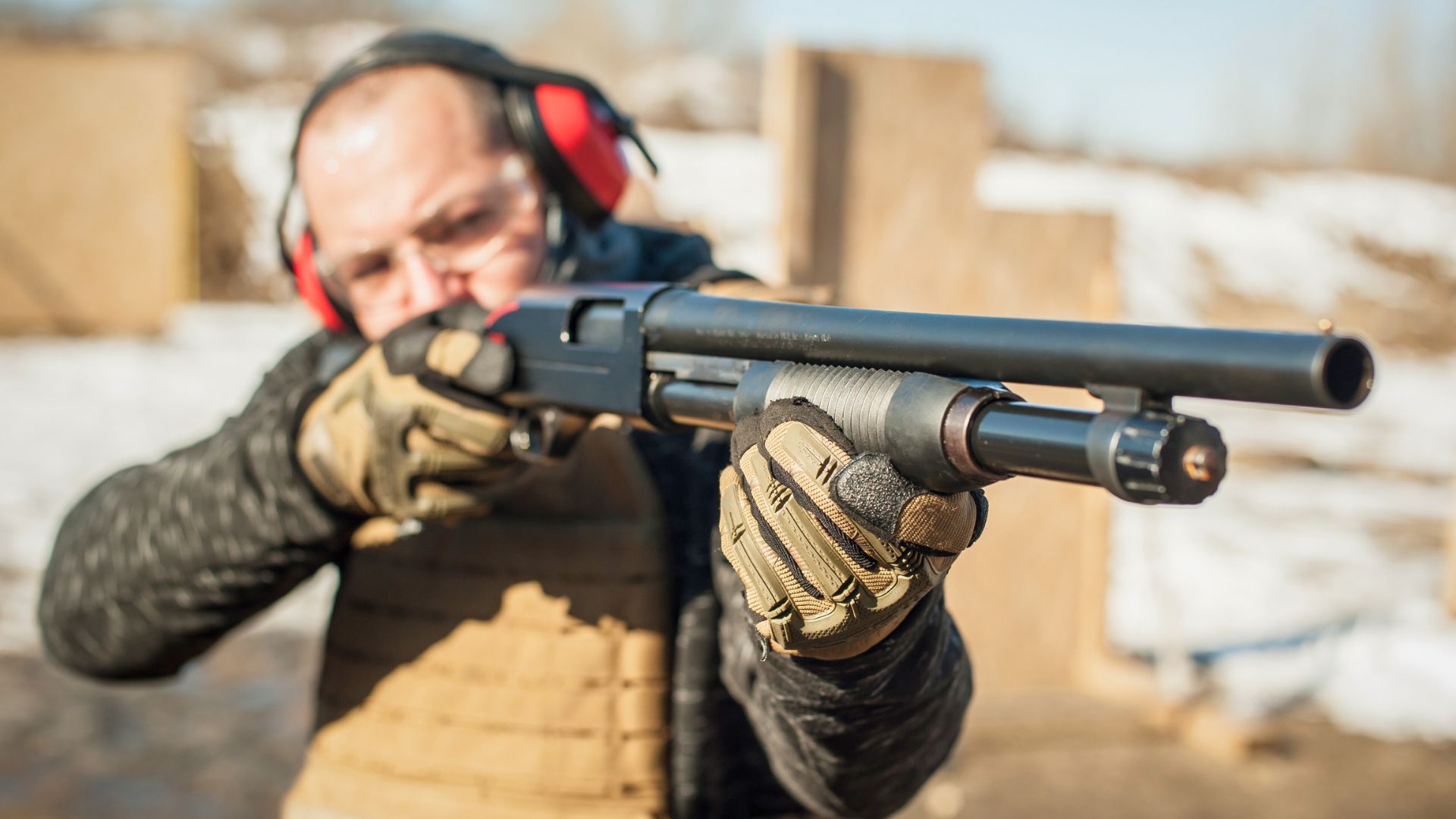
Some pump shotguns will run even when you’re sloppy. Some won’t. If you short-stroke a pump because you’re shooting fast or you’re not aggressive with the action, the gun will make you look bad. That’s a jam session that’s mostly technique-driven, but it still ruins the day. You’ll get shells half-fed, stuck on the carrier, or sitting wrong in the chamber.
If a shotgun only runs when you baby it, it’s not helping you learn. For practice days, use a shotgun you can run hard without drama and focus on being aggressive with the action. A pump should be run like you mean it, every time.
Semi-auto shotguns with light loads

Semi-auto shotguns are famous for turning “fun range day” into “why won’t this thing cycle” when you feed them light loads they don’t like. The gun might run buckshot and slugs fine, then choke nonstop on cheap birdshot. That’s not always a defect—it’s often the reality of gas/inertia systems and ammo power. But it still ruins a casual day if you didn’t plan for it.
If you’re bringing a semi-auto shotgun, bring ammo you know it cycles. Don’t assume the cheapest low-brass stuff will be reliable. And don’t diagnose the gun until you’ve confirmed the load is appropriate. Most “this shotgun is junk” days are actually “this ammo isn’t driving the action.”
Pocket .380s with tiny slides and tiny margins

Pocket .380s are handy, but many of them are more sensitive than people expect—especially once they get dirty or once the shooter’s grip gets soft. Small, light guns have less room for error, and rimfire-like reliability complaints show up in centerfire form: stovepipes, weak ejection, occasional feed hiccups. It’s not that they can’t be reliable. It’s that they need a firmer grip, more maintenance, and ammo they like.
If you want a relaxed day of shooting a pile of rounds, a pocket .380 is often the wrong choice. They heat up fast, they beat up your hands, and they can start acting moody when grime builds. They’re carry tools, not high-volume range toys.
Subcompact pistols with aggressive recoil springs

Some subcompacts have stout recoil springs, and that can create two problems: people ride the slide while loading, and the gun becomes more sensitive when it’s dirty or under-lubed. Then you get failures to return to battery, weird feed issues, and a lot of “it’s almost chambered” moments. It’s annoying because it feels like the gun is almost working.
The fix is often boring: don’t baby the slide, keep the gun lubricated, and make sure you’re using good mags. But if the platform is already on the edge, small mistakes pile up fast. That’s how a normal range trip turns into a clearing drill marathon.
Revolvers with high primers and sloppy ammo
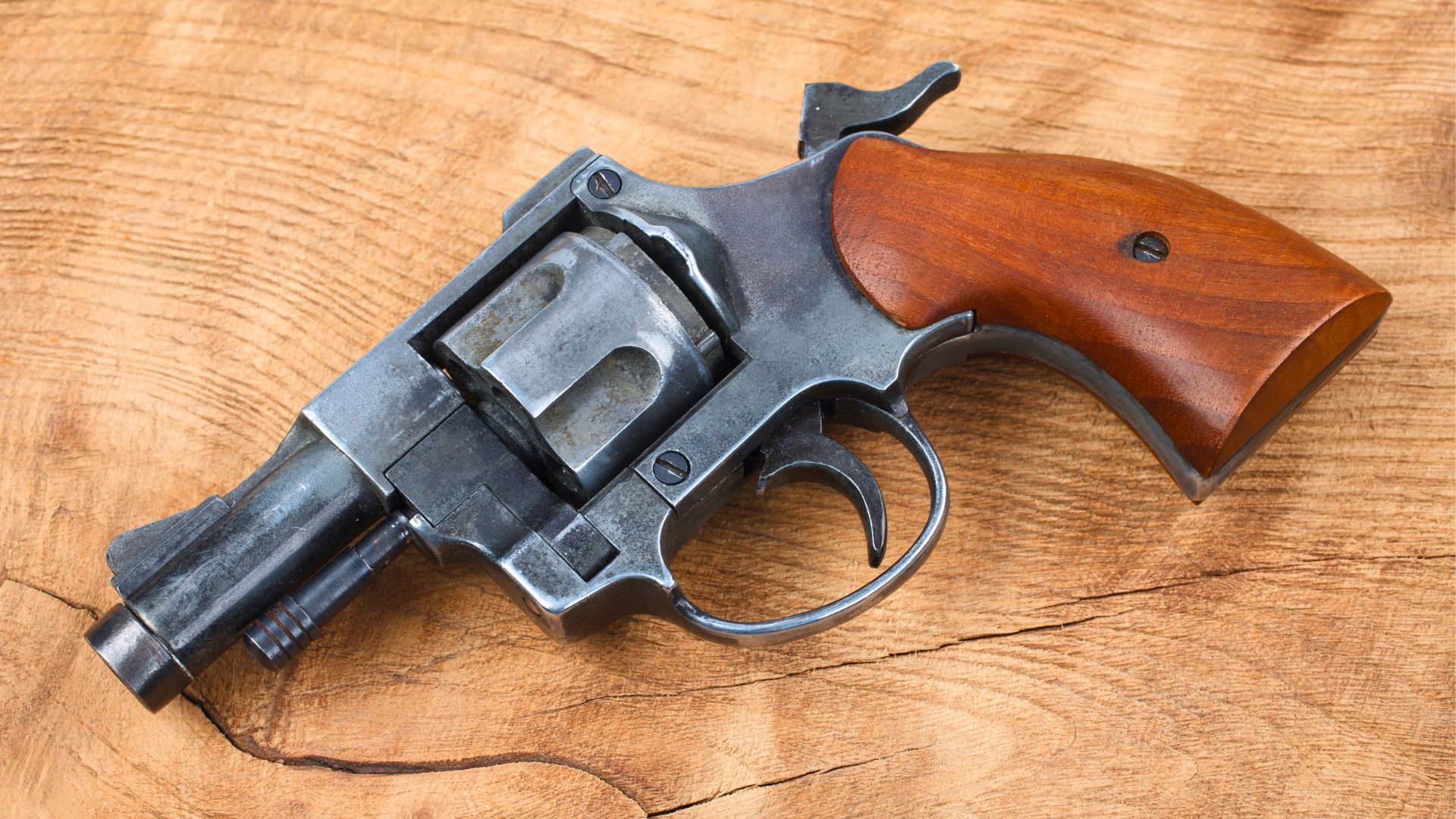
Revolvers don’t jam like semi-autos—until they do. The classic revolver “range day from hell” is when ammo has high primers or inconsistent sizing and the cylinder starts binding. Suddenly the trigger gets heavy, the cylinder drags, and you’re done. That’s not the revolver’s fault, but it absolutely ruins the day.
If you’re shooting revolvers and you want a smooth trip, use quality ammo and pay attention to how the cylinder feels as you go. When you feel drag starting, stop and diagnose instead of forcing it. Forcing it is how you turn a small ammo issue into a bigger mechanical issue.
Guns with aftermarket parts stacked on top of each other

A gun that’s stock and proven usually runs. A gun with an aftermarket trigger, aftermarket comp, aftermarket recoil spring, aftermarket mags, and some “tuning” can become a malfunction generator. People change five things, then act shocked that the gun is inconsistent. This is one of the biggest causes of jam-session range days, especially with pistols.
If you want reliability, change one thing at a time and test it. Don’t build a science project and expect it to behave like a factory gun. The range day goes sideways when you don’t know which part introduced the problem.
Guns that are “rarely cleaned” because they “should run dirty”
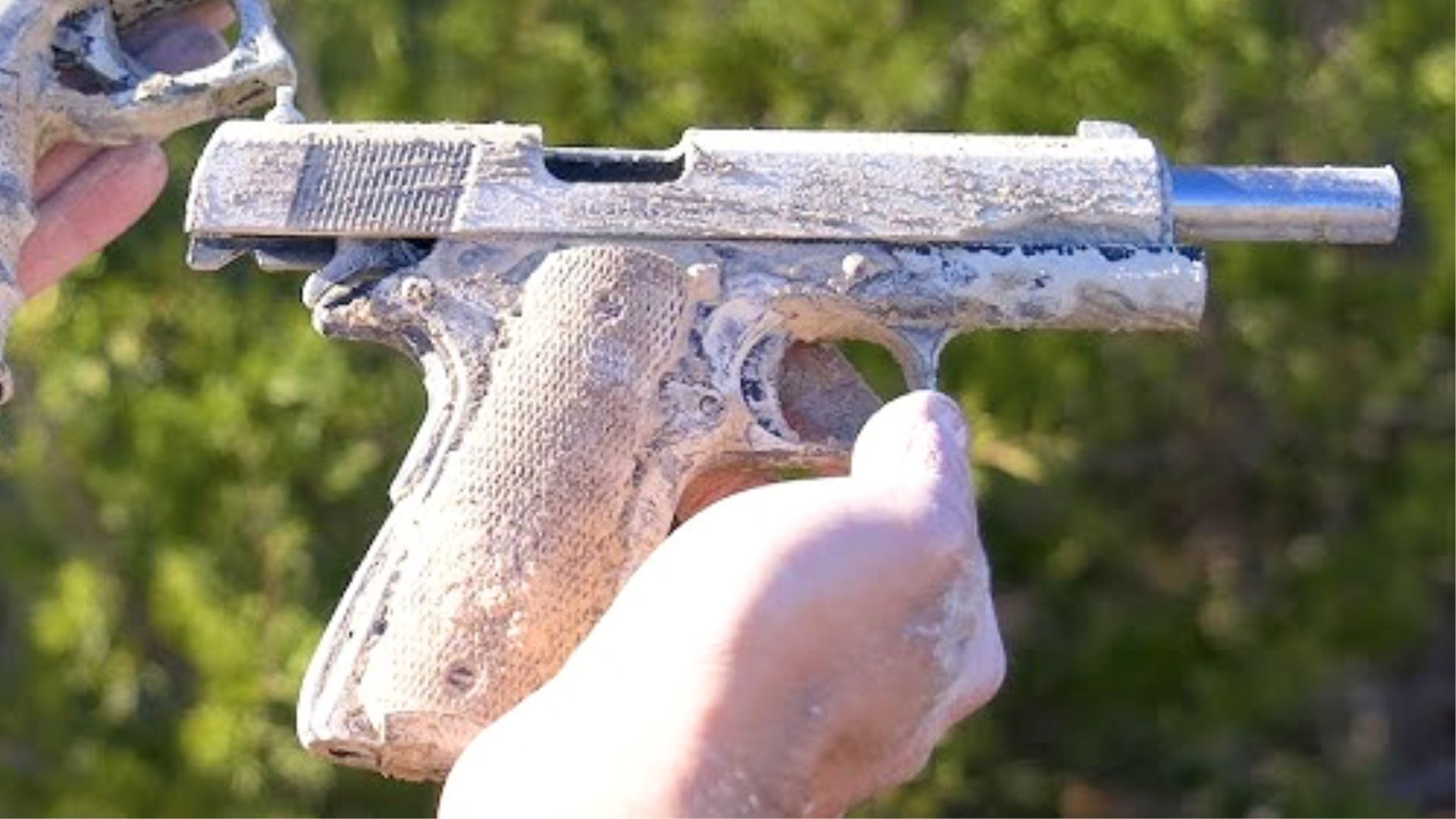
Some guns do run dirty. That doesn’t mean they run forever dirty. The jam-session day often happens when someone shows up with a gun that hasn’t been cleaned in months, it’s dry, it’s full of carbon or lint, and they’re feeding it whatever was cheapest. Then they spend the day blaming the brand instead of the neglect.
If you want a simple day, do simple maintenance. Clean it enough, lube it enough, and bring known-good mags. Reliability is not a vibe. It’s upkeep plus proofing.
Like The Avid Outdoorsman’s content? Subscribe to our newsletter so you never miss an article.
Here’s more from us: