Photo credit: sootch00/Youtube
Some buyer’s remorse doesn’t wait for a malfunction. It starts before the first magazine is loaded. The pistol comes home, the receipt gets tucked away, and suddenly the owner notices everything they ignored at the counter. The grip feels wrong. The trigger feels worse. The sights are tiny. The holster options are weak. The gun looked better in the case than it does in the hand.
That doesn’t always mean the handgun is terrible. Sometimes it’s simply the wrong gun for the buyer. Other times, the warning signs were there from the start. These handguns are the kind that can make regret show up before the first range trip even begins.
Desert Eagle .50 AE

The Desert Eagle .50 AE is one of the easiest pistols to regret before shooting because the fantasy is usually stronger than the reality. It looks massive, iconic, and powerful enough to make almost any collection feel more interesting. That first impression sells a lot of guns.
Then the owner gets it home and realizes what they bought. It’s huge, heavy, expensive to feed, and not practical for most normal handgun roles. The grip is enormous, the ammo costs sting, and finding regular excuses to shoot it can be harder than expected. It can be a fun range spectacle, and some owners love exactly that. But if someone bought it thinking it would be a useful everyday handgun, buyer’s remorse can arrive before the first box of ammo is opened.
SIG Sauer P938

The SIG Sauer P938 can trigger quick regret for buyers who love the idea more than the handling. A tiny metal-frame 9mm with 1911-style controls sounds appealing. It looks classy, carries easily, and feels like a premium pocket pistol compared with many polymer alternatives.
Then the owner starts dry-firing, practicing the safety, and thinking about actual range time. The small grip, sharp recoil potential, and single-action manual of arms demand more commitment than some buyers expected. It is not a casual pocket pistol for everyone. Shooters who already like cocked-and-locked carry may appreciate it, but others may realize they bought a tiny gun with big training demands. That can make remorse hit early.
Taurus Curve
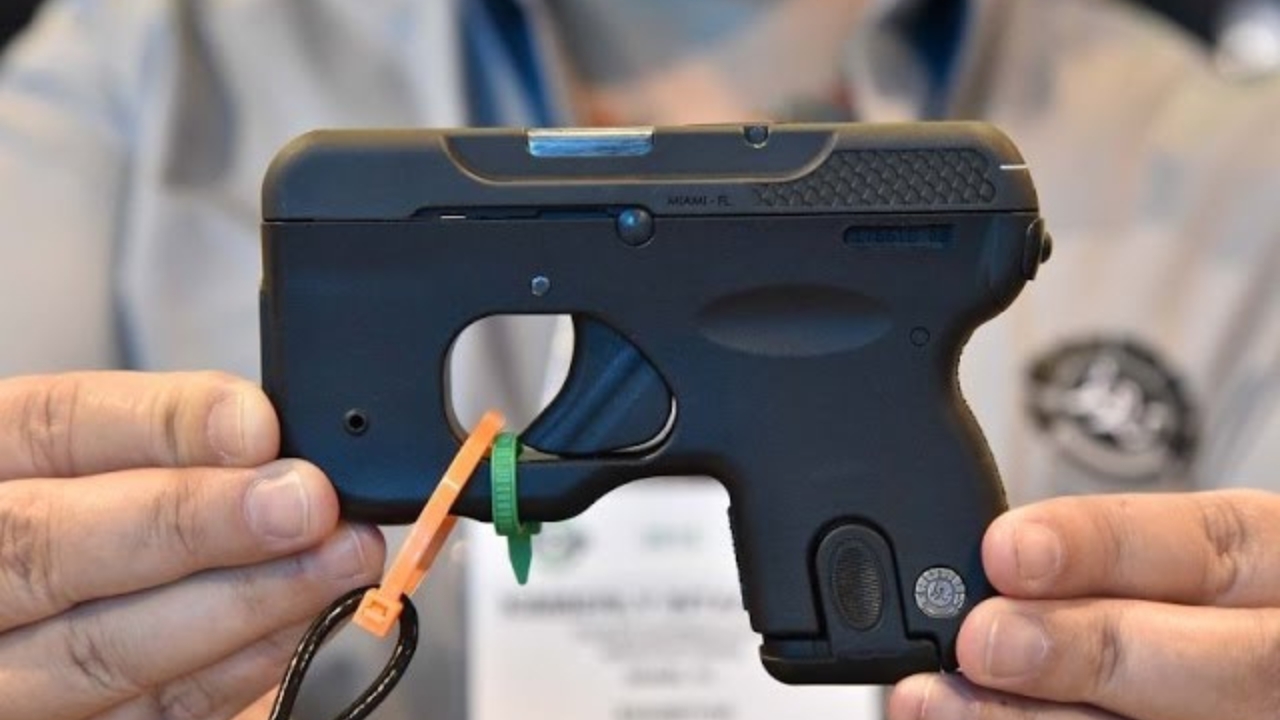
The Taurus Curve was practically built to create second thoughts. Its curved frame, unusual shape, and lack of traditional sights made it look creative at first. For someone wanting a concealed-carry pistol that seemed different from everything else, it had shelf appeal.
At home, the novelty could turn into doubt fast. A defensive pistol with an odd grip angle, nontraditional aiming setup, and unusual holster needs asks the owner to trust a lot of unconventional choices. The more someone thinks about drawing, aiming, training, and finding support gear, the less clever it may feel. The Curve may be interesting as a design experiment, but many buyers likely realized quickly that “different” is not always the same as “better.”
Kimber Micro 9

The Kimber Micro 9 can make buyer’s remorse hit early because it looks so good. Kimber knows how to make a small pistol seem refined, and the Micro 9 has the metal-frame charm and 1911-inspired controls that appeal to people who dislike plain polymer carry guns.
But once the new-owner glow fades, some buyers start wondering whether they chose style over practicality. A tiny 9mm can be snappy, the manual safety requires training, and reliability needs to be proven with the exact magazines and ammunition the owner plans to use. It may work well for some shooters, especially those who like small single-action pistols. But anyone expecting full-size 1911 confidence in a tiny carry package may feel regret before the first range trip.
SCCY CPX-2

The SCCY CPX-2 often creates regret the moment the buyer spends time with the trigger. At the counter, the appeal is obvious. It’s compact, affordable, chambered in 9mm, and sized for concealed carry. For someone shopping on a strict budget, it can look like a practical solution.
Then the long, heavy trigger starts to feel like the whole personality of the gun. For newer shooters especially, that can be discouraging before any live fire happens. Add the chunky feel and limited refinement, and the initial savings may start feeling less satisfying. Some owners get used to it, and a low-cost pistol is better than nothing for some budgets. But if the buyer could have saved a little longer for something easier to shoot, the regret can come quickly.
Glock 29

The Glock 29 can make regret hit before the first range trip because it sounds better in theory than it feels in many hands. A compact 10mm with Glock reliability and serious power has obvious appeal, especially for woods carry or anyone wanting more authority than standard defensive rounds.
Then the buyer holds it at home and realizes compact 10mm is a serious commitment. The grip is thick, the recoil expectation is real, and full-power ammunition is expensive. It is not a casual carry pistol, and it is not something most shooters will want to practice with cheaply. For the right owner, it can be a powerful, useful handgun. For someone who bought it because 10mm sounded exciting, the practical concerns can show up fast.
Beretta Pico

The Beretta Pico can cause early buyer’s remorse because it is extremely small, and extremely small pistols often feel better as ideas than tools. It’s flat, pocketable, and from a respected name, which makes it attractive to people wanting deep concealment.
Once the owner handles it more seriously, the tradeoffs become obvious. The grip is tiny, the controls are minimal, and the shooting experience is likely to be demanding. Pocket pistols are rarely pleasant, and a pistol that is easy to carry can still be hard to run well. The Pico may fit a narrow role, but buyers who expected Beretta smoothness in a tiny .380 may quickly realize they purchased convenience at the cost of comfort and confidence.
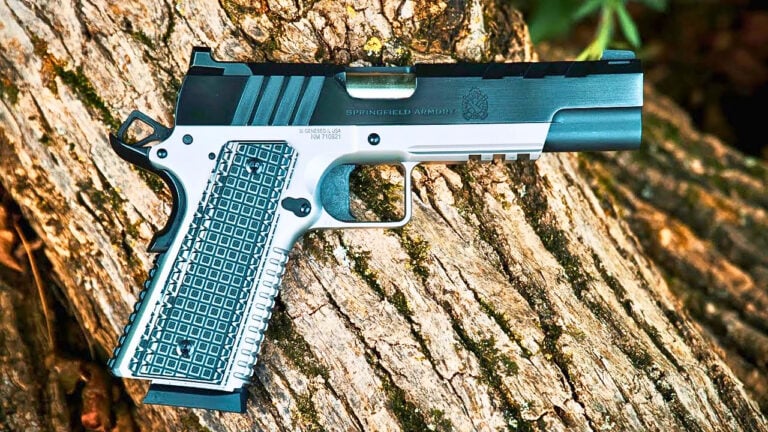
Springfield Armory XD-S Mod.2
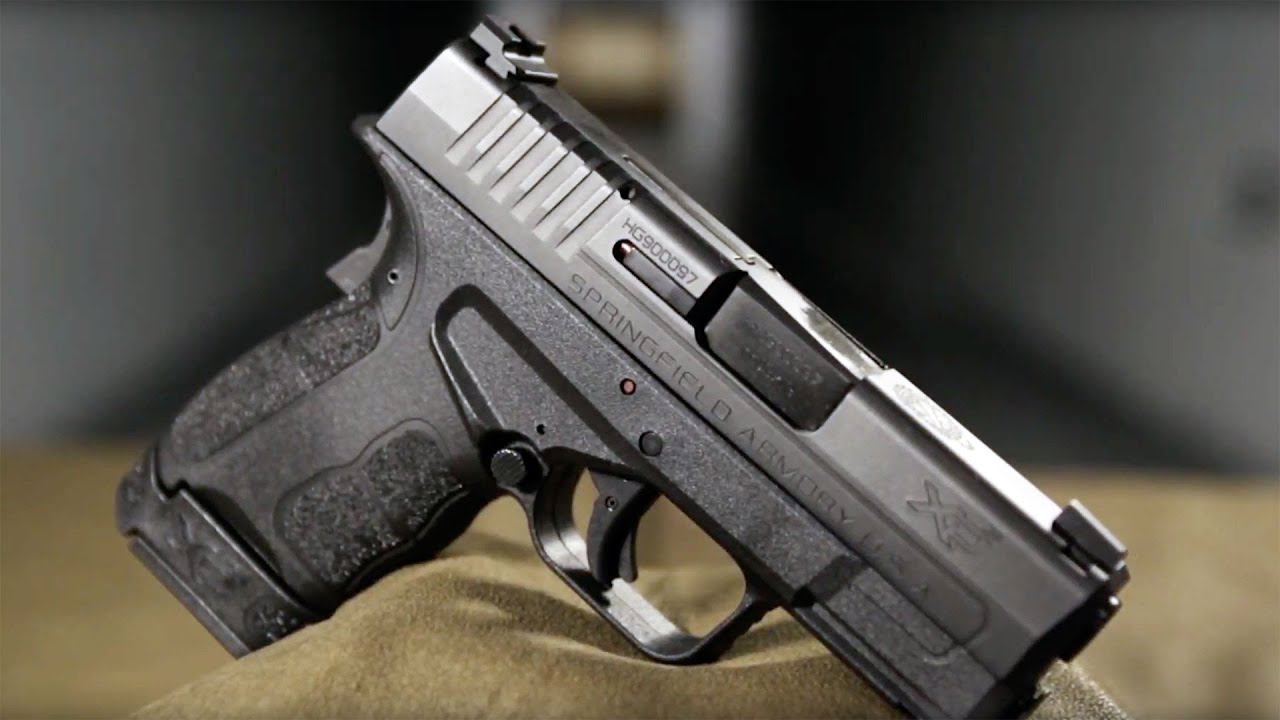
The Springfield XD-S Mod.2 can make remorse appear early for buyers who realize they chose the older single-stack idea after the market moved on. It still has appeal as a slim carry pistol, and some shooters like the grip safety and familiar XD-style handling. But the moment a buyer compares it to newer higher-capacity micro-compacts, doubts can creep in.
The gun is not useless, and it can still carry well. The issue is value and timing. If someone bought it expecting modern capacity and shootability in a tiny package, they may feel like they accepted older tradeoffs. The grip safety also remains polarizing. Some buyers won’t care. Others may get home, handle it more, and wonder why they didn’t choose a Shield Plus, P365, Hellcat Pro, or similar pistol instead.
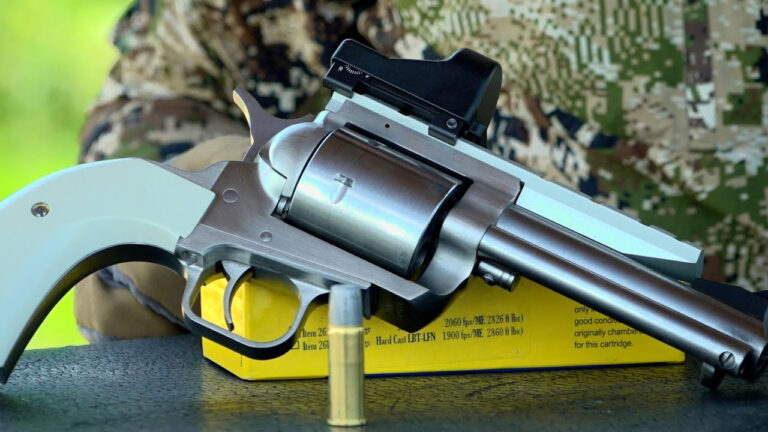
Magnum Research BFR
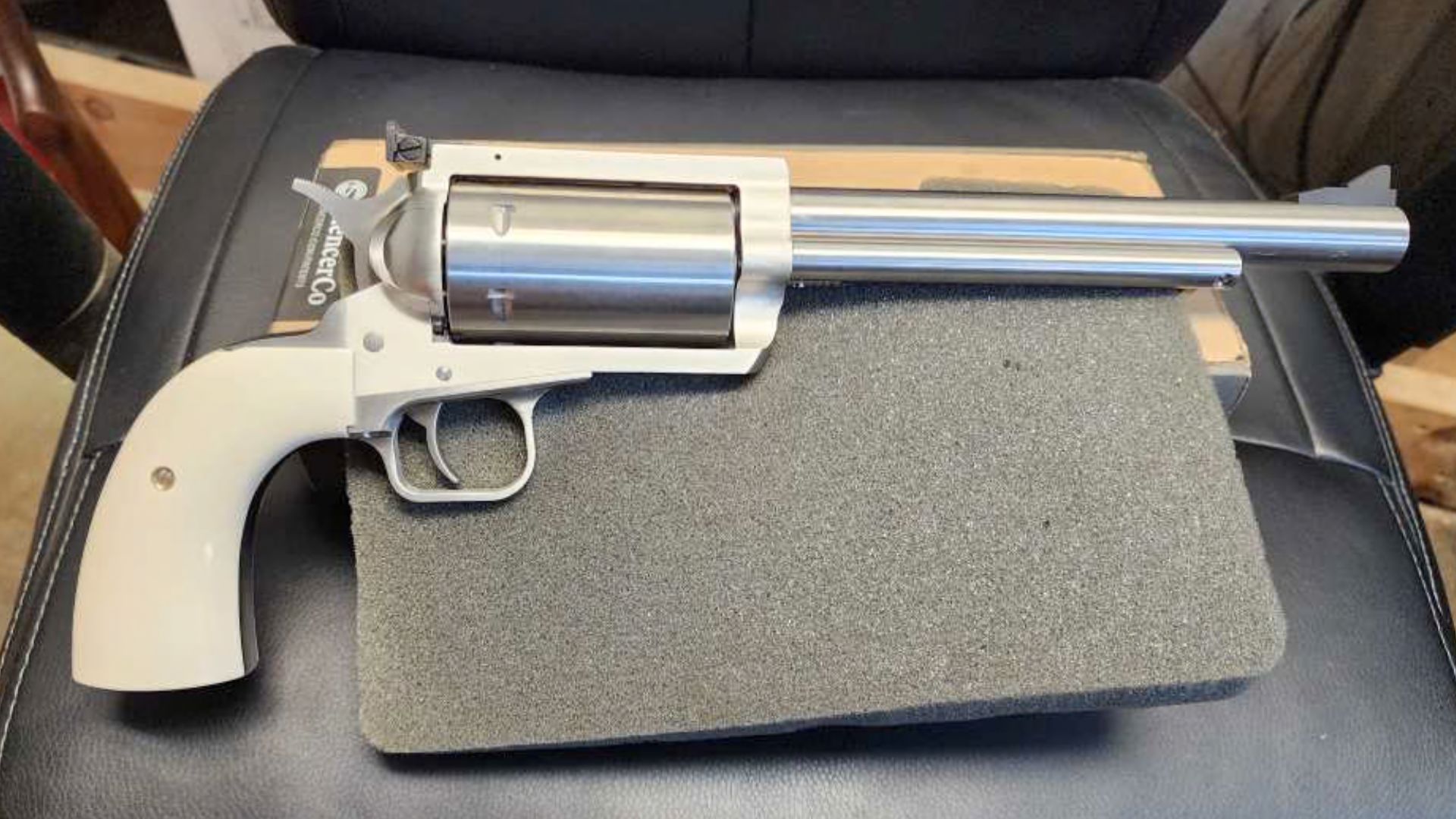
The Magnum Research BFR is a handgun that can create instant “what have I done?” energy. It is huge, powerful, and impressive in the most literal sense. For buyers drawn to massive revolvers and big cartridges, it can feel like the ultimate statement piece.
Then reality arrives. The gun is heavy, ammunition can be expensive, recoil can be serious depending on chambering, and practical uses are limited for most owners. It may be excellent for handgun hunting or serious big-bore enthusiasts, but it is not a casual range revolver. A buyer who wanted something fun may quickly realize they bought something demanding. The BFR is not the problem. The problem is buying it without being honest about how often it will actually get used.
KelTec P-3AT
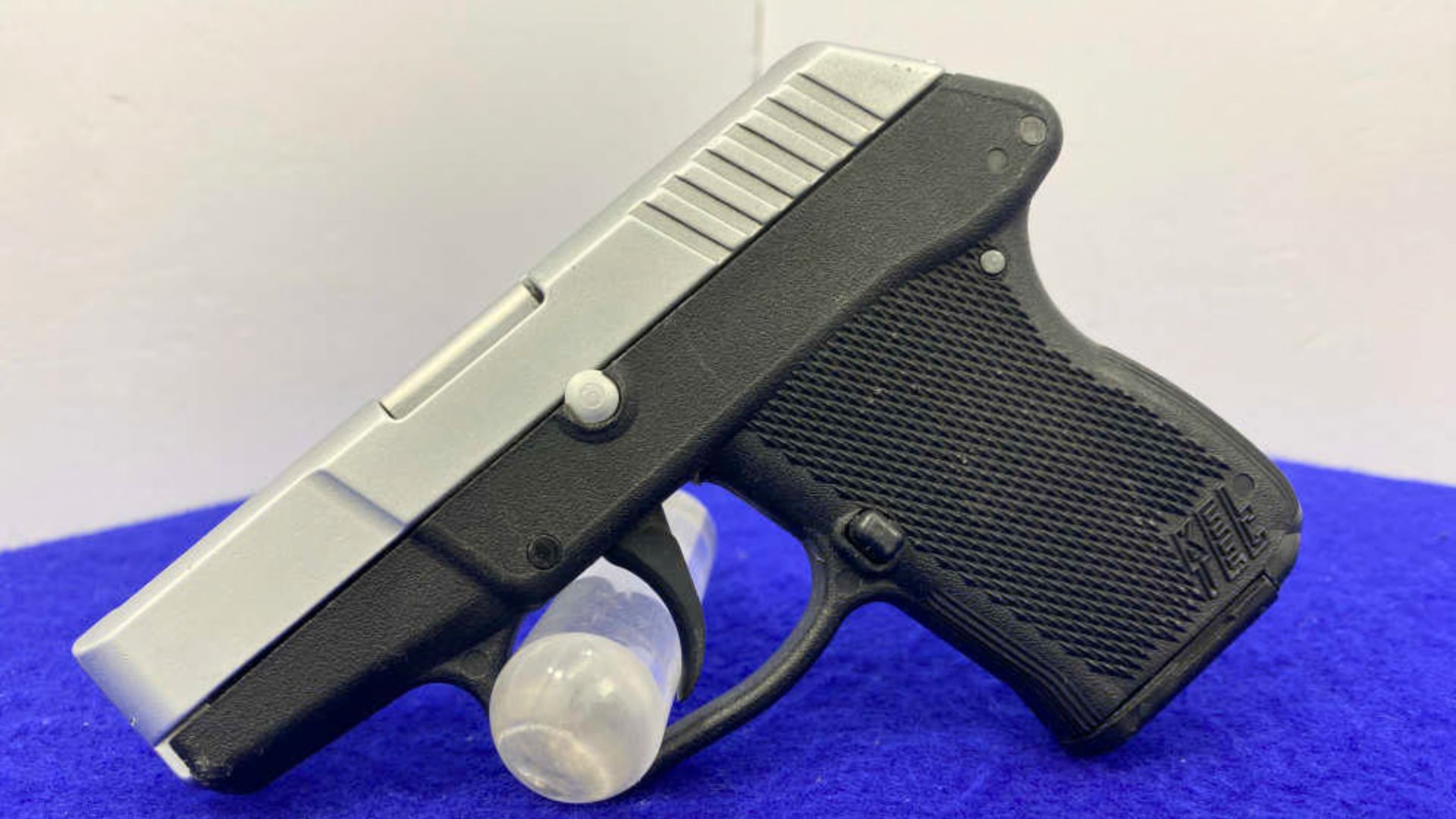
The KelTec P-3AT can make remorse hit early because it is so clearly built around minimum size and weight. That sounds great at the counter. A tiny .380 that disappears into a pocket is easy to justify, especially for someone who wants a carry gun that won’t be left at home.
But once the owner handles it carefully, the compromises show. The sights are minimal, the grip is tiny, and the trigger and recoil are not exactly confidence-building for many shooters. It fills a deep-concealment role, but it is not the pistol most people will enjoy practicing with. The buyer may quickly realize that a gun that is easy to carry is only half the equation. It also has to be something they can shoot well enough to trust.
Remington R51
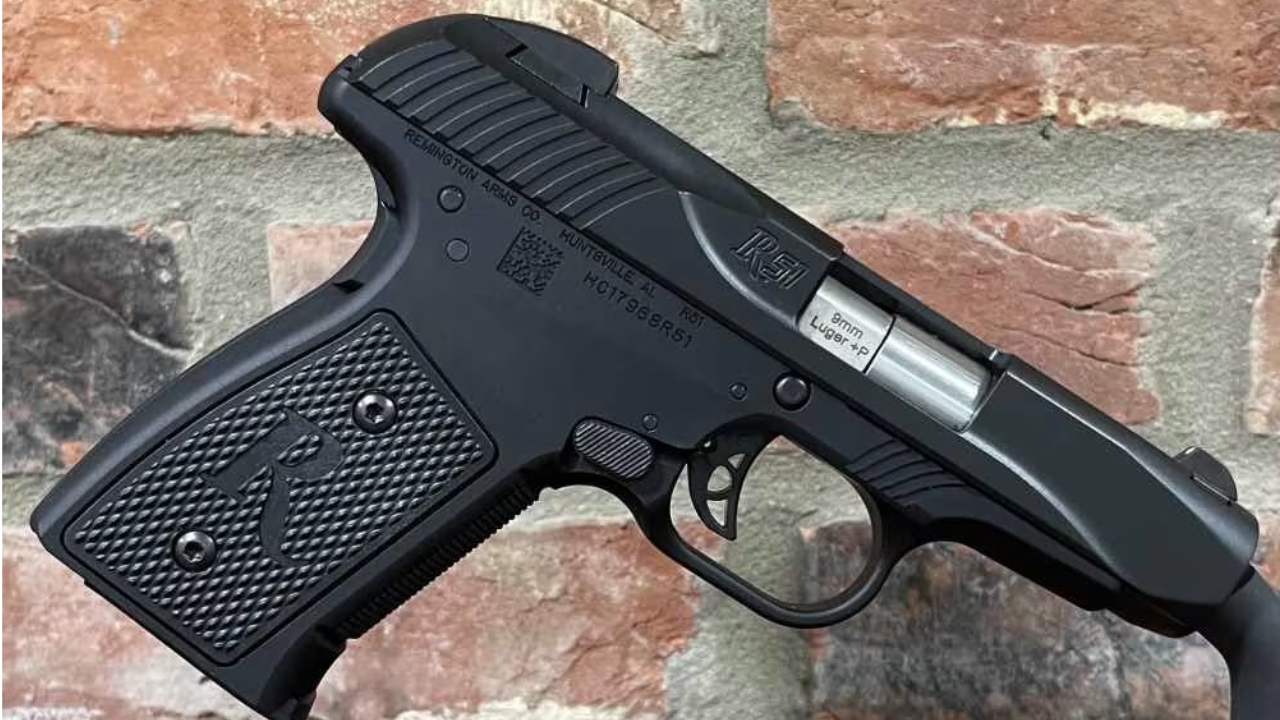
The Remington R51 made many buyers nervous quickly because the concept was interesting but the reputation became hard to ignore. Its shape, low bore axis, and unusual operating system gave it real curiosity appeal. A compact 9mm that promised soft recoil and sleek carry sounded like it could be special.
Then reports of reliability and quality issues damaged confidence badly, especially around early production. Even before a new owner fired one, reading owner experiences or handling the gun more closely could plant doubt. A defensive handgun requires trust, and once trust starts cracking, remorse follows. The R51 may be fascinating mechanically, but fascinating is not enough when the buyer needs confidence.
Walther CCP

The Walther CCP can create buyer’s remorse before range day because its promise is so appealing but its tradeoffs become clearer with ownership. It was designed to be softer-shooting and easier to rack, which sounds excellent for newer shooters, recoil-sensitive shooters, or anyone wanting a friendlier carry pistol.
Then the owner learns more about the gas-delayed system, takedown process on earlier versions, heat concerns during longer shooting, and the fact that it doesn’t feel like a typical simple striker-fired pistol. Some shooters like it, and the softer recoil can be real. But others may wonder if they bought complexity when they wanted simplicity. A carry pistol that requires too much explaining can make a buyer uneasy fast.
Honor Guard 9mm
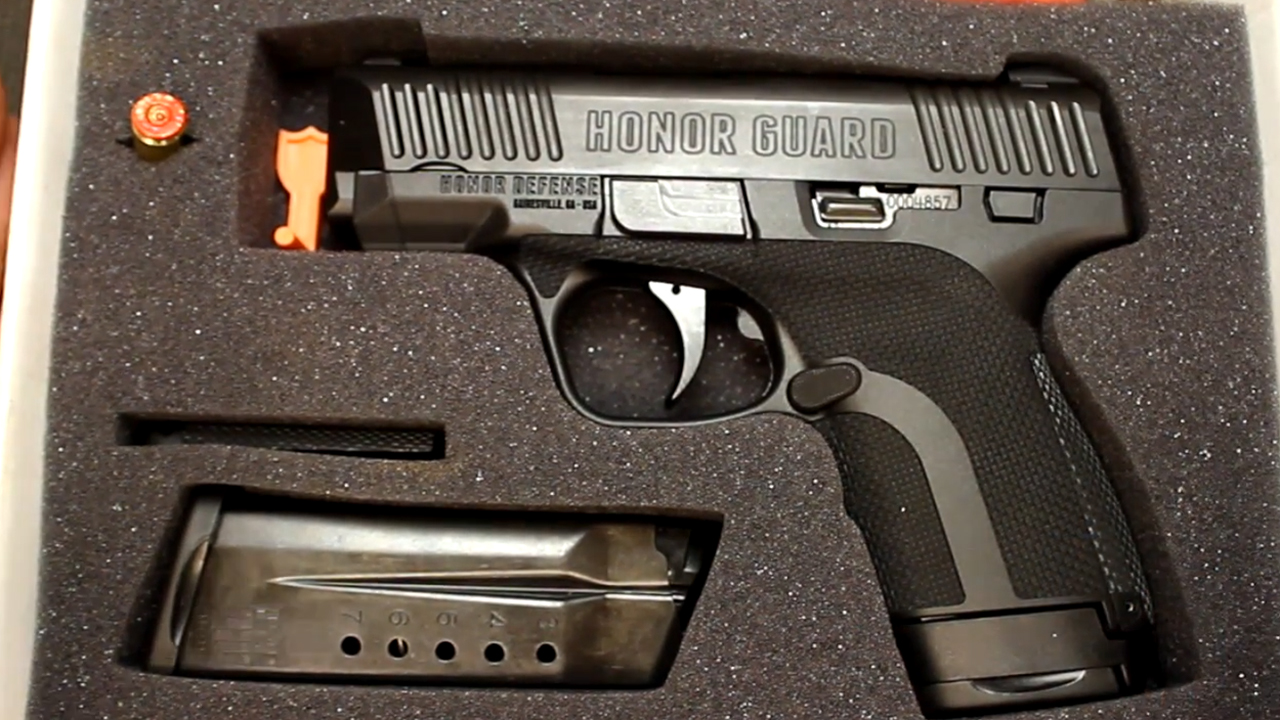
The Honor Guard 9mm had the kind of patriotic branding and compact carry promise that could pull buyers in quickly. It looked like a serious American-made concealed-carry pistol and entered the market during a time when single-stack 9mms were still very relevant.
The regret came from uncertainty. The brand never achieved the broad trust, parts support, or long-term market presence that buyers want from a defensive handgun. Once an owner starts thinking about magazines, holsters, service, and resale, the pistol can feel like a risky choice before a single round is fired. It may have appealed as an alternative to bigger names, but defensive guns need support. Without that, buyer’s remorse can show up early.
North American Arms Mini Revolver

The North American Arms Mini Revolver is charming enough to sell itself. It is tiny, beautifully mechanical, and almost impossible not to pick up when someone sees one in a case. As a novelty or ultra-small backup concept, it has a lot of appeal.
Then the owner starts thinking about actually using it. The grip is minuscule, the sights are extremely limited, loading is slow, and accurate shooting under stress would be difficult for most people. It can fill very specific roles and some owners love them for what they are. But anyone who bought one thinking it would behave like a normal defensive revolver may regret it quickly. The mini revolver is fascinating. Fascinating and practical are not always the same thing.
AMT Backup
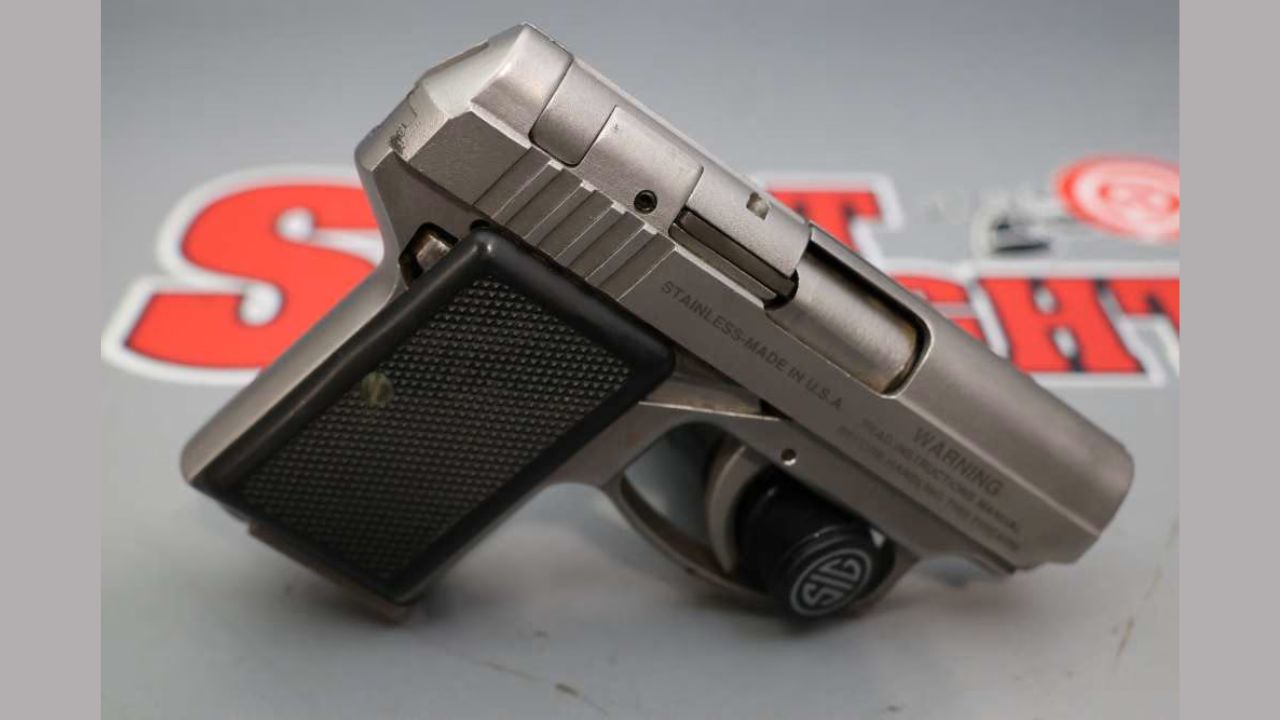
The AMT Backup can cause buyer’s remorse early because old stainless pocket pistols often look sturdier than they feel in use. A used one may seem like a cool, solid, affordable carry option with more personality than modern polymer guns. That appeal is real.
Then the buyer starts considering the trigger, recoil, magazine availability, parts support, and reliability testing needed before trusting it. Older pocket pistols can be rough, and some Backup models developed mixed reputations. If the gun is bought as a curiosity, that may be fine. If it’s bought as a serious carry pistol, the doubts can arrive quickly. A cheap used price does not always make an old design a good defensive choice.
Like The Avid Outdoorsman’s content? Subscribe to our newsletter so you never miss an article.
Here’s more from us: