
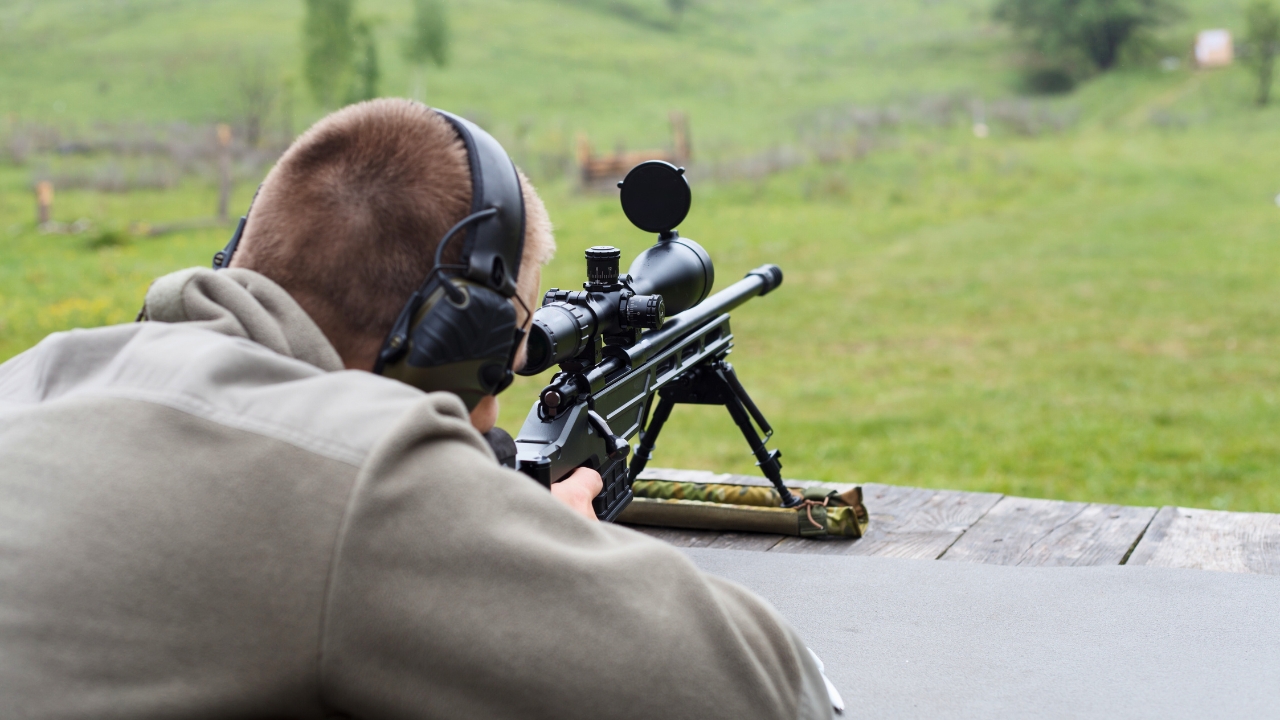
Photo credit: Sarakhan Vadym/Shutterstock.com
Zeroing doesn’t have to eat through a box of your good stuff. The key is having a plan before you touch the trigger. Whether you’re sighting in a red dot or dialing in a scope, a few smart adjustments can cut your round count in half. This isn’t about shortcuts—it’s about working smarter and keeping more ammo for practice or hunting. Here are seven tips that’ll help you zero faster, tighter, and with less frustration (and fewer spent casings).
Start Close—Like 10 to 25 Yards

Don’t start at 100 yards. Begin at 10 or 25 to get on paper. It’s easier to see where your shots are landing and make quick adjustments. Once you’re close to center at that range, then back up. This saves time, saves ammo, and prevents wasted shots while you hunt for impacts. It’s especially helpful with a new optic or rifle.
Use a Solid Rest or Sled

A wobbly rest adds variables you don’t want when zeroing. A good benchrest or lead sled keeps the rifle steady and removes human error from the equation. The more consistent your shooting position, the faster you’ll zero. If you’re chasing shots all over the paper, odds are your setup’s moving more than your optic.
Fire Three-Round Groups

Single shots don’t tell the whole story. Shoot three-round groups so you can see a pattern and adjust based on average impact. A flyer can throw you off if you’re only firing once per adjustment. Three gives you a solid read without burning through a whole mag. Trust the group, not the individual shot.
Measure Your Adjustment Clicks
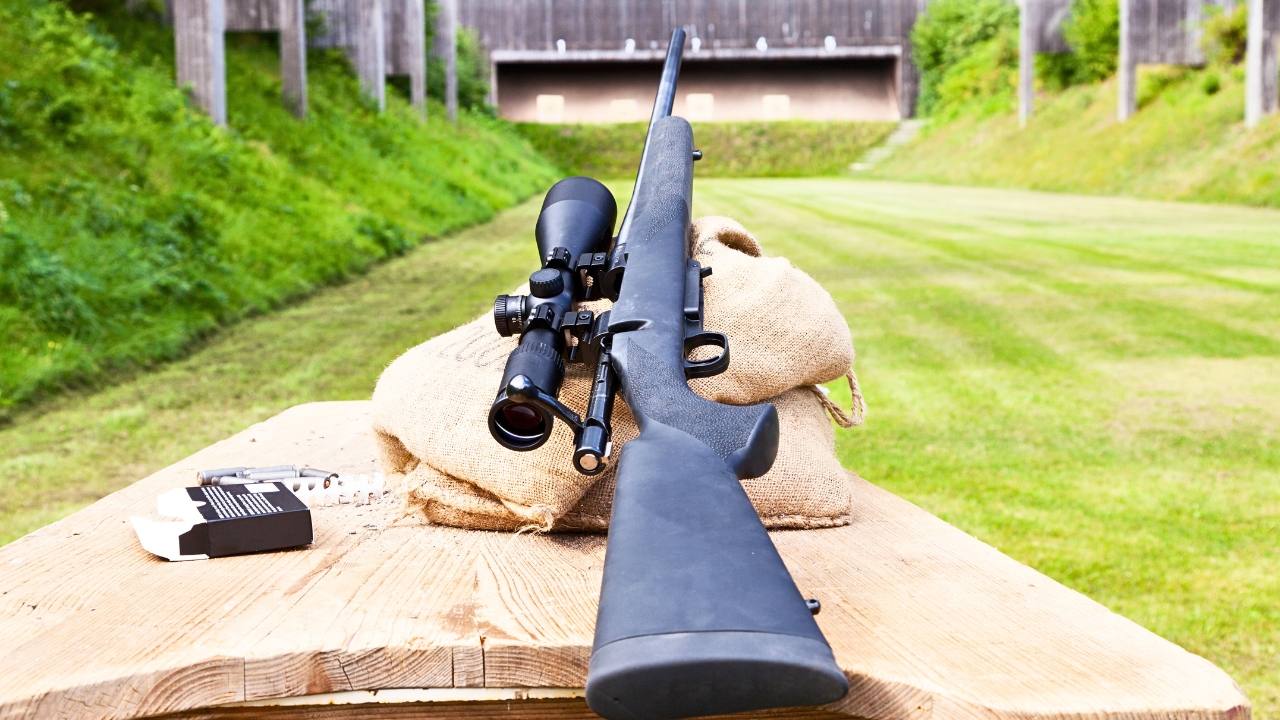
Know what each click on your optic moves at your zeroing distance. If it’s 1/4 MOA per click, that’s 1/4″ at 100 yards—but more at 25. Do the math or use a cheat sheet so you’re not guessing. When you know how far each click moves the reticle, you’ll make smarter corrections and fewer of them.
Let the Barrel Cool

Zeroing a hot barrel can shift your point of impact. If you’re chasing groups during a rapid-fire session, you might be chasing heat drift instead of bad zero. Give your barrel a breather between groups. Not only will it keep things more consistent, but your zero will hold better when you’re actually shooting cold.
Use Quality Ammo

If you’re zeroing with bottom-shelf ammo, don’t be surprised if your zero wanders. Use the same type of ammo you plan to shoot most—especially if it’s for defense or hunting. Consistency is key. Even different bullet weights or manufacturers can throw you off. Use the good stuff when zeroing to save yourself the headache later.
Use a Shoot-N-See Target

This might sound small, but using a high-contrast or splatter target makes a huge difference. You can spot hits easier without walking downrange or pulling out optics between every shot. That means fewer interruptions, quicker corrections, and way less ammo wasted while trying to figure out where your rounds went.
*This article was developed with AI-powered tools and has been carefully reviewed by our editors.


