Photo credit: somsak suwanput/Shutterstock.com
Serious shooters don’t abandon a pistol because the internet got bored. They move on when the gun stops making sense for the way they train now. The bar has changed. Optics are common. People shoot faster. They track parts wear. They care about consistent triggers, predictable recoil, and magazines that don’t turn into a troubleshooting hobby. A pistol can still be “good” and still get left behind if it’s harder to shoot well, harder to support, or harder to keep consistent than the newer options.
A lot of the guns below were once everywhere—on duty belts, in nightstands, or at every local match. Some are still solid in the right hands. But when you watch what serious shooters actually buy, carry, and train with today, you see patterns. They’re chasing simplicity, support, and performance under real round counts, not nostalgia.
Springfield XD

The XD was once a default choice for new buyers because it felt comfortable, priced well, and seemed dependable. The problem is it hasn’t kept pace with what serious shooters want now. The trigger feel is rarely anyone’s favorite, the bore axis can feel higher than newer designs, and the platform isn’t the easiest to modernize if you’re building a serious optics-ready setup.
It’s not that XDs can’t run. Plenty do. It’s that when you compare the aftermarket support, parts availability, and overall shootability to current top-tier striker guns, the XD starts feeling like extra work. Serious shooters tend to pick platforms that are easier to keep consistent across thousands of rounds. The XD ends up getting left behind because there are simpler, better-supported choices.
Glock 43 (and the early single-stack era)

The Glock 43 was a huge deal when “thin and reliable” meant a single-stack 9mm you could actually carry. Then the micro-compact world changed. Today, you can get similar size with more capacity and often better ergonomics. Serious shooters train hard, and they notice fast when a tiny gun is harder to shoot well than it needs to be.
The 43 still carries fine, but it can feel snappy and less forgiving during high-speed drills. When your practice includes real cadence, one-handed shooting, and fast follow-ups, you start valuing guns that give you more grip and more rounds without growing much. The 43 gets abandoned not because it’s bad, but because it’s been outclassed in the exact category it once owned.
Glock 40 (long-slide 10mm for “everything”)
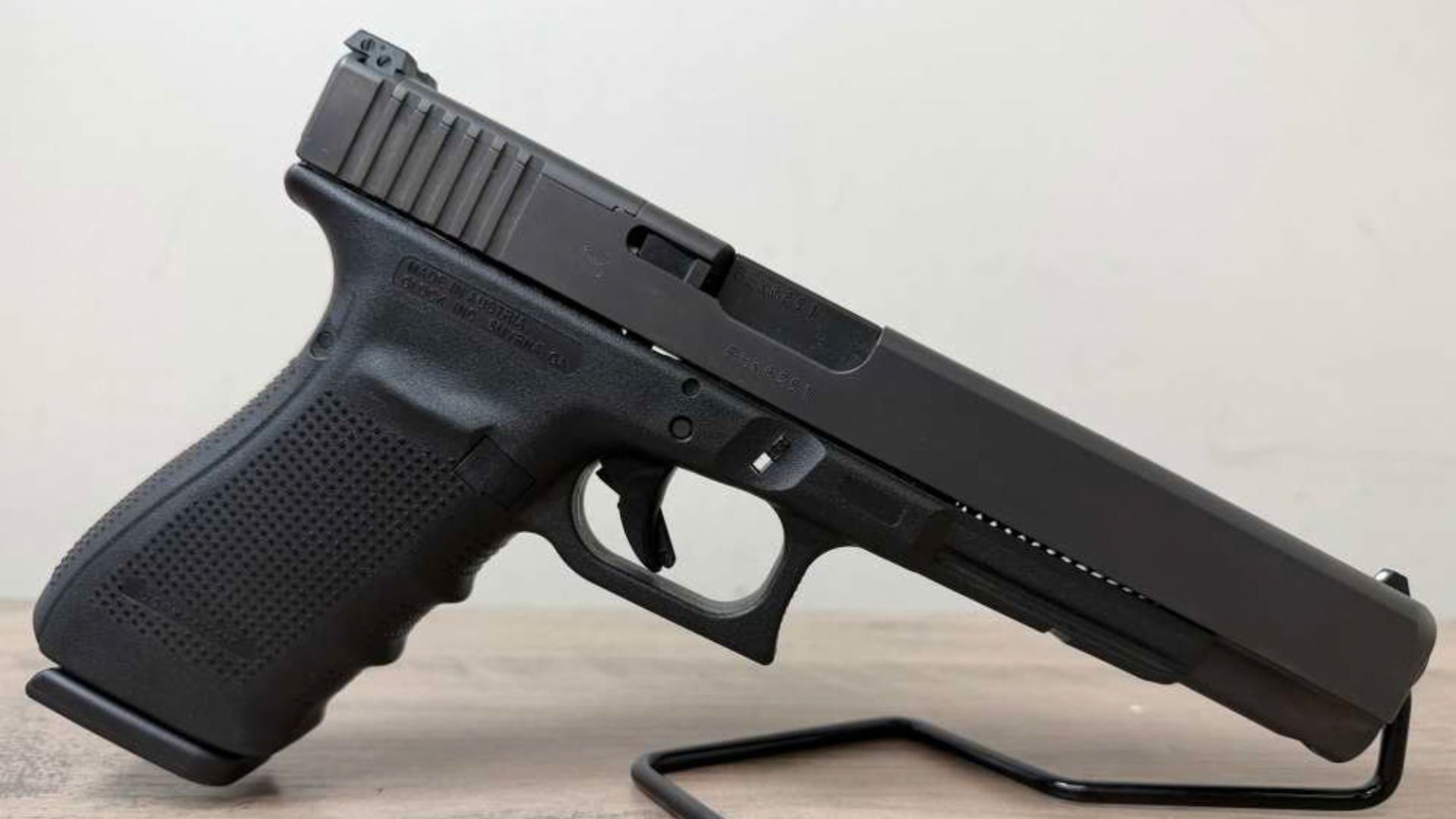
The Glock 40 built a reputation as the do-it-all 10mm: hunting, woods defense, and even range work. Serious shooters often leave it behind because it’s large, specialized, and easy to overestimate. A long-slide 10mm is impressive on paper, but it’s not always the most practical tool for the jobs people claim they bought it for.
It’s also a lot of gun to train with hard. Full-power 10mm ammo is expensive, recoil is real, and many shooters end up practicing with lighter loads that don’t match what they plan to carry. When your training is honest, you start choosing pistols you can actually run regularly, not ones that feel like a special occasion. The Glock 40 still has a place, but it’s getting pushed out of “serious” roles by more realistic choices.
1911 in 9mm (budget builds)

A good 1911 can be an excellent shooter. The problem is the market is flooded with budget 9mm 1911s that don’t hold up under real round counts without attention. Serious shooters get tired of chasing magazines, extractor tension, and finicky behavior that comes from stacking tight tolerances and variable parts quality. When you train hard, “mostly reliable” stops being acceptable.
A 9mm 1911 can also create a mismatch in expectations. People expect soft recoil and easy speed, but the gun still demands maintenance and correct setup. The serious crowd tends to choose pistols that keep running with less babysitting—especially if they’re shooting thousands of rounds a year. The 9mm 1911 isn’t dead, but a lot of shooters are leaving the budget versions behind after the honeymoon.
SIG Sauer P320 (trust and consistency concerns)

The P320 became wildly popular because it was modular, modern, and widely adopted. Serious shooters have started moving away in some circles because trust is hard to rebuild once doubts take root. A pistol can be accurate and shootable, but if a shooter is uneasy about the platform, they’re going to choose something else for duty, carry, or serious training.
There’s also the reality of ecosystem choices. Many shooters pick a platform that feels boringly predictable with their preferred trigger setup, optic mounting, and maintenance routine. The P320 can be a good shooter, but the market now offers several striker guns that feel easier to standardize across a team or a training group. When confidence wobbles, serious shooters often vote with their holsters.
Beretta APX (lost in the crowd)
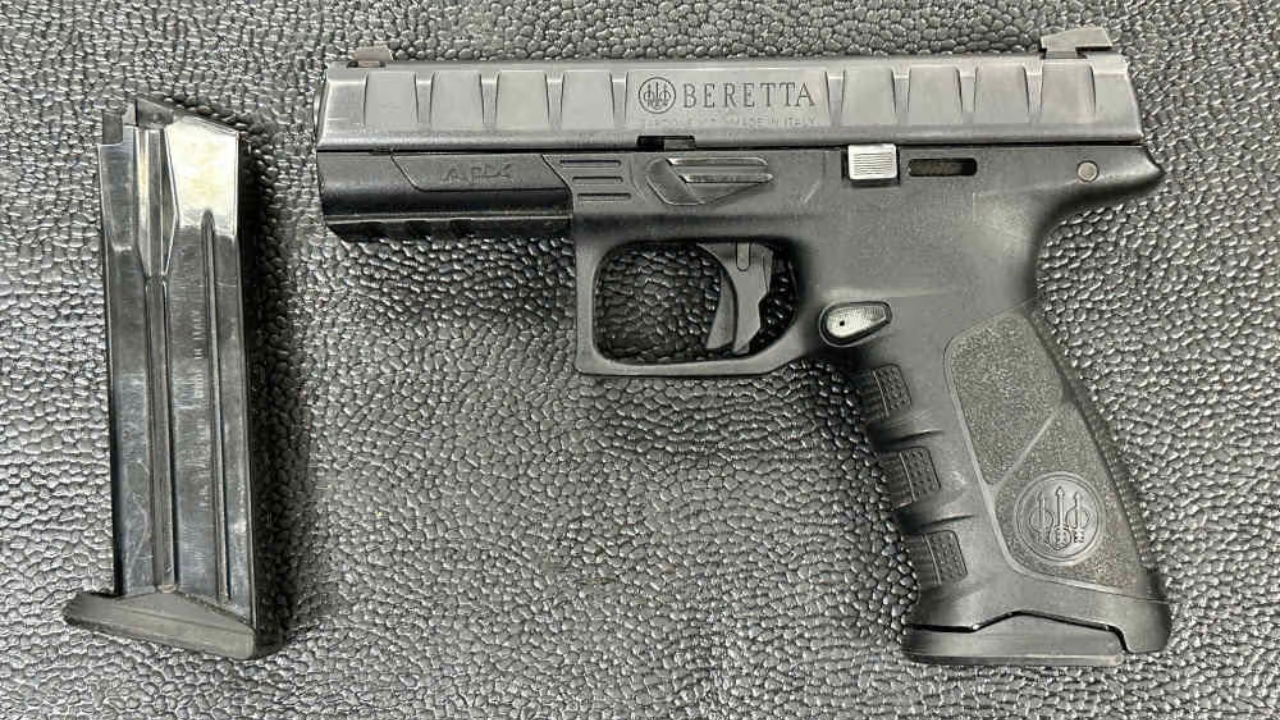
The APX is a solid pistol that never truly became “the” pick in the striker world. Serious shooters tend to consolidate around platforms with deep aftermarket support, lots of duty use, and readily available parts and holsters. The APX often loses that fight because it’s competing against huge ecosystems that make setup and long-term support easier.
It’s not an indictment of the gun’s reliability. It’s a reality of the market. If you’re shooting classes, traveling, swapping optics plates, or trying different holsters, you want a platform that’s effortless to support. The APX can feel like a dead end in that sense. Serious shooters abandon it because they’d rather invest time and money into a pistol family that’s everywhere.
Springfield XDS (.45 and 9mm)

The XDS had a moment because it was thin, concealable, and felt like a serious carry gun when options were limited. Serious shooters are leaving it behind because the category evolved. Newer micro-compacts are easier to shoot well, hold more rounds, and often have better triggers and better recoil control, all while staying similarly easy to carry.
The XDS also tends to be less forgiving when you’re shooting fast. Small guns expose grip issues and punish inconsistent technique. Serious shooters train enough to notice that immediately, and they start selecting pistols that reduce the workload. You can still carry an XDS and do fine, but if you’re trying to shoot high-speed drills cleanly, there are newer options that make the job easier with fewer compromises.
Ruger LCP (and tiny .380s as “primary” guns)

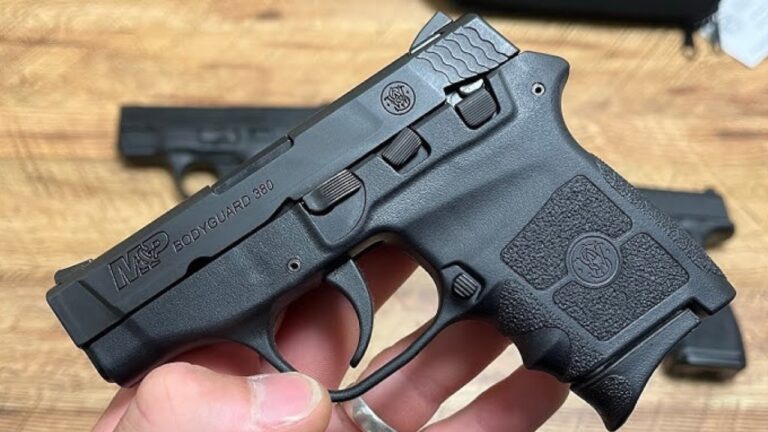
Tiny .380s like the LCP were once the answer for deep concealment. Serious shooters still respect the role, but many abandon them as a primary because they’re hard to shoot well under pressure. Short sight radius, small grip, snappy recoil, and minimal controls make training feel like work—and that leads to less practice.
What changed is that people now have micro 9mms that carry nearly as easily while shooting better and offering more capacity. Serious shooters tend to choose the gun they’ll actually train with regularly. A tiny .380 can still be a great “always” gun when nothing else works, but it’s getting pushed into backup or niche use. When the goal is performance under stress, shooters pick the platform that gives them the best chance.
Beretta 92FS (as a duty/training choice)

The 92FS is a classic, and it’s still very shootable. But serious shooters abandon it as a primary training or duty pistol because it’s large, parts support is more specialized, and the DA/SA learning curve is real if you’re trying to shoot at modern pace. The grip can also be a deal-breaker for smaller hands, which limits adoption.
Optics also changed the game. The 92 can be modernized, but it’s not as effortless as current striker platforms that were built around optics mounting and modularity. None of that makes the 92 “bad.” It makes it less efficient for the way many shooters train now. If you’re trying to standardize gear, keep things simple, and run an optic easily, many shooters move to platforms that require fewer workarounds.
SIG Sauer P229 (.40 and older duty setups)

The P229 was once a serious-duty default, especially in .40. Serious shooters are abandoning it because the industry moved away from .40 for many roles, and the gun is heavier and thicker than what most people want to carry now. It’s still a quality pistol, but “quality” doesn’t always mean “current best choice.”
DA/SA also takes real practice to master, and a lot of shooters prefer consistent striker triggers when they’re training for speed and repeatability. The P229’s strength is durability and confidence, but the cost is weight and complexity. In a world where lighter, higher-capacity 9mms shoot softer and mount optics easily, many serious shooters decide the P229 is a great gun—just not the one they want to build their whole training life around anymore.
XD-M (older generations)

The XD-M series had a reputation for being accurate and comfortable, and plenty of shooters liked them. The problem is that the platform didn’t become the center of the modern striker ecosystem the way other lines did. Serious shooters lean toward pistols with endless support: holsters, magazines, spare parts, optics solutions, and proven track records in hard training circles.
Older XD-M generations also tend to feel dated in trigger behavior and recoil characteristics compared to newer designs. When you’re doing fast splits and demanding transitions, small differences add up. You can still shoot an XD-M well, but you may feel like you’re working harder for the same results. Serious shooters abandon it because there are platforms that feel easier to run well and easier to keep supported long-term.
Walther PPQ (as optics became normal)
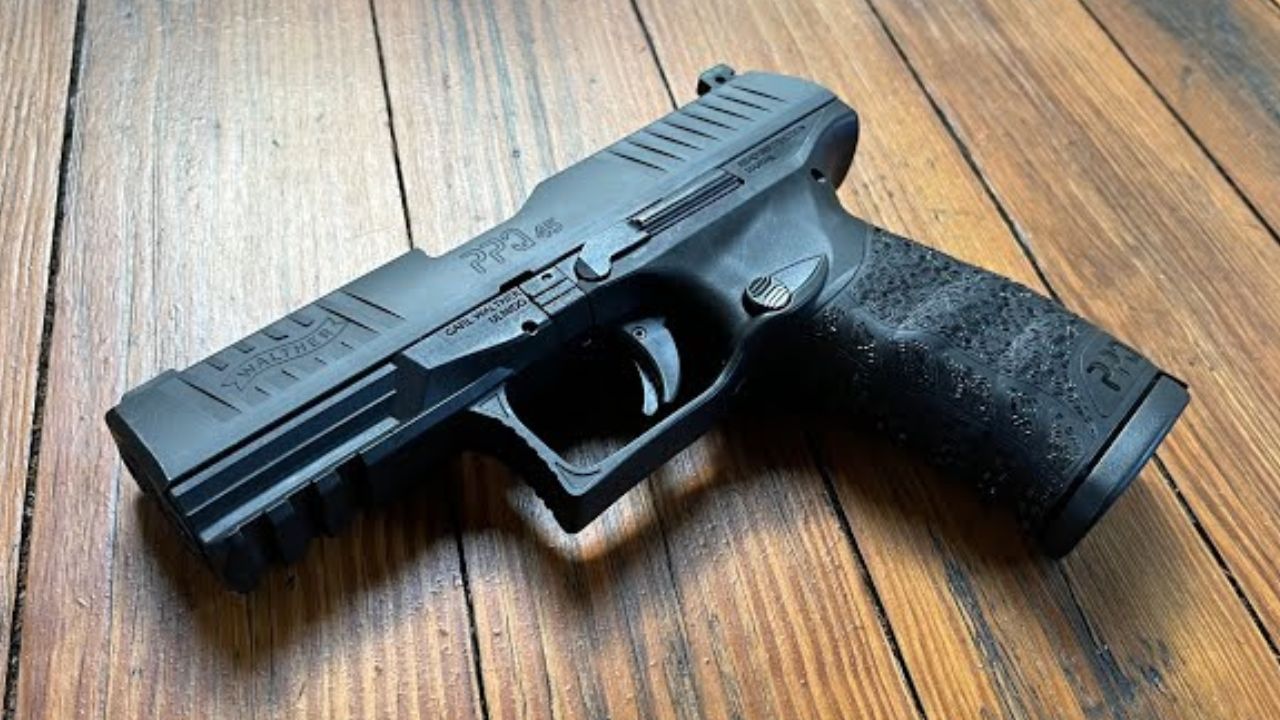
The PPQ was beloved for its trigger and ergonomics, and for a while it felt like the “smart choice” striker gun. Serious shooters have drifted away largely because optics-ready options became standard, and the PPQ’s ecosystem didn’t keep up the way newer models and competitors did. When you build a serious pistol setup today, optic mounting matters.
The PPQ also sits in an odd spot where it’s still a great shooter, but many buyers now choose newer pistols that do the same thing while being easier to modernize. Serious shooters tend to simplify their lives: one platform, one optic pattern, one parts pipeline. If a pistol doesn’t fit that streamlined approach, it gets left behind—even if it shoots beautifully.
Kimber Micro 9 (small 1911-style carry guns)

Small 1911-style carry pistols were popular because they felt familiar and looked good in a case. Serious shooters abandon them because tiny 1911s can be less forgiving and more maintenance-sensitive than people expect. Short slide travel, compact springs, and magazine sensitivity can turn into reliability headaches if you’re not careful.
They also tend to shoot harder than people assume. Small guns are always harder to control, and a crisp trigger doesn’t fix physics. When shooters start training seriously, they want a carry gun that runs with less babysitting and gives them a better chance at speed and consistency. The Micro 9 can work, but it often ends up as a “liked it at first” gun that gets replaced once the owner compares it to modern micro 9mms built for hard use.
Taurus Judge (as a serious defensive choice)
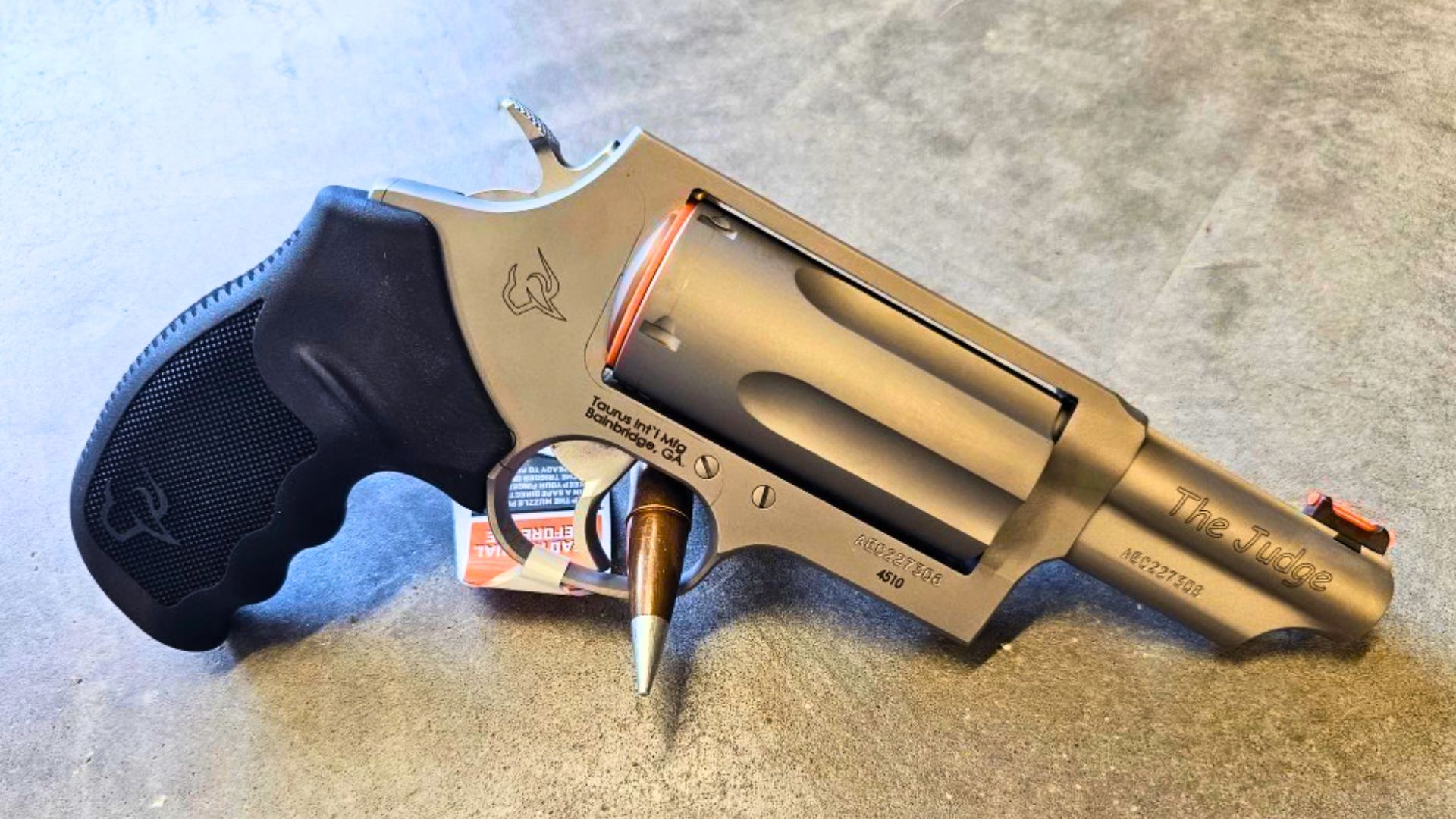
The Judge was wildly popular because it promised a lot in one package. Serious shooters abandon it because the real-world performance is often underwhelming compared to the marketing. It’s bulky, the trigger can be heavy, and the defensive use case is complicated by limited capacity and practical accuracy concerns at realistic distances.
For field use, a traditional revolver in a proven caliber often makes more sense, and for defense, modern semi-autos and standard revolvers offer clearer advantages. The Judge still has fans, especially as a niche tool, but serious shooters tend to choose platforms with better shootability and more predictable results. Once you train hard and test honestly, the Judge often stops looking like the clever answer it once seemed to be.
S&W SD9VE (and other “budget duty look” pistols)

Budget pistols that look like duty guns sell well, but serious shooters often abandon them because the triggers and overall refinement can slow progress. The SD9VE can run, but the trigger feel can make it harder to shoot tight groups and harder to learn clean presses at speed. When you’re training hard, you notice when your gun is fighting you.
Serious shooters don’t mind spending money where it matters, because they’re buying reps, not vibes. A better trigger and better shootability aren’t luxuries when you’re shooting thousands of rounds a year. If you’re casual, you might never care. If you’re serious, you’ll eventually migrate to a platform that makes your practice more productive. That’s why guns like this get left behind even if they’re reliable enough for light use.
.40 S&W duty pistols in general (Glock 22 class)

A lot of pistols got abandoned not because the gun changed, but because the world changed around them. The Glock 22 and similar .40 duty guns were once everywhere, and they’re still reliable. Serious shooters move away because modern 9mm performance is strong, recoil is easier to manage, and training costs less. When you’re shooting high volume, recoil and cost shape everything.
A .40 pistol can still be a solid tool, but it’s harder to run fast and clean for many shooters, especially in compact frames. The serious crowd often chooses the gun that helps them shoot better with less wear and tear. That usually means a good 9mm platform with wide support, easy optics options, and cheap training ammo. The .40 era isn’t “bad,” but it’s fading for practical reasons.
Like The Avid Outdoorsman’s content? Subscribe to our newsletter so you never miss an article.
Here’s more from us: