Photo credit: Pauline Perkins/YouTube
Most collectible guns are obvious in hindsight. Limited-production Colts, early Winchesters, and rare military firearms were always going to attract attention eventually.
The surprises are the guns nobody bothered preserving because they seemed too ordinary, too cheap, too recent, or too weird to matter. Those are the ones that quietly vanish into safes while everyone is still treating them like shooters. By the time the market notices, the clean examples are already gone. These 20 firearms are good examples of guns that became collectible long before most owners realized what was happening.
Ruger Hawkeye .256 Winchester Magnum

The original Ruger Hawkeye was strange from day one. It looked like a single-action revolver until you noticed the rotating breechblock and realized it was actually a single-shot pistol.
For years, that oddness kept it firmly in the curiosity category. Then collectors started recognizing how little else Ruger ever made that looked or operated like it. The unusual .256 Winchester Magnum chambering only added to the appeal. What once seemed like a failed experiment became exactly the kind of short-lived engineering detour collectors love.
Remington XP-100

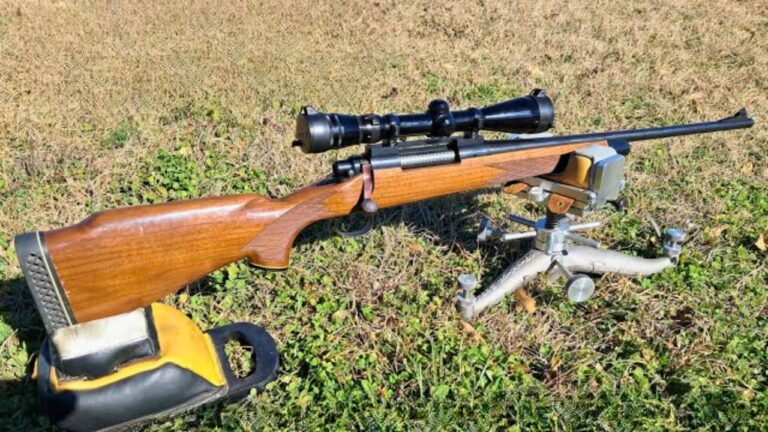
The XP-100 started life as a specialty bolt-action pistol intended for serious long-range handgun shooting.
That niche made it seem too specialized to become broadly collectible. Instead, its futuristic stock, center-grip layout, and strong Remington action gave it a personality almost nothing else shared. Many were modified for competition or rechambered, making original guns increasingly desirable. The pistol that once looked like a strange benchrest tool has become an important piece of Remington history.
Colt Double Eagle Officer’s Model
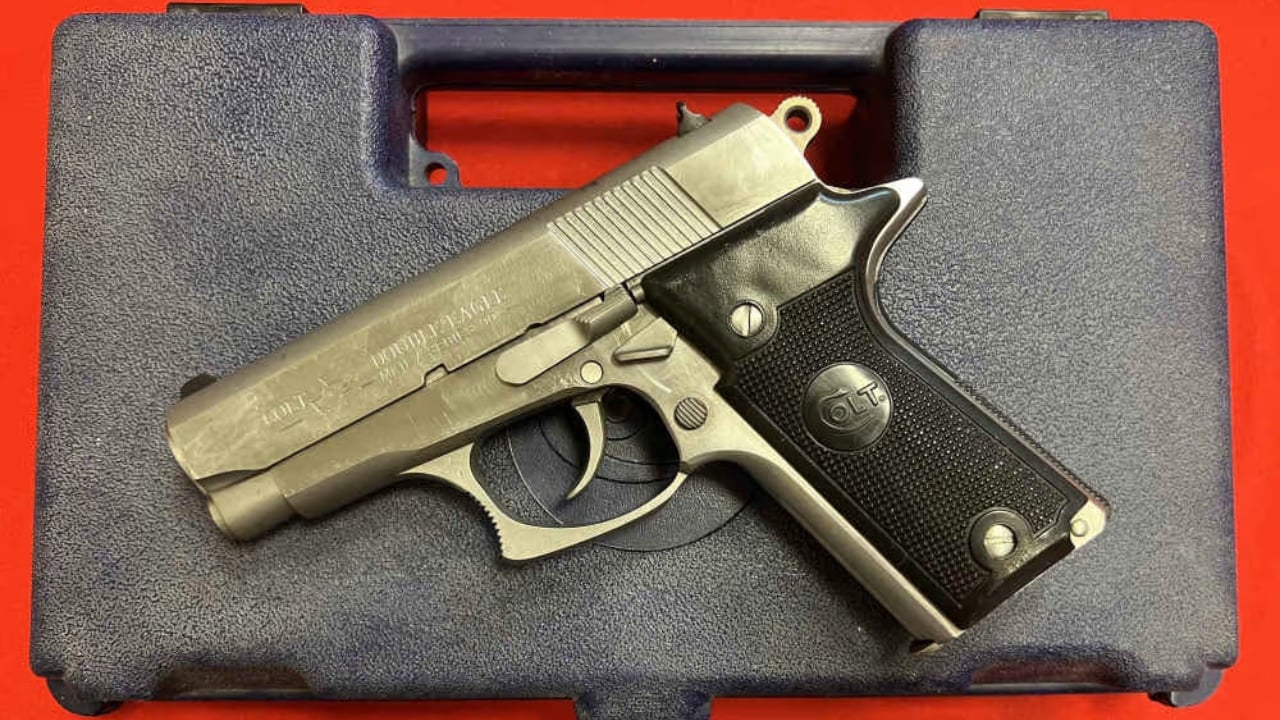
The Double Eagle family was never universally loved, and the compact Officer’s Model version looked especially odd beside Colt’s traditional 1911s.
That lack of enthusiasm is part of what makes it collectible now. Colt did not keep the line around forever, and many shooters ignored it while production was active. Short-run configurations from major manufacturers have a habit of becoming interesting once everyone realizes there are not many left. The compact Double Eagle fits that pattern perfectly.
Detonics CombatMaster

The CombatMaster was once simply an unusually small .45 ACP 1911-style pistol.
Then compact 1911s became an enormous category, making the Detonics look remarkably ahead of its time. Early examples now have appeal because they represent one of the first serious attempts to shrink the Government Model into a genuinely compact defensive gun. The company changed ownership and disappeared more than once, which only increased interest in original production pistols.
AMT AutoMag II

The AutoMag II looked like an oversized stainless rimfire pistol chambered for .22 Magnum, which was enough to make it seem like a novelty for years.
That novelty eventually became the attraction. There are very few semiautomatic handguns with the same appearance, chambering, and 1980s stainless-steel personality. AMT’s inconsistent corporate history also means original examples come from a firearms company that no longer exists in anything resembling its old form. Weird guns age well once nobody makes them anymore.
AMT Hardballer Longslide

The Hardballer Longslide spent years being treated as an inexpensive stainless 1911 with an unusually long slide.
Pop culture, changing attitudes toward early stainless 1911s, and the disappearance of AMT eventually made clean examples much more interesting. Plenty were modified or shot heavily, so finding one that remains close to factory configuration can be difficult. A gun once bought because it was cheaper than a premium 1911 can now attract buyers precisely because it represents such a distinctive period.
Wildey Survivor

The Wildey was never exactly common, but it did spend years living in the shadow of the Desert Eagle as another giant magnum semiautomatic.
Collectors eventually realized how unusual the pistol actually was. The gas-operated system, adjustable gas regulator, enormous proportions, and powerful proprietary chamberings make it one of the most distinctive production handguns ever sold. Limited production and repeated company interruptions only made examples harder to locate. What looked excessive when new now looks irreplaceable.
Grendel P30

The P30 was a high-capacity .22 Magnum pistol long before modern manufacturers rediscovered the idea.
Its polymer construction and unconventional styling made it seem cheap and strange at the time. Those same characteristics make it interesting now. The gun represents an early attempt to combine lightweight construction, substantial capacity, and a high-velocity rimfire cartridge. Grendel disappeared, the design lineage evolved elsewhere, and the original P30 became a snapshot of an idea that arrived decades early.
Calico M950
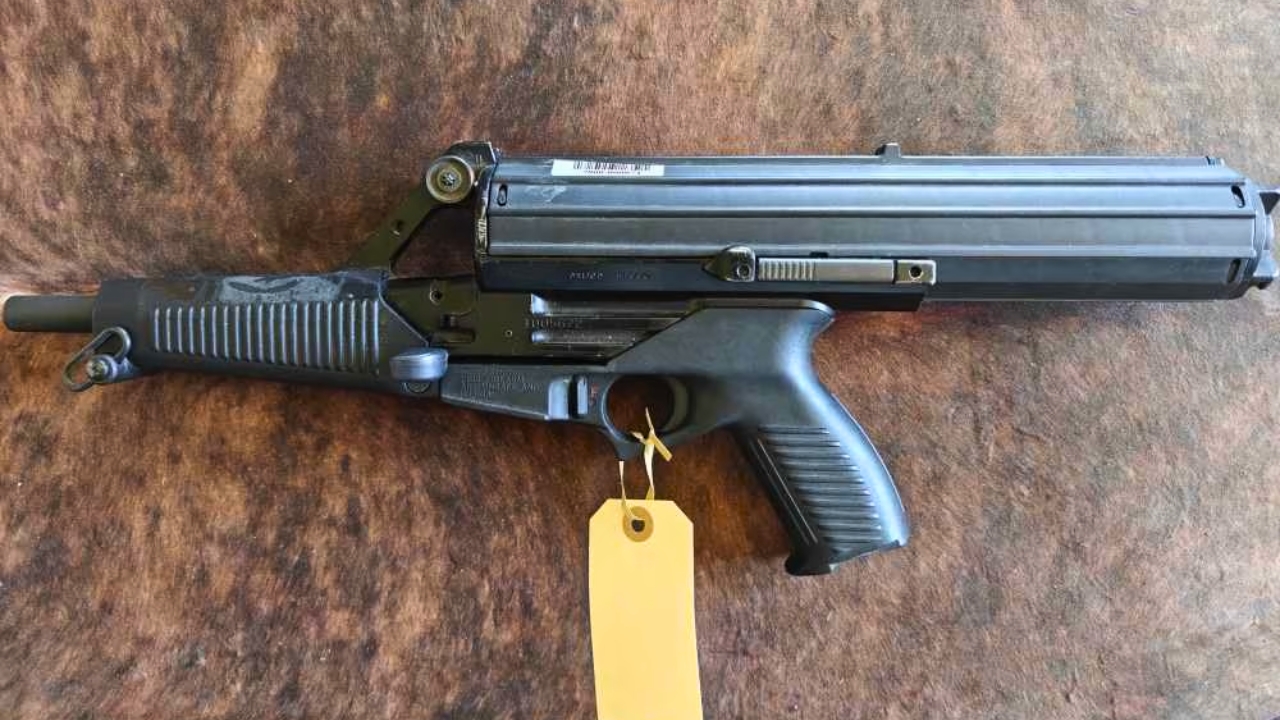
The M950 looked ridiculous enough that many shooters assumed it would always remain a curiosity.
The helical magazine system gave it a capacity and profile unlike almost anything else on the market. That uniqueness matters more now than whether the design ever became mainstream. Firearms that look unmistakably tied to a particular era often become collectible because they cannot be confused with anything current. The M950 is pure late-20th-century firearms experimentation.
Intratec TEC-9

For years, the TEC-9 was cheap enough that nobody treated one like a future collectible. It was crude, simple, and associated more with notoriety than craftsmanship.
That did not stop the supply from becoming finite. Original configurations, early markings, and clean examples gained interest as production ended and many surviving guns were modified or heavily used. Collectibility is not always about quality. Sometimes a firearm becomes collectible because it is culturally recognizable and impossible to separate from a particular era.
Cobray M11/9

The semiautomatic M11/9 family once seemed like inexpensive novelty pistols that would always be around.
Then the companies, markings, configurations, and production periods became their own collecting rabbit hole. Original guns with the correct accessories and factory appearance began separating themselves from the endless modified examples. A firearm that once looked too crude to collect became desirable because it represents a category that the modern market no longer produces in quite the same way.
Whitney Wolverine

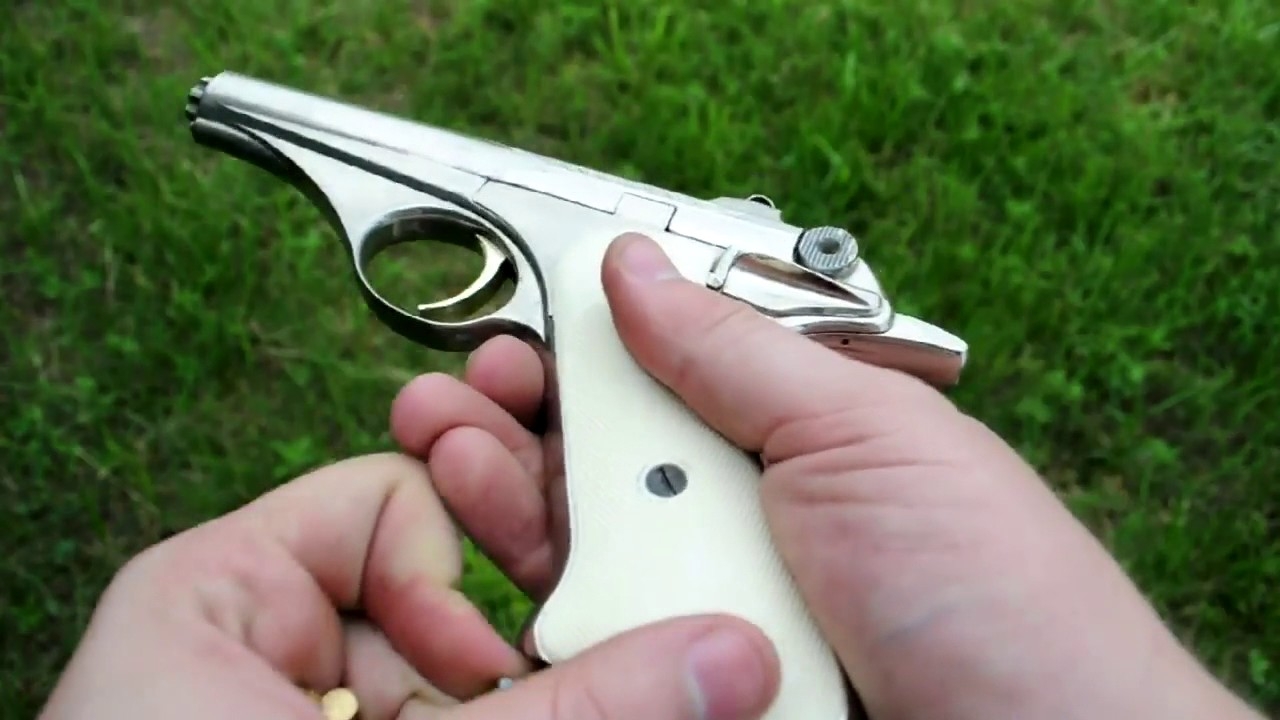
The Whitney Wolverine looked futuristic in the 1950s and somehow still looks futuristic now.
For years, it was just an unusual .22 pistol from a company that did not survive long. Collectors eventually recognized the combination of space-age styling, aluminum construction, limited production, and distinctive history. Reproductions have appeared, but that only highlighted the difference between the later guns and original Whitneys. Sometimes styling alone is enough to keep a firearm from disappearing into obscurity.
Semmerling LM4
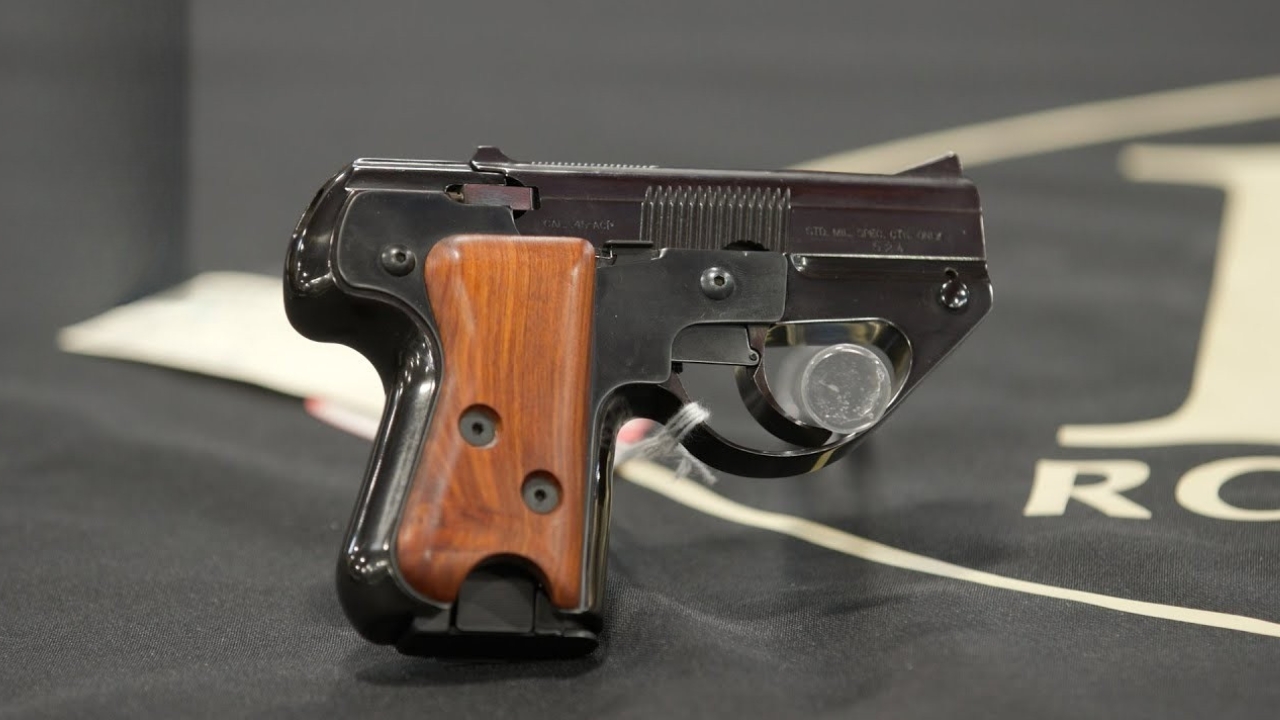
The LM4 was almost comically unconventional: a manually operated compact .45 pistol that required the shooter to cycle the slide by hand.
That sounds like a commercial dead end, and in a practical sense it was. For collectors, however, it is exactly the kind of design that becomes fascinating later. Very few were made, the operating system is immediately recognizable, and there is almost no modern equivalent. Nobody needed the LM4 to become collectible. It simply had to remain weird and scarce long enough.
COP .357 Derringer

The COP .357 looked like someone tried to build the ultimate four-shot defensive pistol and ended up with a stainless brick.
Its unusual rotating firing-pin system and four-barrel arrangement made it mechanically fascinating even if the weight and trigger made it far less practical than a revolver. It was not a tremendous commercial success, which limited supply. Decades later, the very features that hurt it in the marketplace are what make collectors stop when one appears.
Dornaus & Dixon Bren Ten
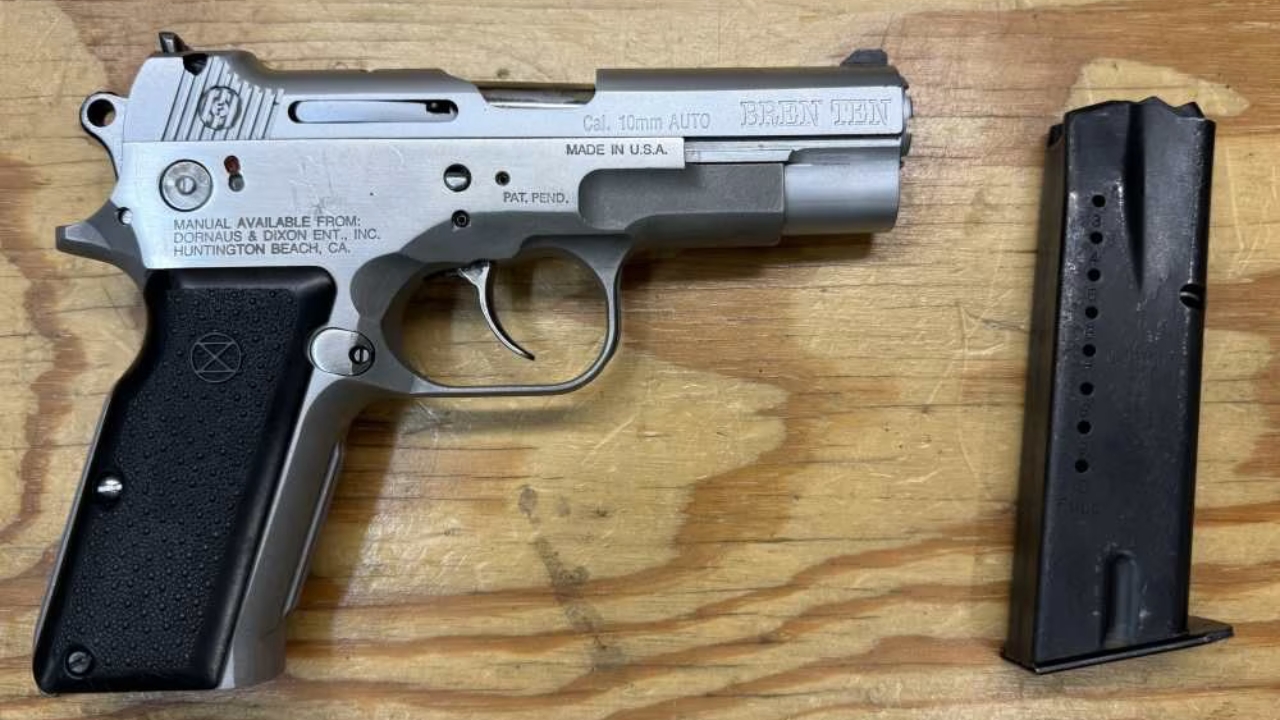
The Bren Ten is one of the clearest examples of a gun becoming collectible because the idea was bigger than the company behind it.
The pistol helped put 10mm Auto on the map and became culturally famous, but production problems and magazine shortages doomed it commercially. That short production run turned surviving guns into highly desirable pieces. Buyers who saw them merely as an expensive, troublesome new pistol could never have guessed how strongly collectors would chase them later.
Mateba 6 Unica

The Mateba 6 Unica barely looks like a revolver until you study it closely. Its semiautomatic cycling action and low barrel position make it one of the strangest wheelguns ever produced.
It was expensive, unconventional, and too specialized to become mainstream. That is almost a perfect recipe for later collector demand. Nothing current really replaces the experience, and the design is visually recognizable from across a room. Once production stopped, owners who had treated them as oddball shooters suddenly possessed something much harder to replace.
Gyrojet Pistol

The Gyrojet was an attempt to replace conventional cartridges with tiny rocket projectiles.
It did not work well enough to become the future of handguns, but failure can create some of the best collectibles. The pistol represents an engineering direction that was almost completely abandoned, and ammunition became part of the collecting challenge itself. What looked like a technological dead end eventually became a historical artifact.
HK VP70Z

The VP70Z was weird even by Heckler & Koch standards. Its polymer frame arrived years before Glock made polymer pistols normal, while its heavy double-action-only trigger made it unpopular with many shooters.
That early polymer construction became much more interesting once the rest of the industry followed the same general direction. The pistol now looks less like an ugly failure and more like a design that arrived before the market was ready for it. Early examples of technology often become collectible precisely because nobody appreciated them at the time.
Steyr TMP
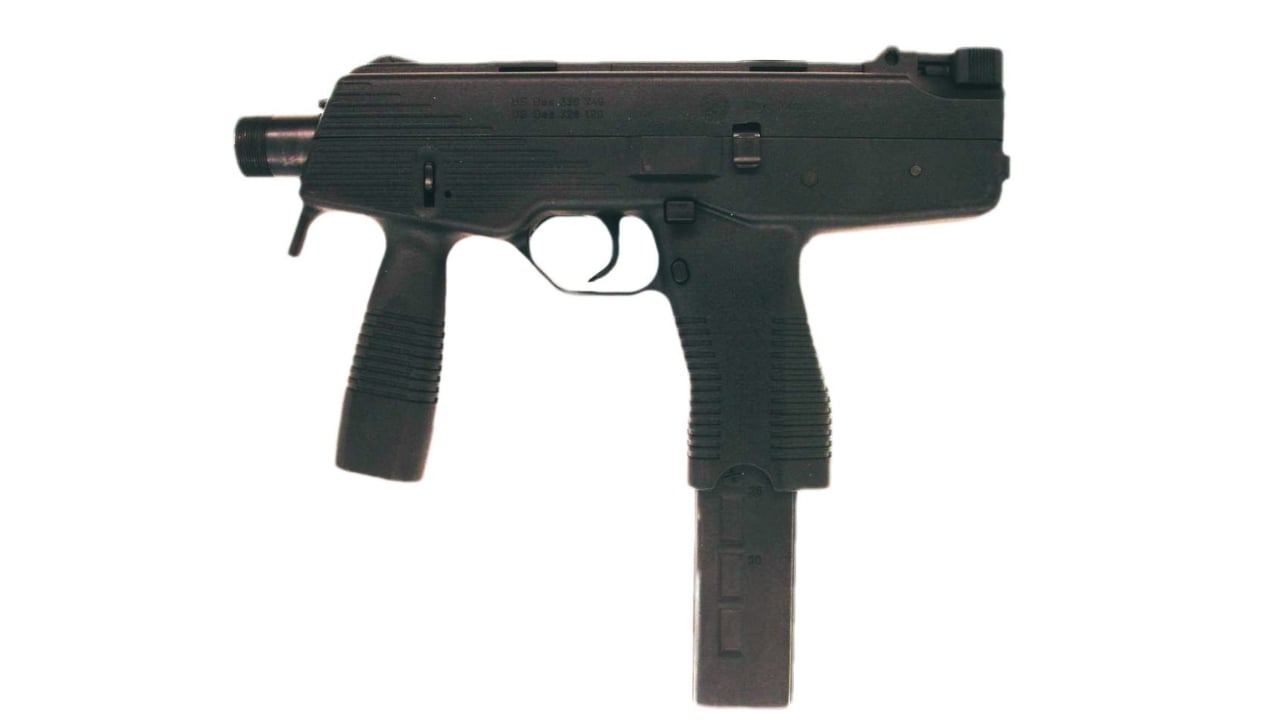
The civilian semiautomatic versions of the Steyr TMP never became mainstream firearms, partly because the design made far more sense in its original select-fire role.
That awkward civilian existence is exactly why collectors eventually noticed them. The distinctive polymer receiver, compact layout, and unmistakable appearance give the TMP a personality few firearms share. Steyr moved away from the platform, later developments took the concept elsewhere, and original examples became considerably more interesting than they seemed when new.
Like The Avid Outdoorsman’s content? Subscribe to our newsletter so you never miss an article.
Here’s more from us: