Photo credit: The Even Steven Channel/Youtube
Every so often you walk into a gun shop and see a plain-looking service pistol sitting in the used case with a price tag that makes you blink twice. Not because it’s gold plated or rare in the fancy sense. It’s because it used to be a “just another duty gun” that rode in holsters for years, got traded in by the pallet, and then quietly dried up.
Standard-issue pistols have a funny way of doing that. Once agencies and militaries move on, the old guns either get surplused (and snapped up), or they get locked away and never hit the civilian market again. Add a little nostalgia, limited imports, and the fact that magazines and parts are still plentiful, and suddenly yesterday’s workhorse is today’s “wish I’d bought two” gun.
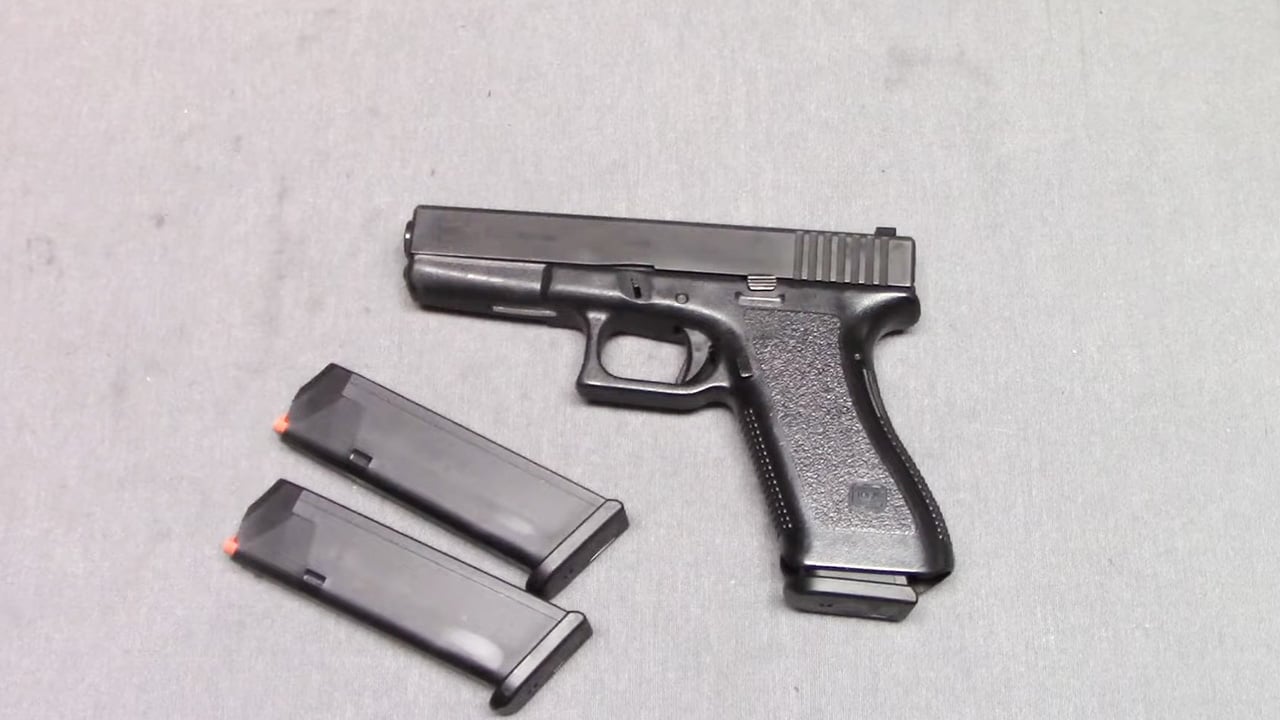
1. Glock 17 (Gen 2 and Gen 3 police trade-ins)
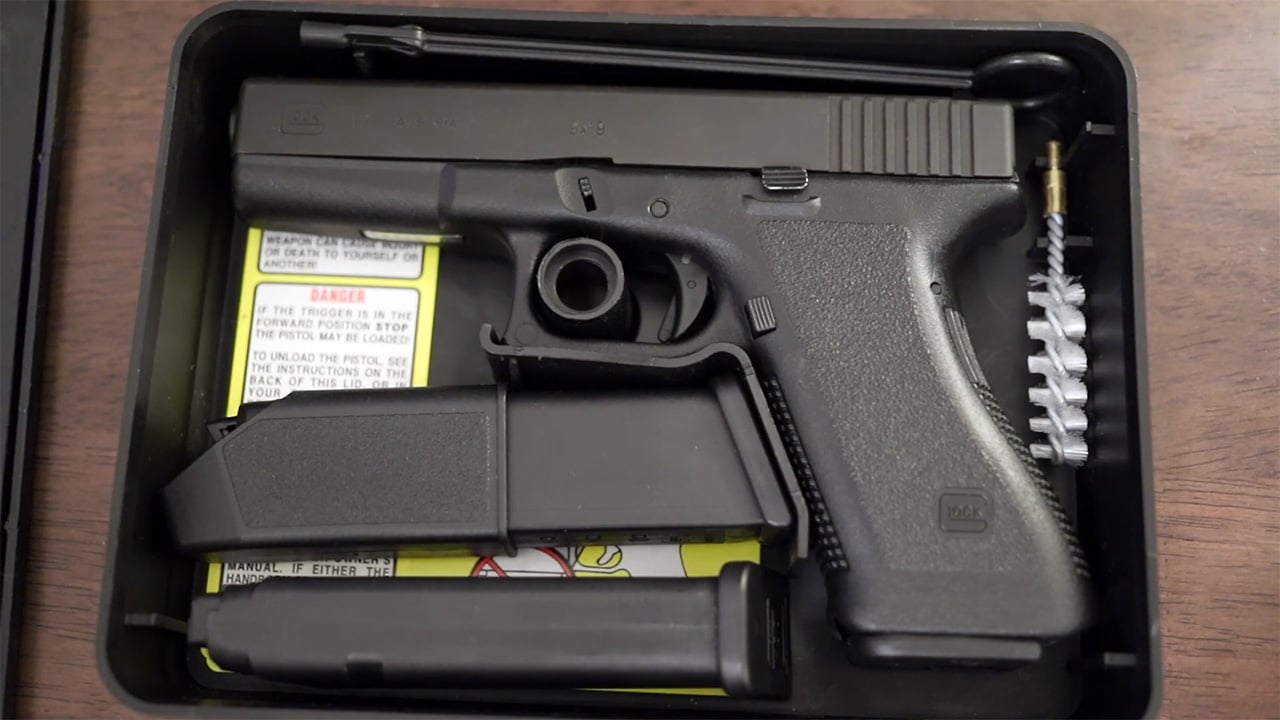
For years, the used counter was stacked with Glock 17s that looked like they’d been carried a lot and shot a little. They were boring in the best way. You could grab one, replace a couple springs, and have a dead-reliable full-size 9mm with cheap mags everywhere.
Now? Clean Gen 2s and early Gen 3s have crept up hard, especially the ones with agency markings that collectors actually want. The new guns are fine, but the “old duty Glock” market isn’t what it was when departments were dumping them by the crate.
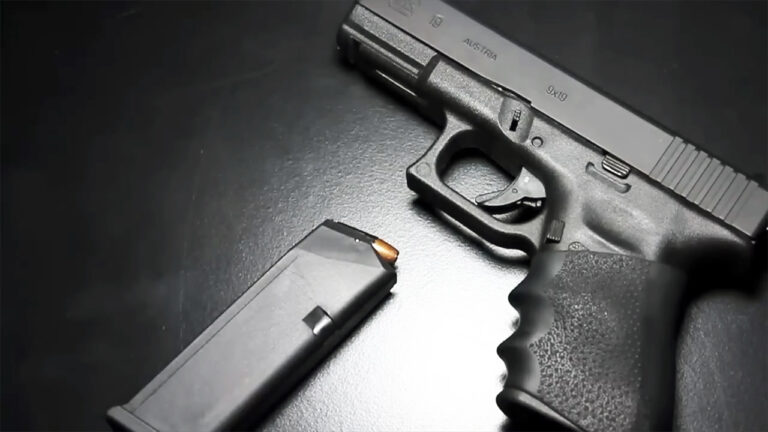
2. Glock 19 (early Gen 3 compact duty guns)
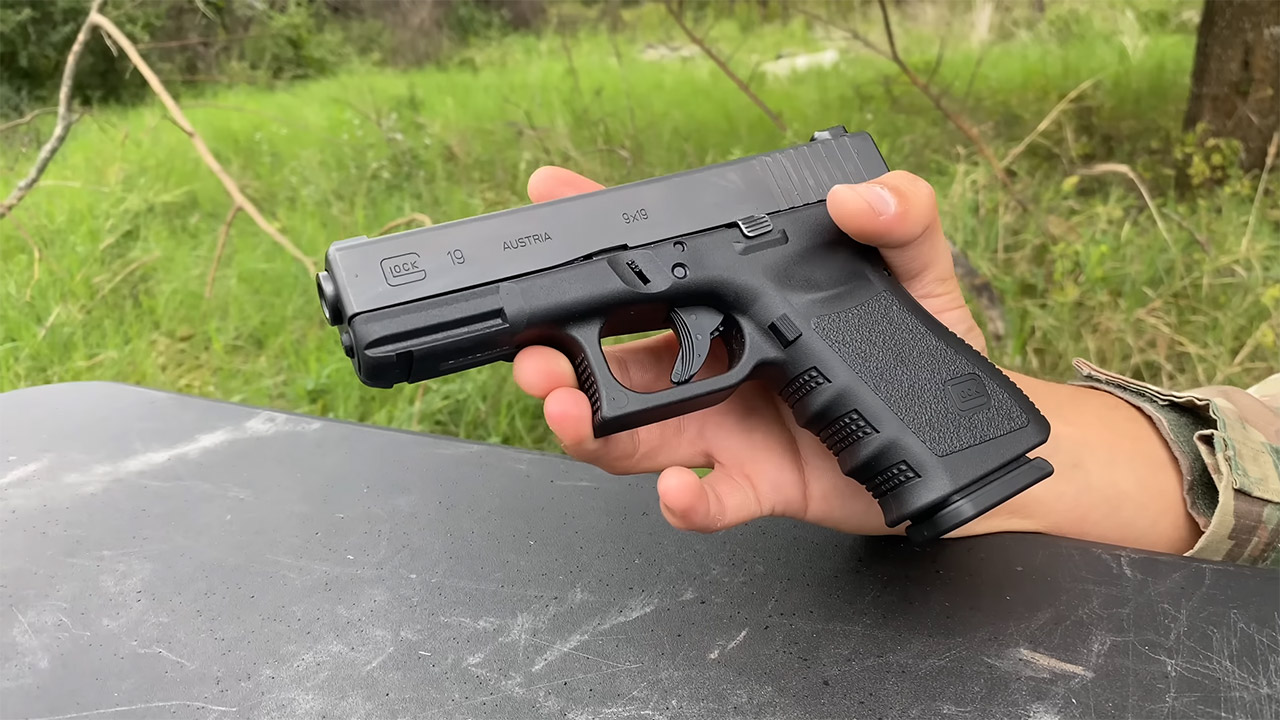
The Glock 19 is the one that makes folks kick themselves. It carried easy, shot like a bigger gun, and lived through rain, dust, and glovebox neglect. Plenty were issued, and plenty were traded in.
But the supply of clean early guns doesn’t keep up with the demand, and used prices reflect that. If you find one with night sights still bright and the frame not chewed up, it won’t sit long.
3. SIG Sauer P226 (West German and early U.S. duty variants)

The P226 has that “points like your finger” feel for a lot of shooters, and the double-action/single-action trigger has a loyal following. A lot of these were carried by units that actually trained, which means you’ll see honest holster wear but surprisingly good barrels.
What changed is the supply. The good surplus waves came and went, and now the nicer examples cost real money. Mags are still around, parts are still serviceable, and it’s still a serious pistol—just not a cheap one anymore.
4. SIG Sauer P228 (M11-style compact)
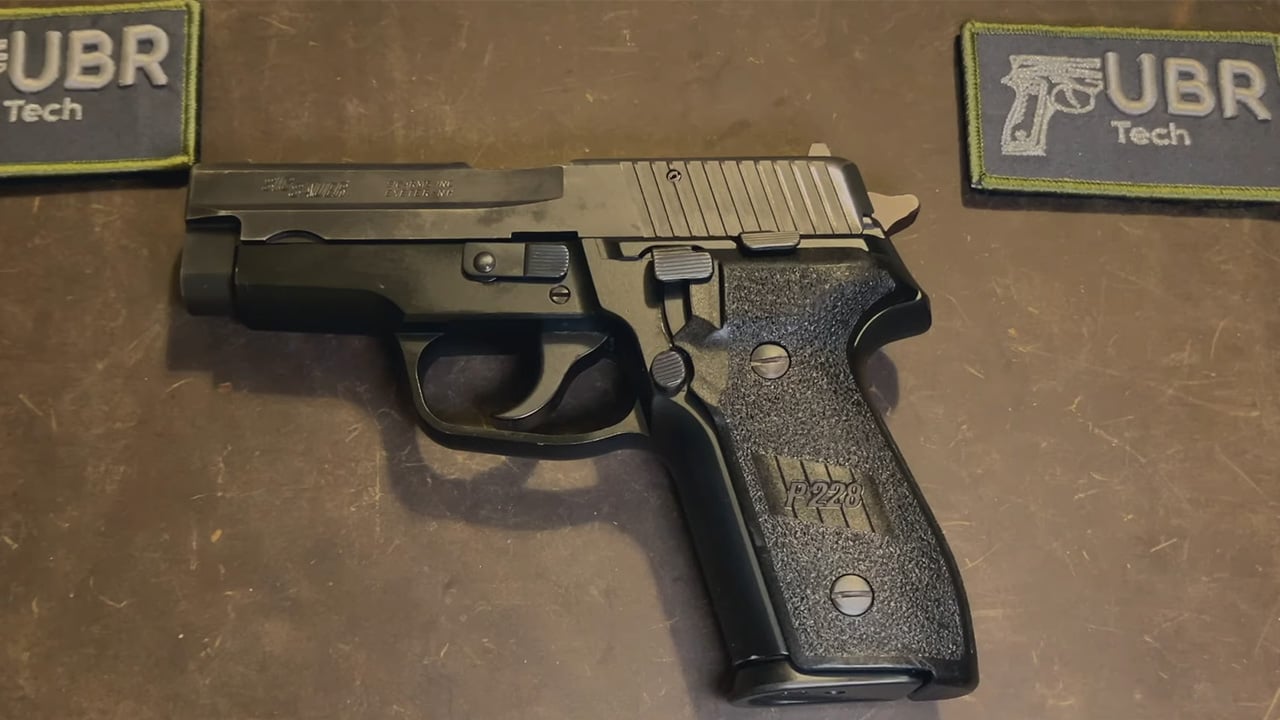
This is one of those pistols that feels better than it looks on paper. Compact, balanced, and smooth cycling. If you’ve ever run one side-by-side with a lot of modern compacts, you notice the difference in how it tracks.
P228 prices have climbed because they’re not being made in the same way, and the military-adjacent demand is always there. When you see one under “premium” pricing, it’s usually either beat hard or it’s gone by lunch.
5. SIG Sauer P229 (.40 police trade-ins, especially with .357 SIG barrels)
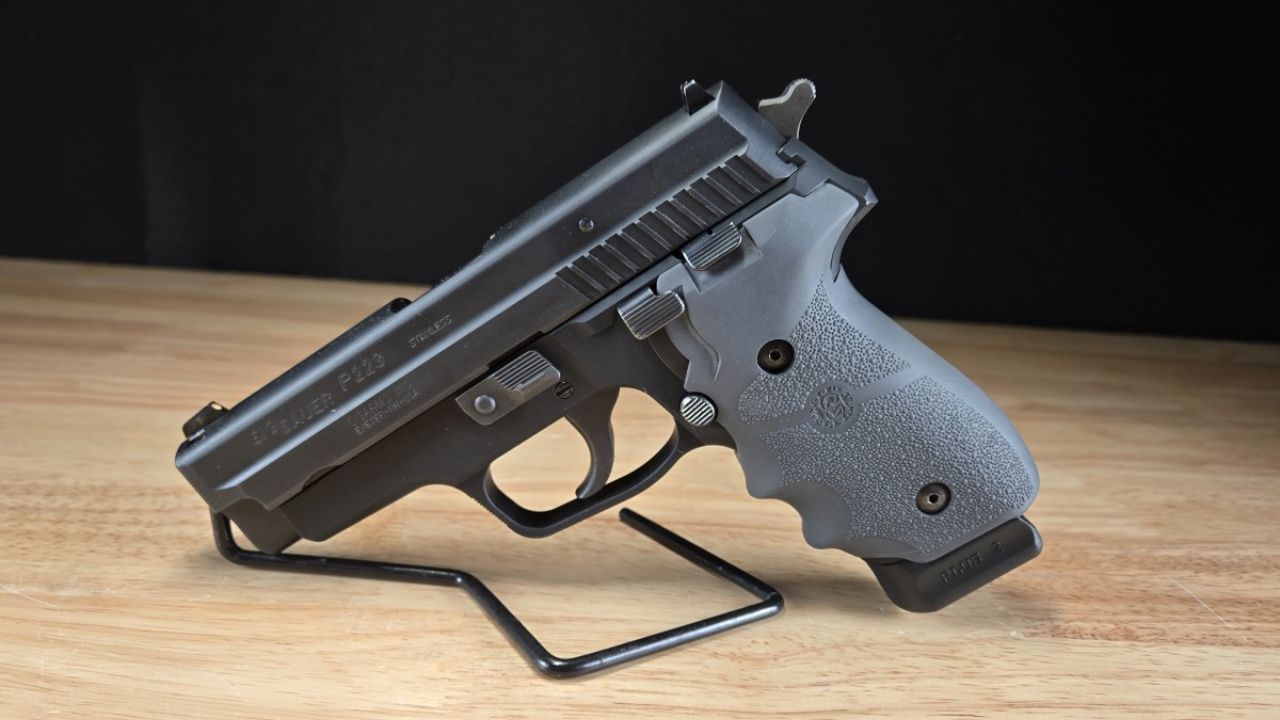
For a while, .40 S&W trade-ins were the best deal in handguns. Agencies moved back to 9mm, and the .40 pistols flooded the market. The P229 was one of the nicer ones in that pile—solid, accurate, and built for duty.
Now the cheap wave is mostly over. And the ones that come with extra barrels, especially .357 SIG, tend to get priced like “collector curiosities” even though they’re still useful guns.
6. Beretta 92FS / M9 (military-pattern pistols)
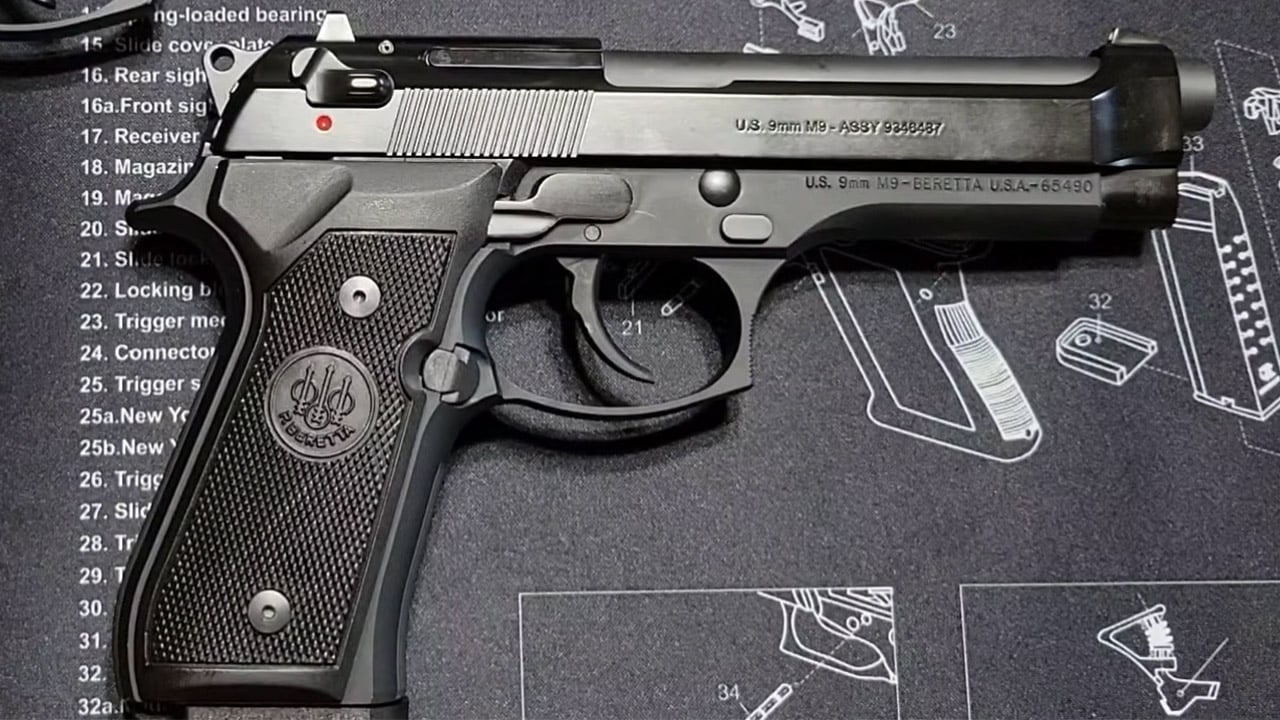
The Beretta is big, shiny, and not subtle. It also runs. The open-top slide, the easy recoil impulse, and the way it feeds ball ammo all day long are why it became what it became.
Surplus and contract overrun guns used to be something you could snag without thinking too hard. Now, nice M9-pattern pistols and certain markings bring real premiums, and the “just a used Beretta” era is fading.
7. Beretta 92G (decocker-only duty configuration)
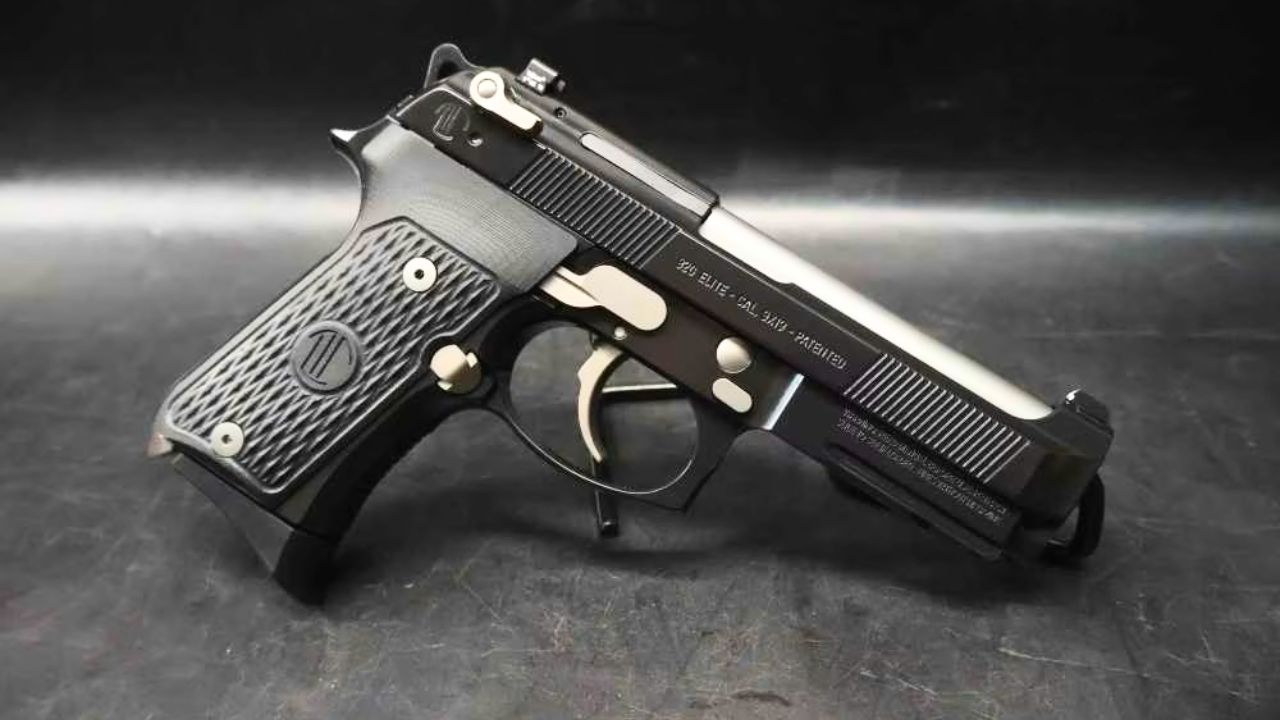
The 92G is the Beretta for people who actually carry Berettas. Decock and go, no safety lever left on by mistake. A lot of these came out of agency service, and they’re popular with shooters who know what they’re looking at.
They are not as common as the standard 92FS, and that scarcity shows up in the price tag. If you like the platform, the G configuration is one I wouldn’t be quick to let go.
8. Heckler & Koch P7 (PSP and P7M8)

It’s weird, it’s heavy for its size, and it heats up fast. It also carries flat, shoots like a target pistol, and has one of the most unique manual-of-arms ever put on a service handgun. The squeeze-cocker either clicks with you or it doesn’t.
German police pistols hit the U.S. market years back and they were “pricey but doable.” That ship sailed. Today, a nice P7 costs “buy once, cry once” money, and it keeps trending upward.
9. Heckler & Koch USP (full-size duty pistols)
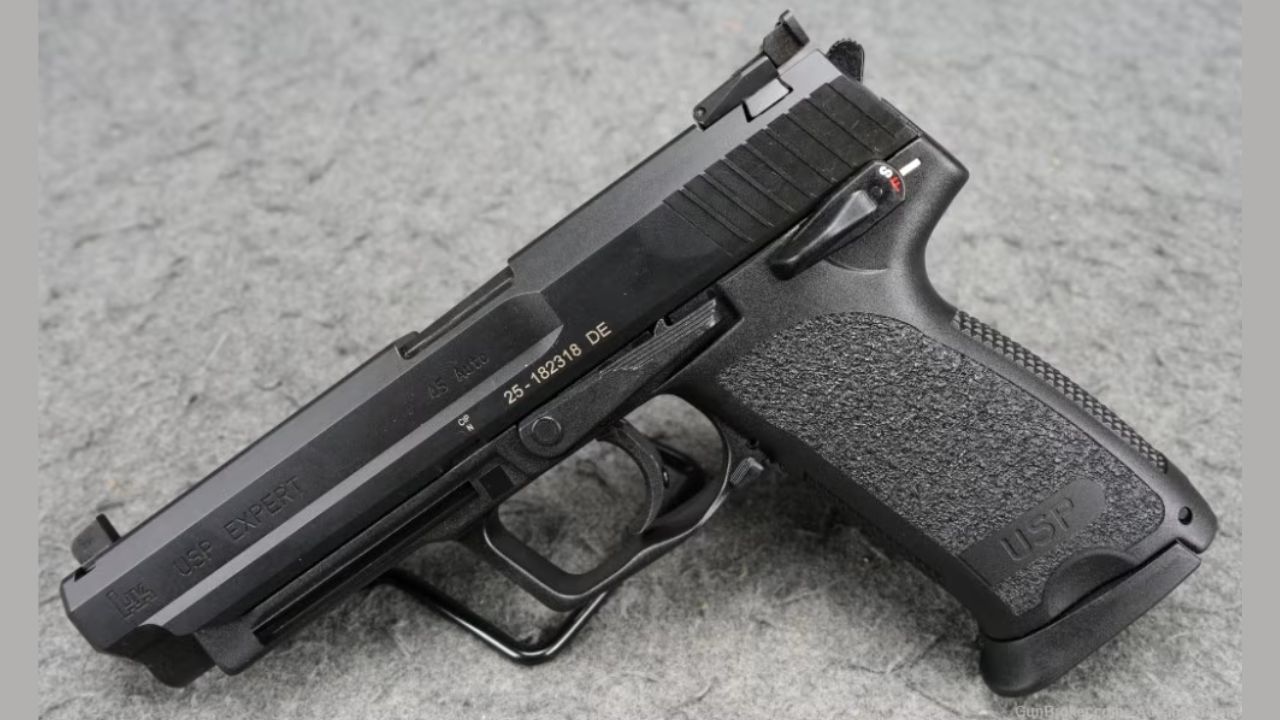
The USP is not trendy. It’s a brick with good sights and a reputation for taking abuse. Plenty of agencies ran them, and a lot of civilian shooters bought them because they wanted something overbuilt.
Used USPs used to be a bargain compared to new HK pricing. Now, even older examples with honest wear are bringing strong money, partly because HK owners tend to hang onto them once they’ve bought in.
10. Walther P99 (police service guns)

The P99 is one of those pistols that feels “engineered” in the hand—good ergonomics, good balance, and a trigger system that doesn’t fit neatly into modern striker-fired categories. A lot of them served in official roles and got carried daily.
With the model effectively in the rearview mirror and enthusiasts chasing the older variants, prices have climbed. If you like Walther’s feel but don’t want a brand-new plastic fantastic, this one gets expensive fast now.
11. CZ 75 (early military/police pattern guns)

There’s nothing flashy about a standard CZ 75, and that’s kind of the point. Steel frame, good natural point, and accuracy that surprises folks who think “service pistol” means “minute of paper plate.”
Older, nicer examples and certain import marks are getting harder to find, and the price climbs accordingly. The modern CZ lineup is deep, but the classic 75 still carries a reputation that pulls dollars out of wallets.
12. CZ 82 (Czechoslovak service pistol)

The CZ 82 wave was a golden time for surplus buyers. Compact, soft shooting, and surprisingly ergonomic for a Cold War pistol. The finish was often worn, but they usually ran.
Those piles are mostly gone. Good-condition 82s with decent bores and clean mags don’t stay cheap anymore, and the ammo situation (9×18 Makarov) adds another layer of “buy it when you see it.”
13. Makarov PM (Soviet-pattern service pistol)

The Makarov is pure utilitarian steel. Not a lot of controls, not a lot to break, and it carries flatter than you’d expect for an all-metal gun. Trigger pulls vary, but a good one has a smooth, steady feel.
Imports slowed, collector interest grew, and now the nicer examples bring more than they “should” if you’re only thinking in terms of modern performance. Still, there’s a reason they got issued for so long.
14. FN Browning Hi-Power (military service classic)
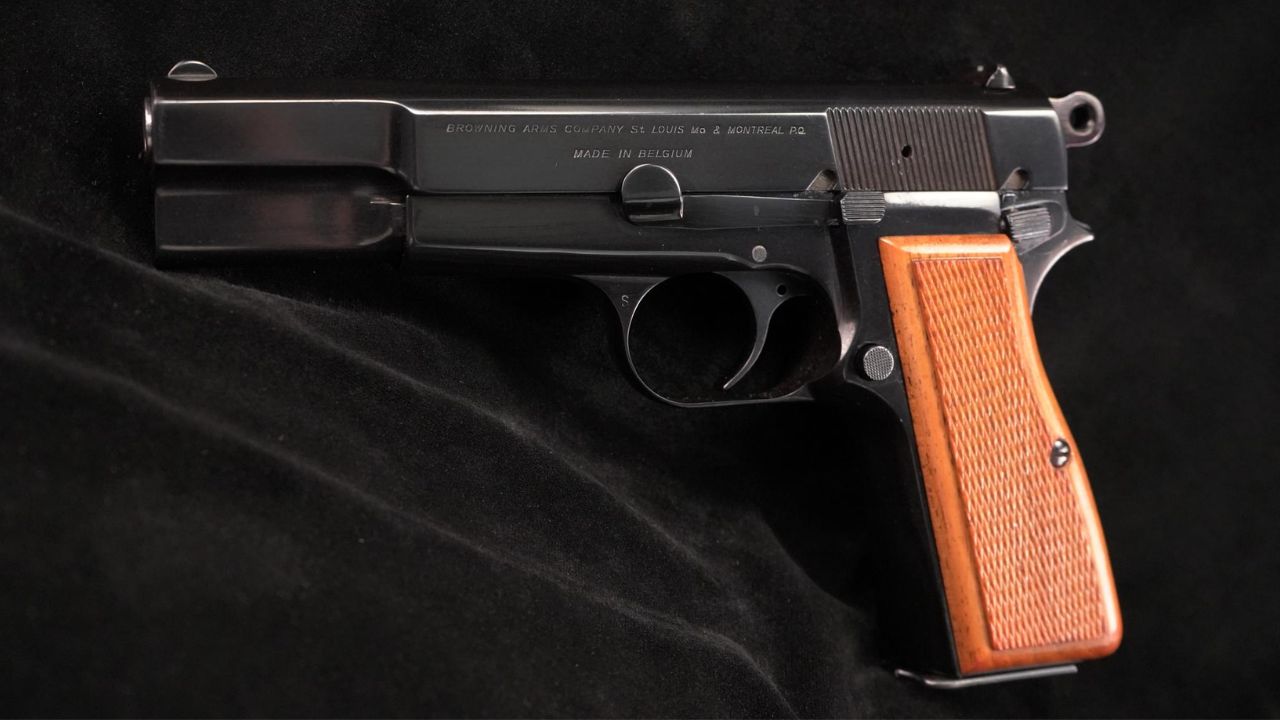
The Hi-Power is one of those pistols that just sits right in the hand. Slim grip, good balance, and it carries better than a lot of double-stacks. Yes, the small safety and the magazine disconnect on many examples can be annoying. Ask me how I know.
Real military-issue and surplus examples have climbed steadily, and good ones are not cheap. Modern clones exist, but they don’t scratch the itch for everybody, especially the folks who grew up seeing the originals in service holsters.
15. Colt M1911A1 (U.S. military service pattern)

A true service-era 1911A1 isn’t just a gun, it’s a piece of history that still shoots. The sights are small and the triggers can be all over the place, but the feel of a GI-style pistol has its own gravity.
Prices on authentic examples have jumped hard, and “twice what it used to cost” is being generous in some cases. If you’ve got one with honest wear and correct parts, it’s not something you replace casually.
16. Smith & Wesson Model 10 (police revolver workhorse)

There was a time when Model 10s were everywhere—trade-ins, estate sales, pawn shops. Most were mechanically solid even if the finish looked tired. A fixed-sight .38 that just works is never a bad thing.
They aren’t making more classic pinned-barrel police revolvers, and clean ones are getting scarcer. The price bump isn’t hype so much as a slow realization that the supply is drying up.
17. Smith & Wesson Model 15 (Combat Masterpiece duty revolver)
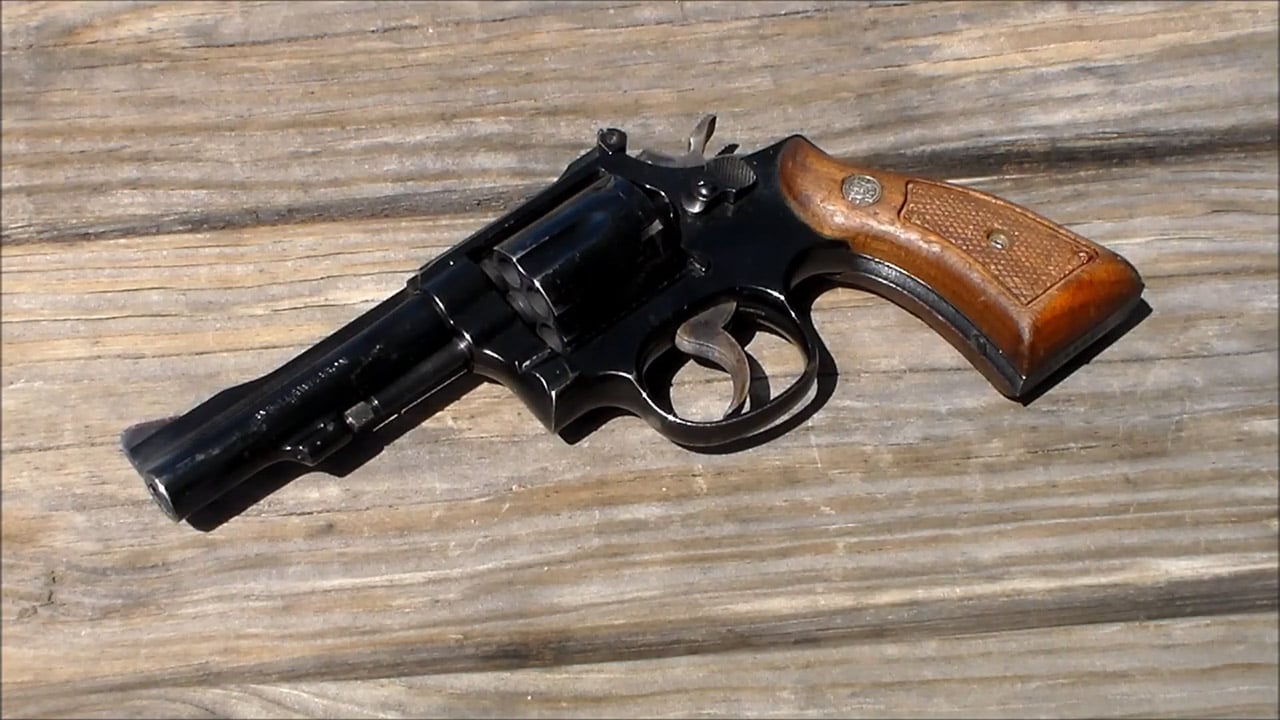
The Model 15 is what happens when you take the basic service revolver concept and make it nicer. Better sights, great balance, and accuracy that makes you want to shoot slow and enjoy it.
These have climbed because shooters discovered they’re not just collectibles—they’re genuinely pleasant range guns. Finding one that hasn’t been tinkered with and still locks up tight is getting pricier every year.
18. Ruger P89 (old-school duty semi-auto)

The Ruger P-series guns are not pretty. They’re chunky, they have that old alloy-and-steel feel, and they were never going to win a beauty contest. They also tend to run when cleaner, lighter pistols start getting picky.
For a long time they were “cheap used Rugers.” Then folks started buying them as reliable beaters and truck guns, and the clean examples started disappearing. When a dependable, American-made pistol stops being common, the price moves.
19. Smith & Wesson Model 5906 (3rd Gen stainless duty gun)
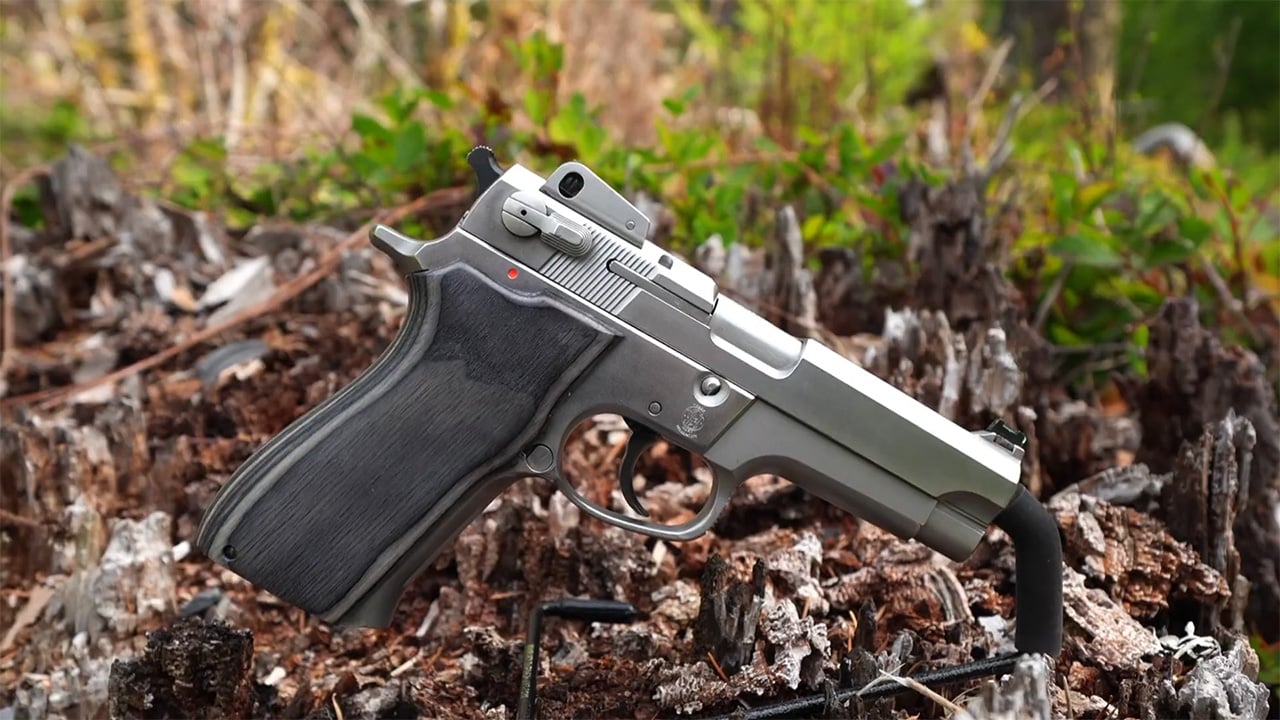
The 5906 is heavy, stainless, and built like it was designed by someone who didn’t trust polymer. It feeds well, shoots soft, and it’s the kind of pistol that makes sense on a belt in bad weather.
Police trade-ins were once a steal. Now the best ones—good night sights, solid magazines, minimal frame dings—are bringing strong money. Parts and mags are still around, but the days of $300 bargains are mostly behind us.
20. Jericho 941 (Israeli service-style pistol)
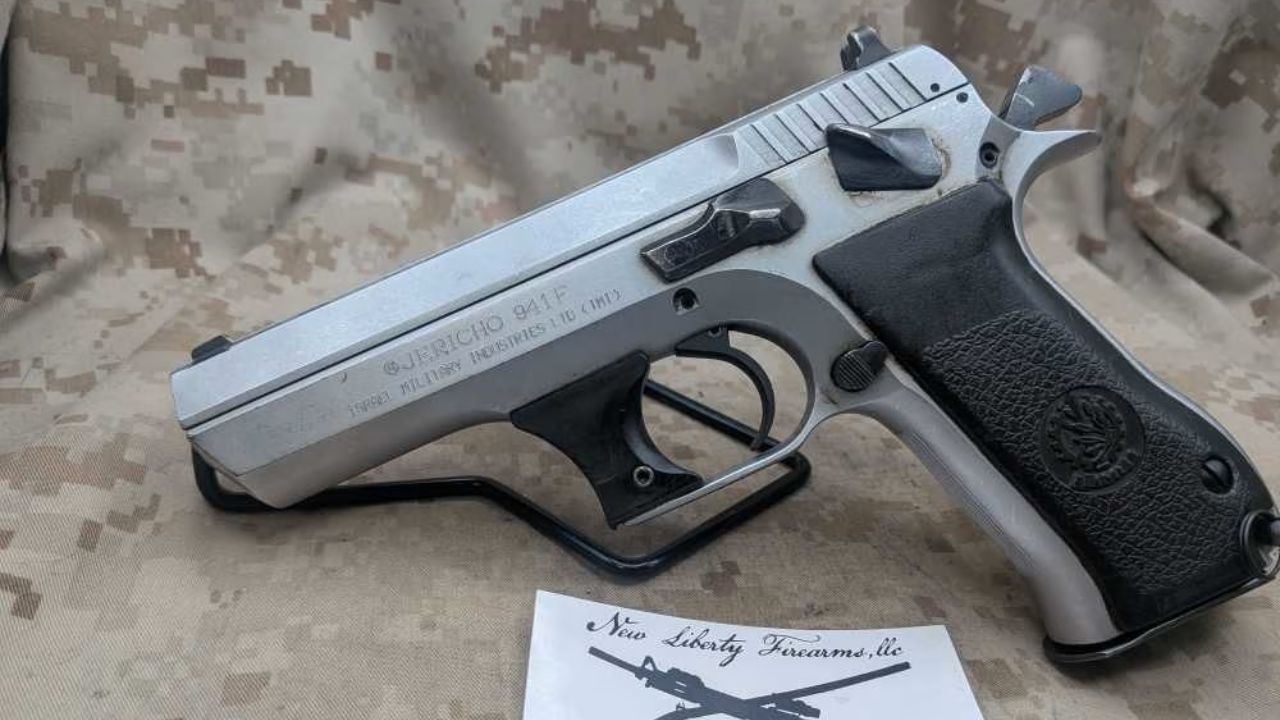
The Jericho is basically a CZ-style design with its own personality—often a steel frame, a smooth slide, and a weight that soaks up recoil. Some are a little rough on the trigger out of the gate, but they usually settle in.
Between pop-culture recognition and limited availability of certain variants, the price has climbed. If you spot an older, all-steel example in good shape, don’t assume you’ll see it again next week for the same money.
The funny part about all of this is that most of these pistols were never meant to be “investments.” They were tools. But tools with real track records, limited future supply, and a pile of spare magazines tend to turn into something else over time. If you’ve got one that fits your hand and still runs, it might be smarter to buy ammo and springs than to trade it off for the newest thing and hope you can get it back later.
Like The Avid Outdoorsman’s content? Subscribe to our newsletter so you never miss an article.
Here’s more from us: