Photo credit: Guns, Gear & On Target Training, LLC/Youtube
Every gun shop has that one conversation that repeats itself. The new stuff is in the glass, the hot models are on the wall, and then a serious buyer walks in and asks for something that hasn’t been “the new thing” in a long time. Not because it’s trendy. Because it works, carries right, shoots better than it’s supposed to, or fills a real-world niche that the latest releases forgot.
These are the guns that got shrugged at when they were new, then quietly proved themselves in holsters, scabbards, duck boats, and behind truck seats. Now they’re the first ask from folks who’ve been around the block and aren’t trying to impress anyone.
1. Ruger SP101 (3-inch)

When the SP101 first came out, it lived in that awkward middle ground: heavier than the featherweight snubs, smaller than the service revolvers, and not “cool” like the semi-auto wave. Then people started actually carrying them, especially the 3-inch guns with real sights.
That extra barrel length makes a snub behave. You get better extraction, a longer sight radius, and it still rides on the belt without poking you to death. It’s not fancy, and the trigger can be stiff out of the box, but it’ll take honest use without getting precious.
2. Smith & Wesson Model 10 (heavy barrel)
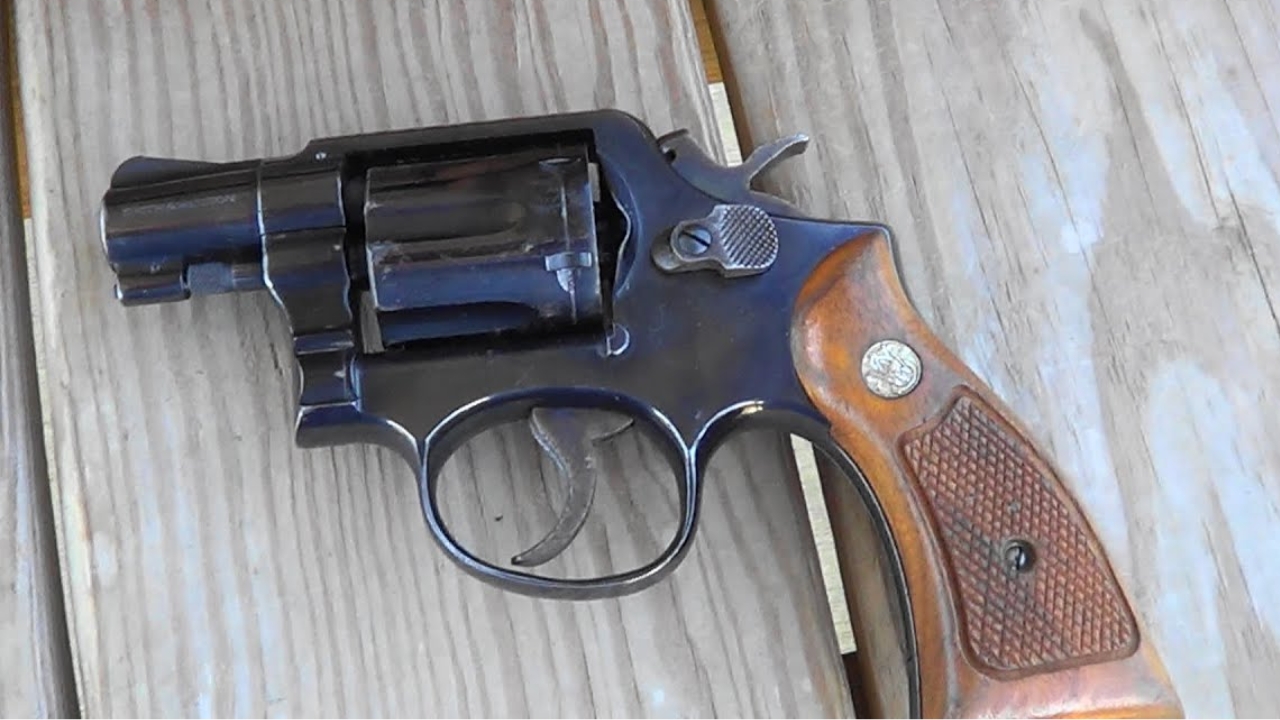
This one was once so common it was almost invisible. Police trade-ins were everywhere, and folks acted like they’d always be everywhere. That was a mistake.
A heavy-barrel Model 10 points like it’s reading your mind, and it’s about the best “teach someone to shoot” revolver ever made. Good ones aren’t sitting in piles anymore, and the guys asking for them usually want a simple nightstand gun that doesn’t need magazines or a user manual.
3. Glock 48
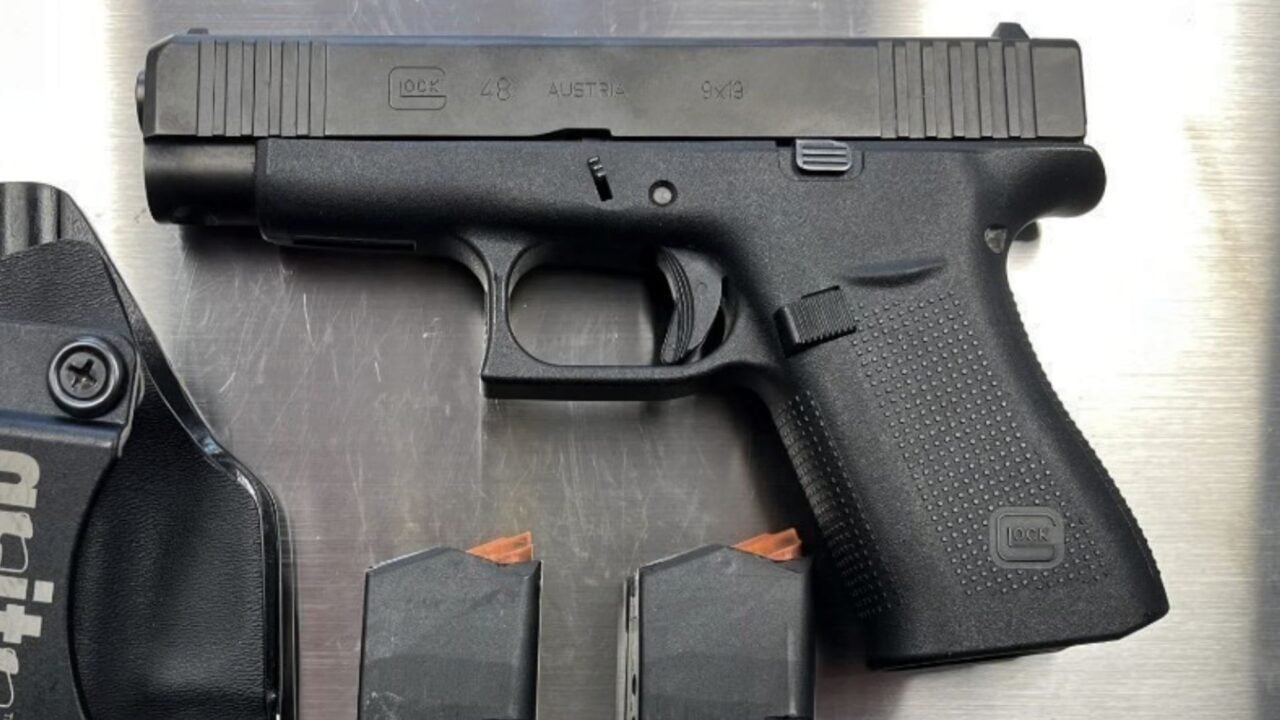
When it launched, plenty of shooters looked at it and said, “So… a skinny Glock 19 that holds less?” Then they carried it for a week and stopped talking.
The 48 carries flatter than a double-stack and shoots closer to a compact duty gun than it has any right to. It’s one of those pistols that makes sense when you’re climbing in and out of a truck all day or wearing normal clothes instead of tactical costumes.
4. SIG Sauer P239
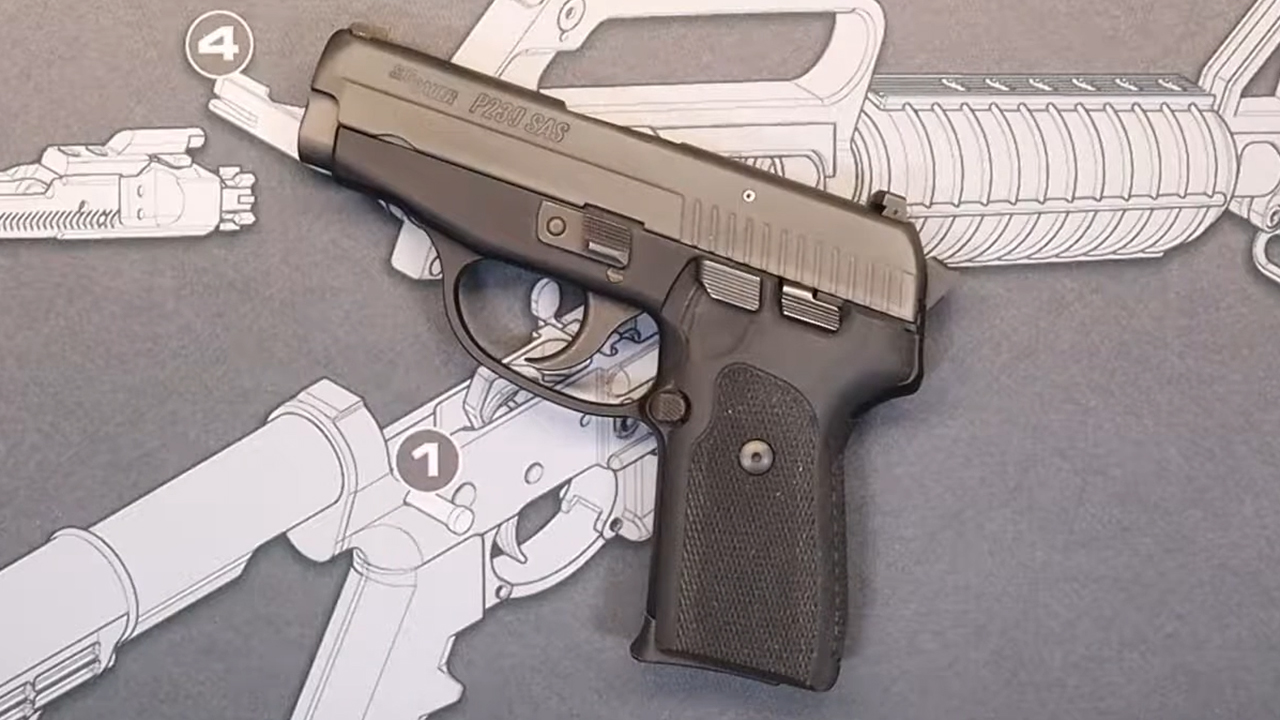
The P239 got labeled “yesterday’s single-stack,” and on paper it kind of is. In the hand, it’s a different deal. The balance is right, the controls are familiar if you like classic SIGs, and it’s the sort of gun you forget is on you.
The downside is parts and magazines aren’t as cheap as they once were. That’s exactly why serious buyers ask first, because they know the nice examples don’t last long in the used case.
5. Heckler & Koch P7 (PSP/M8)
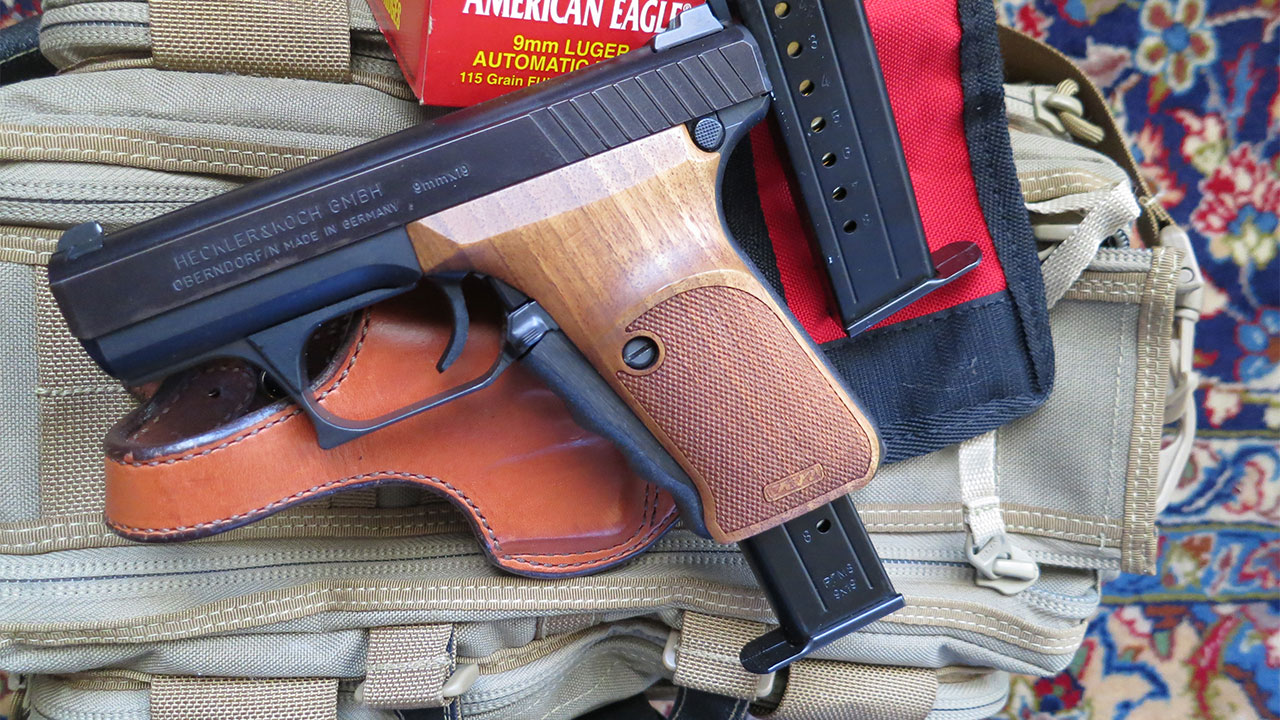
This one was never truly “cheap,” but it was overlooked by a lot of regular shooters because it was odd. Squeeze-cocker, heel mag release on some variants, heat in long strings of fire—there’s a learning curve.
Still, the P7 has a way of spoiling you. It’s accurate, flat, and built like a little tank. Collectors ask for them, sure, but so do practical shooters who want a carry gun that feels like a precision instrument.
6. CZ 75B (and pre-B variants)

For years, CZs were the “if you know, you know” pistols sitting behind the usual American and Austrian suspects. Then folks started running them hard in matches and realizing how naturally they point.
A good CZ 75 has a soft recoil impulse and a grip shape that fits real hands. The market caught up, prices climbed, and now when a clean older one shows up, it’s gone quick—especially if it hasn’t been modified into somebody’s science project.
7. Beretta 92G (decocker-only)
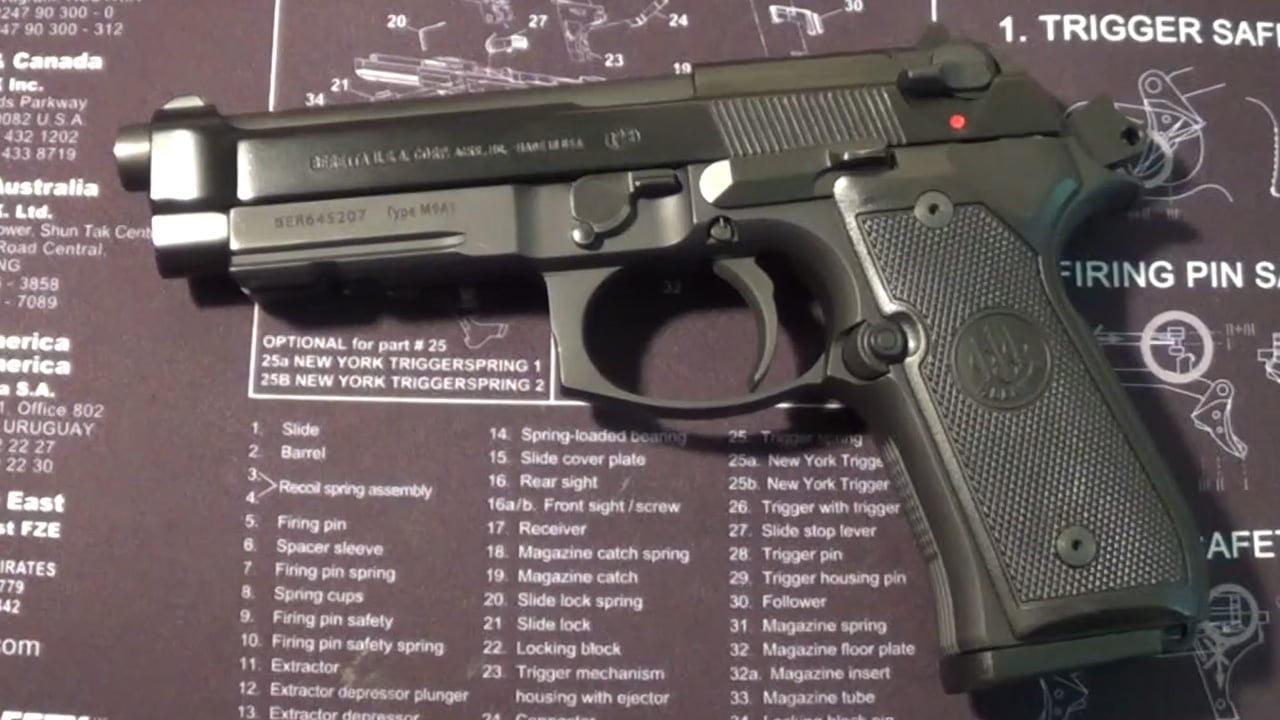
Plenty of people wrote off the 92 series as big, dated, and “that military gun.” The shooters who actually ran them learned they’re reliable, smooth, and easy on parts if you maintain them normally.
The G-models—decock only, no safety left on by accident—are what experienced buyers ask for. They want the classic Beretta feel without the control setup that confuses folks under stress.
8. Ruger P95
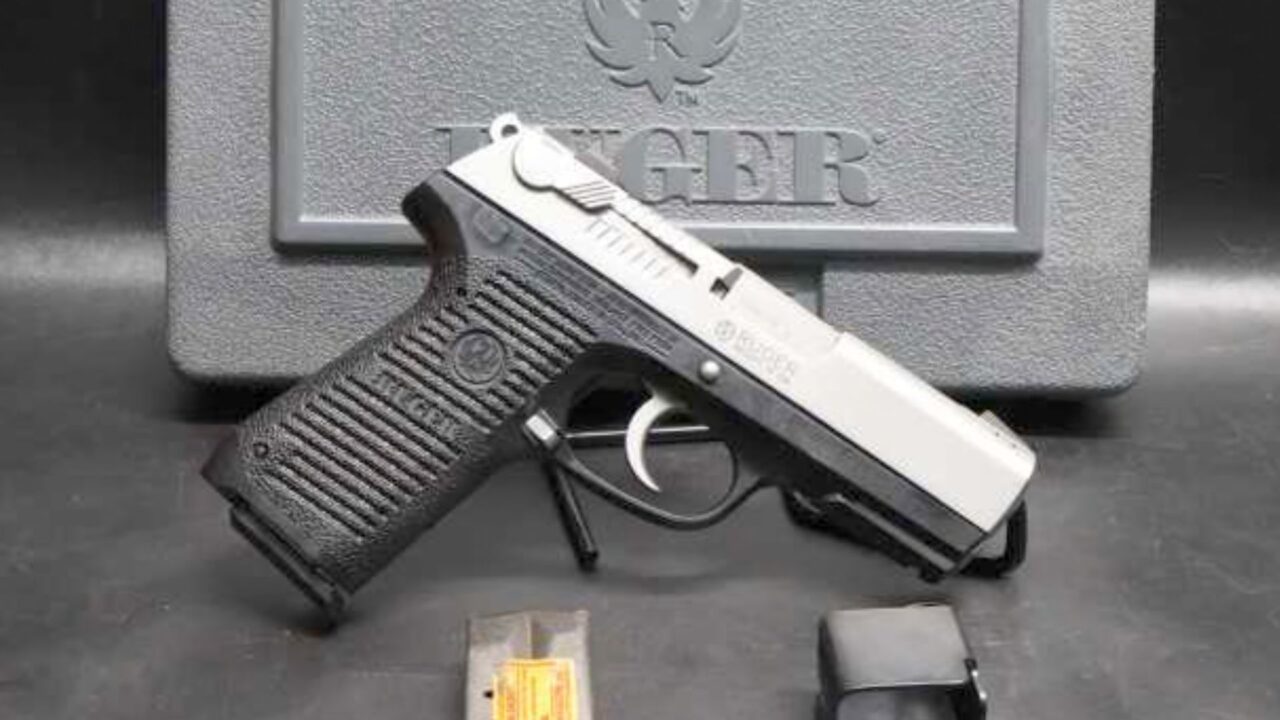
Ugly? Yep. Clunky? Also yep. The P95 was the pistol you bought because you needed a 9mm and didn’t have Glock money, and it didn’t win many beauty contests.
But those things run. They eat cheap ammo, tolerate neglect better than they should, and keep going. Now that they’re not made, the clean ones are getting harder to stumble across, and the “boring but dependable” crowd snaps them up.
9. Smith & Wesson 3913
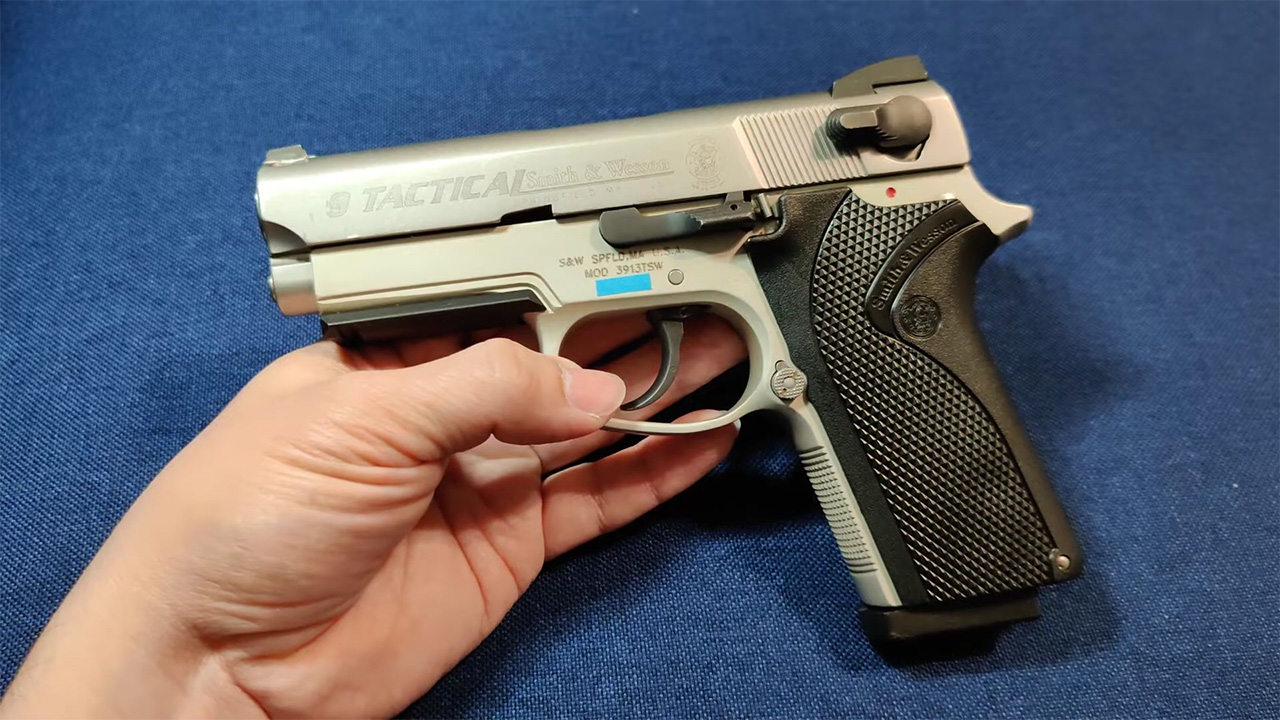
The 3913 is one of the best “real carry” pistols Smith ever made, and it lived through an era when everybody was chasing capacity above all else. It’s slim, accurate, and carries like a dream.
When someone at the counter asks for one by model number, you can tell they’ve carried a pistol for years. They’re not shopping on vibes. They want a proven single-stack that doesn’t feel like a compromise.
10. Ruger Mini-14 (580-series and newer)

For a long time, the Mini-14’s reputation was stuck on the older thin barrels and the “minute of coyote” jokes. Meanwhile, ranchers and truck-gun guys kept using them because they’re handy, simple, and don’t scream “black rifle” to every nervous neighbor.
The later 580-series and newer guns shoot noticeably better. Magazines used to be a headache, but that situation improved. Today, buyers ask for specific series numbers because they know which ones group and which ones just make noise.
11. Remington 870 Police Magnum

The 870 name is famous, but the Police Magnum versions got overlooked by folks who didn’t know what they were looking at. A used one might just look like an old pump gun with honest wear.
The internals and build quality are generally better than a lot of later production guns, and they hold up to hard use. If you want a no-nonsense shotgun for the farm, that’s a solid place to park your money—assuming you find one that hasn’t been abused.
12. Mossberg 590A1
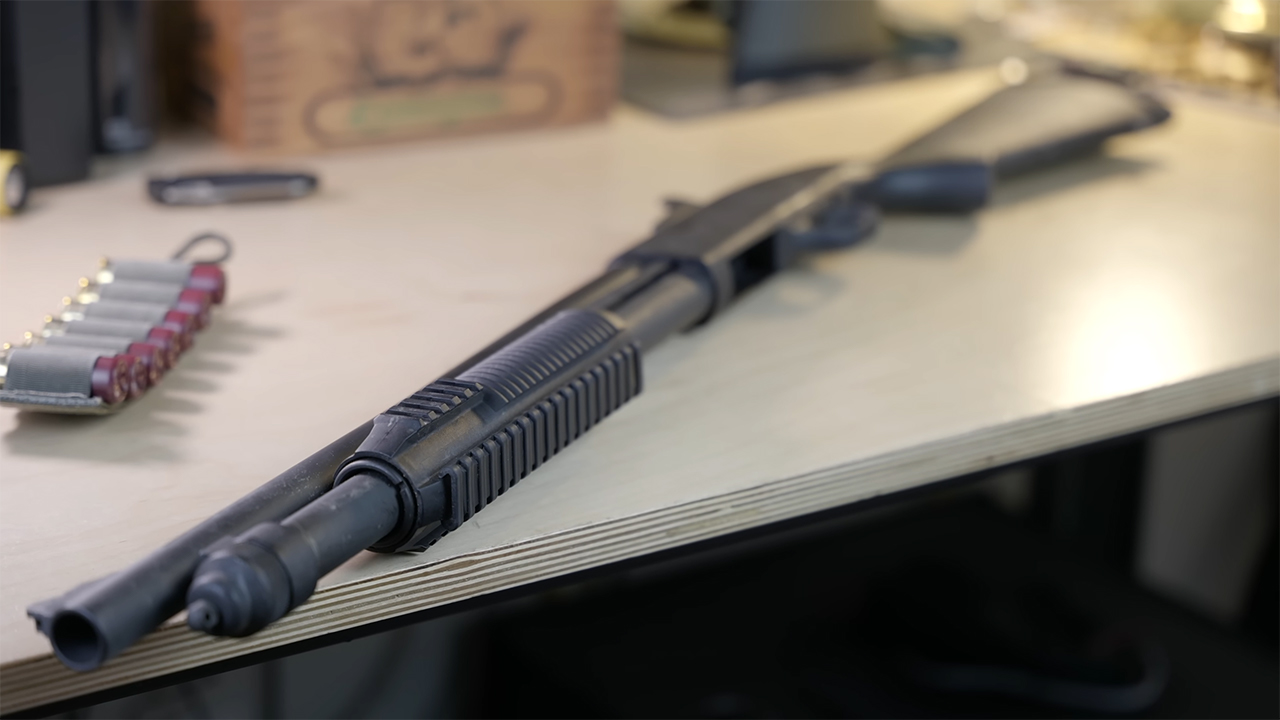
When the 590A1 showed up, some hunters dismissed it as a “tactical pump” and moved on. Then people started actually running them in bad weather, bouncing them around in boats, and keeping them behind doors in damp camps.
Heavy barrel, metal trigger guard and safety, and an attitude that doesn’t care about rough treatment. It’s not the lightest thing to carry all day chasing birds, but for a do-it-all working shotgun, the demand is real.
13. Browning BPS (20 gauge)
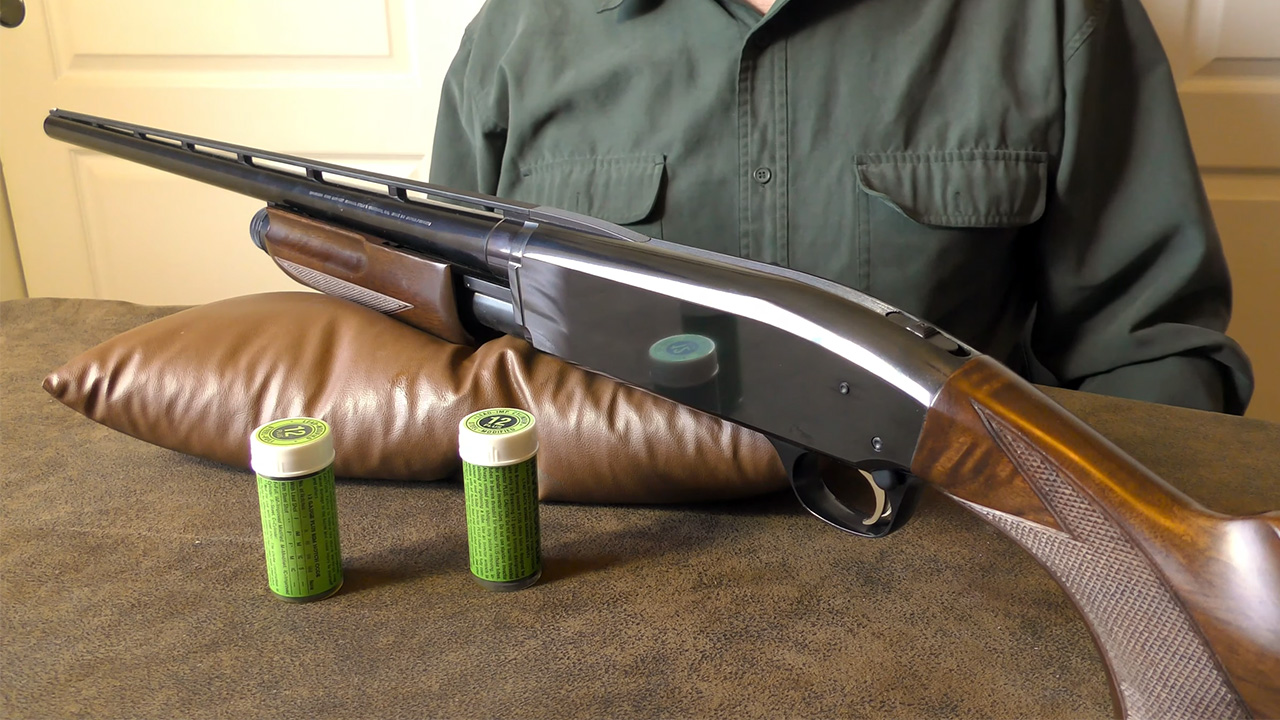
Bottom eject never got the respect it deserved. A lot of shooters handled a BPS, noticed it felt different, and went back to what they knew.
In the field, bottom eject is quiet and clean, and it’s friendly for left-handed shooters without needing a dedicated lefty model. The 20 gauge versions balance nicely, carry well, and they’ve become a “find me one” gun for folks who actually walk for birds.
14. Marlin 336 (JM-stamped)
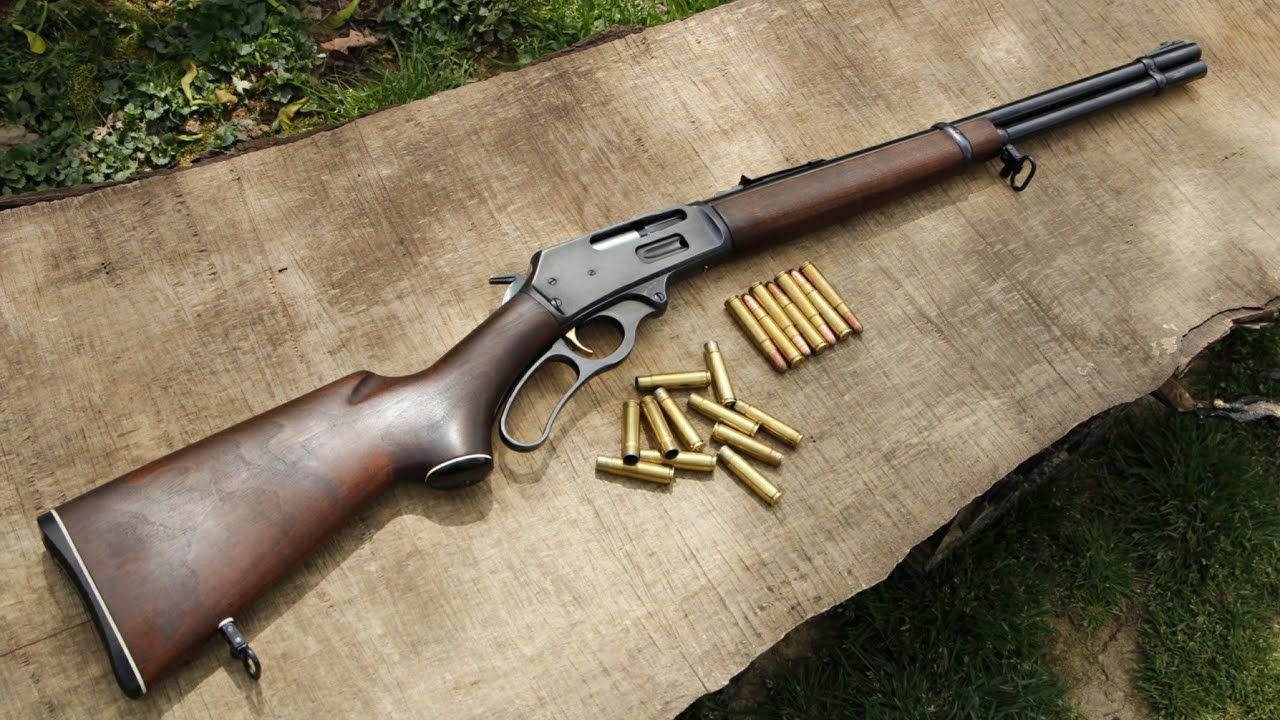
There was a time when a 336 was just a regular deer rifle. Then manufacturing changes happened, the good older ones dried up, and suddenly everybody learned what “JM” means.
A smooth JM-stamped 336 in .30-30 is still one of the best woods rifles ever made. It carries flat, comes to the shoulder fast, and kills deer without drama. Now, serious buyers ask for specific markings and specific years because the difference shows up in the action feel.
15. Winchester Model 94 Trapper (16-inch)

The Trapper carbines used to be a niche gun—handy, sure, but not what most folks thought of as a “real” deer rifle. Then people spent time in thick cover, in and out of side-by-sides, and figured out that short lever guns make a lot of sense.
They’re not long-range tools, and the muzzle blast is snappy. Still, if you want a rifle that lives with you rather than riding in a case, the little 94s are hard to beat, and they don’t sit around for long anymore.
16. Ruger Gunsite Scout Rifle
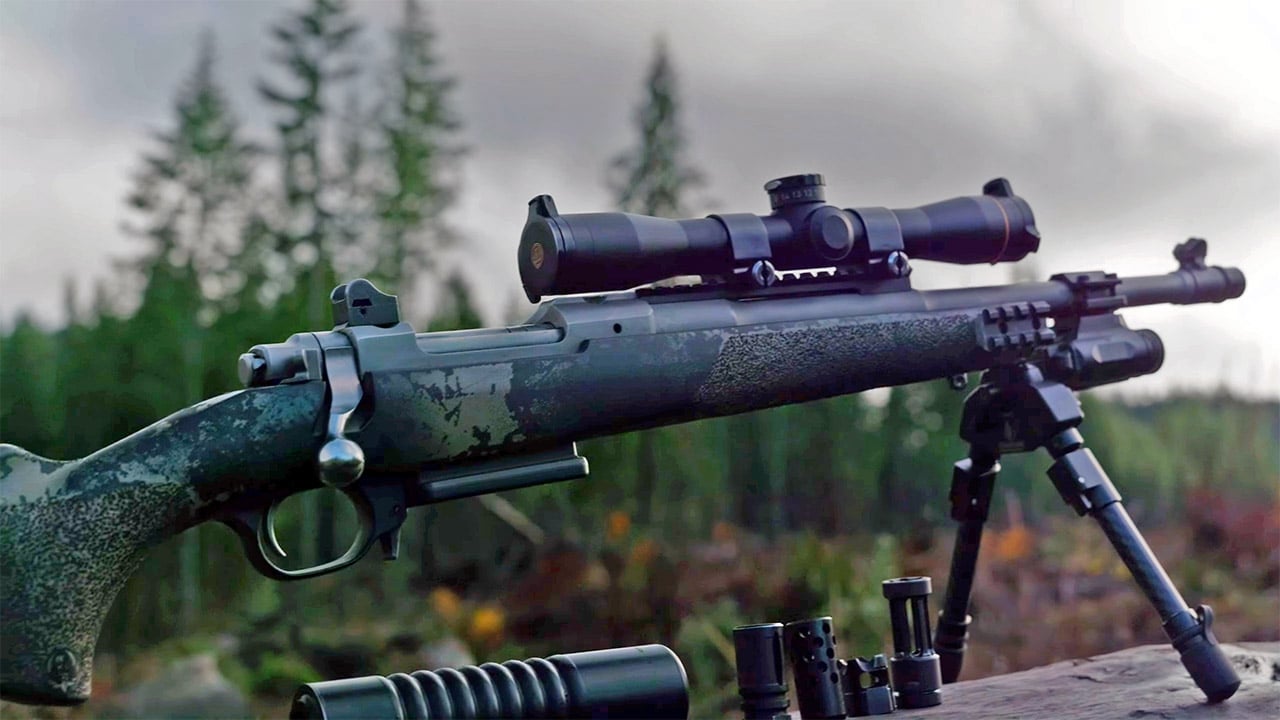
When the scout rifle idea got popular online, it also got mocked online. The Gunsite Scout caught some of that, and plenty of buyers couldn’t see why they’d want a short .308 with iron sights and a “weird” rail.
Then guys started using them as camp rifles, hog rifles, and general-purpose walk-around guns. They feed well, they’re handy, and they’re accurate enough. It’s not a specialty PRS rig, and it’s not supposed to be.
17. Tikka T3x (stainless lite)
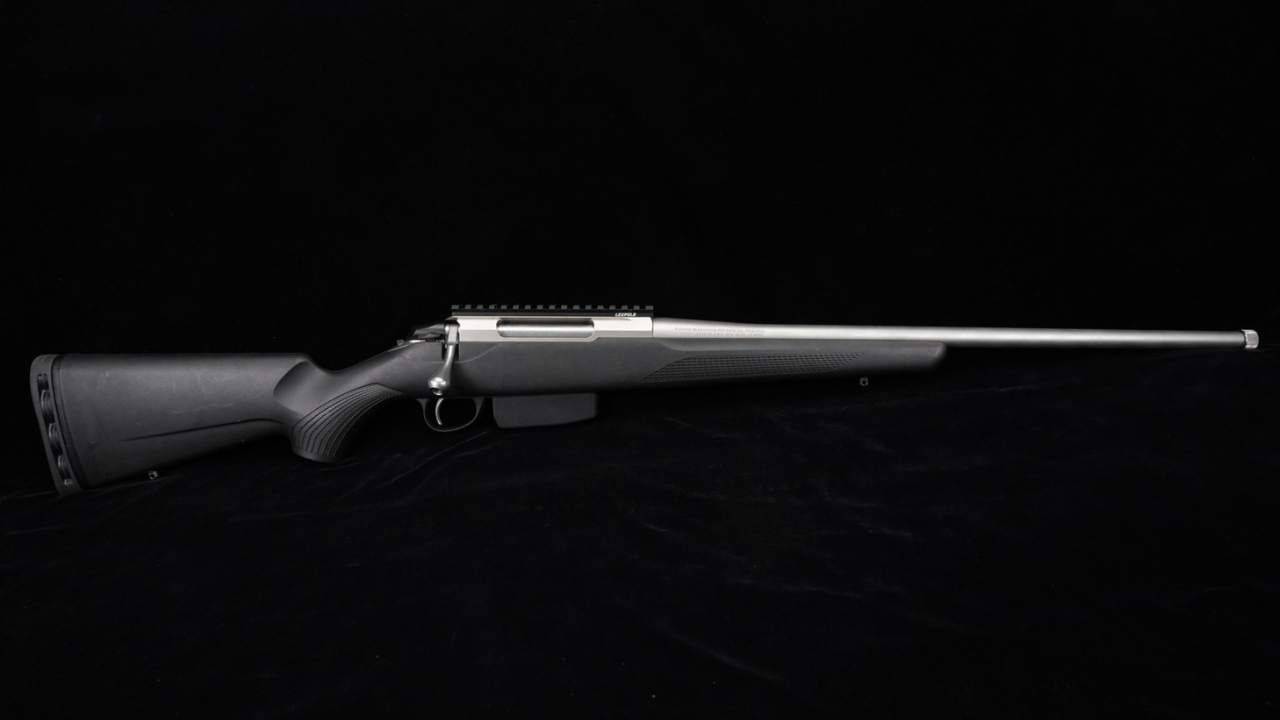
Tikkas weren’t ignored by everybody, but they were ignored by the crowd that equates “serious rifle” with weight and walnut. Then hunters started dragging them up ridges and through rain and realizing the action is slicker than it needs to be.
The stainless lite versions are the ones buyers ask for when they want a true working rifle that doesn’t rust if the weather turns mean. Magazines aren’t the cheapest, but the rifles flat-out shoot.
18. Ruger M77 Mark II (stainless)
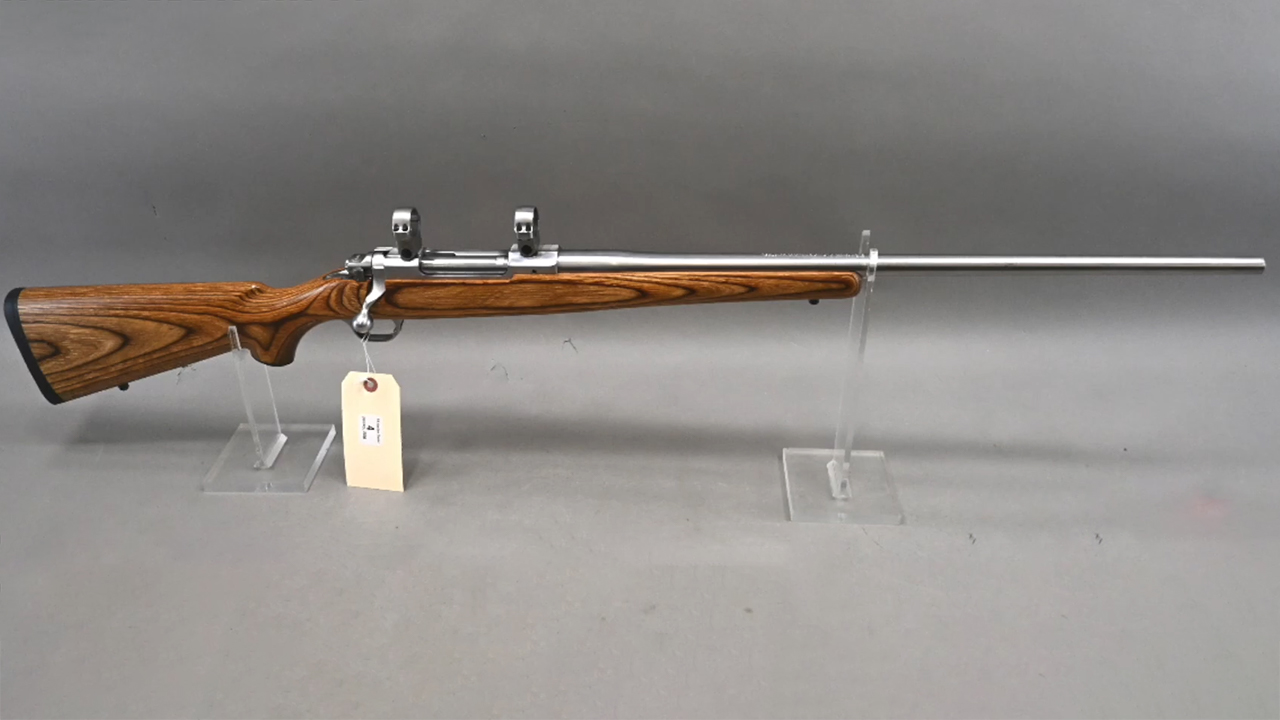
The M77 Mark II lived in the shadow of the Model 700 and Model 70 arguments for a long time. It was the rifle you bought because you trusted Ruger, not because the internet told you to.
Controlled-round feed, sturdy extractors, and a feel that says “hunting rifle” instead of “bench rifle.” The stainless versions have become especially desirable for folks who hunt wet places or keep a rifle in a truck during season.
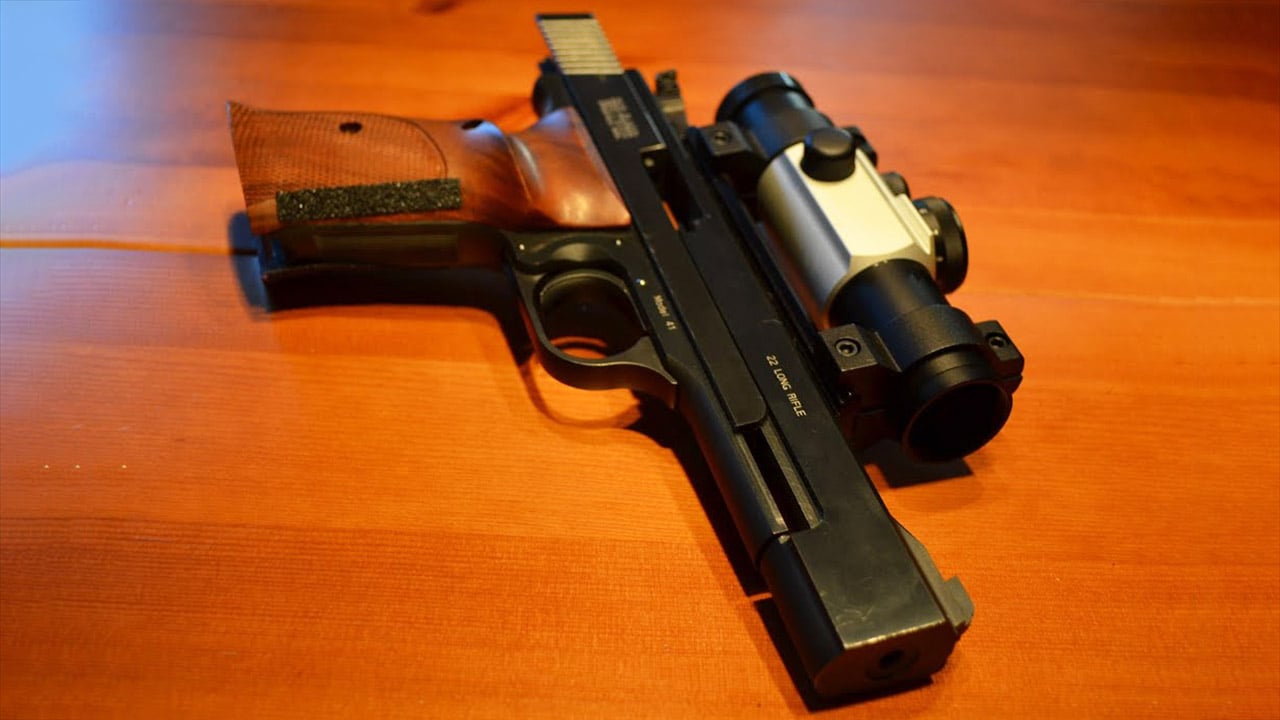
19. Smith & Wesson Model 41
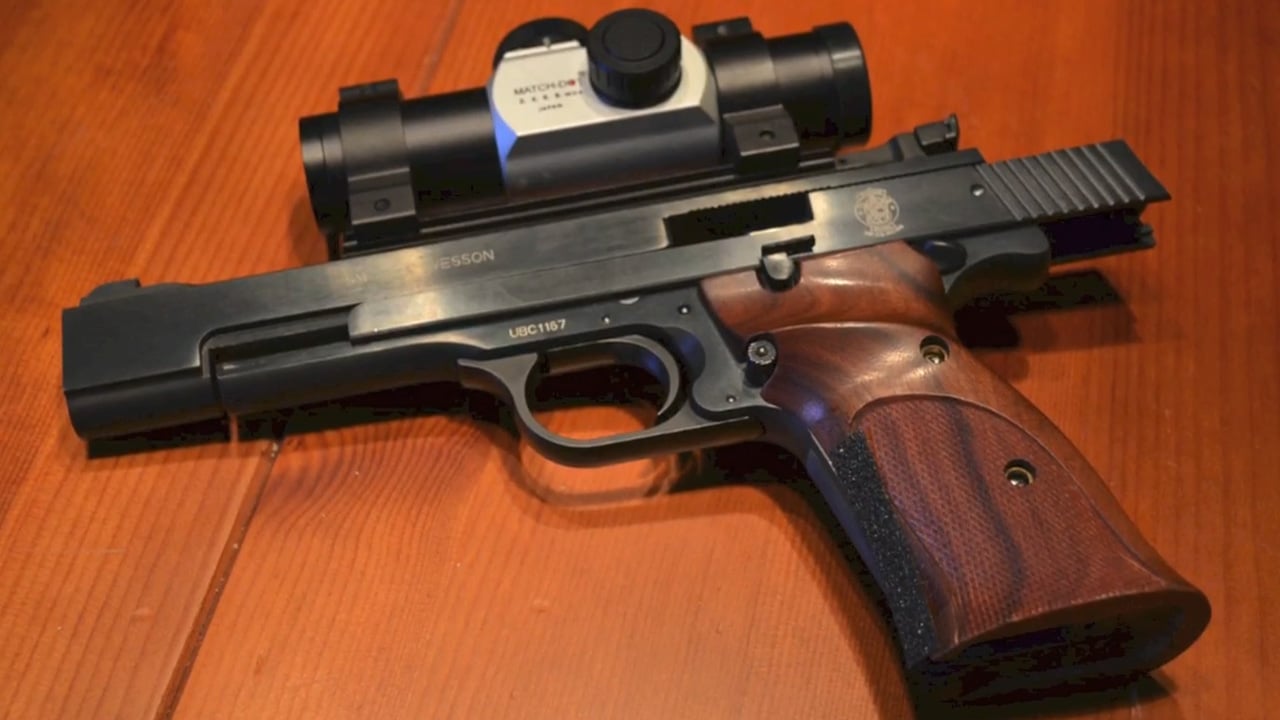
A lot of shooters don’t understand how nice a dedicated .22 target pistol can be until they spend time with one. The Model 41 was always respected, but it wasn’t always hunted for.
Now the buyers who care about trigger quality and accuracy ask for them immediately, because they want a rimfire that makes practice feel rewarding again. They’re not cheap, and they’re not meant to be tossed in a tackle box. They’re meant to be shot well.
20. Browning Hi-Power (FN/Browning)

The Hi-Power got pushed aside in the age of polymer striker guns. “Low capacity,” “hammer bite,” “old design.” And yet, it keeps coming back around, because it’s one of the best-feeling 9mms ever built.
A good one carries flat, points naturally, and has that old-school steel-gun steadiness. The serious buyers asking for Hi-Powers usually aren’t chasing nostalgia—they’re chasing a specific feel in the hand that new guns still struggle to replicate.
The funny part about overlooked guns is that they usually aren’t flashy when they’re introduced. They’re practical. They do a job. Then the catalog moves on and the marketing moves on, but the guys who actually carry, hunt, and train keep notes. If you’ve got one of these sitting in the back of the safe and you’re thinking about letting it go, I’d at least shoot it one more time before you decide. Ask me how I know.
Like The Avid Outdoorsman’s content? Subscribe to our newsletter so you never miss an article.
Here’s more from us: