Photo credit: Albee 62/Youtube
Every gun company has a conference-room story where the numbers won and the shooters lost. The product worked, hunters liked it, range guys trusted it, and then it disappeared anyway because of margins, tooling, corporate reshuffles, import headaches, or a new “strategic direction” somebody cooked up on a spreadsheet.
I’ve watched it happen from both sides of the counter. One season a model is everywhere, the next season you can’t find magazines, holsters, or a spare extractor without digging through forum posts like you’re panning for gold. Here are 20 guns that got the axe for business reasons that never made sense to the folks actually using them.
1. Remington Model 700 Classic
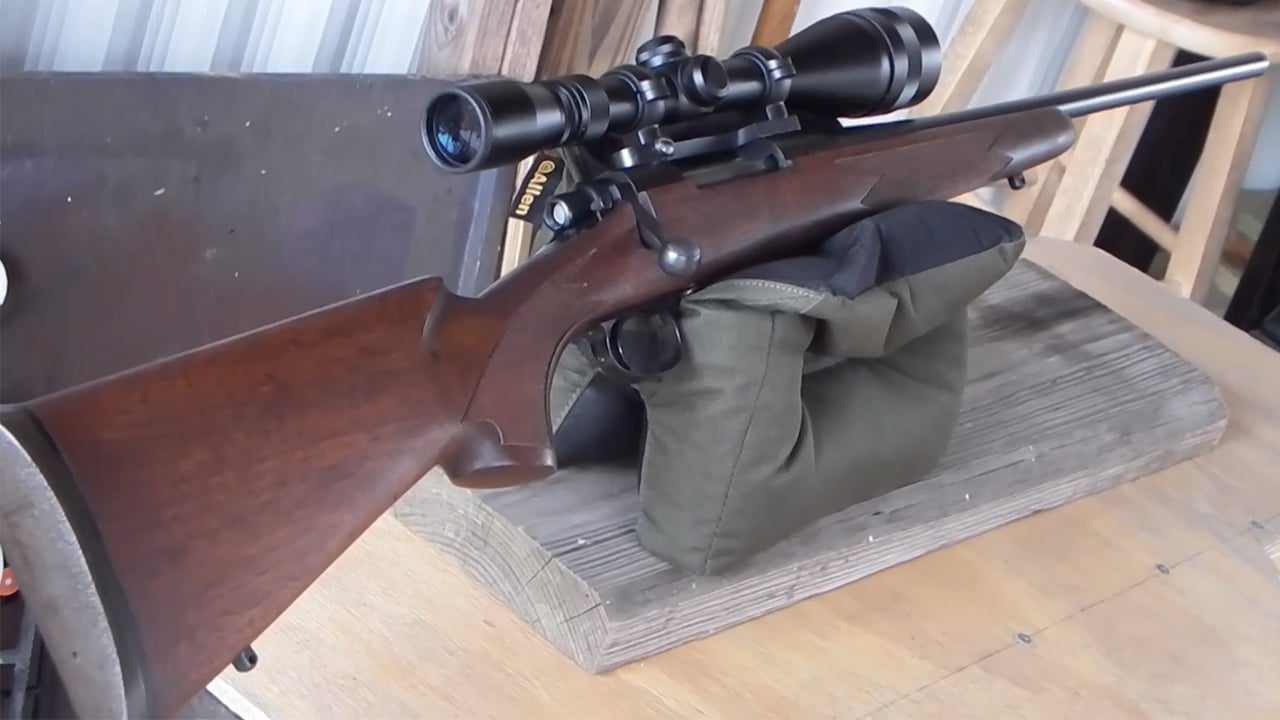
This one still stings. The “Classic” line was a clean, honest hunting rifle concept: traditional styling, sensible chamberings, and a rifle you didn’t mind carrying in wet leaves and cedar thickets. It wasn’t trying to be tactical or trendy. It was trying to be a deer rifle, and it did that job.
It got overshadowed by cheaper SKUs, marketing churn, and the constant push to hit price points. If you’ve ever handled a good older 700 and then shouldered a later budget-model rifle, you know why guys still hunt pawn shops for these.
2. Winchester Model 70 “Classic” Controlled-Round Feed (New Haven era)

There’s a reason you still hear old-timers call it “the Rifleman’s Rifle.” The controlled-round feed action is the kind of thing you appreciate when you’re cold, tired, and working the bolt without thinking. It’s not magic, it’s just confidence.
When the old production stopped and the line shifted, the “why” never landed with the folks who carried them. Hunters weren’t asking for a reinvention. They were asking for the same rifle, made the same way, with maybe better stock options and consistent QC.
3. Ruger Model 44 Carbine (Deerstalker)
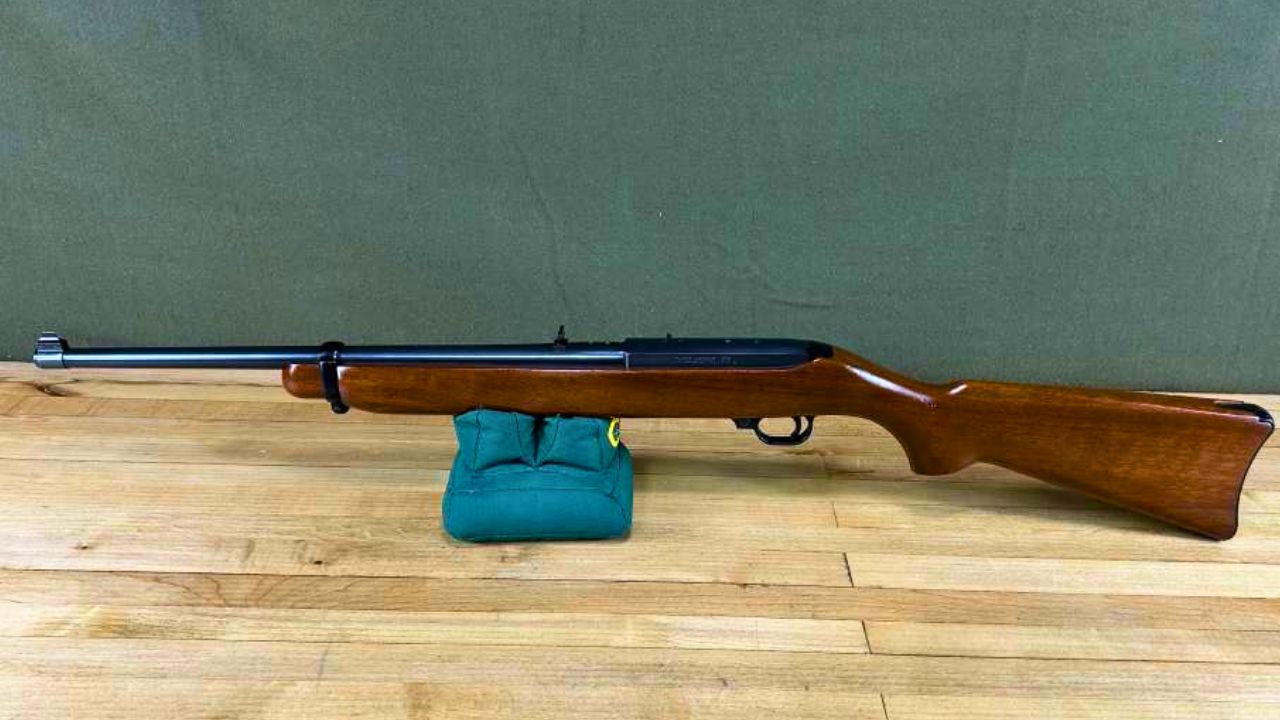
A handy little .44 Magnum semi-auto that carried like a .22 and hit like a hammer inside woods ranges. In thick cover where shots are fast and close, this thing made a lot of sense. It pointed quick and didn’t feel like you were hauling a fence post.
It wasn’t a long-range rifle and never pretended to be. But business-wise it lived in a weird spot: not “modern sporting rifle” cool, not cheap to build, and not something the average buyer understood at the counter. The field guys understood it just fine.
4. Ruger 96/44

If you like lever guns but don’t love tube magazines, the 96/44 was one of those “why didn’t this catch on?” rifles. Rotary magazine, quick handling, and .44 Magnum practicality for stands, feeders, and tracking jobs.
It was a niche within a niche, and niche stuff gets cut first when sales teams want simple product lines. That’s a shame, because it solved real problems for deer hunters who wanted fast reloads and a compact rifle that still hit hard.
5. Marlin 1894 (Remington-era pause and chaos)
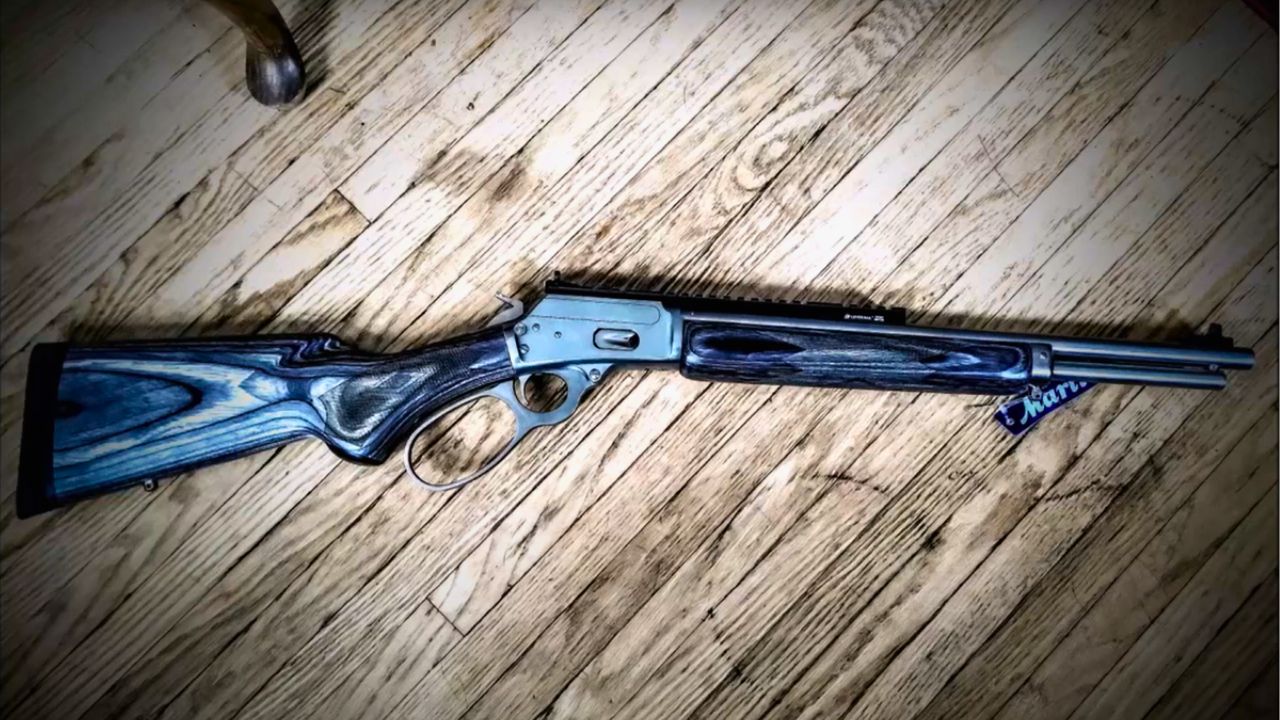
The 1894 in .357 or .44 is one of the most useful “do a little of everything” carbines ever made. Truck gun, woods deer gun, hog gun, even a fun steel-range piece that doesn’t beat you up. When you get a good one, it runs and runs.
The trouble was the business side and the quality swings that came with production changes. The market didn’t reject the idea of the 1894. The market rejected inconsistency. Then supply dried up, and folks who just wanted a solid pistol-caliber lever gun were left scrambling.
6. Browning BLR Lightweight ’81 (certain chamberings)
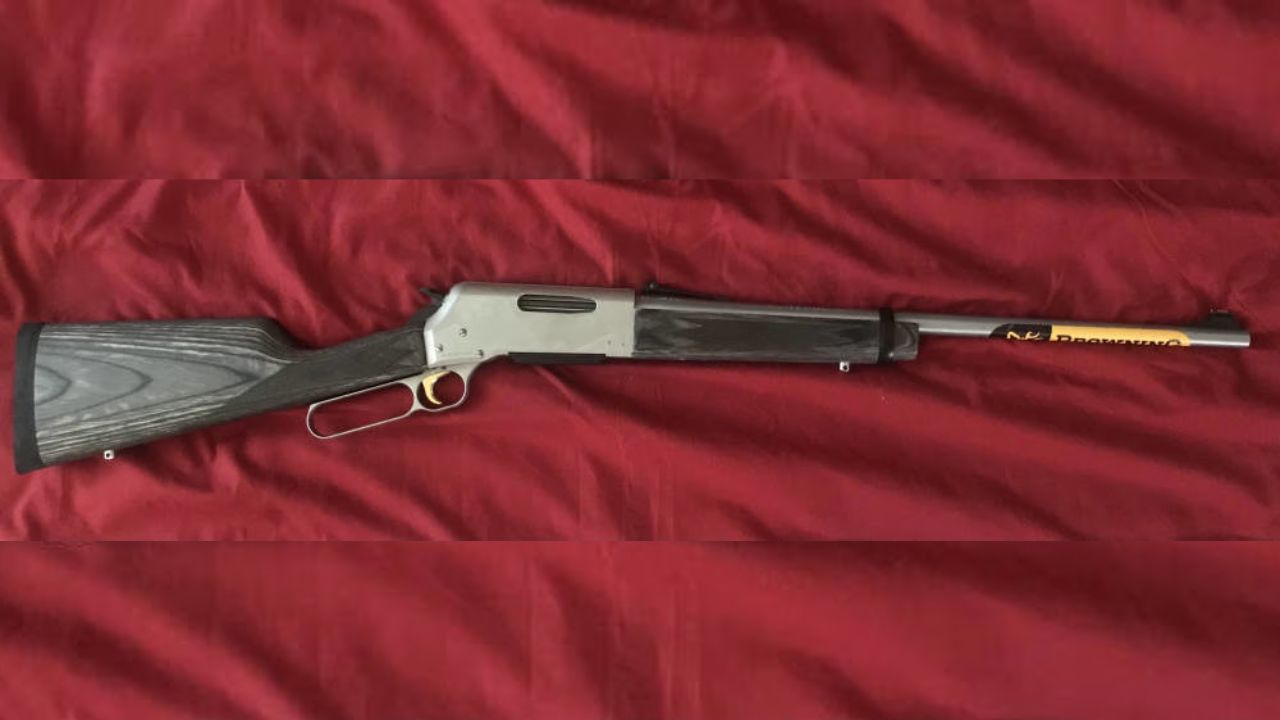
The BLR is one of the few lever guns that makes real sense if you want modern cartridges without giving up lever handling. Detachable magazine, strong action, and it carries well in the mountains. Not everyone loves the trigger feel, but a lot of hunters don’t care once meat’s in the freezer.
Browning has a habit of trimming chamberings and variants, and the ones that disappear are often the exact ones that make the most “real world” sense. Lightweight rifles in practical calibers shouldn’t be the hard ones to find, but here we are.
7. Browning BSS Side-by-Side
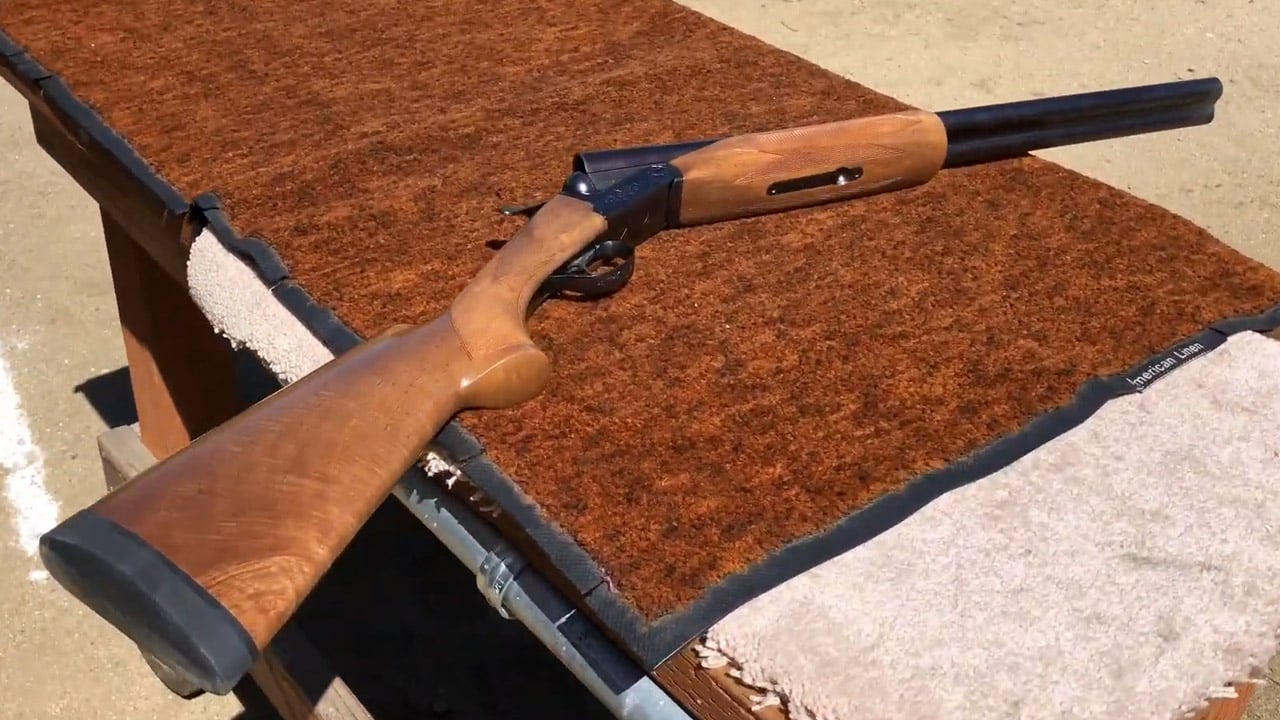
Side-by-sides aren’t for everybody, and that’s fine. But the BSS was a working person’s SxS—solid, shootable, not just a wall-hanger. Upland hunters liked it because it could take a season’s worth of hard miles without getting babied.
They’re expensive to build right, and the market for doubles gets weird fast: either bargain-bin or high-dollar. The BSS lived in the middle where normal hunters actually live, and that middle keeps getting squeezed out.
8. SIG Sauer P239
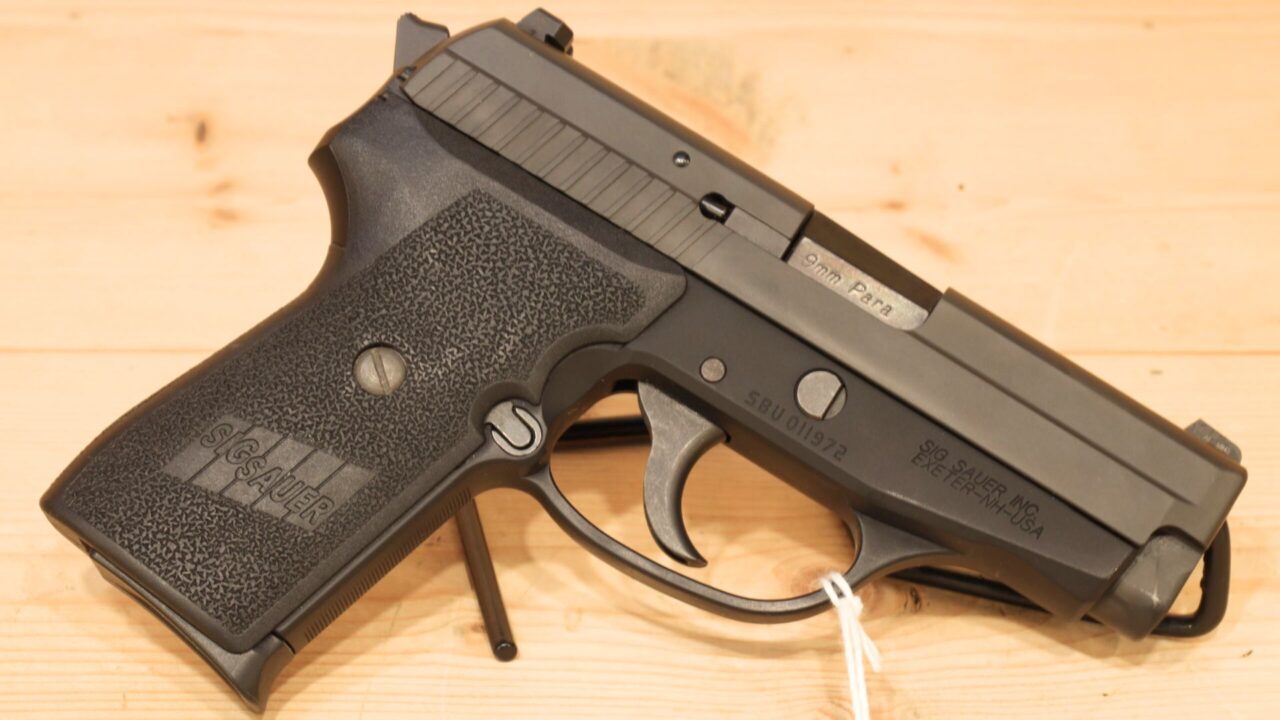
Before micro-9s took over every display case, the P239 was a serious carry pistol for folks who wanted a slim package with a grown-up feel. It shot like a bigger gun, and the controls made sense if you came up on traditional SIGs.
It didn’t get discontinued because it was bad. It got discontinued because the market wanted lighter, smaller, cheaper, and higher capacity. Business-wise, I get it. In the field, plenty of folks would still rather carry a P239 than a snappy little micro that beats their hands up.
9. SIG Sauer P225 (original) / P225-A1 (short run reality)

The P225 is one of those 9mms that just fits. The grip shape works, the gun points naturally, and it’s easy to shoot well without fighting it. That matters more than internet debates when you’re actually trying to put rounds where they belong.
Both the original and the later revival ran into the same issue: it’s hard to sell a “simple” single-stack at a premium price in a world obsessed with capacity. Still, for real carry and real practice, it’s one of the SIGs that made the most sense.
10. Smith & Wesson Model 3913
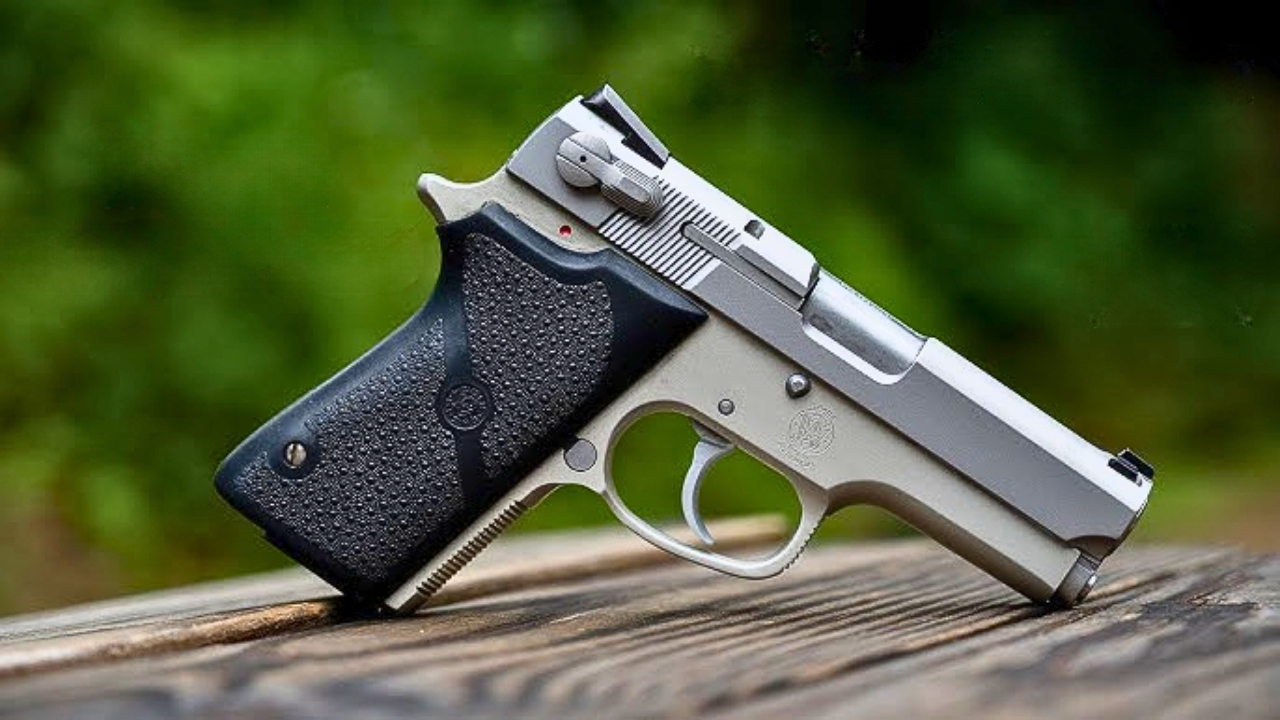
This is the pistol I still see experienced carriers quietly hanging onto. Slim, reliable, easy to conceal, and it doesn’t demand special handling. The 3913 is what you end up appreciating after you’ve tried three different trendy carry guns and got tired of compromises.
It vanished because the industry moved to polymer and striker-fired everything. The problem is, not everyone shoots polymer wonder-nines better. A good metal-framed single-stack with a sensible trigger system still has a place, even if it isn’t exciting on a sales flyer.
11. Smith & Wesson Model 1076
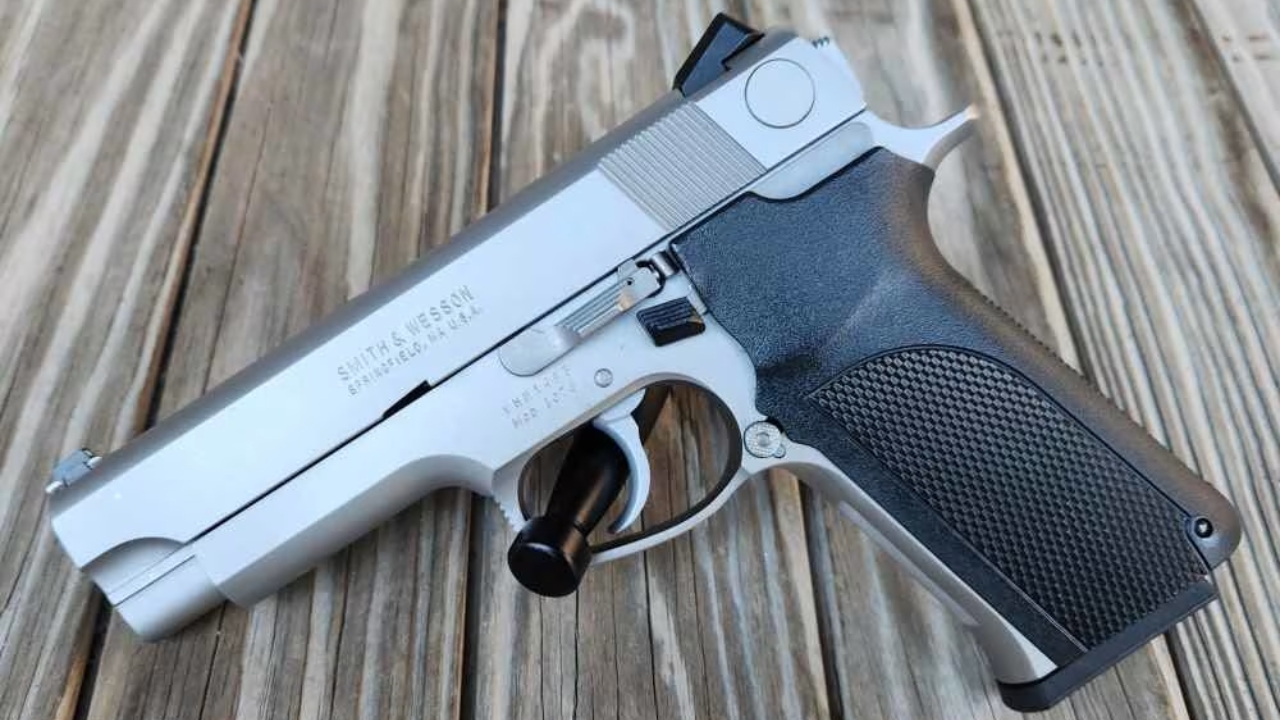
10mm guys understand this one. The 1076 is chunky, durable, and built for the cartridge in a way that doesn’t feel “adapted” or thin. If you’ve carried in bear country, you know why some folks are stubborn about 10mm.
It wasn’t a high-volume seller, and 10mm popularity comes in waves. Companies hate waves. They want steady. The field doesn’t care about steady. The field cares about a sidearm that runs when you’re miles from the truck.
12. Ruger P95

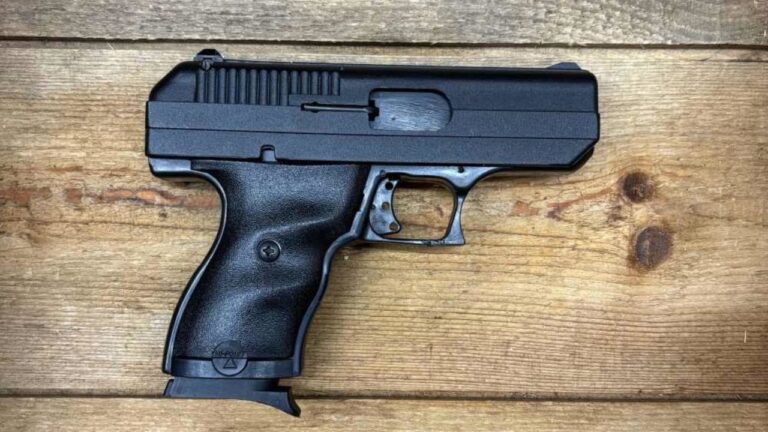
There is nothing fancy about it, and that is kind of the point. The P95 was ugly to some eyes, but it was reliable, forgiving, and tough. It was the kind of gun you could throw in a tackle box or keep on the farm without worrying about every little scuff.
Ruger refined and replaced the whole P-series approach as the market demanded slimmer profiles. But plenty of shooters didn’t want slimmer. They wanted dependable. The P95 didn’t win beauty contests, it just worked.
13. Beretta 9000S

This pistol had ideas that were ahead of its time—compact, modern, and meant to compete in the concealed-carry space before that space exploded. The problem was it landed in the awkward years where ergonomic “experiments” could sink a gun fast.
Even fans will admit it’s not everyone’s favorite in the hand. Still, discontinuing it left a gap for Beretta until newer carry options matured. Sometimes a company needs a “bridge model,” and this one got cut before the bridge was built.
14. Heckler & Koch P7 (PSP / M8)
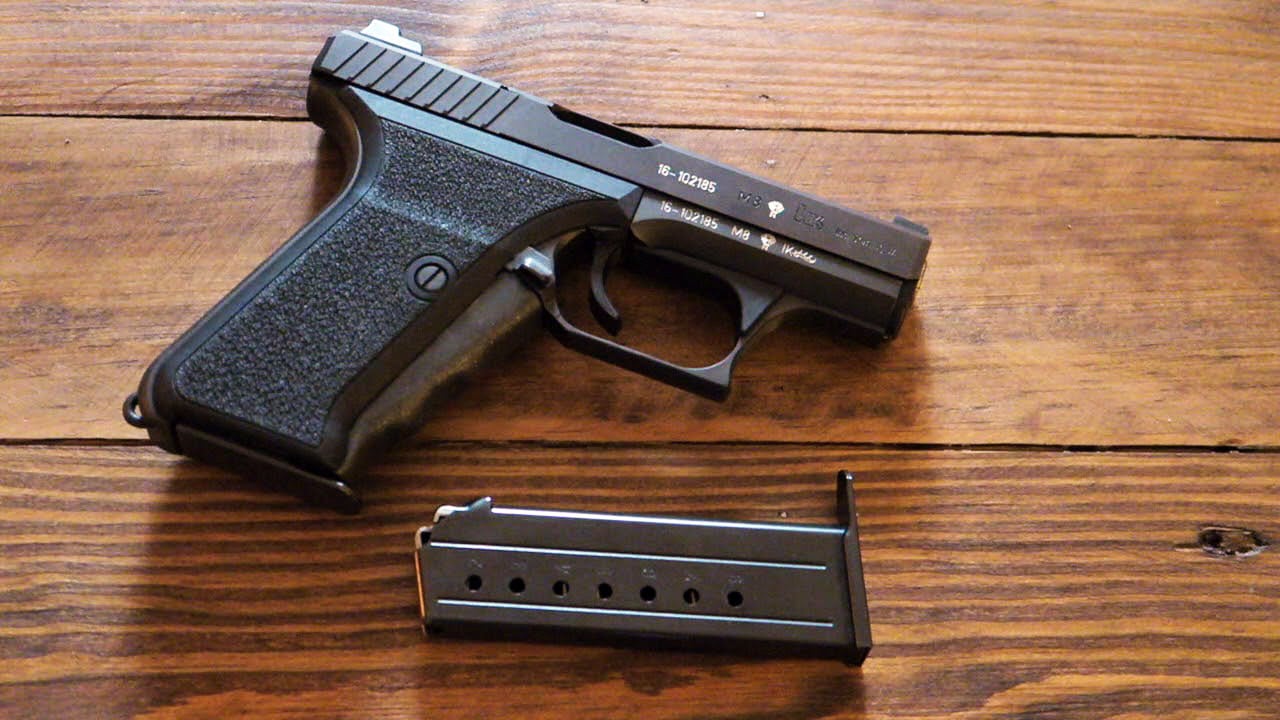
The P7 is one of the most accurate, confidence-inspiring carry guns ever made, and it’s also one of the most expensive-to-produce service pistols ever made. That’s the whole story. Shooters loved it. Accountants hated it.
It carries flat, points fast, and shoots like it’s on rails. The downside is heat during extended firing and the unique manual of arms, but for real-world carry it was special. Discontinuing it made sense on a spreadsheet. It never made sense in a holster.
15. Colt Double Eagle
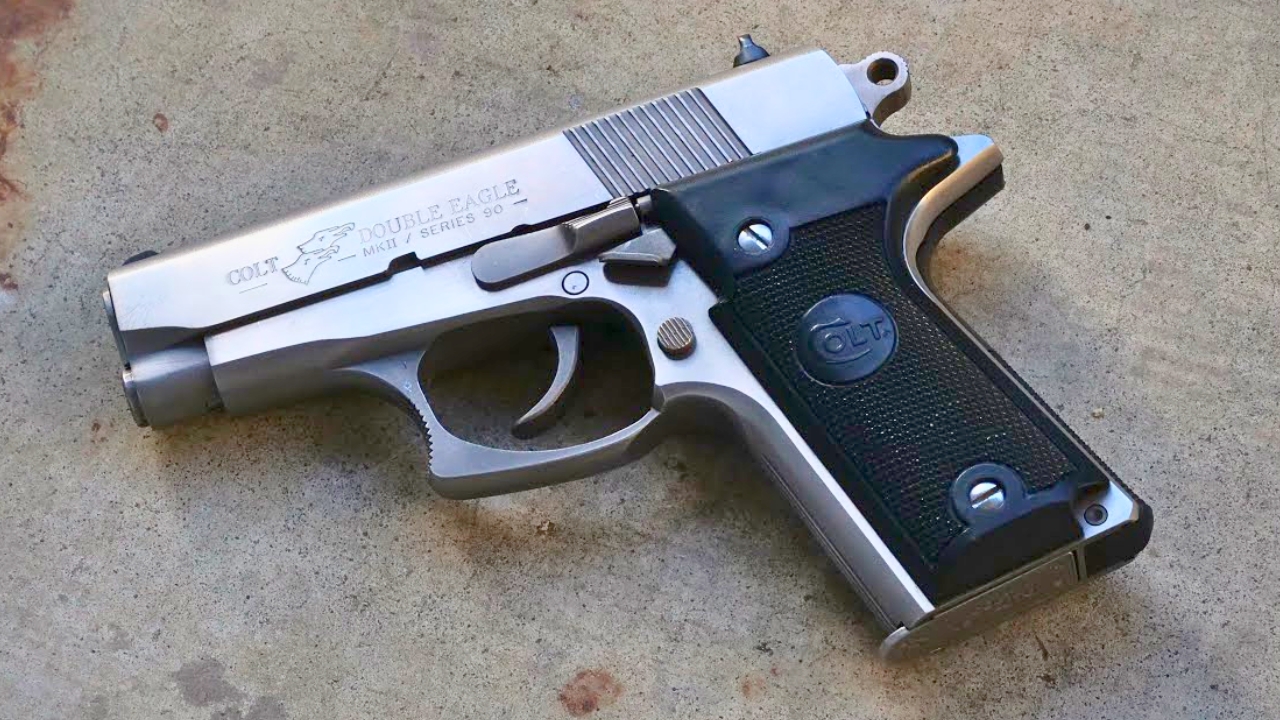
Colt’s attempt to bring a modern DA/SA .45 into the world was never going to be easy. The market was crowded, and Colt buyers can be picky in a way other brands don’t always deal with. But the Double Eagle had a following because it delivered a big-bore feel with practical controls.
It got dropped in the middle of broader business swings and shifting priorities. It’s one of those pistols that, if you find a good one, you’ll either love it or wonder why it didn’t get one more generation of refinement.
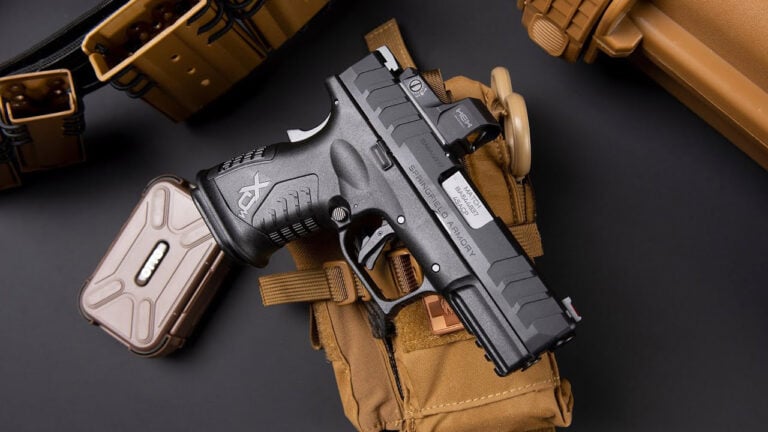
16. Colt Mustang (original run)

The little Mustang was a classic before “micro carry” was even a normal phrase. Small .380, easy to conceal, and it fit a lot of hands better than the tiny blowback guns that were common back then.
It disappeared, then came back years later because the market finally caught up to what it already was. That’s the frustrating part. The original didn’t fail the field. It got swept away by corporate decisions and product-line shuffling.
17. Springfield Armory EMP (original concept, later narrowed)
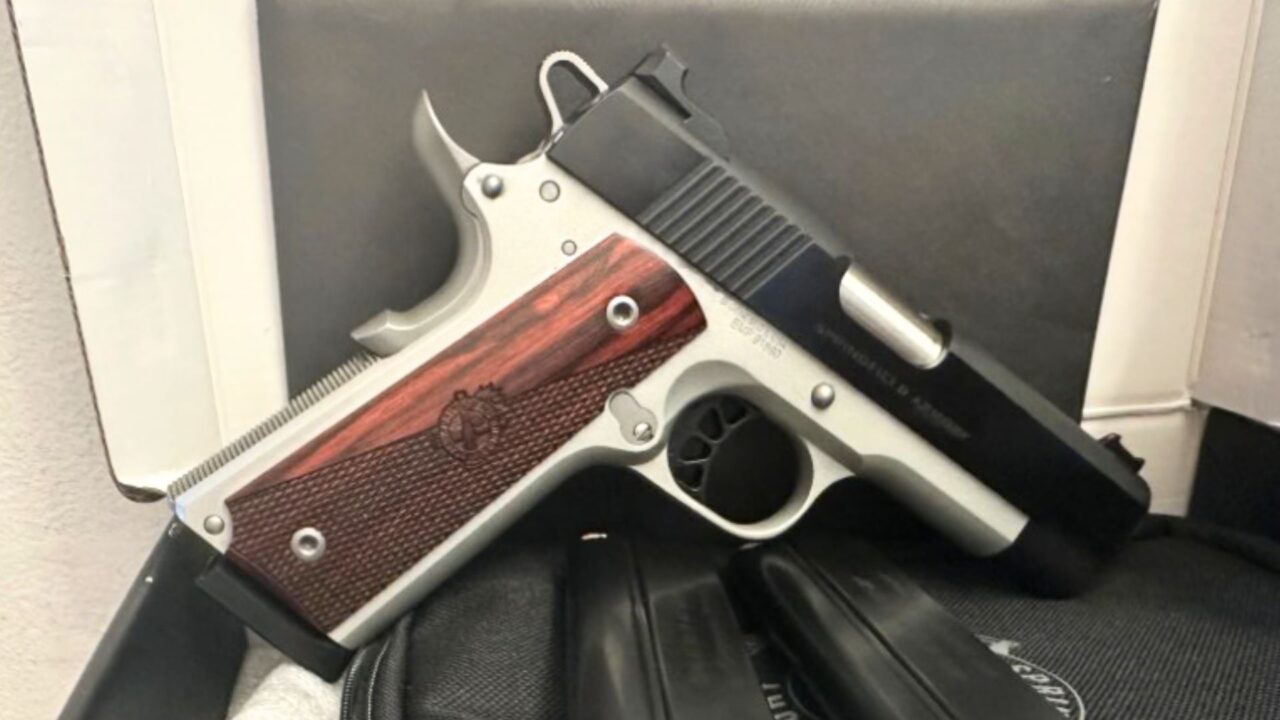
The EMP concept—shrink a 1911 around 9mm—was a good idea for carry. A 1911 that doesn’t feel like you’re hiding a brick, with manageable recoil and a familiar trigger. When they run right, they’re sweet.
The issue was cost and complexity. Small 1911s can be finicky, and they’re not cheap to build. Instead of developing the idea into a broad, mature line, it ended up feeling like a specialty item that never got fully embraced the way field users hoped it would.
18. Remington 1100 Competition / certain 1100 variants
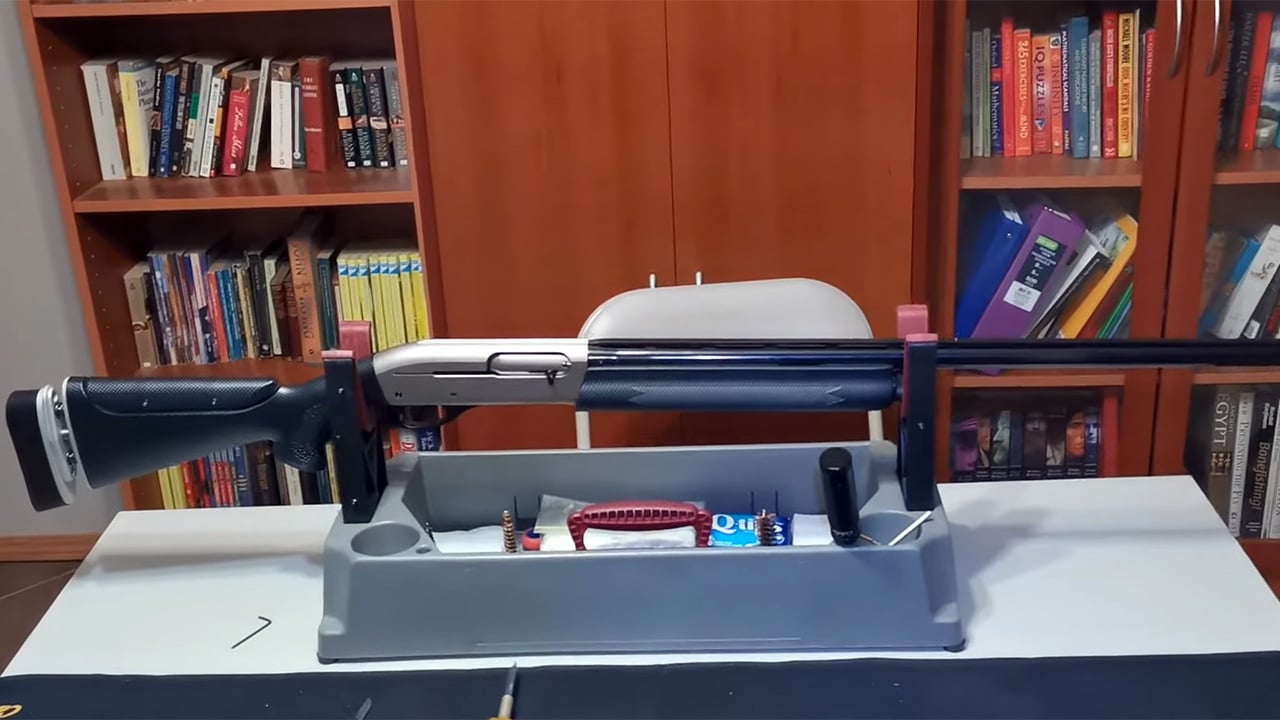
If you’ve shot clays with an 1100 that fits you, you know why people are loyal to them. Soft shooting, smooth cycling, and it doesn’t punish you over a long day. Hunters liked them too, especially for waterfowl when you wanted a semi-auto that didn’t feel harsh.
But manufacturing changes and corporate turbulence turned a steady classic into a complicated lineup. Variants came and went, and parts support got uneven. The field never asked for drama. The field asked for consistent 1100s and continued support.
19. Mossberg 590M (mag-fed pump shotgun)
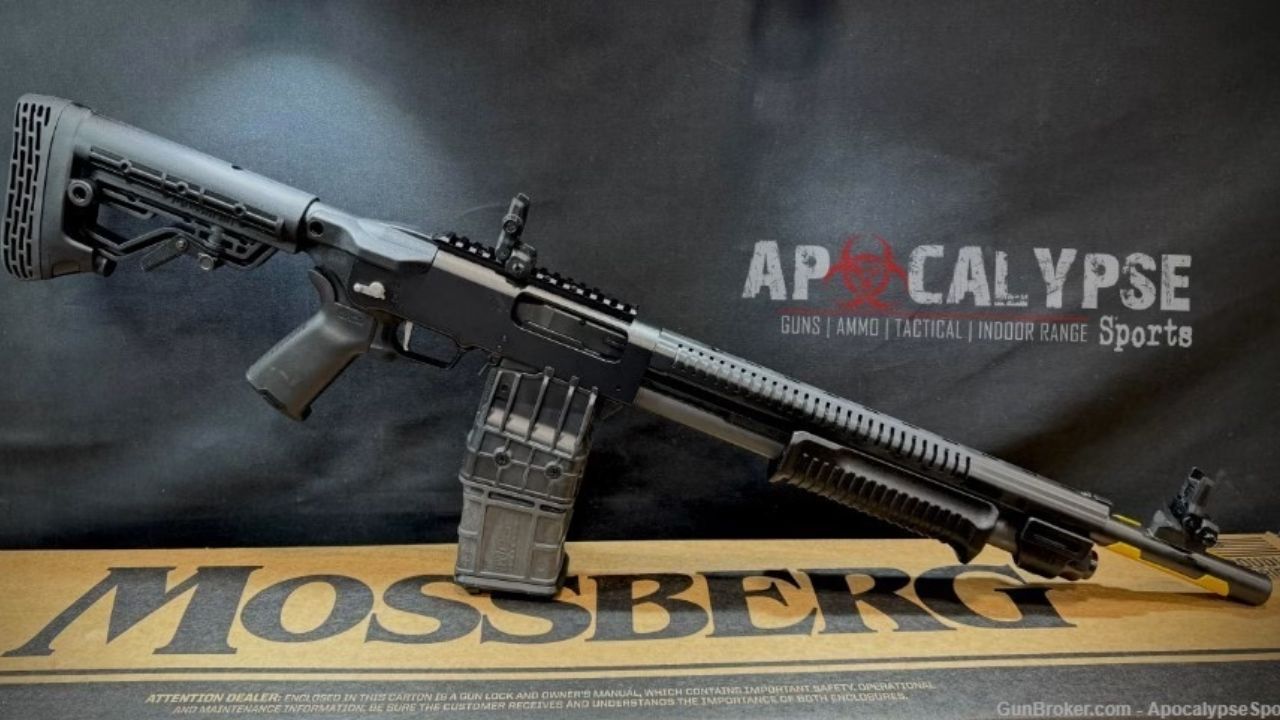
Mag-fed shotguns sound like the answer until you start living with them. The 590M actually worked better than most, and for certain roles it made sense. On a rural place where you’re dealing with predators or pests and want quick reloads, I get the appeal.
The problem is the magazines are big, expensive, and not something every buyer wants to commit to. Stores don’t like dedicating shelf space to awkward accessories. Business decisions followed. Out in the field, some folks would still rather have the option than not.
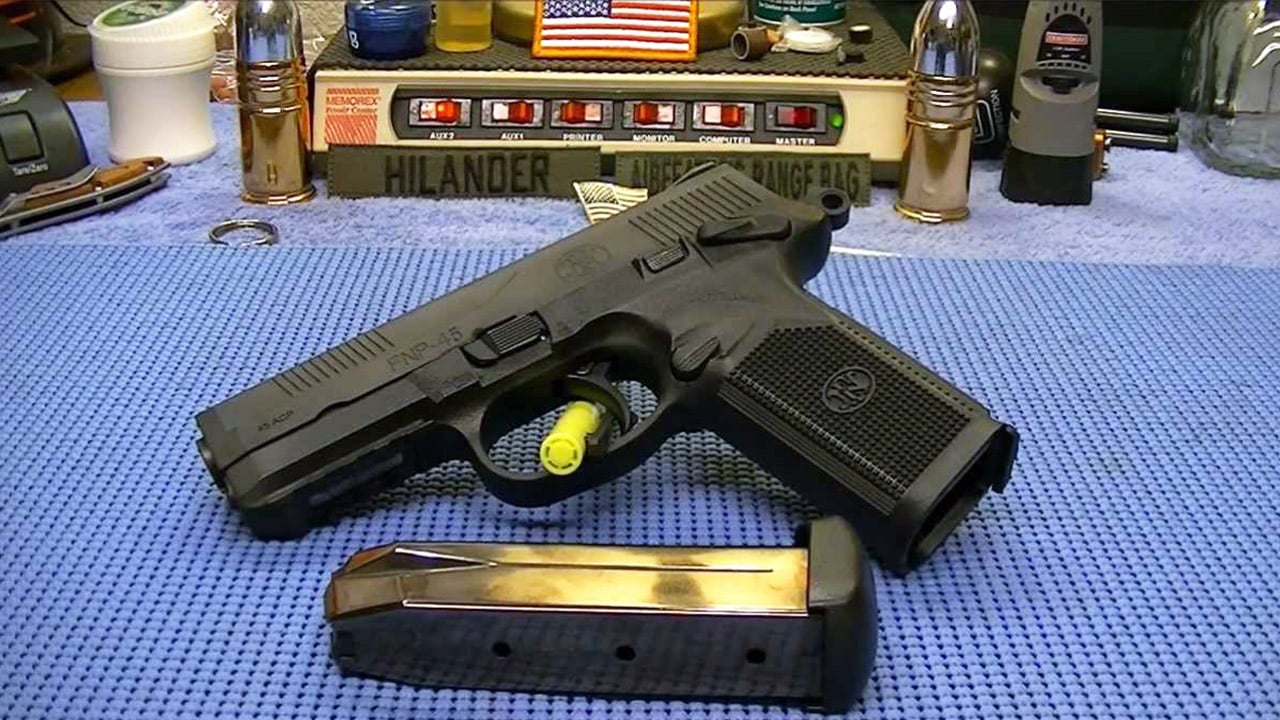
20. FN FNP-45
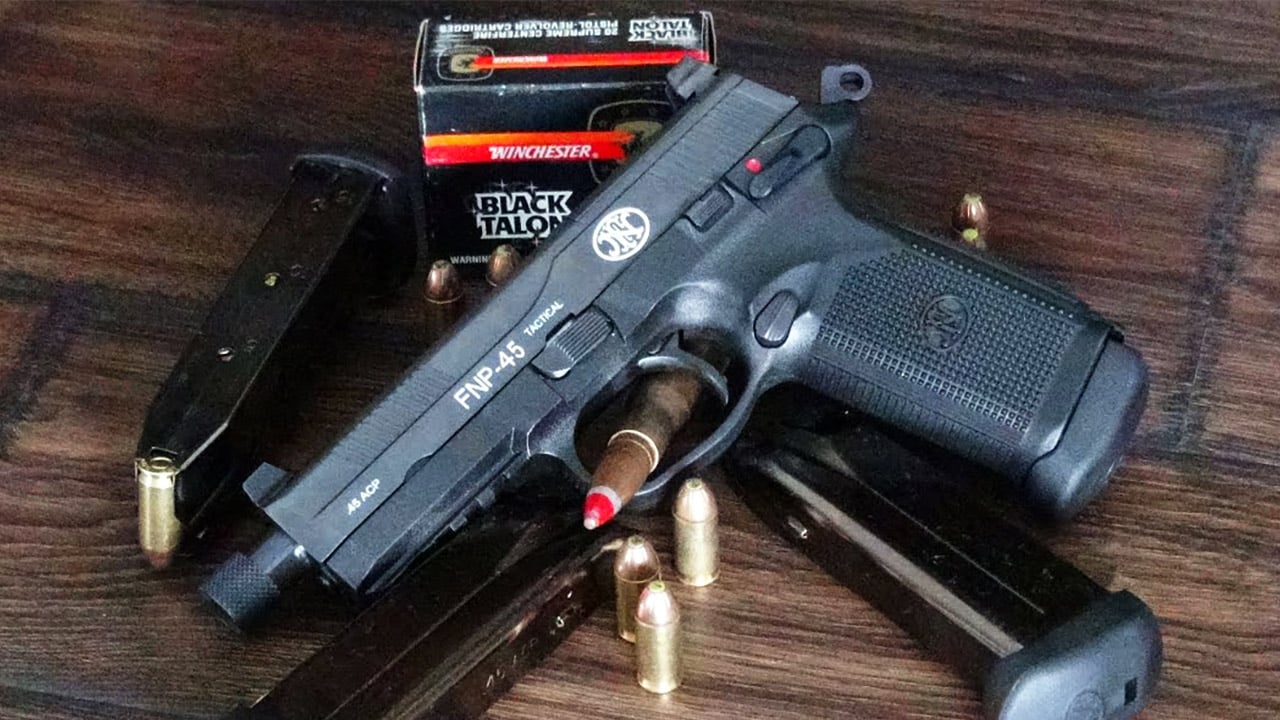
Before the FNX-45 took over the spotlight, the FNP-45 was a serious .45 that offered capacity and reliability without feeling like a gimmick. Big hands loved it. Suppressor folks liked where the platform was headed. It was a hard-use pistol that didn’t need a fan club to be useful.
It got replaced by the next generation, and that’s normal. What wasn’t normal was how fast the earlier model faded from shelves and support conversations. If you own one, you already know the trick: stock a few magazines and springs and just keep shooting it.
None of these were perfect. Some were heavy, some were pricey, some were too “in-between” to sell in huge numbers. But they all had one thing in common: they made sense where it counts—on a range, in a holster, in a deer stand, or riding in a truck on a working piece of ground. If you’ve got one you trust, I would not be quick to let it go. Business decisions move on fast. Good guns don’t always come back.
Like The Avid Outdoorsman’s content? Subscribe to our newsletter so you never miss an article.
Here’s more from us: