Photo credit: KickinTheirBASSTV/YouTube
Some of the most frustrating days on the water happen when you know fish are there, conditions look right, and topwater should be the answer—but nothing commits. Pressured fish don’t stop feeding, but they do stop reacting the way you expect. After enough exposure to the same sounds, shapes, and retrieves, fish change how they behave near the surface. They get cautious, selective, and far less willing to make mistakes.
If you’ve ever watched fish roll under a bait, swirl without striking, or completely ignore a lure that used to work, you’ve seen pressure at work. Understanding why that happens is the difference between stubbornly throwing topwater all day and adjusting before the bite dies completely. These are the real reasons pressured fish back off topwater, and what’s actually happening beneath the surface when they do.
Repeated Sound Trains Fish to Avoid the Surface
Topwater lures rely heavily on sound, and that’s often their downfall on pressured water. Once fish hear the same pops, clacks, and buzzes over and over, they start associating those noises with danger. It doesn’t take many encounters for fish to recognize patterns, especially in smaller bodies of water or heavily trafficked areas.
When fish get conditioned, surface noise stops sounding like opportunity and starts sounding like risk. You’ll still see activity, but it’s often subtle—follows, swirls, or fish pushing water without striking. At that point, the problem isn’t hunger. It’s familiarity. Fish aren’t reacting because they already know what usually comes next after that sound. The surface stops being a feeding zone and becomes a warning zone, especially during daylight hours.
Increased Boat Traffic Pushes Fish Down
Boat pressure plays a bigger role in killing the topwater bite than many anglers realize. Engines, trolling motors, hull slap, and even repeated casts all send vibration through the water. Fish feel that long before they see anything.
As pressure increases, fish shift vertically instead of leaving the area entirely. They stay nearby but position themselves just deep enough to avoid surface commotion. That puts them in a zone where they can watch a topwater bait without committing. You’ll often mark fish directly under the lure, but they won’t rise. The surface becomes too busy, too loud, and too unpredictable. Fish learn that staying a few feet deeper still lets them feed—without exposing themselves to constant disturbance.
Clear Water Makes Fish More Cautious
In clear water, pressured fish can see far more than anglers think. Topwater lures rely on silhouette and disturbance, but when visibility is high, fish get a long look at everything happening above them. That includes line, hooks, and unnatural movement.
Once fish experience repeated close calls in clear water, they start inspecting instead of reacting. The explosive strikes disappear and are replaced by hesitation. Fish may track a bait from below, but clarity gives them time to decide not to strike. In these conditions, topwater becomes less effective not because it’s wrong, but because fish have too much information before committing.
Time of Day Stops Working in Your Favor
Topwater thrives on low light, but pressure compresses those windows. On heavily fished water, the early morning and evening bite gets shorter and shorter. Fish still feed, but they do it quickly and retreat sooner.
Once the sun climbs, pressured fish abandon surface feeding earlier than unpressured fish. They’ve learned that topwater presentations usually come with increased angling activity. Even if conditions look perfect, the clock matters more than usual. When pressure is high, fish adjust their feeding schedule to minimize exposure, and topwater becomes a short-lived opportunity instead of an all-morning pattern.
Surface Disturbance Feels Wrong to Fish
Topwater creates surface disruption by design, but pressured fish become sensitive to how much is too much. Aggressive walking baits, loud poppers, and buzzing lures can start to feel unnatural when fish have been exposed repeatedly.
Instead of triggering a reaction strike, exaggerated disturbance can push fish away. You’ll notice fish rolling nearby or pushing bait without striking. That’s a sign they’re still active but don’t trust the presentation. Pressure teaches fish that chaotic surface movement often isn’t food. When that happens, topwater loses its edge as a trigger and becomes something fish monitor instead of attack.
Fish Learn Hook Profiles Faster Than Expected
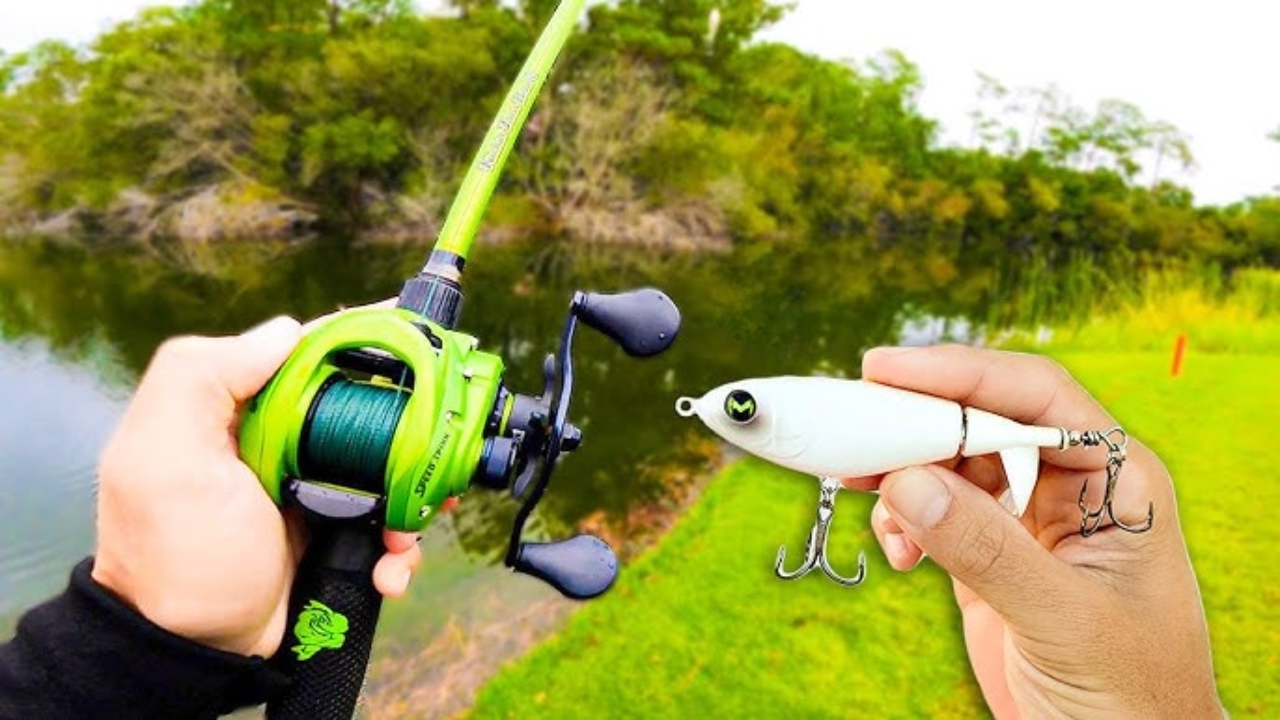
Hooks play a bigger role than most anglers admit. On pressured water, fish see exposed treble hooks far more often than natural prey presents anything similar. Over time, those shapes become familiar.
Even when fish don’t consciously recognize hooks, repeated negative encounters change behavior. Fish start striking short, swiping, or refusing to commit altogether. You’ll see blowups without hookups or fish missing baits repeatedly. That’s not poor timing—it’s hesitation. The more fish see similar hook profiles near the surface, the less willing they are to fully engage.
Pressure Makes Fish Feed More Subtly
Pressured fish don’t stop feeding; they change how they do it. Instead of explosive surface strikes, they feed just under the surface, picking off prey quietly. This keeps them safer while still allowing them to eat.
When that shift happens, topwater becomes less appealing because it requires fish to break the surface. That’s a vulnerable position on pressured water. Fish learn that feeding subsurface lets them control risk. You might still see bait activity, but the strikes move inches or feet below where your lure is running.
Repeated Retrieves Create Predictable Movement
Most anglers fish topwater the same way every time. Same cadence, same pauses, same angles. On pressured water, that consistency works against you.
Fish start anticipating movement instead of reacting to it. They know when the bait will pause, when it will speed up, and when it will exit the strike zone. That predictability removes urgency. Fish don’t need to strike immediately, so many don’t strike at all. Once movement becomes expected, topwater loses its ability to surprise, which is what makes it effective in the first place.
Fishing Pressure Shrinks Strike Zones
Pressure doesn’t just change fish behavior; it shrinks the area where they’re willing to strike. Fish position tighter to cover, deeper edges, or specific depth bands.
Topwater often runs above that reduced strike zone. Fish may track it, but they won’t move far vertically to eat it. This is especially true on calm days when surface conditions make fish feel exposed. Even aggressive fish become selective about how far they’re willing to move when pressure is constant.
Line Visibility Becomes a Factor
On pressured water, fish notice line more than most anglers think. Floating line and leaders near the surface can create visual cues that don’t match natural prey.
Once fish associate that visual presence with danger, surface presentations lose effectiveness. This is especially true in clear water or calm conditions. Even subtle line drag can tip fish off. When pressure is high, every unnatural element becomes magnified, and topwater often has more of those elements visible than subsurface baits.
Fish Associate the Surface With Risk
Pressure teaches fish where danger comes from. Over time, the surface becomes one of those danger zones. That doesn’t mean fish abandon it completely, but they limit how often and how long they use it.
You’ll still see surface activity, but it’s brief and cautious. Fish feed quickly and retreat. Topwater depends on fish feeling comfortable striking openly. When that comfort disappears, the bite fades even if food is present.
Weather Changes Hit Pressured Fish Harder
Pressured fish react more strongly to weather shifts. Wind changes, barometric movement, and cloud cover all influence how willing fish are to use the surface.
On lightly pressured water, fish might still hit topwater through minor changes. On pressured water, those same changes can shut it down completely. Fish already operating cautiously become even less willing to expose themselves. That’s why topwater can die instantly on pressured lakes when conditions shift slightly.
Fish Remember More Than You Think
Fish don’t need complex memory to learn. Repeated exposure is enough. When fish encounter similar surface lures, sounds, and presentations day after day, they adjust.
That adjustment doesn’t mean they’re smarter than anglers—it means they’re experienced. Pressured fish behave differently because they’ve survived long enough to learn what not to do. When topwater stops working, it’s rarely because fish aren’t there. It’s because they’ve learned that striking on the surface carries more risk than reward.
Like The Avid Outdoorsman’s content? Subscribe to our newsletter so you never miss an article.
Here’s more from us: