Image Credit: Fotopogledi/ Shutterstock.com.
Being prepared means more than just stacking supplies in the basement. A lot of people think they’re set for anything, but when the time comes, small mistakes can turn into major problems. The right gear won’t save you if it breaks when you need it. A stockpile of food won’t help if it’s expired. And all the planning in the world won’t matter if your body can’t handle the stress of survival.
Prepping is about staying alive, not just collecting stuff. The mistakes that seem small now could cost you everything in a real emergency. Here’s how to fix them before they become a problem.
Prepping for the End of the World but Not Real-Life Disasters

A full-blown apocalypse might never happen, but natural disasters, power outages, and supply chain disruptions? Those are guaranteed. Too many people prep for the big, dramatic scenarios but overlook the everyday emergencies that are way more likely to happen.
Having weapons and bunkers won’t help much if you’re not ready for a flood, wildfire, or winter storm. Build your plans around real-world threats first—clean water, food storage, first aid, and shelter. If you can’t handle a week without power, you’re not ready for anything bigger.
Prepping for One Season Leaves Gaps

Stocking up for a winter emergency is smart, but what happens when a heatwave or hurricane rolls through? Thinking in terms of just one season leaves you unprepared for the curveballs nature can throw at you.
Gear and supplies should cover all seasons. Extra blankets and heating sources matter in winter, but cooling methods and hydration become critical in summer. Clothing, shelter, and food storage also change depending on the time of year. If your prepping plan only works for one season, it’s not a solid plan.
Keeping Everything in One Spot Is a Mistake

All your emergency supplies packed neatly into one place might seem organized, but it’s also a huge risk. If your stash gets flooded, burned, stolen, or trapped under rubble, you’ve lost everything in an instant.
Spread your supplies out. Keep water and food in multiple locations. Have a go-bag in your car, some essentials hidden outside, and backup gear stored in different rooms. If something takes out your main supply, you don’t want to be left with nothing.
Weak Bodies Don’t Survive Emergencies

All the gear in the world won’t help if you can’t physically handle an emergency. Carrying heavy loads, walking long distances, chopping wood, or even just handling stress takes real stamina. If you’re out of shape, survival is going to be an uphill battle.
Physical fitness is part of being prepared. Strength, endurance, and flexibility matter. You don’t need to be a bodybuilder, but you should be able to haul supplies, hike to safety, and handle physically demanding tasks. If you can’t, it’s time to start training.
Expired Supplies Are Dead Weight

Food, medicine, and gear don’t last forever. If you’re not checking expiration dates, you could be sitting on a pile of useless supplies. Canned goods can go bad, stored water can develop a plastic taste, and medicine loses its effectiveness over time. If you’re relying on it to keep you alive, you better make sure it’s still good.
Regularly rotate your stock, replace expired items, and don’t assume “it’ll probably be fine.” In a survival situation, there’s no room for guessing. Either your supplies work, or they don’t—and if they don’t, you’re in trouble.
Gear You Haven’t Tested Might as Well Be Junk

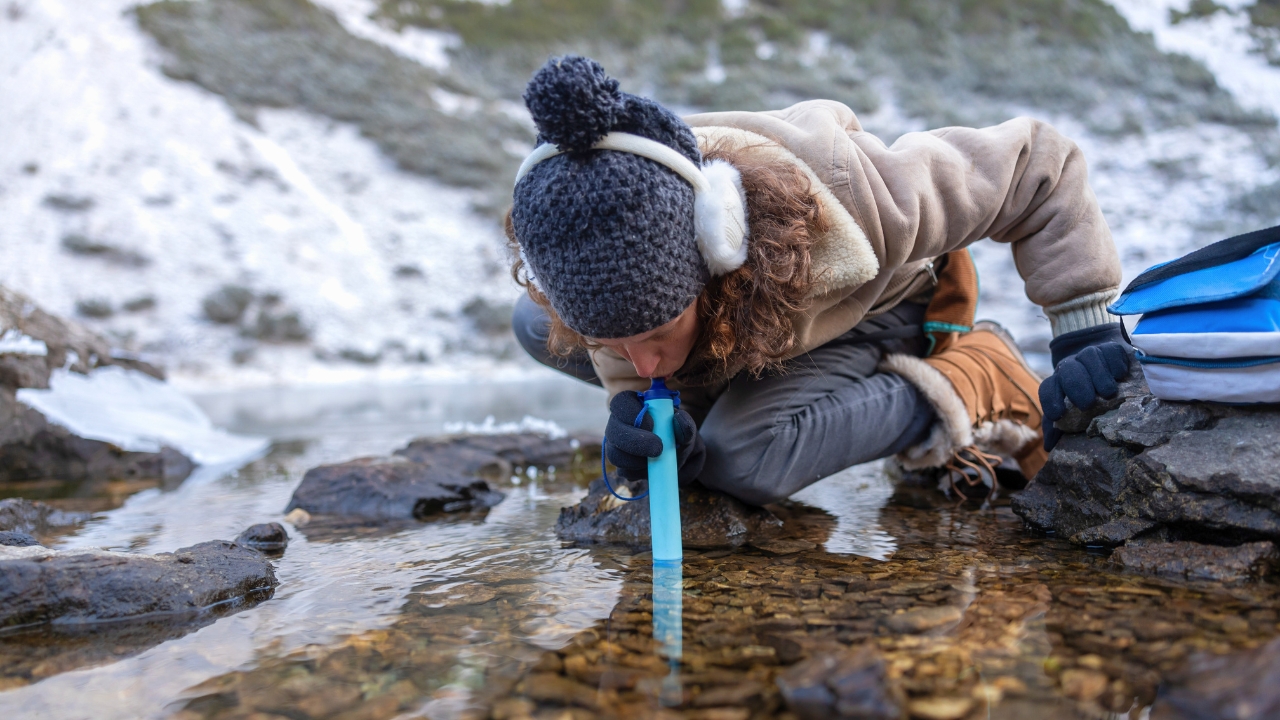
If you haven’t put your gear to the test, you have no idea if it’ll hold up when it counts. A water filter still in the box won’t do you any good if you don’t know how to use it. A survival stove you’ve never fired up before might leave you with raw food when you need a hot meal the most.
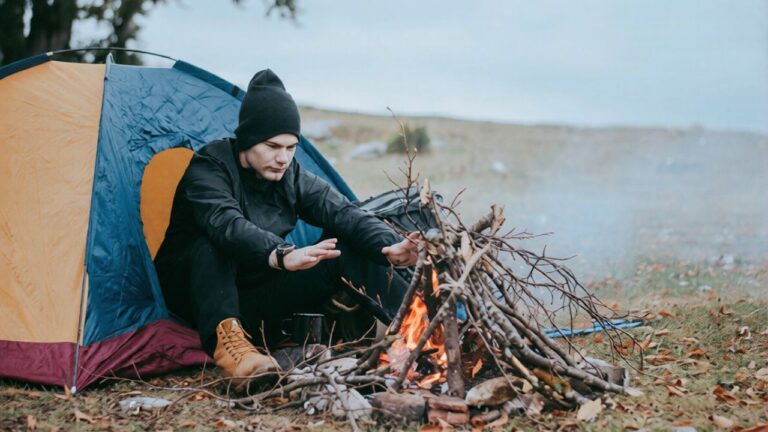
Take every piece of gear out and use it. Set up your tent in the dark. Start a fire with that striker in wet conditions. See how long your emergency radio actually lasts on a charge. The time to find out what works (and what doesn’t) is before you’re depending on it.
If Your Family Isn’t Prepared, You Aren’t Either

Being the only one who knows the plan is a guaranteed way to fail. If something happens and you’re not home, will your family know what to do? Can they find the emergency stash? Do they know how to filter water, start a fire, or handle first aid?
Everyone in your house should be involved in prepping. Kids can learn survival basics. Spouses or partners should know where supplies are and how to use them. If you’re the only one with a plan, you’re just making it harder on yourself when disaster strikes.
Books Keep You Alive When Tech Fails

When the grid goes down, so does the internet. All that survival info you thought you could look up? Gone. A solid collection of physical books on first aid, edible plants, and survival skills is worth its weight in gold when you don’t have Google to bail you out.
Carrying an entire library isn’t practical, but you don’t have to. Shrink the most important info, print it, and keep it in a waterproof binder. When everything else fails, hard copies of survival knowledge could be the difference between making it and not.
Cheap Gear Will Let You Down

Saving money is smart, but when it comes to survival gear, cheap usually means unreliable. A bargain-bin knife that snaps under pressure or a flashlight that quits on you in the middle of the night isn’t a deal—it’s a liability. In a real emergency, you need tools that work every time.
That doesn’t mean you have to buy the most expensive gear, but it does mean doing your homework. Look for well-reviewed, field-tested equipment. If you wouldn’t trust it in the woods on a solo trip, don’t trust it when your life depends on it.
Stockpiling Without a Plan Is a Waste

A pantry full of supplies won’t help if you don’t know what you have, how long it will last, or how to use it effectively. Stockpiling without a plan usually leads to wasted food, expired medicine, and gaps in essentials.
Prepping is about strategy, not just storage. Rotate supplies, know how to cook and ration what you’ve got, and make sure you have a balance of food, water, medical supplies, and tools. If all you’ve done is stack cans in the basement, it’s time to rethink your approach.
A Survival Kit Alone Won’t Save You

Buying a pre-packed survival kit and calling it a day is one of the biggest mistakes you can make. Those kits are usually full of cheap gear, and even if they have good tools, they won’t do you any good if you don’t know how to use them.
Survival isn’t about owning gear—it’s about knowing how to stay alive. If you’ve got a fire starter in your kit, practice making a fire. If you have a water filter, learn how it works before you actually need it. No piece of equipment will replace skill and knowledge.
*This article was created with the assistance of AI.