Image Credit: Volodymyr Burdiak/Shutterstock.com
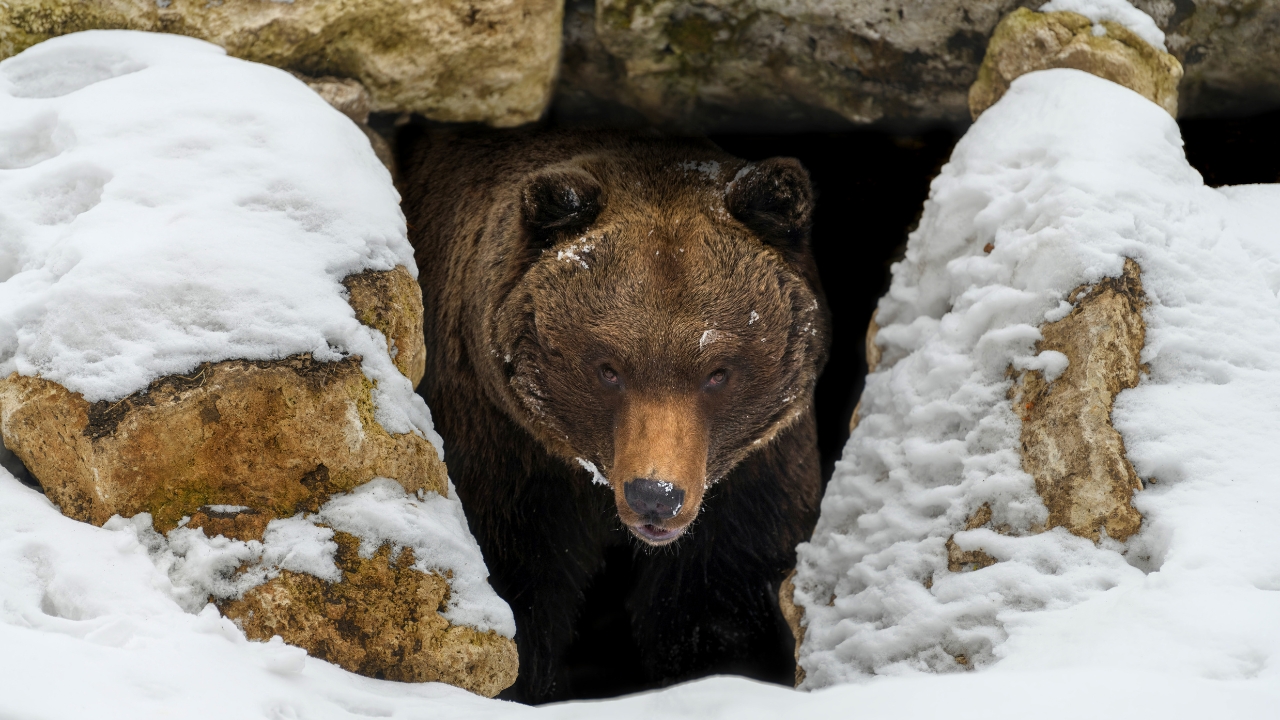
When you’re lost in the woods, finding shelter is a top priority. Caves can be a lifesaver, but only if you know how to assess them for safety. After years of hiking and camping in the wilderness, I’ve learned that not every cave is as friendly as it looks. Start by checking the entrance and the area around it. Look for signs of animals, like tracks, fur, or droppings. If you notice these, it’s a big red flag—sharing space with wildlife isn’t ideal, especially if it’s something big and territorial.
Next, examine the structure. Loose rocks or debris at the entrance can signal instability. A rockfall in the middle of the night isn’t just a rude wake-up call—it’s dangerous. I’ve seen caves that looked perfect from the outside but had telltale cracks and signs of erosion when I got closer. Take a moment to gauge the cave’s size, too. You don’t want to squeeze into a tight spot that restricts airflow. Poor ventilation can make things uncomfortable fast, especially if you plan to light a small fire for warmth.
Weather Considerations Are Critical

Weather can make or break your choice to use a cave for shelter. If rain is on the way, avoid caves near low-lying areas, riverbanks, or floodplains. I remember once scouting a cave after a drizzle and seeing water streaming through what seemed like a dry floor just minutes earlier. Nature moves fast, so plan accordingly. Choose a cave on higher ground, away from obvious water channels, to avoid unexpected flooding.
It’s also smart to keep an eye on wind direction. A cave can block harsh winds, but if the opening faces into the gusts, it might feel like you’re in a wind tunnel. A little observation goes a long way here—pay attention to how the trees sway and where the breeze is coming from. These small steps can save you from a cold, miserable night.
Making Your Shelter Work For You

Once you’ve confirmed the cave is safe, it’s time to settle in and make it your own. Start by insulating yourself from the ground. Leaves, pine needles, or even dry grass can create a barrier to help retain body heat. I always say, the forest is your toolbox—use what’s around you to stay warm and comfortable. If you’re lucky enough to have gear like a sleeping bag, even better.
Check the cave’s interior carefully. Look for loose boulders or damp spots that could indicate leaks. I’ve had nights where what seemed like a solid spot turned into a soggy mess by morning. Set up in the driest, most stable area you can find. For lighting, stick to LED headlamps or glow sticks. Open flames in a confined space can burn through oxygen faster than you think. I always keep a couple of glow sticks in my pack—they’re lightweight, last for hours, and are much safer.
Respecting Nature and Staying Safe

Survival isn’t just about getting through the night—it’s about doing so responsibly. Stick to Leave No Trace principles by packing out any trash and avoiding unnecessary impact on the cave and its surroundings. Remember, caves often host delicate ecosystems, and your actions can affect the animals or plants that call it home.
Using a cave for shelter is all about weighing the risks and benefits. With a bit of awareness and preparation, you can turn a natural formation into a safe haven. And hey, even if you’re never lost, this knowledge can make your next wilderness adventure feel a little more secure.
Like The Avid Outdoorsman’s content? Subscribe to our newsletter so you never miss an article.
Here’s more from us: