Photo credit: Gabriel12/Shutterstock.com
A lot of outdoor setups are built to be seen before they are built to be used. You can usually spot them fast. The truck is loaded down with accessories, the pack is covered in attachments, the rifle has half the catalog hanging off it, and the camp looks like somebody tried to turn a weekend outside into a gear display. None of that automatically means the setup is bad. Some people carry a lot because their conditions call for it, and some highly specialized rigs look busy for good reason. But plenty of outdoor setups are all surface and no sense. They photograph well, they draw comments, and they make the owner feel prepared, yet once real miles, weather, weight, noise, and fatigue get involved, the whole thing starts working against the person using it. That is the point where impressive stops meaning useful. A setup can look serious on a tailgate and still be clumsy in the field, noisy in the wrong moment, heavy for no reason, and complicated enough to slow a person down when simple decisions matter most.
A setup can look prepared and still be full of friction
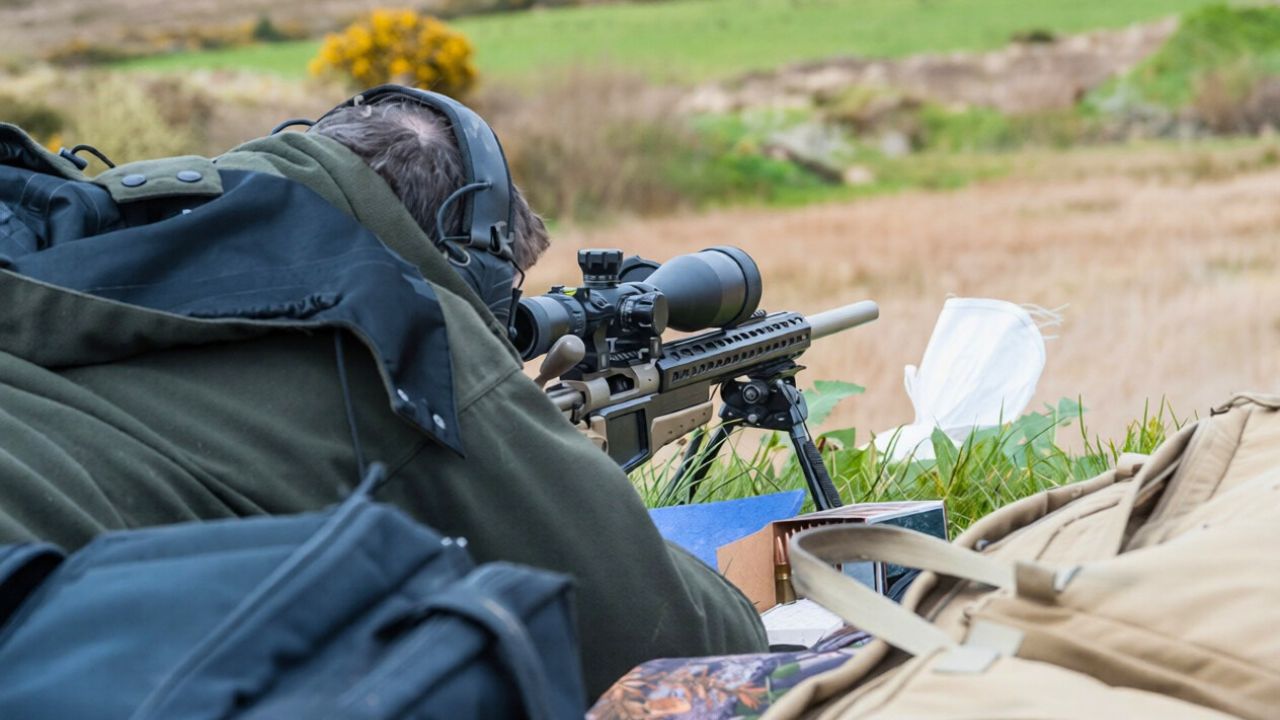
The biggest problem with these overbuilt outdoor rigs is not always one massive flaw. Usually it is a pile of smaller ones that add up. A pack may have extra pouches hanging off every side, but now it catches brush and shifts awkwardly when you move. A rifle may wear a bipod, a large optic, backup accessories, extra shell holders, and other add-ons that all sounded smart separately, but together they make the gun heavier, less balanced, and slower to handle. A camp may have every comfort item under the sun, but now setup takes longer, breakdown becomes a chore, and half the trip starts revolving around managing equipment instead of actually enjoying the place you came to be.
That kind of friction wears on people fast. It rarely shows up in the driveway or at the store because that is not where gear gets tested honestly. It shows up when you have already walked farther than expected, when the weather shifts, when the ground is uneven, when daylight is slipping, or when you need to move quietly and realize half your gear has some small annoying habit you ignored earlier. A strap rubs wrong. A pouch snags. A buckle clicks louder than it should. A sleeping setup takes too much room and too much time. None of those things sound dramatic on their own, but that is exactly why people dismiss them until enough of them pile up and turn a good plan into a sloppy one.
People often build around fantasy use instead of real use
A lot of bad outdoor setups come from honest enthusiasm mixed with bad assumptions. People imagine every possible scenario they might face and then try to build one rig that covers all of them at once. They pack for comfort, emergencies, convenience, backup plans, and gear redundancy until the setup starts looking like it belongs to three different trips. In their head, it feels responsible. In real use, it becomes bloated. They are no longer carrying what the trip requires. They are carrying what their imagination insisted might matter. That is how people end up overloaded for simple hunts, overpacked for short hikes, or running camp systems so elaborate they spend more time maintaining them than benefiting from them.
This shows up especially hard when people copy setups they saw online without understanding the context behind them. A guy in the mountains may carry gear for reasons that make perfect sense where he is. A hunter dealing with freezing weather, long glassing sessions, and rough elevation changes will build differently than somebody slipping through Southern timber, walking fence lines, or spending a morning near a feeder and being back by lunch. The trouble starts when people adopt the look of a setup without asking what problem it was actually solving. A rig built for one environment can be dead weight in another. But once something gets labeled serious or high-end, plenty of folks are willing to haul it around long after it has stopped making their life easier.
Complicated gear has a way of creating its own problems
The more complex a setup gets, the more chances it has to fail in dumb little ways. This is true in camp, on a hunt, around a property, or anywhere else outdoors. Extra systems require extra management. More parts mean more noise, more weight, more decisions, and more little failure points that show up at the worst time. A stove setup with too many pieces is one more thing to forget. A shelter system with too many moving parts becomes frustrating when weather is coming in fast. A firearm with too many accessories is harder to carry, harder to keep simple, and sometimes harder to trust because you are always thinking about the equipment instead of the job.
That is why experienced people often end up looking less flashy over time, not more. They strip away gear that sounded useful but kept getting in the way. They stop packing items that only solve imaginary problems. They choose equipment that earns its place through repeat use instead of marketing or appearance. Their setup may not impress someone laying everything out for a photo, but it usually works better when the day gets long and the conditions stop being comfortable. That is not an accident. It is what happens when somebody has had enough trips ruined or complicated by gear that looked smart and performed badly.
The best setups usually have a reason for everything
A strong outdoor setup does not have to be minimalist, and it does not have to be expensive. It just needs to make sense. Every piece should justify its weight, its space, its noise, and its effect on movement. That standard clears out a lot of junk in a hurry. If an item only seems useful because it looks capable, that is not enough. If it makes your system heavier, slower, louder, or harder to manage, it needs to bring real value in return. If it does not, it is probably there for your ego more than your needs. That sounds harsh, but most people who spend enough time outdoors eventually admit they have carried things for the image of preparedness rather than the reality of it.
The best setups also tend to match the user instead of trying to impress everyone else. They fit the terrain, the season, the length of the trip, and the actual demands involved. A man running coyotes off a property does not need the same arrangement as somebody backpacking for days. A basic truck kit for fence repairs and storm cleanup does not need to look like a military loadout. A deer setup does not need every accessory in the catalog just because it exists. When equipment choices come from real needs, the whole system gets calmer and more efficient. When they come from trying to look ready for anything, the setup usually gets worse.
Outdoor skill shows up in what gets left out
There is a point where good judgment matters more than adding one more piece of gear. In fact, one of the clearest signs that somebody has spent real time outside is that they stop trying to prove seriousness through equipment alone. They learn that useful setups leave room for movement, speed, quiet, and adaptation. They stop mistaking bulk for preparation. They pay attention to what is actually getting used and what keeps becoming a burden. That kind of thinking does more for outdoor performance than another premium pouch, another mount, another gimmick, or another product sold as the missing piece.
That is why some outdoor setups look impressive and work terribly. They were designed to communicate competence instead of support it. They are built around appearance, anxiety, overcomplication, or copied ideas that never got tested honestly in the conditions they were meant for. Real outdoor gear does not have to look dramatic to be effective. Most of the time, the setups that work best are the ones that move easily, stay quiet, solve real problems, and get out of the way. Those are not always the ones people notice first. They are usually the ones people understand only after the flashy setup has already worn them out.
Like The Avid Outdoorsman’s content? Subscribe to our newsletter so you never miss an article.
Here’s more from us: