Photo credit: Springfield Armory
Handgun trends shift all the time, but every so often a pistol comes along that changes how people think about personal defense. Some models do it with size, others with capacity, and others by proving you can trust them in situations where compromise isn’t an option.
Over time, these pistols don’t just earn a following—they reshape how shooters choose what they carry. Whether you prefer polymer frames, metal guns, striker systems, or traditional actions, these handguns left clear marks on the defensive world and pushed other companies to rethink their designs.
Glock 19

The Glock 19 rewrote the rulebook on what a do-everything defensive pistol could be. Its compact size paired with real duty capability made it the benchmark for concealed carriers and professionals. It offered reliability, manageable recoil, and enough capacity to handle nearly any personal-defense scenario.
Shooters gravitated toward the G19 because it blended practicality with simplicity. It ran clean, tolerated neglect, and fit a wide range of users. As training culture expanded, the G19 cemented itself as the pistol instructors recommended when someone wanted one gun that truly could do most things well.
Smith & Wesson M&P Shield

When the M&P Shield arrived, it set a new bar for thin, reliable single-stack pistols. Its compactness made daily carry far more realistic for shooters who once struggled with larger guns. The Shield delivered a consistent trigger, controllable recoil, and a grip that felt secure despite its slim profile.
Its influence spread quickly because people actually carried it—not occasionally, but daily. The Shield’s practicality made it one of the first widely accepted modern EDC pistols, and it pushed the entire industry toward smaller, more shootable carry guns that didn’t feel like compromises.
SIG Sauer P365

The P365 reshaped the entire concealed-carry market by proving a micro pistol could offer real capacity without giving up shootability. Its stagger-stack magazine changed expectations overnight, and suddenly a gun with the footprint of older single-stacks held double-digit rounds.
What solidified its role was performance under high round counts. The P365 handled recoil well and remained reliable through long training sessions. Its rapid adoption forced every major manufacturer to rethink their compact lines, making it one of the most influential pistols of the modern era.
Springfield Hellcat

The Hellcat followed the P365 wave but carved out its own place by offering even more capacity and excellent ergonomics. Shooters noticed how well it pointed, how crisp the trigger felt for its size, and how manageable it stayed in rapid fire. It proved that tiny pistols didn’t have to feel like compromises anymore.
Its traction grew as more carriers realized the Hellcat shot flatter than expected and held up during serious practice. The pistol pushed the micro-compact category forward and proved the market was ready for higher-capacity defensive guns with minimal footprint.
Walther PDP

The PDP earned immediate respect from shooters who prioritize handling and accuracy. Its ergonomics stood out—grips that felt molded to the hand and slide serrations that worked flawlessly in any condition. Add in one of the best striker-fired triggers available, and you had a pistol that elevated expectations across the board.
Its influence came from how confidently people shot it. The PDP encouraged better performance without requiring aftermarket upgrades. As more defensive shooters embraced it, other brands had to pay closer attention to shootability, not just size and capacity.
HK VP9

The VP9 proved that ergonomics and reliability could coexist in a striker-fired platform without compromise. Its interchangeable backstraps and side panels gave shooters a customized feel long before that became common. The trigger system also gave users precise control under stress.
What made the VP9 reshape defensive choices was its track record. It ran reliably, handled recoil smoothly, and aged well under training demands. Many shooters who wanted refinement without sacrificing function adopted it as their primary carry or duty pistol.
Glock 43X

The Glock 43X expanded the G43 concept and gave shooters a slim, longer-gripped pistol that improved control and capacity. The design struck a balance between concealability and shootability, and it quickly found a home among everyday carriers who appreciated its handling.
Its influence grew even more once aftermarket magazines increased capacity dramatically. Suddenly, the 43X offered grip comfort, concealment, and near-compact capacity in one package. It encouraged shooters who previously relied on single-stacks to move toward higher-capacity options without sacrificing comfort.
SIG Sauer P320
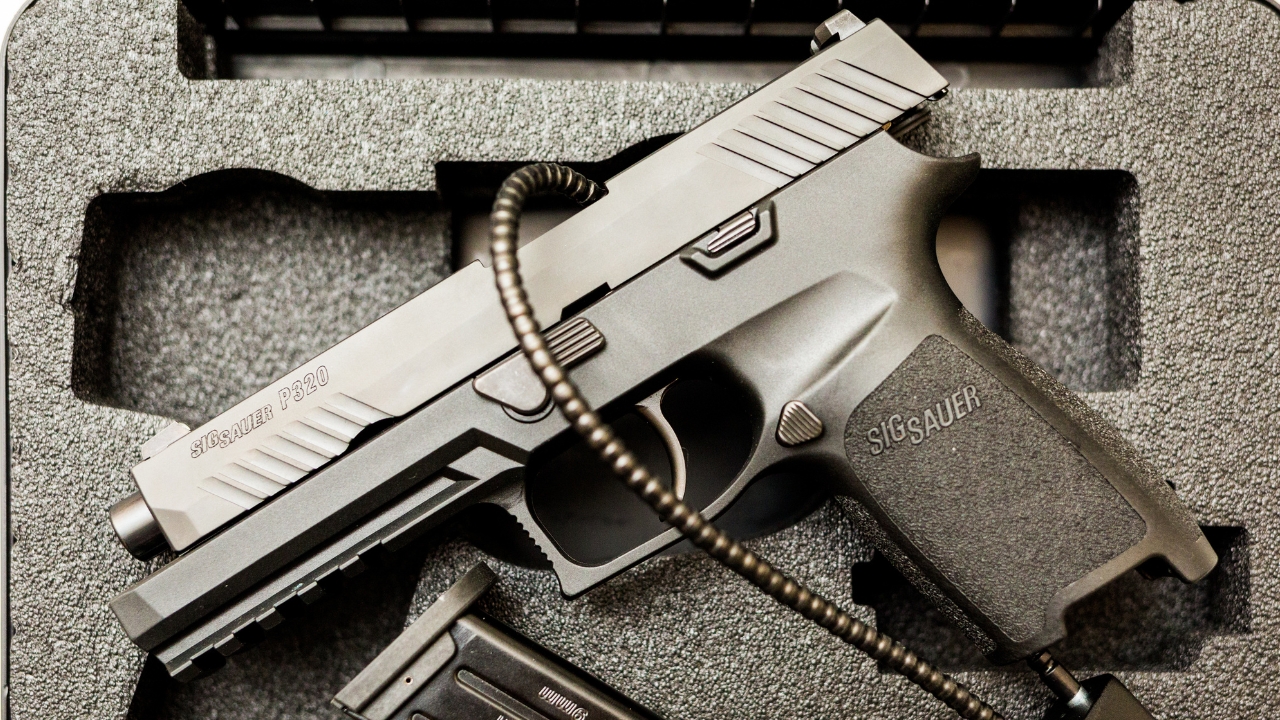
The P320 made waves by introducing a fully modular fire-control unit that could move between frames, slides, and calibers. While many shooters overlooked that feature early on, trainers and professionals saw the long-term value in adjustability. It also offered a clean striker trigger and strong performance under pressure.
Its adoption by military and law-enforcement agencies pushed more shooters to reevaluate what they expected from a defensive pistol. Modularity became a serious design priority across the industry, influenced heavily by the P320’s widespread success.
Ruger LCP II

The LCP II helped redefine what a pocket-sized defensive pistol could feel like. It offered improvements in trigger quality, grip texture, and overall shootability compared to earlier pocket guns. For many carriers, it became the first ultra-small pistol they could fire confidently rather than reluctantly.
Its impact came from accessibility. People who needed the smallest possible carry gun suddenly had an option that felt safe, modern, and controllable. The LCP II helped normalize true deep-carry pistols as legitimate defensive choices rather than compromises.
Smith & Wesson M&P 2.0 Compact

The M&P 2.0 Compact delivered a major improvement over earlier generations, offering a stronger trigger, enhanced grip texture, and a size that competed directly with the Glock 19. Shooters noticed its controllability and how well it stayed planted during rapid fire.
Its growing popularity pushed more carriers to revisit the M&P line. With the 2.0 Compact, Smith & Wesson demonstrated that comfort, performance, and durability could all move forward in meaningful ways, making it a serious competitor in the defensive space.
Beretta PX4 Storm Compact

The PX4 Storm Compact quietly influenced defensive circles by pairing a rotating-barrel system with controllable recoil and excellent reliability. Shooters who appreciated DA/SA systems found the PX4 to be one of the smoothest-handling options available.
Its influence grew through real-world performance. The PX4 kept running under heavy training loads, and its unique recoil impulse helped shooters stay steadier during fast follow-ups. It helped many carriers reconsider DA/SA options in a world increasingly dominated by striker guns.
FN 509 Compact

The FN 509 Compact didn’t dominate headlines, but it built a strong reputation among shooters who wanted duty-grade toughness in a carry size. Its grip texture, trigger characteristics, and recoil control gave it a balanced feel during defensive training.
FN’s track record of durable service pistols backed it up, and many shooters found the 509 Compact to be a dependable, confidence-building option. It pushed other companies to strengthen their compact offerings to meet similar standards of reliability.
Canik Mete SFT

The Mete SFT expanded Canik’s reach in the defensive world by offering a pistol with excellent ergonomics, a crisp trigger, and a control layout that felt natural even under pressure. Shooters appreciated its consistency, especially during rapid strings and extended sessions.
Its influence came from value and performance meeting in the same place. The Mete SFT performed like a higher-priced pistol, encouraging defensive shooters to look beyond traditional brands. It helped shift expectations for what a mid-priced handgun should deliver.
CZ P-10C
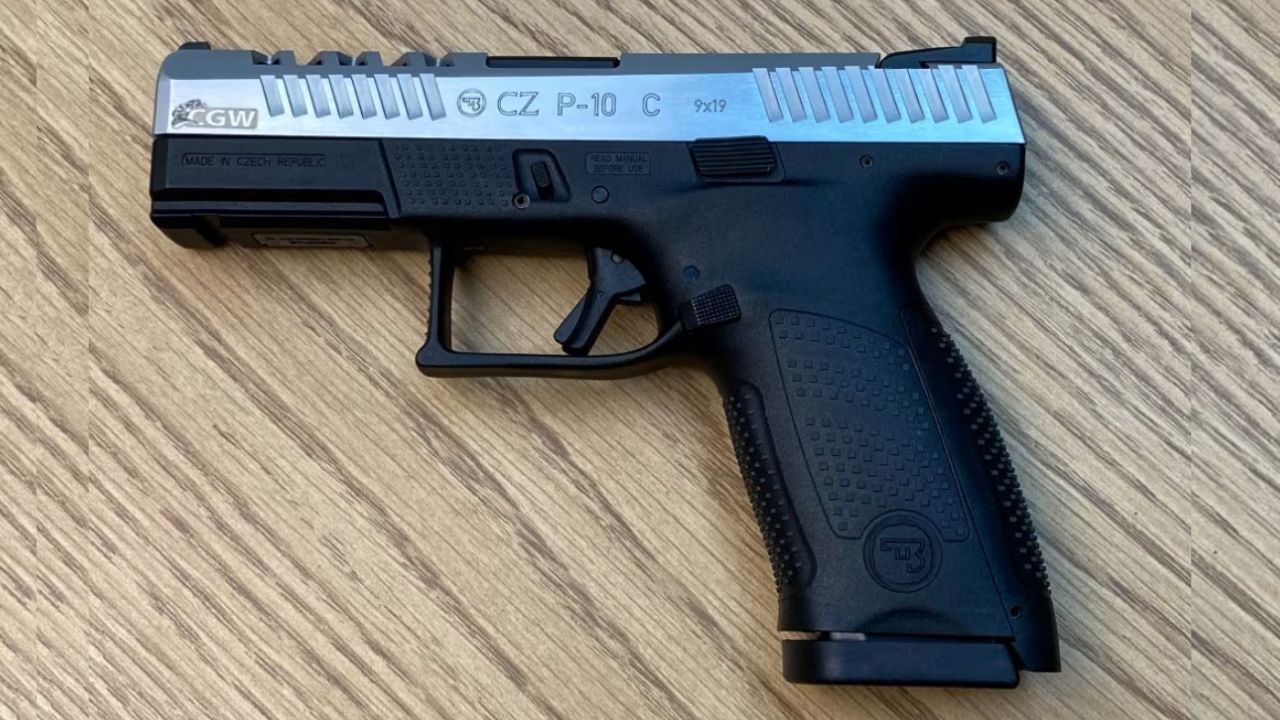
The P-10C made its mark by offering a striker-fired option that delivered excellent reliability with a standout trigger. CZ’s grip contouring also helped shooters maintain control during faster shooting. It balanced compact dimensions with enough size to shoot confidently at real defensive ranges.
As more people trained with it, the P-10C built a reputation for consistency. It didn’t require modifications to perform well, which attracted shooters wanting a straightforward, dependable carry option. It pushed other companies to refine their own striker-fired triggers and ergonomics.
Like The Avid Outdoorsman’s content? Subscribe to our newsletter so you never miss an article.
Here’s more from us: