Photo credit: sootch00/YouTube
Most handgun calibers are not built for distance. That sounds obvious, but it gets forgotten fast when people talk about carry guns, woods pistols, pocket revolvers, and defensive loads like they all behave the same once the target gets a little farther away. Inside close range, a lot of handgun rounds can look perfectly useful. Stretch that distance past 25 yards, though, and the weaker ones start showing their flaws.
Some lose velocity too fast. Some shed energy before they can do the job they were chosen for. Others are so hard to shoot well from small guns that the paper ballistics barely matter. A handgun round does not need to act like a rifle cartridge, but it still needs enough speed, stability, and shootability to stay useful when the shot is not right across the room.
That is where these calibers start to fall apart.
.25 ACP

The .25 ACP was designed for tiny pocket pistols, and that is still about the only place it makes any sense. At arm’s length, it is better than harsh words, but once you move past 25 yards, there just is not much left to work with. The little bullet starts slow, stays light, and does not carry energy well.
The bigger problem is that most .25 ACP pistols are not exactly precision machines. Short barrels, tiny sights, heavy triggers, and small grips make accurate shooting difficult even before the round runs out of steam. By the time you stretch it past typical pocket-gun distance, the caliber feels badly outclassed by almost everything else.
.32 ACP

The .32 ACP has more history and usefulness than people give it credit for, especially in older European blowback pistols. It can be pleasant to shoot and easy to carry. But it still has a hard ceiling, and distance exposes it quickly.
Past 25 yards, the .32 ACP is asking a lot from a light bullet moving at modest speed. Expansion is already inconsistent in many loads, and penetration can become a concern depending on bullet design. It is not useless, but it is not a caliber that gives much margin when distance, angle, clothing, or poor shot placement enter the picture.
.380 ACP from micro pistols

The .380 ACP can be a practical defensive caliber when loaded well and fired from a pistol that lets you actually shoot it. The problem is that most people judge it through the tiny pistols it usually lives in. Those short barrels do the cartridge no favors.
Out past 25 yards, .380 ACP from a micro pistol can feel like it is running out of breath. Velocity drops, expansion becomes less certain, and the tiny sights and snappy recoil make clean hits harder than they should be. In a larger .380, the round can behave better, but in the smallest carry pistols, it loses its appeal fast once the distance opens up.
.22 LR from pocket pistols
The .22 LR is accurate and useful from rifles and good target pistols. That does not mean it performs well from every tiny defensive handgun. In short-barreled pocket pistols, .22 LR can be underpowered, inconsistent, and very dependent on ammunition quality.
At 25 yards and beyond, the round itself can still hit, but the little guns chambered for it are often the weak link. Mini revolvers, tiny autos, and ultra-light pocket guns are difficult to hold steady and easy to pull off target. When the cartridge is already light and the platform is hard to shoot, distance makes everything worse.
.22 Magnum from snub-nose revolvers

The .22 Magnum sounds better on paper than it often performs from a short handgun barrel. Out of a rifle, it is a useful small-game round. Out of a snub-nose revolver, it can lose much of the velocity that made it attractive in the first place.
Past 25 yards, the gap between reputation and reality starts to show. The round may still be loud and flashy, but that does not mean it is delivering impressive performance. It can be useful for people who need low recoil, but it is not some magic answer for distance from a tiny revolver.
.32 S&W Long
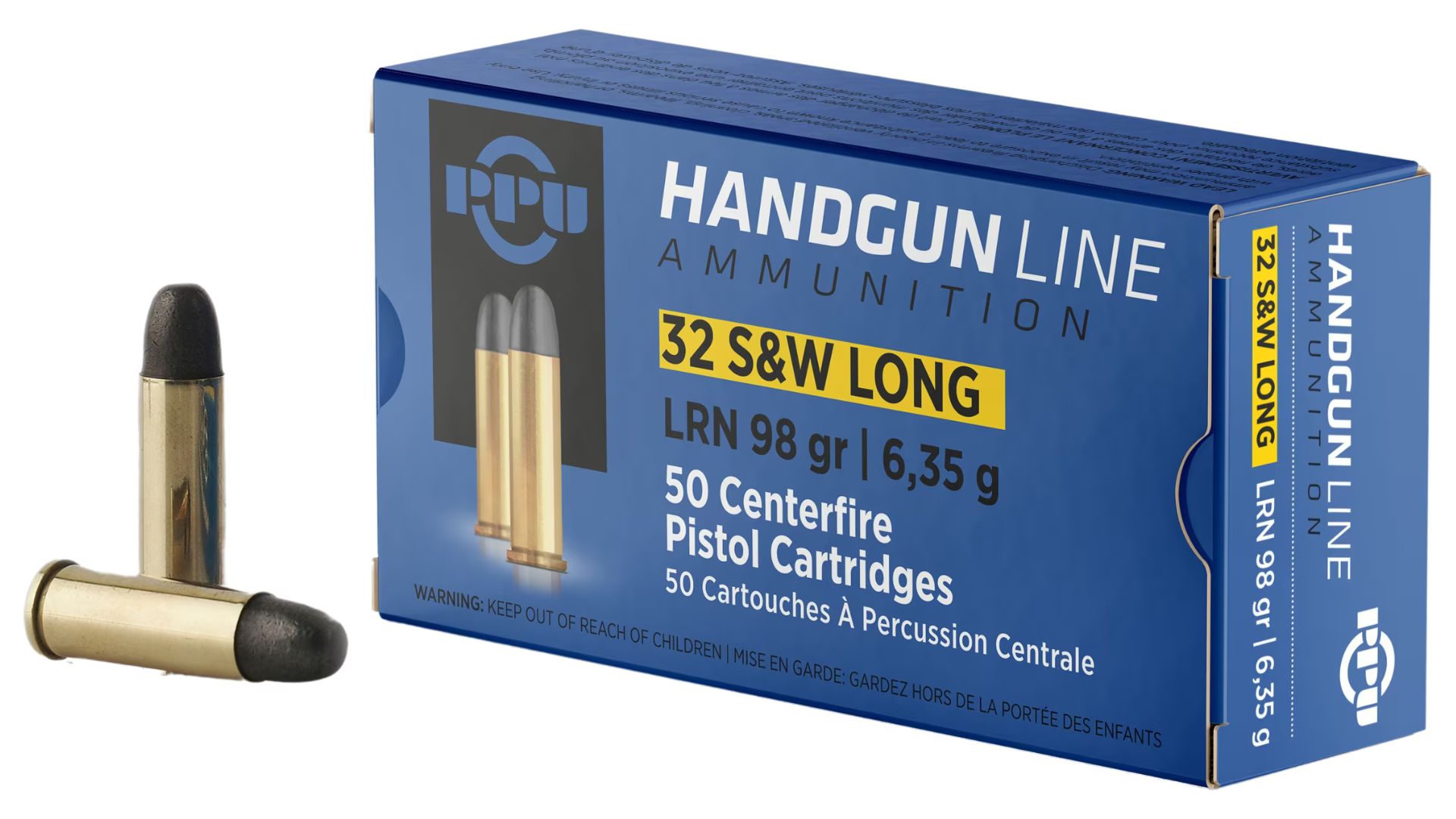
The .32 S&W Long is mild, accurate in the right revolvers, and pleasant to shoot. It has a place as a target and small-game cartridge. But when people try to stretch it into serious defensive work, especially past 25 yards, it starts to look weak.
The round was never built around heavy energy or dramatic terminal performance. Its best qualities are low recoil and controllability, not power. In a longer-barreled revolver with good sights, it can be surprisingly accurate, but accuracy alone does not make a handgun caliber strong at distance.
.38 Special from lightweight snubs

The .38 Special is not a bad caliber. In fact, from a service-size revolver, it can still be useful and accurate. The problem is the lightweight snub-nose revolvers most people actually carry. Short barrels reduce velocity, tiny sights hurt precision, and the recoil can be sharper than expected.
Past 25 yards, a snub-nose .38 Special becomes much harder to use well. Standard-pressure loads can feel soft on performance, while hotter +P loads can be unpleasant in small alloy guns. The caliber itself has earned respect, but the short-barreled carry versions often give up too much once distance matters.
.44 Special from short barrels
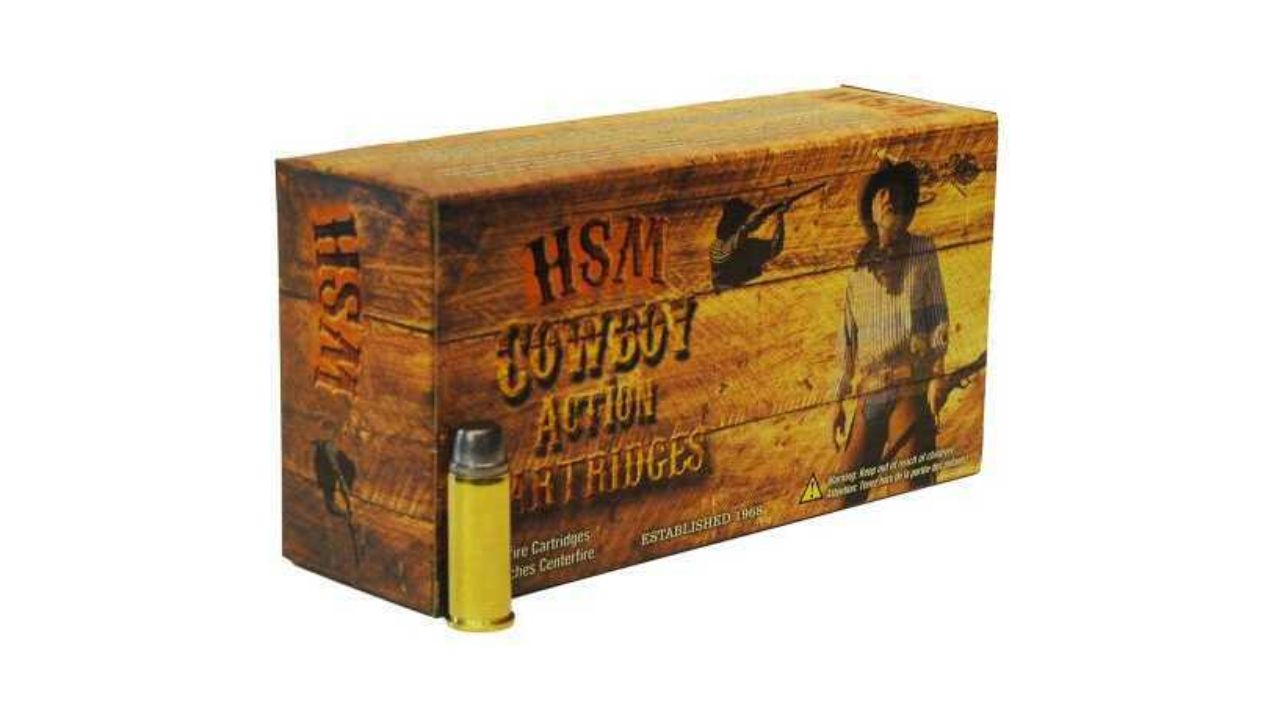
The .44 Special has a loyal following, and in the right revolver it can be excellent. It throws a big bullet, recoils less than .44 Magnum, and has a lot of old-school appeal. But in short-barreled defensive revolvers, it is not always as impressive as people expect.
Past 25 yards, slow heavy bullets start to show their limits. The trajectory is not as forgiving, and many carry loads are built more for manageable recoil than extended performance. It can still hit hard up close, but it is not a flat-shooting handgun round, and it does not magically stay powerful just because the bullet diameter is large.
.45 ACP from compact pistols

The .45 ACP is a proven caliber, but it was never known for speed. From full-size pistols, it works because the platform is shootable and the round carries a heavy bullet at moderate velocity. Start chopping the barrel and shrinking the grip, and the tradeoffs become more obvious.
Beyond 25 yards, compact .45s can be harder to manage than people want to admit. The bullet drops faster than lighter, faster service calibers, and the recoil can slow follow-up shots. A good shooter can still run one well, but the caliber does not give as much help at distance as 9mm, .357 SIG, or even some hotter .40 S&W loads.
.45 Colt defensive loads

The .45 Colt has plenty of power potential, especially in strong revolvers with heavy hunting loads. But the soft defensive loads used in many carry revolvers are a different story. They often push a big bullet at modest speed, which can be useful up close but less impressive as range increases.
Past 25 yards, the slow bullet and arched trajectory become noticeable. This is not a caliber that rewards sloppy distance shooting. In the right gun, with the right load, it can be serious medicine, but many common defensive .45 Colt loads are built for comfort and control, not stretching the range.
.410 handgun loads
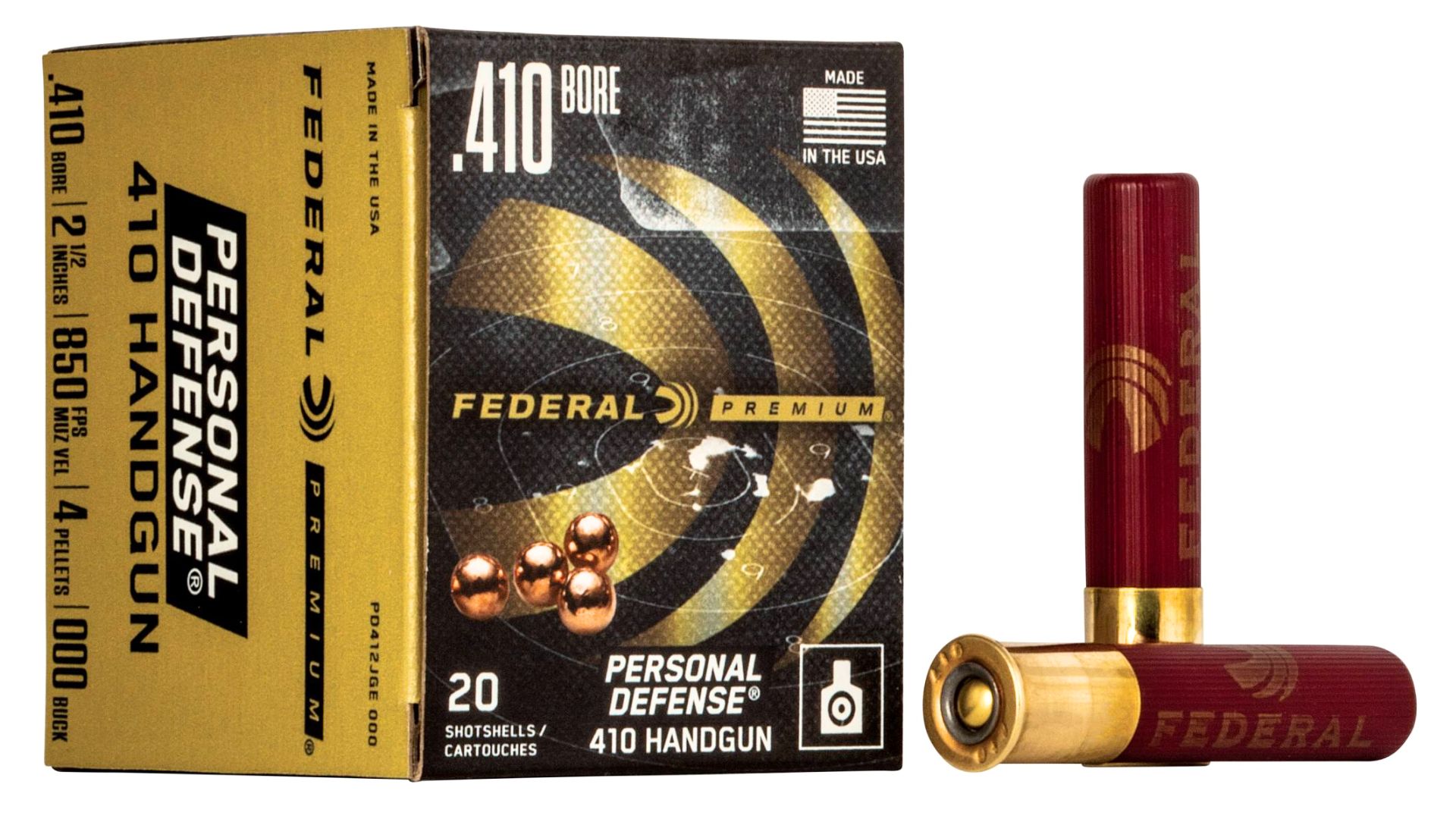
A .410 revolver looks intimidating, and at very close range it can make sense for certain pests or specialty uses. But as a defensive or all-around handgun option, it loses usefulness quickly once the target is not close.
Past 25 yards, handgun-fired .410 loads spread, slow down, and become much less predictable. Buckshot patterns can open too much, birdshot loses usefulness fast, and slugs are not usually impressive compared to real handgun cartridges. These guns sell because they sound versatile, but distance exposes the limitations.
.22 TCM

The .22 TCM is fast, flashy, and fun. It can be a blast on the range, and it gives shooters something different from the usual handgun calibers. But it is also a small, light bullet that depends heavily on speed.
Once distance starts eating into that velocity, the caliber loses some of what makes it interesting. Past 25 yards, it may still shoot flat compared to slower pistol rounds, but terminal performance is not the same as noise and fireball. It is a neat cartridge, just not one most people would choose when they need reliable effect past close handgun range.
.30 Super Carry
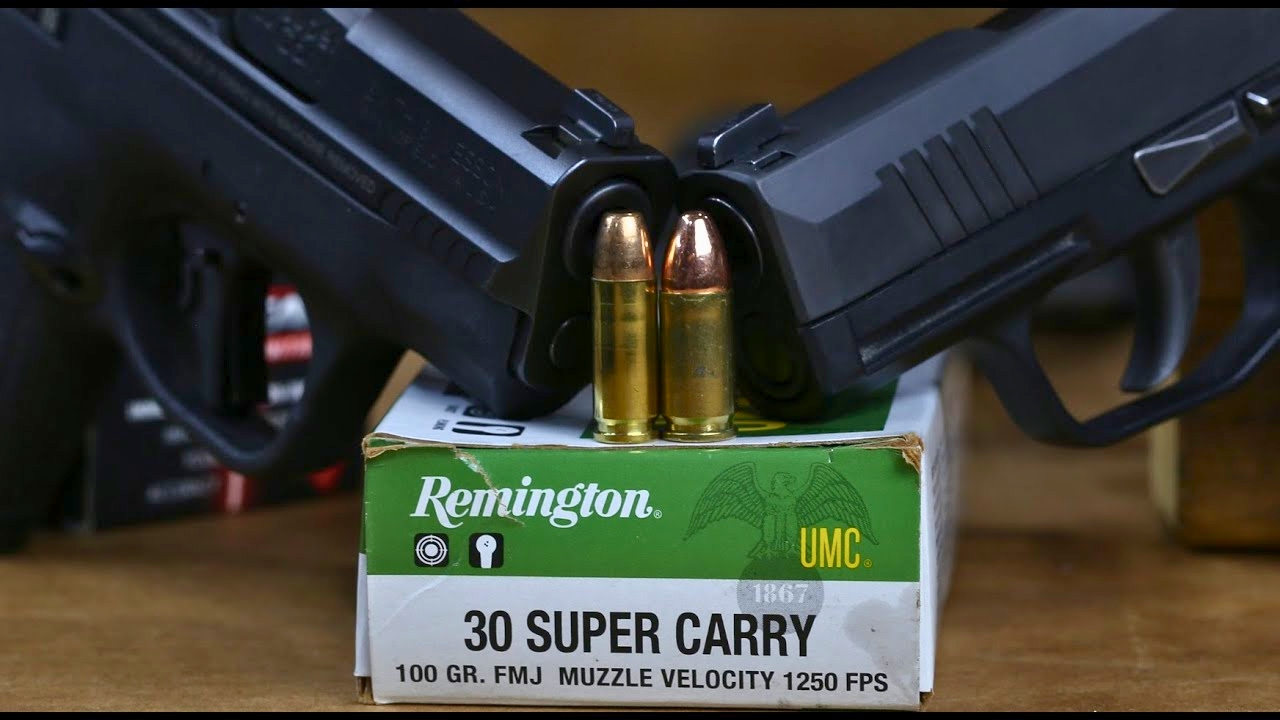
The .30 Super Carry was built around capacity and modern defensive performance, and it is not a joke. It can make sense in the right pistol for the right shooter. But it is still a smaller-diameter defensive round that depends on good bullet design and velocity to do its job.
Past 25 yards, it does not have the same forgiveness as larger service calibers when conditions are not ideal. It may shoot flatter than some old low-pressure rounds, but energy and bullet size still matter. The caliber’s best argument is capacity in a carry gun, not dominating at distance.
.380 ACP ball ammo

Even when .380 ACP hollow points are chosen carefully, the caliber has limits. With ball ammo, those limits become even more obvious. Full-metal-jacket .380 may penetrate better than some expanding loads, but it gives up the wound performance people usually want from a defensive round.
Past 25 yards, .380 ball is not bringing much extra authority. It can be accurate in the right pistol, but it is still a light round with modest energy. If the goal is a caliber that holds onto meaningful performance beyond close range, .380 ball should not be high on the list.
.38 S&W
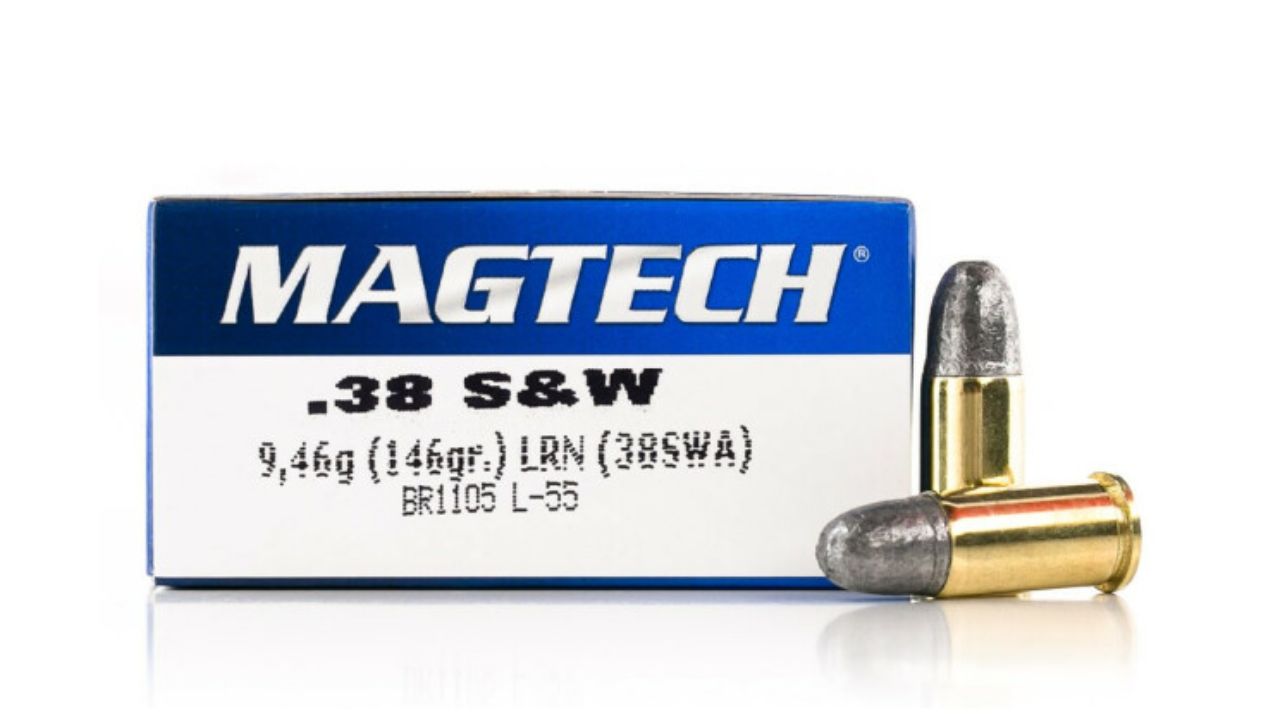
The .38 S&W is often confused with .38 Special, but it is a weaker and older cartridge. It still turns up in old revolvers, surplus guns, and inherited nightstand pieces. That does not mean it belongs in the same conversation as modern defensive calibers.
Past 25 yards, the .38 S&W has very little going for it. The guns chambered for it are often old, the sights are usually poor, and the ammunition is mild. It may have historical value, but as a practical handgun caliber at distance, it is badly dated.
.32 H&R Magnum from snubs

The .32 H&R Magnum is not a bad round. In fact, it can be a smart option for recoil-sensitive shooters, especially in revolvers that hold six rounds instead of five. But from a snub-nose revolver, it does not always deliver the performance jump people expect.
Beyond 25 yards, the short barrel and light bullet start to matter. It is easier to shoot than many small .38s, which helps, but it is still not a hard-hitting distance round. Its strength is controllability in compact revolvers, not carrying major energy downrange.
9mm Makarov

The 9mm Makarov sits between .380 ACP and 9mm Luger, and it has served well in military and police pistols around the world. But compared with modern 9mm defensive loads, it is clearly working with less speed, less energy, and fewer top-tier ammunition choices.
Past 25 yards, the old surplus-pistol reality starts to show. Many Makarov-chambered guns have small sights, military triggers, and basic ergonomics. The cartridge can be accurate, but it is not a modern service-caliber equal once distance and terminal performance become part of the discussion.
.40 S&W from subcompact pistols

The .40 S&W has more power than many of the rounds on this list, so its problem is not that it lacks energy. The problem is what happens when it gets stuffed into a small, lightweight handgun. Recoil gets sharp, muzzle flip increases, and many shooters start fighting the pistol instead of shooting it cleanly.
Past 25 yards, that matters. A subcompact .40 may still carry energy, but if the shooter cannot manage the trigger, sights, and recoil, the ballistic advantage disappears. In larger pistols, .40 S&W can still perform well. In tiny guns, it often becomes a caliber that looks better on paper than it shoots in real life.
.45 GAP

The .45 GAP was built to offer .45-like performance in a shorter cartridge, but it never gained the staying power of 9mm, .40 S&W, or .45 ACP. Ammunition availability is one problem. The other is that it does not offer much reason to choose it for distance work.
Past 25 yards, the .45 GAP behaves like a slow, heavy defensive handgun round without the widespread load support of .45 ACP. It can work, but it does not give shooters much advantage. When a caliber is already harder to find and does not clearly outperform common options, it is easy to leave behind.
.410/.45 Colt combo revolver setups
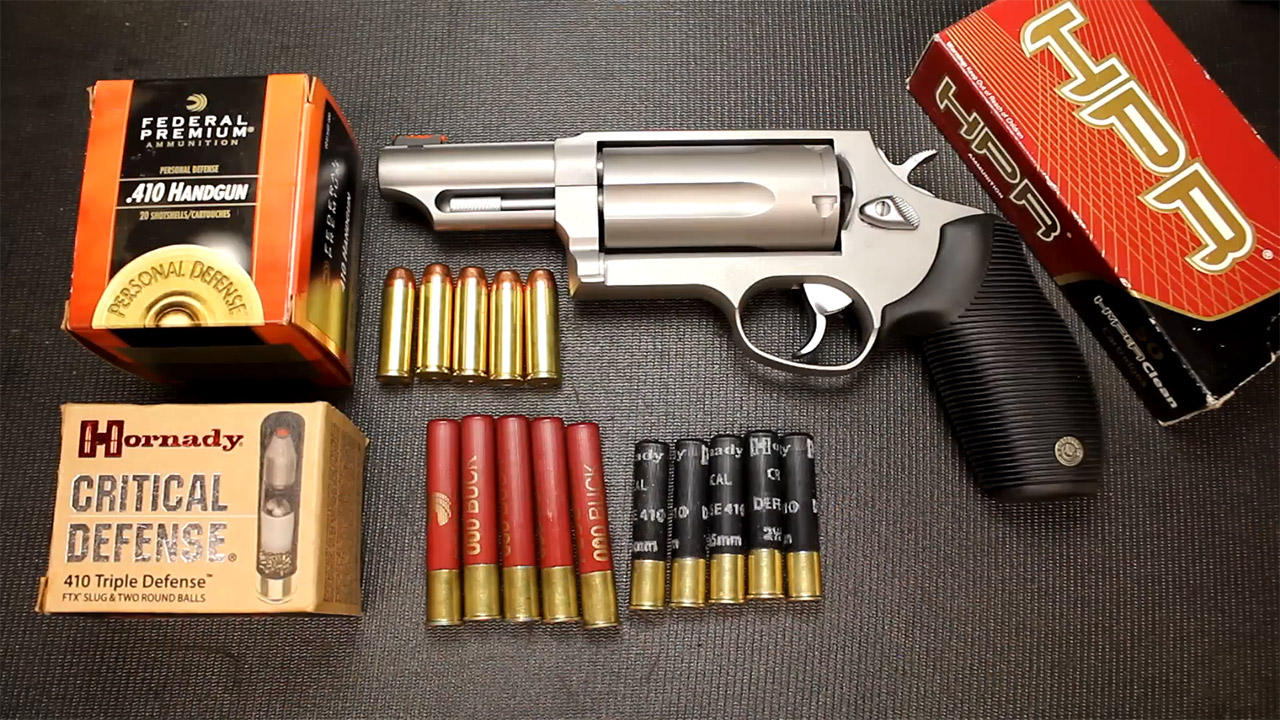
The combo revolvers that fire both .410 shells and .45 Colt are marketed as do-everything handguns. In reality, they are usually compromise guns. They are bulky, the rifling is a tradeoff, and neither chambering always performs at its best from that platform.
Past 25 yards, the compromise becomes hard to ignore. The .410 loads spread and lose steam, while many .45 Colt loads are slow and arched. These revolvers can be fun and useful in narrow roles, but they are not the answer when someone wants a handgun caliber that holds together beyond close range.
Like The Avid Outdoorsman’s content? Subscribe to our newsletter so you never miss an article.
Here’s more from us: