Photo credit: Vincent van Zalinge/Unsplash.com
A “fair fight” is a human idea. Wild animals win by ending the problem fast, using whatever angle, weapon, or trick gives them the best odds. That can mean going for the eyes, hitting low, poisoning you, dogpiling you, or waiting until you turn your head for half a second.
If you want a clean takeaway from this list: don’t assume size decides the outcome. A lot of the nastiest animals win because they fight smart, not because they fight “honorable.”
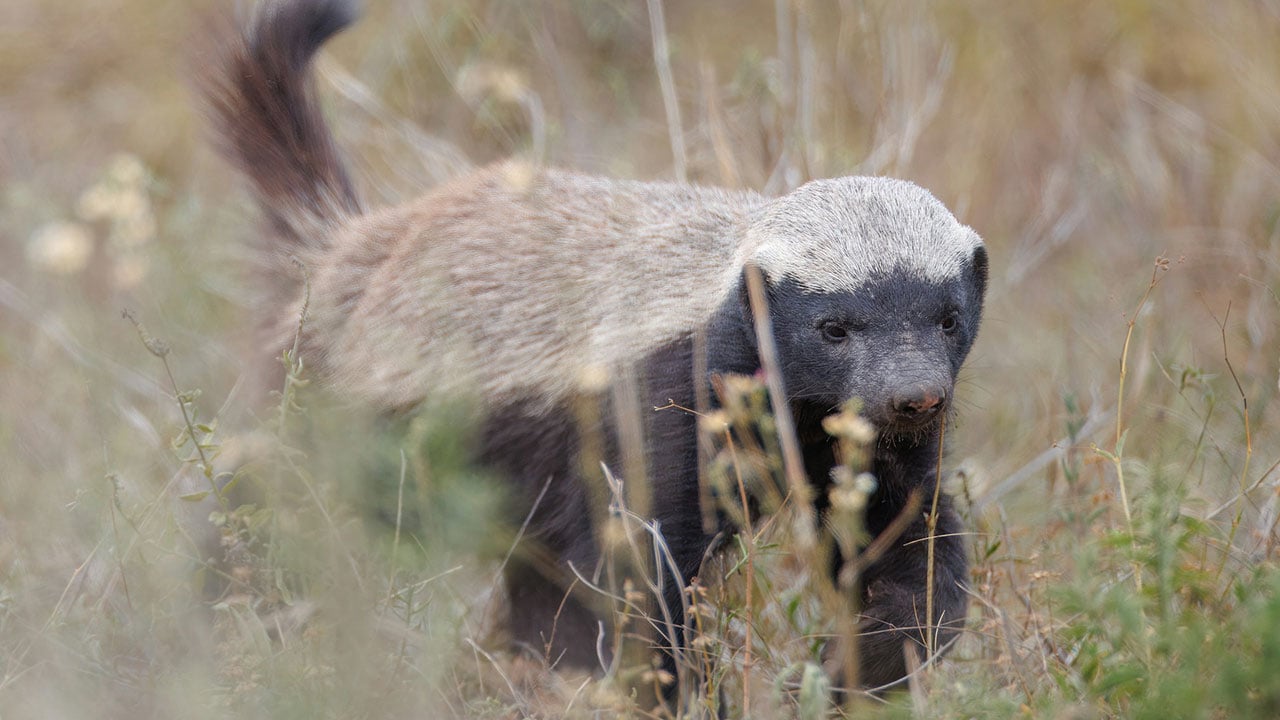
Honey badger
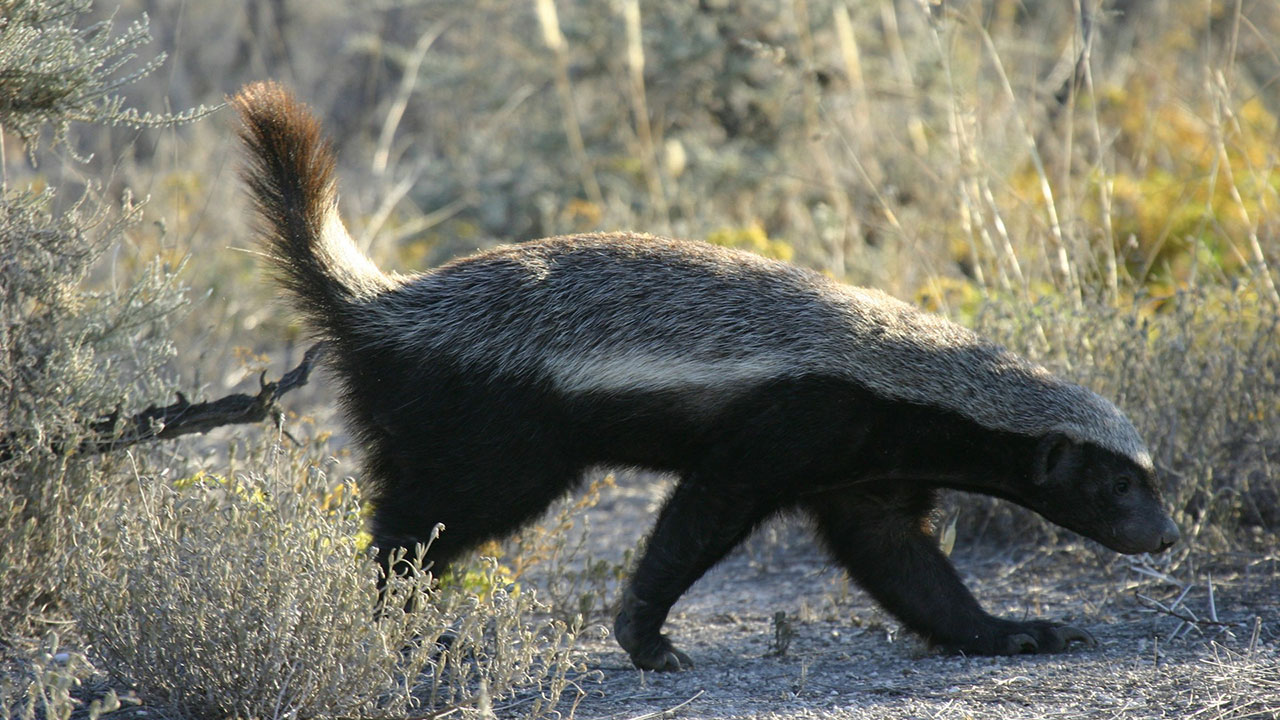
A honey badger fights like it’s got a personal grudge against the entire planet. It goes straight for faces, eyes, and anything soft, and it doesn’t care if the other animal is bigger. The whole style is chaos and commitment—bite, rip, thrash, repeat—until the other guy decides it isn’t worth it.
The “usually win” part comes from attitude plus toughness. Thick skin, crazy pain tolerance, and a mindset that doesn’t quit makes predators back off. Most animals aren’t scared of the honey badger’s size—they’re tired of how nasty it’s willing to get.
Wolverine

Wolverines don’t “square up.” They bite, clamp, and start tearing while they’re getting tossed around. They’ll hit the throat, nose, and face, and they keep moving so you can’t get a clean hold on them. It’s the definition of dirty: fast, ugly, and nonstop.
They also don’t waste energy. They’ll fight to get access to food, defend a carcass, or steal it, and they’ll do it against animals that should be able to bully them. A lot of bigger predators decide it’s not worth bleeding over a meal when a wolverine is acting like a demon.
American badger
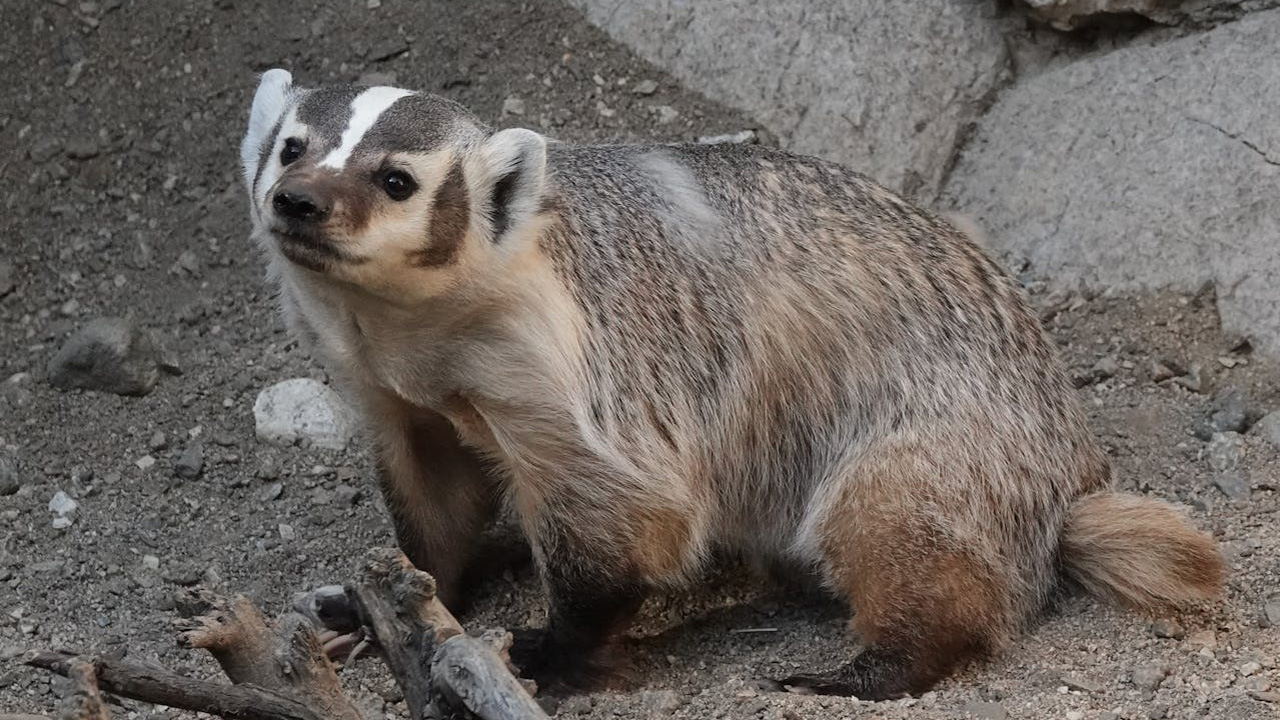
Badgers fight from the ground up—literally. They dig, they anchor, and they turn into a spinning bite machine the moment something crowds them. They don’t posture much. If you’re close, you’re in it, and they go straight for hands, faces, and anything that looks grabby.
What makes them win is leverage and stubbornness. They’re low, compact, and hard to pull loose. Predators get a mouthful of teeth and claws and realize they’re not getting an easy meal. Badgers aren’t trying to “defeat” you—they’re trying to make you regret touching them.
Feral hog / wild boar
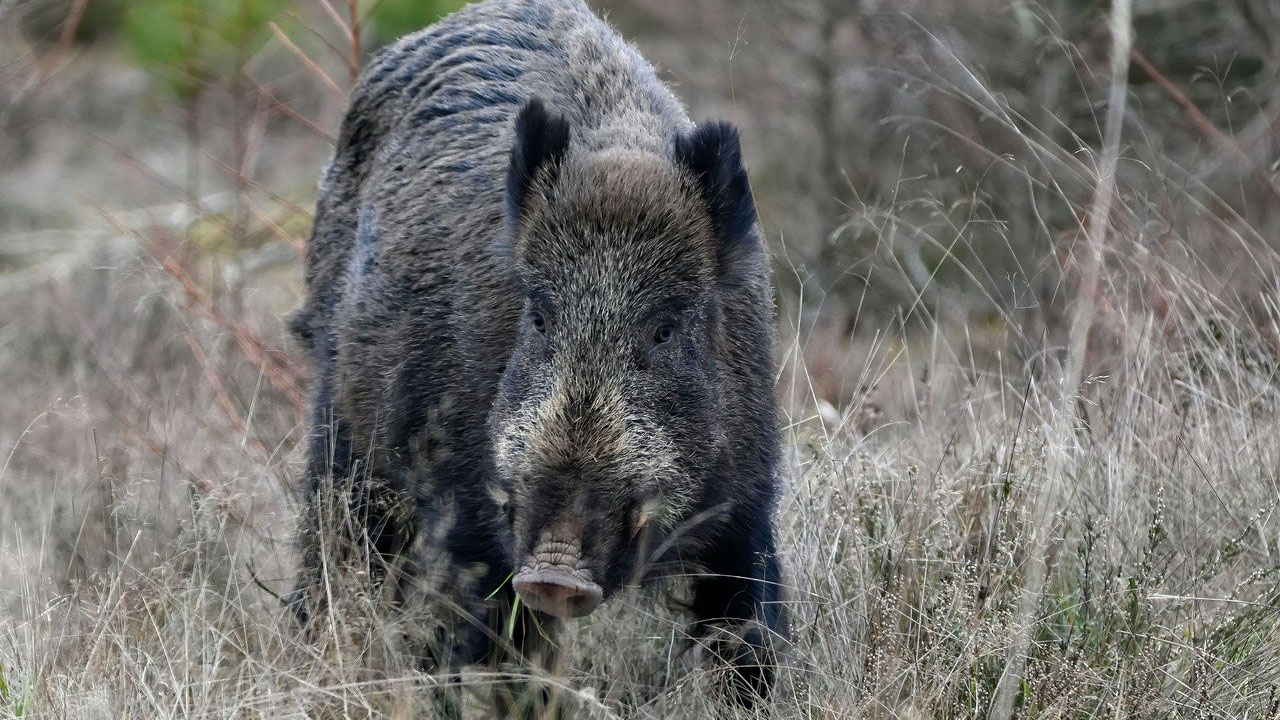
Hogs fight low and mean. They’re built to drive forward with their shoulders, keep their head protected, and keep coming even after they’ve taken hits. If you corner one, you’re not getting a dramatic standoff—you’re getting a sudden rush aimed at your legs and knees, where balance disappears.
The other dirty part is how hard they are to stop compared to what people expect. Thick shield, thick skull, heavy muscle, and pure momentum. A boar doesn’t need to “win” a long fight. It needs one good contact to create an opening, and then it uses that opening to keep you on the back foot.
Wolverine’s cousin: the weasel family in general
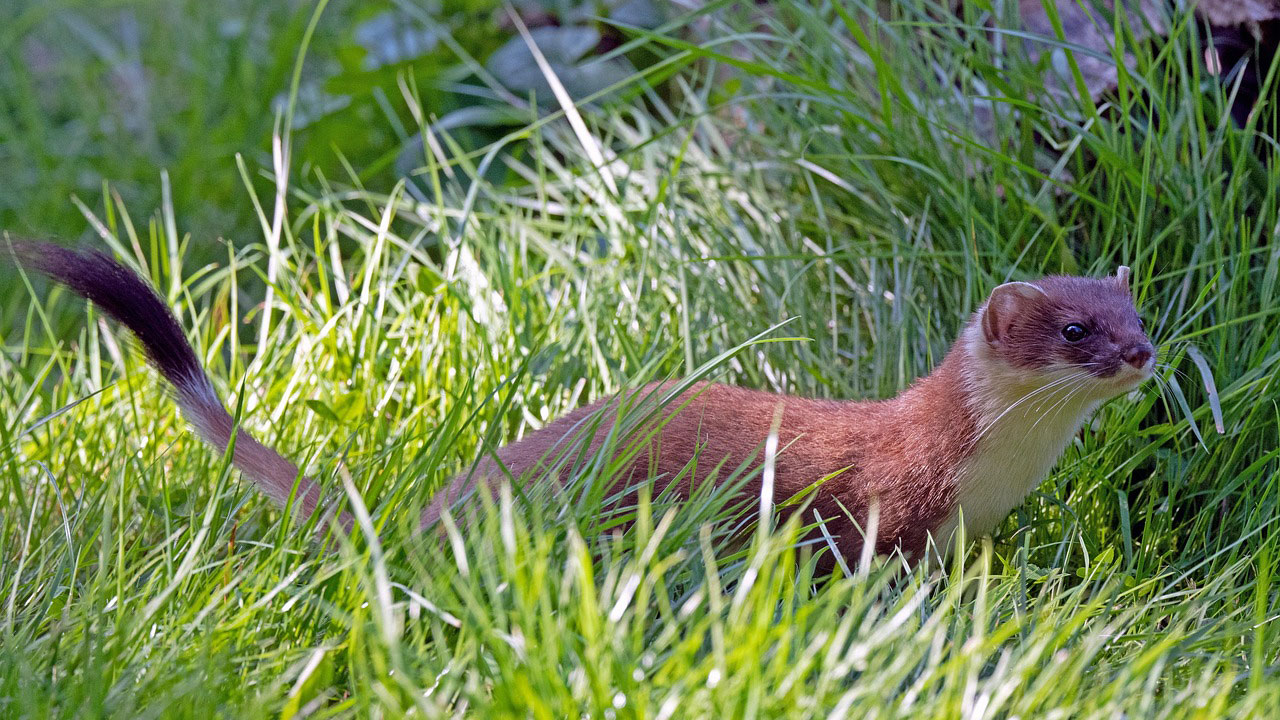
Small mustelids—stoats, mink, martens, otters—are famous for going for the throat and not letting go. They don’t wrestle for dominance. They clamp and ride, using speed and teeth to control the fight. That’s why you’ll hear stories of tiny predators taking down animals that look like they should be safe.
They win because they don’t fight like a bigger animal. A fox might test. A mustelid commits. If you’ve ever tried to break up a dog and a mink/otter situation, you learn fast that grabbing and pulling just gets you bitten. Their whole style is “hold and tear until the problem stops.”
Spotted hyena

Hyenas aren’t “big cats with bad PR.” They’re built for bone-crushing power and pack tactics, and they’ll absolutely fight dirty. They’ll take cheap angles, they’ll target vulnerable spots, and they’re perfectly happy turning a one-on-one into a three-on-one in seconds.
What makes them win is teamwork plus toughness. They can take damage and keep operating, and they don’t need a clean kill bite to control a fight. If you’re used to thinking “lion wins because lion,” hyenas are the reality check. They win a lot by refusing to fight alone and refusing to quit.
African wild dog

Wild dogs don’t waste time with intimidation. They locate a weak point and start breaking it down as a group. It’s not pretty, and it’s not “sporting.” They win by turning a larger animal into a problem that can’t defend every angle at once.
The dirty part is the math. Even a strong animal can’t spin fast enough to keep teeth off its back end when a pack is working together. That’s the lesson with pack predators: they don’t need one animal to be “stronger.” They just need you to be overwhelmed and out-positioned.
Chimpanzee
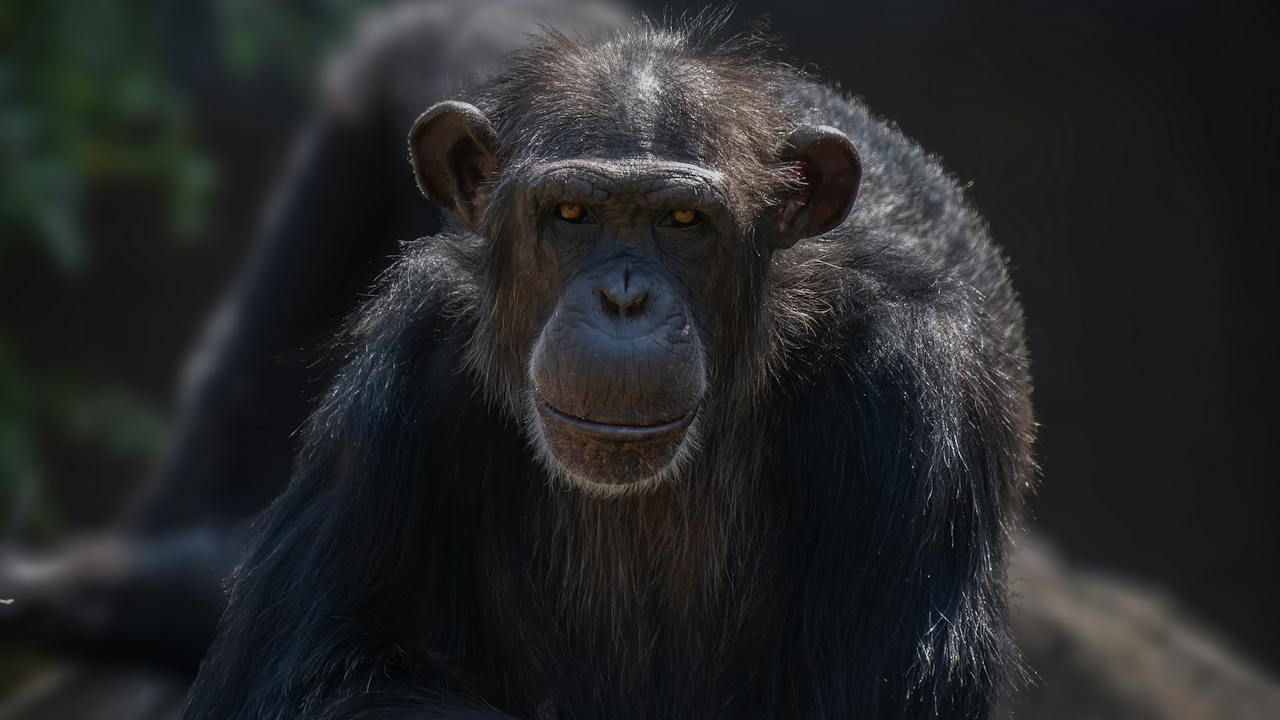
A chimp doesn’t fight like a person, but it fights with human-level intention in the worst way. They bite, they grab, and they target eyes, fingers, genitals—whatever ends the fight fast. They also use strength and leverage that surprises people who think “it’s just an animal.”
The scary part is how quickly it can go from “agitated” to “life-changing injuries.” Chimps don’t need claws or big fangs to do damage. They need hands that can control you and a mouth that doesn’t let go. If you ever hear someone talk about chimps like cute little monkeys, they haven’t read enough injury reports.
Baboon
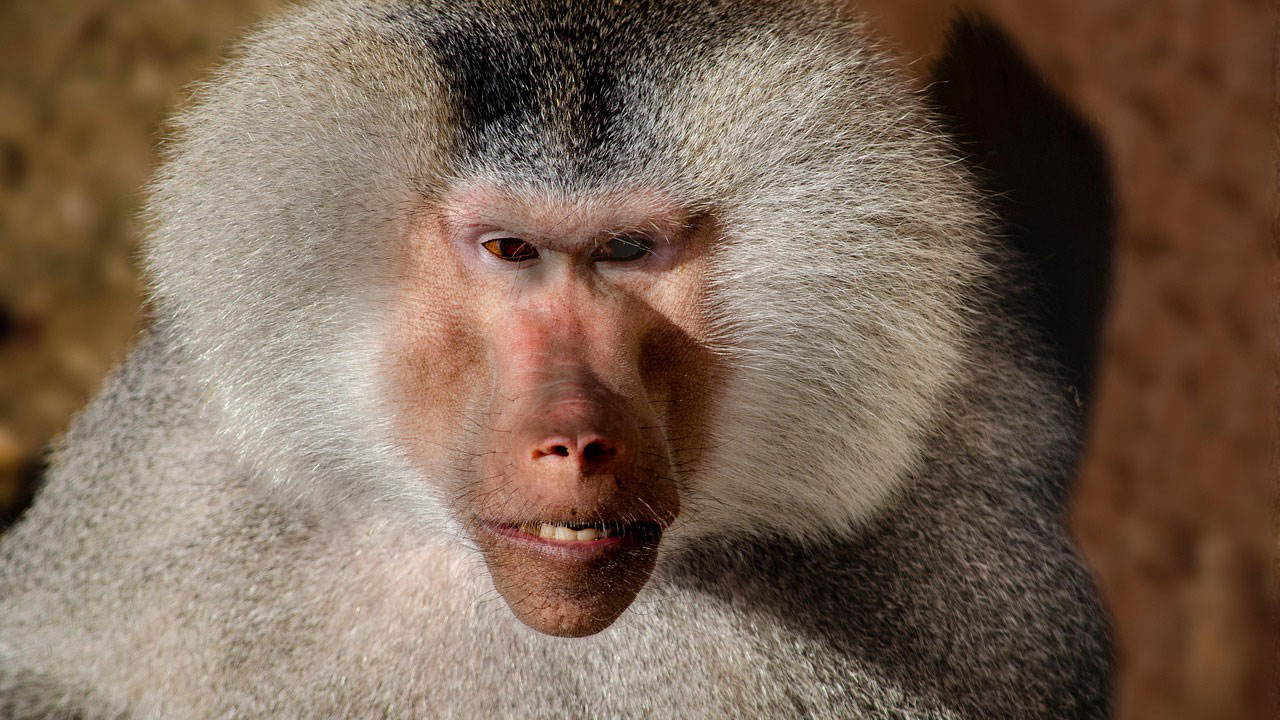
Baboons are chaos with teeth, and they fight dirty because that’s what keeps them alive in rough country. They’ll bite and retreat, hit you while you’re off balance, and pile in when their group senses weakness. They’re also bold about testing boundaries—especially around food.
They win more than people expect because they don’t need to fully commit to get what they want. A quick slash of teeth, a grab, a scream, and suddenly you’re backing up. Most animals don’t love taking facial bites. Baboons know that, and they use it.
Crocodile / alligator

Gators and crocs fight like ambush machines because that’s exactly what they are. They strike when you’re not ready, clamp down, and then they use the death roll to turn your body into a lever. That’s not a “fight.” That’s a system designed to end the situation with physics.
They usually win because the first move decides everything. If the animal gets the bite, you don’t get a reset. People imagine they’ll “push it away” or “kick it off.” That fantasy disappears when you realize how fast the initial hit happens and how much power is behind that jaw.
Rattlesnake (and other pit vipers)
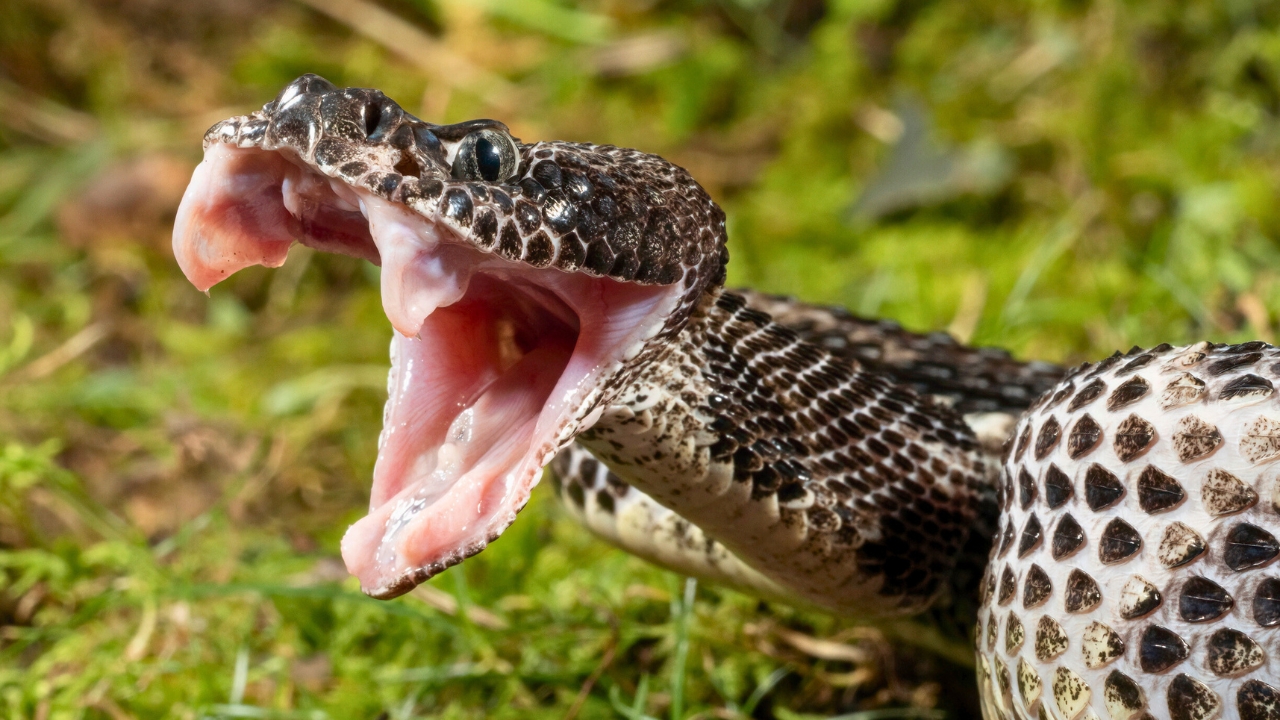
Venom is the ultimate dirty tactic. A rattler doesn’t need to wrestle you, chase you, or win a strength contest. It needs one clean strike and a step back. Then your body starts doing the losing for you. That’s why snakes can survive around much bigger animals.
The nasty part is the efficiency. They can hit in close quarters, in brush, at night, on a trail, and they don’t care if you “didn’t mean to.” They’re not malicious—they’re optimized. And in a real-world encounter, optimization beats good intentions every time.
Spitting cobra
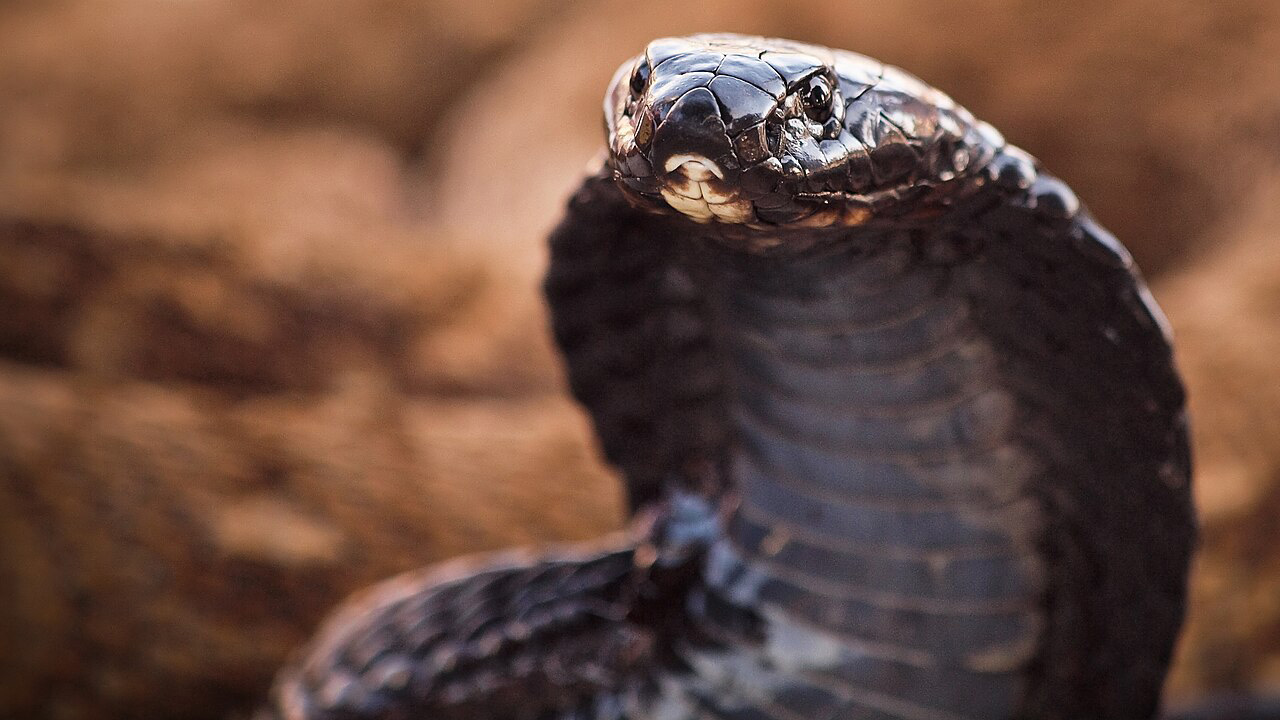
Spitting cobras don’t just bite—they aim for your eyes. That’s about as “dirty” as it gets. They’re not trying to kill you every time; they’re trying to blind you long enough to escape or keep you from closing distance. It’s a defensive tactic that works incredibly well.
They win because vision is everything. The second your eyes are compromised, your options collapse. You’re not tracking the animal, you’re not moving clean, and you’re not thinking straight. People underestimate how fast eye exposure turns into panic, and cobras take advantage of that reality.
Komodo dragon

Komodos fight like bullies with patience. They bite hard, rip, and then they track. Modern research points to venom/venom-like anticoagulant effects playing a role, and they’re notorious for following wounded prey until it slows down. The “dirty” part is how the fight keeps going after the moment of contact.
They win by turning a single bite into a long problem. You don’t need them to stay on top of you the whole time for them to succeed. They need one bite that starts a chain reaction, and then they use endurance and scent to finish what they started.
Snapping turtle

Snapping turtles look slow until they decide they’re not. They don’t nip. They clamp, and they don’t let go quickly. They also fight from a low, armored position where you can’t safely grab them without putting your hands in the danger zone.
They win because most people don’t respect the mouth. Folks try to “help it” off the road or mess with it near water, then they learn why the name is accurate. A snapper doesn’t need speed or size. It needs you to make one bad reach, and then it collects payment.
Giant centipede
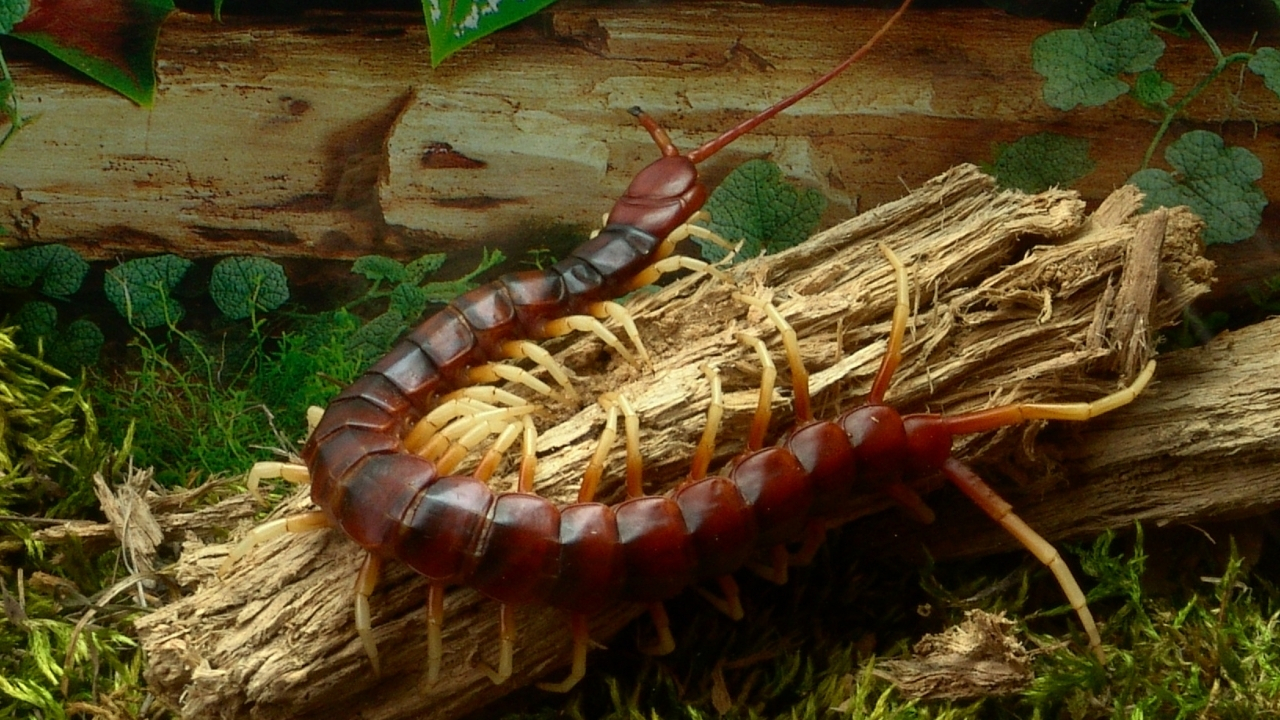
If you’ve never handled a big centipede, it’s easy to laugh this one off. Don’t. Giant centipedes hit with venom, speed, and a nasty ability to get under you and keep biting from weird angles. They don’t “fight” like a mammal. They overwhelm and punish.
They win because your brain isn’t wired to deal with something that fast and that persistent. They can bite multiple times, keep moving, and keep coming back in. The lesson is simple: small, venomous, and aggressive is a bad combo—especially when the animal doesn’t need to stand still to hurt you.
Like The Avid Outdoorsman’s content? Subscribe to our newsletter so you never miss an article.
Here’s more from us: