Photo credit: Kamal15/Shutterstock.com
Waterways, whether freshwater lakes, rivers, or coastal areas, are home to some of the most diverse and dangerous wildlife in the world. While the sight of water often brings thoughts of peaceful moments, it’s important to remember that many of the animals lurking in or near these environments can pose serious threats. Some of these creatures are territorial, others defensive, and many are simply predators doing what they do best.
If you’re near water, whether you’re kayaking, fishing, swimming, or hiking, it’s crucial to be aware of the risks. The threat doesn’t always come from what you see at the surface level. Many dangerous animals are hidden underwater or in the dense brush along the banks, ready to surprise anyone who gets too close. Here’s a look at some of the most dangerous animals you could potentially run into near water.
Alligators

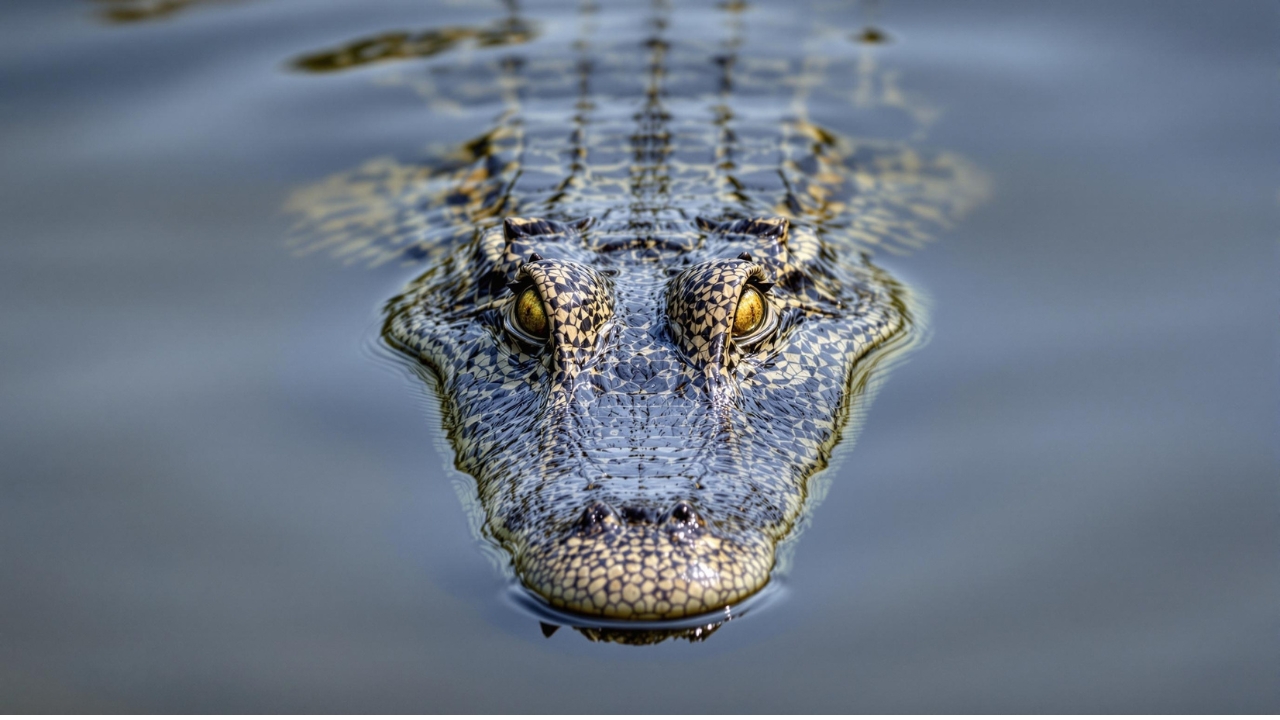
In the warmer waters of the Southeastern U.S., alligators are a well-known threat. These reptiles spend most of their time submerged or lounging near the edges of swamps and rivers, often blending into the environment so well that they’re easy to miss. Alligators are opportunistic predators, and while they tend to avoid human interaction, they can become aggressive if they feel threatened or if they’re protecting their nests.
Alligator attacks are rare, but they do happen, especially when people are in the water, unknowingly entering the alligator’s territory. They can strike with astonishing speed and power, using their strong jaws to inflict serious damage. It’s crucial to stay a safe distance from these animals, particularly during nesting seasons when they may be more aggressive.
Crocodiles

Found in regions such as the coasts of Africa, Southeast Asia, and Northern Australia, crocodiles are much larger and more aggressive than their alligator cousins. These apex predators are capable of overpowering almost any animal that enters their domain, including humans. Their ambush tactics are deadly effective, as they can launch themselves from the water with explosive speed, grabbing prey with their immense jaws.
Crocodiles are particularly dangerous because they are highly territorial, and once they claim an area, they will defend it aggressively. If you’re near water in crocodile habitats, it’s vital to stay vigilant and avoid swimming or wading, especially during breeding season when they may be more territorial.
Bull Sharks

Bull sharks are one of the most dangerous sharks to encounter near water. Known for their aggressive nature, bull sharks are found in both freshwater and saltwater, making them unique among shark species. They are often spotted in coastal areas, rivers, and lakes, and they have a tendency to venture closer to shore than other sharks.
Their aggressive behavior, combined with the fact that they can be found in shallow waters, makes them a potential threat to humans. Bull sharks are responsible for more attacks on humans than most other shark species due to their habit of swimming in the shallows, where people often swim, surf, or fish. If you’re in an area known for bull shark activity, stay alert and avoid murky waters.
Freshwater Jellyfish

While they may not seem dangerous at first glance, freshwater jellyfish are a hidden danger in bodies of water. Found in lakes, rivers, and ponds, these jellyfish pack a sting that can cause intense irritation or allergic reactions in some individuals. They are not typically deadly but can cause severe discomfort, with symptoms such as swelling, redness, and pain.
Their translucent bodies can be difficult to spot, and swimmers or anglers who unknowingly come into contact with them may experience painful stings. The best way to avoid this is to be cautious when swimming in freshwater, especially in regions where jellyfish populations are known to thrive.
Water Moccasins

Also known as cottonmouths, water moccasins are venomous snakes often found in or near bodies of water throughout the southeastern United States. These snakes are known for their defensive aggression; they will often strike if they feel threatened. Cottonmouths are one of the few snake species that will stand their ground rather than retreat when confronted, making them particularly dangerous to unsuspecting individuals.
They are typically found in wetlands, marshes, and riverbanks, and while they are usually not aggressive unless provoked, their venom can cause severe injury or even death if not treated promptly. Always exercise caution near water where these snakes are prevalent, and avoid walking barefoot in areas where they may be lurking.
Piranha

Piranhas are infamous for their sharp teeth and their reputation as carnivorous fish that swarm and attack their prey in packs. Found in the rivers and lakes of South America, piranhas are not typically dangerous to humans, but their presence can be unsettling. Attacks on humans are rare, but they do happen, particularly when the fish are stressed, hungry, or provoked.
Piranhas are most active during the dry season when the water level is low, and food is scarcer. If you’re swimming or boating in areas where piranhas are common, it’s best to avoid entering the water during feeding times or when blood is present, as the fish are more likely to react aggressively in these conditions.
Komodo Dragons

Komodo dragons, the world’s largest living lizards, are found on a few islands in Indonesia, near rivers, streams, and coastal areas. While these reptiles are generally not water-dwelling, they are skilled swimmers and can be found near water sources. They are capable of running quickly on land, and although they don’t actively hunt humans, they have been known to attack if threatened.
The Komodo dragon’s saliva is filled with bacteria, and while the bite itself is dangerous, it’s the risk of infection from their saliva that poses the greater threat. A Komodo dragon’s strike can be fatal, especially if you’re too close to its territory or if it’s provoked. Avoid these areas, as they are highly territorial and aggressive, particularly when hungry.
Box Jellyfish

One of the most dangerous creatures in the water, the box jellyfish can be found along the coasts of northern Australia and Southeast Asia. While it primarily inhabits saltwater, it has been known to swim close to the shore in shallow water, where people often swim. The venom in its tentacles is incredibly potent, capable of causing extreme pain, paralysis, and even death in some cases.
Although box jellyfish stings are rare, their venom is so strong that it can cause cardiac arrest, and victims often need immediate medical attention. If you’re swimming in waters known for box jellyfish, be sure to wear protective clothing and avoid swimming during peak jellyfish season.
Cape Buffalo

The Cape buffalo, also known as the African buffalo, is one of the most dangerous animals in Africa. While typically found in the grasslands, they are also frequently found near water sources like rivers and watering holes. These massive animals are responsible for more human deaths in Africa than any other large animal, due to their unpredictable nature and immense strength.
Cape buffaloes are often seen in herds, and while they can be calm and docile when unprovoked, they will aggressively defend themselves if threatened. If you encounter one near a water source, it’s best to stay at a safe distance, as they can charge with little warning and will not hesitate to attack.
Saltwater Crocodile

The saltwater crocodile is the largest living reptile, and it’s also one of the most dangerous animals near water. Found along coastlines, rivers, and estuaries in Southeast Asia and Northern Australia, the saltwater crocodile is an opportunistic predator that often lies in wait near the water’s edge. These crocodiles can grow to over 20 feet in length and have powerful jaws capable of crushing almost anything that comes too close.
Saltwater crocodiles are highly aggressive, especially during mating season, and they’ve been known to attack boats and swimmers. Their ability to move quickly in both water and on land makes them a formidable predator. If you’re near water in saltwater croc habitats, it’s crucial to stay on high alert and avoid swimming or wading in these areas.
Great White Shark

Great white sharks are one of the most feared predators in the world, primarily due to their size and strength. These sharks are found along coastlines in temperate waters around the globe, and they are known to hunt in shallow water. Although great white sharks don’t often target humans, they have been involved in attacks, particularly when they mistake swimmers or surfers for seals.
The sheer size and power of a great white make it a terrifying encounter in the water. When you’re in areas where great whites are common, it’s important to exercise caution, especially in murky waters or during feeding times when the sharks may be more active.
American Alligator

While smaller than their crocodile cousins, American alligators can still pose a serious threat, especially in the southern U.S. Found in freshwater lakes, rivers, and swamps, these reptiles can grow to over 13 feet long. Alligators are opportunistic hunters, and while they tend to avoid human interaction, they can become aggressive when threatened or when they feel their territory is encroached upon.
Although alligator attacks are rare, they do happen, particularly when people enter the water or get too close to the animals’ nests. Alligators are fast and stealthy in the water, and they can strike with little warning. If you’re in areas where alligators are known to live, always maintain a safe distance and avoid swimming in unfamiliar waters.
Hippos

Despite their large size and seemingly docile appearance, hippos are among the most dangerous animals in Africa, especially when they’re near water. Hippos spend most of their time submerged in rivers and lakes, where they can become highly territorial. They are known to charge at boats or anyone who gets too close to their space.
Hippos are responsible for more human deaths in Africa than most other large animals, including lions and elephants. Their large teeth and powerful jaws can easily crush anything they bite. If you find yourself near water in hippo territory, avoid getting too close to the shore or getting into the water. Their speed on land and in water is deceptively quick.
Nile Crocodile

Nile crocodiles are the largest crocodile species in Africa, and they are known for their aggressive behavior, especially when they feel threatened. These crocodiles are found in rivers, lakes, and marshes across much of Africa. Nile crocs are excellent swimmers and can ambush prey from the water’s edge with surprising speed and precision.
While they typically feed on smaller animals, they have been known to attack humans, especially those who venture too close to their territory or engage in activities near the water. If you’re traveling to regions where Nile crocodiles are common, it’s crucial to stay far from the water’s edge and avoid swimming or fishing in these areas.
Like The Avid Outdoorsman’s content? Subscribe to our newsletter so you never miss an article.
Here’s more from us: