Photo credit: We Care Wild/Pexels.com
There’s “this thing can bite you,” and then there’s “this thing can end you with one clean hit.” A lot of wild animals carry power in ways people don’t understand until they see it up close—shoulders like cinder blocks, necks like tree stumps, and muscle built for impact.
This isn’t about hyping fear. It’s about respecting what size, speed, and leverage can do in the real world. Here are 15 animals that can deliver a hit that would put most people on the ground instantly.
Moose

A moose doesn’t need claws or fangs to ruin you. Its “hit” is raw body mass moving fast, plus hooves that can strike like sledgehammers. When a moose decides to stomp, it isn’t tapping you. It’s putting weight behind it with the intent to break you down.
People underestimate moose because they think “herbivore” equals “safe.” That’s backwards. In the wrong situation—close range, blocked exit, calf nearby—a moose can launch and connect so hard you don’t get a second decision. The best defense is distance and not pushing for a close encounter.
Bison

A bison’s head and shoulders are built for impact. They can toss predators, crush obstacles, and carry momentum like a bulldozer. If one hooks you with its head or catches you with a shoulder, it’s not a shove. It’s a full-body collision.
A lot of bison injuries happen because people stand too close and think they can read the animal’s mood like a farm cow. You can’t. Give them space, don’t stand in their travel path, and don’t assume “it’s grazing” means “it won’t explode into motion.”
Elk

An elk’s hit is a mix of speed, size, and sharp hooves. When they strike or stomp, they can do serious damage fast. Bulls in rut can be especially unpredictable because they’re already wound tight and looking to push something around.
Elk also don’t always run when pressured. Sometimes they spin, posture, and close distance to move the threat away. The smartest move is to not push them into tight spots and not let dogs get between you and an angry elk. They can cover ground quicker than most people expect.
Grizzly / brown bear
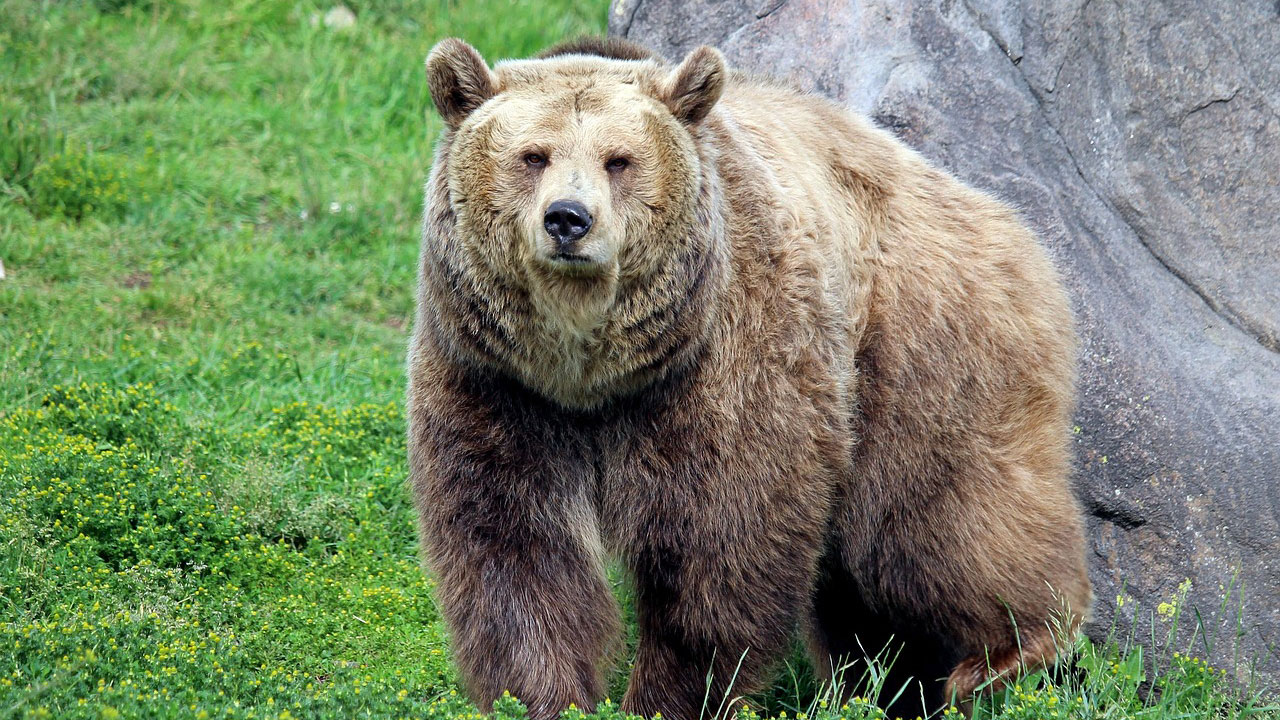
A grizzly’s “hit” isn’t just a swipe—it’s a heavy, committed blow from an animal built to dig, fight, and dominate. Even a “warning” swat can break bones. What makes bears so dangerous is their blend of mass and explosiveness at close range.
If you’ve ever seen how fast a bear can go from calm to violent in a few steps, you don’t forget it. Don’t give a bear a reason to use that power. Avoid surprise encounters, stay alert in thick cover, and understand that bear behavior is often defensive and fast, not drawn out and dramatic.
Polar bear

A polar bear is a predator first, and the power behind its strikes is unreal. Their build is made for grabbing, pulling, and controlling large prey in brutal conditions. A clean hit from a polar bear isn’t “pain.” It’s catastrophic force.
This is one of those animals where the normal “back away slowly” advice can be incomplete depending on context, because polar bear encounters can be predatory. The takeaway is simple: if you’re in polar bear country, you need a real plan and real respect for what you’re dealing with.
Hippopotamus
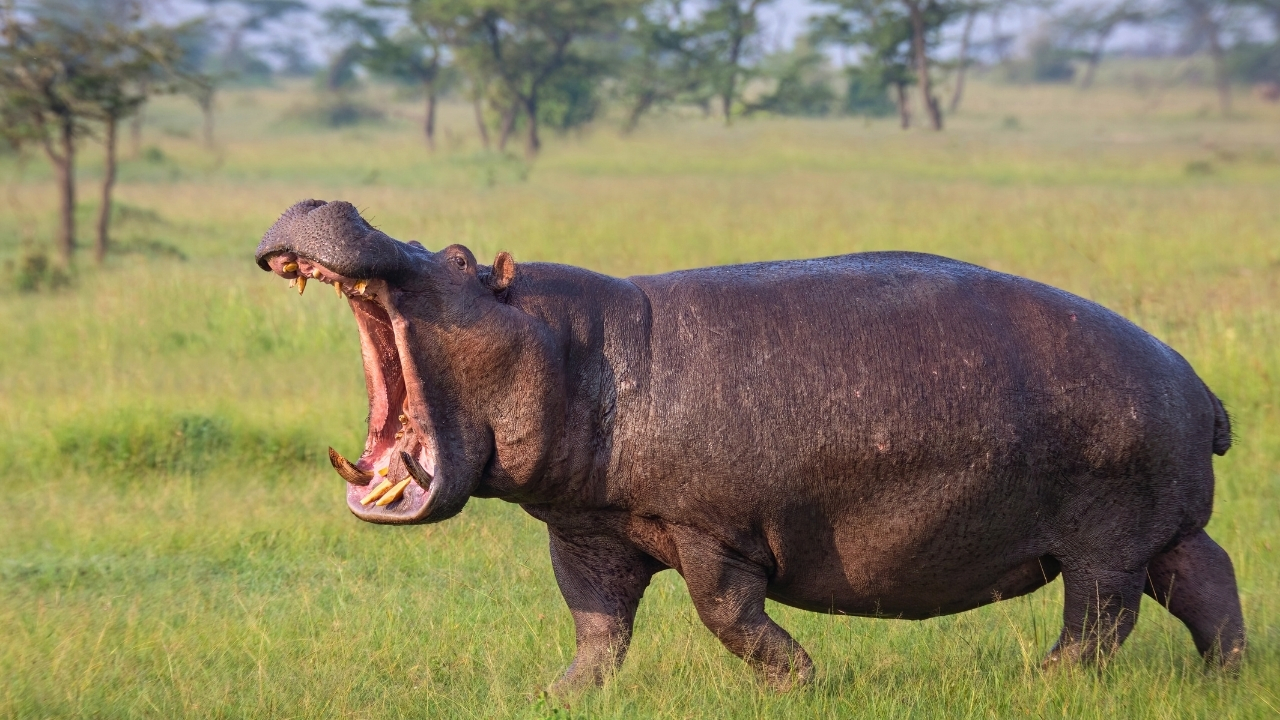
Hippos are basically living battering rams. They’re heavy, fast on short bursts, and their bite is famous—but the “hit” part matters too. A hippo can bowl you over like you’re nothing, then follow up with a bite that ends the story.
Most people get hurt because they don’t realize how territorial hippos are around water. If a hippo thinks you’re between it and the water, it may charge to clear the path. The only safe move is distance and staying out of their lanes.
Rhinoceros

Rhinos are pure kinetic energy when they move. Their “hit” is a full-speed charge backed by muscle and armor. Even a glancing blow can wreck you. They don’t need to be accurate—mass and speed do the work.
Rhinos can also be surprisingly quick, and some charges happen because the animal feels boxed in, threatened, or startled. The lesson is that “big and slow” is a lie people tell themselves. When an animal is built like a tank, you don’t want to be downrange of its decision-making.
Elephant

Elephants can hit in multiple ways—body checks, stomps, tusk strikes, trunk slams. The scariest part is how controlled it can be. An elephant doesn’t have to be frantic to be dangerous. It can calmly decide you’re done and make it happen.
A lot of elephant conflict comes from people not reading distance and body language. If they’re posturing, ear-spreading, or making direct moves, you don’t “hold your ground.” You get out and give them a clear exit. Their power is not something you negotiate with.
Cape buffalo

Buffalo hit like trucks because they are built like trucks. Thick shoulders, heavy skull, and a mindset that doesn’t fold under pressure. A buffalo’s head strike can launch a person, and they’ve got the toughness to keep fighting after taking damage.
They’re known for coming back in, too. That’s part of why they’re feared. If you’re anywhere near buffalo, the entire game is avoiding bad angles and not letting yourself get trapped in brush or terrain where you can’t move.
Tiger

Tigers hit with controlled violence—paws, body weight, and the ability to knock prey off balance instantly. Their “hit” isn’t just impact; it’s impact followed by a bite and a hold. They’re built to end a fight fast.
You don’t need to romanticize predators to respect them. A tiger can take down animals far bigger than a human, and it does it with speed and leverage. If you ever see one in the wild, the only smart move is distance and not triggering a chase response.
Lion

A lion’s hit is blunt, heavy, and paired with teeth. When they swat, it’s not a cat slap. It’s a full forelimb strike with muscle designed to control large prey. Even one clean hit can knock a person off their feet instantly.
Lions also don’t have to be fully committed to cause damage. A “warning” from a lion is still a massive animal applying force. The point here isn’t fear—it’s reality. Predators built for big game don’t do light contact.
Gorilla

Gorillas don’t “box,” but they can absolutely hit with frightening force. A gorilla’s strength is well beyond a human’s, and their strikes—punches, slaps, grabs—can cause serious injury immediately. Most of the danger comes from misunderstanding behavior and personal space.
A gorilla that feels crowded, threatened, or challenged can escalate fast. In the wild, the rules are about calm movement, distance, and not acting like a rival. Their power is real, and you don’t want to be the reason it gets used.
Saltwater crocodile

Crocodiles don’t “punch,” but their lunge and bite is one of the most powerful impacts in the animal world. The hit is the initial explosion out of the water, the clamp, and the leverage they use to control you. That first contact can be the whole event.
People get hurt because they underestimate how little warning there can be. If you’re near croc water, you don’t stand at the edge, you don’t wade, and you don’t trust “I don’t see anything.” Their strength is built for ambush.
Great white shark

A shark’s hit is the bite itself, and it’s brutal. The impact comes from speed, mass, and jaw power meeting you with no ability for you to brace or respond. That’s why even a single bite can be life-threatening.
The other part people ignore is that sharks can hit you without meaning to “fight.” Curiosity bites happen, and the result can still be catastrophic. The takeaway is respect for the environment and not pretending humans belong comfortably in every water scenario.
Kangaroo

This one sounds funny until you see a big roo up close. A large kangaroo can hit hard with punches and can kick with serious force, especially if it gets into a defensive posture. Those legs are built for power, and their claws can cut when they connect.
Most bad encounters involve people or dogs pushing too close, especially near water where kangaroos can get cornered. Don’t treat them like friendly animals. Give them space, control your dog, and don’t assume “it’s just a kangaroo” means it can’t hurt you.
Like The Avid Outdoorsman’s content? Subscribe to our newsletter so you never miss an article.
Here’s more from us: