Photo credit: Michal Petráš/Pexels.com
A lot of people think a “calm” dog is always an easy dog. That is not how this works. Plenty of breeds can look settled, affectionate, and perfectly manageable right up until they stop getting enough exercise, structure, or mental work. AKC is pretty direct that dogs absolutely get bored, and that boredom can lead to problem behaviors. It also notes that insufficient exercise and mental stimulation can push dogs toward destructive behavior, whining, chewing, digging, and other forms of making their own entertainment.
That is especially true with smart breeds, working breeds, and dogs that were built to have an actual job instead of just hanging around the living room all day. Some of them look easy at first because they settle nicely indoors, bond hard with their people, or are not bouncing off the walls every waking second. Then boredom hits, and suddenly the chewing, barking, pacing, digging, herding, escaping, or general nonsense starts. These are the breeds that can seem calm right up until the switch flips.
Border Collie
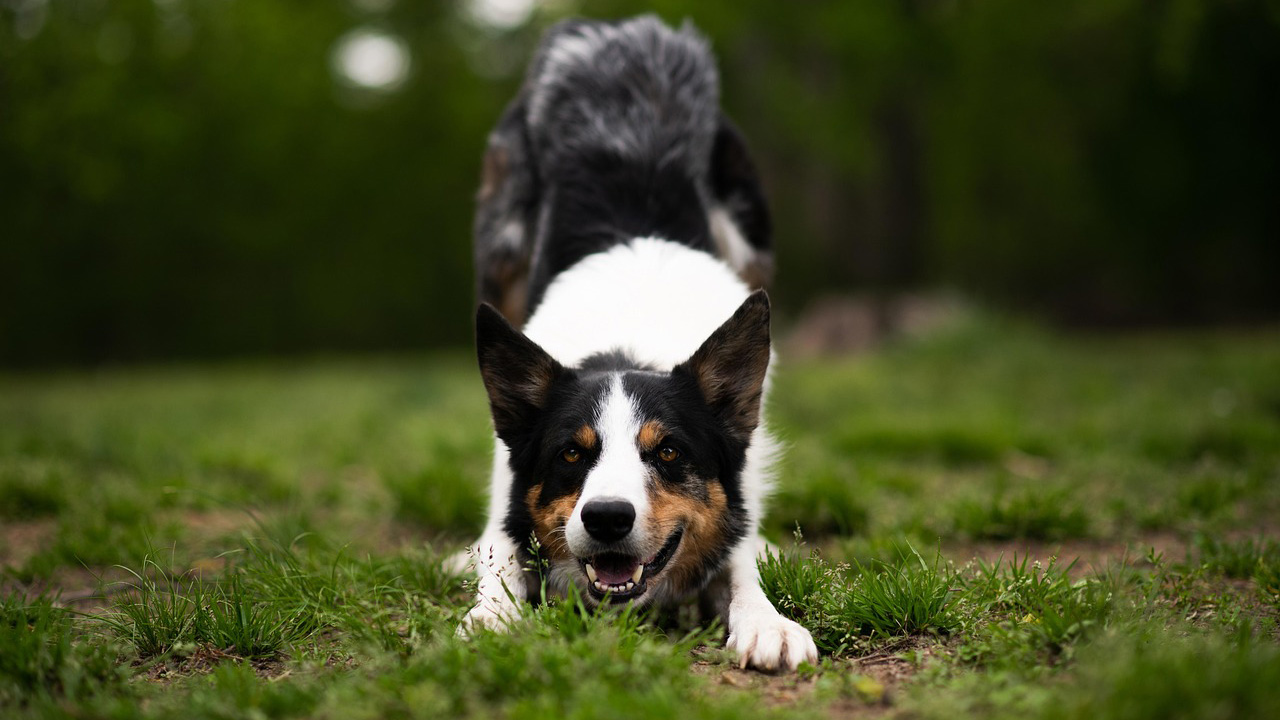
The Border Collie is the classic example of a dog that can look beautifully composed when its needs are being met and absolutely unbearable when they are not. AKC describes the breed as a remarkably bright workaholic and says it may be “too amazing” for owners without the time, energy, or means to keep it occupied. AKC has also said Border Collies need a lot of daily exercise and constant mental stimulation and can become destructive in their boredom if they are not continuously challenged.
That is why people get fooled by them. A well-exercised Border Collie can be affectionate, attentive, and quiet in the house. It may look like the easiest dog in the world. Then somebody assumes that calm means low-maintenance, and the wheels come off. When these dogs do not have enough to think about, they start inventing their own work, and most owners do not enjoy the kind of work a bored Border Collie comes up with.
Australian Cattle Dog

Australian Cattle Dogs often come across as solid, steady, and more serious than flashy, which makes some people underestimate how much drive is sitting under the surface. AKC says the breed is intelligent enough to routinely outsmart its owners, and on the breed page it states plainly that an intelligent, energetic dog who is not kept occupied will become bored, and a bored, energetic dog can be destructive. That is about as clear a warning label as a breed page can give.
The “calm until it isn’t” part shows up because this breed is not always dramatic about its needs at first. A Cattle Dog may watch, wait, and stay composed for a while. Then boredom starts leaking out through chewing, bossy behavior, obsessive movement, and herding anything available, including kids, other pets, and guests. They are excellent dogs in the right hands, but nobody should mistake that cool exterior for low energy.
Belgian Malinois

A Belgian Malinois can look incredibly sharp and under control, and that is exactly why people who do not know the breed get into trouble with it. AKC describes the Malinois as smart, confident, and versatile, and the breed is famous for intense handler focus and working ability. AKC’s general boredom guidance also notes that dogs bred to work alongside people can become bored and develop behavior problems when those instincts are not being used.
What gets people is that a Malinois can settle beautifully after real work. That part is true. But if somebody buys one because it seemed calm for twenty minutes in a house or because it looked so tuned-in and manageable online, boredom can turn that dream dog into a full-time project. This breed does not usually melt down because it is random. It melts down because somebody bought a high-end working dog and then gave it a decorative life.
Australian Shepherd

Australian Shepherds often have that sweet, biddable family-dog look that makes people think they will naturally adapt to anything. AKC describes the breed as a lean, tough ranch dog, and that ranch-dog background matters because it means brains, stamina, and a real need to engage with the world. AKC also notes that when working-dog energy is not given an outlet, boredom can feed bad behavior.
That is why Aussies so often surprise people. They can be loving and pleasant indoors, especially when young and tired, and then slowly reveal that they are not actually content with two lazy walks and a backyard. Once boredom builds, the breed can get loud, mouthy, destructive, or uncomfortably creative. They usually are not trying to be difficult. They are trying to use the brain and engine somebody forgot they came with.
Siberian Husky
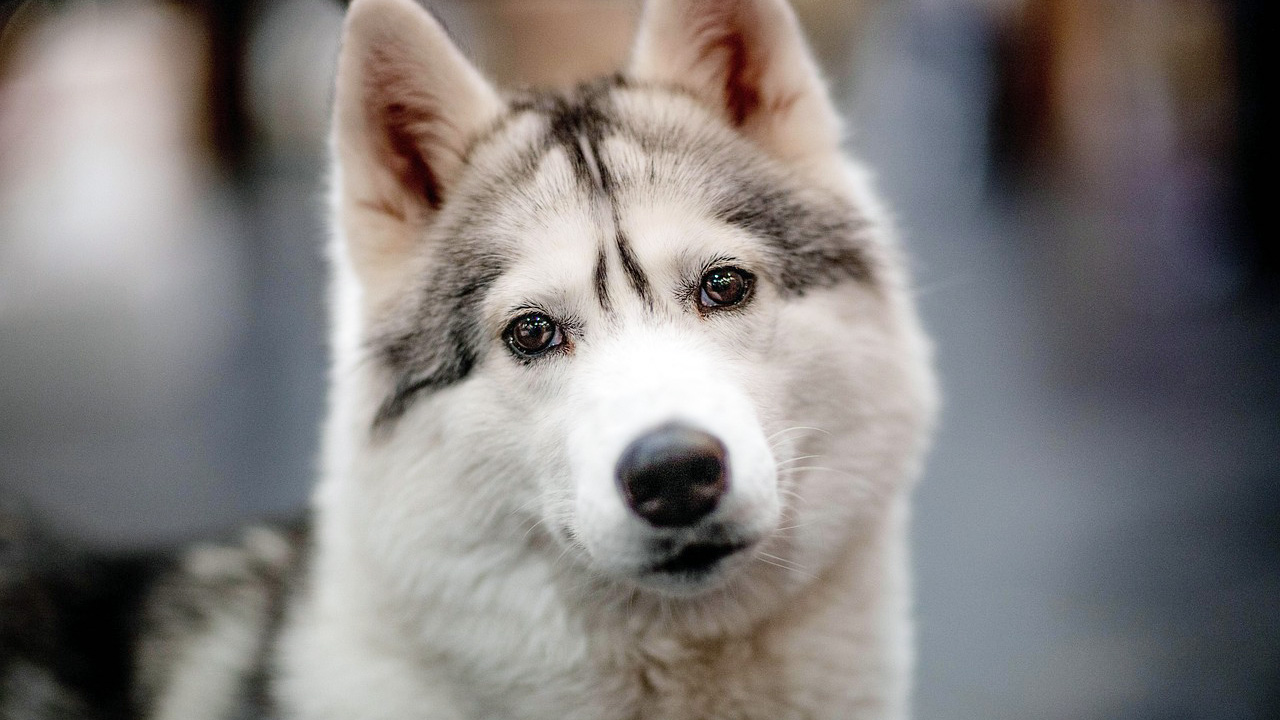
Huskies fool people all the time because they are friendly, good-looking, and often seem relaxed in the house after they have burned off some steam. AKC describes the Siberian Husky as a sled dog developed for endurance and moderate-speed work over long distances. That history matters because dogs built to cover ground and work in teams are not naturally satisfied by a casual, sedentary setup. AKC’s broader training guidance also says bored dogs get into trouble.
The switch-flip with a Husky tends to look like escape attempts, digging, dramatic vocalizing, and destruction that feels almost personal. It is not personal. It is a bored working dog with stamina to spare. A Husky can absolutely be calm and sweet when fulfilled. But people who confuse that calm stretch for a low-needs temperament usually end up learning a very expensive lesson through fences, couch cushions, or the neighbor’s report that the dog was seen three streets over.
Parson Russell Terrier
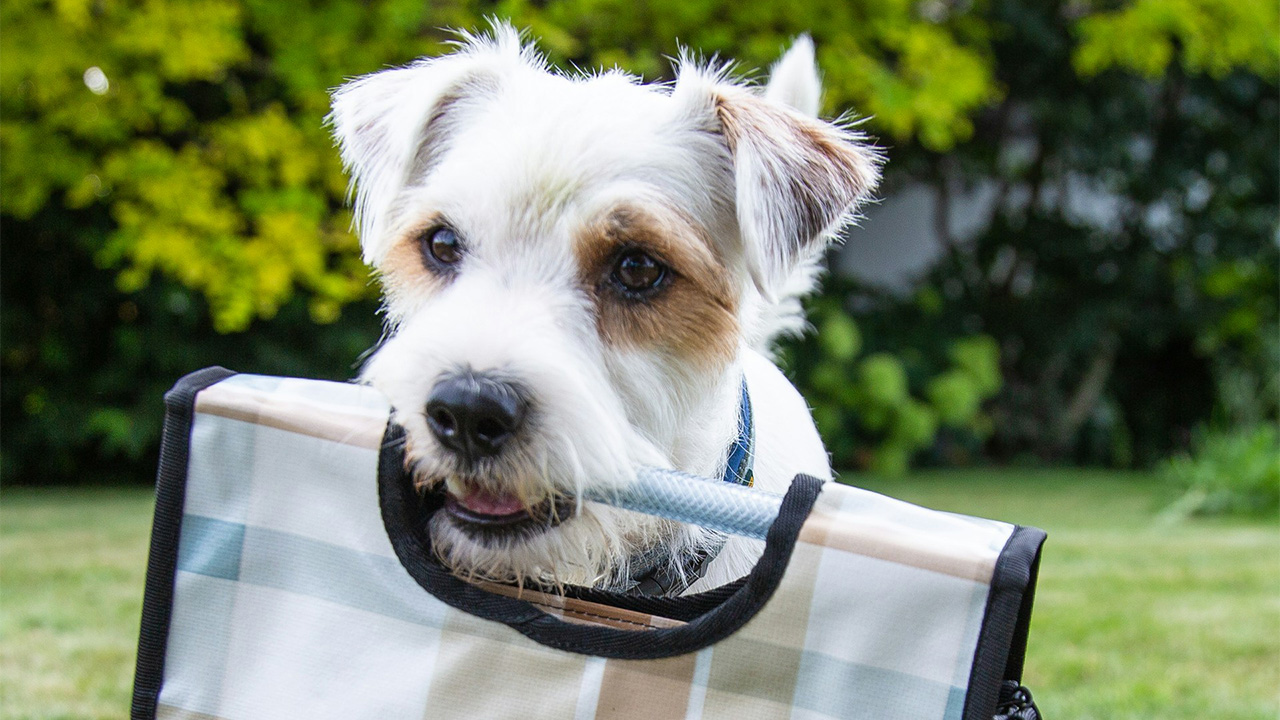
Parson Russell Terriers, and Jack Russell-type dogs more broadly, are a great example of how “small” and “easy” are not the same thing. AKC describes the Parson Russell Terrier as bold, clever, swift enough to run with horses, and fearless enough to dig in and flush foxes. It also calls them independent problem solvers. That is not the resume of a dog that is going to stay politely under-stimulated for long.
This is where boredom gets loud. A Parson can look content curled on the couch, and then suddenly the yard is cratered, the barking has gone up, and the dog is treating the house like an obstacle course. Their calm moments are real, but so is the buried terrier motor. If they do not have enough to do, they usually stop being subtle about it. Terrier boredom tends to come with attitude, and this breed has plenty of that.
Beauceron
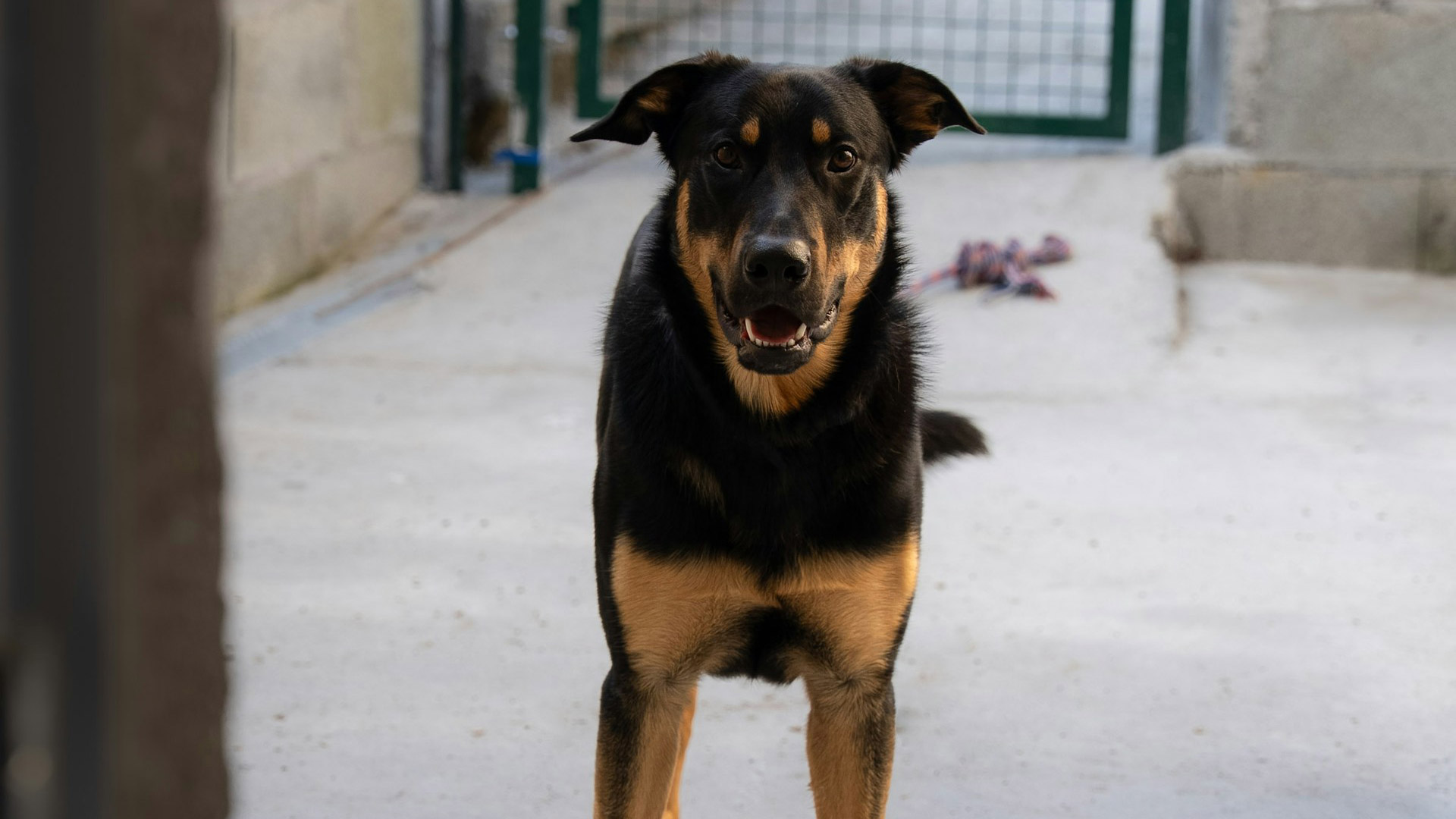
The Beauceron has a calmer public image than some high-drive breeds, but that should not fool anybody. AKC describes the breed as imposing and powerful, but also remarkably smart, spirited, and a versatile herder, even calling it a dog with a Border Collie’s brain in a 100-pound body. That is not a casual pet profile. It is a warning that there is a lot of dog under that composed exterior.
A bored Beauceron usually is not cute about it, either. Because the breed is large, athletic, and intelligent, under-stimulation can turn into control problems faster than it does in smaller dogs. These dogs often seem beautifully steady when they are trained and worked. That steady look is exactly what tricks people. The calm is conditional. Take away purpose and structure, and you are left with a very capable dog that is no longer interested in behaving like easy company.
Australian Kelpie
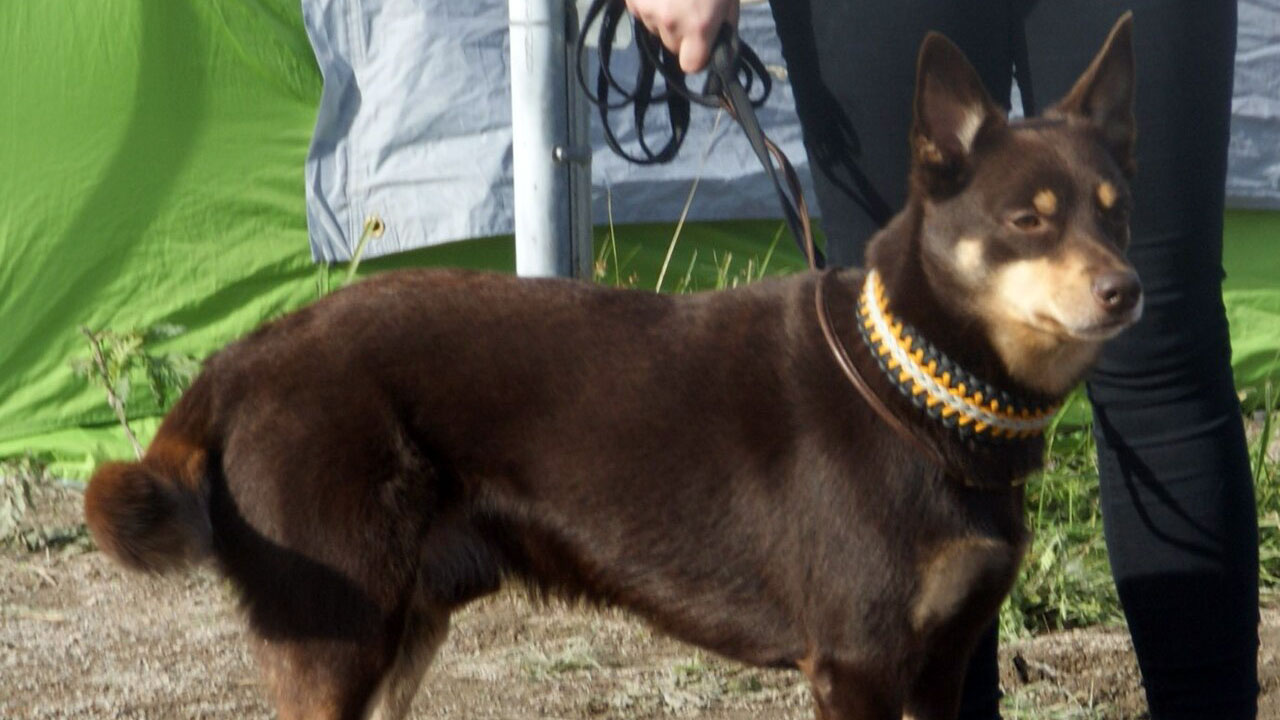
The Australian Kelpie is another breed people underrate because the dog often looks clean, athletic, and sensible rather than chaotic. AKC describes the Kelpie as capable of untiring work and says it is extremely intelligent, alert, eager, and carries unlimited energy. Unlimited energy is not the kind of phrase anybody should breeze past. It tells you the breed is built to keep going long after the average household has mentally clocked out.
That is why boredom hits this breed so hard. A Kelpie can absolutely appear calm in a house after real activity, and that can fool people into thinking they are getting a low-drama dog. They are not. They are getting a dog that needs direction. When that direction disappears, the dog often starts pacing, managing movement, pestering other animals, or channeling all that energy into habits nobody wanted. Calm is real with Kelpies, but only when the job box gets checked.
Basenji
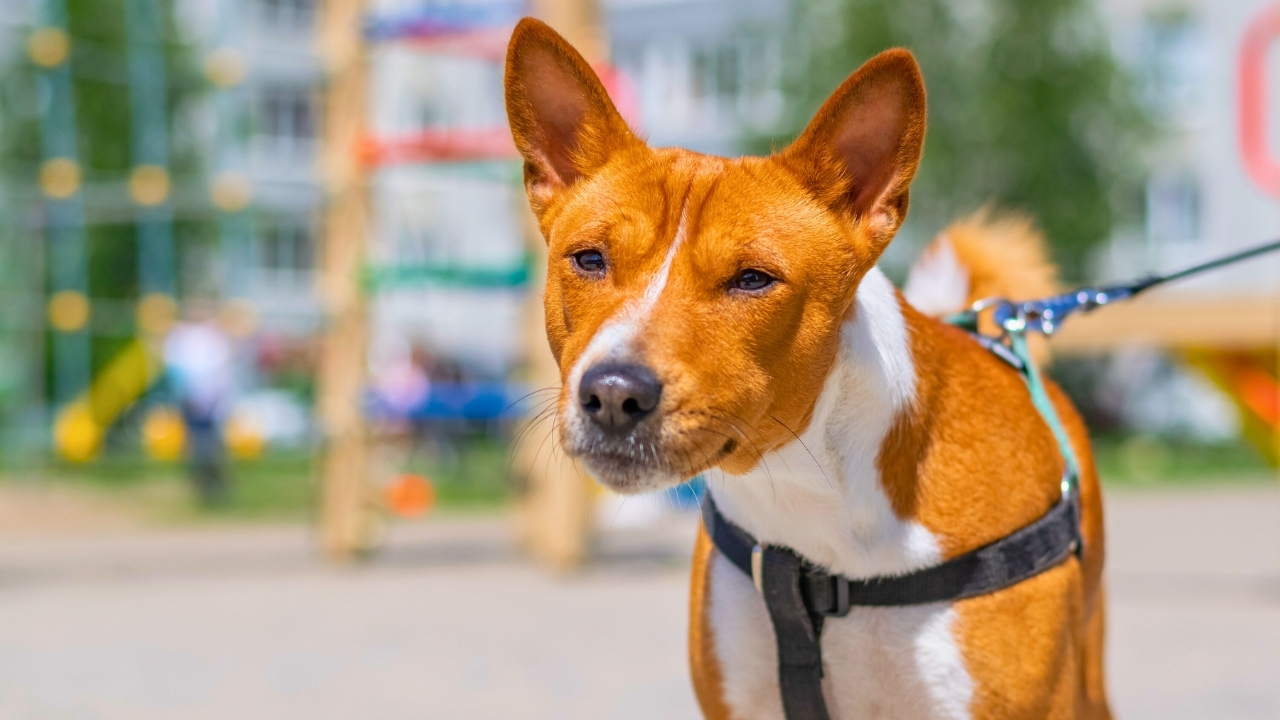
Basenjis do not always read as hyper in the obvious way, which is part of what makes them a good fit for this list. AKC describes them as energetic, inquisitive, and very active, and the breed page states clearly that they require lots of regular exercise to keep them from becoming bored and that boredom can lead to destructive behavior. That is one of the most direct breed-specific boredom warnings AKC gives.
The reason Basenjis surprise people is that their energy often feels self-contained rather than frantic. They are not always trying to perform for the room. Then boredom lands, and the independence that once seemed elegant turns into a dog doing exactly what it wants with your stuff, your routine, or your patience. A Basenji can feel almost catlike when content. A bored one is usually much less charming than that comparison sounds.
Miniature American Shepherd
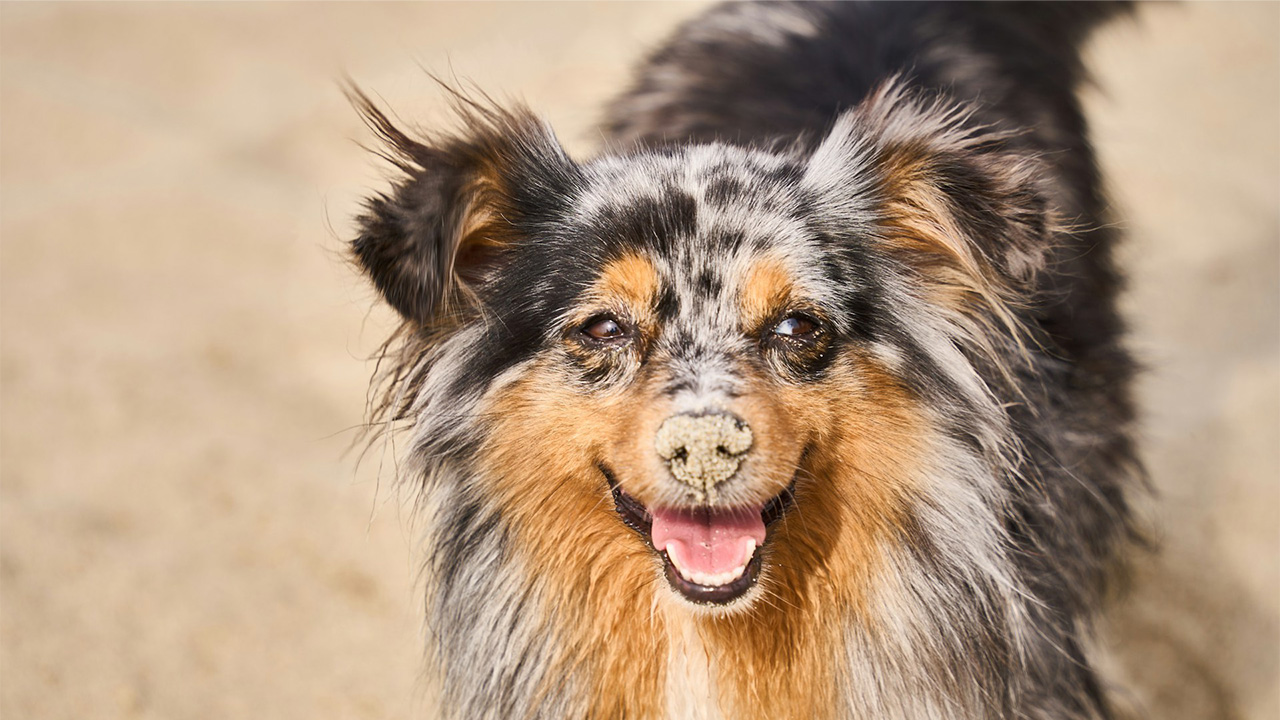
Miniature American Shepherds trick people because the “miniature” part makes them sound more manageable than they really are. AKC says they are true herders despite their compact size and describes them as bright, self-motivated workers who are lively companion dogs. “Self-motivated worker” is useful language here because it tells you the dog is not built to be mentally idle just because it is smaller.
That often shows up as a dog that seems great until the household gets too passive. A Mini American Shepherd may seem calm indoors, especially if it is close to its people, but if the brain and body stop getting enough work, the breed can get noisy, bossy, destructive, or weirdly obsessive. Small herders still herd, and bright dogs still need stimulation. The package is smaller, but the boredom problem absolutely is not.
Shetland Sheepdog
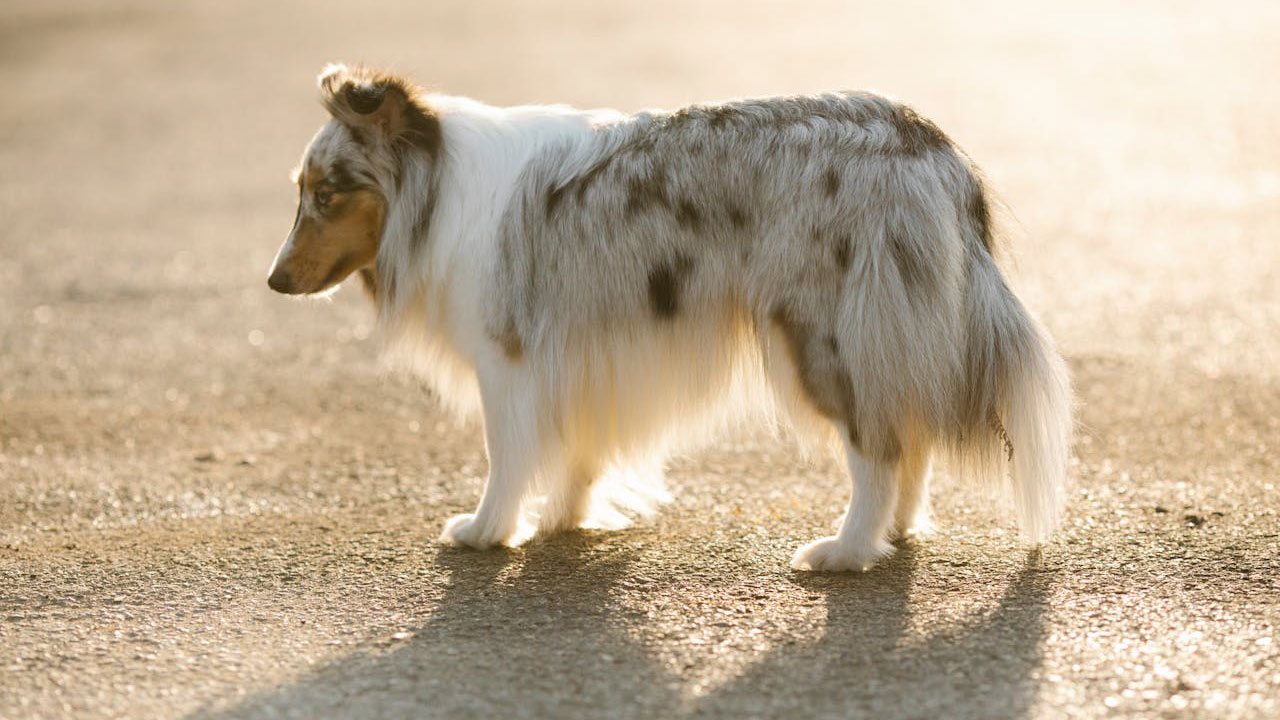
Shelties often look like polished little family dogs, and they are, but they are also extremely intelligent herders. AKC describes the Shetland Sheepdog as extremely intelligent, quick, and obedient. That intelligence and sensitivity are a huge part of the appeal, but they also mean boredom does not usually stay quiet for long. AKC’s boredom and unwanted-behavior guidance applies here too: smart, under-stimulated dogs tend to find an outlet, and owners do not always enjoy what they choose.
The switch with a Sheltie often looks more like barking, reactivity, restless pacing, and neurotic little patterns than full-on demolition. But that still counts. These dogs do best when they have enough engagement to keep the mind busy. A Sheltie that seems sweet and settled can absolutely stay that way, but not by accident. The calm side usually depends on the dog feeling mentally included in life instead of parked on the sidelines.
Samoyed
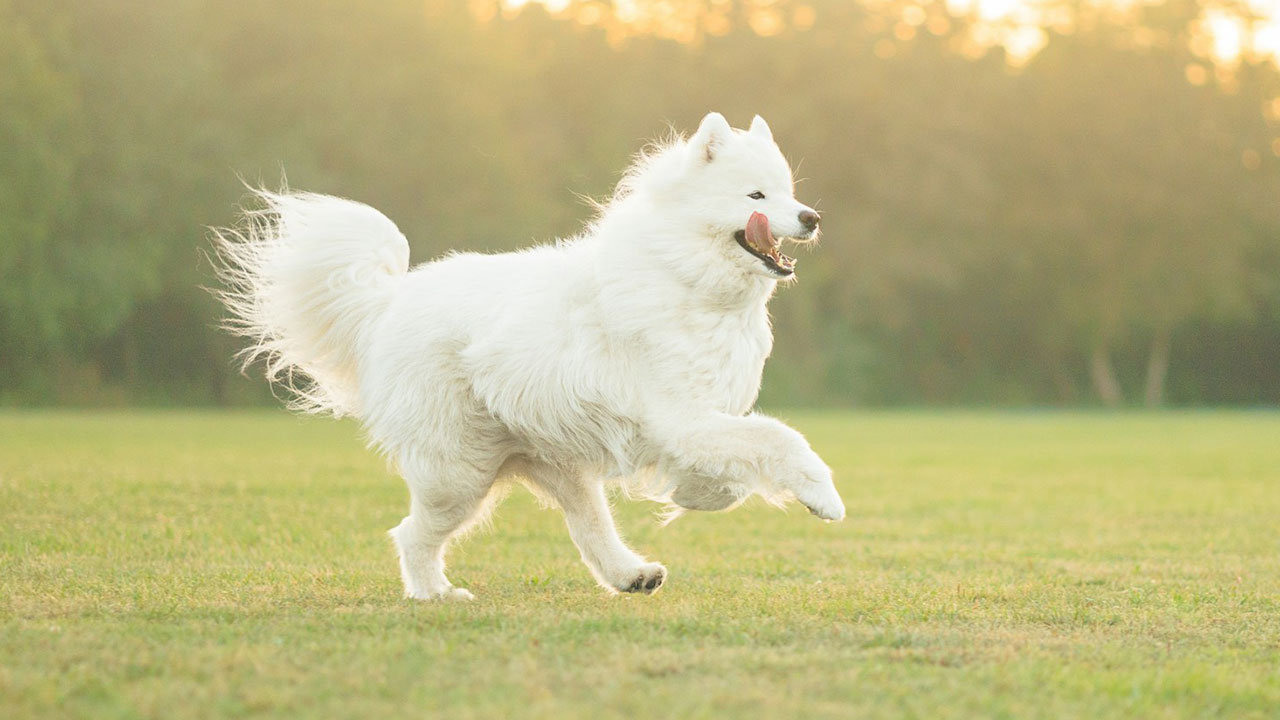
Samoyeds often get sold in people’s heads as smiling, fluffy, friendly dogs that will naturally fit into anything. AKC describes the breed as powerful and tireless, and that “tireless” part matters a lot more than the smile does. This is a working northern breed, not just a decorative white dog. AKC’s broader guidance on bored dogs and working-dog energy fits here because these kinds of breeds do not do especially well when their only job is looking pretty in the living room.
When boredom hits a Samoyed, the dog often starts expressing itself in ways people were not ready for. That can mean vocalizing, digging, nuisance behavior, or chewing. The surprise comes from the contrast. A fulfilled Samoyed can be affectionate and pleasant. A bored one can be loud, busy, and determined. The coat and smile make people think soft. The working background says otherwise.
Collie
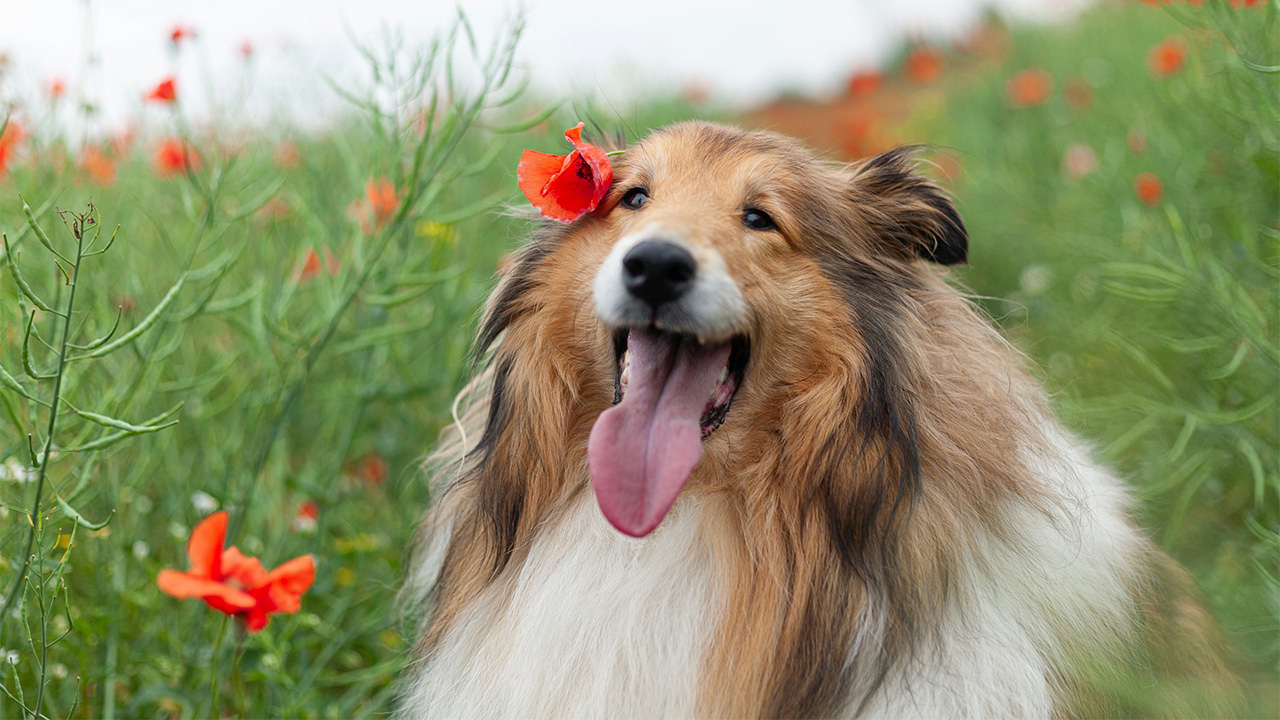
Collies have such a strong “good family dog” reputation that some people forget they are still herding dogs with brains and sensitivity. AKC’s Collie breed information sits them right next to other intelligent herders, and AKC’s training guidance for herding breeds notes that these dogs are generally easy to train thanks to intelligence, eagerness to please, and strong bonds with handlers. Those are great traits, but they also mean the dog notices when life gets too empty.
A bored Collie may not always blow up in the same hard-edged way a Malinois or Cattle Dog might, but that does not mean boredom is harmless. It can turn into barking, stress behaviors, fixation, and generally restless, annoying habits that make a once-sweet dog feel like a completely different animal. Their calm side is real. So is their need to stay mentally connected and occupied.
Coton de Tulear
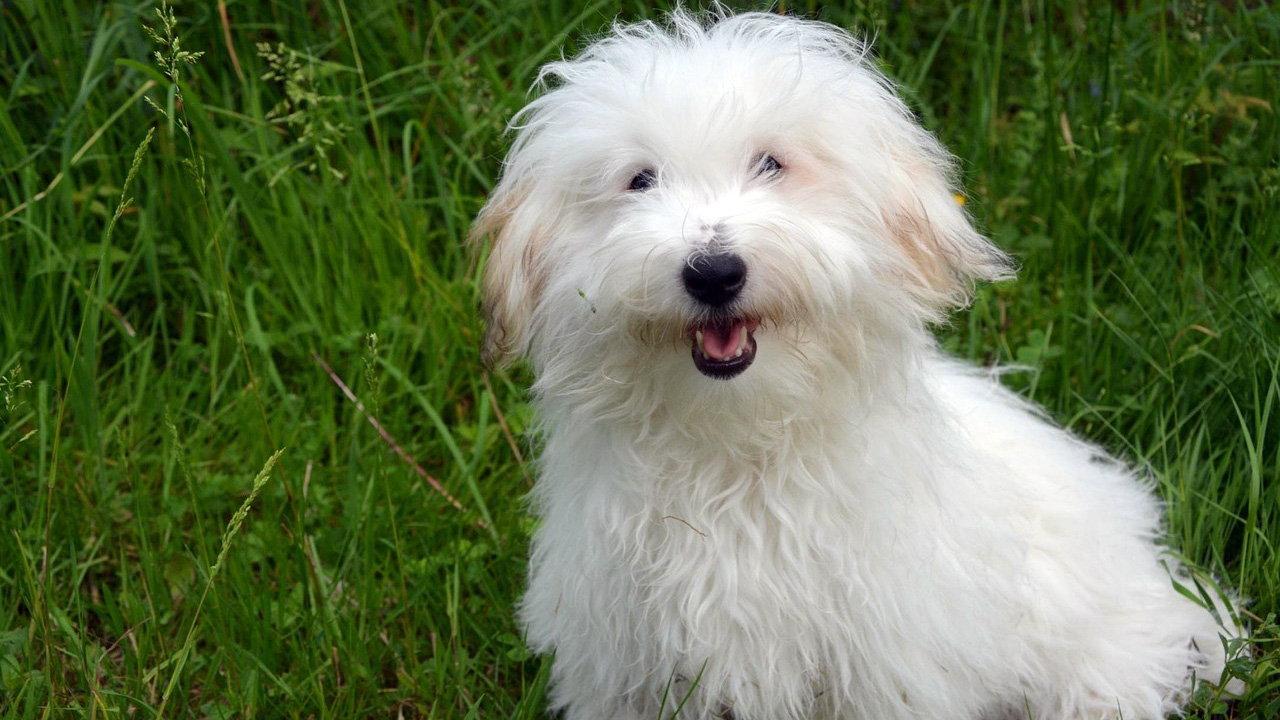
The Coton is a useful reminder that boredom problems are not limited to obvious working breeds. AKC’s breed page says a bored and unhappy Coton can become destructive and that the breed does best when part of everyday life with its people. That is important because this dog often gets read as a purely easy companion breed. It is affectionate and companion-oriented, yes, but that does not mean it enjoys being ignored or under-stimulated.
The calm-until-bored pattern looks different here than it does in a herding or protection breed. With a Coton, it is less about raw drive and more about emotional and mental engagement. A dog that seems content and portable can still start chewing, fussing, or inventing bad habits when life gets too empty. So even softer companion breeds can flip that boredom switch. They just do it in their own style.
Labrador Retriever
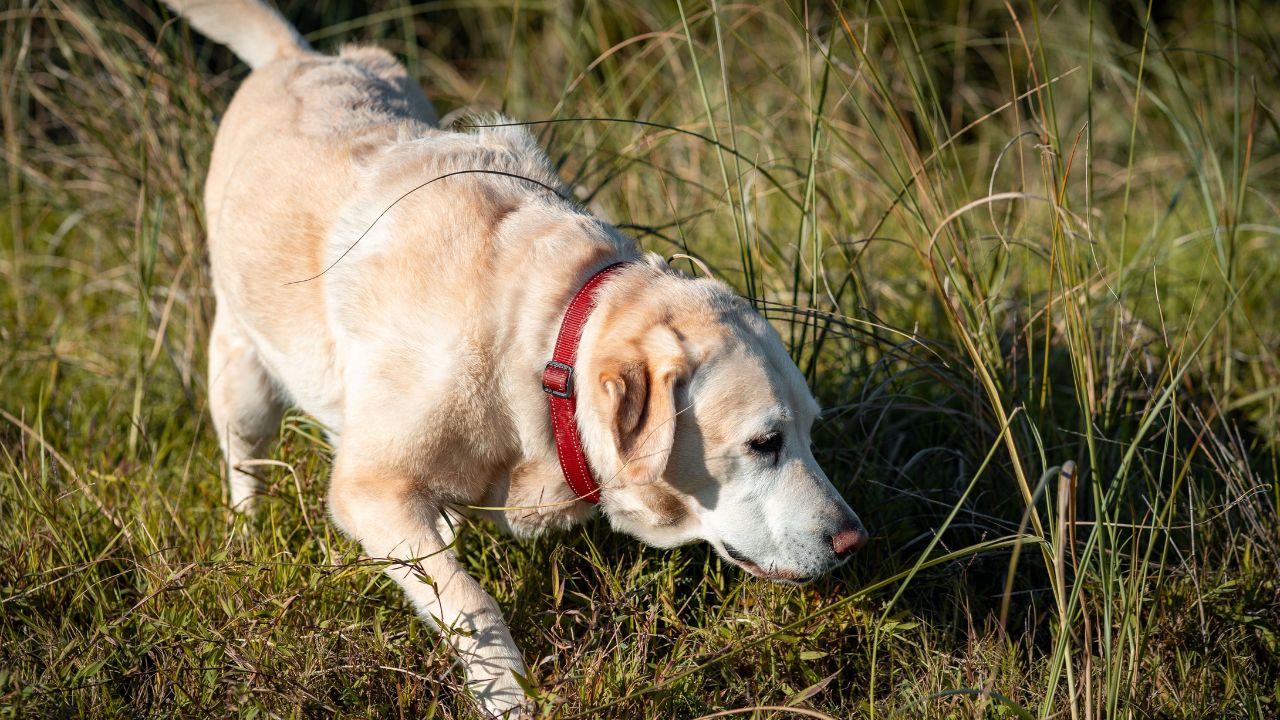
Labs do not always get framed as boredom disasters because they are so broadly popular, but AKC’s exercise guidance specifically names Labrador Retrievers among the high-energy breeds that need at least an hour of intense exercise most days. That matters because people often assume the most common family dog must also be low maintenance. Sometimes a young or underworked Lab is the dog proving that assumption dead wrong.
A Labrador can absolutely seem calm and easy after enough activity, and that is what tricks people. Remove that outlet and boredom often turns into chewing, counter surfing, carrying off household items, digging, and general chaos wrapped in a friendly face. Labs usually are not trying to be difficult. They just have more dog in them than some families plan for. Their good nature sometimes hides the management needs until the furniture starts paying for it.
Like The Avid Outdoorsman’s content? Subscribe to our newsletter so you never miss an article.
Here’s more from us: