Photo credit: Brian Hackworth/Pexels.com
A lot of the animals that get people in trouble outdoors do not look especially threatening at first. That is part of the problem. A bison standing in a field can look calm. A moose feeding in the willows can look half-asleep. A goose near a walking trail can seem more annoying than dangerous. But wildlife agencies keep repeating the same warning because people keep making the same mistake: if the animal notices you, changes behavior, gets tense, or starts defending space, you are already too close. National Park Service and NOAA guidance is especially blunt on this point, because a lot of injuries happen when people treat wild animals like photo props instead of wild animals.
The other thing people miss is that “harmless-looking” often just means “not showing you the danger yet.” Plenty of animals that do not fit the classic predator mold can still gore, kick, trample, bite, or flat-out charge when they feel crowded, cornered, or protective of young. Some are most dangerous during rut. Some get nasty around nests or pups. Some just have a much smaller comfort zone than people realize. These are 15 animals that can look pretty mild right up until the moment they decide you have pushed your luck far enough.
Bison

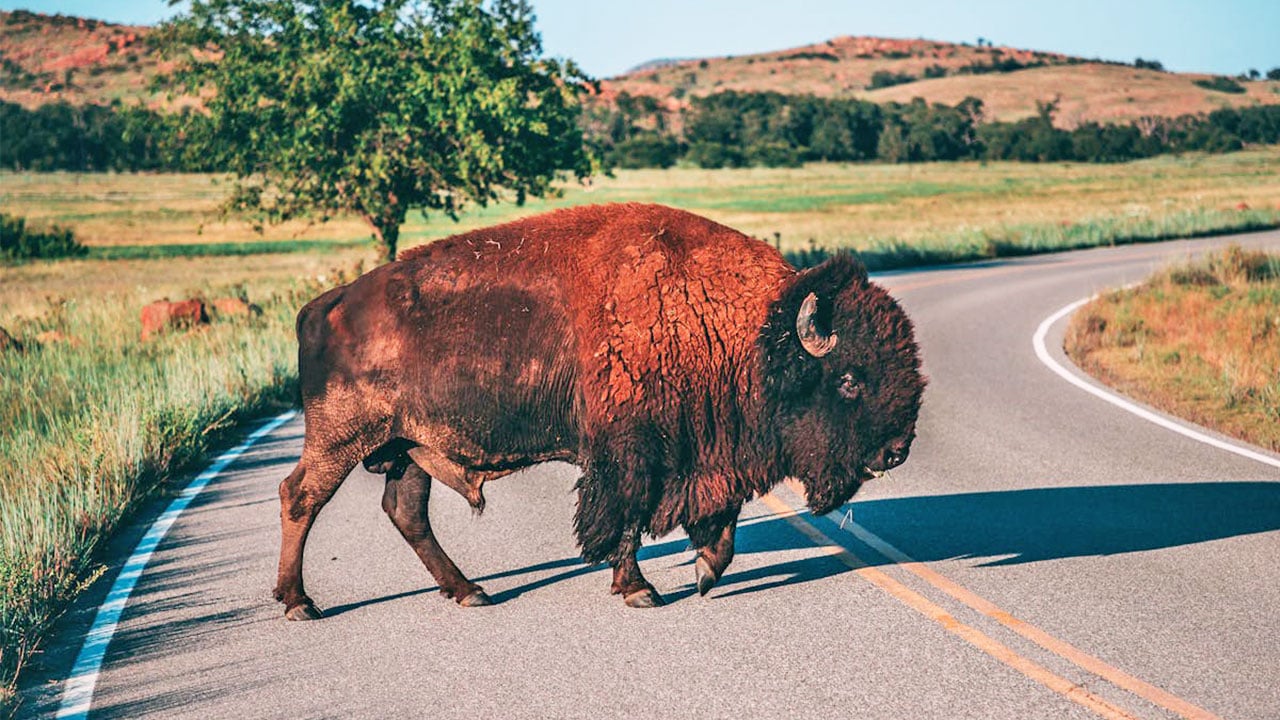
Bison are probably the best example of an animal people underestimate because they are so familiar in photos and postcards. In real life, Yellowstone says bison have injured more people there than any other animal, and the park keeps reminding visitors to stay at least 25 yards away. That alone should tell you how often people misread them. A big bull standing still can look almost lazy, but that calm look does not mean he is okay with you creeping in for a picture.
What gets people hurt is how fast the mood can flip. Yellowstone notes that approaching bison can trigger bluff charging, head bobbing, pawing, bellowing, and snorting, and those are not cute warning signs. They are the last hints that you are about to have a real problem. A lot of folks see a shaggy grazer and think “cow with horns.” The park’s message is the opposite: these animals are unpredictable, they run much faster than people expect, and they do not need much provocation once you enter their space.
Elk
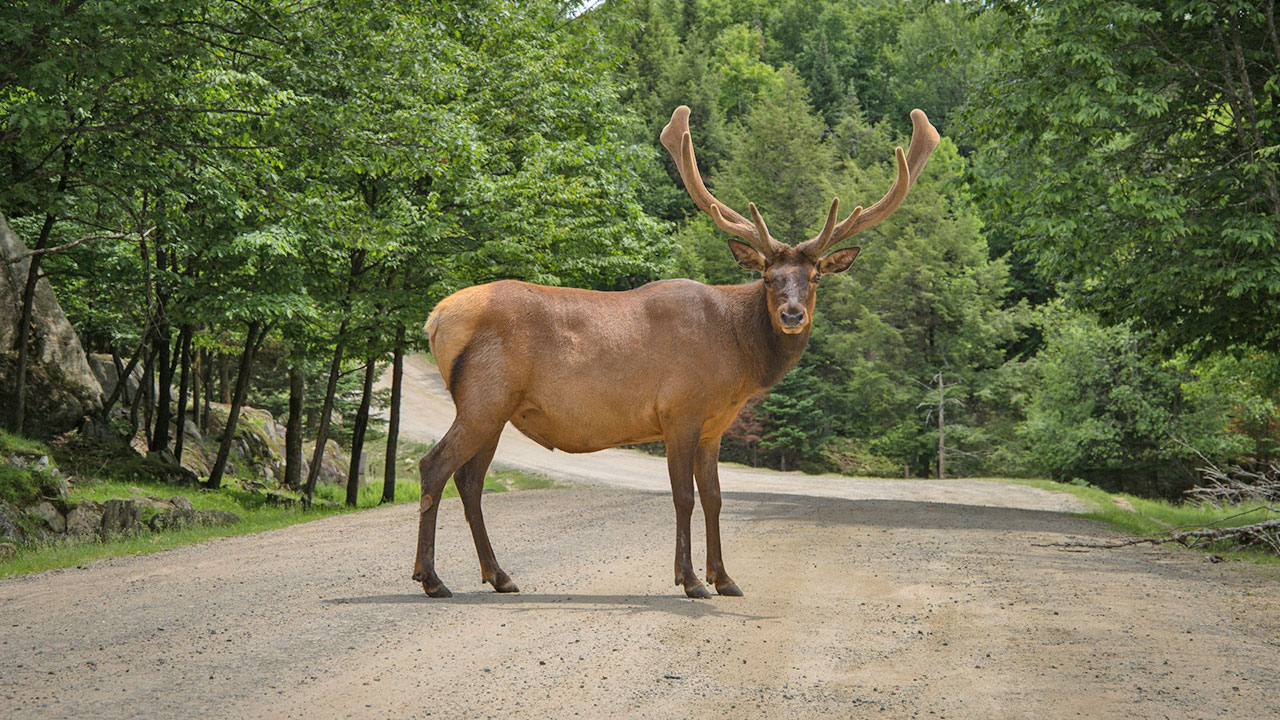
Elk can fool people because they often look so used to seeing humans. In some parks they stand near roads, campgrounds, and open meadows long enough that visitors start acting like they are just oversized deer. The National Park Service has warned that elk are among the more dangerous animals in places like Grand Canyon, and Great Smoky Mountains guidance says plainly that if your presence changes their behavior, you are too close. That is easy to forget when one is standing there looking calm and half-domesticated.
The real trouble starts during rut or around calves. Bull elk can get aggressive when they are guarding cows, and cows can get nasty fast if they think you are drifting too close to a calf. Grand Canyon says threatened elk may kick or chase, and older Smokies park guidance tied aggressive behavior directly to rut-season harem defense. So the harmless look here is mostly a trap. They may seem used to people, but they are still built to fight and they do not need much reason to make space the hard way.
Moose
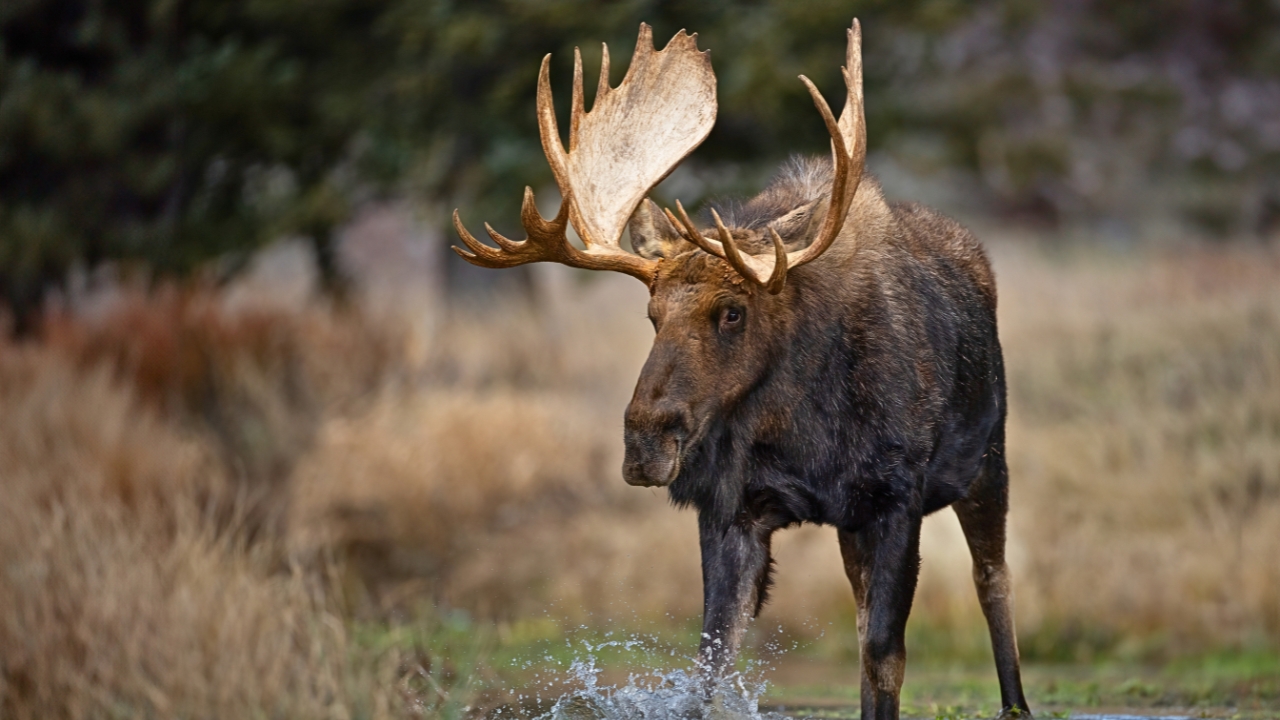
Moose look goofy to a lot of people, especially when they are standing chest-deep in marsh water chewing plants like they do not have a care in the world. That image gets people into trouble. Multiple National Park Service pages warn that moose injure people every year and that more people in Alaska are injured by moose than by bears. That alone should reset how most folks see them. They are not naturally looking for trouble, but they can turn dangerous in a hurry if they feel threatened.
What makes moose especially deceptive is that they often do not look wound up until they are already serious. A cow with calves or a bull that thinks you are crowding him can charge, kick, and stomp, and park guidance even notes that running from a moose is not the same as running from a bear because the moose is trying to drive off a threat, not hunt you. People who only see the long face and awkward legs miss the fact that it is a huge animal with bad intentions once it decides you need to go.
Mountain goats

Mountain goats have one of the most misleading looks in the backcountry. On a ridge or high meadow they can seem almost peaceful, like they are just there to pose in the scenery. Olympic National Park has warned visitors to stay at least 50 yards away and has said outright that mountain goats can inflict significant and even lethal injuries. That warning is there for a reason. Their horns are serious, and their temperament can change fast when people crowd them or when they become too used to human presence.
Part of the problem is that people see them standing still and assume that means safe. Glacier and other NPS material warns that closely approached or habituated mountain goats can kick, bite, gore, or trample. Once a goat starts associating humans with salt, curiosity, or pressure, things can get bad in a hurry. They are not big in the same way a moose is big, so people mentally downgrade the risk. That is a mistake. In steep country, even a short aggressive encounter with a goat can become a life-changing problem fast.
Bighorn sheep

Bighorn sheep get treated like the gentle side of mountain wildlife because they spend so much time just feeding, standing on rock, or moving with that easy, balanced look they have. But the National Park Service has lumped them right in with mountain goats when talking about wildlife that can become aggressive if approached too closely or fed. That is worth paying attention to, because people often drop their guard around sheep in a way they never would around a bear or bull elk.
A ram does not need to act crazy for you to be in danger. Horns, mass, footing, and a short burst of aggression are plenty. Rocky Mountain National Park’s wildlife-viewing guidance puts deer, bighorn sheep, and elk in the category of animals you should give real distance to, and Joshua Tree reminds visitors that if wildlife reacts to you at all, you are already too close. That is the right way to look at sheep. If you are near enough to change their body language, you are near enough to get hurt.
Mule deer bucks
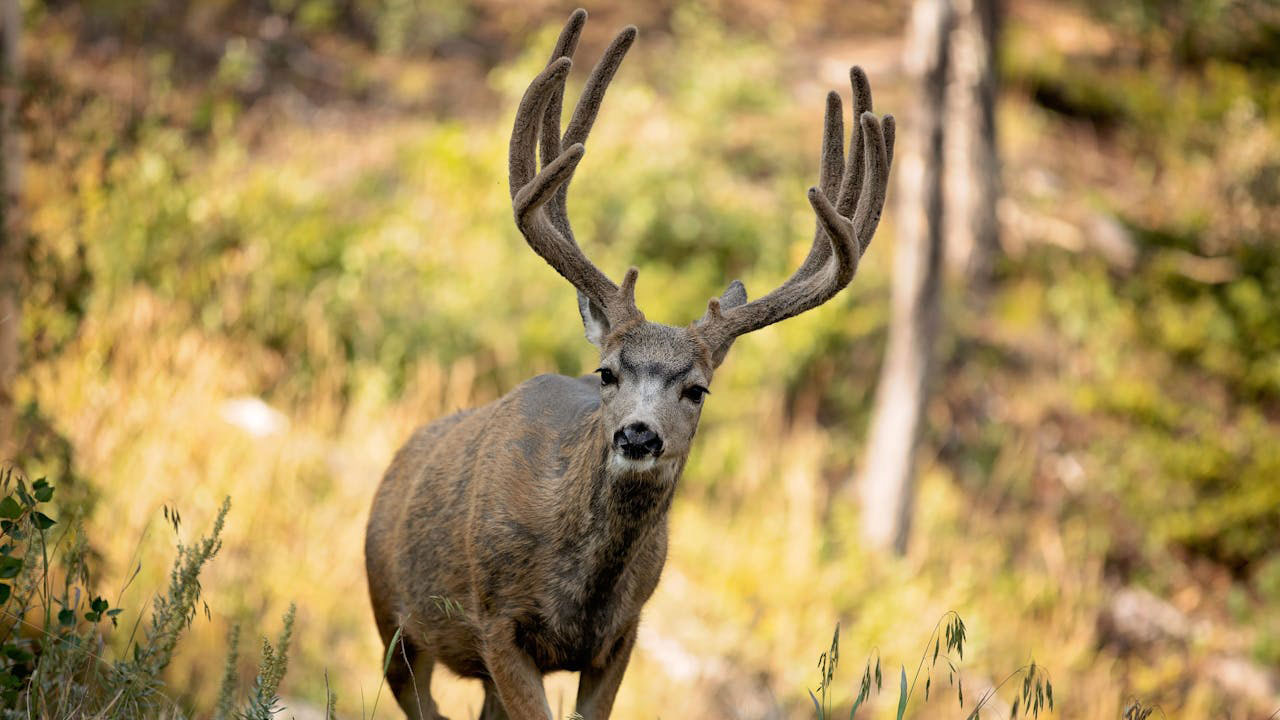
People tend to treat mule deer like harmless lawn ornaments with antlers, especially in parks and western towns where they are seen all the time. That works right up until rut turns a buck into a different animal. Rocky Mountain National Park notes that dominant bucks run off rivals through threatening postures and violent antler fights during breeding season, and that matters because a buck that is already keyed up is not something you want at close range just because he looks calm in a photo.
The risk here is not that mule deer are secretly man-eaters. It is that people confuse familiar with safe. During the rut, a buck is already in an aggressive, competitive frame of mind, and that means less tolerance for pressure and more chance of a sudden rush, kick, or antler jab if he feels challenged or trapped. NPS guidance on wildlife viewing keeps hammering the same point for a reason: if the animal reacts, backs off, stares hard, or changes behavior because of you, you have crossed the line.
Does with fawns

A doe standing near cover with a fawn tucked somewhere nearby does not look dangerous at all. She looks nervous at most, and that is why people get too close trying to help, photograph, or inspect a “baby deer they think got left behind.” Sequoia and Kings Canyon, Zion, and Yosemite all tell visitors to leave fawns alone because mothers commonly leave them hidden for stretches and return later. Human interference can make the situation worse, and Yosemite has also warned that mothers may become aggressive when people are around their young.
That is the piece people miss. The little spotted fawn is what draws attention, but the real risk is the adult nearby that does not like what you are doing. Even general park safety guidance says species like mule deer can become aggressive when defending young. So while the average doe does not scare anybody on sight, messing around where she bedded a fawn is a good way to get charged, kicked, or at the very least create a situation that is bad for both the animal and you.
Javelina

Javelinas have a funny way of tricking people. They are small enough that some folks see them as odd little pig-like critters instead of animals that can do damage. Texas Parks and Wildlife says javelinas usually are not aggressive unless threatened, cornered, or startled, which is exactly the kind of sentence people read too casually. “Usually not aggressive” is not the same as safe to crowd. When they are aroused, TPWD says they pop their teeth together, and when cornered they can defend themselves effectively with sharp canine teeth.
They are especially trouble around dogs and tight spaces. TPWD notes that many dogs have been crippled or killed going after javelinas, which tells you these animals are a lot more capable than their size suggests. A javelina that feels boxed in, surprised in brush, or pressured near young can go from looking like a half-blind desert nuisance to a very real problem in one second. They are not big, but they are wired to defend themselves hard once they think they have to.
Elephant seals
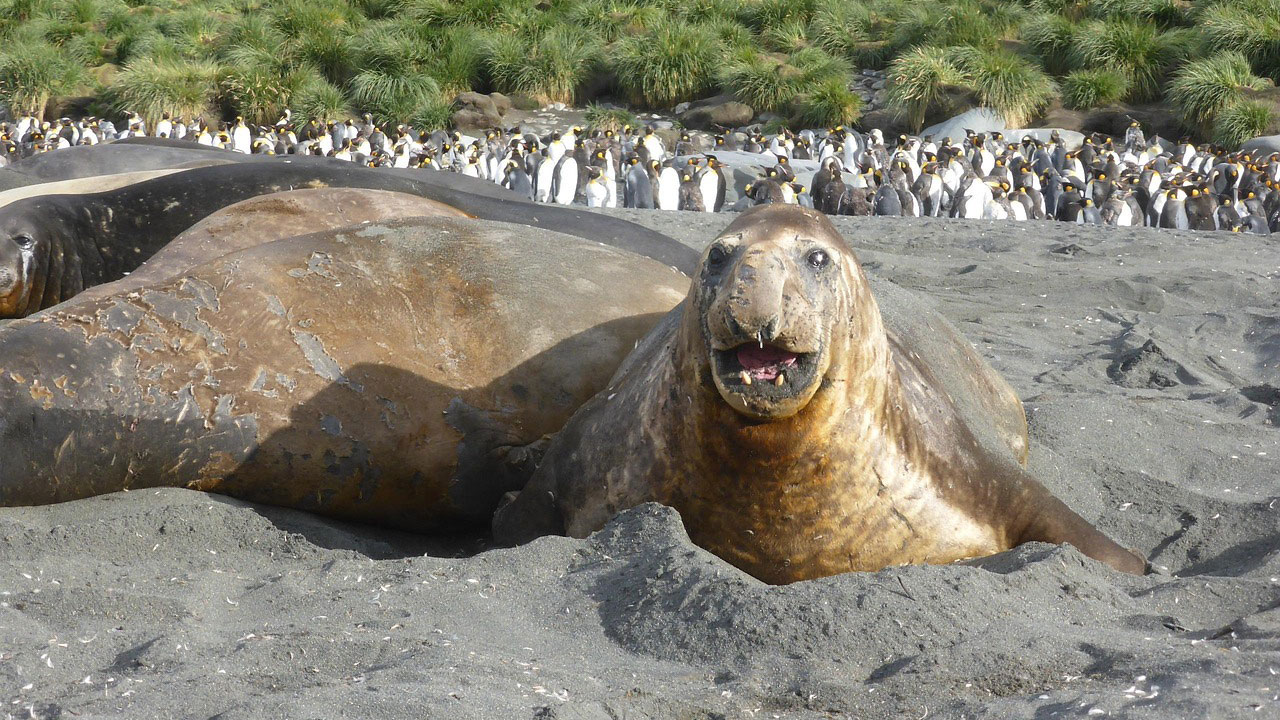
Elephant seals look lazy for most of the time people actually see them. Big bodies, heavy breathing, slow movement, a beach full of animals piled together — it is easy to look at that and assume they are harmless if you do not physically touch them. Point Reyes says to stay at least 25 feet away and adds a simple rule: if a seal becomes alert or nervous and starts moving away, you are too close. That is a clean reminder that what looks like a sleepy beach blob is still a wild marine mammal with a very different idea of personal space.
Things get worse during pupping and breeding season. NOAA notes that elephant seal breeding runs through winter, with males battling for territory, and NPS monitoring updates say female vocalizations can turn into throaty roars when birds, other seals, or people get too close to pups. That is where people get fooled. The animal looks slow and awkward until it has a reason to move, and then suddenly you remember it outweighs you by a ridiculous margin and does not need your permission to clear the beach around it.
Sea lions
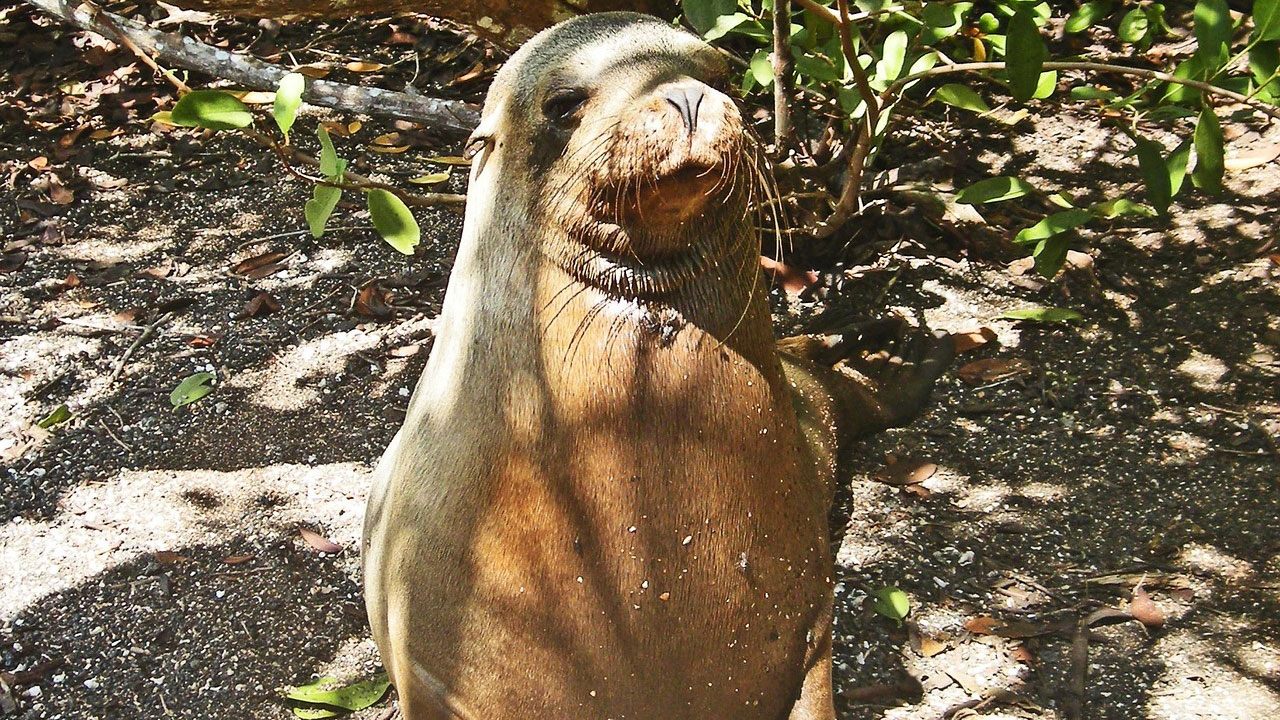
Sea lions have a reputation for being playful, noisy, and almost clownish around docks and rocks, which is exactly why people underestimate them. But NPS material on Steller sea lions describes breeding males fighting for territory with roaring, hissing, chest-to-chest clashes, and open mouths that can end in severe injury. That is not a petting-zoo animal with whiskers. That is a territorial marine mammal that can get mean in a hurry when dominance, females, or space are involved.
Even outside full-on breeding displays, NOAA guidance stresses that if the animal notices your presence, you are too close. That is the right mindset with sea lions. People tend to focus on how entertaining they are instead of how fast a close encounter can turn ugly, especially around haul-outs, docks, pups, or crowded shorelines. A sea lion does not need to chase you across land for you to lose that encounter. One snap, one lunge, or one panicked rush through a crowded spot is plenty.
Harbor seals
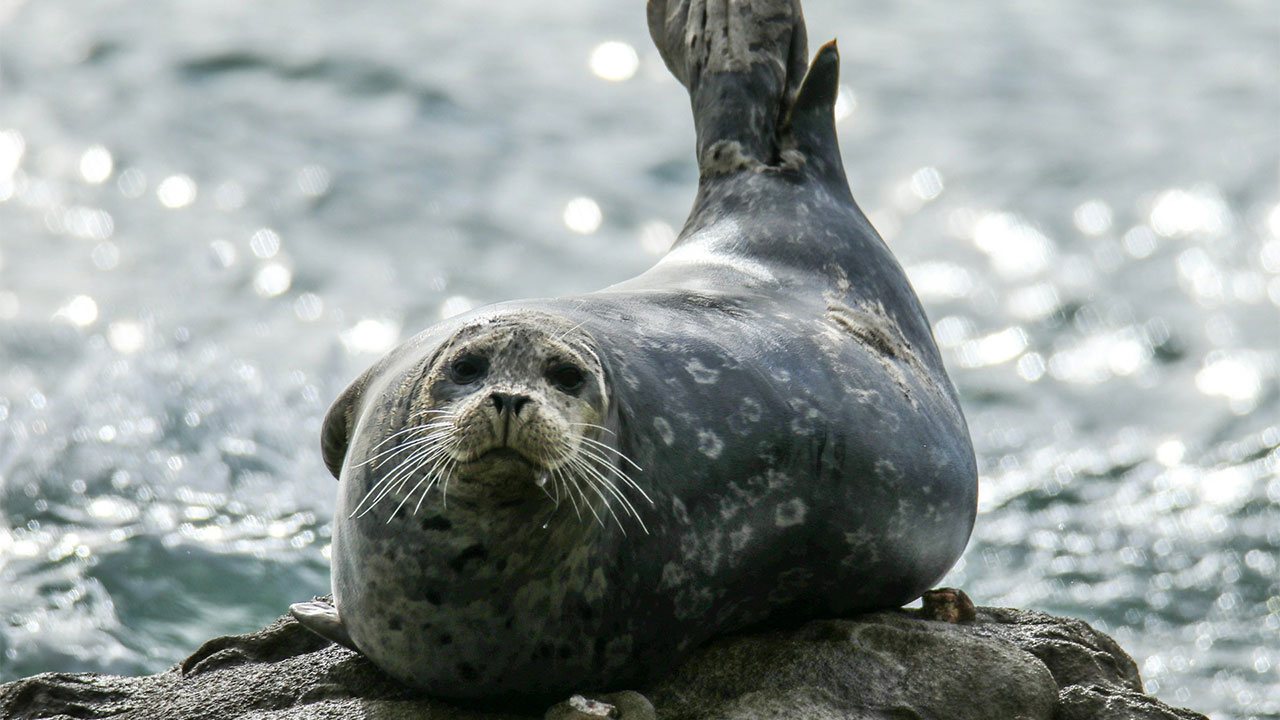
Harbor seals get treated like the gentler version of sea lions because they look quieter and softer. That does not make them safe to crowd. NOAA sanctuary guidance says that if an animal appears to notice you, you are too close, and specifically warns that approaching too closely can separate nursing harbor seals from their young. That is one of those situations that feels minor to a person with a camera and is a major problem to the animal.
The “cute, sleepy seal on shore” setup is where bad decisions happen. NOAA and other coastal guidance even uses plain language like “stay more than 300 feet from seals” in some areas and reminds people to keep dogs away. A harbor seal may not come at you the way a bull elk might, but that is not the only way wildlife gets dangerous. A stressed mother, a disturbed pup, or a seal forced into the water repeatedly can create the kind of messy, close-range encounter people did not expect because the animal looked so harmless at first glance.
Sea otters
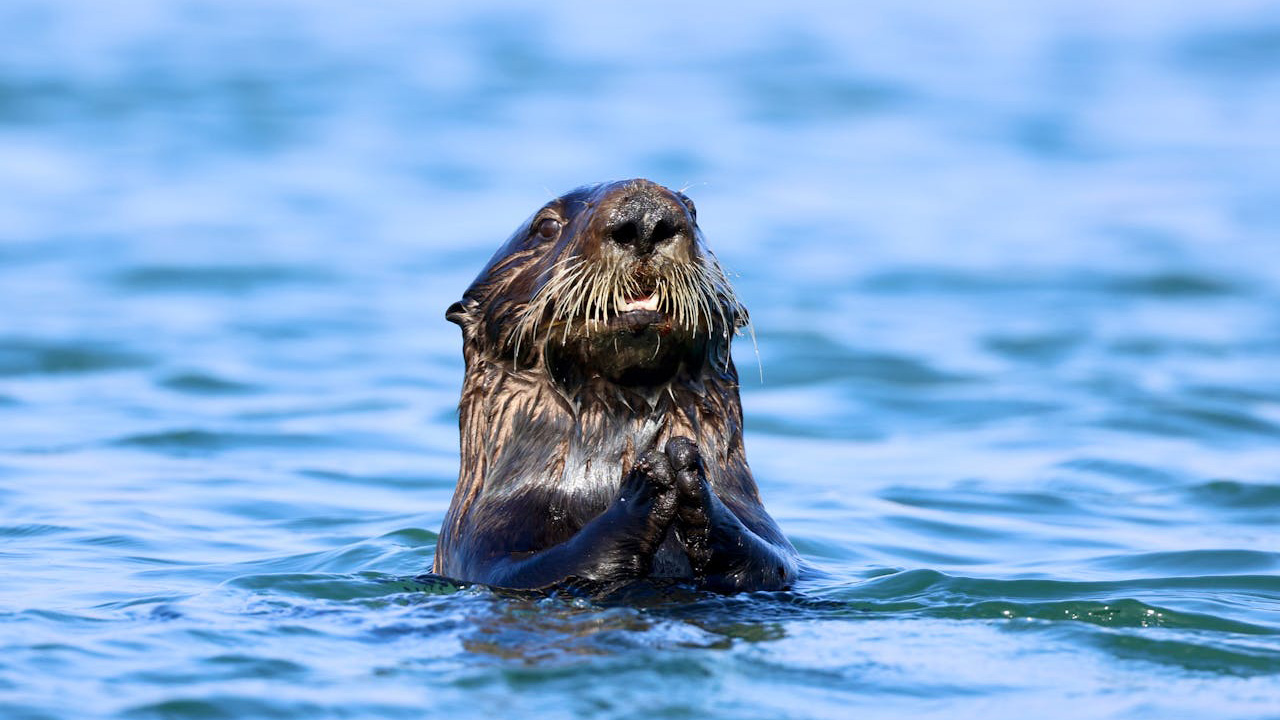
Sea otters might be the most misleading animal on this whole list because they are almost impossible for people not to anthropomorphize. They float on their backs, wrap up in kelp, crack shellfish, and generally look like they were designed in a lab to make tourists act stupid. U.S. Fish and Wildlife Service says plainly that if a sea otter notices you, you are likely too close and should back away. It also says to keep kayaks at least 60 feet away and keep pets leashed around docks and harbors.
There is also a harder edge to them than people think. The NPS notes that otters are fairly large and will bite if they feel threatened, and NOAA sanctuary guidance warns that close approaches can disturb nursing sea otters and separate them from young. So the risk here is not just “they might get stressed.” It is that a cute-looking marine mammal can still bite, thrash, and react like a wild animal when boxed in. People keep expecting cartoon behavior from sea otters, and the agencies keep reminding them these are still predators with teeth.
Mute swans
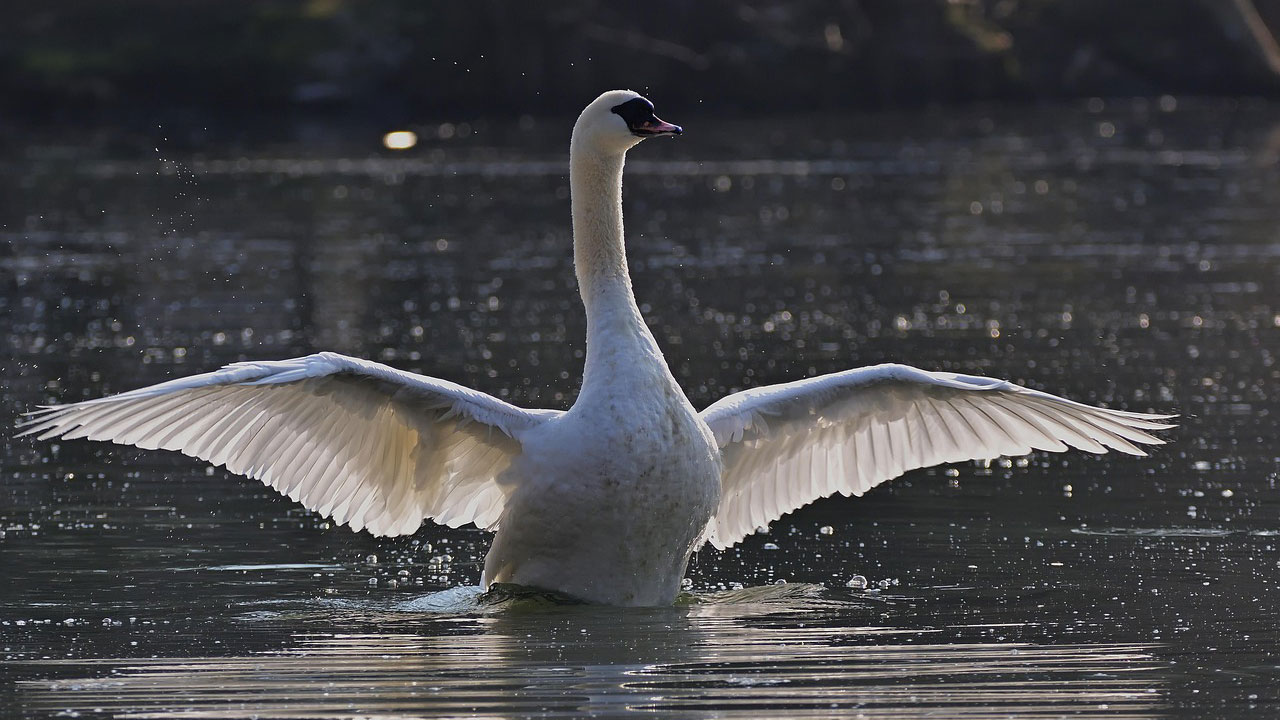
Mute swans are one of the best bird examples of this whole idea. On the water they look graceful, quiet, and almost decorative, which is exactly why people get way too casual around them. U.S. Fish and Wildlife Service refuge guidance warns not to approach the nest or young because mute swans can be very aggressive when threatened. That tracks with how a lot of people encounter them too: everything seems peaceful right up until you drift into the wrong patch of shoreline and one decides you are now the problem.
The size is what makes the bluff believable. A swan is not a little duck with attitude. It has reach, weight, wings that hit hard, and absolutely no interest in giving you a second chance if it thinks you are threatening eggs or cygnets. Refuge planning material has also described mute swans as sometimes aggressive toward humans. That should be enough to kill the “harmless pond bird” image. Elegant and aggressive are not opposites in the wild, and swans prove that every year.
Canada geese

Canada geese are so common that people forget they are wild animals at all. They get treated like background noise in parks, parking lots, ponds, and walking trails. But USFWS nesting guidance specifically talks about nests in high-traffic areas and situations where geese are particularly aggressive near sidewalks, playgrounds, picnic areas, and paths. That is not abstract paperwork. That is a direct acknowledgment that geese regularly turn ordinary public spaces into places where people get chased or bitten because they got too close to a nest.
This is a classic case of familiarity making people dumb. A goose loafing near a path does not look dangerous, so people push their luck, bring dogs too close, or let kids wander past during nesting season. USFWS environmental material says Canada geese aggressively defend nests, nesting areas, and young and may attack pets, children, and adults. That is about as clear as it gets. They may look like ordinary pond birds, but when nesting season hits, a lot of them act like little feathery bouncers guarding a private gate.
River otters
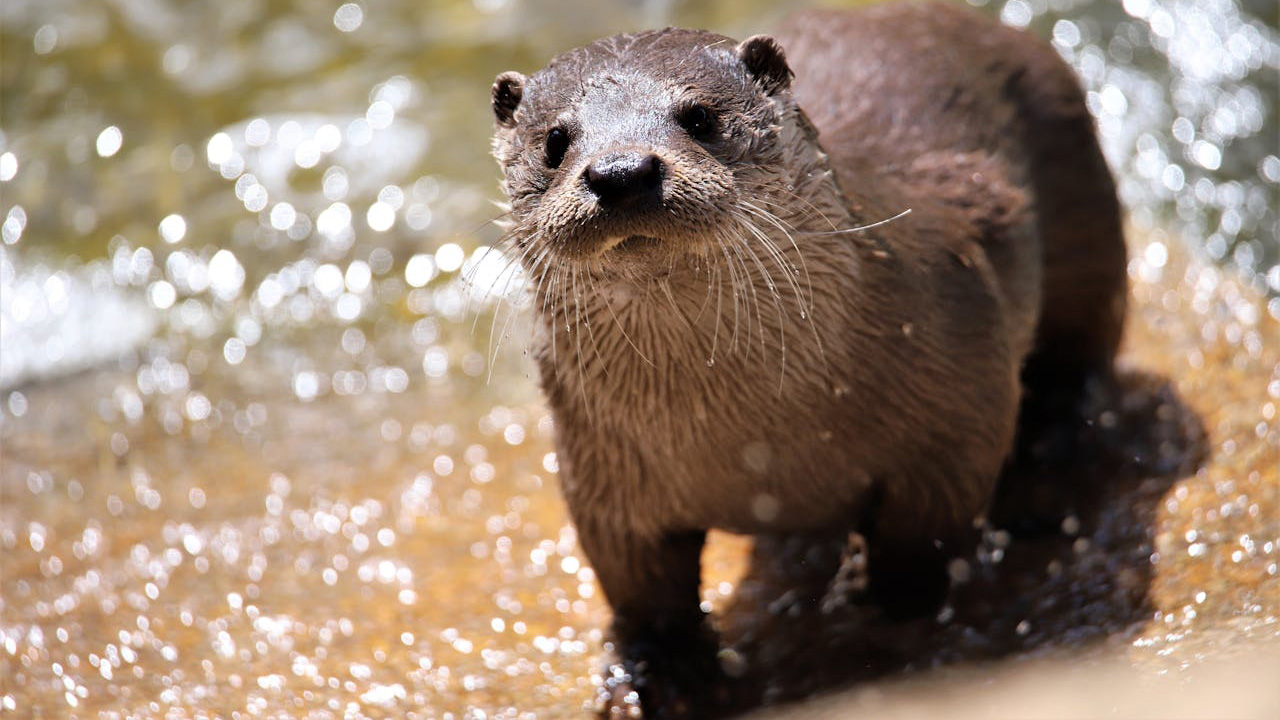
River otters do not scare many people on sight either. They are quick, sleek, playful-looking, and usually seen in those brief flashes that make people want to get closer, not farther away. But the National Park Service notes that otters are fairly large and will bite if they feel threatened. That is a useful correction, because people often put them mentally in the “cute water animal” category and forget they are still strong predators with teeth built to grab prey.
This one matters most for people around creeks, marshes, boat launches, and edges where otters may feel boxed in. A river otter is not usually looking to pick a fight, but if you corner one, surprise one at close range, or let a dog push the situation, it can go bad quickly. The danger is not that they are secretly aggressive all the time. It is that they look charming enough that people forget the last word in “wildlife” is still doing a lot of work.
Like The Avid Outdoorsman’s content? Subscribe to our newsletter so you never miss an article.
Here’s more from us: