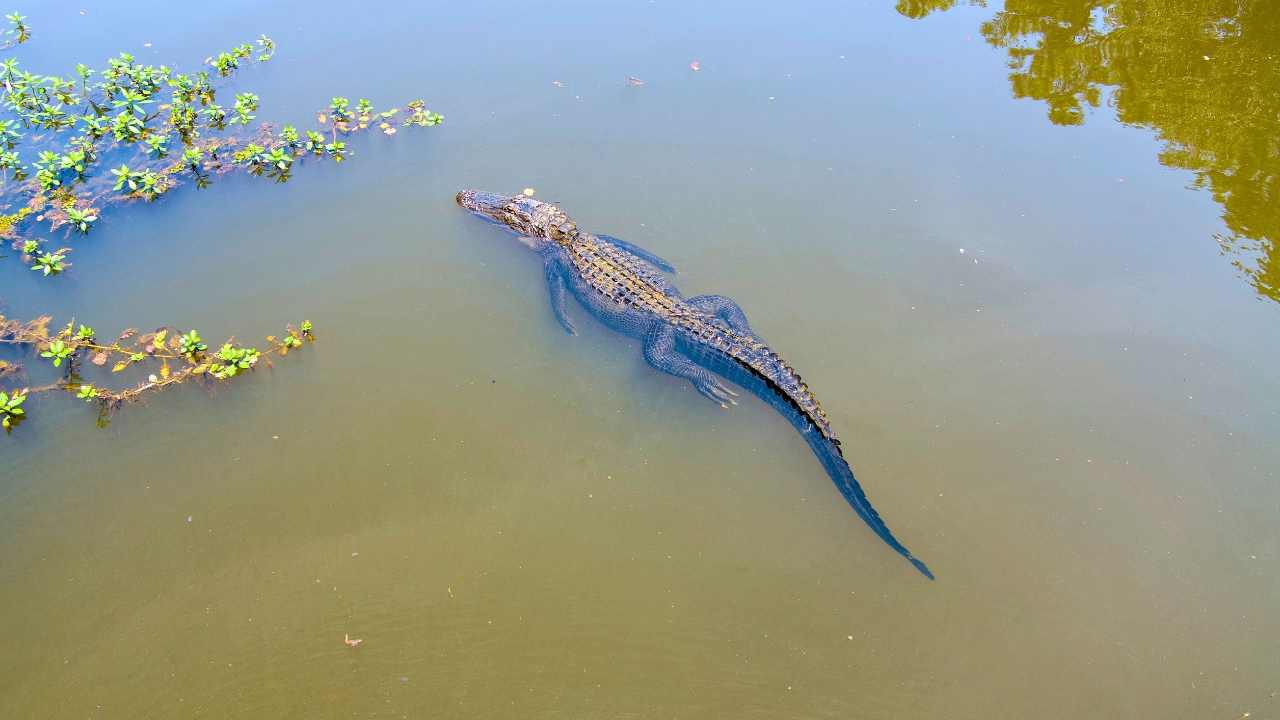
Photo credit: Bloodberry/Shutterstok.com
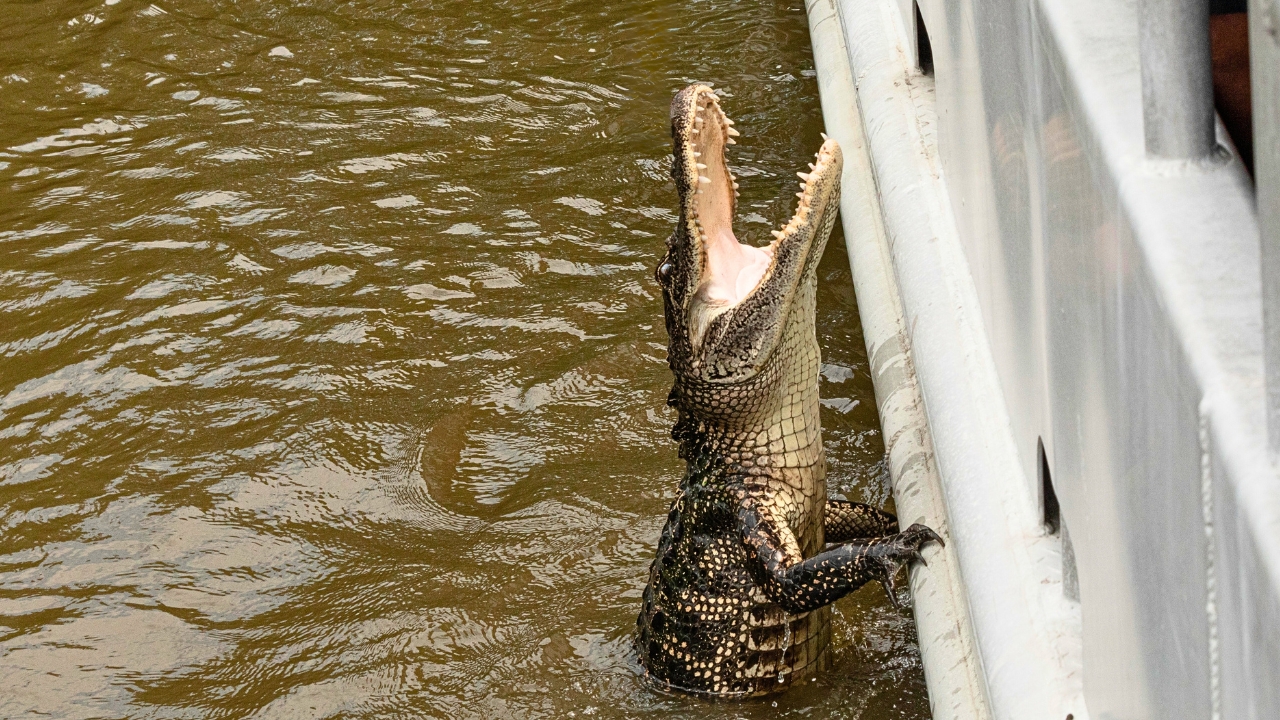
When most people think about alligators, they picture Florida marshes, Louisiana bayous, or coastal swamps farther south. That is still the heart of alligator country. The American alligator’s indigenous range runs from coastal North Carolina south through Florida and west through the Deep South to central Texas and extreme southeastern Oklahoma.
But that does not mean every sighting now fits the old mental map. In some native-range states, gators are showing up farther inland, farther north, or in places people still think of as outside the usual hotspots. And outside the native range, the U.S. Geological Survey keeps logging nonindigenous occurrences in states well beyond traditional alligator country, often from escaped or released animals.
North Carolina
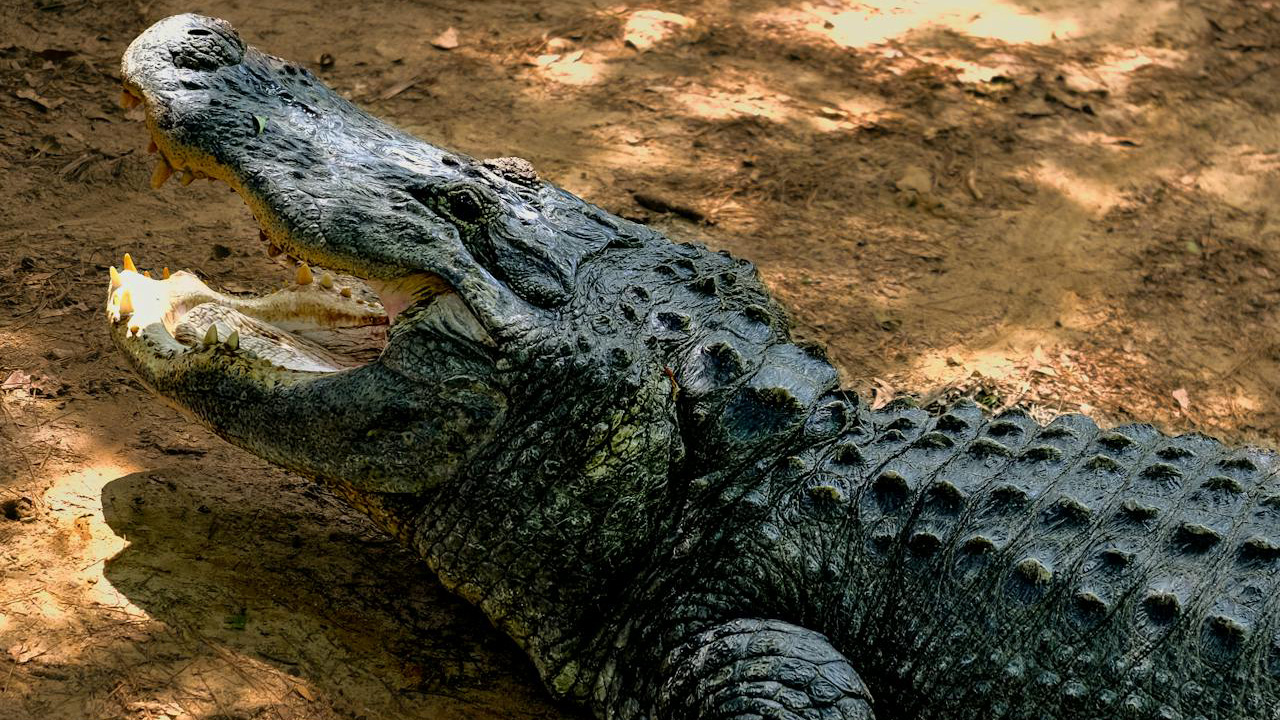
North Carolina is the eastern edge of the native range, and the state says alligators are common in some coastal areas but become less common as you move north along the coast because colder weather limits survival and reproduction. That alone makes North Carolina a natural “range edge” state.
What makes it more interesting is that North Carolina wildlife sources describe populations as patchily distributed along the coast and extending just north of Albemarle Sound and west as far as Robeson County. That means sightings are not limited to the handful of coastal spots many people assume.
South Carolina
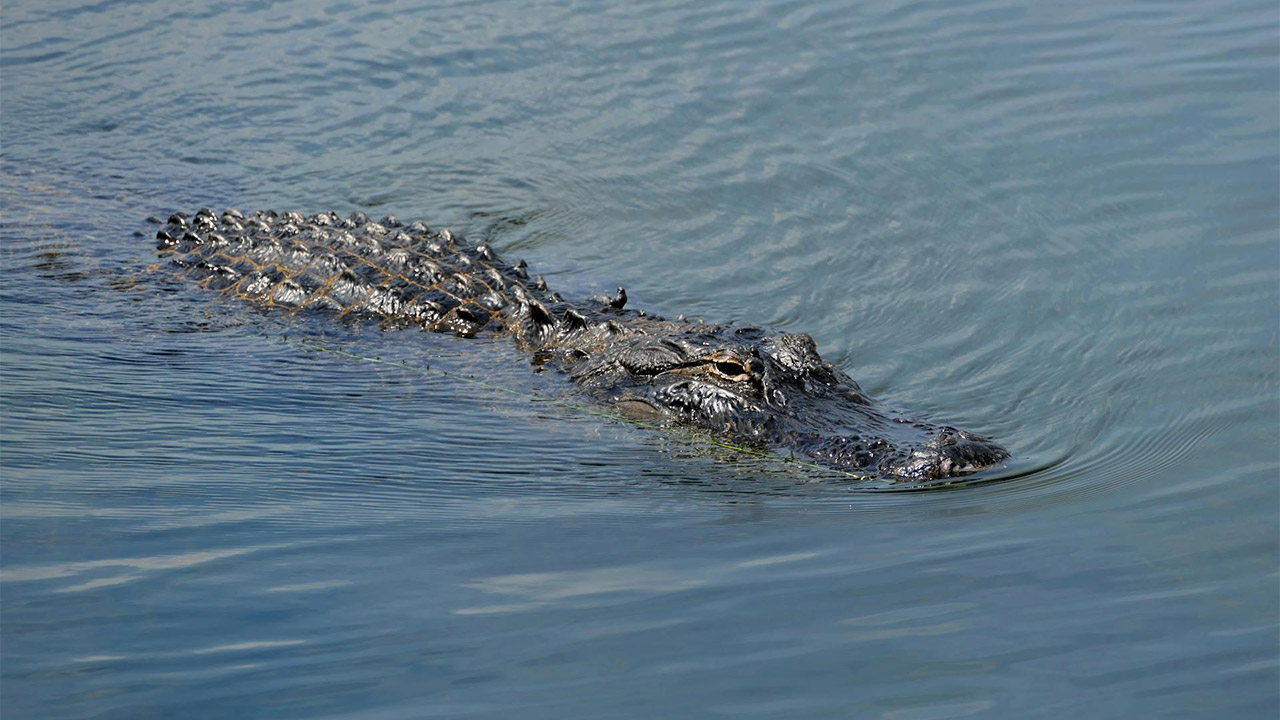
South Carolina fits because it sits inside the historic range, but many people still associate serious gator country more with the Lowcountry than with every inland water body they pass. The broader native-range map places South Carolina squarely inside alligator country, even if people’s expectations often lag behind that reality.
That matters for this headline because range awareness is often uneven. In a state with coastal marsh, blackwater systems, ponds, and expanding development, sightings can feel like they are pushing beyond the “usual” map in people’s minds even when the species has long belonged there.
Georgia
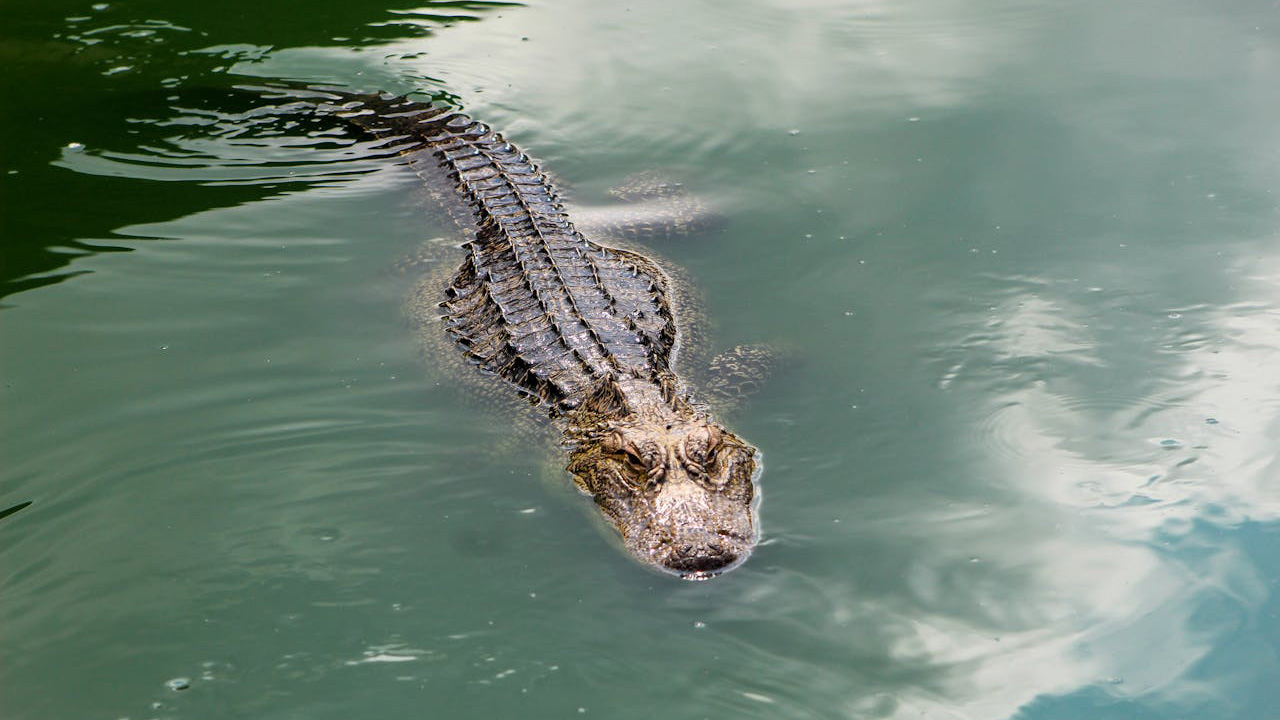
Georgia is one of the clearest examples of a state where the usual public idea of alligator range is narrower than the wildlife guidance. Georgia DNR says alligators typically live along and south of the Fall Line, roughly through Columbus, Macon, and Augusta, and that there is no evidence populations reproduce north of that line.
That is exactly why Georgia works for this story. Once sightings start getting attention around that line or beyond it, people treat them as unusual because the traditional reproduction zone is more southern. Even within Georgia, “usual range” is not the same as “where a surprise sighting can happen.”
Florida

Florida is still the center of gravity for alligator sightings, but it belongs here because the sheer spread of alligators inside the state keeps pushing beyond what many visitors and transplants expect. FWC says alligators are found in all 67 counties.
That statewide reach means sightings are not limited to classic Everglades imagery. In Florida, the surprise often comes from how ordinary the setting can be: retention ponds, suburban lakes, golf course water, and neighborhood canals. That is not range expansion in the strict biological sense, but it absolutely is expansion beyond where many people think “usual” gator country ends.
Alabama

Alabama makes sense because it sits comfortably inside the Deep South portion of the native range, but it is not always the first state people think of when they picture alligator country. The established native-range map still includes it clearly.
That disconnect matters. In a state with swamps, rivers, reservoirs, and warm lowland habitat, sightings can feel like they are creeping beyond the “usual” places simply because public attention is lower than it is in Florida or Louisiana.
Mississippi

Mississippi belongs here for similar reasons. It is well inside the native range, but many casual readers still picture gators as a Gulf-coast or bayou issue rather than something that can turn up across a much broader swath of warm-water habitat.
That gap between perception and reality is exactly what makes sightings feel like they are pushing outward. In Mississippi, alligators are not some fringe animal. They are part of the regional wildlife picture, which means more people keep running into them outside the narrow settings they expected.
Louisiana

Louisiana has one of the strongest alligator populations in the country, and the state says alligators range from central Texas eastward to North Carolina, with Louisiana and Florida holding the largest populations. Louisiana also says alligators can be found in ponds, lakes, canals, rivers, swamps, and bayous, though they are most common in coastal marshes.
That habitat list is why Louisiana still fits this headline. People may expect them in marsh and bayou country, but “ponds, lakes, canals, rivers” pushes the idea far beyond the stereotypical backdrop. In Louisiana, the usual range is broader than outsiders often realize.
Texas

Texas is a very good example of sightings pushing beyond the old picture. TPWD says alligators are common in the eastern third of Texas, but Texas also has a hunting framework that distinguishes between “core counties,” which are the prime historical habitat, and “non-core” areas where alligator regulations still apply.
That distinction matters because it shows how the practical Texas alligator conversation stretches beyond the classic historic strongholds. Even county regulations in places like Kendall and Armstrong list alligator seasons as “non-core,” which tells you the state is managing the animal outside the old prime-habitat map too.
Arkansas
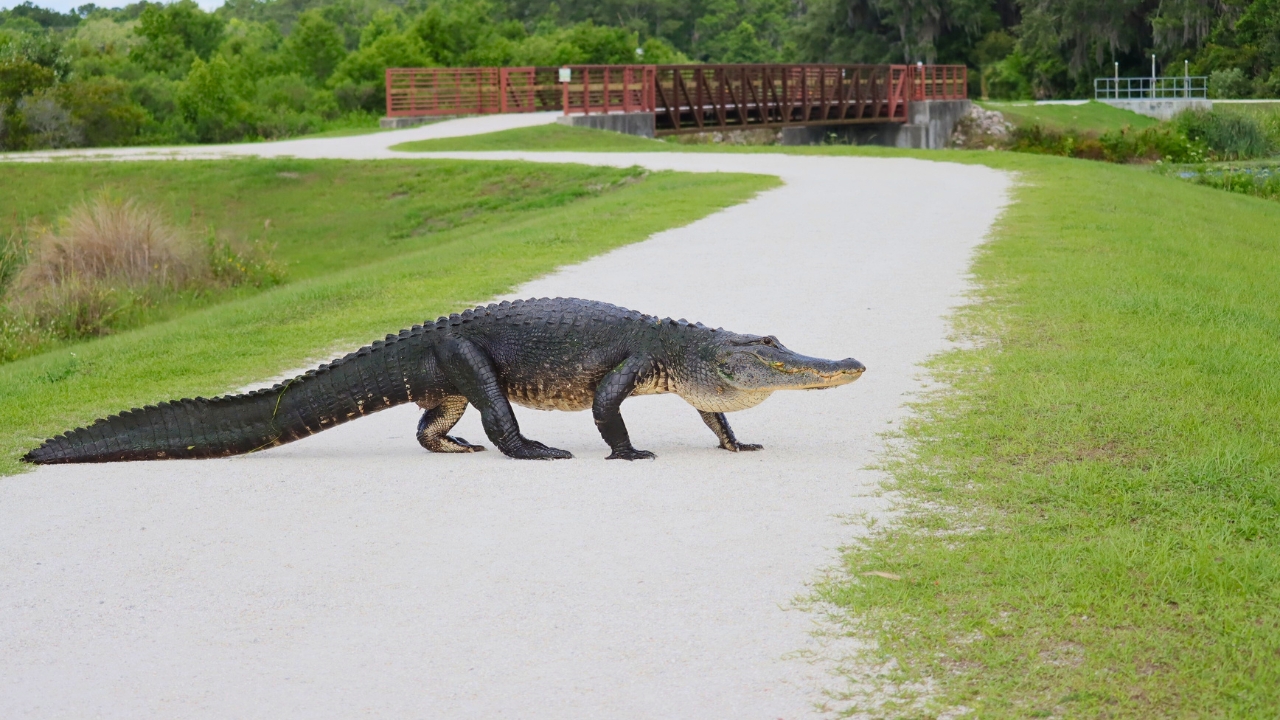
Arkansas is one of the places where the range map itself helps explain the headline. A Louisiana coastal alligator habitat document describes the inland distribution as extending into southern Arkansas along major rivers. That puts Arkansas on the edge of the native inland push rather than inside the old coastal stereotype.
That matters because Arkansas is not where most people outside the region first picture alligators. But once you frame it as a river-connected edge of the species’ inland distribution, the surprise sightings make more sense.
Oklahoma

Oklahoma is the western fringe case. FWC says alligators occur from southeast Oklahoma and east Texas on the western side of their range. The broader range description from other wildlife sources also places the species in extreme southeastern Oklahoma.
That alone makes Oklahoma a strong fit for this headline. It is exactly the kind of state where people feel caught off guard because the alligator is native only at the far edge. Once a sighting pops up away from where locals mentally file “southeast Oklahoma,” it feels like the range is pushing outward.
Tennessee

Tennessee is outside the indigenous range as described by USGS, but USGS also lists nonindigenous alligator occurrences in Tennessee through 2024. That is important because it shows recent records exist even though Tennessee is not part of the classic native map.
To be clear, that does not mean Tennessee has a native expanding alligator population. USGS says most nonindigenous occurrences happen because animals escaped or were deliberately released. But for a headline about sightings pushing beyond the usual range, Tennessee absolutely qualifies as a place where people are seeing gators outside the traditional expectation.
Virginia

Virginia is another state outside the indigenous range in the USGS profile, but USGS records nonindigenous occurrences there as well. That makes it part of the broader pattern of gators showing up north of where many people think the real range ends.
Again, this is not the same as saying Virginia has an established native alligator range. It means sightings have happened often enough for USGS to log multiple drainages in the state. That is more than enough to catch people off guard.
Pennsylvania

Pennsylvania is one of the stronger “surprise state” entries because USGS lists nonindigenous occurrences there through 2024 across multiple drainages. That is a long way from the traditional image of alligator country.
The key caveat is the same one USGS gives everywhere outside the native range: these are generally escaped or released animals, not evidence that Pennsylvania is turning into natural gator habitat. Still, the sightings are real enough to be recorded, which is exactly why they generate headlines.
New York

New York belongs here because USGS lists nonindigenous alligator occurrences in the state through 2025. That alone makes it one of the clearest examples of sightings pushing far beyond the usual range.
Nobody should confuse that with native range expansion, and USGS explicitly warns that nonindigenous records often come from escaped or released pets. But from a reader’s perspective, New York is exactly the sort of place where a gator sighting feels wildly out of bounds.
Ohio

Ohio is another state where the sightings are not part of the indigenous range, but USGS still lists nonindigenous occurrences through 2023. That makes it a solid inclusion for a headline built around alligators showing up beyond the old map.
The important distinction is that Ohio is a surprise-sighting state, not a native-range state. But that still fits the headline well, because what catches people’s attention is not only biology. It is the fact that alligators keep appearing where they are not supposed to be.
Washington, D.C.

Washington, D.C. may be the cleanest recent example of the “beyond usual range” angle. USGS lists a nonindigenous occurrence there in 2025. That is as current as it gets.
That does not mean D.C. is becoming native alligator territory. It does mean the official record now includes a very recent gator occurrence in the nation’s capital region, which is exactly the kind of thing that makes people feel the old range map no longer matches the headlines they are seeing.
New Jersey
New Jersey rounds out the list because USGS shows nonindigenous occurrences there as recently as 2021, and the state has one of the older and more repeated northern records in the database.
Like the other northern states here, New Jersey is not part of the indigenous alligator range. But if the question is where gator sightings are pushing beyond their usual range in the public imagination, New Jersey clearly belongs in the conversation.
Like The Avid Outdoorsman’s content? Subscribe to our newsletter so you never miss an article.
Here’s more from us: