Photo credit: npapaioannou/Pixabay.com
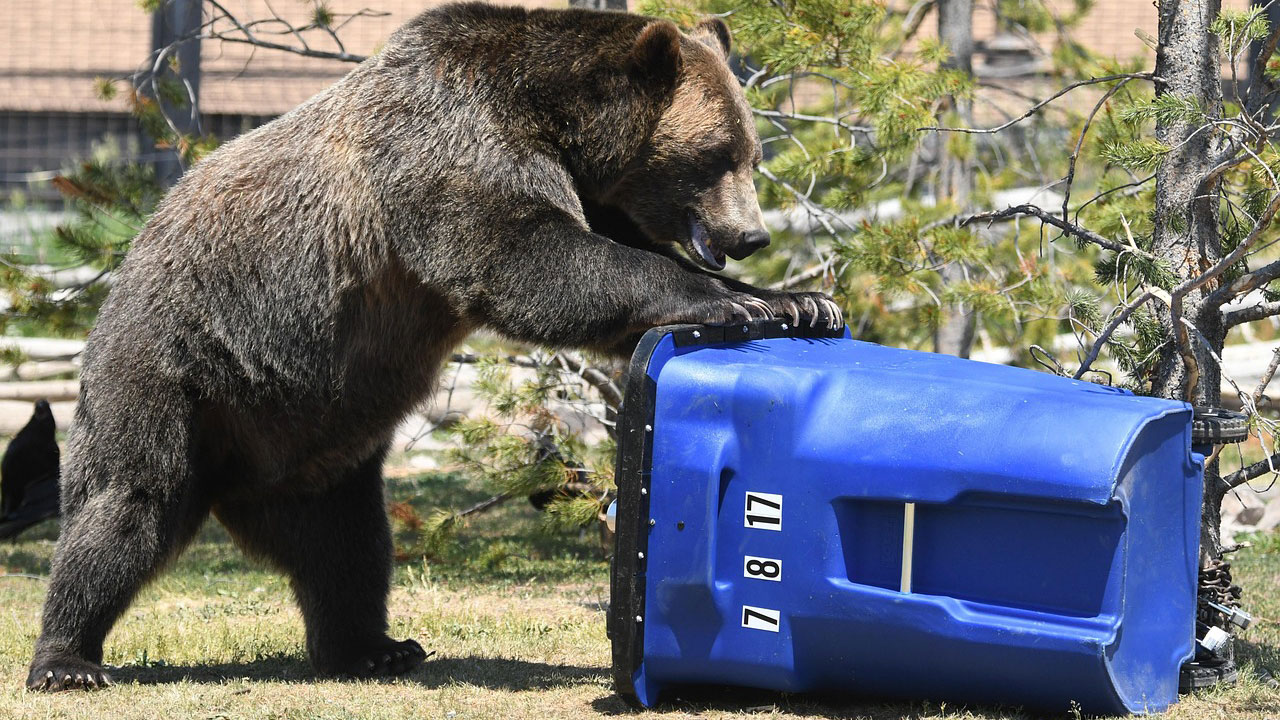
“Bear-proof” has basically become shorthand for anything that keeps a bear from turning your trash into a nightly buffet. And across a growing number of communities, this isn’t just advice anymore—it’s ordinances, fees, and enforcement. The pattern is always the same: once bears learn neighborhoods = calories, the only fix that consistently works is cutting off the reward. That’s why you’re seeing more towns roll out bear-resistant carts, bear sheds/boxes, or strict set-out time rules.
Colorado

Colorado is one of the clearest “it’s required now” states. Multiple cities and counties have bear-trash rules that mandate bear-resistant containers or restrict trash set-out times. Colorado Springs, for example, has a bear management ordinance that requires bear-resistant trash solutions in affected areas. Boulder also spells out when bear-resistant containers are required based on set-out timing and location. And mountain towns/county programs like Eagle County and Vail require wildlife/bear-resistant trash practices and containers. If you hunt, fish, or camp around Front Range foothills or mountain corridors, this is why “trash discipline” is treated like a public safety issue, not a lifestyle choice.
California

California’s bear-trash problem shows up loudest in mountain and Tahoe country, where bear-resistant garbage setups are deeply baked into local rules and infrastructure. El Dorado County has detailed requirements around bear-resistant garbage can enclosures and what qualifies. And the Forest Service’s Lake Tahoe Basin unit has forest orders requiring bear-resistant containers (including hard-sided canisters in specific zones) to prevent bears from getting conditioned. In other words, in much of California bear country, normal curbside trash habits are basically an invitation.
Nevada

Nevada’s Tahoe-side bear issues are serious enough that local programs push bear sheds/secure storage and strict curb timing, especially around Incline Village. Official guidance for Incline Village trash service emphasizes bear awareness, compliance, and curbside timing (or investing in bear sheds). Nevada wildlife guidance also flat-out says bear-resistant containers are the best way to secure garbage and provides county contacts to request them. If you’re anywhere near the Carson Range/Tahoe corridor, “bear-proof trash” stops being optional fast.
Montana

Montana has multiple communities that have gone past “recommendations” and into real ordinances. Whitefish is one example where an ordinance package describes furnishing residential accounts with animal-resistant containers and rules around storage and set-out. West Yellowstone also has a bear ordinance requiring garbage/food waste be kept in bear-proof containers or otherwise made unavailable. This is exactly what you see in gateway towns and river corridor communities: once bears learn trash routes, cities get forced into container mandates.
Idaho

Idaho is bear country across huge portions of the state, and it shows in both statewide messaging and local ordinances. Idaho Fish and Game regularly emphasizes that conflicts are largely preventable by securing food and garbage (and notes that “bear country” is basically most of Idaho). On the local ordinance side, Island Park (ID) has an ordinance requiring IGBC-certified bear-resistant containers or strict set-out windows. That combination—high bear presence + community rules—is why bear-resistant carts are becoming normal hardware in more Idaho neighborhoods.
Washington

Washington has leaned hard into “BearWise” community strategy, and some towns have moved into bear-resistant cart programs. Snoqualmie explicitly offers bear-resistant containers through Waste Management. Leavenworth rolled out a pilot program deploying bear-resistant cans in conflict areas with partners like WDFW. And WDFW’s BearWise community action plan calls out switching to bear-resistant containers as a key step, citing strong effectiveness when communities require them. In a lot of Washington’s mountain/foothill towns, the “trash war” is becoming a standard part of living there.
Oregon

Oregon’s bear conflicts are frequent enough that the state keeps pushing garbage security as the main lever, and local news coverage has specifically urged residents to use bear-resistant trash cans and secure trash storage to prevent encounters. The big Oregon driver is the same as everywhere: once bears are rewarded by trash, you get repeat visits, property damage, and eventually bear removals. The more black bears overlap with neighborhoods and short-term rentals, the more bear-resistant storage becomes a baseline expectation.
New Jersey

New Jersey has a dedicated NJDEP page on garbage management for bears that explicitly recommends certified bear-resistant containers in bear areas and outlines best practices. On top of that, NJDEP provides a sample garbage management ordinance framework for communities—showing how standardized this has become. And individual towns have moved into actual distribution programs and ordinances (like bear can distribution efforts in towns such as Chester Township). In NJ bear country, bear-resistant trash isn’t a niche thing anymore—it’s becoming “normal trash service.”
Connecticut

Connecticut’s bear conflict trend has pushed a lot more municipal-level pressure on trash practices. Connecticut DEEP guidance specifically tells residents to secure garbage and put it out the morning of pickup (not the night before), and even suggests asking haulers about bear-proof garbage options. News reporting has highlighted rising conflicts and DEEP urging residents to secure garbage and remove attractants. In many CT towns, bear-proofing trash is shifting from “nice idea” to “we have to do this, or it gets worse.”
Massachusetts

Massachusetts has moved hard into public guidance that pushes bear-proof containers and enclosures, including advice for landlords, restaurants, and campgrounds to use bear-proof containers or enclosures. Some towns also have their own wildlife feeding/attractant regulations that include container requirements and latching standards (example: Stockbridge’s regulations). MA is one of those states where a growing bear footprint + suburban edges make “secure trash” a year-to-year bigger deal.
New Hampshire

New Hampshire has towns with actual bear-proof container ordinances, and it’s been public enough to make statewide news. NHPR reported on Littleton adopting an ordinance mandating bear-proof containers and fines for non-compliance. Town-level documents define bear-proof dumpster standards in places like Littleton as well. NH Fish & Game materials also emphasize latching bear-resistant containers and secure storage. In NH “North Country” hotspots, bear-resistant trash is becoming part of basic home infrastructure.
New York

New York has an extremely clear bear-storage culture in the Adirondacks, and while this is focused on campers, it reflects the broader direction: bear-resistant storage is required in specific high-conflict areas. NYSDEC requires bear-resistant canisters for overnight use in the Eastern High Peaks Wilderness between April 1 and Nov. 30. Once a region gets trained bears, management almost always moves toward “secure it or lose it”—and the High Peaks rules are a perfect example of that reality turning into regulation.
North Carolina

North Carolina is an underappreciated “bear trash is becoming mandatory” state in certain mountain communities—especially where short-term rentals and dense bear activity collide. A Beech Mountain (NC) STR info packet spells out bear-resistant receptacle standards and explicitly requires bear-resistant solid waste containers meeting specific minimum standards. This is exactly the type of place where “tourist trash” and bears mix badly, so the rule becomes: use the right container, or the bear learns your address.
Like The Avid Outdoorsman’s content? Be sure to follow us.
Here’s more from us: