Photo credit: Tim De Pauw/Unsplash.com
A lot of people misread danger because they are watching for the wrong kind of animal. They expect speed to look nervous, twitchy, or obviously aggressive. But plenty of animals that cause real trouble do not carry themselves that way at all. They stand still. They graze. They drift along like they have all the time in the world. That calm, heavy, almost lazy look is exactly what gets people too comfortable. By the time the animal stops looking slow, the distance has usually closed fast.
That is what makes charging animals so dangerous. The warning often does not look dramatic at first. A shift in posture, a stare, a head turn, a step or two that feels meaningless until it suddenly is not. Then all that weight starts moving with purpose, and people realize too late that “slow-looking” is not the same thing as harmless. These are 15 animals that can look downright unbothered right up until they decide to come through your space hard.
Bison
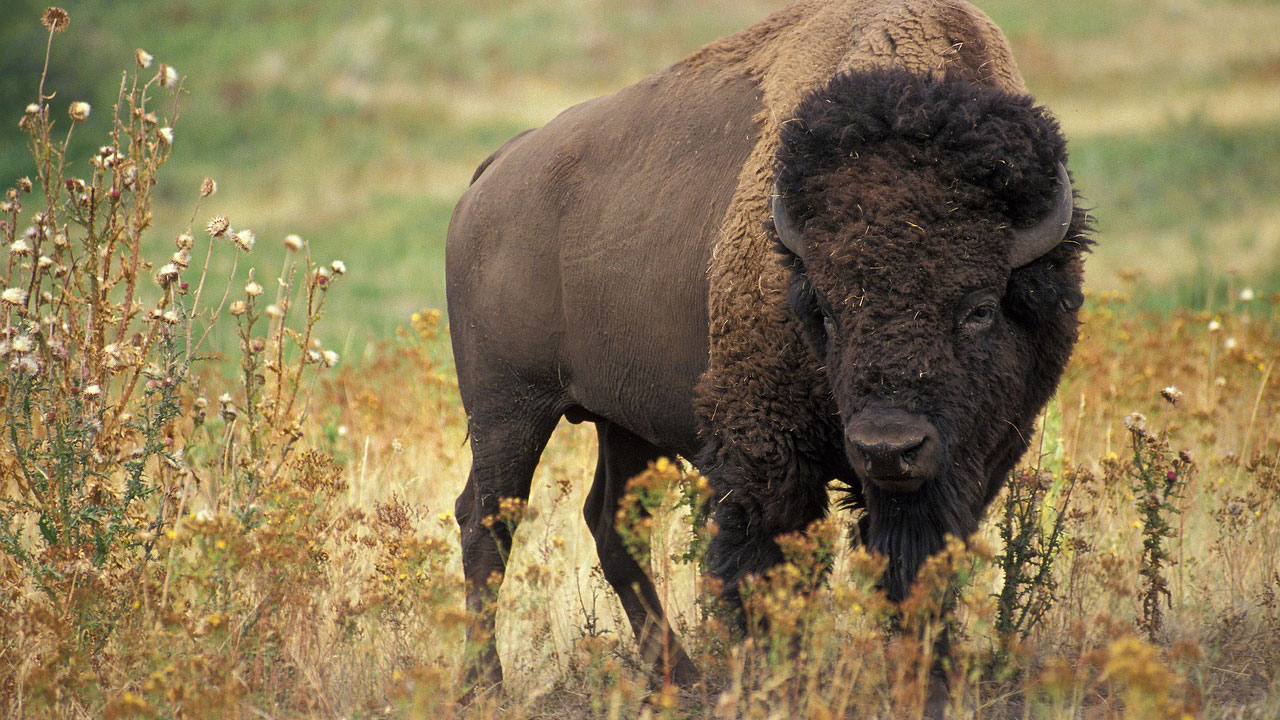
Bison may be the best example of this whole idea because they spend so much time looking like giant, sleepy lawn ornaments. They stand out in open country, barely moving, chewing like nothing in the world could hurry them. That calm look fools people every year. Folks edge closer for pictures, treat them like oversized cattle, and forget that all that mass can move a whole lot faster than common sense would suggest.
What makes a bison charge so dangerous is that there is not much room for error once it starts. A bluff charge is bad enough. A real one is worse. Their size makes people think they are slow, but their burst speed changes that illusion in a hurry. By the time you realize the mood has shifted, you are already dealing with an animal that weighs a ton, has bad intentions, and closes ground quicker than most people can process.
Moose

Moose often look awkward enough that people underestimate them. They have that long-legged, almost clumsy shape that makes them seem more strange than dangerous when they are standing still in brush or feeding near a road. But a moose does not need to look graceful to be dangerous. Once it decides you are too close, those same long legs cover ground fast, and the whole animal suddenly feels a lot bigger than it did ten seconds earlier.
What makes moose tricky is that they do not always advertise the charge the way people expect. Sometimes they just seem tense or irritated, and then they are moving. If it is a cow with a calf or a bull in a bad mood, the charge can come fast enough that the “slow animal” idea disappears instantly. Their awkward look is one of the worst things about them because it keeps people from respecting how violent they can get in a hurry.
Hippo

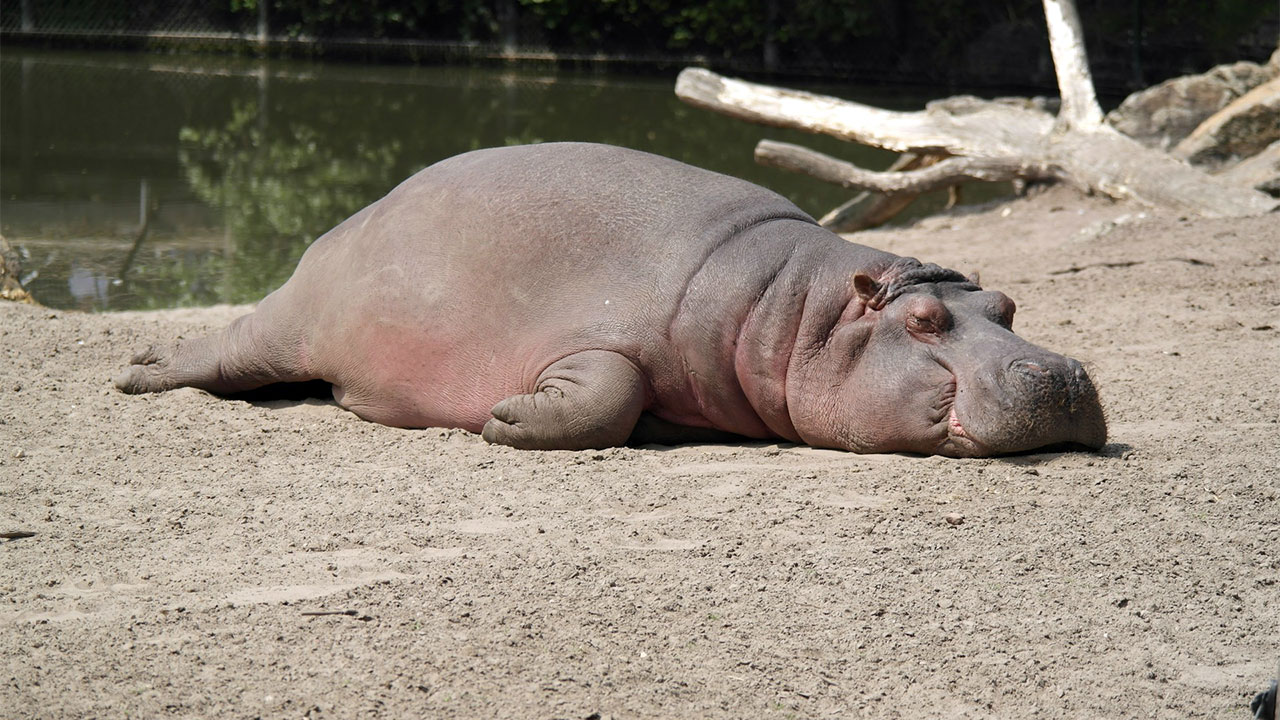
Hippos spend so much time half-submerged and barely moving that people forget they are one of the worst-tempered large animals on earth. In the water, they can look lazy. On land, they often look heavy and slow, like a big animal that would rather stay put than bother with you. That illusion does not last long if one decides you are in the way. A hippo charge turns that whole sleepy image into a bad joke immediately.
Part of the danger is how wrong people are about where the speed comes from. They assume something that bulky cannot really get after them fast enough to matter. Then the animal comes out of the water or off the bank with a lot more urgency than seems possible for something shaped like that. When a hippo commits, the power behind it matters more than the way it looked while resting.
Rhino

A rhino looks like a tank standing still, and that is probably the easiest way to understand why people misread it. There is so much bulk there that the mind automatically assumes slow. It feels like watching a huge piece of armor with legs, not something built for quick movement. But once a rhino decides to charge, it does not look like dead weight anymore. It looks like exactly what it is: a big, hard, aggressive animal built to win head-on collisions.
What makes rhinos especially unnerving is how blunt the whole thing feels. There is not a lot of mystery once they commit. It is force, speed, and bad intent all at once. The whole illusion of sluggishness disappears, and what is left is one of the clearest reminders in the animal world that size does not slow everything down. Sometimes it just makes the impact worse.
Elephant

Elephants often look measured and deliberate, which makes sense because a lot of the time they are. They move with that heavy, steady pace that gives the impression they would need plenty of time to get anywhere. That is part of what tricks people. They look like animals you could read early and avoid if you needed to. But when an elephant decides to come forward with real purpose, the size stops looking calm and starts looking terrifying.
The thing about an elephant charge is that it is not just speed that changes the picture. It is commitment. An animal that large moving aggressively does not have to look fast in the same way a smaller animal does. It just has to start closing the distance. Once it does, the amount of power coming with it makes every previous second of calm feel meaningless.
Cape buffalo

Cape buffalo are thick, heavy, and often look like they are just standing there being difficult-looking cattle. That is exactly why they surprise people. They do not have the outward drama of some predators. They just carry this heavy, stubborn presence that can seem more dull than dangerous at first. Then the mood changes and suddenly all that muscle and horn is pointed in one direction.
A buffalo charge feels worse because the animal never had to look fast for the danger to be real. It just had to decide. Once it does, the combination of low head, mass, and aggression makes it clear why so many people take them seriously. Slow-looking is one thing. A wall of horn and weight coming straight in is something else entirely.
Wild boar
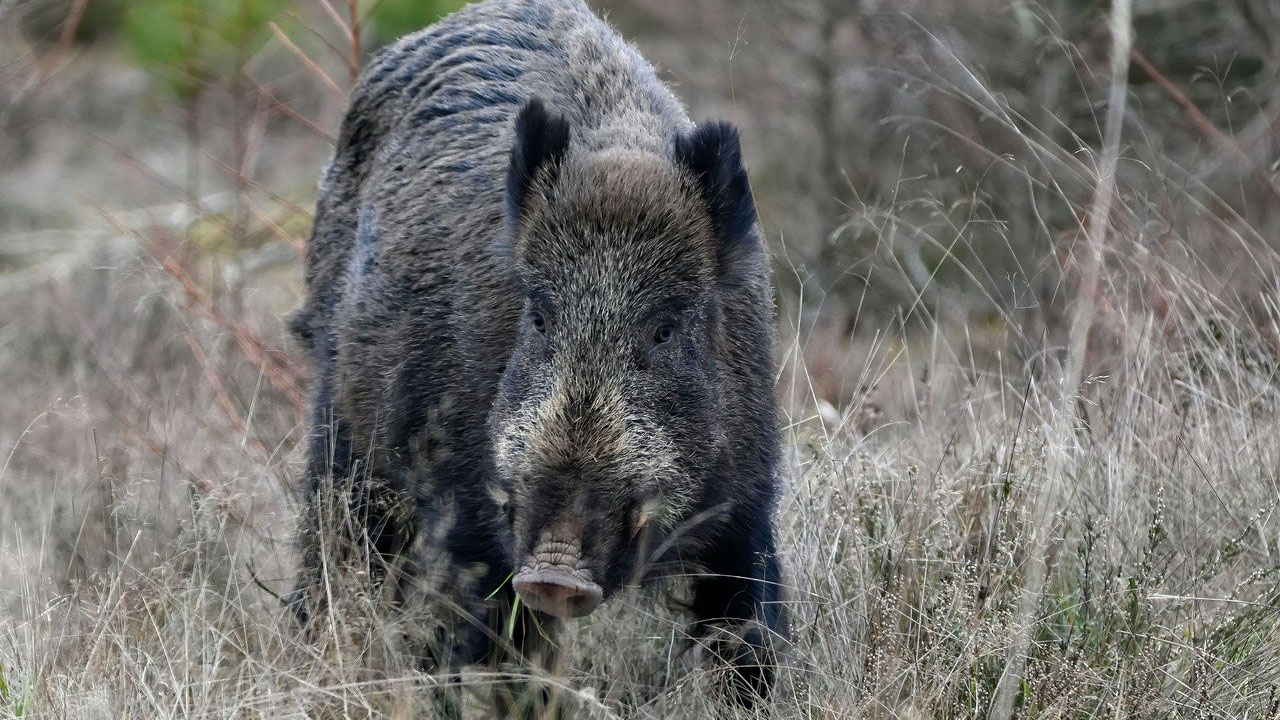
Wild boars do not always look fast either. They look dense, low to the ground, and a little awkward, like rough little tanks built more for bulldozing than sprinting. That is part of what makes them so deceptive. People see the body shape and assume they have time if one gets irritated. That assumption gets shaky fast once the boar commits and comes in low with speed and aggression.
The danger with boars is that the charge often feels short, violent, and ugly rather than long and dramatic. They do not have to cover a football field to be a problem. They just have to explode through the small amount of space between you and them. That compact, rough look hides how hard and fast they can hit when they mean it.
Warthog

Warthogs can look almost cartoonish when they are standing around. They are squat, odd-looking, and not the kind of animal most people instinctively label as scary just from posture alone. But that weird build hides the fact that they can turn aggressive quickly and come in lower and faster than their appearance suggests.
That is what makes the charge surprising. It does not look elegant. It does not look impressive in the graceful sense. It just becomes real all at once. A warthog does not need to look like a race animal to cause serious damage. It just needs enough speed, enough intent, and enough tusk to make your mistake matter.
Elk

Elk usually look composed. Even big bulls often carry themselves with a kind of slow, stately calm when they are walking through meadows or standing near roadsides. That can make people forget that they are still big, muscular animals that can get nasty fast, especially during the rut. One second it looks like a peaceful wildlife sighting. The next it is obvious that the animal has decided space needs to be reclaimed immediately.
What makes elk charges so deceptive is the contrast. Their whole look says controlled and measured right up until it does not. Once the switch flips, that same animal can lunge, kick, and drive forward in a way that feels far more aggressive than its calm posture suggested. People trust the stillness too much, and that is where the trouble starts.
Wild turkey
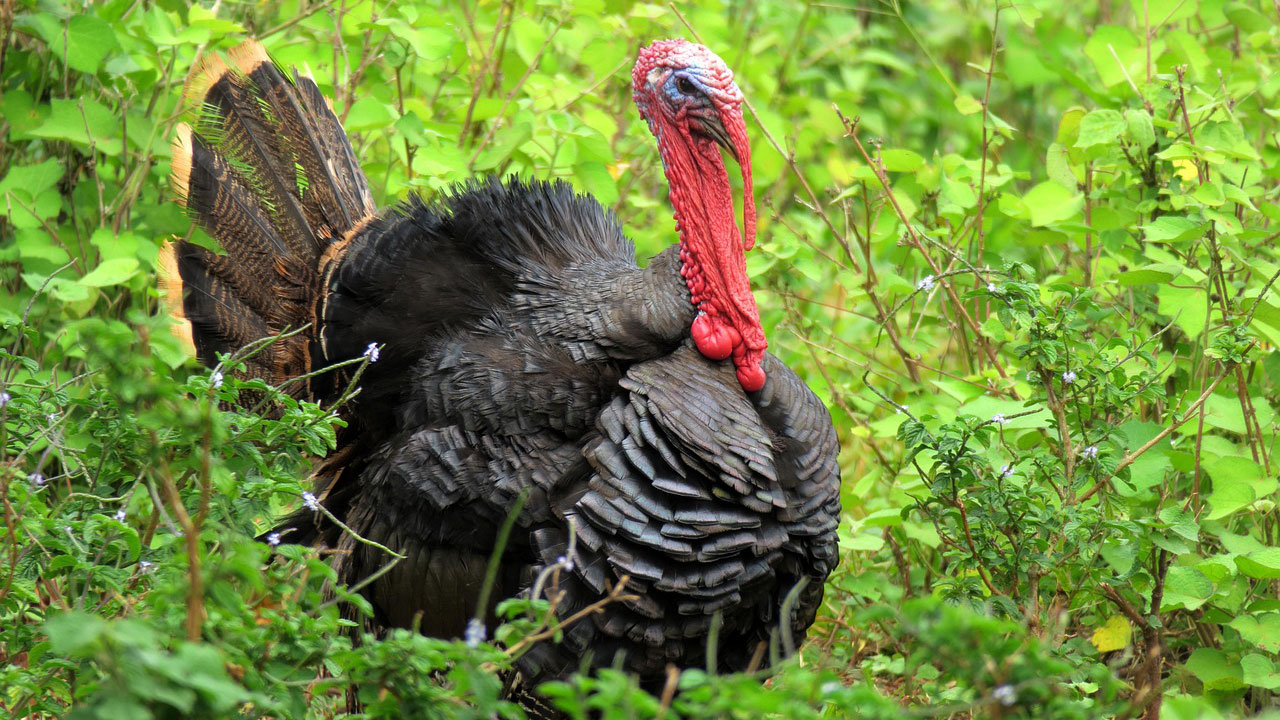
Wild turkeys look almost ridiculous half the time, and that works against people’s judgment. They strut, peck around, and generally do not carry themselves like animals anyone should be worried about physically. But a fired-up gobbler, especially in breeding season or when it is too used to people, can come in with a lot more speed and attitude than most folks are ready for.
The charge here is not dangerous in the same way a moose or bison charge is dangerous, but it still catches people off guard because the bird looks too silly to take seriously. Then the wings flare, the feet come in, and suddenly you are dealing with a much more aggressive animal than the goofy body shape led you to expect. That mismatch is what makes it memorable.
Goose

Geese absolutely belong here because they are masters of looking harmless until they decide not to be. A goose on a pond or near a sidewalk looks like background noise most of the time. It waddles, grazes, and acts like part of the scenery. Then nesting season hits, or you get too close to the wrong spot, and that same bird turns into a loud, wing-flapping missile with a bad attitude.
What makes geese so deceptive is how ordinary they seem right before the charge. There is no huge warning, just a posture shift and then that fast, direct move forward. They are not large compared with the bigger animals on this list, but they prove the same point just as well. Slow-looking and familiar is still enough to get people caught flat-footed.
Swan

/Pexels.com
Swans get even more benefit from appearances because they look graceful. That elegance makes people associate them with beauty first and aggression second, which is a mistake. A swan sitting on the water looks like one of the least threatening things out there. Once it decides to defend space, though, the movement changes quickly and the whole tone of the animal shifts with it.
The charge feels surprising because the bird does not look like something built for confrontation. Then it comes forward with wings high, neck out, and a lot more intent than people were prepared for. A swan does not need to be huge to make somebody backpedal. It just needs that fast change from calm display piece to territorial animal with no patience left.
Mountain goat

Mountain goats spend plenty of time looking motionless on rock, which creates the impression that they are slow, careful, and mostly uninterested in anything beyond standing where they are. But that stillness is misleading. They are balanced, strong, and capable of moving aggressively in rugged ground where most people are already off balance.
That is what makes a goat charge feel so nasty. It often happens in terrain where you do not have much room to recover, and the animal itself does not need to be huge for the danger to get real fast. The quiet, statuesque look disappears the second the goat decides to drive you off, and then you are stuck dealing with horns and momentum in the wrong place.
Ram
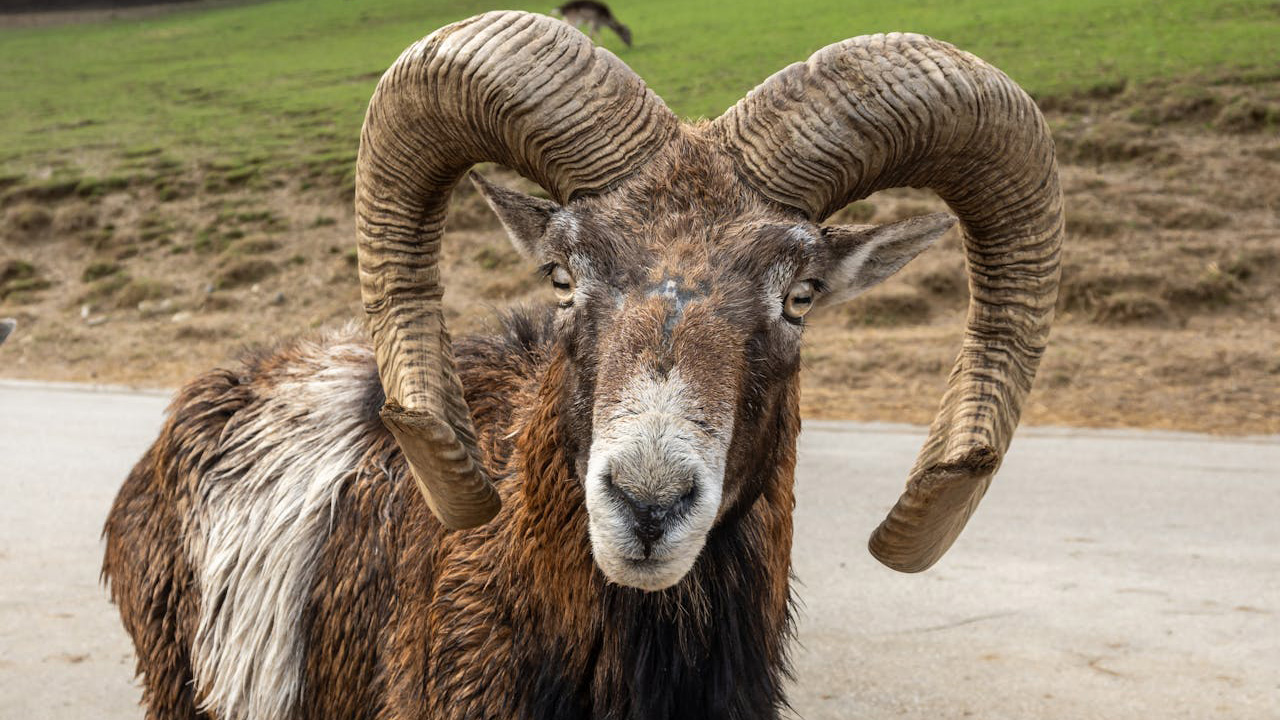
A ram standing around can look almost lazy, especially if it is just grazing or hanging back with the flock. But anyone who has dealt with one that has decided to test people knows how fast that look becomes useless. A ram charge is simple and direct. The whole animal tightens up, lines up, and comes in harder than most people expect from something that seemed half asleep moments earlier.
The mistake people make is focusing on the fluff, the curved horns, or the farm-animal familiarity. They stop respecting what happens when a compact, muscular animal decides to put its full body behind a hit. Rams are a great reminder that “domestic-looking” and “safe” are not the same thing once one decides it has a point to prove.
Cow protecting a calf

A cow grazing in a pasture is one of the most normal sights in the world, and that normalcy is exactly why people misread them. They look slow, familiar, and about as unthreatening as large animals get. Then calves enter the picture. A mother that thinks you are crowding her young can go from calm to aggressive in a heartbeat, and that charge tends to surprise people because it comes from something they never mentally filed under danger.
That is what makes these incidents so serious. A person treats the situation like a routine walk through a field and forgets that maternal aggression changes the whole equation. The cow still looks like a cow, but the intent behind the movement is totally different now. Once she comes forward with purpose, the old assumption that there was plenty of time and no real threat usually falls apart.
Like The Avid Outdoorsman’s content? Subscribe to our newsletter so you never miss an article.
Here’s more from us: