Photo credit: fr0ggy5/Unsplash.com
A lot of people picture garden or orchard damage as something that builds slowly over time. Maybe the leaves look chewed one week, then a few plants start fading, then you finally realize something has been working on the place every night. Sometimes it does happen that way. But a lot of animals do not work slow. They hit all at once, and by morning you can be looking at stripped plants, broken limbs, dug-up rows, scattered fruit, and a feed patch that looks like it never had a chance. That is the part that catches people off guard. You go to bed with things looking good and wake up feeling like the whole place got raided.
The worst offenders are not always the biggest animals either. Some pull plants up by the roots. Some browse every tender shoot they can reach. Some dig, some claw, some trample, and some waste more than they actually eat. If you grow food, manage fruit trees, or put in a feed patch for wildlife, you learn pretty quickly that fencing, timing, and vigilance matter a whole lot. These are 15 animals that can wreck a garden, orchard, or feed patch in one hard night.
Feral hogs
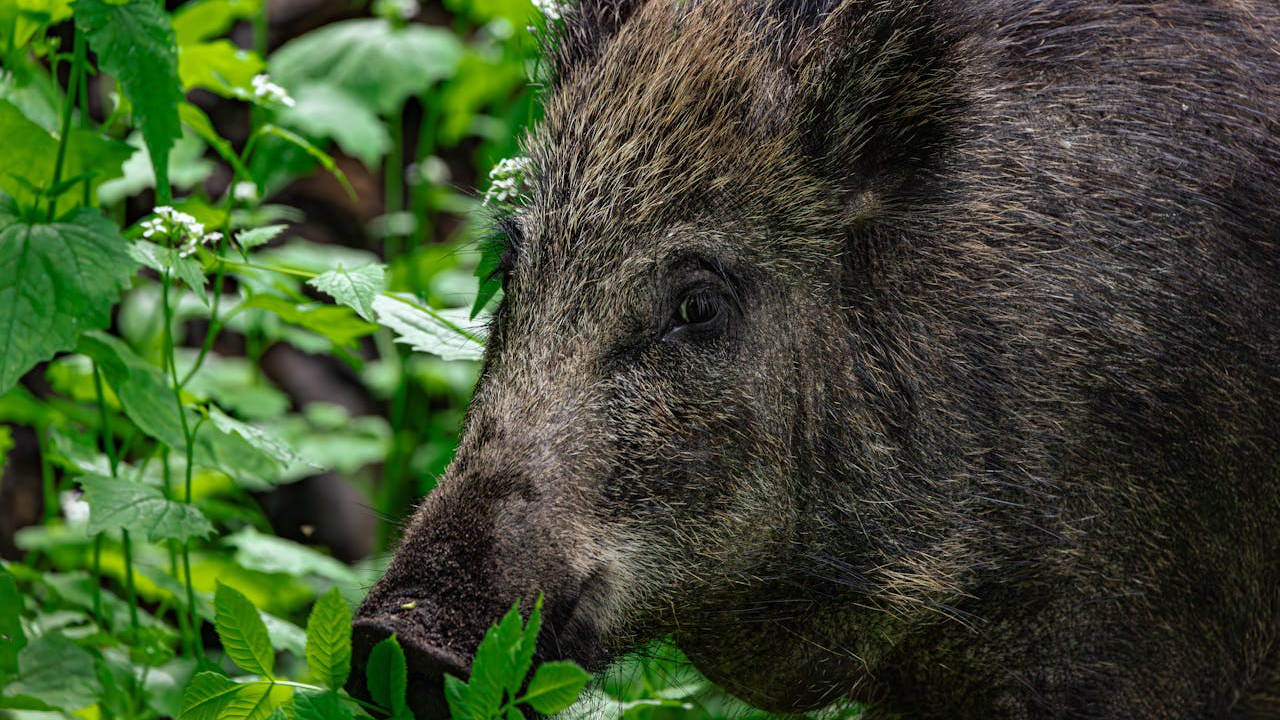
Feral hogs are about as bad as it gets when it comes to overnight destruction. They do not just eat what is growing. They root, churn, trample, and tear up the whole area like they are trying to ruin it on purpose. In a garden, they can dig through rows, snap plants off, and leave holes deep enough to twist an ankle in. In a feed patch, they can uproot young growth and tear apart soft ground so badly the whole thing has to be redone.
What makes hogs especially rough is how much waste they leave behind. Deer may browse a patch down, but hogs can turn it into a mud-and-dirt mess that is no good to anything afterward. In orchards, they will work fallen fruit, root around tree bases, and destroy irrigation lines or young trees if the setup is vulnerable. A sounder of hogs does not need many hours to create damage that takes weeks or months to fix.
Deer
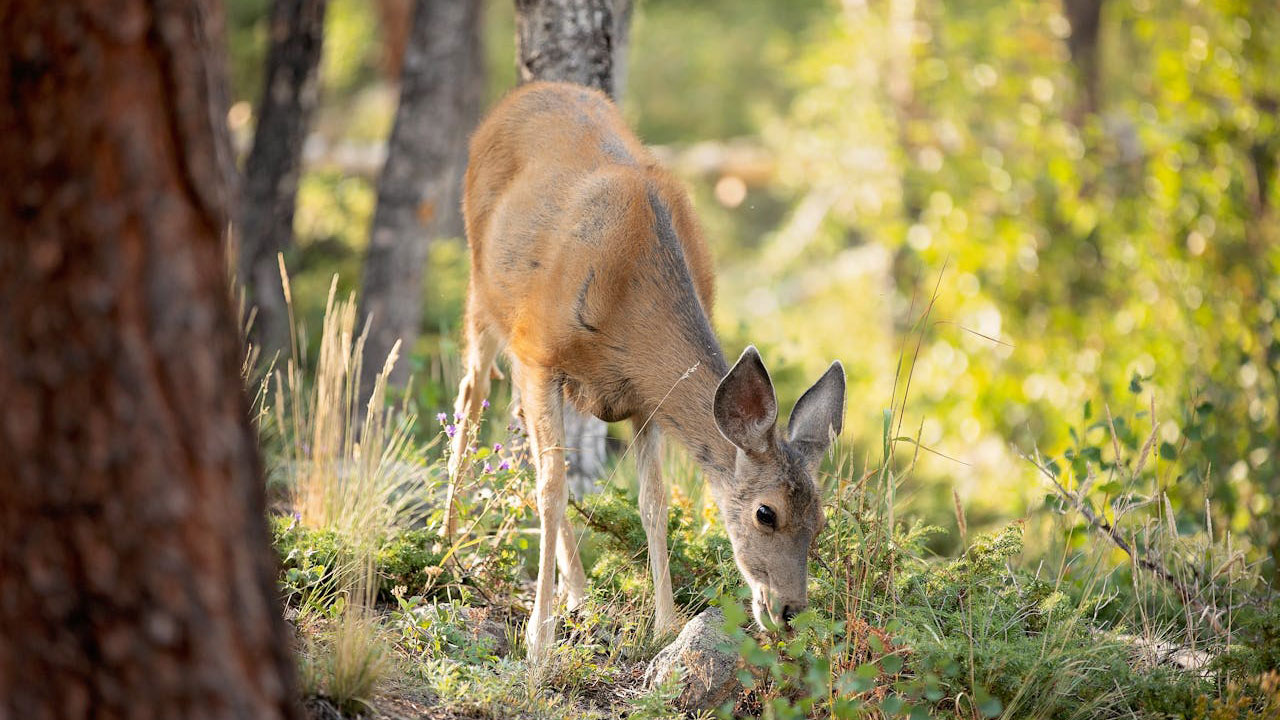
Deer are one of the most common reasons a promising garden or feed patch suddenly looks thin, ragged, and half-gone. They may not leave the dramatic churned-up mess hogs do, but they can absolutely strip tender growth fast. Young beans, peas, leafy greens, fruit tree shoots, clover, soybeans, and other soft plants are especially vulnerable. A few deer feeding hard in one night can set a small plot back more than people expect, especially if the plants were just getting established.
In orchards, deer can do more than browse low branches. They can rub young trees, damage bark, and keep new growth from ever getting where it needs to go. In feed patches, repeated deer pressure can turn into a full wipeout if the plot is small or stressed. A lot of folks treat deer damage like a mild inconvenience at first, but when the same animals keep coming back to the same groceries, they can flatten a whole setup before you get a real handle on it.
Rabbits

Rabbits can turn a healthy-looking garden into a short, clipped mess almost overnight, especially when the plants are young and tender. They may be small, but they work fast and often hit the same crops people are most excited about. Lettuce, beans, peas, carrots, young brassicas, and fresh seedlings can all get hammered hard. In a small garden, it does not take many rabbits to make it feel like nothing ever had a chance to get going.
They are also rough on orchard setups, especially young trees. Rabbits chew bark and tender shoots, and that kind of damage can be worse than people expect, especially when trees are still thin and vulnerable. A feed patch with young, palatable growth can also get skimmed down quickly if rabbit numbers are up. Because the damage happens low and clean, people sometimes think something minor is going on at first. Then they realize half the plants are gone and the rest are clipped down to stubs.
Raccoons
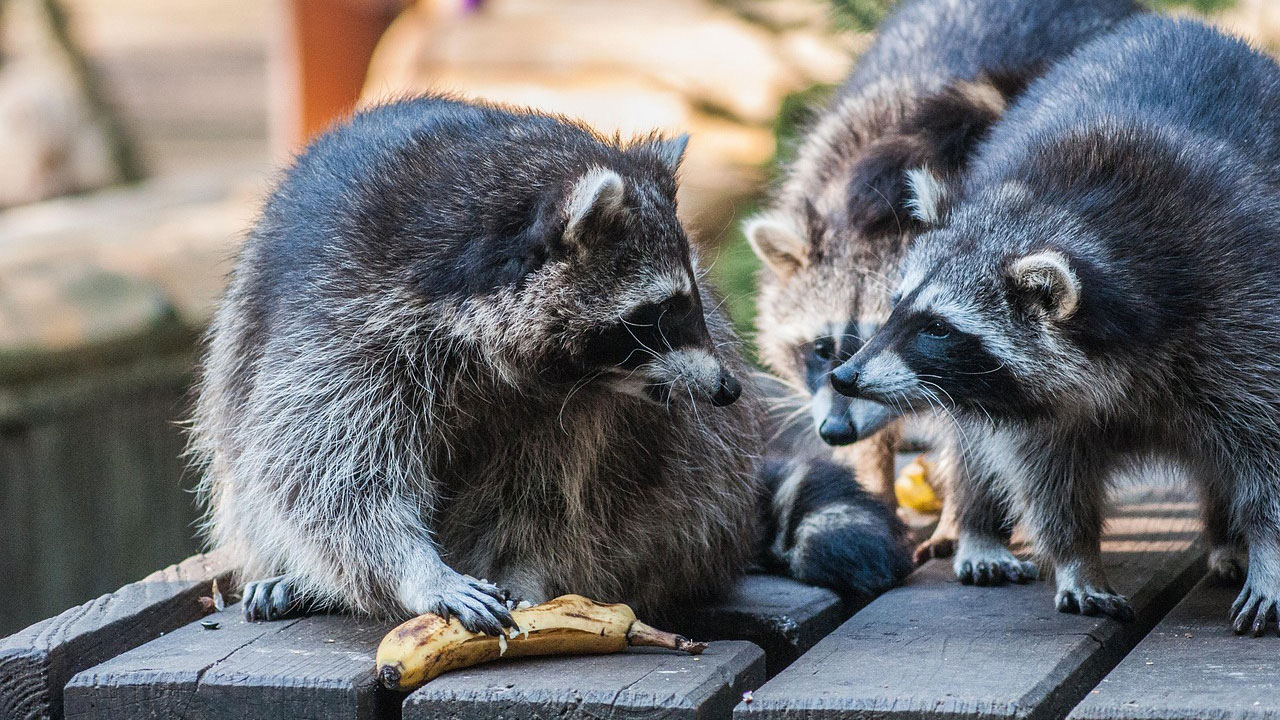
Raccoons are especially hard on gardens because they are not careful and they are not efficient. Sweet corn is one of their favorite targets, and they can flatten rows working it over before it is fully ready. They will pull ears, peel them back, bite a little from several, and leave the rest wasted on the ground. Melons, berries, fruit, and garden beds near water or cover can also take a beating when raccoons settle into a feeding pattern.
In orchards, raccoons can work fruit hard, especially if there is easy climbing access and ripe fruit hanging low. They are also rough on feed patches around edges and can cause extra trouble if irrigation, netting, or fencing is easy to climb or pull at. The frustrating thing with raccoons is that they do not just take what they need. They leave a mess behind that makes the damage feel even worse. One night of heavy raccoon pressure can look like a whole week of neglect.
Squirrels
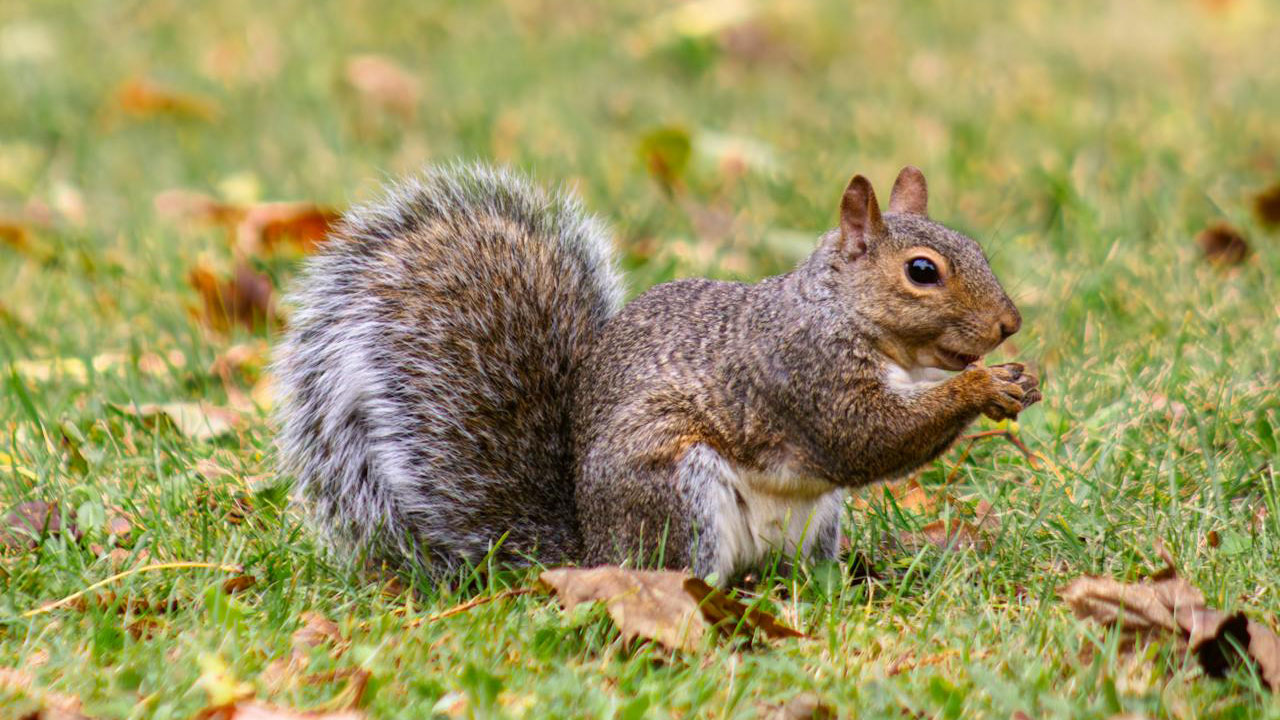
Squirrels can do a lot more damage than people give them credit for, especially in gardens and orchards. They chew tomatoes, berries, peaches, apples, and other fruit often before it is even fully ripe. What makes them so irritating is how often they ruin several pieces just enough to waste them rather than fully eat one and move on. You end up walking out to half-chewed produce scattered around and wondering how one small animal made such a mess so quickly.
They are also rough on young trees and can strip bark, dig in pots, and raid freshly planted rows. In orchards, they often start hitting fruit earlier than people expect and can keep coming back daily once they have keyed in on the food source. In a feed patch, they are usually more nuisance than total destroyer, but around corn, sunflowers, or any seed-heavy planting, they can take enough to matter. Small body or not, squirrels can make a place feel picked apart in a hurry.
Black bears

Black bears can wreck a garden or orchard in a way that feels almost unfair. They are big enough to flatten fencing, break limbs, crush beds, and turn a small growing area into a stomped-out disaster without trying very hard. Corn patches, berry rows, fruit trees, and anything sweet-smelling tend to draw them in. Once a bear decides your place is worth visiting, it can do a shocking amount of damage in one night and then come back again if nothing changes.
Orchards are especially vulnerable because bears climb, pull, and break what they want. A tree that took years to establish can end up with damaged limbs or stripped fruit all at once. They are also hard on feed patches near cover, particularly if there is easy access and the plants are palatable. The problem with bears is not just what they eat. It is what they crush, snap, and flatten while they are helping themselves. After a bear visit, the whole place can look beat up.
Birds
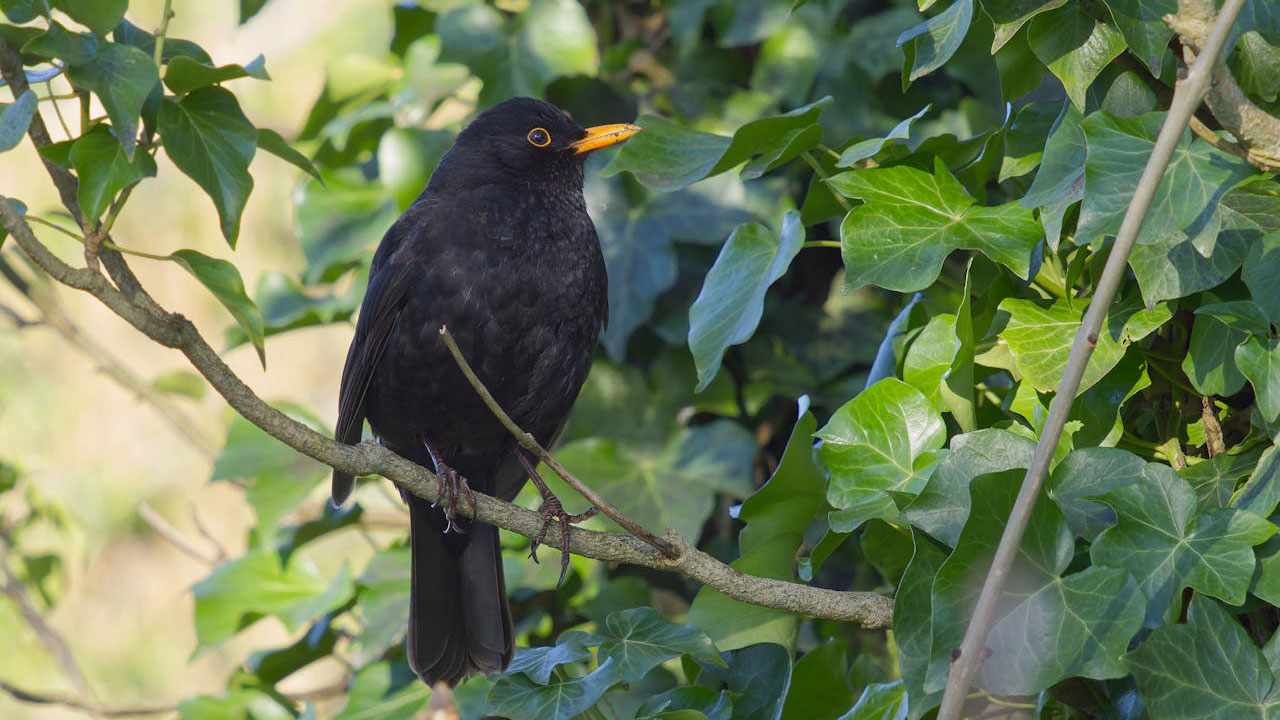
Birds can be brutal on gardens and feed patches, especially when they hit in numbers. Blackbirds, crows, turkeys, doves, and other species can strip seed, hammer sprouts, or work fruit hard once they figure out where the food is. A newly planted patch can be pecked apart before it ever gets going, and soft fruit like berries can disappear faster than people think. What looks fine in the evening can look raided by sunrise if a flock found it.
In orchards, birds often peck fruit just enough to ruin it, opening the door for rot, insects, and more waste. In feed patches, they can keep fresh seed from taking hold or mow down tender tops right after emergence. Some bird damage feels like death by a thousand cuts, but when flocks pile in, it can happen fast enough to count as overnight destruction. People tend to focus on mammals first, but birds can absolutely empty value out of a patch before you know what happened.
Groundhogs
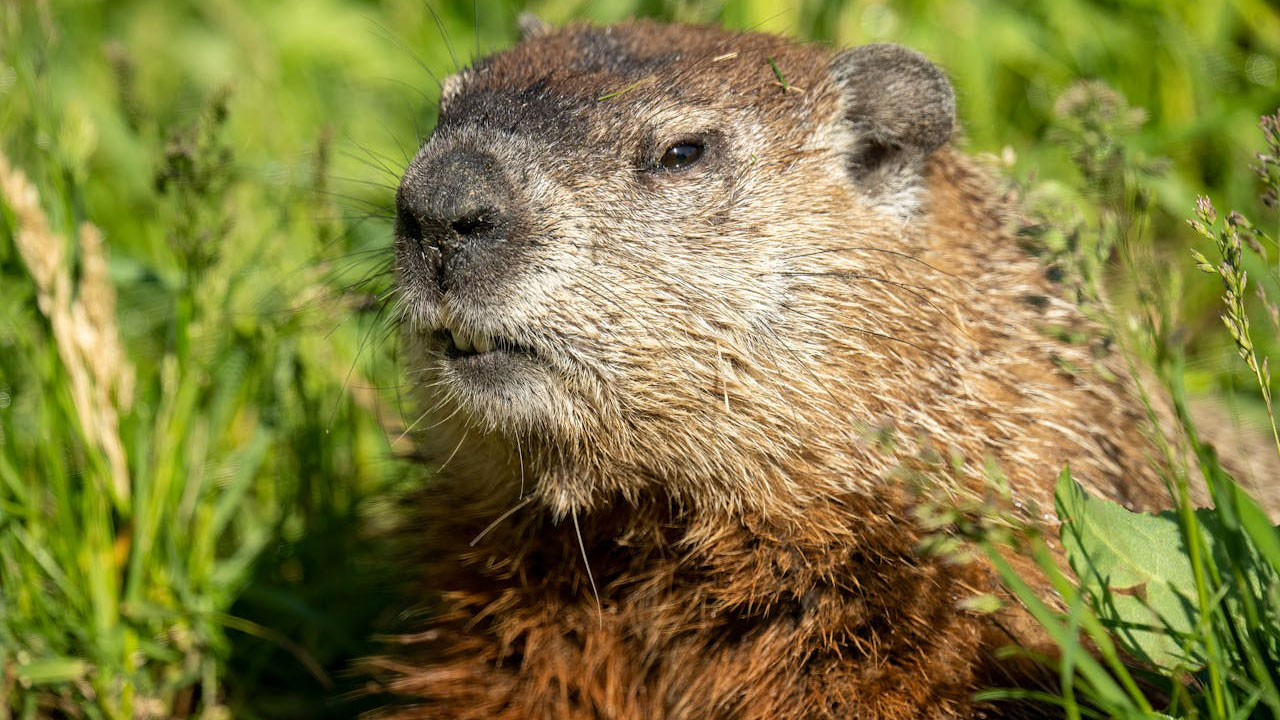
Groundhogs can be absolute wrecking balls in a garden. They are heavy-bodied, hungry, and more than happy to settle into a routine if the groceries are good. Beans, peas, squash, lettuce, and tender greens are all favorites, and they can chew a surprising amount in one night. Because they feed low and hard, they often leave plants looking like somebody clipped them off with purpose. A healthy row can be reduced to stems fast if a groundhog gets comfortable.
They also create extra trouble with burrows, especially near fences, sheds, orchards, or raised beds. That digging can undermine structures and make the whole setup more aggravating to protect. In feed patches, groundhogs can hit young growth enough to matter, especially in smaller plots. A lot of folks think of them as a backyard nuisance first, but when one moves into the edges of productive ground, it can start acting more like a full-time thief with a bulldozer attached.
Armadillos
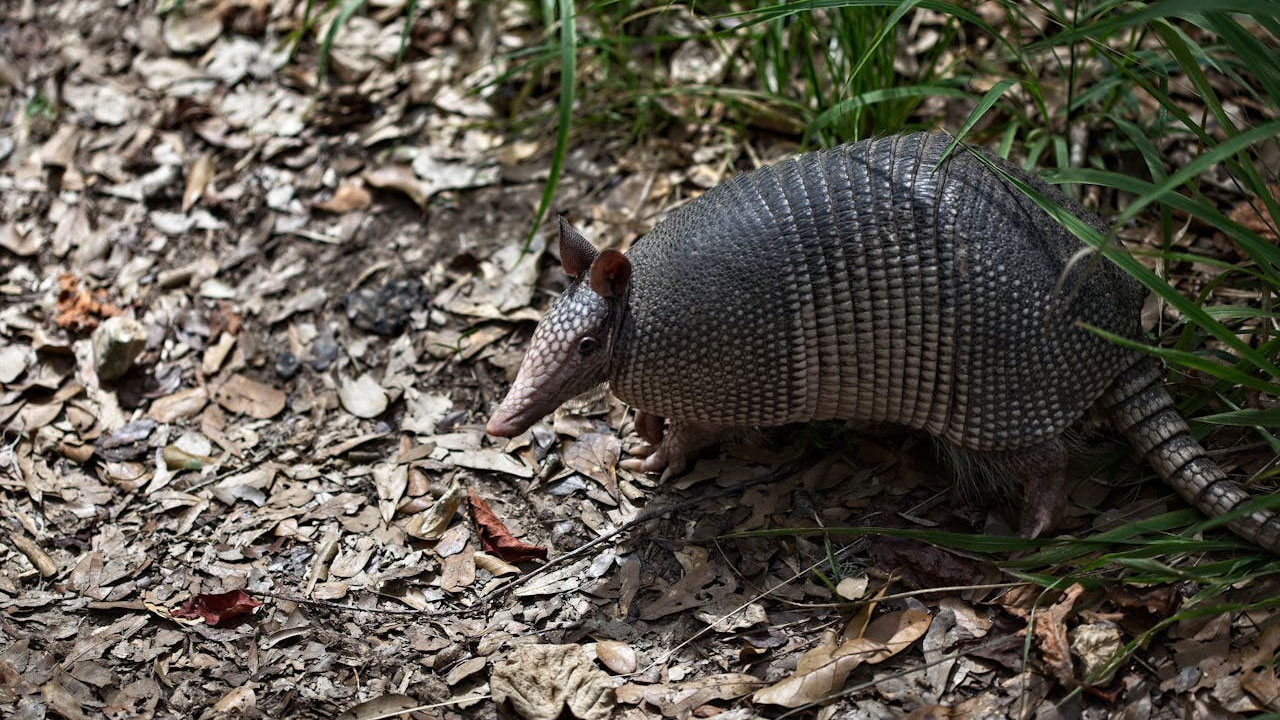
Armadillos usually are not after your tomatoes the same way a deer or raccoon is, but they can still make a garden look terrible overnight. They dig for grubs and insects, and that means rooted-up beds, disturbed mulch, shallow holes, and loosened plants that dry out or fall over later. In a carefully maintained garden, even a few hours of armadillo activity can make the place look like somebody took a rake and a shovel to it after dark.
Around orchards, they can dig at the base of trees, disturb irrigation, and create rough ground that makes mowing or maintaining rows more frustrating. In feed patches, their damage is usually more about digging than feeding, but that can still be enough to ruin seed-to-soil contact or tear up young growth. The problem with armadillos is that they do not have to eat the crop to damage the crop. If the roots get exposed and the ground gets churned, the result is often the same.
Geese
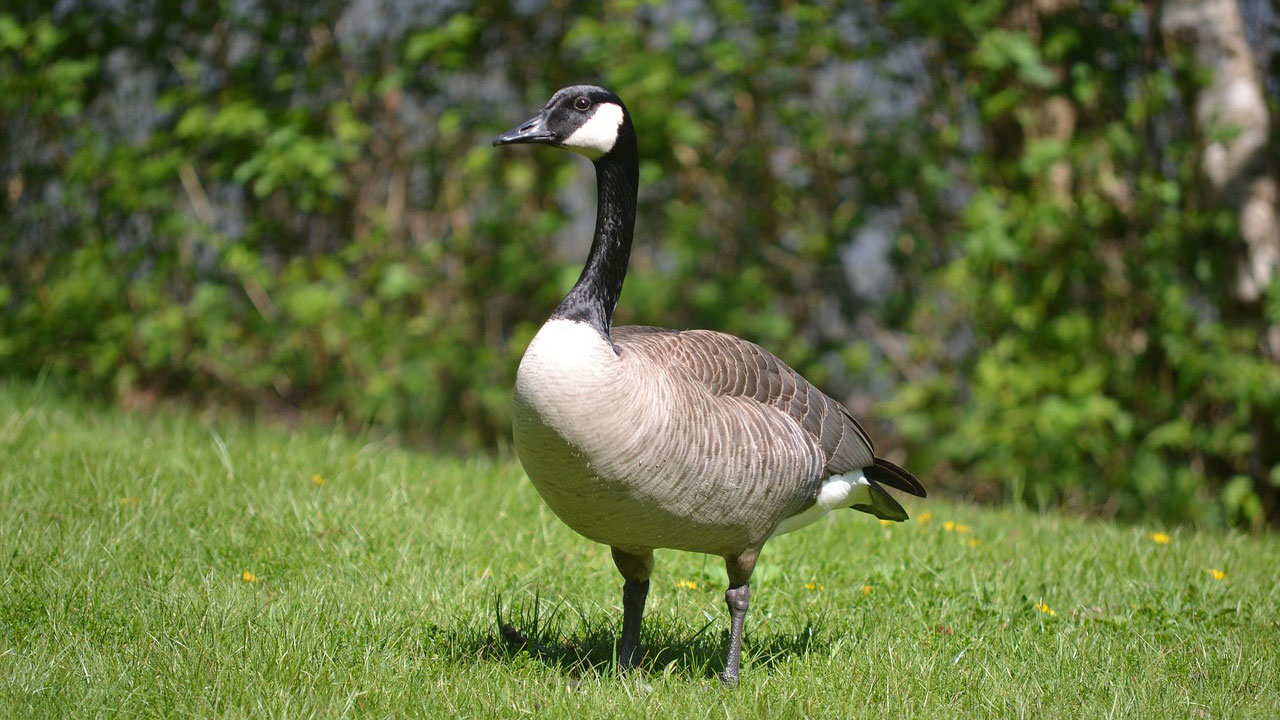
Geese can be surprisingly hard on gardens, feed patches, and orchard edges, especially near ponds or open water. They graze aggressively on tender shoots and can keep a young planting clipped down before it ever gets established. In a small feed patch, a flock can take enough off the top in one visit to make the stand look stalled out for days. Around gardens, they also leave behind a mess of droppings and trampled ground that makes the area less usable and less appealing fast.
They are particularly rough on lush green growth, which means anything newly sprouted is at risk. In orchard grass or cover plantings between rows, geese can chew things down enough to change the look and function of the whole setup. A lot of folks think of geese as more of a lawn problem than a production problem, but that changes quickly when they settle into a food-rich area and decide to use it every morning and evening like it belongs to them.
Porcupines

Porcupines are easy to forget until they show up where you really do not want them. In orchards, they can cause serious trouble by chewing bark, girdling young trees, and damaging limbs. That kind of harm is easy to underestimate because it may not look dramatic from a distance at first. Then the tree starts declining, limbs die back, or a young planting that should have been coming on strong just never recovers the way it should.
They can also work garden edges and feed patches if the food is there, especially where salt, wood, or certain plants attract them. The bark damage in particular is what makes them more serious than people expect. One porcupine can do enough harm in a single night to set a tree back badly or even kill it if the damage wraps too far around. They are not always the first suspect, but in the right country, they can absolutely wreck valuable young orchard stock fast.
Voles
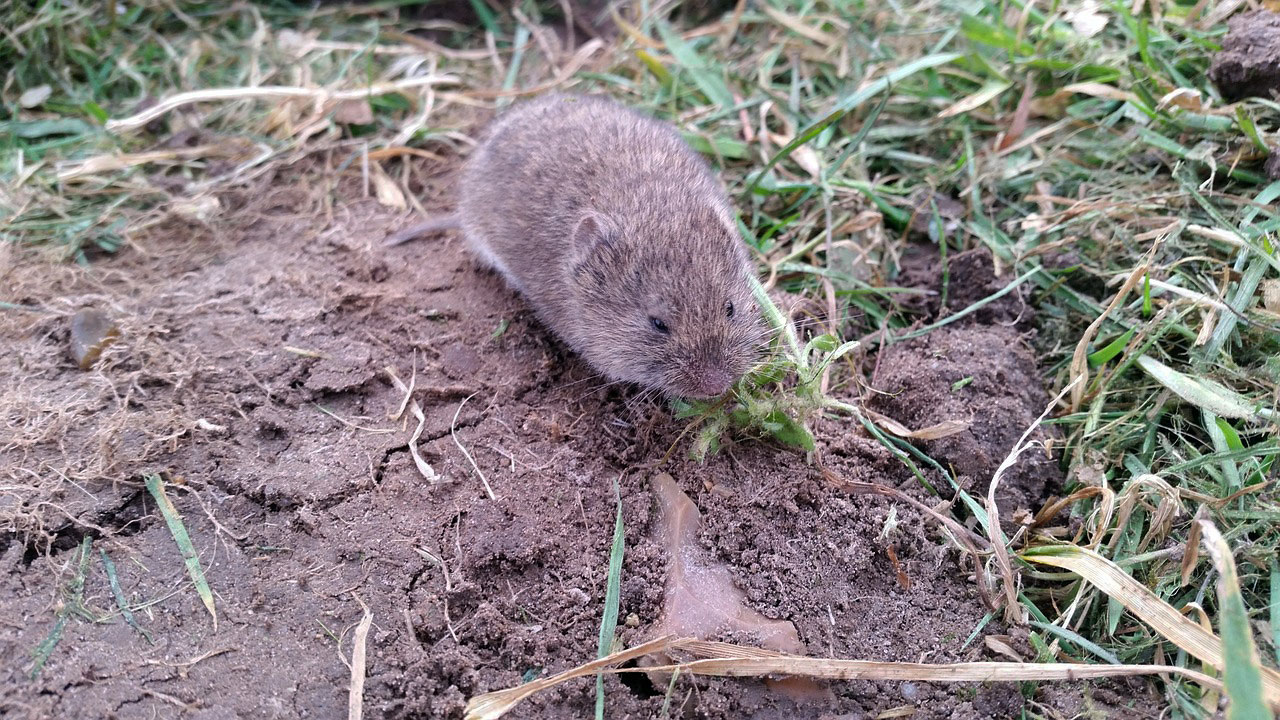
Voles do not always leave a dramatic above-ground mess right away, but they can quietly destroy gardens and orchards from the base up. They chew roots, gnaw bark near the ground line, and work under mulch or cover where people do not see them much. In young orchards, that can be deadly. A tree that looked fine one day can start failing because the bark was chewed through low where nobody noticed until the damage was already done.
In gardens and feed patches, voles can take out seedlings, root crops, and tender stems, especially where cover gives them protection. The reason they make this list is that the damage can feel sudden once it becomes visible. A patch can go from promising to weak and collapsing fast because the real work was happening underneath. They may not trample or uproot like hogs, but they can absolutely wipe out value in a hurry, especially if the problem goes unnoticed too long.
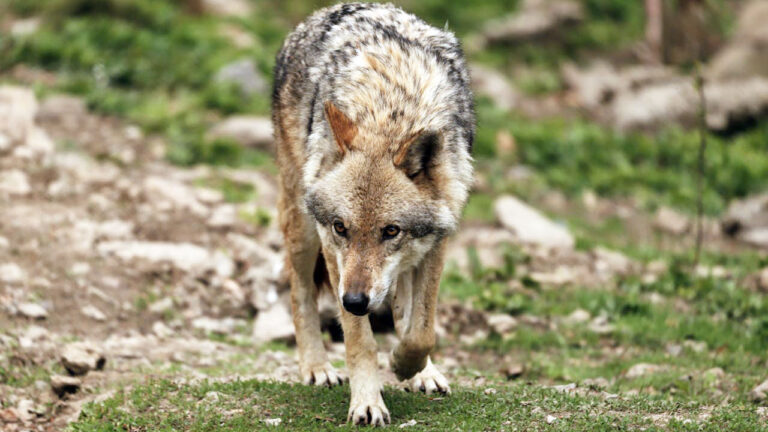
Coyotes

Coyotes are not classic garden raiders the way raccoons or rabbits are, but they can still do plenty of damage around orchards and feed patches when they start digging, denning, or chasing other animals through the area. They will dig after rodents, tear at soft ground, and create enough disturbance to damage irrigation, young growth, or protected rows. In a small feed patch, repeated coyote traffic can also keep deer and turkeys edgy, changing how the area gets used.
The bigger issue is often indirect damage. Coyotes push prey animals around, scatter birds, and create tension around livestock and backyard poultry, which can turn a productive setup into a constant aggravation. If they are chasing rabbits through a garden, digging at vole tunnels in a patch, or working along orchard edges, they can make a mess in ways people do not think about at first. They are not the top pure crop destroyer on this list, but they can still cost you a lot by morning.
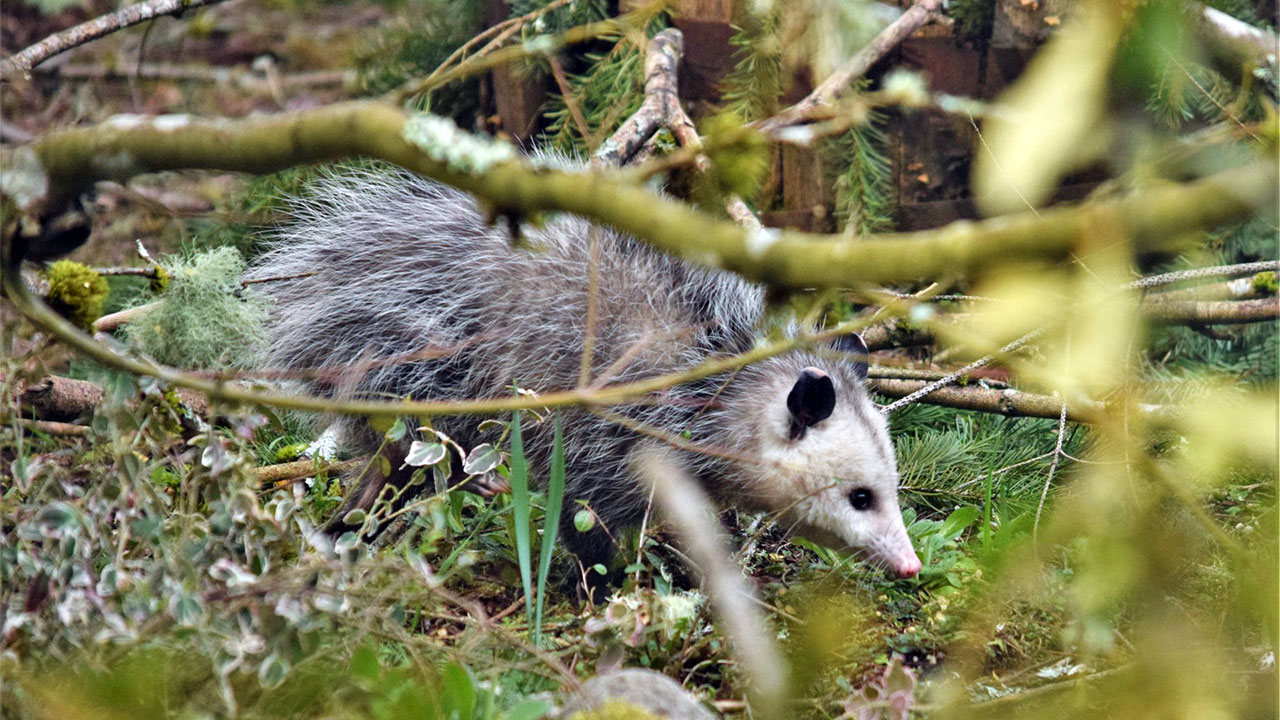
Possums
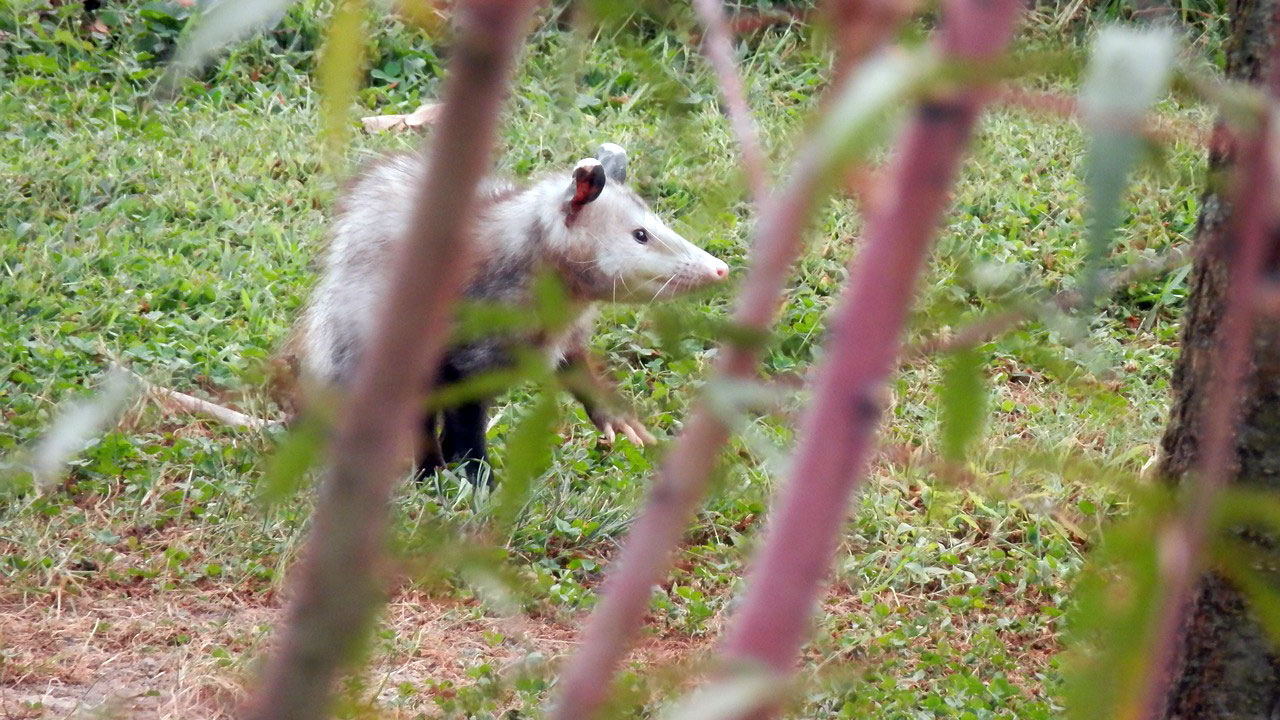
Possums do not always get blamed first, but they can work over gardens, fruit, and soft produce enough to matter. They are opportunistic and messy, which means they tend to sample widely rather than cleanly take one thing and move on. Berries, fallen fruit, melons, and low produce can all get chewed up. Around a backyard garden or orchard edge, they can leave enough half-eaten, dirt-covered produce behind to make the damage feel bigger than their size would suggest.
They are also good at slipping into places people think are fairly secure. Low fencing, open gates, brushy edges, and cluttered corners all make it easier for possums to move in after dark and help themselves. In a feed patch, they are usually not the main destroyer, but in fruit-heavy or garden-heavy setups, they can absolutely add to a bad night. When several opportunists hit the same space, possums are often part of the reason the morning count looks worse than expected.
Elk

Where elk overlap with gardens, orchards, or food plots, they can be devastating simply because of their size and feeding pressure. A few elk do not have to spend much time in a feed patch to flatten it down, especially if the plot is small or the plants are young. They browse hard, trample while moving, and can turn a carefully planted area into an uneven, pounded-down mess before daylight. If they decide a patch is worth revisiting, it can be tough to ever get ahead of them.
In orchards and rural gardens, elk can break limbs, browse young trees, and crush fencing or supports just by leaning through or pushing past them. They are one of those animals that do damage on two levels at once: what they eat and what they physically wreck while feeding. People sometimes think of deer pressure and forget how much more punishing a group of elk can be. If elk show up in a productive patch overnight, the aftermath usually speaks for itself.
Like The Avid Outdoorsman’s content? Subscribe to our newsletter so you never miss an article.
Here’s more from us: