Photo credit: ORION PRODUCTION/Shutterstock.com
Some dogs take a few weeks to warm up. Others show up on day one and immediately decide your personal space is a shared resource. These are the dogs that follow you from room to room, sit outside the bathroom like it’s their job, and act genuinely confused when you’re not in the same space. It’s usually not “needy” in a bad way—it’s how they’re wired. A lot of these breeds were built to work closely with people, read cues fast, and stay connected for safety and direction. The flip side is they don’t always love being ignored, and they can get stressed if the house suddenly goes quiet for long stretches.
If you like a dog that’s present, tuned in, and always ready to be part of whatever you’re doing, these breeds tend to lean that way. Just know that “shadow dog” energy comes with responsibilities. You’ll want to teach independence early, make alone time normal, and avoid accidentally training clinginess by rewarding every follow. Done right, you end up with a dog that’s loyal and steady, not anxious and frantic.
Labrador Retriever
Labs are friendly with everyone, but in their own home they often attach hard to their people and prefer to be where the action is. They’re social, routine-driven, and they love being included, which can look like shadowing when you’re just trying to fold laundry or unload groceries. A Lab’s idea of bonding is being involved, even if “involved” is lying at your feet while you do something boring. They’re also smart enough to learn your patterns fast, so don’t be surprised if your Lab starts meeting you at the next stop before you even get there.
If you want that “always with you” vibe without a dog that’s fragile, Labs can be a great fit. They usually handle training well, and you can teach them to settle on a bed or place while you move around the house. The key is channeling their connection into good manners—no underfoot chaos, no jumping for attention, and no pacing when you’re busy. Give them a job, even a simple one, and you’ll see that shadow behavior turn into calm companionship.
Golden Retriever
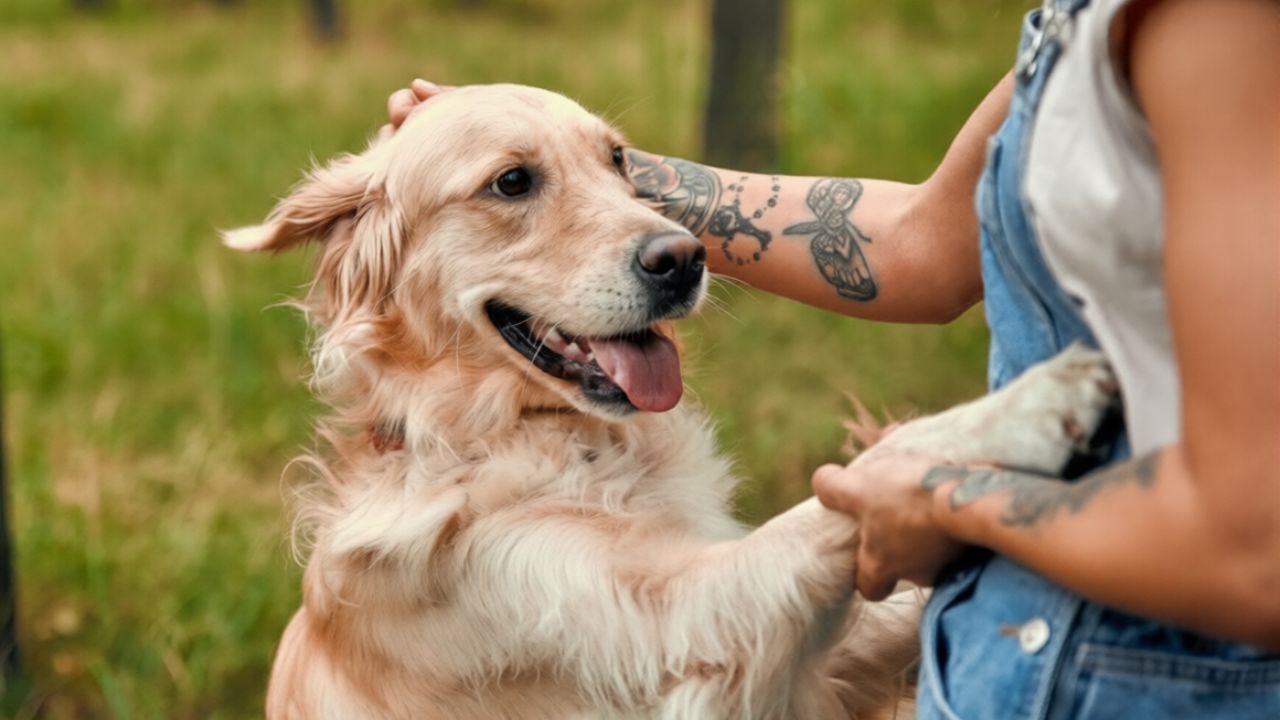
Goldens are famous for being sweet, but what people don’t always realize is how attached they can be. Many Goldens track their humans like they’re keeping inventory. They want to know where you are, what you’re doing, and if there’s any chance you might need emotional support, a toy delivered, or just a warm body nearby. They’re extremely tuned into mood and tone, so when you’re stressed, they often stick closer—not because they’re “dramatic,” but because they’re reading you.
This closeness can be a dream if you want a dog that feels like a true companion. It can also become a problem if you never teach them that being alone is safe. With Goldens, it helps to practice small separations from the beginning: short crate sessions, calm exits, calm returns, and rewarding relaxed behavior instead of constant following. When you do that, their “shadow” trait becomes one of their best qualities instead of something that turns into clingy habits.
Vizsla
Vizslas have a reputation for being “Velcro dogs,” and it’s earned. They’re built to work close to their person in the field, and a lot of them carry that same closeness into everyday life. A Vizsla doesn’t just want to be in the same room—they often want to be touching you, leaning on you, or parked right against your leg like that’s where they belong. They’re athletic, emotional, and very people-focused, which can make them feel extra intense in a busy household.
If you love an affectionate dog and you’re active, a Vizsla can feel like the ultimate partner. But they’re not a “leave them alone all day and hope for the best” kind of breed. They usually need daily exercise, mental work, and a calm structure at home. If you teach a Vizsla to settle and give them predictable routines, their closeness is sweet. If you don’t, that same closeness can slide into anxiety and constant attention-seeking.
Australian Shepherd
Aussies are natural shadow dogs because they’re natural monitors. They watch everything. They track movement. They anticipate. That’s what they were bred to do. In a home setting, that often means they follow you around because they feel like they’re on duty. Many Aussies also pick up on tiny behavior cues, so they’ll start moving when you shift your weight, stand up, or even glance toward a hallway.
The upside is you get a dog that’s engaged and responsive. The downside is you can get a dog that struggles to “turn off” if you don’t build that skill on purpose. Aussies do best when you teach an off switch early—place training, calm routines, and structured activities that use their brain. If you only reward the “always on” version, you’ll get a dog that shadows you because it can’t relax. If you reward calm, you’ll get a dog that still sticks close, but in a steady, settled way.
Border Collie
Border Collies can bond fast and follow hard because they’re wired to work in partnership. They read people like a book, and they often move with you because they’re anticipating direction. If you’ve ever had a Border Collie stare at you like it’s waiting for instructions, that’s the same instinct that makes them trail you from room to room. They don’t just want company—they want purpose.
Because they’re so smart, Border Collies can turn shadowing into problem-solving, and that’s where you have to stay ahead of them. Give them structured outlets: training sessions, puzzle work, controlled play, and routines that include “go settle” time. If you don’t, a Border Collie may decide your movement is the most interesting thing in the house and start obsessing over it. With the right structure, their shadow trait becomes focused loyalty instead of restless intensity.
Cavalier King Charles Spaniel
Cavaliers are small, affectionate, and famously people-oriented. A lot of them arrive ready to cuddle, and they tend to stick close because being near you is their favorite activity. They don’t usually shadow with “working dog” intensity—they shadow with soft, constant companionship. If you sit down, they’re there. If you stand up, they follow. If you move rooms, they trot behind you like it’s the plan.
This is one of the easiest shadow dogs to live with if you want a lap buddy and you’re okay with a dog that prefers closeness. The big thing to watch is alone-time comfort. Cavaliers can struggle if they’re never taught that separation is normal, especially in homes where someone is almost always around. Early crate training, short solo naps, and calm departures help a lot. You’re not trying to make them independent—you’re trying to make them secure.
Italian Greyhound
Italian Greyhounds are clingy in a very specific way: they love warmth, comfort, and their person. They’re often sensitive dogs, and closeness makes them feel safe. Many Italian Greyhounds attach quickly and prefer to be tucked next to you on the couch, under a blanket, or curled into your side whenever possible. They’re not always “busy” followers, but they do want to keep you in sight and stay connected.
Because they can be sensitive, it’s important to keep life predictable and gentle while they settle in. Loud chaos, sudden schedule changes, or big social pressure can make them more dependent. If you build confidence with routine and positive training, an Italian Greyhound’s shadow behavior feels sweet and calm. If they’re anxious, it can turn into constant checking and nervous attachment. The goal is comfort without panic.
Pug
Pugs are little comedians, but they’re also little shadows. Many Pugs are happiest when they’re near their people, and they’ll follow you simply because they want to be where the fun is. They’re social, curious, and pretty tuned into the household, so they often plant themselves wherever you are, even if you’re doing something wildly uninteresting like cleaning or answering emails.
Pugs are usually easier to live with as shadow dogs because they tend to be adaptable and more relaxed than some high-drive breeds. Still, they can form habits fast, so it helps to teach a “settle” routine and avoid rewarding demand behavior. If your Pug learns that following you equals attention every time, you’ll get a dog that can’t handle you being busy. If they learn that hanging nearby quietly is the goal, you’ll get that loyal “little buddy” energy without the drama.
Shetland Sheepdog
Shelties are loyal, observant, and often very attached to their family. They’re another herding breed that loves closeness because closeness feels like teamwork. Many Shelties follow their person around to keep tabs on what’s happening, and they can be surprisingly emotionally tuned in. If you’re the one who feeds them, trains them, and spends the most time with them, they often decide you’re their main person fast.
Shelties tend to do best with structure and reassurance. They can be sensitive, and if they’re uncertain, they may shadow more closely as a comfort behavior. Confidence-building helps a lot: positive training, predictable routines, and gradual exposure to new sounds and situations. When they feel safe, their shadowing looks like calm loyalty. When they don’t, it can look like nervous hovering. You can shape that early with the way you handle independence and calm time.
Like The Avid Outdoorsman’s content? Subscribe to our newsletter so you never miss an article.
Here’s more from us: