Photo credit: cmart29/Pixabay.com
A lot of dangerous wildlife doesn’t “fight” the way people picture it. It waits. It hides. It closes distance when you aren’t ready, then it ends the situation before you can react. That’s the whole point of an ambush: you never get the clean warning you think you’ll get.
Surprise attacks happen more in the places people get lazy—thick brush, tall grass, riverbanks, muddy water, dark trails, and around food. These 15 animals are built to win that way, and they’re good at it.
Mountain lion

A mountain lion is basically the poster child for “you won’t see it coming.” It doesn’t want a loud chase. It wants you unaware, moving in a predictable line, and not watching your back. That’s why lion encounters often feel like they come out of nowhere, especially on trails with brushy bends, rocky ledges, and short sightlines.
The scary part is how quickly it can commit once it’s close. It uses stealth, speed, and control—grab, bite, and hold. If you’re in lion country, the big mistakes are letting kids drift behind you, wearing earbuds, and running alone at dawn or dusk. If you spot one and it doesn’t leave, keep it in sight, get big, get loud, and back toward safety without turning your back.
Leopard

Leopards make a living by being invisible until the moment they aren’t. They’ll use tall grass, brush, rocks, and shadows to stay hidden, and they don’t need a long sprint. They want close distance, one decisive move, and control. That’s why leopards can feel like they “teleport” into a situation.
They also tend to operate in messy terrain—edges, thick cover, creek beds—places where your visibility is already trash. If a leopard decides you’re prey, or it’s protecting a kill, it’s not going to announce itself with roaring and posturing. It’s going to close the gap quietly. Staying grouped, staying alert, and not walking blind through dense cover at low light is what keeps the encounter from turning into a surprise.
Tiger

Tigers are ambush predators that can move through cover like they’re part of it. They don’t need to chase down prey across open ground. They want to get close, hit hard, and end it fast. The surprise is the whole advantage, and tigers are built for it—power, speed, and patience.
Most tiger problems start with people moving alone in thick habitat, especially along travel corridors like river edges and game trails. Another issue is complacency in areas where tigers and humans overlap regularly. If a tiger is hunting, you might not get warning calls from other animals like you’d expect in a documentary. The right mindset is respecting the terrain: bad visibility equals higher risk, and “I haven’t seen anything” doesn’t mean “nothing is there.”
Jaguar

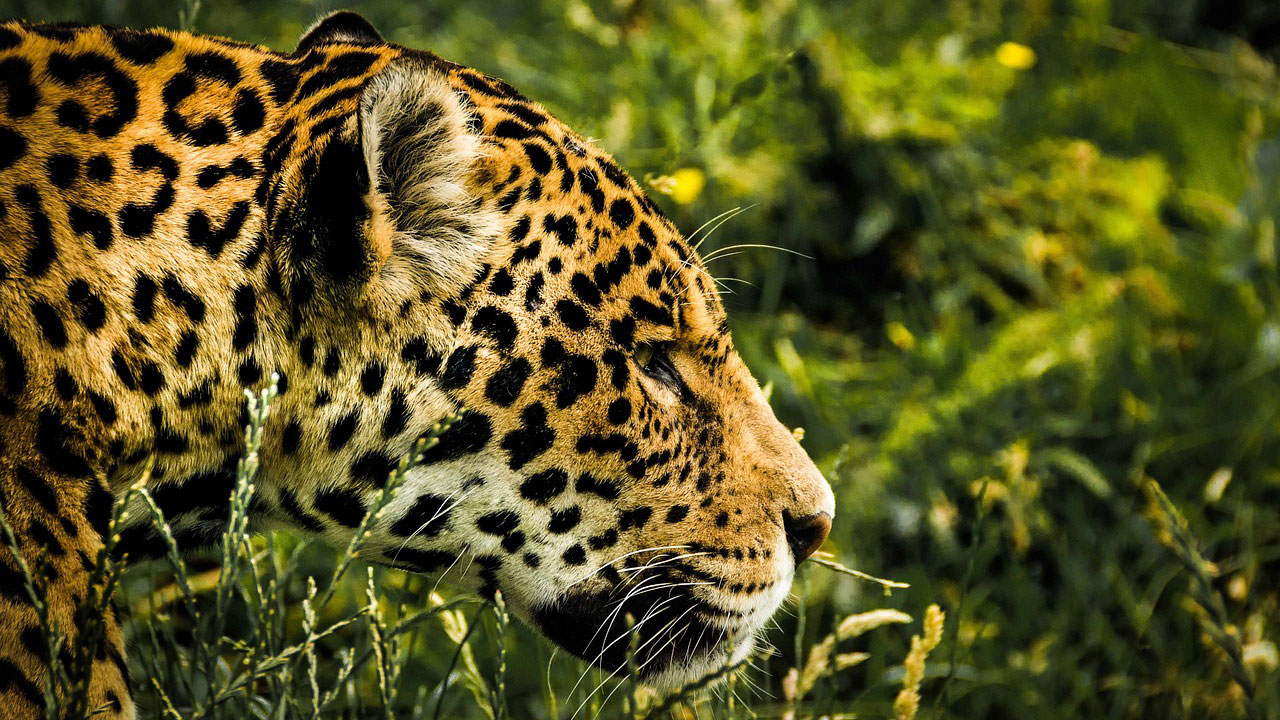
Jaguars don’t look like “surprise attackers” until you realize where they like to operate: thick jungle edges, river corridors, and areas with heavy cover. They’re built for close-range power and control, not long pursuits. They’ll use shadows and brush to close distance, then commit when the angle is right.
They’re also comfortable around water compared to many big cats, which matters because riverbanks and muddy edges are where people relax their awareness. The surprise attack is often a quick grab and bite with heavy leverage behind it. If you’re in jaguar country, the biggest mistake is moving casually along thick banks or stepping into brush to “check something out.” Stay out of the cover, keep kids close, and don’t treat dense habitat like a normal hiking trail.
Saltwater crocodile

A big saltwater croc doesn’t need to chase you. It needs you close to the edge. It stages in water you can’t read, keeps most of its body hidden, and waits for the moment you give it a clean angle. The strike is the surprise. That first hit is designed to decide everything.
People get hurt because they think they’ll see it first, or they assume shallow water means safe water. Crocs can sit in inches of water, blend into mud, and still launch fast. The other mistake is behavior that pulls you to the edge—cleaning fish, washing hands, taking photos, letting dogs roam. In croc country, the rule isn’t “be brave.” The rule is “stay back from the bank and don’t give it a reason.”
American alligator

Alligators are ambush hunters that thrive in places where people get comfortable—ponds, canals, small lakes, neighborhood water. A gator can sit still enough that it looks like a log, then hit with speed that surprises anyone who hasn’t seen it up close. The “surprise” part is the distance it can cover with a short lunge.
The other factor is habituation. A gator that’s been fed, or that’s used to humans, may not slide away when it sees you. That doesn’t mean it’s friendly. It can mean it’s comfortable being close, which is the exact opposite of what you want. Dogs are the classic trigger because a dog at the edge looks like prey. Keep space, keep pets controlled, and don’t treat the shoreline like a safe zone.
Great white shark

Great whites are built to win with surprise and power. Their approach is often from below or from the side, using speed and timing to hit when prey can’t react. You don’t get a warning growl. You get impact. That’s why people describe encounters as “it just happened.”
A lot of shark risk is situational: low visibility, seals nearby, baitfish activity, fishing pressure, and areas where predators are actively working. The surprise attack angle is amplified by water conditions—murky surf, dawn/dusk light, churned-up water. The goal isn’t panic. It’s risk control: avoid high-risk conditions, don’t swim near active bait or fishing activity, and don’t assume “I don’t see anything” means you’re alone.
Bull shark

Bull sharks are dangerous partly because they can show up where people don’t expect them—shallow water, murky water, brackish water near river mouths. That’s the surprise advantage. They can move through environments that already cut your visibility and your reaction time, then close distance quickly.
They also tend to be bold compared to some other sharks, and they can investigate aggressively if conditions are right. Murk plus movement plus noise equals a predator that can get very close before anyone realizes it. People wading in cloudy water, swimming near docks, or hanging around where fish are being cleaned are basically setting the table. If you can’t see well, assume something else can, and act like you’re not the top of the food chain in that moment.
Komodo dragon

Komodos win a lot of encounters because they don’t fight “fair.” They use ambush, a brutal bite, and then they let the situation deteriorate for the other animal. They’ll sit near trails, cover edges, or places where prey passes, then hit fast when distance is short. The surprise is the bite, and the bite is the beginning of the problem.
They also use their environment well. A komodo can come out of brush or from behind terrain in a way that feels sudden, especially to people who assume a big lizard will be slow and obvious. The danger isn’t just the initial bite—it’s what follows, including infection risk and blood loss. The right move is staying out of their space entirely. If you’re in komodo country, you don’t wander off paths or treat them like a zoo exhibit with no fence.
Rattlesnake

Rattlesnakes are designed for surprise defense. Most bites happen because someone steps close without seeing it, or puts a hand where they can’t see—woodpiles, brush, rocks, tall grass. The “rattle” isn’t a guarantee. Sometimes they don’t rattle. Sometimes you don’t hear it. Sometimes there’s wind. Sometimes you’re moving too fast.
They win with one quick strike. That’s it. No wrestling, no chase. The strike is fast, close-range, and optimized for a target that’s already within reach. The biggest mistake people make is complacency: flip-flops in snake country, walking through tall grass, stepping over logs without looking, reaching under stuff blindly. Slow down in high-risk terrain, use a light at night, and keep hands out of places you can’t see.
Copperhead

Copperheads are masters of blending in. Their camouflage is so good that the “surprise attack” is often just you stepping within inches before you realize it’s there. They don’t need to be aggressive to bite; they just need you in their strike zone. Leaf litter, dead grass, and rocky edges are perfect copperhead terrain.
A lot of copperhead bites happen around homes, too—wood stacks, brush piles, garden edges, and trails near water. People treat those areas like they’re controlled and safe, then get tagged because they stepped over a log or reached into weeds. The defense is boring but effective: boots, awareness, clearing clutter, and never sticking hands where you can’t see. Copperheads win when you assume the ground is “clear.”
Great horned owl

Owls are silent hunters, and that silence is what makes them scary up close. A great horned owl can hit without the sound cues you’d normally get from a bird. Around nesting season, some owls get territorial and will dive at people who wander too close. That’s a surprise attack that feels personal, even though it’s just defense.
The danger is talons and speed. It’s not a “peck.” It’s a fast strike that can cut and puncture, and it can happen from behind. People get hurt because they stop, look around confused, and stay in the zone. If you get buzzed, leave the area immediately, keep your head protected, and don’t linger under the nest tree. The owl is doing its job, and your job is not giving it another run.
Northern pike

Pike are ambush predators that hide in weeds and structure and hit hard at close range. In clear water, you might spot them. In murky water or heavy weeds, the strike can feel like it came from nowhere. A big pike doesn’t nibble. It commits, clamps down, and thrashes.
Most “surprise” problems with pike happen when people are wading, landing fish, or handling them casually. They’ve got teeth designed to hold slippery prey, and those teeth do fine on human fingers too. If you fish pike water, handle them like they can still bite even when they’re tired. Use the right tools, control the head, and don’t put your hands in places that assume the fish is “done.”
Black widow spider

Black widows don’t chase. They win by being hidden where people put hands without thinking—gloves, boots, woodpiles, sheds, dark corners, under furniture, around old equipment. The “surprise attack” is a defensive bite when you press into them, and many people never see the spider at all.
The key is that they’re common around human spaces, which makes the surprise more likely. Folks reach under something, grab a board, shove a hand into a glove that’s been sitting, and get bit. Most bites aren’t because someone was messing with spiders for fun. It’s basic negligence around storage and clutter. Shake out gear, wear gloves when handling old junk, and don’t stick bare hands into blind spaces.
Bark scorpion

If you’ve never dealt with bark scorpions, the surprise factor is what gets people. They hide in places that feel “inside safe”—shoes, clothes piles, bedding, under towels, behind baseboards. They can climb, they can fit into tight spaces, and they don’t need much provocation to sting when pressed.
The other reason they win with surprise is nighttime. Scorpions are more active after dark, and people step on them barefoot, or reach down without looking. A sting is fast, painful, and can be serious for kids, older folks, or anyone with sensitivities. The fix is basic habits: don’t leave shoes on the floor in scorpion areas, shake out clothing, use a light at night, and keep clutter down where they like to hide.
Stonefish

Stonefish are the ultimate “you never saw it” animal. They look like part of the bottom—rocks, coral, debris—and people step on them in shallow water without realizing they’re alive. Then the spines do what they’re built to do. The sting can be brutally painful and medically serious.
This is one of those surprise attacks that’s completely preventable with one habit: don’t shuffle barefoot through unknown shallows. Wear proper water shoes in rocky or reefy areas, watch where you step, and don’t assume clear water means safe footing. Stonefish don’t need to chase or threaten. They win because they’re invisible until the moment you put weight on them, and by then the lesson is already
Like The Avid Outdoorsman’s content? Subscribe to our newsletter so you never miss an article.
Here’s more from us: