
Photo credit: DawidSliwka/Pixabay.com
Most people start out thinking chicken predators are pretty simple. They picture a fox sneaking around at dusk or a coyote sniffing the fence line at night, and that is about as far as the thought goes. Then the losses start. Eggs disappear. A hen turns up half-eaten. Feathers are scattered everywhere. Something pulls a bird through wire. Something digs under the coop. Something climbs in from the top. That is usually the point where people realize the predator list is a whole lot longer than they wanted it to be.
The hard part is that coop predators do not all work the same way. Some kill clean and carry birds off. Some kill more than they can eat. Some are after eggs and chicks more than grown hens. Some come by day. Some come after dark. Some are strong enough to rip weak wire apart, and some are small enough to slip through an opening you never thought mattered. These are 15 predators that hit chicken coops harder than people expect, especially once they figure out your setup is easy.
Raccoon

Raccoons are one of the worst chicken predators a person can deal with because they are smart, strong, and good with their hands. A weak latch, a loose board, or cheap wire is all an invitation to them. Once they know birds are inside, they will keep coming back and testing the coop until they find a way in.
What makes raccoons especially ugly is the kind of damage they do. They do not always carry birds off neatly. Sometimes they kill birds through wire or leave a gruesome mess behind. That is why people who lose chickens to raccoons usually stop underestimating them real fast. They are not just nighttime scavengers. Around a bad coop, they are professional thieves with patience.
Fox

Foxes get a lot of the blame in chicken losses, and plenty of the time they deserve it. They are quiet, quick, and very good at finding weak points in a setup. A fox usually does not need much opportunity. If birds are loose too late, fencing is sloppy, or the coop is not secured well at ground level, foxes can make use of that in a hurry.
The reason foxes hit harder than people expect is that they do not have to be a constant presence to cause real damage. One good visit can wipe out multiple birds. On smaller homesteads, that can feel like a disaster overnight. People often think of foxes as almost delicate-looking, but that image goes out the window once they start treating your flock like a grocery stop.
Coyote

Coyotes are more of a problem than some chicken owners realize because they are not just predators of bigger animals. They will absolutely take chickens when given the chance, especially where birds free-range or where fencing is weak. A coyote does not need much time to do damage, and if it finds an easy meal once, it is likely to check back again.
What makes coyotes tough is how adaptable they are. They work open ground, timber edges, brushy ditches, and even areas close to houses. On rural land, they can circle a coop without much trouble and wait for the exact weak moment. People sometimes focus so much on foxes and raccoons that they forget a coyote can wipe out a backyard flock just as fast if the setup is exposed.
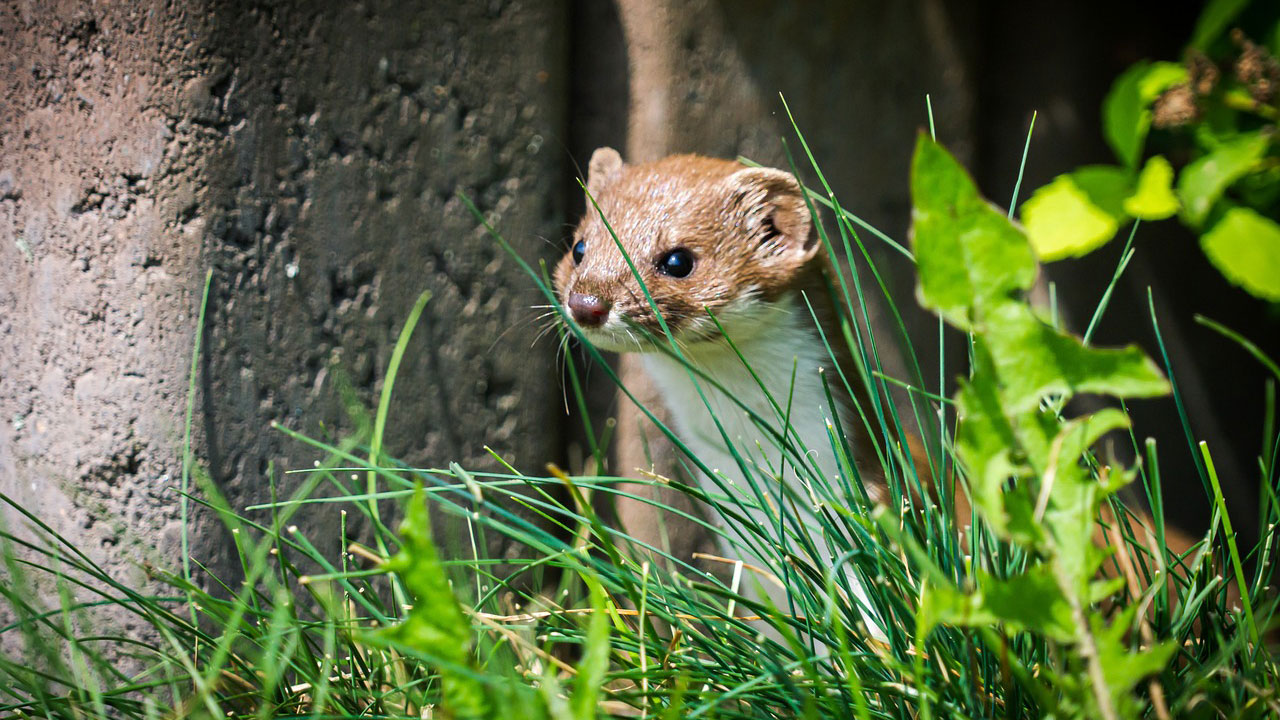
Weasel

Weasels are nightmares in a chicken setup because they are small enough to get in where bigger predators cannot. People build a coop strong enough to stop a dog or fox, then lose birds anyway because something tiny slipped through a gap near the floor, roofline, or door frame. That something is often a weasel.
What makes weasels so memorable is the damage pattern. They can kill multiple birds in a single visit, and because they are so small, people sometimes have trouble believing an animal that size could do that much harm. But once a weasel gets inside, the flock is trapped and the predator has every advantage. It is one of the most brutal coop problems a person can have.
Mink

Mink are another small predator that hit way above their size. Around water, creeks, ponds, or wet country, they can be serious trouble for poultry. Like weasels, they are fast, flexible, and able to squeeze through openings that do not look like much to a human. That makes them easy to overlook until birds start dying.
Mink also have the kind of killing style that makes people think something much bigger got in. They can wipe out several birds at once in a tight space, and the flock rarely has any chance to escape. On properties near water, they deserve a lot more suspicion than they usually get. A person can spend weeks blaming raccoons or foxes when the real killer is much smaller and slipperier.
Skunk

Skunks are easy to underestimate because people think of them mainly as smelly nuisances. Around chickens, though, they can be more than that. They are well known for stealing eggs and can also kill chicks or smaller birds when they find an easy opening. A low hole, loose board, or poorly secured nesting area can make a coop very attractive to them.
The trouble with skunks is that they often start small. A missing egg here, a broken egg there, maybe one chick gone. Then the visits keep happening because nothing stopped them. They are not always the most dramatic predator on the place, but they can steadily weaken a flock’s productivity and turn a secure-looking coop into an all-you-can-eat stop if you let them.
Opossum

Opossums get defended a lot because they eat bugs and seem harmless compared with bigger predators, but they can still be hard on a chicken coop. They are opportunists. If eggs are easy to reach or small birds are vulnerable, they are not above taking advantage of it. That matters more than people think, especially in coops that are secure in theory but sloppy in the details.
They usually are not the top killer on the list, but that is exactly why people overlook them. They can keep coming around, stealing eggs, harassing birds, and taking chicks without ever creating the kind of dramatic scene a fox or raccoon does. On a small flock, those slow, repeated losses add up, and they can be every bit as frustrating as one big overnight massacre.
Hawk

Hawks are a bigger threat than many chicken owners expect because they hit in broad daylight. A lot of people focus all their coop security on nighttime predators, then let birds free-range under open sky with no real cover. That works fine until a hawk figures it out. Smaller hens, pullets, chicks, and bantams are especially vulnerable.
The reason hawks feel so unfair is that they can strike fast and be gone before anyone notices. There is no digging under the fence, no rattling latch, and no obvious warning. If your birds are exposed during the day, a hawk can turn a peaceful yard into a kill site in seconds. Good overhead cover matters a lot more than many people realize.
Owl

Owls do to night security what hawks do to daytime security. People think the birds are safe once they are back in the coop, but that depends entirely on how secure the coop really is. If birds are roosting in an open run, flimsy tractor, or gap-filled structure, owls can still get to them. Smaller birds are especially at risk.
Owls are also easy to miss because they work quietly. A nighttime bird loss gets blamed on raccoons, possums, or foxes first, but a large owl can do damage without leaving the kind of sign people expect. If the roosting area is exposed and overhead access is possible, owls can turn a “closed up” flock into easy prey faster than many owners think.
Dog

Loose dogs are one of the most destructive predators chickens face, and people often do not take that seriously enough because the animal is familiar. But familiarity does not make it safer. A dog that gets into birds can do terrible damage, often killing more than it would ever eat. That overkill is one of the reasons dog attacks are so upsetting.
The other problem is that dogs often get access through ordinary mistakes. A gate left open, a weak fence panel, a visitor’s pet loose for a few minutes, or a neighborhood dog roaming farther than usual can be enough. Chicken owners tend to spend a lot of time watching for wild predators while a domestic one does some of the worst damage on the place.
Bobcat

Bobcats are not the first thing many people think about with chicken losses, but where they live, they can absolutely be part of the problem. A bobcat is strong enough to take full-grown birds and stealthy enough to do it without turning the whole place upside down. If your coop or run is poorly secured, especially in brushy or wooded country, a bobcat can make use of it.
What makes bobcats harder to spot in the pattern is that they do not always leave the same kind of mess other predators do. Sometimes birds are just gone. On land where people already have rabbits, quail, or small stock drawing bobcats in, chickens can become part of that same menu. They are not the most common coop predator everywhere, but they are more real than people think.
Snake
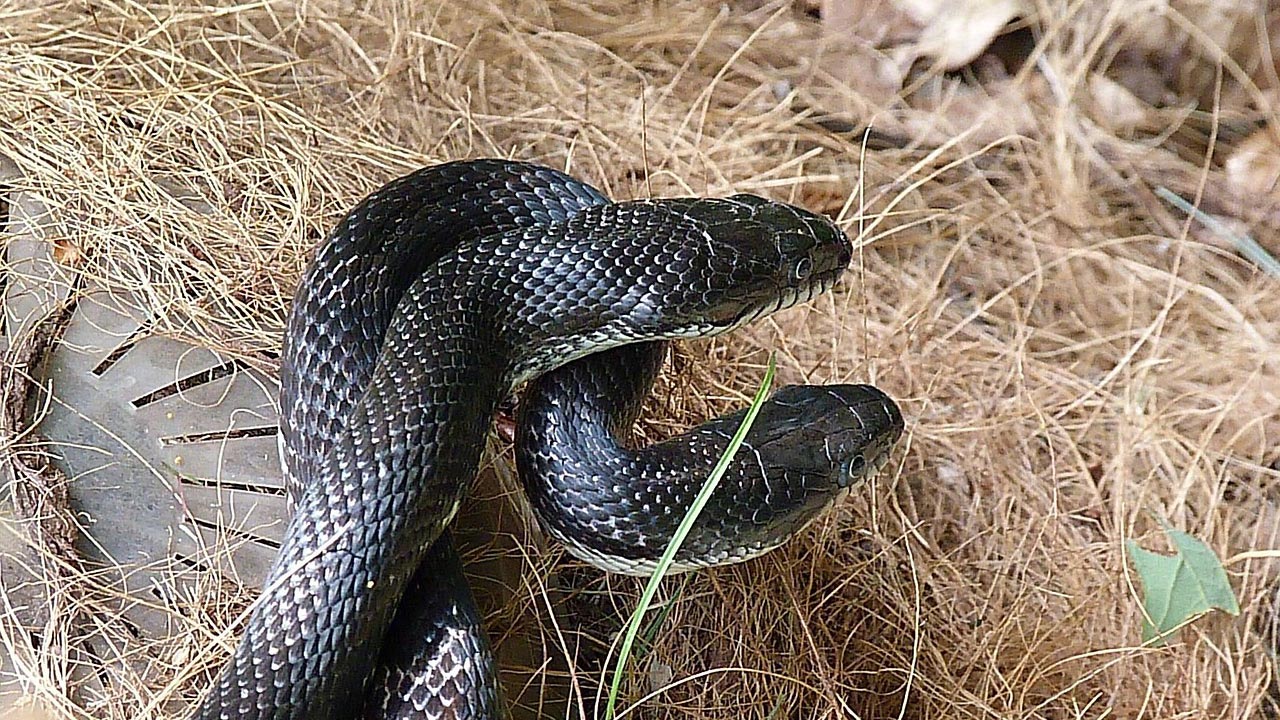
Snakes are not usually the animal wiping out grown hens, but they can still hit a chicken setup hard if eggs or chicks are involved. Once a snake finds a nesting area or brooder space, it may keep coming back as long as the access stays easy. That can turn into a steady drain on production even if the flock itself looks mostly fine.
The reason snakes matter so much is that they exploit details people ignore. Small gaps, warm corners, feed rooms, and nesting boxes all make good targets. Someone may blame hens for not laying or think eggs are getting broken when the real issue is something slipping in and swallowing them whole. Around small birds and eggs, snakes deserve more suspicion than they usually get.
Rat
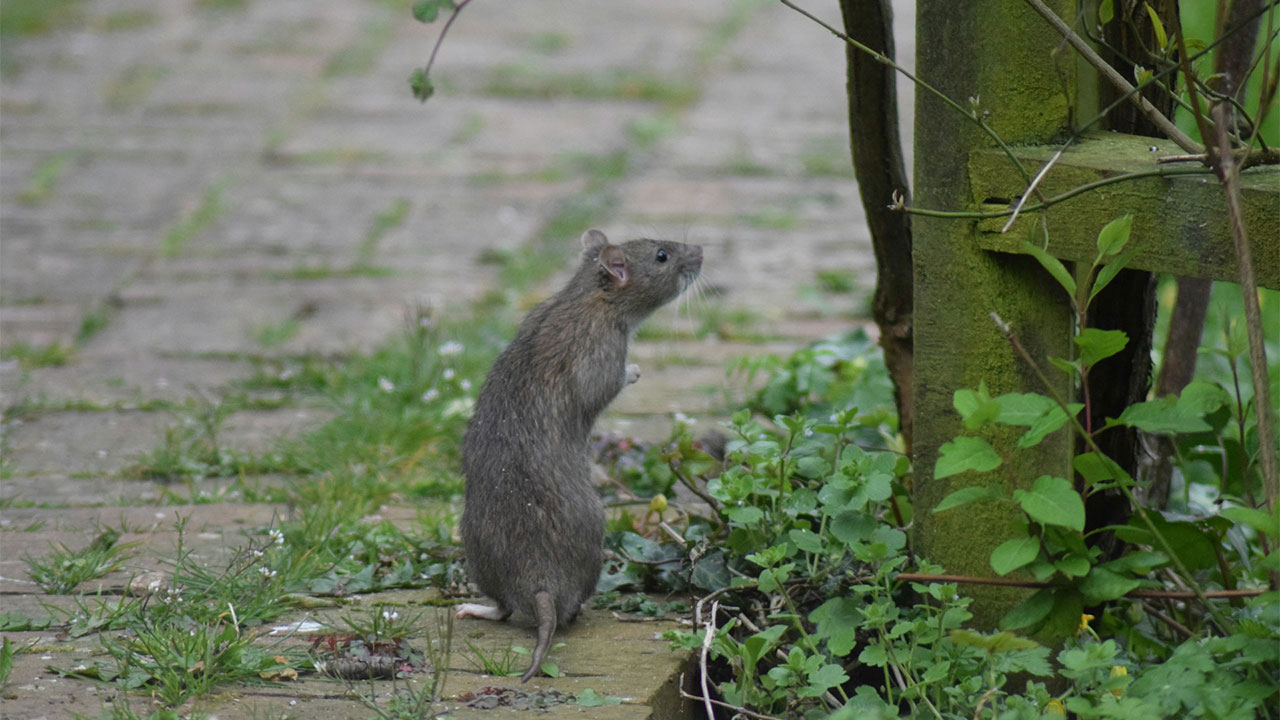
Rats rarely get treated as “serious” chicken predators, but they can be brutal on eggs and chicks. They are also one of the easiest coop problems to accidentally support because spilled feed, clutter, and poor storage make them feel at home fast. Once they get established, they are hard to run off completely.
What makes rats so damaging is that they hit from the inside out. They eat feed, steal eggs, kill chicks, contaminate surfaces, and attract even bigger predators. That last part matters a lot. A rat problem does not just hurt your flock directly. It can help create a full-blown predator problem by drawing snakes, raccoons, and other hunters into the area too.
Feral cat

Feral cats are usually more of a chick and juvenile bird problem than a full-grown hen problem, but that still matters a lot on smaller setups. If you hatch birds, brood chicks, or keep lighter breeds, a cat can do more harm than people think. They are quiet, patient, and common enough that many owners stop seeing them as a real threat.
That is a mistake, especially when small birds are involved. A cat does not need a major opening to cause trouble, and it may not leave dramatic evidence behind. People are often more willing to excuse cats because they are familiar animals, but a hungry or feral cat around a chicken yard is still a predator. The birds do not care whether the danger is wild or not.
Human thief

It sounds strange to end with this one, but human theft is more real than a lot of coop owners want to admit. Fancy breeds, laying hens, roosters, and even eggs can all walk off if the setup is visible and easy to access. A coop that is secure against wildlife but open to anybody passing by is not truly secure.
This matters most for rural roadside setups, visible backyard flocks, and properties where birds are easy to reach from a drive or path. People tend to think almost entirely in terms of animal predators, but sometimes the thing hitting the coop hardest is a person who knows exactly what is valuable and how easy it is to take. It is not the most common threat everywhere, but it is real enough to deserve a spot.
Like The Avid Outdoorsman’s content? Subscribe to our newsletter so you never miss an article.
Here’s more from us:


