Photo credit: David Kanigan/Pexels.com
Turkey hunting pressure has gone up in a lot of places, but pressure alone doesn’t tell you what the birds are doing. What matters is brood success, nesting conditions, habitat, and how conservative the seasons are when the data starts sliding. A bunch of states have tightened frameworks, leaned on brood surveys, and adjusted timing to protect the resource, and in those places you’ll still find solid numbers if you hunt smart. This list isn’t “where it’s easiest.” It’s where the overall picture looks stable enough that you’re not walking into a straight-up decline situation—and where you can still expect to hear gobbles if you put the time in. (And yes, some of these states are stable statewide, and some are stable in a lot of units but not all—because that’s the truth on turkeys.)
Indiana

Indiana is one of the cleaner examples of “steady even with pressure” because the long-term trend has stayed stable for about a decade, even though yearly harvest can spike when conditions line up. A lot of hunters saw big numbers recently and assumed it meant a boom, but the state’s own messaging has treated it more like a stable base with occasional good years when food and nesting success cooperate.
From a hunting standpoint, a stable state like this rewards the guys who stay disciplined. You can’t expect the same bird to keep playing the same game after opening week. If you hunt public, you’ll do better treating it like pressure management—midweek sits, quieter movement, and being willing to relocate when you realize you’re hunting people more than turkeys.
Illinois
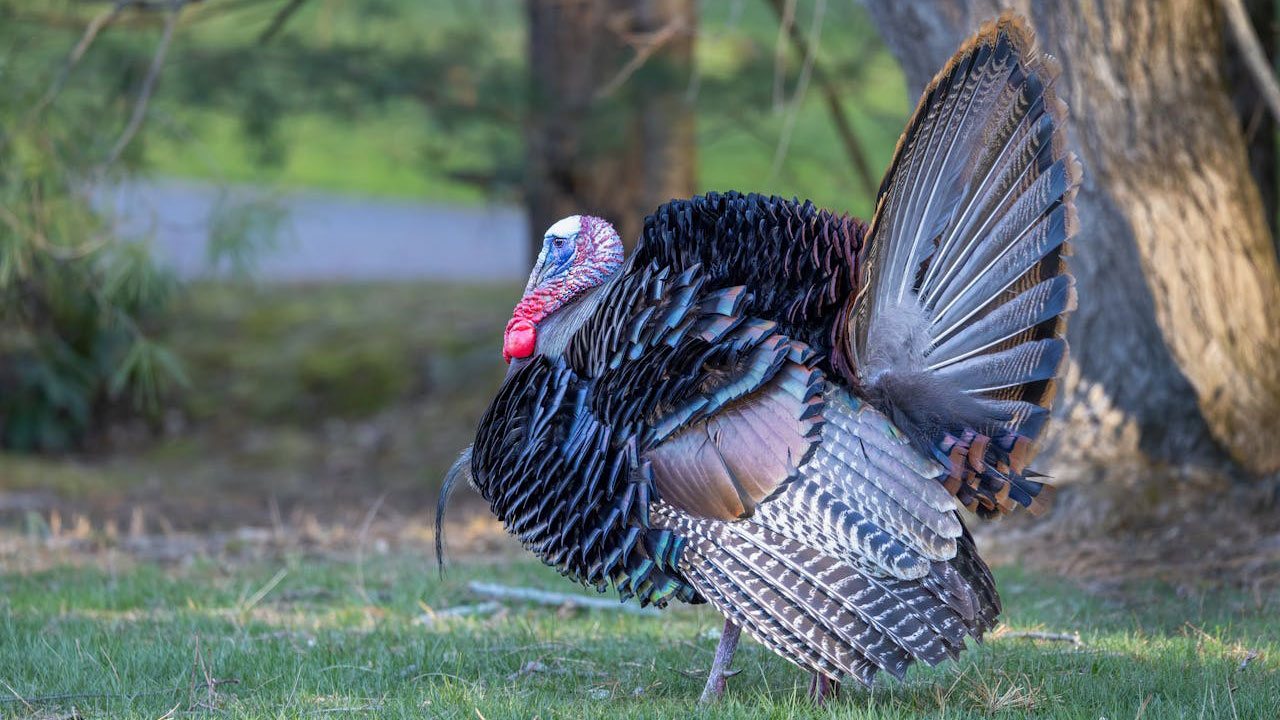
Illinois is a state where the signal has been surprisingly positive lately, and that matters when a lot of the country is complaining about silence. The state has pointed to multiple straight years of steady-to-improving reproductive success, and harvest has reflected that. That’s not a promise every county is on fire, but it does mean the foundation isn’t crumbling under normal pressure.
In practical terms, Illinois can still feel “tough” because plenty of hunters show up, but stable reproduction gives you more second chances. You’ll still run into birds that go quiet fast, but you’re less likely to spend the whole season wondering if the woods are empty. Focus on mid-morning setups and avoid hammering the same roost areas day after day.
Kentucky
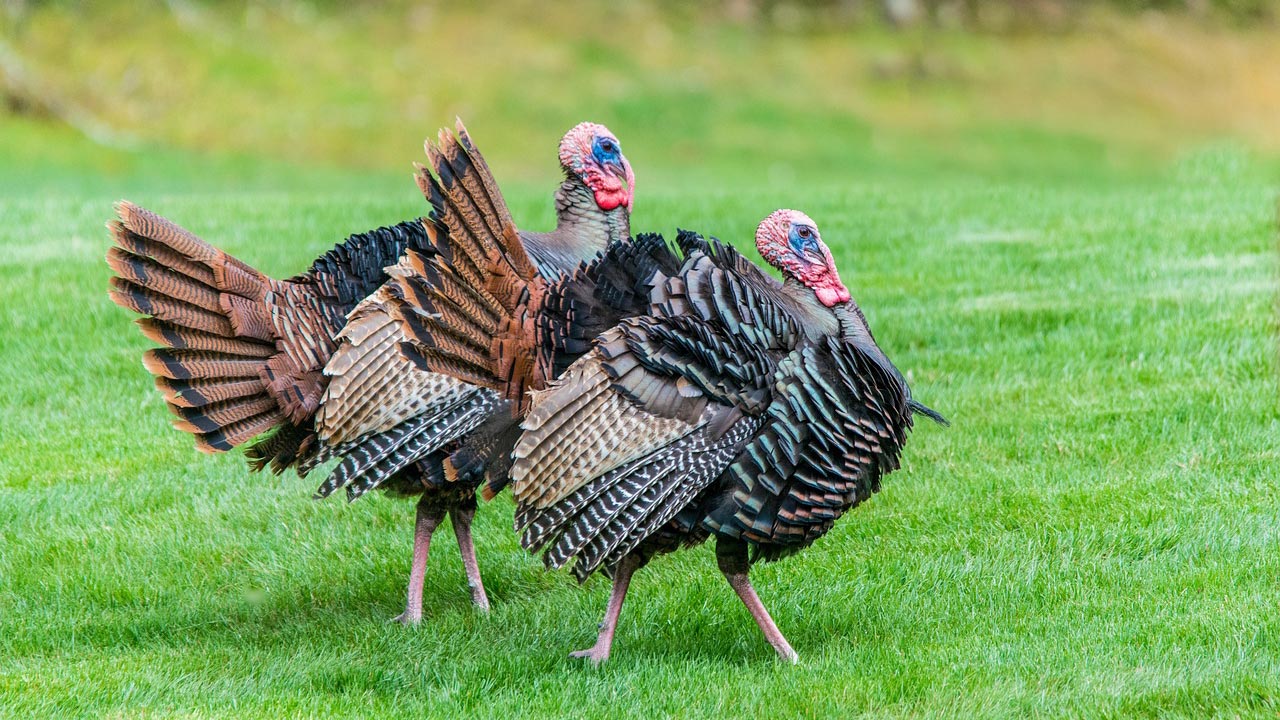
Kentucky has stayed in the conversation because the harvest has been strong and recent hatches have been better than what people got used to in the down years. The state has acknowledged broader decline concerns, but also credited improved hatches and conditions for a noticeable harvest bump—basically, the kind of “holding its own” trend hunters care about right now.
Kentucky’s pressure problem is real on accessible ground, so the move is to hunt like a local even if you aren’t one. Get away from easy parking, don’t call like you’re trying to win a contest, and be ready to ambush travel corridors instead of expecting long-distance gobbling all morning. If you can hunt weekdays, do it—Kentucky birds learn fast on weekends.
Rhode Island
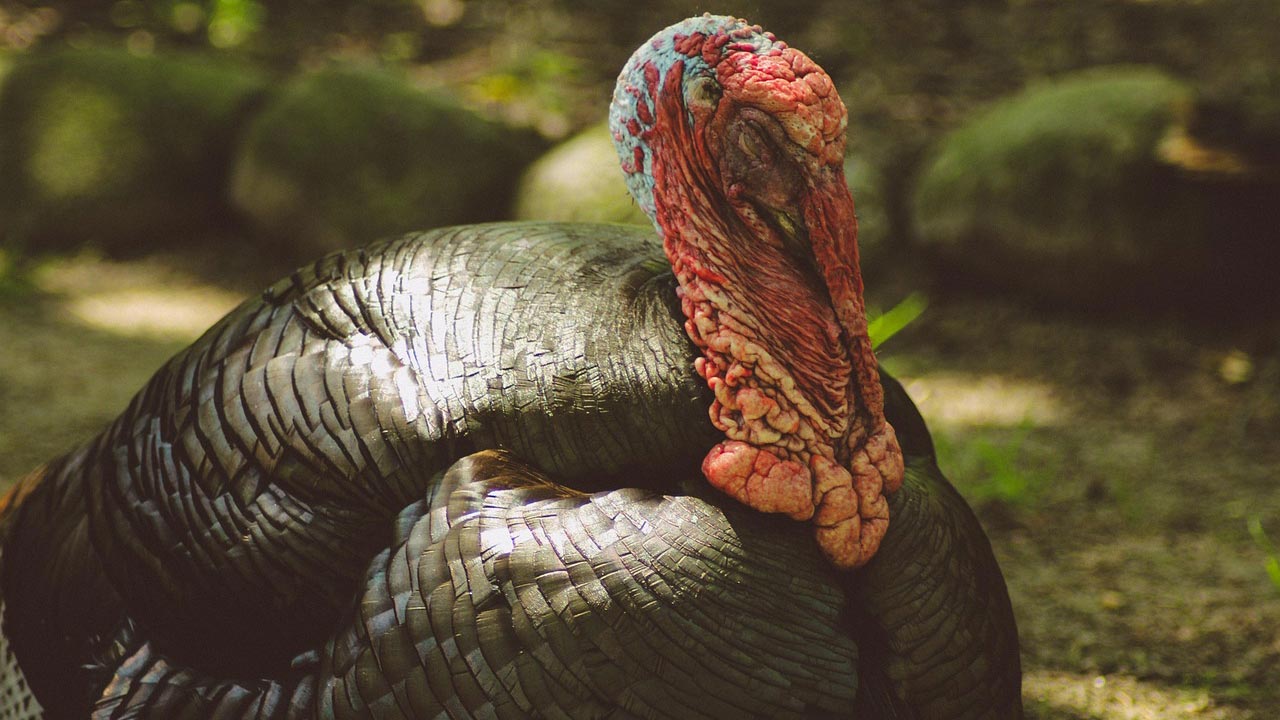
Rhode Island is small, but it’s one of the rare places where stability has been stated plainly: stable population indicators, stable 10-year trends, and an expectation that harvest would track similarly across recent seasons. That kind of language matters because agencies don’t usually say “stable” unless the surveys are backing it up.
The catch is that a small state gets “pressured” quickly, especially near public access. You’re hunting educated birds early, not late. If you treat Rhode Island like a big-woods state and roam, you’ll burn time. You do better picking a tight zone, learning where birds want to cross, and keeping calling minimal once you know a tom has heard every box call in the county.
Texas

Texas is a different turkey world because you’ve got multiple subspecies situations and totally different regions that don’t behave the same. But what helps Texas make this list is that the state has recently signaled strong carryover in age classes and good expectations for gobbler availability in at least some zones, which is exactly what “holding steady” looks like when hunting pressure stays high.
The mistake in Texas is thinking you can hunt every county the same way. In places where birds are stable, it’s usually because the habitat and land access support them. So don’t waste prime mornings running roads and hoping. Lock down permission, scout for tracks and dusting areas, and hunt like you’re after one specific bird—not “a turkey somewhere out there.”
Oklahoma

Oklahoma has been one of those states where reports often land in the “stable to slightly improving” range depending on region, which is exactly the kind of middle-ground stability hunters want right now. When a wildlife agency is describing numbers that way, it usually means the state isn’t seeing a broad collapse, even though pockets can be up or down.
Pressure still changes behavior fast, especially on public and around easy access points. The play in Oklahoma is to treat day one like day ten—assume birds will shut up, assume they’ll drift away from roads, and plan to sit where they want to travel instead of trying to call them across the world. If you can slip in tight and call soft, Oklahoma birds are still very killable.
Mississippi

Mississippi has been getting talked about because recent seasons have looked better than the low stretch a lot of hunters remember from the 2010s. When state-level commentary is basically saying “we’re in a better place now than we were for a long time,” that’s the definition of stable momentum—even if it isn’t a guaranteed banner year every spring.
What that means for hunters is simple: don’t waste the opportunity by hunting sloppy. Pressure is still pressure, and birds still react the same way—less gobbling, more circling, and more silent hens dragging them off. Hunt transitions, hunt strut zones, and don’t be afraid to set up early and let the woods settle before you make a peep.
Maine

Maine belongs here because the harvest trend and recent totals have stayed strong enough to signal a stable base, not a collapse. When a state is posting one of its best spring harvest years and keeping multi-year averages in the same neighborhood, that’s the kind of steadiness hunters notice on the ground.
The Maine angle is that stable doesn’t mean easy. Terrain and visibility make birds hard to pin down, and pressure on obvious access points can be intense. You do better by hunting edges where hardwoods meet cover, listening more than calling, and moving only when you have a reason. Maine birds will still answer, but they’re not going to carry on like a Southern river-bottom turkey all morning.
Tennessee

Tennessee stays relevant because it maintains a large turkey footprint and a culture that keeps pressure heavy every spring. But stable turkey states often look like this: big populations, big participation, and seasons that are continuously managed based on reporting and surveys. The numbers can swing by year, but Tennessee still consistently produces birds and opportunity across a wide spread of ground.
For hunting success under pressure, the Tennessee move is to stop trying to “work” every gobble. Pick a bird, cut distance carefully, then set up and wait him out. A lot of Tennessee hunters lose birds by calling too much once they’re inside 150 yards. If you get a response, make him look for you. Patience kills more Tennessee gobblers than fancy calling does.
Iowa

Iowa can be uneven, but it still holds steady overall in the places that have always produced—especially the eastern third and the core riparian and timber pockets. When a state’s own language describes variability rather than decline, that’s usually a sign it’s still functioning as a turkey state, just not uniformly across every county.
The pressure piece in Iowa is that the good areas aren’t a secret, so you’ll run into crowds. The fix is being realistic about where turkeys actually live. Don’t waste time in open country expecting miracles. Hunt timber corridors, creek bottoms, and those hidden pockets near agriculture that give birds both cover and groceries. You can still have a great season in Iowa—if you hunt the right parts of it.
Idaho

Idaho’s turkey scene is one of those that stays steady because it’s spread out and often tied to specific habitat corridors. When the state is still pegging a meaningful population estimate and producing solid annual harvest, that’s a sign the base isn’t falling out, even with growing interest and pressure.
The hunting reality is Idaho turkeys don’t tolerate sloppy access. You bump them off a ridge or blow up a roost and you might not see them again for days. So you hunt Idaho by glassing, scouting sign, and setting up where you can control your approach. Less calling, better setups, and being willing to sit longer is what keeps Idaho “steady” for hunters who do it right.
Pennsylvania

Pennsylvania is a good example of why “steady” can be true even when everyone has an opinion. Some units are stable, some move up, and some slide—so the state’s stability is more of a patchwork than a single statewide statement. But that’s still different from a state that’s plainly trending down across the board.
If you hunt PA, you already know pressure is part of the deal. The best tactic shift is to hunt turkey travel like you’re bowhunting: identify where they want to walk, set up ahead of them, and call only enough to keep their interest. In pressured Pennsylvania woods, the birds that die are usually killed by hunters who stay quiet and let the terrain do the work.
South Dakota

South Dakota’s turkey situation is split between prairie units and the Black Hills, and that matters because pressure and habitat are totally different. But South Dakota continues to run structured opportunities with clear unit systems and consistent participation, which usually aligns with a turkey resource that’s being actively managed rather than collapsing under pressure.
The way you keep success high in South Dakota is hunting “where birds can live” instead of “where you want to hunt.” In dry or open prairie areas, turkeys cling to shelterbelts, creeks, and pockets of cover. In the Hills, pressure can be heavy, so you win by hiking farther than the next guy and getting set before daylight. Stable birds still don’t forgive lazy access.
Massachusetts

Massachusetts stays on the list because it still supports a meaningful turkey population and regular harvest levels in a state that sees plenty of outdoor pressure and limited space. In states like this, stability often comes from turkeys being adaptable and agencies maintaining conservative season frameworks when needed.
The hunting angle in Mass is that a lot of birds live close to people, and those birds get educated fast. So the best move is hunting “quiet corners” of public, odd buffers, and spots most guys don’t want to bother with. Keep your calling realistic, don’t overmove, and be ready for silent approaches. In pressured New England states, the tom that shows up often shows up without warning.
Maryland

Maryland belongs here because it maintains a steady turkey presence and consistent harvest reporting in a smaller, heavily pressured landscape. When a state can keep that going year after year, it usually means the turkey base is stable enough to support continued opportunity—especially when managers are leaning into monitoring and banding work to keep tabs on trends.
For hunters, Maryland is a “details state.” You’re not getting endless gobbling across big timber. You’re hunting small woods, ag edges, and pressured birds that have heard it all. The guys who kill consistently are the ones who scout roost zones quietly, set up tight, and call like a real hen—not like a guy trying to force a bird to do something he doesn’t want to do.
Like The Avid Outdoorsman’s content? Subscribe to our newsletter so you never miss an article.
Here’s more from us: