Photo credit: Simun Galic/Shutterstock.com
Some cartridges look flawless on paper. They post impressive velocity numbers, advertise cutting-edge bullets, and show perfect expansion in gelatin tests. But real-world hunting doesn’t happen in a lab—it happens through hide, ribs, and shoulder bone. That’s where certain rounds fall apart, literally. They might mushroom too early, break apart on impact, or fail to penetrate deep enough to reach vitals.
These are the cartridges that talk a big game but often leave hunters tracking wounded animals longer than anyone wants to admit. If you’ve spent time in the field, you’ve probably seen one or two of these rounds make a loud statement—then crumble when things get real.
6.5 Creedmoor

The 6.5 Creedmoor earned its fame for accuracy, and it deserves that part. But when it comes to heavy-boned game, it’s not nearly as impressive as the internet makes it sound. Its sleek bullets expand beautifully in gel, but when they hit thick shoulders or ribs, they sometimes fragment before they get deep enough to matter.
Plenty of hunters have learned that lesson the hard way—perfect shot placement that still leads to long tracking jobs. On smaller deer or pronghorn, it’s deadly efficient, but when you move up to elk or bear, the Creedmoor’s mild velocity and lighter bullet weights start to show their limits. It’s a precision round built for range work, not a bone-breaker in the backcountry.
.243 Winchester

The .243 has probably dropped more deer than any “starter” caliber in America, but it’s also lost plenty when bone gets in the way. Light bullets traveling fast can be spectacular on thin-skinned game, but they’re notorious for shallow penetration on shoulder hits. A 100-grain soft point can come apart before it even reaches the vitals.
When things go right, the .243 performs beautifully—flat shooting, light recoil, and easy accuracy. But hit a heavy rib or the on-side shoulder, and you’ll see what happens when fragile bullet construction meets tough anatomy. It’s a fine caliber for youth hunters or precise shooters, but it’s not a round that forgives imperfect angles. Bone turns that high-velocity impact into confetti fast.
.22-250 Remington

Few cartridges scream “speed kills” louder than the .22-250, and at the range, it’s a tack driver. But when you try to make it a deer or hog round, it falls short fast. The lightweight .224 bullets—often designed for varmint work—simply don’t hold together when they meet bone. The jacket shatters, the core disintegrates, and penetration stops before it starts.
A neck or heart shot might drop a deer cleanly, but the second you clip a shoulder, it’s a different story. Hunters love the flat trajectory, but ballistic charts can’t tell you how it handles a big whitetail’s shoulder blade. It’s a round meant for coyotes and groundhogs, not heavy game. When bone gets involved, the .22-250’s energy turns into fragmentation, not penetration.
.300 Blackout

The .300 Blackout has a loyal following, especially among those who hunt with AR platforms. But it was designed for short barrels and suppressed fire, not bone-busting penetration. When you push it on larger animals, even with supersonic loads, it starts to show its weaknesses.
Energy drops off quickly beyond 150 yards, and many bullets designed for subsonic use fail to expand properly at longer distances. Hit shoulder bone at those speeds and you’re more likely to see jacket separation than a clean pass-through. The Blackout shines in tactical or hog setups under 100 yards, but when you hit real structure, it can lose its punch. On paper it looks versatile; in practice, it’s often marginal when bone gets involved.
.25-06 Remington

The .25-06 has plenty of speed but not enough bullet weight to guarantee reliable bone-breaking performance. It’s one of those cartridges that looks perfect on charts—flat shooting, fast, and accurate—but that same speed can turn thin-jacketed bullets into dust on impact. Hit soft tissue and you’re golden. Hit shoulder, and you’re digging fragments out of meat.
Heavier 120-grain bullets can perform better, but most hunters using this caliber lean toward lighter, faster loads. That’s where it gets unpredictable. The .25-06 is fantastic on pronghorn and deer when placement is perfect, but it can’t muscle through a quartering shot on an elk or black bear. It looks like a long-range all-rounder, but against bone, it’s more bark than bite.
7mm-08 Remington
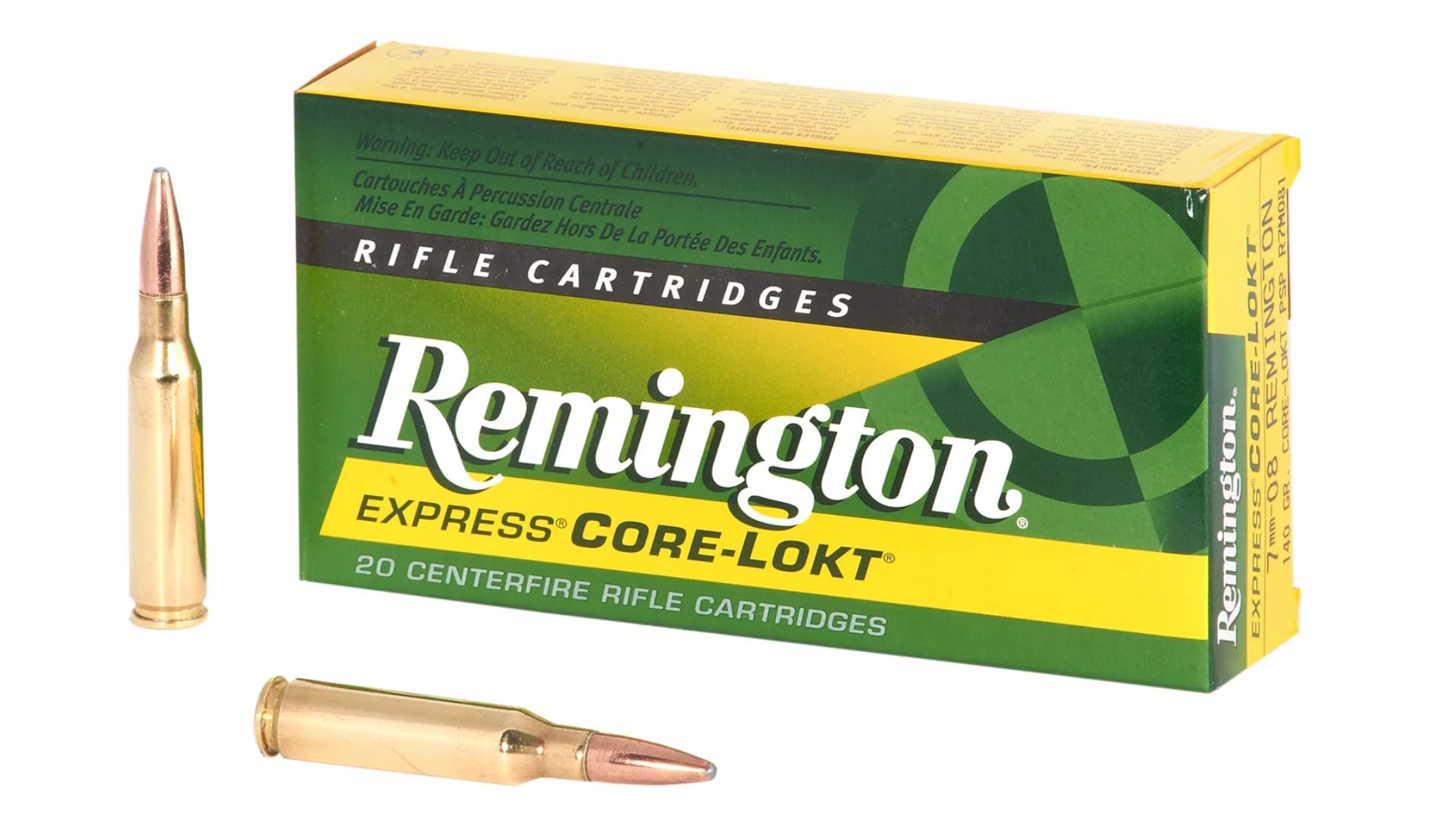
The 7mm-08 sits in a strange middle ground. It has respectable ballistics and a good reputation for accuracy, but its performance on bone depends entirely on bullet choice. Many factory loads feature thin-skinned ballistic tips that work great on broadside deer—until they meet bone. At that point, the projectile can open too fast and shed weight instead of driving deep.
For broadside shots, it’s smooth and efficient. But when you face quartering angles or thicker game, it can lose steam quickly. Hunters who rely on it for elk or hogs often see inconsistent wound channels. It’s a good round in careful hands, but its on-paper numbers promise more penetration than it usually delivers in bone-crunching scenarios.
.257 Weatherby Magnum

The .257 Weatherby Magnum looks like a laser beam on the charts—insanely fast, flat trajectory, and heavy-hitting energy. But that velocity comes at a price. When those small-diameter bullets hit bone at close range, they often explode rather than drive through. The result is massive surface trauma and poor penetration.
Plenty of hunters love it for open-country deer or antelope, and it excels there. But once you move into thicker game or take a steep-angled shot, it loses its edge. The speed that makes it shine in the plains makes it fragile in the woods. If bone gets in the way, the .257 Weatherby’s reputation for speed turns into an argument for restraint.
6mm Creedmoor
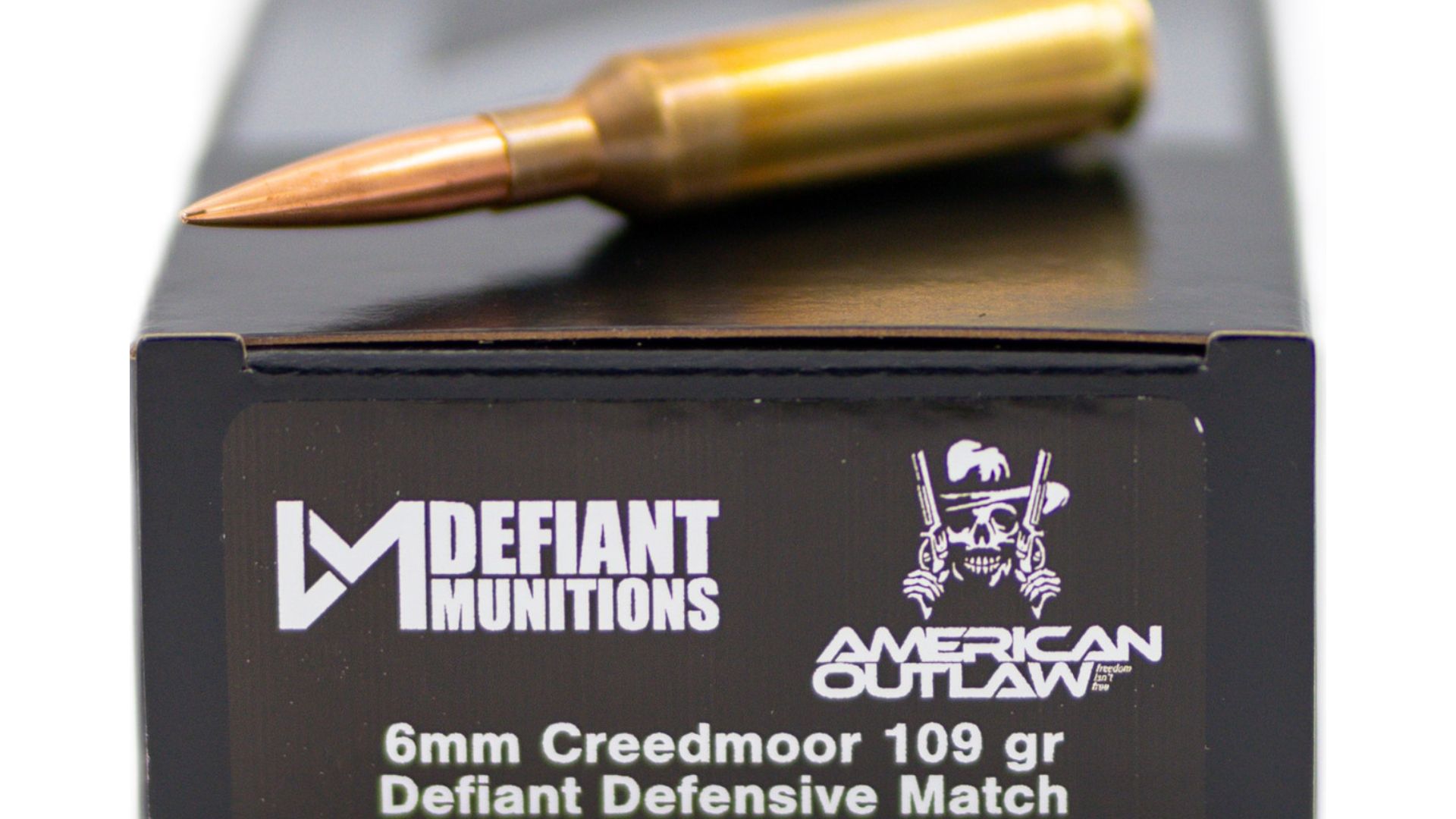
The 6mm Creedmoor was built for competition and adapted for hunting, but not all its match-grade bullets translate well to the field. They fragment impressively on soft tissue but have a hard time staying together when bone enters the equation. At high velocities, the jacket-core separation is a recurring issue.
Shooters love how flat and accurate it is, but for hunters chasing big-bodied game, it’s less reliable. It performs beautifully on varmints and smaller deer, but once you push it beyond its design intent, results get messy. Gel tests don’t show ribs or shoulder plates, and that’s where the 6mm Creedmoor struggles most.
.30 Carbine

The .30 Carbine round has a long history but limited modern use for hunting. It was designed for light recoil and close-quarters use, not deep penetration. Against heavy bone, it simply doesn’t have the mass or velocity to do much. Expandable soft points tend to deform quickly and stop short of the vitals, especially on hogs or deer.
Plenty of nostalgic shooters still take it out for fun, but its terminal performance has clear limits. At short range and perfect angles, it can work—but you can’t count on it if the shot isn’t ideal. It’s one of those cartridges that feels capable until it hits bone and reminds you it’s not a real rifle round.
.22 Hornet
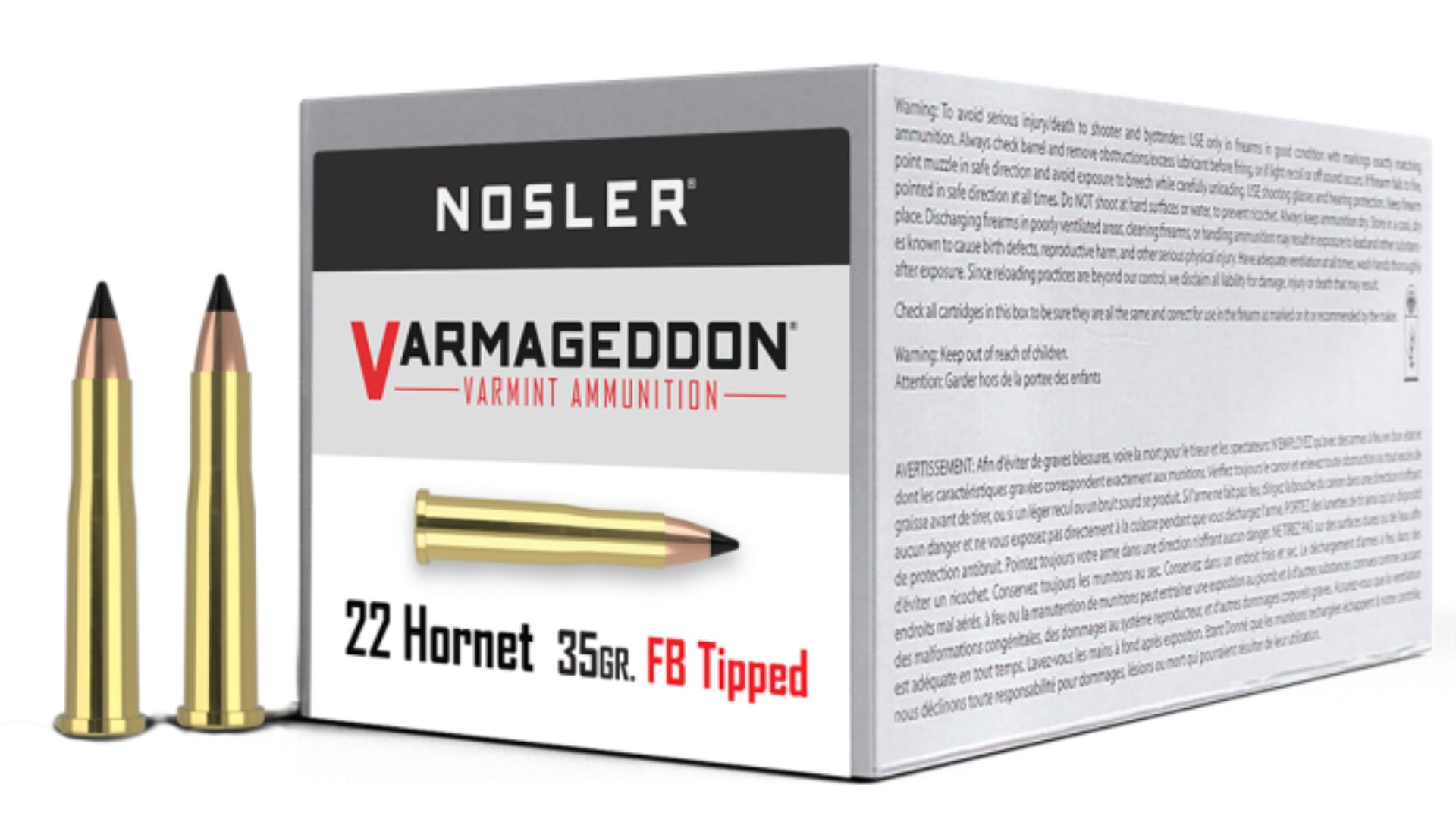
The .22 Hornet is charming, efficient, and soft-shooting—but bone is its undoing. Its small, light bullets rely on velocity and fragile construction, which works beautifully on varmints but falls apart on anything thicker than a rabbit.
On deer-sized game, it often breaks apart on contact, leaving shallow wound channels and poor blood trails. Even perfectly placed shots on soft tissue can fail if you hit ribs or the shoulder blade. The Hornet does what it was designed to do: take small game cleanly. But when used beyond that, it chokes the moment it meets bone.
5.7x28mm

The 5.7x28mm cartridge looks impressive on paper — high velocity, low recoil, and armor-piercing roots. But those small, lightweight bullets lose their edge fast on anything with real density. Against bone, they tend to veer off or fragment, leaving unpredictable wound paths and shallow penetration.
The round shines in personal defense or varmint roles, but it’s wildly overrated in hunting contexts. Even with expanding projectiles, the mass isn’t there to break through ribs or shoulders. The 5.7x28mm’s sleek stats and tactical marketing promise a lot, but on bone, it folds fast. It’s a cartridge that talks big but rarely finishes strong.
Like The Avid Outdoorsman’s content? Be sure to follow us.
Here’s more from us:
The worst deer rifles money can buy
Sidearms That Belong in the Safe — Not Your Belt
*This article was developed with AI-powered tools and has been carefully reviewed by our editors.