Photo credit: VA Meat Hunter & USCCA NRA Instructor/YouTube
If you’re shooting past 300, “good enough” calibers start showing their bad habits. Wind drift gets obvious, vertical spread starts turning into missed lungs, and cheap ammo inconsistencies that didn’t matter at 150 suddenly matter a lot. The trick isn’t chasing the flattest chart. It’s finding rounds that track predictably, handle wind decently, and don’t demand a perfect load recipe to behave.
These aren’t magic rounds, and none of them erase bad dope or shaky fundamentals. But if your goal is consistent hits past 300 without turning the whole thing into a science project, these are the calibers that tend to keep their act together in the real world.
6.5 Creedmoor

This one earned its spot the honest way: it’s forgiving. Factory ammo quality is usually solid, it holds velocity well enough to stay stable farther out, and recoil is mild enough that most people shoot it better than they shoot “bigger” cartridges. Past 300, it tends to give you predictable vertical, and wind calls don’t feel like you’re guessing off vibes.
The other big win is how many rifles are tuned around it now. You can buy a pretty average off-the-shelf rifle and still get consistent performance without messing with seating depth experiments or chasing one unicorn load that only your rifle likes.
.308 Winchester

People love to call .308 “old,” but it’s steady. The reason it still works at 300–600 isn’t because it’s flashy. It’s because it’s easy to feed, easy to tune, and it doesn’t surprise you. It’s not the flattest option on this list, but it’s consistent when you do your part, and it handles weird field conditions better than a lot of faster rounds.
Another thing: .308 has a ridiculous amount of proven ammo, proven bullets, and proven data behind it. If you’re trying to keep things simple, it’s hard to beat a round that has decades of real-world shooting notes baked into it.
7mm-08 Remington

7mm-08 is one of those rounds that doesn’t get enough credit because it doesn’t have hype cycles. But it shoots smooth, it’s not picky, and it carries energy well enough to stay useful past 300 without turning into a wind sail. With good 140–150 grain bullets, it’s usually boring in the best way—predictable, repeatable, not dramatic.
It also tends to behave in lightweight hunting rifles, which is a big deal. Some calibers look great on paper but get touchy in mountain-weight setups. 7mm-08 usually keeps decent manners without punishing you or demanding perfect conditions.
.270 Winchester

If you grew up around deer hunters, you already know .270 has been killing at distance long before “long range” became a personality trait. With the right bullets, it shoots flatter than a lot of classics, and it doesn’t require special tuning to do it. A lot of .270 rifles shoot well with factory loads that are actually easy to find.
Where it shines past 300 is consistent trajectory and solid velocity. Wind still matters, but you’re not fighting unpredictable drop. It’s not trendy, but it’s steady—and that’s the whole point of this list.
.30-06 Springfield
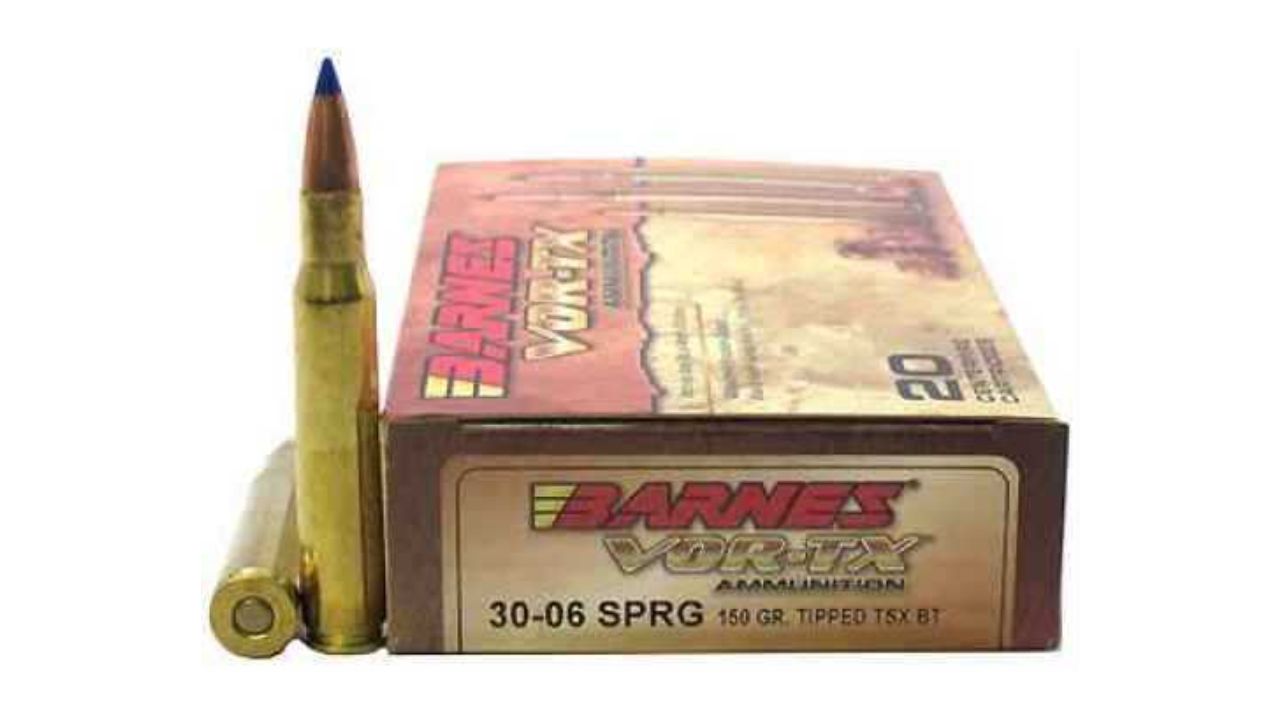
.30-06 stays on lists like this because it’s flexible and consistent, not because it’s “cool.” You can run lighter bullets fast or step into heavier options, and the cartridge still behaves like a cartridge that’s been figured out. Past 300, the big advantage is that you can pick a bullet that matches your job and still get reliable results without reinventing anything.
It’s also one of the easiest rounds to find good hunting ammo for, which matters more than people admit. Consistency doesn’t start at the target. It starts with ammo you can actually replace and verify, not some boutique load you’ll never see again.
6.5 PRC
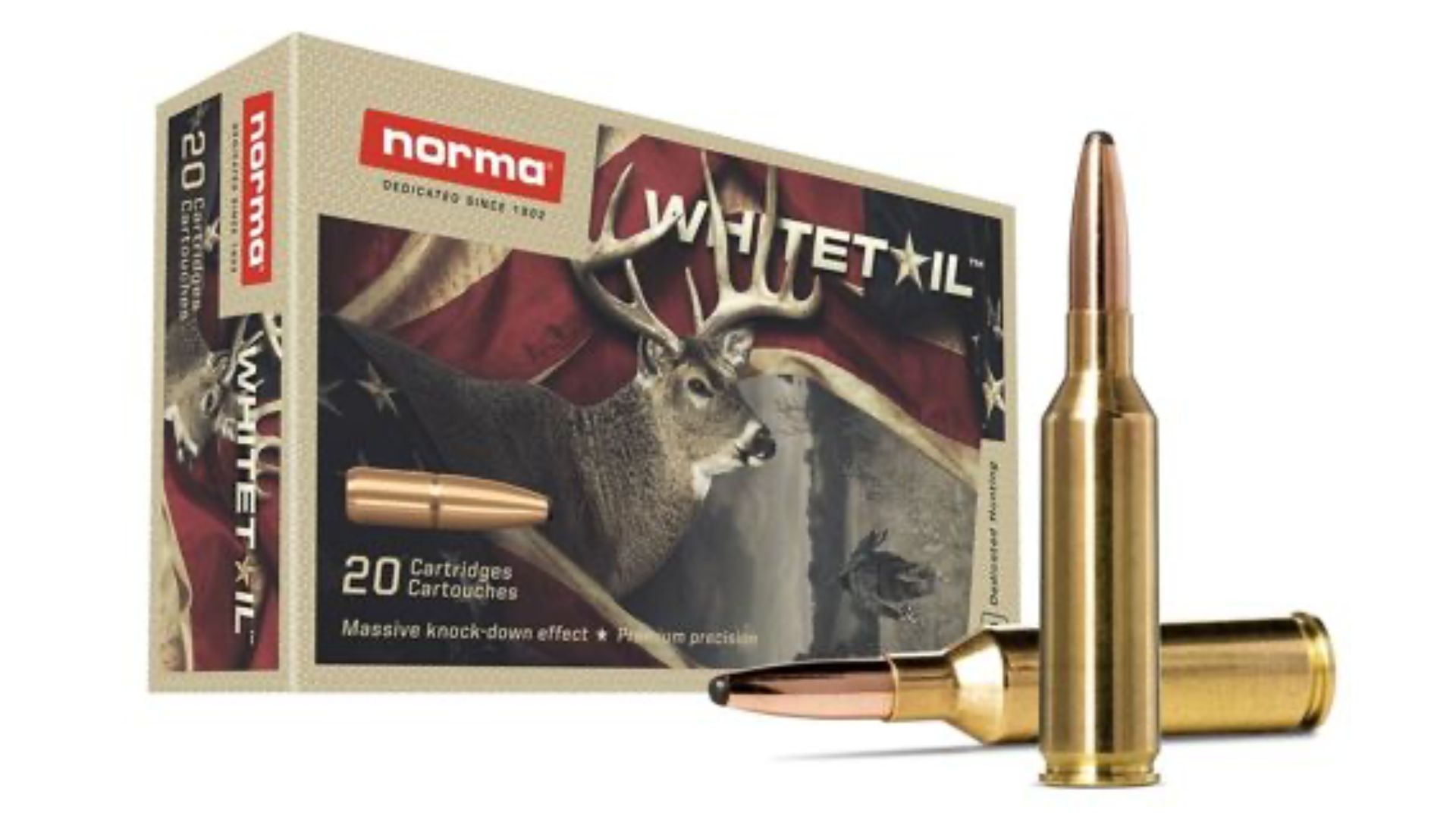
6.5 PRC is basically the “I want more legs than Creedmoor” option without going off into finicky territory. It holds velocity well, stays stable at distance, and keeps wind drift manageable for a 6.5. In a rifle that’s built right, it tends to be consistent without demanding a bunch of tinkering.
Where guys get tripped up is thinking it’s a free upgrade in a super light rifle. It’s still a step up in recoil and muzzle blast, so match it to a rifle that isn’t punishing to shoot. If you can shoot it well, it’s a strong past-300 performer.
7mm PRC

7mm PRC has been winning people over because it’s built around modern bullets and realistic performance goals. You’re getting good BC options, solid retained velocity, and a round that doesn’t feel like it’s fighting you once you get past 300. It’s not a “mystery cartridge” the way some new stuff feels.
Ammo availability varies by area, but what’s out there is generally made to a higher standard than the cheap bulk stuff that causes headaches. If you want consistent longer-range behavior with real hunting performance, 7mm PRC is hard to ignore.
.280 Ackley Improved
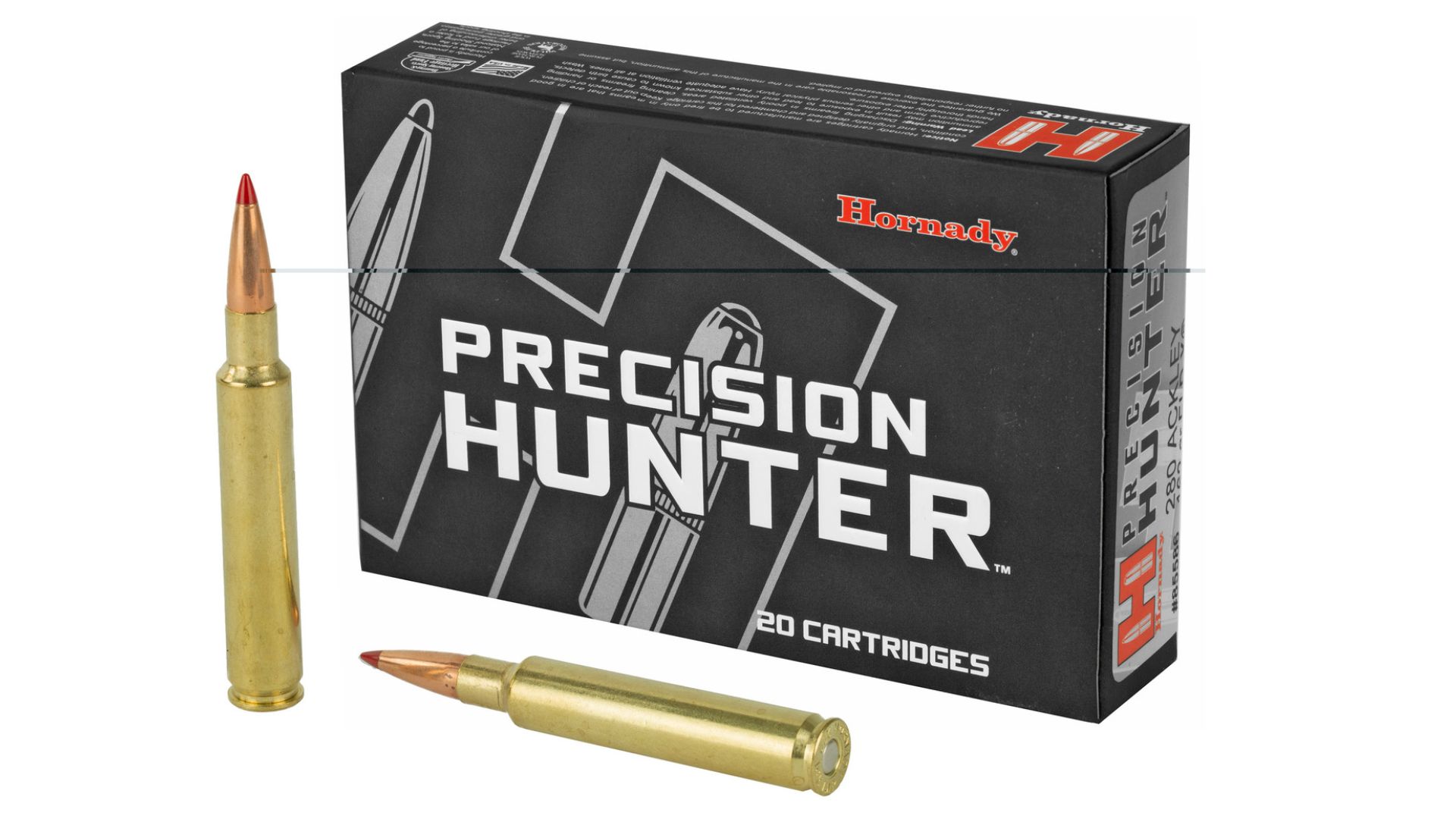
This is one of the best “serious but not stupid” choices for distance. It shoots flat, it carries energy, and it tends to play nicely with a wide range of bullets. The big thing with .280 AI is that it often gives you magnum-ish performance without the same level of recoil or fuss.
The only downside is you need to pick a rifle and ammo setup that you can keep fed. If you’ve got a good source for ammo or you handload even casually, it’s a very consistent round past 300 and doesn’t feel temperamental when conditions change.
7mm Remington Magnum

7mm Rem Mag is still here because it works. When you’re shooting past 300, velocity and BC help, and this cartridge has both with a ton of proven load history behind it. It’s not new, but it’s reliable, and reliable beats trendy when you’re trying to make clean hits in wind.
The key is not getting cute with super-light rifles. In a normal-weight hunting rifle, it’s manageable and consistent. In an ultra-light setup, you’ll see more shooter-induced inconsistency than cartridge issues.
.300 Winchester Magnum

.300 Win Mag isn’t the easiest shooter on the list, but it’s consistent when the rifle and shooter are squared away. Past 300, it carries energy in a way a lot of smaller rounds can’t, and wind is less of a bully. It’s not “easy mode,” but it’s dependable—especially with quality factory ammo.
Where guys mess up is picking it for ego and then never training with it. If you can’t spot your impacts or you dread shooting it, your consistency falls apart. But if you can actually run it well, it stays predictable farther out than most.
.25-06 Remington

This is a sleeper for past-300 consistency because it’s flat and typically shoots tight with decent factory loads. With the right bullets, it carries better than most people expect, and recoil is light enough that you don’t get beat up practicing. That matters because consistency comes from reps, not from owning a “powerful” round.
It’s not as common on shelves as it used to be, so you’ll want to confirm ammo availability before you commit. But performance-wise, it’s a steady cartridge that doesn’t act weird once you stretch it out.
.243 Winchester (with the right bullets)

People treat .243 like it’s only for kids, but with modern bullets and sane expectations, it’s a consistent 300+ cartridge. It shoots flat, recoil is low, and that makes it easier to shoot accurately for a lot of hunters. The catch is bullet choice. Past 300, you need bullets that hold together and stay stable.
When you do that part right, .243 can be extremely consistent on steel and very workable for deer-sized game at reasonable distances. It’s not a hammer, but it’s steady.
6mm Creedmoor

6mm Creedmoor gets used a lot because it’s accurate and predictable. It handles wind well for its size, shoots soft, and tends to have excellent factory ammo quality compared to random oddball cartridges. Past 300, you’re basically buying consistency through low recoil and efficient bullets.
For hunting, it’s a “know your bullet” situation. But strictly on the consistency question—hits, dope, repeatability—it’s one of the easier cartridges to shoot well if your goal is clean impacts without drama.
.260 Remington
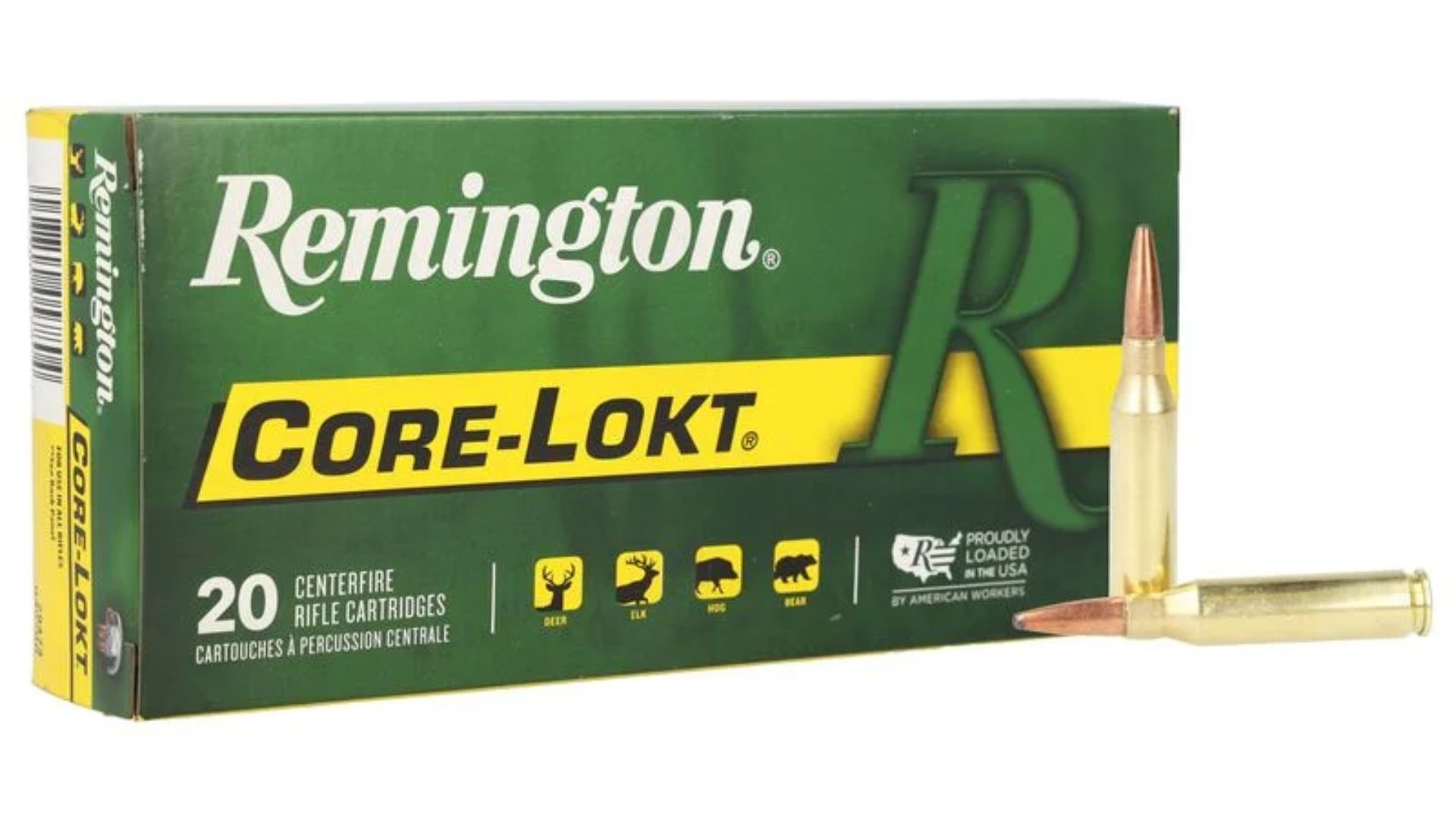
.260 never got the marketing push that 6.5 Creedmoor did, but it has the same general strengths: efficient, accurate, predictable. Past 300, it runs like you’d expect a good 6.5 to run—steady drop, manageable wind, and recoil that doesn’t beat up your form. It’s a solid “do it all” round for people who already have one.
The downside is ammo variety and shelf presence. If you can source good ammo consistently, it’s absolutely a calm, repeatable performer at distance.
.338 Federal

This one is a different kind of “consistent.” It’s not a speed demon, and it’s not meant to be. But it tends to shoot predictably, and it hits with authority. Past 300, you need to respect the trajectory more than the faster rounds, but it’s not finicky in the way some overbore cartridges can be.
If your goal is consistency and hard hits rather than flatness, .338 Federal can be a very steady option. It’s also a round that’s often at its best when you keep things simple—good bullets, known drop, and realistic ranges.
Like The Avid Outdoorsman’s content? Be sure to follow us.
Here’s more from us: