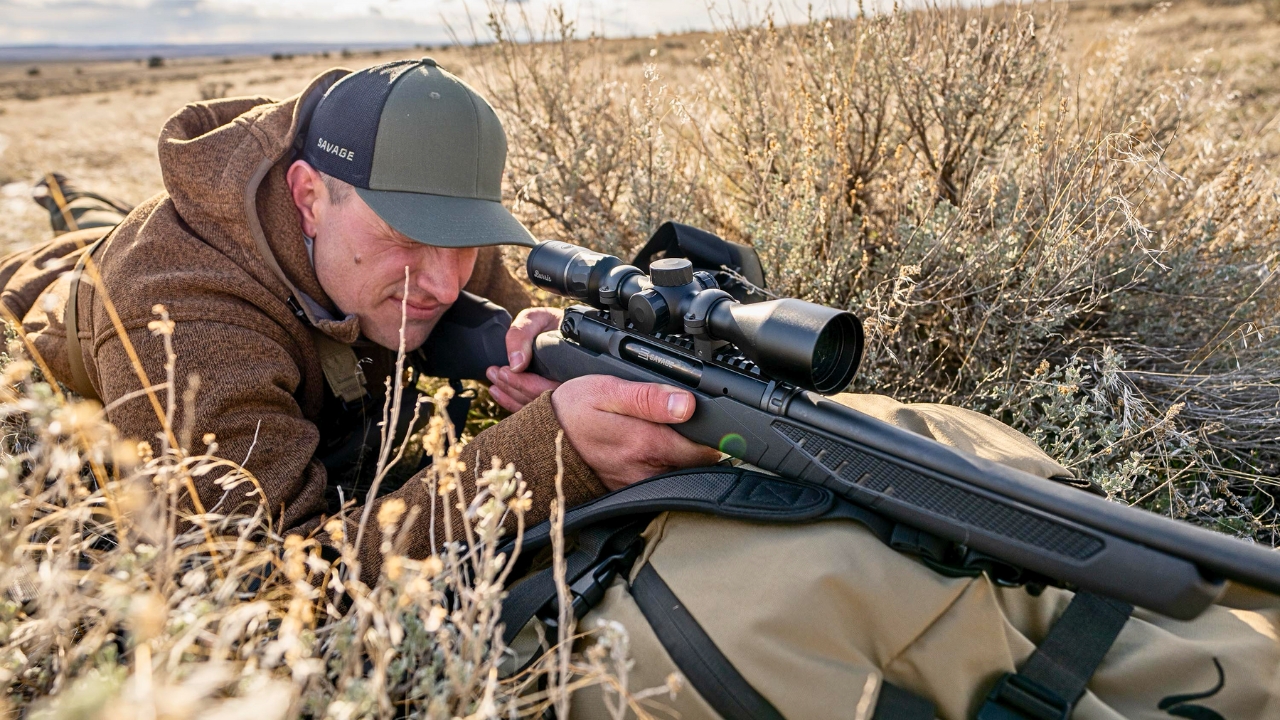
Photo credit: Savage Arms
A lot of guys judge a deer cartridge by how it feels off the bench. That’s understandable, because recoil is real and it affects how you shoot. The mistake is assuming “mild” equals “weak.” Plenty of cartridges shoot soft because they’re efficient, not because they’re underpowered. Put a good bullet in the right place, keep your distance honest, and these rounds can punch well above what their recoil makes you expect. This list is about cartridges that are comfortable to practice with, easy to shoot accurately, and still deliver dependable penetration and tissue damage on deer when you pick a bullet that’s made for the job.
6.5 Creedmoor

The Creedmoor feels mild because it doesn’t need brute force to work. It gets a lot out of moderate powder charges and high-efficiency bullets, which is why so many hunters end up shooting it better than they shoot “bigger” calibers. On deer, it hits harder than people expect because good 6.5 bullets tend to penetrate straight and keep driving, especially if you stay in the normal hunting window. The key is not treating it like a varmint setup—use a deer bullet, not a thin-jacket match-style option, and you’ll see why it keeps stacking clean kills for people who value accuracy and follow-through more than recoil bragging rights.
7mm-08 Remington

7mm-08 is one of the best “quietly effective” deer cartridges ever made. Recoil is easy, especially in standard-weight rifles, and the cartridge doesn’t punish you for practicing. It hits harder than it feels because 7mm bullets at sensible speeds tend to penetrate well and expand reliably without coming apart. With 140–150 grain hunting bullets, you get a very workable blend of energy, manageable recoil, and real-world performance. It’s also a cartridge that stays consistent across different rifles and factory loads, which matters if you’re not a handloader and you just want a setup that behaves the same every season.
.308 Winchester
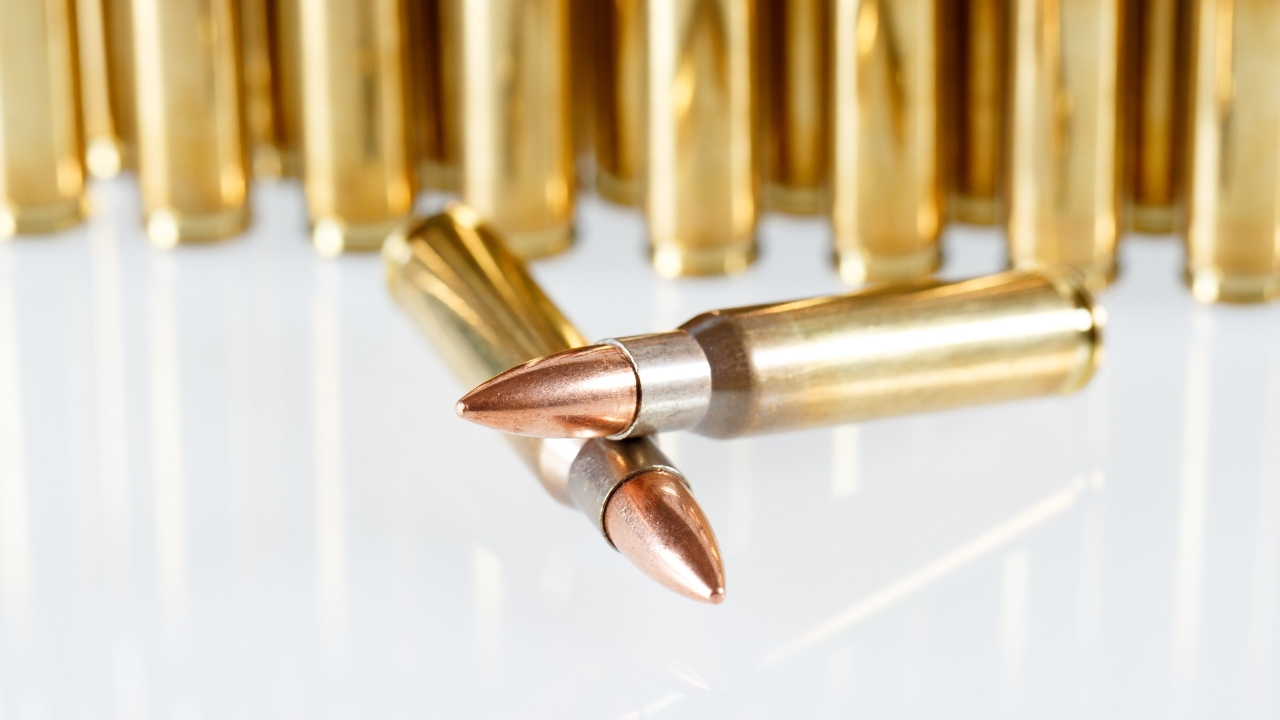
People think of .308 as a heavier kicker than it is, but in most hunting rifles it’s very manageable, especially compared to the magnums. The reason it “hits harder than it feels” is that it’s pushing proven .30-cal bullets that have excellent hunting designs available everywhere. You don’t need extreme velocity for deer, you need a bullet that expands and keeps driving, and .308 does that all day with common 150–168 grain hunting loads. It’s also easy to find ammo that shoots accurately in your rifle without hunting for a weird boutique load, which keeps your zero and your confidence consistent.
.270 Winchester

A lot of hunters assume .270 is “light” because it doesn’t beat you up, but it has been flattening deer for generations for a reason. It carries plenty of speed, shoots flat enough for real hunting distances, and it performs well with controlled-expansion bullets that hold together. The mild feel comes from the balance of recoil, rifle weight, and efficient bullet weights, not from lack of capability. With 130–150 grain deer bullets, it tends to give you clean internal damage without needing magnum recoil. The practical advantage is you can practice more, and when you practice more, you place shots better.
.30-06 Springfield
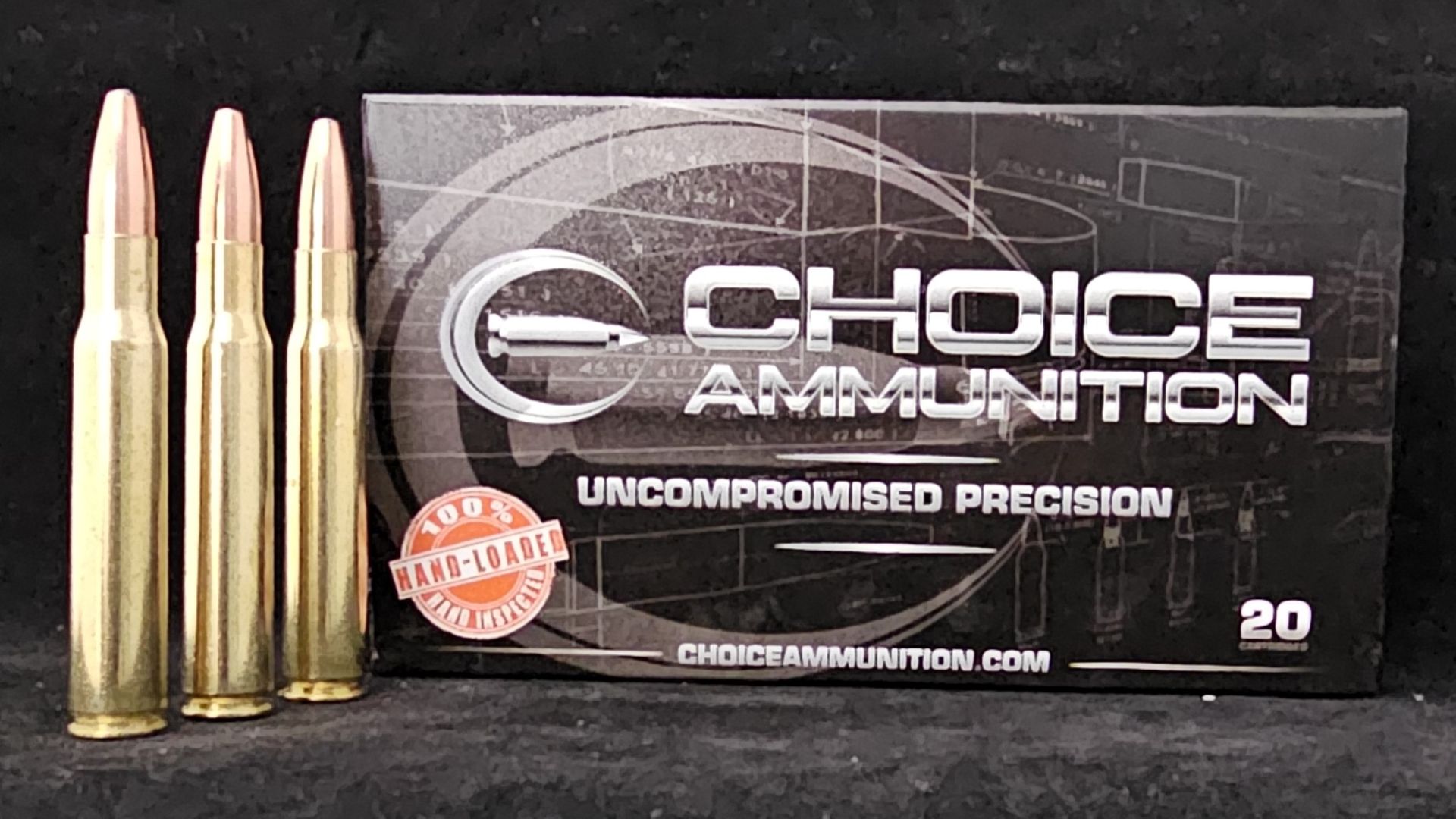
.30-06 can kick if you load it hot, but it doesn’t have to. In normal hunting loads, it’s not the shoulder-hammer some people make it out to be, and it’s incredibly effective on deer. It hits harder than it feels because you’re launching bullets with a lot of frontal area and proven terminal performance, and you can tailor the bullet weight to the job without getting weird. A 150 or 165 grain hunting load will handle deer cleanly without excessive recoil, especially in a normal-weight rifle. It’s also one of those cartridges where you can walk into almost any store and find something workable.
.243 Winchester

With the right bullet, .243 is a legitimate deer cartridge that feels almost too easy to shoot. The mild recoil is why it surprises people—when you can spot your shot, stay calm, and place rounds precisely, deer don’t care that it’s “small.” The catch is bullet selection and distance discipline. Run a real deer bullet, not a fragile varmint bullet, and keep shots within the range where your chosen bullet is designed to expand reliably. Do that, and .243 punches above its weight because it creates effective wound channels while letting you shoot with confidence and repeatability.
6mm Creedmoor

6mm Creedmoor is often labeled a match cartridge, but its behavior is what makes it useful for deer when paired with the right hunting bullet. Recoil is low, and low recoil helps you shoot better under pressure, especially from awkward field positions. It hits harder than you’d expect because modern 6mm hunting bullets can expand reliably while still penetrating well on deer-sized animals. The big advantage is consistency: you can practice a lot, keep your form clean, and make precise shots without developing a flinch. If you’re disciplined about bullet choice and shot placement, it’s a very effective “mild but serious” option.
.260 Remington

.260 is basically the older, quieter cousin of the 6.5 Creedmoor, and it carries the same strengths—efficient bullets, manageable recoil, and very workable ballistics for deer ranges. It feels mild because it’s not overdriven, and it hits harder than it feels because 6.5mm bullets do a good job of penetrating and expanding when you pick the right design. It’s a cartridge that often shoots extremely well in rifles that like it, and accuracy turns into real-world effectiveness when you’re aiming at a deer’s vitals instead of just admiring energy numbers on a chart.
.257 Roberts

This one doesn’t get talked about enough anymore, but it’s a classic for a reason. It’s easy to shoot, it’s accurate, and it kills deer cleanly when loaded with a proper hunting bullet. It feels mild because recoil is gentle and muzzle blast is usually reasonable, but the performance is there because you’re still sending a capable bullet at a good speed. The “harder than expected” part comes from how well it places shots—people tend to shoot it calmly and precisely, and that turns into quick kills. Ammo availability can be regional, but as a concept, it’s a great deer round.
.25-06 Remington

.25-06 often surprises people because it’s flat-shooting and fast without being brutal to shoot. Recoil stays manageable in normal hunting rifles, and the cartridge delivers strong performance on deer because it carries speed and expands reliably with the right bullets. Where guys get disappointed is using bullets that are too thin-jacketed and then blaming the cartridge for shallow penetration. Use a controlled-expansion deer bullet, keep your shot angles reasonable, and .25-06 can be extremely decisive. It’s also a cartridge that makes range estimation a little less stressful for typical hunting distances, which helps accuracy in real conditions.
.300 Savage

.300 Savage doesn’t show up in modern marketing much, but it remains a very practical deer cartridge that doesn’t punish the shooter. In the right rifle, it’s comfortable to carry, comfortable to shoot, and it hits with authority because it’s still a .30-cal bullet doing .30-cal things inside a deer. The recoil doesn’t feel extreme because velocities are moderate, and moderate velocities often help bullets perform predictably rather than exploding or failing to expand. If you’re hunting in timber or mixed terrain where shots aren’t extreme, .300 Savage is one of those rounds that keeps working without drama.
.350 Legend

.350 Legend feels mild compared to what people expect from a “big straight-wall,” especially out of a decently weighted rifle. It hits harder than it feels at practical deer distances because you’re launching a larger-diameter bullet that tends to create a serious wound channel, especially with modern expanding bullets designed for the cartridge. The biggest limitation is range, not effectiveness. If you keep shots inside the distance where it’s still carrying the velocity needed for reliable expansion, it can be very decisive. In states with straight-wall rules, it’s also one of the easiest cartridges to shoot well without getting beat up.
6.8 SPC

6.8 SPC was built to do more than the tiny .22 centerfires without moving into heavy recoil, and that’s why it surprises people on deer. In an AR platform especially, it feels mild and controllable, and it can deliver strong terminal performance with the right bullet. The reason it “hits harder than expected” is that it carries more bullet weight and diameter than people assume when they first hear “6.8.” The downside is ammo variety and shelf presence depending on where you live, but the cartridge itself is capable when used within its intended range window and paired with proven hunting bullets.
6.5 Grendel

In the right setup, 6.5 Grendel is a very shootable deer cartridge that feels soft and controlled, especially in ARs. It surprises people because it can deliver excellent penetration and respectable energy at the distances it’s meant for. The mistake is treating it like a long-range hammer—its strength is efficient performance without punishing recoil, not magnum reach. Use a quality hunting bullet, keep shots within the range where expansion is reliable, and it will perform better than many expect. The “mild” recoil helps you stay steady and make good hits, and good hits are what actually ends hunts.
.338 Federal

This is a different type of “mild.” It isn’t as soft as the small-bore rounds, but it’s far milder than people expect when they hear “.338.” In a typical hunting rifle, recoil is reasonable, and it hits harder than it feels because you’re launching a heavier, larger-diameter bullet that tends to penetrate and smash through bone and tissue reliably. It’s not about speed, it’s about momentum and bullet construction doing honest work on game. Inside normal deer ranges, it’s extremely effective without forcing you into magnum recoil or magnum muzzle blast.
Like The Avid Outdoorsman’s content? Subscribe to our newsletter so you never miss an article.
Here’s more from us: