Photo credit: NioleNina/Pixabay.com
A lot of people want a dog that can live quietly with the family but still turn serious the second something feels off. That combination is a big reason certain protection and guardian breeds have held onto their reputation for so long. The right dog does not need to act wild all day to be useful. In fact, the best ones usually do the opposite. Around their people, they tend to be steady, settled, and easy to live with once they know the household and understand the routine. But when a stranger pushes too far or something truly does not belong, they can switch gears fast.
That is where people need to be honest with themselves. A dog that is calm with family and rough on intruders is not the same thing as a dog that is easy for everybody. These breeds usually need structure, socialization, and owners who understand the difference between stable protection and a liability with fur. The good ones are not out looking for trouble every second. They are composed until they have a reason not to be. These are the breeds that tend to do best in that role when they are bred right and handled by people who know what they are asking for.
Rottweiler

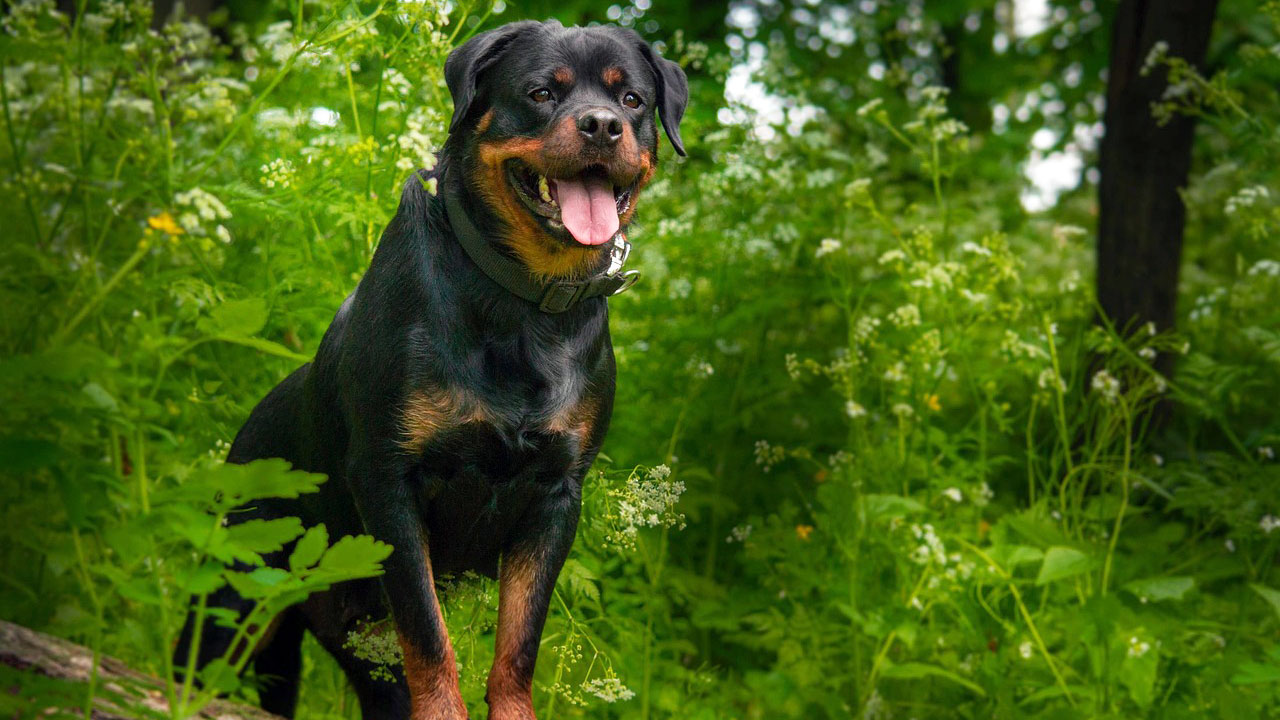
A good Rottweiler is one of the clearest examples of a dog that can be calm and affectionate with its family while still being a serious problem for the wrong stranger. Around the home, they are often steady, observant, and more settled than people expect from such a powerful breed. They tend to bond hard with their people and usually like having a clear place in the household. That calm confidence is a big part of what makes them so respected. They do not have to be noisy or frantic to make it obvious they are paying attention.
That same confidence is exactly why intruders should not take them lightly. A well-bred Rottweiler can switch from relaxed to forceful in a hurry if it reads a real threat. They are not usually bluffing dogs. If they decide something is wrong, they bring size, commitment, and a lot of physical power to the situation fast. The key is that they need real leadership and proper training. In the right home, they are often gentle with family and all business with someone who crosses the line.
German Shepherd

The German Shepherd built its whole reputation on this balance. A solid one can be calm in the house, deeply loyal to the family, and highly tuned in to what is normal around the property. They usually like routine, learn the household fast, and settle best when they understand who belongs and what the rules are. With their own people, many are affectionate without being clingy and serious without being difficult. That makes them one of the most practical all-around family protection breeds when bred and raised right.
When something feels wrong, though, a good Shepherd can get rough in a hurry. They are naturally alert and often highly protective, which is exactly why weak training can make them a mess and strong training can make them outstanding. A Shepherd that trusts its handler and knows the difference between welcome guests and genuine threats can be a powerful deterrent. They tend to make intruders think twice even before physical force enters the picture. There is a reason this breed keeps showing up in serious working roles.
Doberman Pinscher

Dobermans are often better house dogs than people realize. A good one can be clean, steady, highly people-focused, and surprisingly calm when the environment is under control. They usually bond tightly with their family and often like staying close enough to monitor what is happening without being chaotic about it. That creates a dog that can fit into everyday family life well when given training, boundaries, and enough mental engagement. The sleek look makes people think “high-strung,” but a well-bred Doberman often carries itself with a lot of composure.
That calm side makes the protection side hit even harder. Dobermans are fast, sharp, and serious when they think something is off. They do not need a lot of wasted motion to make a point. An intruder facing a committed Doberman is dealing with a dog that can close distance quickly and act decisively. That is why sloppy ownership is such a bad idea with this breed. In capable hands, though, the Doberman remains one of the clearest examples of calm-with-family and hard-on-threats done right.
Bullmastiff
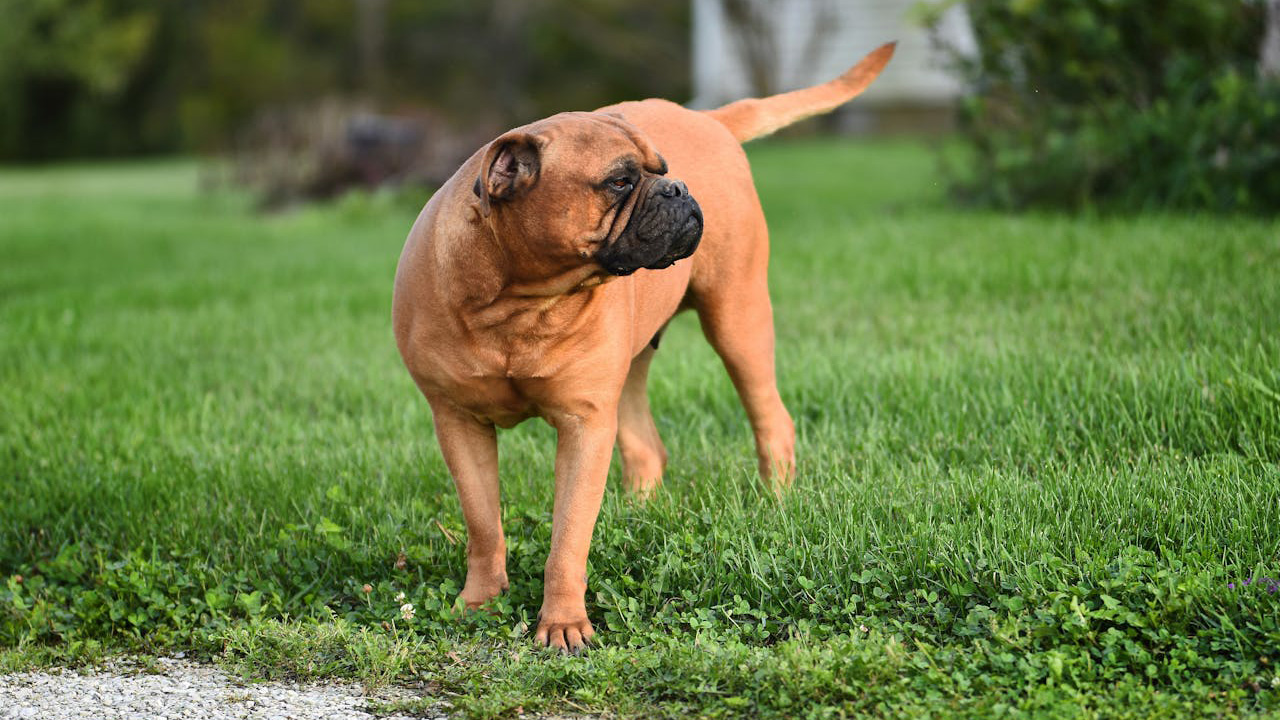
The Bullmastiff tends to be a very good family dog when its people know what they are doing. Around the home, they are often quiet, steady, and surprisingly low-drama for such a large animal. They usually do not waste energy on constant noise or wild overreaction. A good Bullmastiff tends to watch first and move second, which makes them feel calm and dependable in everyday life. With family, many are affectionate in a heavy, grounded sort of way rather than a frantic one.
That calm nature should never be mistaken for softness. Bullmastiffs were built to confront intruders, and a good one still carries that instinct. They are large enough to overwhelm most people physically and serious enough not to need much rehearsal when something feels truly wrong. They usually do not look for trouble, but if trouble comes through the gate, they are built to meet it head-on. That combination of household calm and hard defensive presence is exactly why the breed still earns respect.
Cane Corso

A well-raised Cane Corso can be surprisingly steady with its family. These dogs are usually highly aware of their people, their home, and the normal rhythm of the property. Once they know who belongs, they can be very calm and even affectionate in a serious, grounded way. They are not usually goofy family clowns. They tend to carry themselves like dogs that are always aware of the room. That can make them excellent home guardians when owners understand how much structure and early socialization they need.
On the flip side, a Corso that decides somebody is not welcome can get rough very fast. This breed has size, strength, and strong protective instincts, and none of that should ever be underestimated. They do not need to act foolishly aggressive all day to be dangerous to an intruder. A stable Corso is often calm until there is a reason not to be. That is exactly what many owners want, but it also means this breed needs capable handling from day one so that “protective” does not turn into unstable.
Giant Schnauzer

The Giant Schnauzer is one of the more underrated serious protection breeds. Around family, a good one can be loyal, engaged, and fairly calm once properly exercised and trained. They tend to be very aware of the household and often bond strongly to their people. Unlike some of the heavier mastiff breeds, they bring a little more energy and sharpness, but that does not mean they cannot settle. In a structured home, many Giant Schnauzers become reliable companions that stay tuned in without being chaotic.
When it comes to intruders, though, they are not soft. This breed can be forceful, territorial, and highly serious when something crosses into its space in the wrong way. They have the speed and determination to make life hard on someone who thought they were dealing with a shaggy pet instead of a true working guardian. That is part of what makes them so effective. They can live closely with family and remain composed, but still carry enough edge to deal with real pressure when it shows up.
Belgian Malinois

The Belgian Malinois can absolutely be calm with family in the right home, but that home has to know what it is handling. This is not calm in the lazy sense. It is calm in the disciplined sense. A good Malinois under proper structure can settle around its people, stay attentive without being frantic, and integrate into family life better than outsiders often assume. The key is that they need serious handling, clear expectations, and enough work or engagement to stay mentally right. A Malinois that is respected and managed well can be excellent at home.
That same dog can become extremely rough on an intruder in almost no time. Speed, athleticism, grip, nerve, and focus are what made the breed famous, and those qualities are very real. A Malinois does not need to be huge to be dangerous. When it commits, it commits hard. That makes it one of the most effective intruder-deterrent breeds in existence, but also one of the least forgiving of sloppy ownership. Around the family, it can be close and controlled. Against a threat, it can be a nightmare.
Boxer
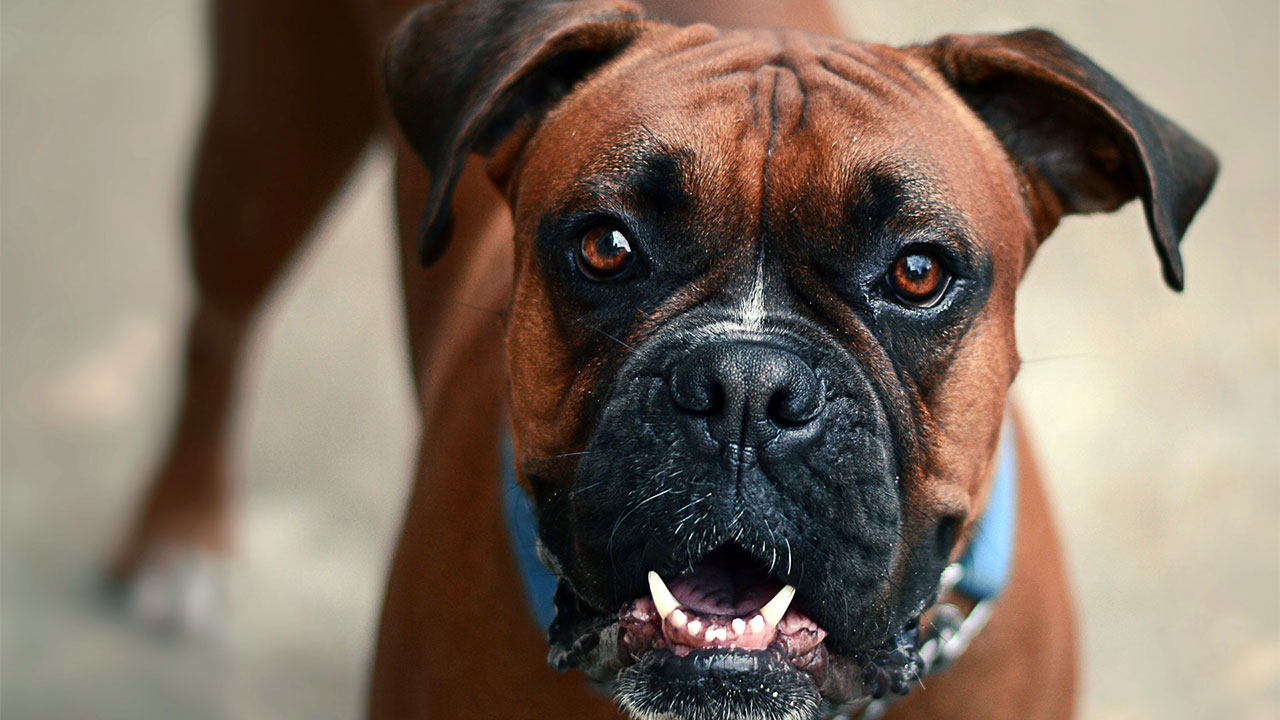
People sometimes forget how naturally protective a good Boxer can be because the breed also has a playful, family-friendly side. Around its people, a Boxer is often affectionate, patient, and more relaxed than its athletic build suggests. They tend to enjoy family life and can be especially good with the people they know and trust. That warmth is a big part of why the breed worked so well for so many households over the years. They are often easy to love and easy to have around when the environment is stable.
But a Boxer is not just a bouncing clown. A solid one can turn serious fast when it reads a genuine problem. They are strong, athletic, and naturally watchful enough to make a bad stranger regret testing the house. What makes them especially useful in this kind of role is that they often combine approachability with real protective instinct. They are usually not as cold or hard-edged as some guardian breeds, but they can absolutely get rough when family or home feels threatened.
Akita
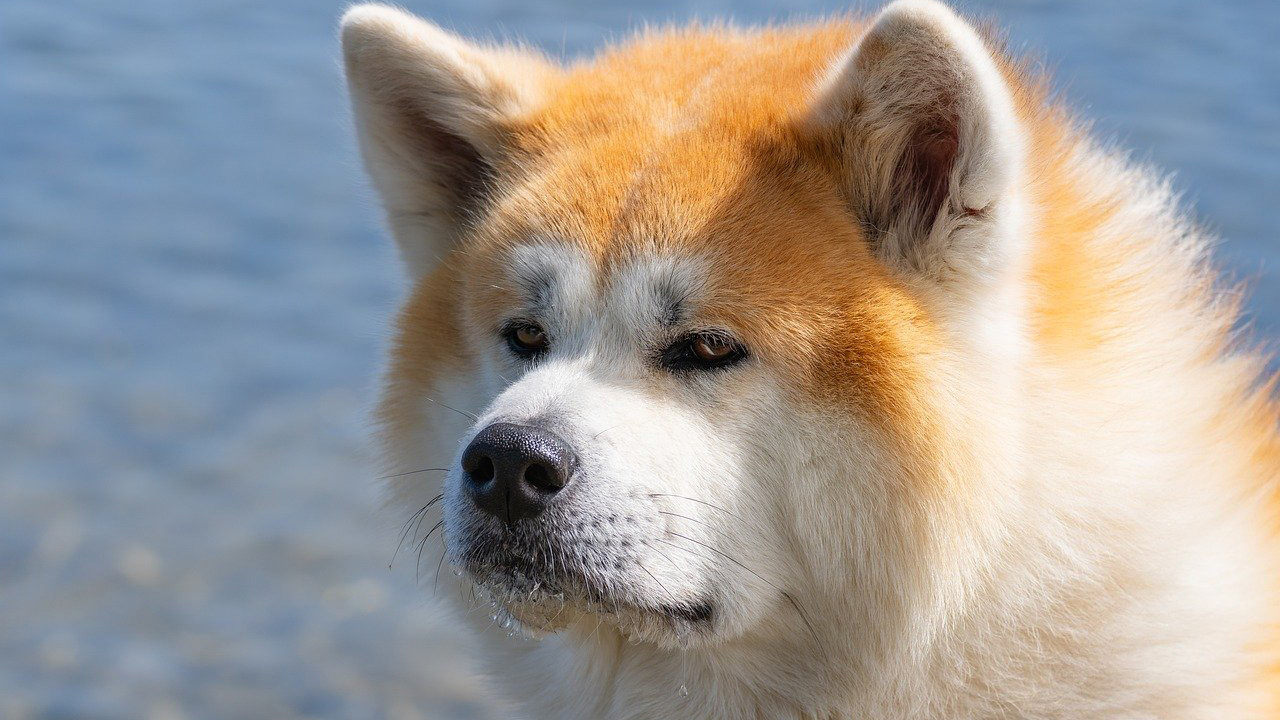
Akitas tend to be very calm at home when they trust the household and know the routine. They are not usually noisy, needy, or desperate for constant attention. Instead, they often settle into a quiet, observant role and keep an eye on everything without making a production out of it. Around family, a good Akita can be deeply loyal, very composed, and surprisingly gentle with the people it claims as its own. That calm reserve is one of the breed’s defining traits.
That same reserve becomes a real problem for intruders because Akitas are not usually interested in playing social games with strangers. A good one can be extremely serious about guarding its people and territory. They do not always advertise what they are thinking either, which can make them even more imposing. If an Akita decides somebody does not belong, it has the power and determination to get rough in a hurry. This is one of those breeds where stable temperament matters a lot, because the protective side is very real.
Rhodesian Ridgeback
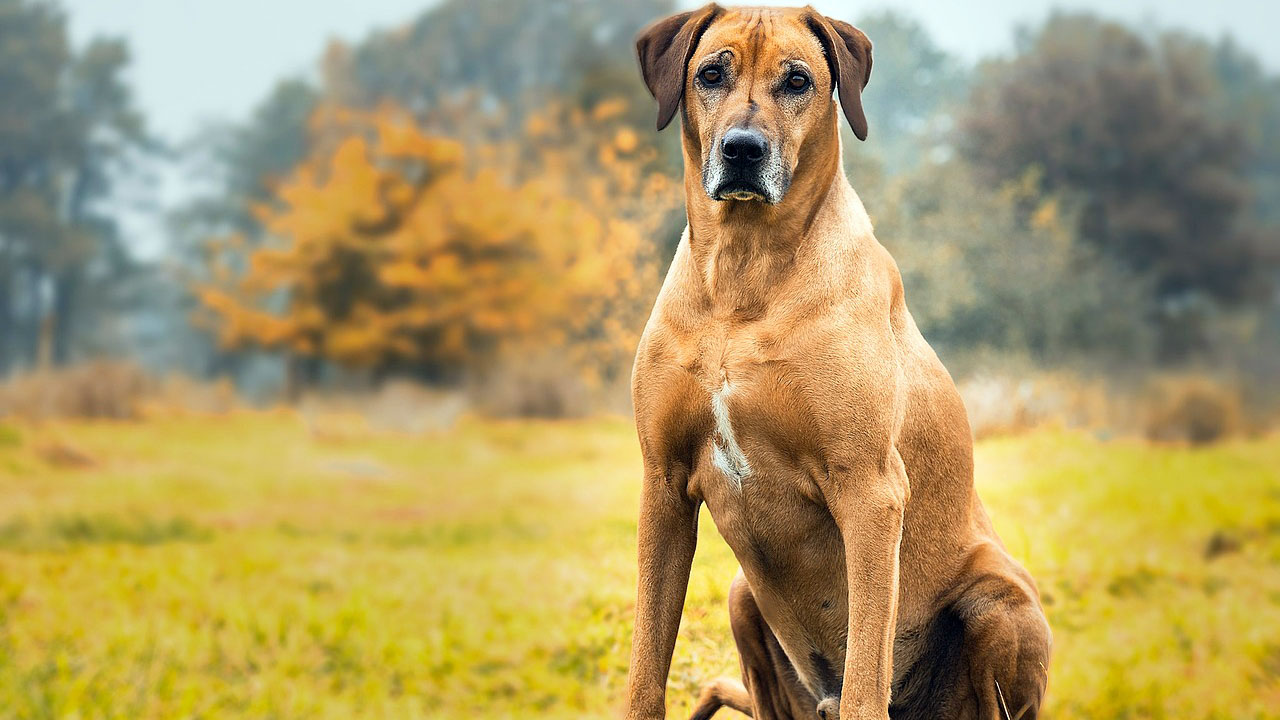
The Rhodesian Ridgeback often surprises people in this conversation, but it should not. Around family, many Ridgebacks are calm, clean, and more laid-back in the house than their athletic build suggests. They usually like comfort, tend to be composed indoors, and often bond closely with their people without being overly needy. A good Ridgeback has a steady kind of confidence that works well in family settings. They are not usually frantic watchdogs looking to bark at every leaf.
That said, they are also powerful, courageous dogs with a natural seriousness around unfamiliar pressure. A Ridgeback that senses something wrong at home can become very hard on an intruder if it believes action is needed. They tend not to waste energy on empty drama, which makes the shift more meaningful when it happens. This is not the same kind of protection style as a Shepherd or Malinois, but it is still very real. A calm Ridgeback with family can be a serious obstacle to anyone who forces the situation.
Boerboel

The Boerboel is a massive, serious guardian that can still be very settled with its own people. Around family, a well-bred and well-managed Boerboel is often calm, affectionate, and highly bonded. They usually like being close enough to monitor the household and can be very stable in their own environment when everything is as it should be. That calm presence is part of what makes them so effective. They do not need to make a scene to control the feel of a space.
But when something feels wrong, the Boerboel’s size and seriousness become impossible to ignore. This breed was built to guard and carries the kind of physical power that can overwhelm a person fast. They are not for timid or inconsistent owners because a dog this capable must be stable and accountable. In the right hands, though, a Boerboel can be exactly what many landowners want: gentle and settled with family, but hard enough on a real intruder that the matter ends quickly.
Presa Canario
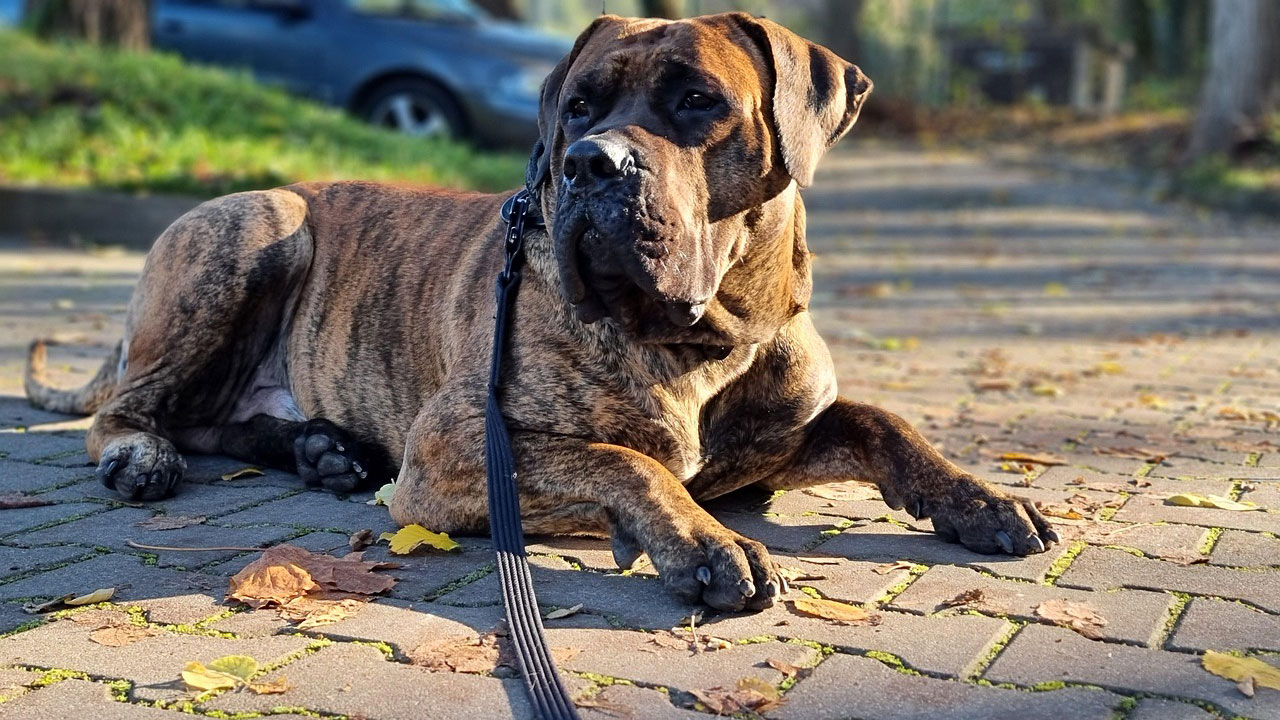
A Presa Canario can be very calm with the household it trusts. These dogs often carry themselves with a slow, steady confidence and do not usually feel the need to fuss over every little thing. Around family, a good Presa can be affectionate in a serious way and often quite composed in the home or on the property. They usually prefer knowing their people, their ground, and their routine. That strong sense of place makes them feel very settled when life is normal.
For an intruder, though, that same territorial certainty can get ugly fast. The Presa is a powerful, dominant breed that does not usually need much encouragement to take home defense seriously. If it decides somebody is a threat, it has the size, strength, and will to become rough in a hurry. This is why the breed has to be owned by people who truly understand guardian dogs. In a stable setup, it can be excellent with family. In a bad setup, it becomes far too much dog far too fast.
Great Pyrenees
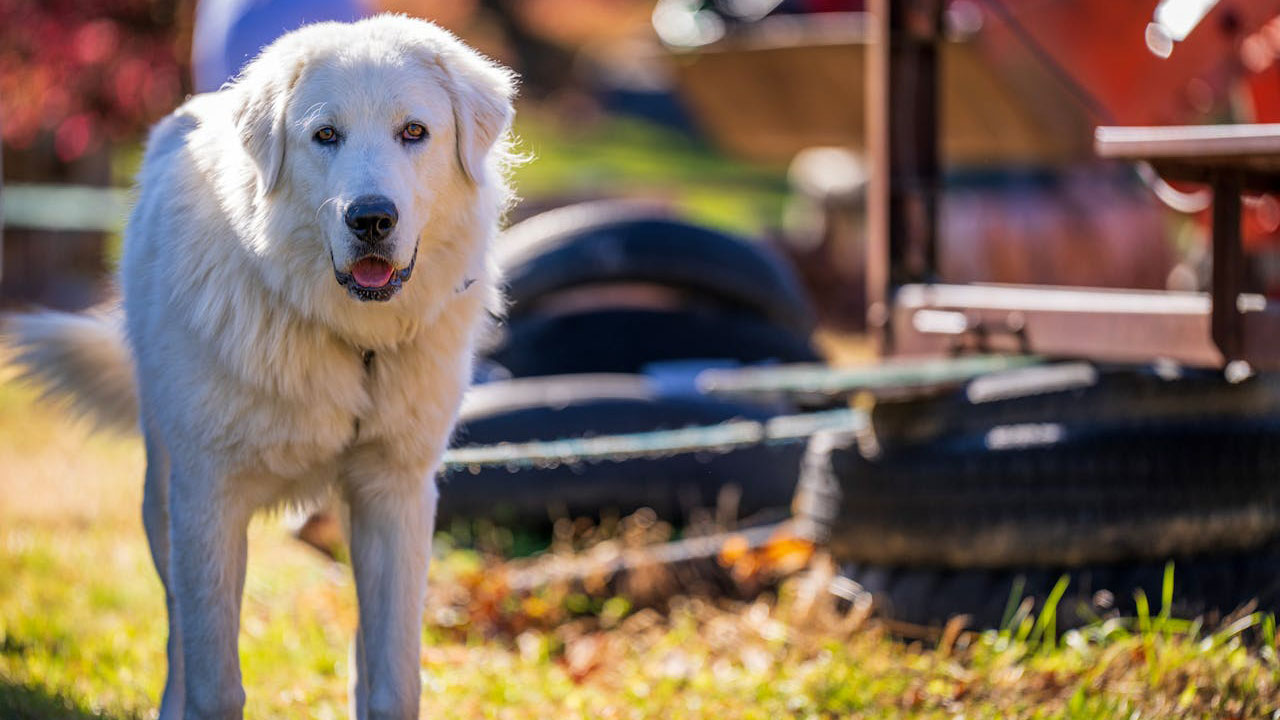
The Great Pyrenees is a different style of protector than some of the sharper protection breeds, but it absolutely fits this list. Around family and livestock, a good Pyrenees is often calm, patient, and steady. They are not usually frantic or dramatic unless there is a reason. That makes them especially good for households or farms that want a dog with a peaceful everyday presence. A Pyrenees can spend long stretches looking almost lazy, but that is often just confidence and patience, not softness.
When something truly does not belong, though, a good Pyrenees can become very rough. This breed was built to stand against predators and hold its ground. It does not need to be fast and flashy to be effective. Size, courage, and refusal to back down go a long way. An intruder expecting a fluffy white farm ornament can get a rude education in a hurry. The Pyrenees is one of the best examples of a calm family dog that can still become a serious problem when the line is crossed.
Anatolian Shepherd
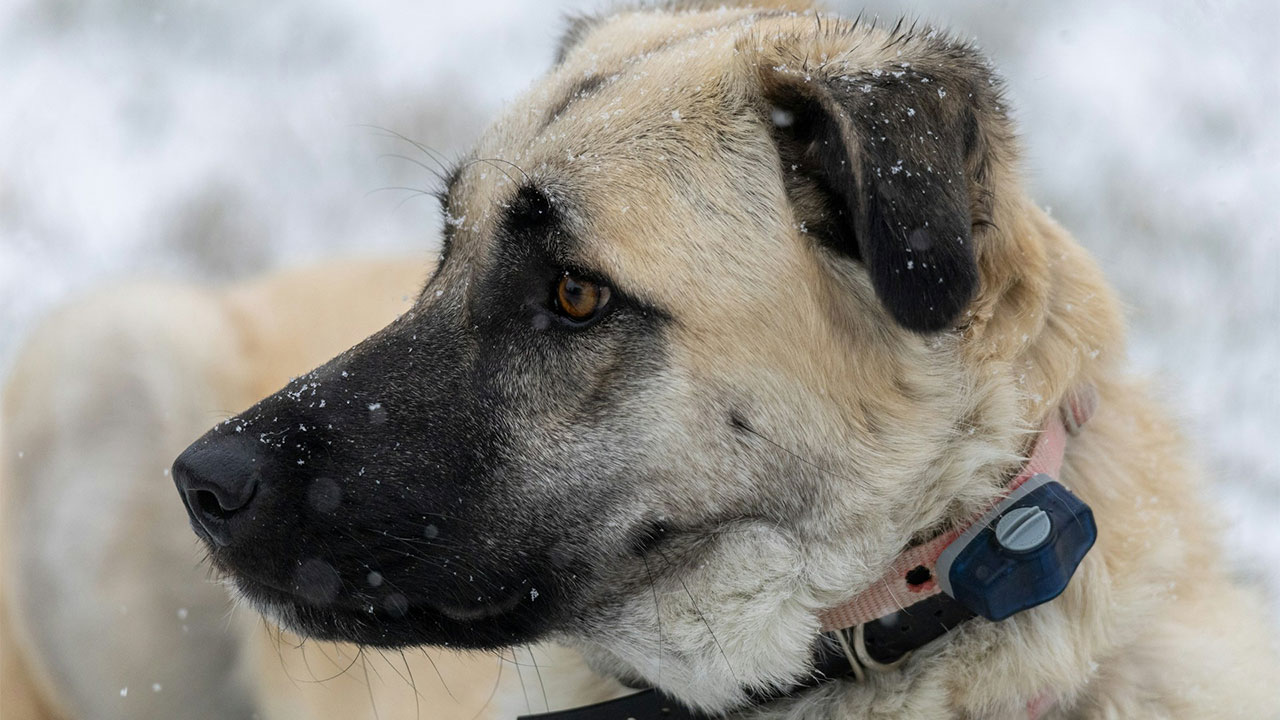
The Anatolian Shepherd is usually very calm with the people and animals it considers its own. They are independent, serious, and often not especially interested in making a lot of noise without a reason. Around family and stock, a good Anatolian can be remarkably steady. They tend to settle into their role with very little need for constant interaction or praise. That self-contained nature makes them good for land and households where quiet confidence matters more than clingy companionship.
Against an intruder, that confidence turns hard fast. Anatolians are true guardian dogs and tend to take territory seriously. If they decide something does not belong, they are fully capable of meeting it with force. They are not the kind of breed that needs to be trained to look imposing. They come that way. The challenge is making sure they are stable and well-managed enough to distinguish between normal life and a real threat. In the right hands, that balance can be excellent.
Bull Terrier

The Bull Terrier is not always the first breed people think of for this role, but a good one can absolutely be calm and affectionate with family while being rough on somebody who pushes the wrong button. Around its people, the breed is often clownish, devoted, and very bonded. They can be surprisingly content at home and usually love being part of the family unit. There is a lot of personality packed into them, but many settle well when given enough structure and outlet.
What gets overlooked is how tough they are. Bull Terriers are strong, determined, and not built with a soft attitude when conflict actually arrives. They may not be classic guard dogs in the same mold as a Rottweiler, but a bad intruder who tangles with one is still dealing with a muscular, stubborn dog that can get very physical very quickly. Their family side can make them feel approachable. Their rough side can make that assumption a very bad mistake.
Like The Avid Outdoorsman’s content? Be sure to follow us.
Here’s more from us: